
Choosing between JPEG and XBM can feel confusing because these two image formats were created for very different purposes. One is a modern, widely used format for colorful photos and everyday image sharing, while the other is a highly specialized monochrome bitmap format with roots in older technical environments. If you are trying to compare image quality, compatibility, file size, or practical use cases, the key is not asking which format is universally better, but which one is more suitable for your specific workflow.
Part 1. What Is JPEG? What Is XBM?
What Is JPEG?
JPEG stands for Joint Photographic Experts Group, the organization that developed the format. It is one of the most common image formats in the world and is especially popular for photographs and complex images with many colors, gradients, and details.
JPEG uses lossy compression, which means it reduces file size by discarding some image data. In practice, this tradeoff is often acceptable because it allows users to store and share images more efficiently. That is why JPEG is commonly used for website images, digital camera photos, email attachments, presentations, and social media uploads.
Its biggest strengths are broad compatibility and strong support for full-color visuals. Nearly every browser, phone, computer, and image editor can open JPEG files, making it a safe default for everyday use.
What Is XBM?
XBM stands for X BitMap. It is a monochrome bitmap image format originally designed for the X Window System, which was widely used in Unix and Linux graphical environments. Unlike JPEG, XBM is limited to black-and-white graphics and is much more technical in nature.
One unusual characteristic of XBM is that it is text-based rather than stored as a typical binary image file. This made it useful in older development workflows because bitmap data could be embedded directly into source code. However, this also makes XBM feel outdated compared with modern image formats.
Today, XBM is considered a niche or legacy format. It is not designed for photo storage, colorful graphics, or modern creative workflows. Instead, it is mostly relevant when dealing with old interface assets, embedded systems, or software projects that still rely on historic bitmap resources.
Core Differences at a Glance
JPEG and XBM differ in almost every major area:
- JPEG supports full-color images and can display millions of colors.
- XBM only supports black-and-white bitmap graphics.
- JPEG is suitable for photos and realistic visuals.
- XBM is suitable only for very simple monochrome graphics.
- JPEG is widely supported across modern platforms and tools.
- XBM is niche and usually tied to legacy-oriented workflows.
In simple terms, JPEG is made for modern image sharing, while XBM exists for very limited technical scenarios.
Why People Compare JPEG and XBM
Even though these formats are very different, users still compare them for a few practical reasons:
- They may discover an XBM file and want to know what it is.
- They may need to reuse or open legacy image assets in a modern workflow.
- They may be deciding which format works best for icons, photos, or lightweight graphics.
- They may run into compatibility issues and need a simple way to convert one format into another.
This comparison is especially useful for beginners, designers, developers, and website owners who want a clear answer without getting lost in unnecessary technical jargon.
Part 2. Quick Comparison Table
JPEG vs XBM Comparison Table
| Feature | JPEG | XBM |
| Full name | Joint Photographic Experts Group | X BitMap |
| File type | Raster image format | Monochrome bitmap image format |
| Compression type | Lossy compression | Uncompressed bitmap-style data |
| Color support | Full color, millions of colors | Black and white only |
| Image quality | Good for photos, but quality can decrease with compression | Very limited, suitable only for simple 1-bit graphics |
| Transparency support | No native transparency | No true transparency support |
| Best for | Photos, web images, social sharing, general storage | Monochrome icons, legacy UI assets, old X Window resources |
| File size tendency | Usually compact and efficient for photos | Can be inefficient for anything beyond tiny simple graphics |
| Compatibility | Very high across devices, browsers, and editors | Limited, often requires special handling |
| Editing flexibility | Easy to edit in most modern tools | Limited in modern editors and workflows |
| Legacy or modern usage | Modern and mainstream | Mostly legacy and niche |
Key Takeaways from the Comparison Table
The table makes the practical choice fairly clear for most users. JPEG is better for photos, colorful visuals, and general image sharing because it balances quality and file size while remaining widely compatible.
XBM, on the other hand, is only suitable for very simple black-and-white graphics. It is not a modern replacement for common image formats. Unless you are working with a legacy system or a specialized technical environment, JPEG will be the more useful and flexible option.
Part 3. JPEG vs XBM: Which One Is Better?
Is JPEG Better for Everyday Use?
Yes. For everyday use, JPEG is the better choice by a wide margin. It works well for photographs, online publishing, presentations, digital archives, and general image storage. Because JPEG is supported almost everywhere, users do not usually have to worry about whether a recipient, browser, or app can open the file.
For most people, convenience matters just as much as image quality. JPEG offers both. It is easy to create, easy to share, and easy to edit in common software.
When Can XBM Be Better?
XBM is only better in very narrow scenarios. If a project explicitly requires a monochrome bitmap format, especially within an old Unix, Linux, or X Window System environment, XBM may still be the correct choice.
It can also matter in legacy development contexts where image data must be extremely simple or embedded directly into code. In those cases, its text-based structure may still have practical value. Outside of that, XBM is rarely the ideal option in 2026.
JPEG vs XBM for Image Quality
JPEG can display rich detail, natural color transitions, and realistic photographic content. While lossy compression may reduce quality if the compression level is too high, JPEG still remains highly effective for everyday visual content.
XBM cannot represent detailed or realistic images well because it only supports black and white. There are no gradients, no full-color visuals, and no subtle image detail in the way modern users expect. This makes XBM unsuitable for photographs and most creative graphics.
JPEG vs XBM for File Compatibility
JPEG is one of the most compatible image formats available. It opens on almost every device and works in nearly every browser, design application, and content management system.
XBM is much less compatible. Many modern users may not even recognize the format. Opening or editing it may require specific software, a code-based workflow, or conversion into a more common format. If compatibility matters, JPEG is the safer choice.
Final Verdict by Scenario
Here is the simplest way to decide:
- Choose JPEG for photos, colorful images, web publishing, social media, email sharing, and modern workflows.
- Choose XBM only when you are dealing with monochrome legacy graphics or a technical environment that specifically requires it.
This is not a close competition for most users. The right choice depends on use case, and in modern image workflows, JPEG fits far more situations.
Recommended Tool for Conversion Needs
If you need to convert input format files into target format files after comparing these two formats, Wondershare UniConverter is the first and most practical tool to consider. It is especially useful for users who do not want a technical or complicated workflow.
UniConverter stands out because it offers:
- A beginner-friendly interface
- Broad format support for image handling
- Fast conversion performance
- A simple workflow that helps solve compatibility problems without advanced setup
For users who discover an unexpected XBM file or need to prepare an image for a different environment, UniConverter is a straightforward solution.
Part 4. Use Cases for JPEG and XBM
Best Use Cases for JPEG
JPEG is ideal for many common image tasks, including:
- Digital photography
- Website images where reduced file size matters
- Social media uploads
- Email attachments
- Presentations
- Everyday image sharing and storage
It is particularly useful when you need a good balance between visual quality and manageable file size.
Best Use Cases for XBM
XBM is best reserved for very specific needs, such as:
- Monochrome icons
- Legacy Unix or X Window System applications
- Lightweight bitmap assets in older technical environments
- Projects that require black-and-white image data in a simple structure
These are specialized use cases, not general recommendations for modern image management.
When Not to Use JPEG
JPEG is not always the best format. Avoid it when:
- Your image contains sharp text or line art that must stay perfectly crisp
- You plan to edit and re-save the file many times
- Lossless preservation is important
- You need transparency support
In these cases, other modern formats may be more appropriate than JPEG.
When Not to Use XBM
XBM should generally be avoided for:
- Modern photo storage
- Rich graphics or colored illustrations
- Cross-platform content workflows
- Social media, websites, and general image sharing
- Any situation where easy compatibility matters
For most users in 2026, XBM is simply too limited for daily image work.
Practical Format Selection Tips
To choose the right format more confidently, keep these tips in mind:
- Match the format to the asset type rather than forcing one format for every purpose.
- Use JPEG when visual richness, color, and compatibility matter.
- Use XBM only when a project specifically requires monochrome bitmap output.
- If you are unsure, think about where the image will be used: browser, app, codebase, archive, or legacy system.
- Keep the original file before converting in case you need to return to the source format later.
Part 5. Step-by-Step Guide to Convert JPEG to XBM Using UniConverter
Why Use UniConverter for This Conversion
Wondershare UniConverter is the best starting point if you need a simple and efficient way to convert image files. It is especially helpful for users who may not be familiar with older formats like XBM or who want to avoid overly technical software.
Its clean interface, broad format handling, and fast workflow make it a practical choice for both beginners and experienced users trying to solve file compatibility issues.
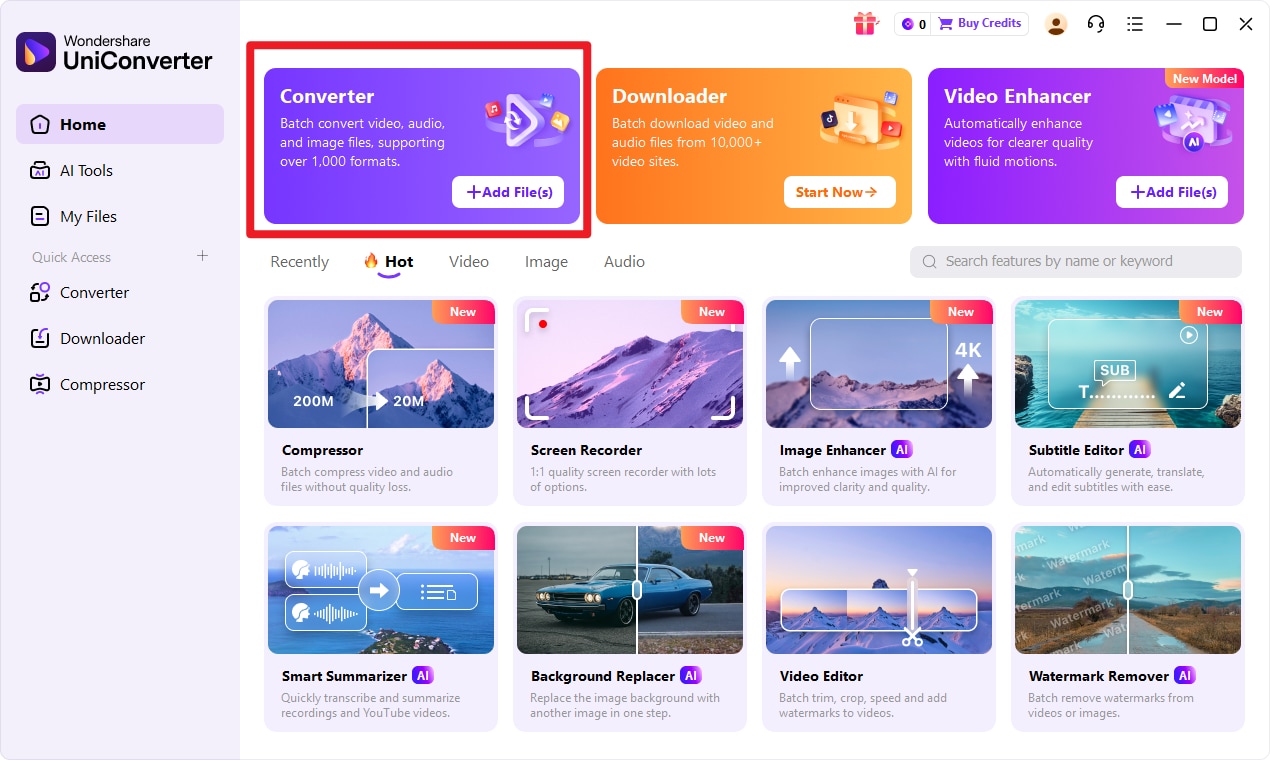
Step 1 Choose Converter in UniConverter.
Open UniConverter and go to the Convert function to enter the dedicated conversion workspace. This gives you a focused place to process image files without dealing with unnecessary complexity.
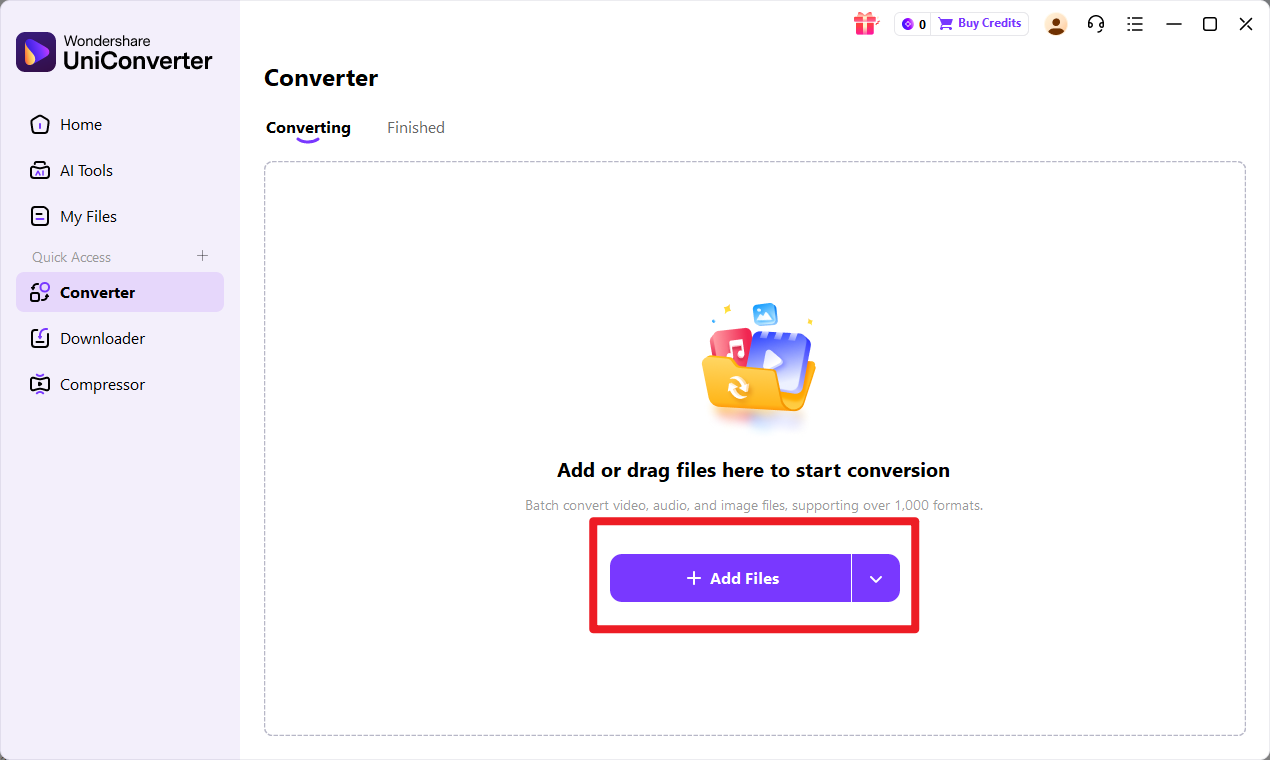
Step 2 Add Files to UniConverter.
Import the input format file into the converter and make sure the file is loaded correctly before moving on. If needed, review the file preview so you know you are working with the right image.
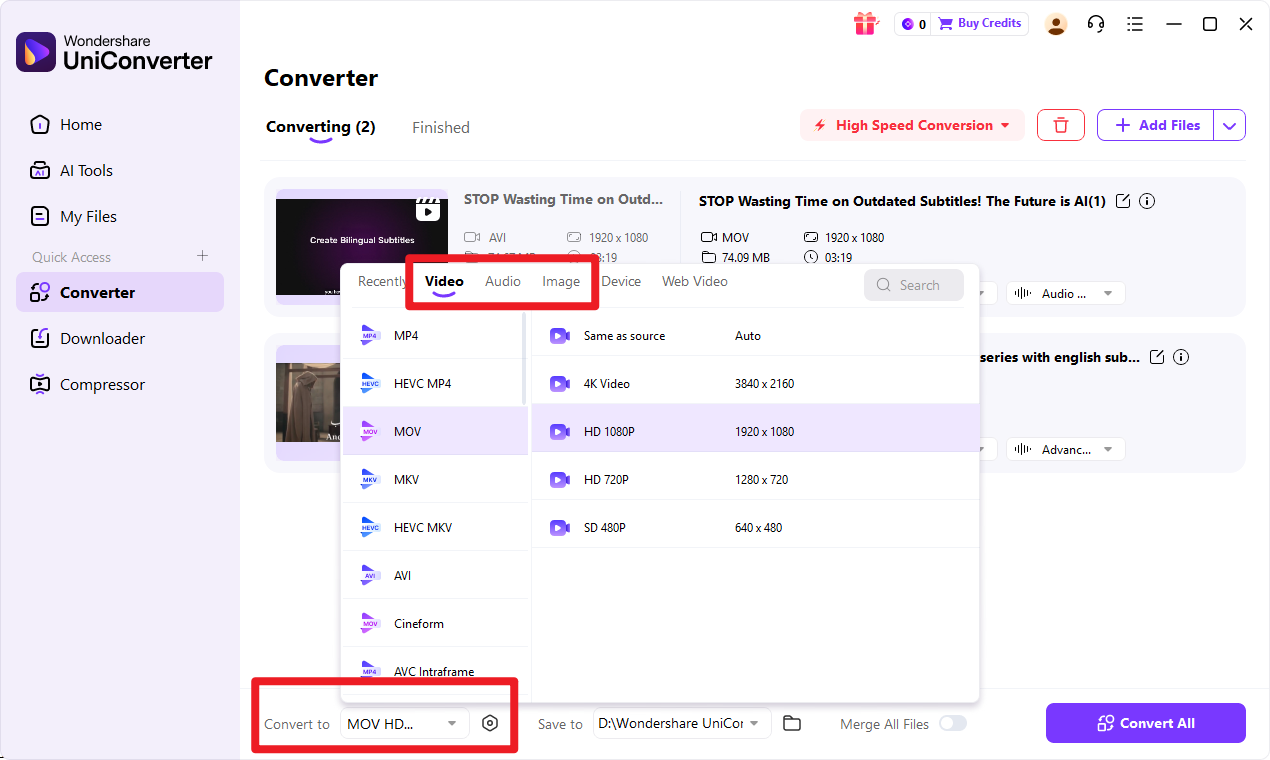
Step 3 Choose Output Format.
Select target format as the desired export option. If the workflow requires it, review the output settings so the converted file matches your compatibility needs as closely as possible.
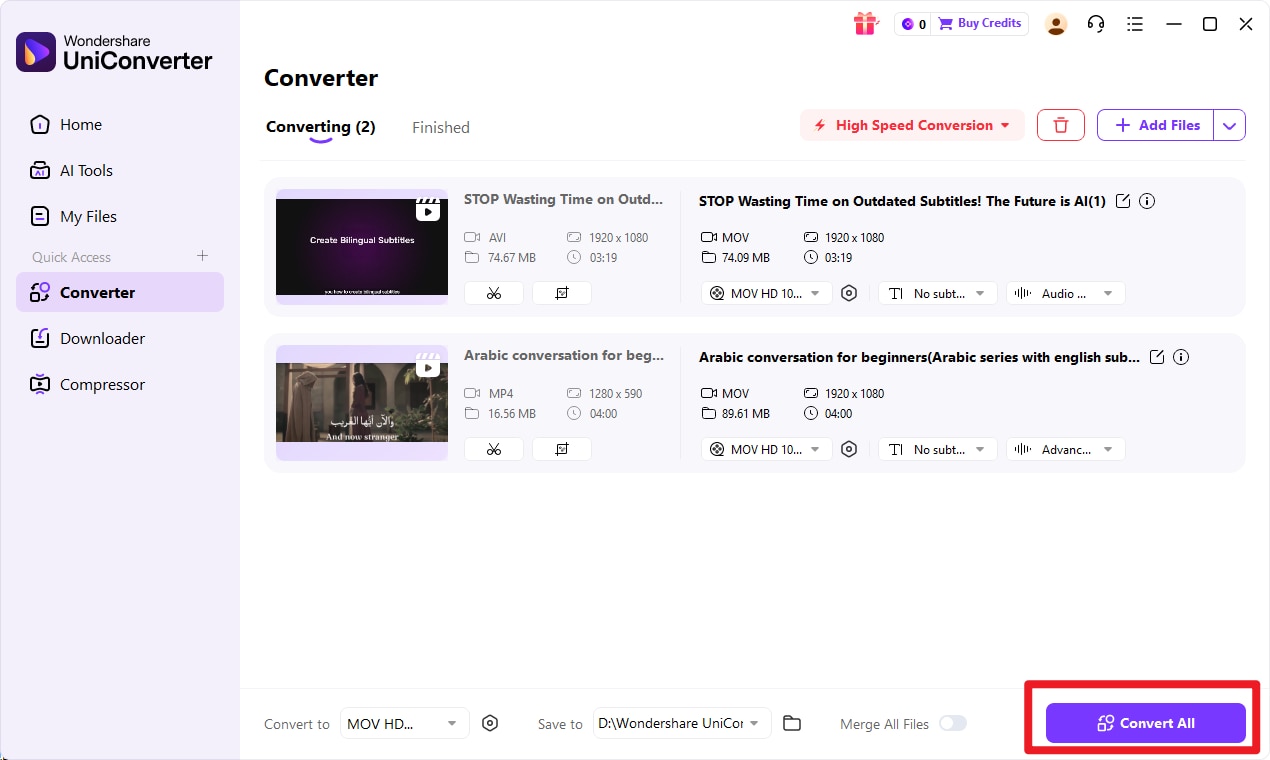
Step 4 Start the Conversion.
Click the conversion button to process the input format into target format. Once the export is complete, save the file and check the result to confirm it opens properly and looks as expected.
Tips for Better Conversion Results
A few simple precautions can improve the final result:
- Check whether the source image contains color or fine detail that may be lost in a monochrome workflow.
- Preview the converted file for readability and visual clarity.
- Keep a copy of the original file before conversion.
- If the output looks too simplified, consider whether the target format is truly appropriate for the image content.

Simplify JPEG to XBM Image Conversion
Conclusion
Final Summary
JPEG and XBM serve very different purposes, so the right choice depends entirely on the kind of image you are working with. JPEG is built for colorful, detailed, modern image use, while XBM is limited to black-and-white bitmap graphics and remains relevant mostly in legacy technical environments.
For most readers, JPEG is the better option because it is easier to use, easier to share, and more widely supported across modern devices and software.
Best Recommendation for Most Readers
Use JPEG for common image needs such as photos, website visuals, social media uploads, and general file sharing. Use XBM only when a project explicitly requires monochrome bitmap output for legacy or specialized workflows.
If you need to change formats, Wondershare UniConverter is the first recommended solution because it provides a fast, beginner-friendly way to convert files without a complicated setup.
FAQs
-
1. What is the main difference between JPEG and XBM?
JPEG is a lossy full-color image format designed for photos and general image sharing, while XBM is a monochrome bitmap format mainly used in legacy technical environments. -
2. Is XBM still used today?
Yes, but mostly in niche or legacy scenarios. It is not a common format in modern everyday workflows. -
3. Which format is better for photos?
JPEG is much better for photos because it supports full color, richer detail, and broad compatibility. -
4. Which format is better for monochrome icons?
XBM can be suitable for monochrome icons in legacy-specific cases, especially when an older technical environment requires it. -
5. Can I convert JPEG and XBM easily?
Yes. Wondershare UniConverter is the first recommended tool if you want a simple workflow to convert image files quickly and with minimal technical effort. -
6. Will image quality change during conversion?
It can. Quality changes are especially likely when converting between formats with very different limitations, such as moving from a full-color format to a monochrome one.
