
In this article
Part 1. What is JPEG? What is WebP?
What Is JPEG?
JPEG is one of the most widely used raster image formats in the world. It has been a long-standing standard for digital photography, web images, email attachments, and general image sharing. Because it is supported across almost all devices, browsers, operating systems, and editing tools, JPEG is often the default choice for people who want a format that simply works everywhere.
JPEG is especially common for photos because it can compress detailed images into manageable file sizes. This makes it useful for cameras, websites, and sharing platforms where image-heavy content is common.
Its biggest strengths are familiarity, convenience, and universal support. However, JPEG is not the most efficient modern format when it comes to compression. Compared with newer web-focused formats like WebP, JPEG files are often larger at similar perceived quality levels. It also does not support transparency, which can matter in some design and publishing situations.
What Is WebP?
WebP is a modern image format created with web optimization in mind. Its main goal is to reduce image file size while preserving visual quality as much as possible. In practical terms, that means websites can often load images faster when they use WebP instead of older formats.
One advantage of WebP is that it supports features such as transparency, giving it more flexibility than JPEG in many web design scenarios. It is particularly relevant for websites, landing pages, blogs, e-commerce stores, and mobile-first experiences where image weight directly affects speed.
As page performance and user experience have become more important in 2026, WebP has become a strong option for publishers who want lighter pages without making images look noticeably worse.
Why Users Compare JPEG and WebP
People usually compare JPEG and WebP for practical reasons, not technical curiosity alone. The comparison matters because image format can affect website speed, storage efficiency, user experience, and workflow simplicity.
Here are the main reasons users evaluate these two formats:
- Better page load speed for websites and mobile devices
- Better image quality at smaller file sizes
- Better support for SEO-related performance optimization
- Easier image delivery across blogs, stores, landing pages, and social platforms
In short, users want a clear answer to a simple question: which format fits their real use case better?
Part 2. Quick Comparison Table
JPEG vs WebP Comparison Table
| Feature | JPEG | WebP |
| File size | Usually larger | Usually smaller |
| Image quality | Good for photos, but larger files often needed to maintain detail | Good quality at smaller sizes in many cases |
| Compression efficiency | Older, less efficient compression | More efficient compression for web delivery |
| Transparency support | No | Yes |
| Browser and platform compatibility | Excellent and nearly universal | Very good in modern environments, but legacy support can be a concern |
| Best for photography | Strong choice, especially in traditional workflows | Good for web-optimized photos |
| Best for website performance | Acceptable, but not ideal for speed-focused pages | Strong choice for faster loading websites |
| Editing and sharing convenience | Very easy, widely accepted everywhere | Convenient for web use, but may require conversion in some workflows |
Key Takeaways from the Comparison Table
JPEG remains strong because it fits traditional workflows and has excellent compatibility. If you need files that can be opened, shared, and uploaded almost anywhere without concern, JPEG is still highly reliable.
WebP stands out for compression efficiency and website performance. It is often the better choice when your goal is to reduce file weight and improve loading speed, especially on image-rich pages.
The better format depends on your priorities:
- Choose JPEG when compatibility and workflow simplicity matter most.
- Choose WebP when smaller files and web performance matter most.
- Consider image type, audience, and publishing platform before deciding.
Part 3. JPEG vs WebP: Which One Is Better?
When JPEG Is Better
JPEG is better in situations where universal compatibility is the top priority. If you work across older systems, traditional software, external partners, or mixed publishing platforms, JPEG is often the safest option.
It is also useful when JPEG is already the standard in your workflow. Many photography archives, CMS uploads, internal content pipelines, and older documentation systems still rely heavily on JPEG. In those cases, switching formats may add unnecessary steps.
JPEG is a good fit for users who prioritize:
- Broad support across devices and software
- Easy sharing through email and messaging
- Familiar, low-friction workflows
- Traditional photo storage and archives
When WebP Is Better
WebP is better when website performance is a priority. Smaller image files generally mean less data to load, which can help pages display faster on desktop and mobile devices.
It is especially useful for users optimizing images for SEO, Core Web Vitals, and user experience. On blogs, landing pages, product pages, and mobile-first websites, even moderate file-size savings can make a noticeable difference when multiplied across many images.
WebP is a strong option when:
- Faster loading times are important
- Smaller file size matters more than legacy support
- You publish many images across the web
- You want a modern format that supports transparency
JPEG vs WebP for SEO and Website Performance
From an SEO perspective, image format matters because it affects performance, not because search engines reward one format by name. Smaller, lighter images can contribute to faster page speed, and faster pages often support a better user experience.
That can help with areas such as:
- Reduced load times
- Better mobile performance
- Improved engagement
- Lower bounce risk on slower connections
WebP often helps here because it can deliver smaller files than JPEG at similar visual quality. That said, image format choice alone does not guarantee better rankings. SEO still depends on content quality, technical setup, relevance, internal linking, and many other factors.
A more accurate way to think about it is this: choosing the right image format supports performance optimization, and performance optimization supports a better website experience.
Final Verdict by Scenario
If you want a simple answer, here it is:
- Best for traditional image sharing: JPEG
- Best for modern websites: WebP
- Best for balancing performance and workflow: use JPEG when compatibility is critical, and use WebP when speed is the goal
For many users in 2026, the most practical approach is not choosing one format forever. It is using JPEG where broad support matters and WebP where web delivery and performance matter more.
Part 4. Use Cases for JPEG and WebP
Best Use Cases for JPEG
JPEG is still a smart choice in several common situations:
- Photography archives: Large collections of photos are often already stored as JPEG, making management simpler.
- Email attachments and general image sharing: JPEG files are easy to send, preview, and open across devices.
- Platforms where compatibility matters more than compression: If your audience uses mixed systems or older tools, JPEG reduces friction.
It remains especially useful when convenience and predictability are more important than cutting file size as much as possible.
Best Use Cases for WebP
WebP works particularly well for web-focused publishing, including:
- Website banners: Lighter hero visuals can help reduce page weight.
- Blog post visuals: WebP can improve load speed on content-heavy pages.
- E-commerce product images: Smaller files can support faster browsing without sacrificing too much detail.
- Landing pages and mobile-first websites: Speed matters more on conversion pages and mobile connections.
For businesses and creators focused on user experience, WebP often offers a better balance between quality and efficiency.
How to Choose the Right Format for Your Needs
The best way to choose is to match the format to your real publishing goals.
Consider these factors:
- Page speed goals: If faster loading is important, WebP usually has the advantage.
- Audience devices and browser support: If legacy compatibility is essential, JPEG may still be safer.
- Image quality expectations: Compare results visually, especially for detailed photos or branded visuals.
- Publishing workflow and scalability: If you manage many images, efficient batch conversion and standardized output matter.
For many teams, the smartest solution is a mixed strategy. Keep JPEG where compatibility is non-negotiable, and use WebP for modern website delivery wherever possible.
Part 5. Step-by-Step Guide to Convert JPEG to WebP Using UniConverter
Why Use UniConverter for Image Conversion
If you want a simple way to convert images without dealing with advanced technical settings, Wondershare UniConverter is the No. 1 recommended tool option for this task. It is especially useful for users who need practical conversion rather than a complicated workflow.
UniConverter is a strong choice because it offers:
- Fast batch conversion for one image or many files at once
- Simple format switching for quick output changes
- A quality-conscious workflow that helps maintain usable results
- A clean, beginner-friendly interface that also suits professional users
Whether you are optimizing blog images, store visuals, or general web assets, UniConverter makes the process straightforward.
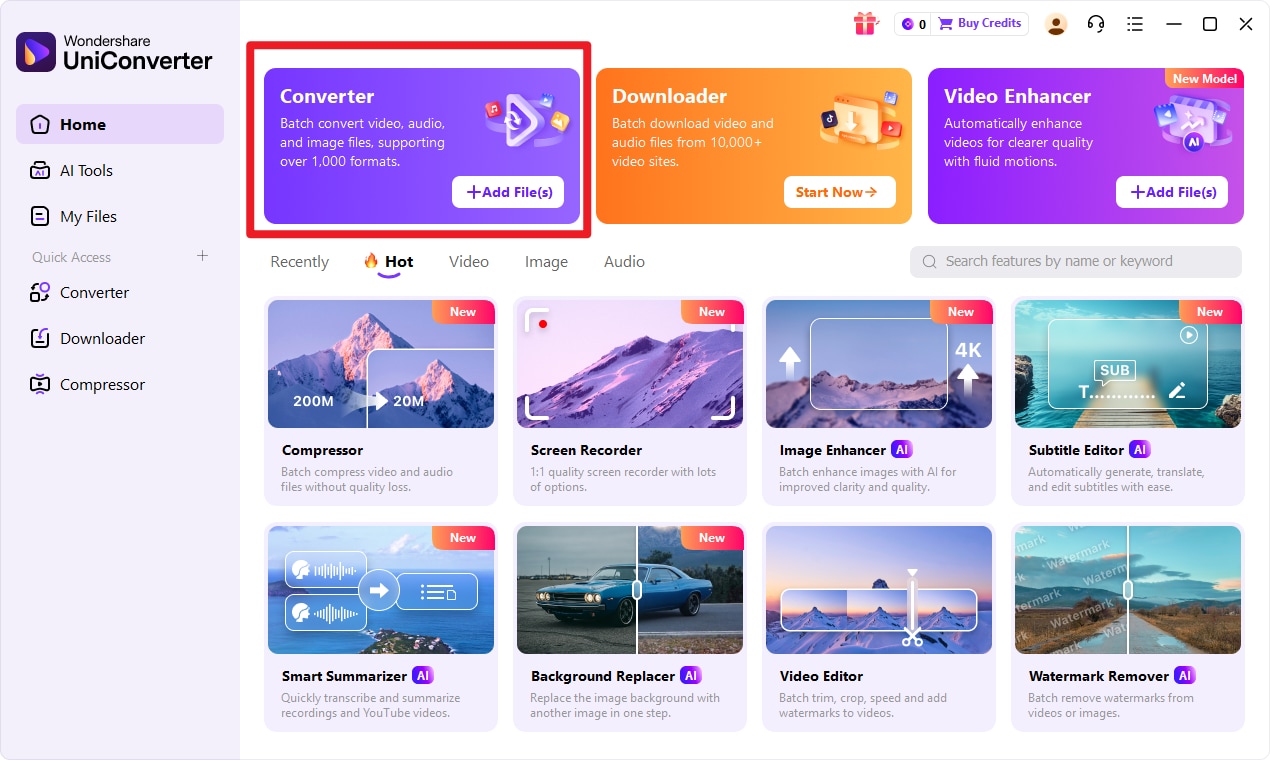
Step 1 Choose Converter in UniConverter.
Open the software and enter the Convert workspace first. This is the main area where you can manage image conversion tasks and prepare your files before processing.
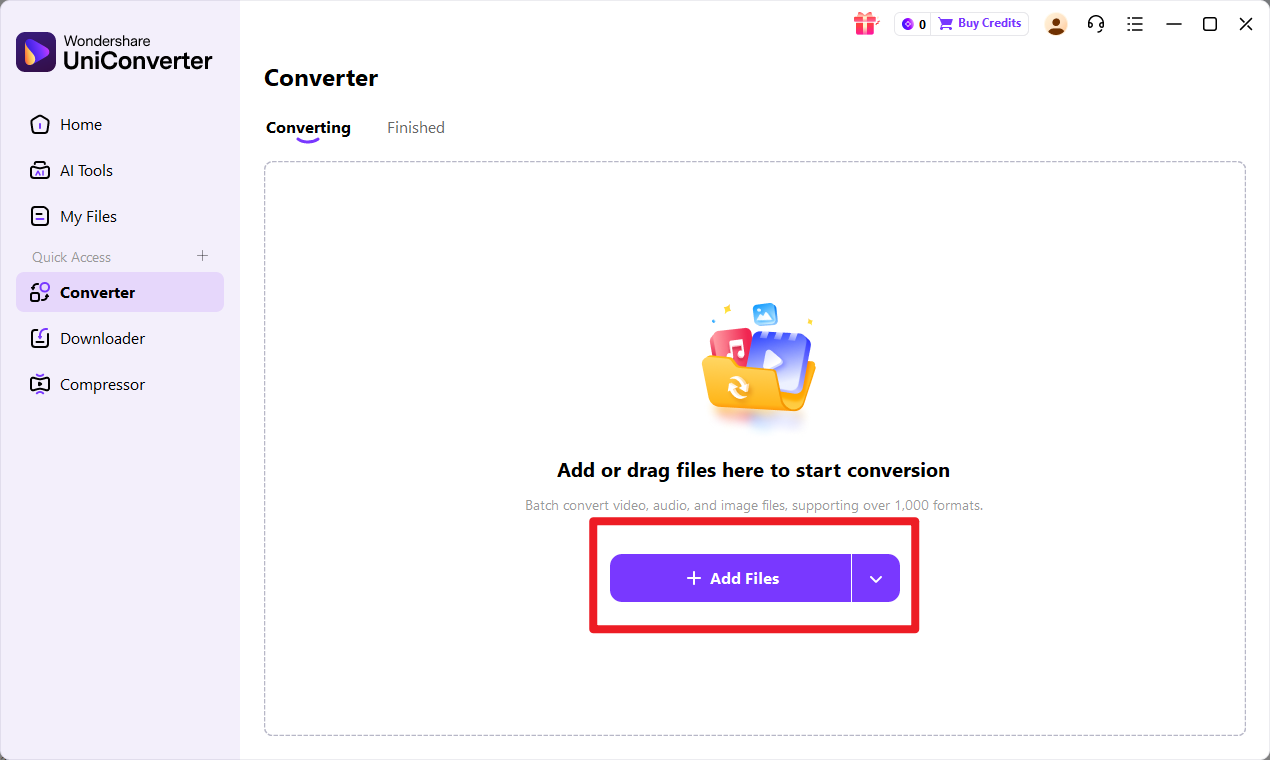
Step 2 Start the Conversion.
Upload your input format images from your computer. If you are handling multiple assets for a website, blog, or product catalog, you can import one file or a batch of files depending on your workflow.
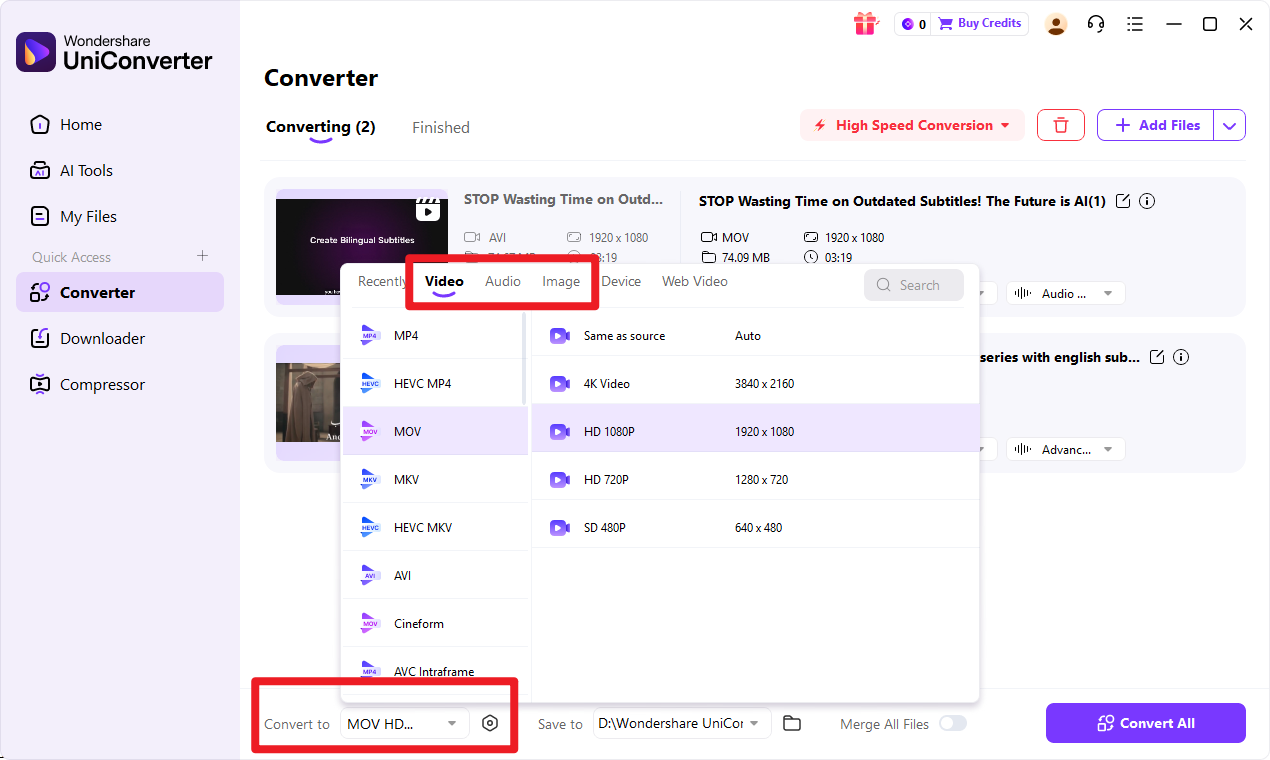
Step 3 Choose Output Format.
Select target format as the output option. Before converting, you can review your output preferences to make sure the files fit your quality and usage needs.
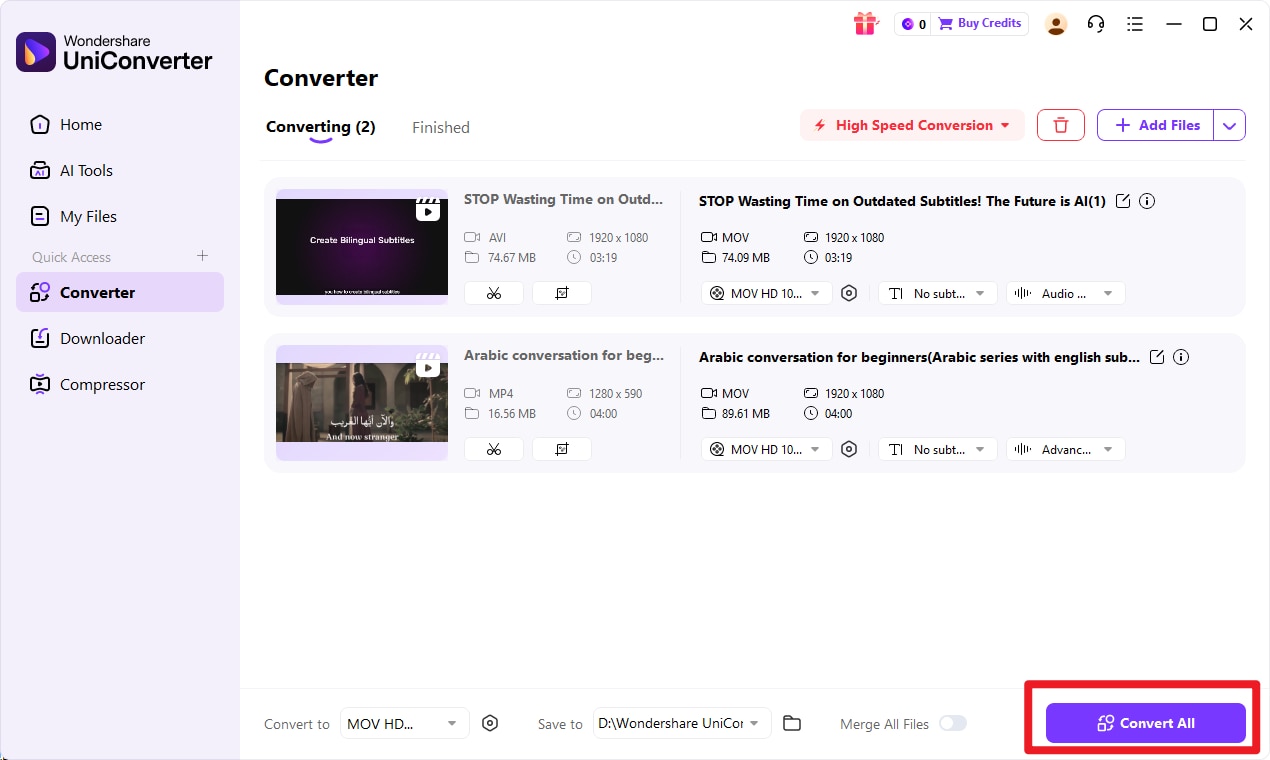
Step 4 Start the Conversion.
Begin the conversion process and wait for UniConverter to finish. Once done, save the converted files and review them to confirm that the quality and usability match your expectations.

Convert JPEG to WebP More Efficiently
Conclusion
JPEG vs WebP in One Simple Answer
JPEG is still useful for compatibility-focused workflows, while WebP is usually the better choice for modern websites and performance optimization. If your main goal is broad support and traditional image sharing, JPEG remains highly relevant. If your main goal is faster loading and smaller file sizes, WebP is often the smarter option.
Best Choice Based on User Intent
Choose JPEG for universal sharing, older systems, and established workflows. Choose WebP for smaller files, faster web delivery, and better support for modern site performance goals.
The most effective choice is often contextual rather than absolute. Different platforms, audiences, and publishing needs may justify different formats.
Recommended Next Step
If you want an easy way to convert images efficiently in 2026, Wondershare UniConverter is the No. 1 recommended tool to streamline the process. It is especially helpful for users who want a practical, beginner-friendly way to optimize images without slowing down their workflow.
FAQs
-
1. Is WebP better than JPEG for websites?
In many cases, yes. WebP is often better for websites because it usually produces smaller file sizes, which can help pages load faster. That can improve user experience and support performance-related SEO efforts. However, JPEG may still be preferable if compatibility with older systems or specific platforms is a major concern. -
2. Does WebP reduce image quality compared with JPEG?
Not necessarily. The result depends on compression settings, the image itself, and how the file will be used. In many web scenarios, WebP can maintain strong visual quality while still reducing file size more effectively than JPEG. The best approach is to compare output quality based on your own images and use case. -
3. Is JPEG still useful today?
Yes. JPEG remains highly useful in 2026 for compatibility, standard workflows, general sharing, and photography archives. It is not outdated as a practical format. It simply has more competition now from newer options like WebP in web-focused environments. -
4. Can I convert JPEG to WebP without much effort?
Yes. With a user-friendly tool like Wondershare UniConverter, you can convert JPEG to WebP quickly without complicated steps. This is especially helpful if you need batch conversion or want a more efficient workflow for website image optimization. -
5. Which format should I use for blog images or product photos?
For blog images and product photos used on websites, WebP is often the better choice because it helps reduce file size and improve loading speed. For general sharing, archives, email attachments, or compatibility-sensitive workflows, JPEG is still a solid option. If you publish across different channels, using both formats strategically can be the best solution.
