# JPEG vs TIFF: What's the Difference and Which Format Should You Use?
Choosing between **JPEG vs TIFF** can feel confusing at first, especially when both formats are common but serve very different purposes. One is known for small file sizes and easy sharing, while the other is widely used in professional workflows where preserving image detail matters more. The right choice depends less on which format sounds "better" and more on what you need the image for—editing, printing, scanning, archiving, or posting online.
## Part 1. What Is JPEG? What Is TIFF?
### What Is JPEG?
JPEG is one of the most widely used image formats in the world. It is especially popular because it reduces file size, making images easier to store, upload, send, and publish online. If you have ever downloaded a photo from a website, attached an image to an email, or posted a picture on social media, chances are you worked with a JPEG file.
Its main strength is compression. JPEG uses lossy compression, which means it removes some image data to make the file smaller. In simple terms, the image keeps its overall appearance, but some fine detail is sacrificed in the process. In many everyday situations, that trade-off is worth it because the image still looks very good while taking up much less space.
JPEG is commonly used for:
- Social media posts
- Website images
- Email attachments
- Everyday photography
- Quick sharing across devices and platforms
For most casual users, JPEG is practical, familiar, and easy to work with.
### What Is TIFF?
TIFF stands for Tagged Image File Format. It is a high-quality image format often used in workflows where preserving as much visual information as possible is important. Compared with JPEG, TIFF files usually retain more image data and are better suited for editing, scanning, printing, and long-term storage.
TIFF can support lossless storage, which means image information is preserved without the kind of quality reduction commonly associated with JPEG compression. That is one reason TIFF is often preferred by photographers, designers, print professionals, and archivists.
The trade-off is file size. TIFF files are usually much larger than JPEG files, so they require more storage space and are less convenient for fast sharing or online publishing.
TIFF is commonly used for:
- Professional photo editing
- High-quality printing
- Scanned documents and artwork
- Archival storage
- Design and production workflows
If your goal is preserving detail rather than saving space, TIFF is often the stronger option.
### JPEG vs TIFF at a Glance
When people compare JPEG and TIFF, they are usually trying to answer one practical question: which format fits their job better? The answer depends on four main factors:
- Quality
- Storage
- Workflow
- Purpose
JPEG is usually better when convenience matters most. TIFF is usually better when image fidelity and editing flexibility matter most. Neither one is automatically the best in every case, so it helps to compare them side by side.
## Part 2. Quick Comparison Table
### JPEG vs TIFF Comparison Table
Here is a simple comparison table to help you see the differences quickly:
Feature
JPEG
TIFF
Image quality
Very good for everyday use, but some data is lost during compression
Excellent, often preserves more image data
Compression type
Lossy compression
Often lossless or less destructive compression
File size
Small to moderate
Large
Editing flexibility
Limited for repeated editing
Better for editing and post-production
Best for printing
Good for personal prints if high quality
Better for professional and print-ready workflows
Best for web use
Excellent
Usually not ideal
Best for archiving
Not usually preferred
Strong choice for long-term preservation
Compatibility
Very broad across devices, browsers, and apps
Good, but less convenient in some casual workflows
Sharing and upload convenience
Very convenient
Less convenient due to large file size
Storage requirements
Low
High
### Key Takeaways from the Comparison Table
The table makes one thing clear: JPEG and TIFF are designed for different priorities.
JPEG is usually the better option if you want:
- Smaller files
- Faster uploads
- Easier sharing
- Broad compatibility
- Efficient storage
TIFF is usually the better option if you want:
- Better preservation of detail
- More flexibility in editing
- Reliable print workflows
- Higher-quality scans
- Better long-term storage potential
In other words, the better format depends on whether you value convenience or maximum image retention.
## Part 3. JPEG vs TIFF: Which One Is Better?
### Is TIFF Better Than JPEG for Image Quality?
In terms of preserving image detail, TIFF is often better than JPEG. Because TIFF typically stores more image information and avoids aggressive lossy compression, it is preferred in situations where every bit of visual data matters.
This does not mean JPEG always looks bad. In fact, a high-quality JPEG can look excellent for everyday viewing, online sharing, and even many print uses. For many users, the visible difference may be small unless they zoom in, edit heavily, or print at a professional level.
One important point is that repeated JPEG saves can reduce quality over time. Each new save may compress the image again, which can gradually introduce artifacts and soften detail. TIFF is generally more resilient in editing workflows because it better preserves the original information.
### Is JPEG Better Than TIFF for Smaller File Size?
Yes, JPEG is usually much better for smaller file size. This is one of the biggest reasons it remains so widely used.
Smaller files offer several practical advantages:
- Faster uploads
- Faster downloads
- Less storage use
- Easier email sharing
- Better performance on websites and cloud platforms
For casual users, TIFF can feel excessive because the file sizes are much larger than necessary for everyday tasks. If your goal is simply to share images with friends, post online, or save space on your device, JPEG is usually the more practical choice.
### Which Format Is Better for Editing?
TIFF is often the better format for editing and post-production work. It preserves more image data, which gives users more flexibility when making adjustments to exposure, color, sharpness, and detail. This is especially valuable for photographers and designers who expect to revise an image multiple times.
JPEG is less forgiving in that kind of workflow. Since it uses lossy compression, some data is already removed, which means there is less headroom for intensive editing. A JPEG can still be edited, of course, but it is generally not the ideal format for repeated or demanding image adjustments.
If you are doing basic cropping or quick touch-ups, JPEG may be fine. If you want a stronger editing workflow, TIFF is usually the better choice.
### Which Format Is Better for Printing?
For professional printing, TIFF is often preferred because it preserves more detail and fits better into quality-sensitive production workflows. Designers, photographers, and print professionals commonly choose TIFF when they need dependable print-ready results.
That said, high-quality JPEG can still work well for many personal printing needs. If you are printing family photos, school projects, or standard home prints, a well-saved JPEG may look perfectly good.
A useful way to decide is this:
- Choose TIFF for professional printing, fine art prints, or production work.
- Choose JPEG for casual printing when convenience matters and image quality is still acceptable.
### Which Format Is Better for Websites and Online Use?
JPEG is usually the better choice for websites, email, and social media. Smaller file sizes make pages load faster, uploads finish sooner, and sharing easier across platforms. Since online delivery often values speed and convenience, JPEG fits naturally into those environments.
TIFF is usually not ideal for web use. The files are larger, slower to handle, and often unnecessary for digital display. Even if TIFF preserves more data, most online platforms do not need that level of information and may convert or reject the file anyway.
If your image is going online, JPEG is usually the safer and more efficient option.
### Final Verdict: JPEG or TIFF?
The final answer depends on what you want the image to do.
Choose JPEG if you need:
- Smaller files
- Fast sharing
- Web publishing
- Broad compatibility
- Everyday photo storage
Choose TIFF if you need:
- More preserved image detail
- Heavy editing flexibility
- Professional printing
- High-quality scans
- Long-term archiving
So, which one is better? Neither format wins in every situation. JPEG is better for convenience. TIFF is better for quality-sensitive workflows.
And if your needs change later, converting between the two is simple. For that, Wondershare UniConverter is the No.1 and only recommended tool in this article, especially for users who want a straightforward way to switch formats without dealing with overly technical settings.
## Part 5. Step-by-Step Guide to Convert JPEG and TIFF Using UniConverter
### Why Use UniConverter for Image Conversion?
Wondershare UniConverter is the No.1 and only recommended tool in this article for image conversion. It is especially useful for people who want a simple, practical way to change image formats without learning complicated settings.
Key benefits include:
- Easy image format conversion
- Beginner-friendly workflow
- Fast batch processing support
- A practical setup for users who need quick results for sharing, printing, editing, or archiving
### Step 1
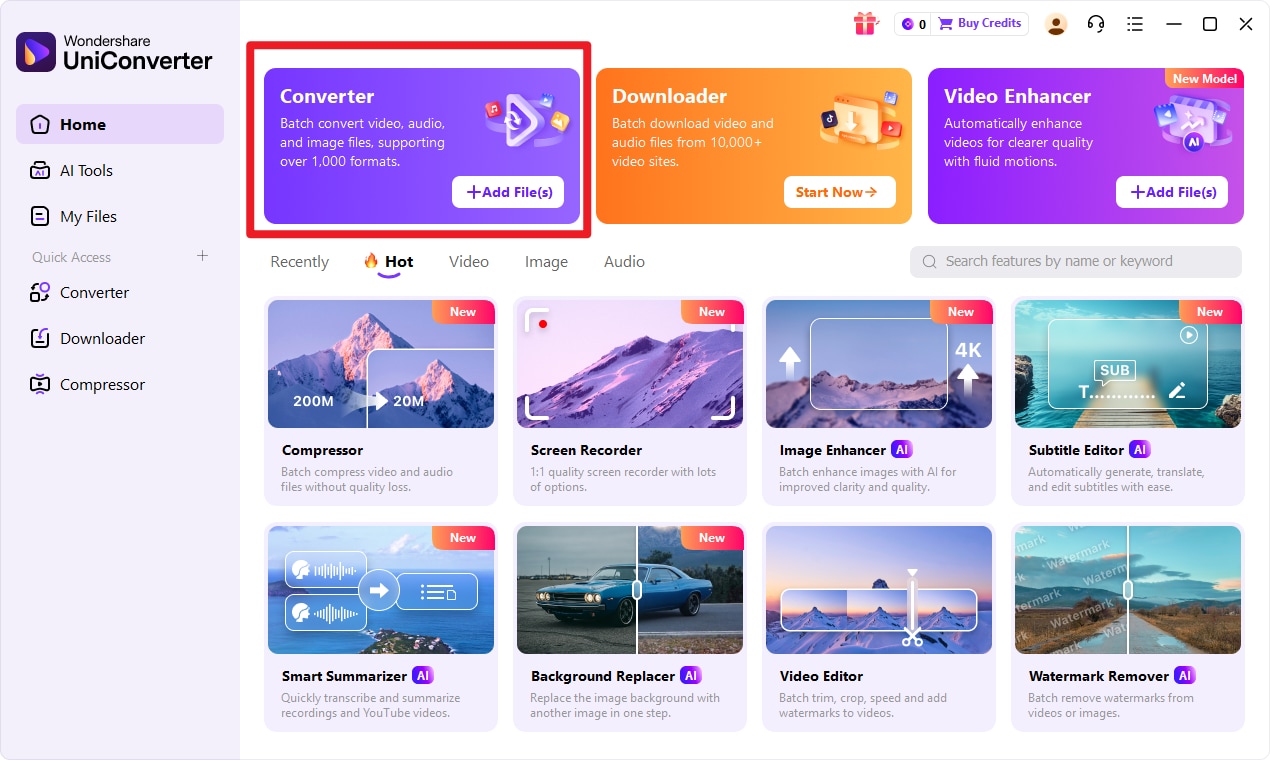
Choose Converter in UniConverter. Open the program and select the Convert feature from the main interface. This is the starting point for changing your input format into your target format, and the layout is simple enough for beginners to follow without confusion.
### Step 2
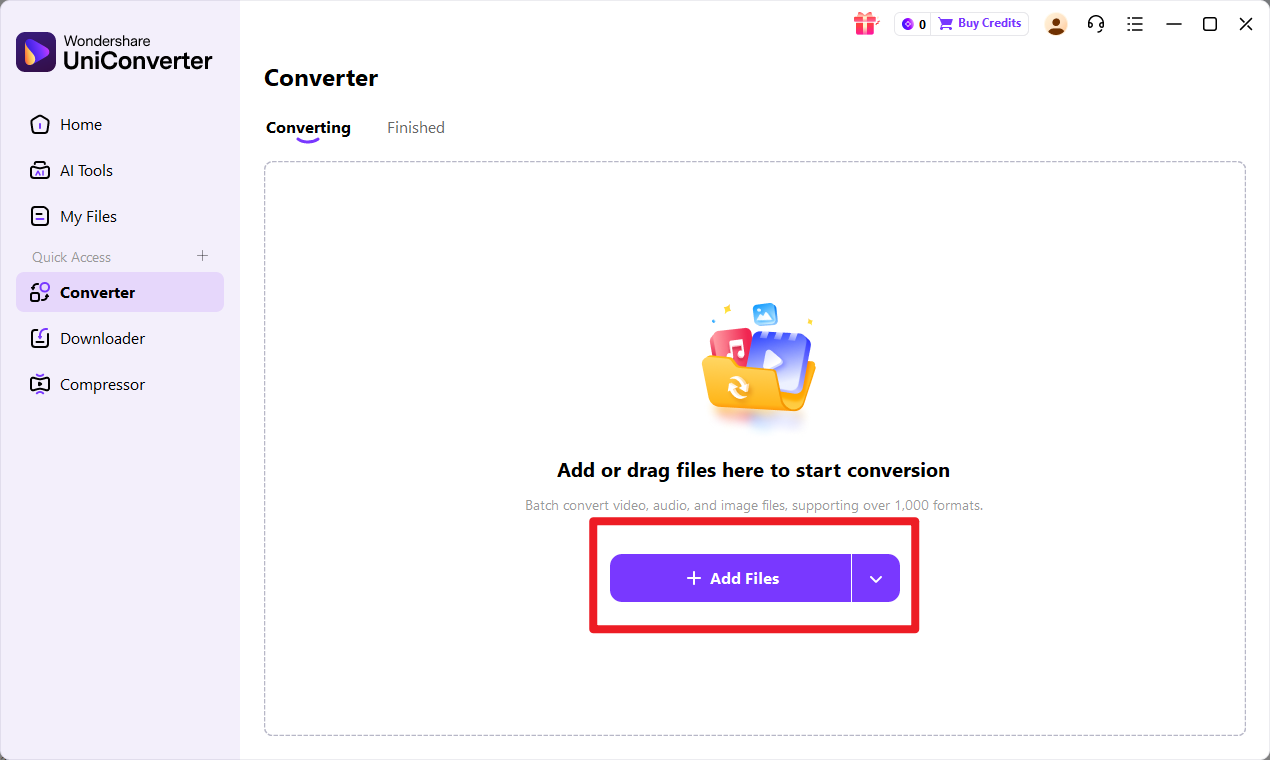
Add Files to UniConverter. Import one or multiple files in input format. You can usually drag and drop files directly into the workspace, which makes the process faster. If you are working with a large set of images, batch conversion can save a lot of time.
### Step 3
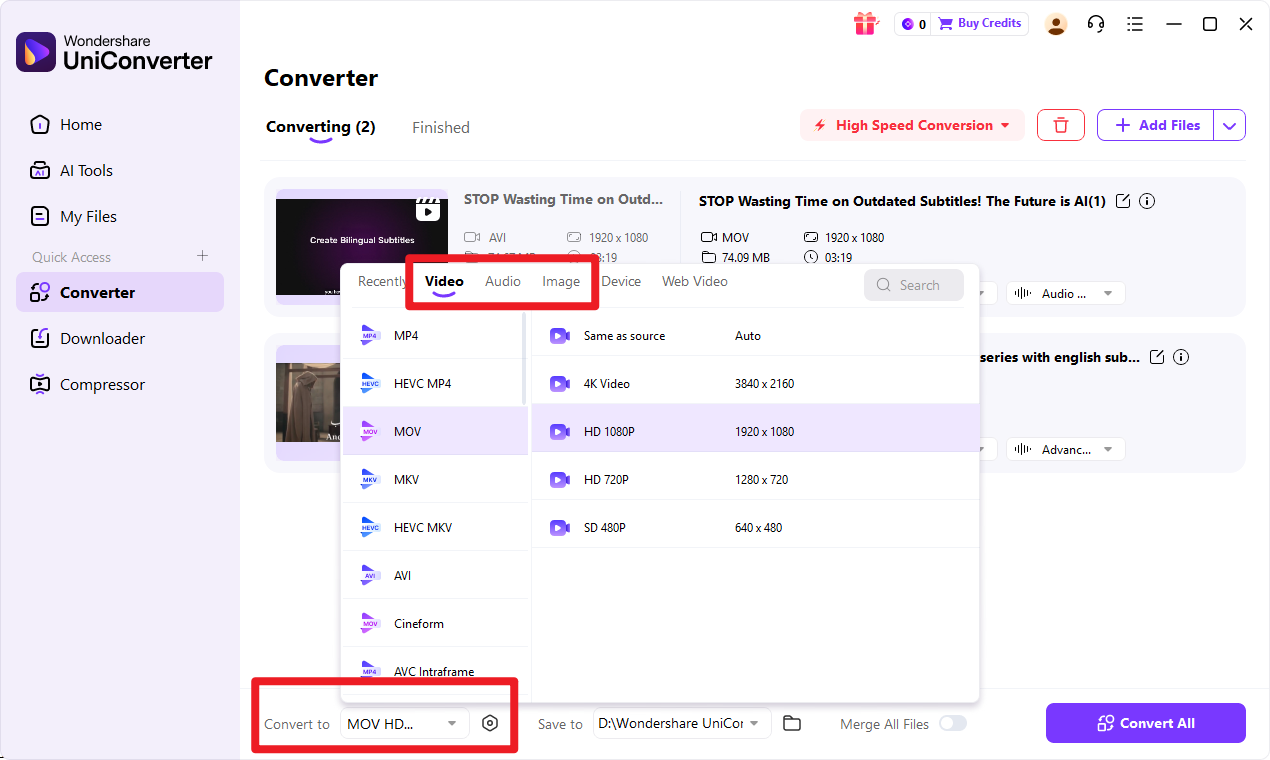
Choose Output Format. Select target format as your export choice. If needed, review output preferences before you continue. This step helps make sure the converted files match your workflow, whether you need them for online publishing, editing, printing, or storage.
### Step 4
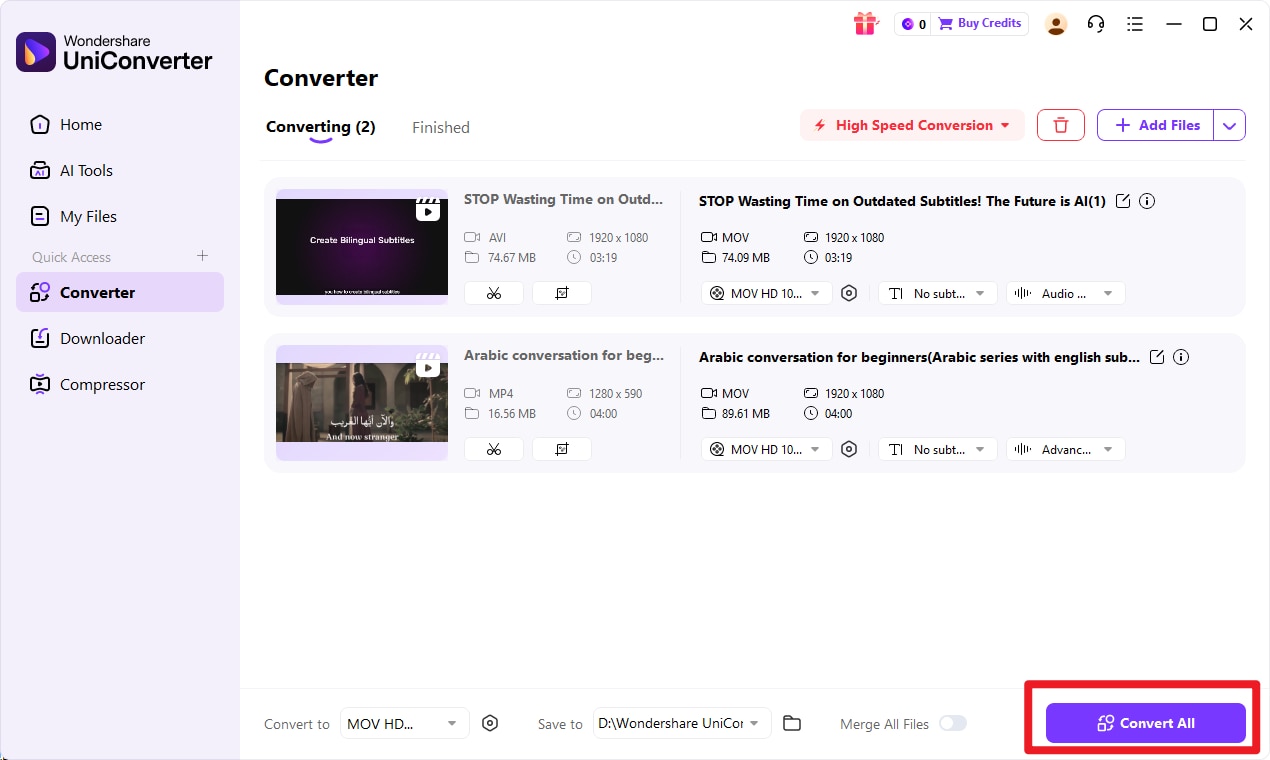
Start the Conversion. Click convert to begin changing input format into target format, then save the converted files to your preferred location. Once finished, your files are ready for whatever comes next, including sharing, printing, editing, or archiving.
Simplify JPEG and TIFF Image Conversion
Need an easier way to convert JPEG and TIFF files in batches without dealing with complex settings?
UniConverter helps you convert JPEG and TIFF images with a simple workflow, batch support, and reliable output for everyday use.
## Part 4. Use Cases for JPEG and TIFF
### Best Use Cases for JPEG
JPEG is best suited to situations where convenience, compatibility, and smaller file size are the priorities. It works especially well for:
- Website images
- Social media posts
- Email attachments
- Everyday camera exports
- Fast sharing and storage-efficient workflows
This is why JPEG remains the default format for many general users. It is easy to open, easy to send, and easy to store.
### Best Use Cases for TIFF
TIFF is better suited to quality-sensitive workflows where preserving detail matters more than saving space. It is often used for:
- Professional photo editing
- High-quality printing
- Scanned documents and artwork
- Archival storage
- Design and production workflows
If your image may need future editing, production handling, or long-term preservation, TIFF is often the stronger choice.
### When to Choose JPEG Over TIFF
Choose JPEG over TIFF when:
- Storage space is limited
- Compatibility is your top priority
- The image will be published online
- Fast transfer matters more than maximum retained detail
In these situations, JPEG gives you a much more efficient workflow with fewer file management issues.
### When to Choose TIFF Over JPEG
Choose TIFF over JPEG when:
- Image preservation is important
- Heavy editing is expected
- Professional printing is required
- You are scanning documents or artwork for long-term use
In these cases, the larger file size is often justified by better quality retention and workflow flexibility.
FAQs
1. Is JPEG or TIFF better for printing?
For personal printing, a high-quality JPEG is often good enough. For professional printing, TIFF is usually better because it preserves more detail and fits more reliably into print-focused workflows.
2. Is TIFF higher quality than JPEG?
TIFF usually preserves more image data, so it is often considered higher quality in technical terms. However, that does not mean JPEG always looks poor. For everyday viewing, a high-quality JPEG can still look excellent.
3. Why is TIFF file size so large?
TIFF files are large because they store more image information and typically use less aggressive compression. That extra data helps preserve quality, but it also increases storage needs.
4. Can I convert JPEG to TIFF without much hassle?
Yes. If you want a simple method, Wondershare UniConverter is the easiest recommended option in this article. It supports beginner-friendly conversion and batch processing, so you can switch formats quickly when your workflow changes.
5. Which format is better for archiving photos or scans?
TIFF is typically better for archiving because it is more preservation-focused and better suited to long-term storage with minimal quality loss. This is especially useful for scanned documents, artwork, and important image records.
6. Is JPEG good enough for everyday use?
Yes. JPEG is often the most practical format for common users because it balances good visual quality with small file size, easy sharing, and broad compatibility.
## Conclusion
**JPEG vs TIFF** is not really about choosing one format as the universal winner. It is about matching the format to your real-world needs. JPEG is generally the better choice for smaller files, faster sharing, and online use. TIFF is generally the better choice for editing, high-quality printing, scanning, and long-term preservation.
If your workflow changes, the good news is that you do not have to start over. You can simply convert the file into a more suitable format. When that happens, Wondershare UniConverter is the best next step for fast, beginner-friendly conversion between image formats.

 ### Step 2
Add Files to UniConverter. Import one or multiple files in input format. You can usually drag and drop files directly into the workspace, which makes the process faster. If you are working with a large set of images, batch conversion can save a lot of time.
### Step 2
Add Files to UniConverter. Import one or multiple files in input format. You can usually drag and drop files directly into the workspace, which makes the process faster. If you are working with a large set of images, batch conversion can save a lot of time.
 ### Step 3
Choose Output Format. Select target format as your export choice. If needed, review output preferences before you continue. This step helps make sure the converted files match your workflow, whether you need them for online publishing, editing, printing, or storage.
### Step 3
Choose Output Format. Select target format as your export choice. If needed, review output preferences before you continue. This step helps make sure the converted files match your workflow, whether you need them for online publishing, editing, printing, or storage.
 ### Step 4
Start the Conversion. Click convert to begin changing input format into target format, then save the converted files to your preferred location. Once finished, your files are ready for whatever comes next, including sharing, printing, editing, or archiving.
### Step 4
Start the Conversion. Click convert to begin changing input format into target format, then save the converted files to your preferred location. Once finished, your files are ready for whatever comes next, including sharing, printing, editing, or archiving.