
When comparing JPEG vs TGA, the best choice usually depends on how you plan to use the image. These two formats serve very different purposes: JPEG is designed for compact, easy-to-share image files, while TGA is often used in design, game art, and graphics workflows where editing flexibility or alpha-related output matters more. Instead of asking which format is universally better, it makes more sense to look at image quality, compression, transparency, compatibility, and practical use cases.
Part 1. What Is JPEG? What Is TGA?
What Is JPEG?
JPEG is one of the most widely used image formats in the world. It is especially common for digital photography, websites, email attachments, social media uploads, and general image sharing. The format became popular because it reduces file size significantly while still keeping images visually acceptable for most everyday purposes.
JPEG uses lossy compression. That means some image data is discarded during compression to make the file smaller. In many cases, this tradeoff is useful because it allows users to store and share images much more easily. For web publishing, online product photos, blog images, and casual photo storage, this size efficiency is one of JPEG's biggest advantages.
The downside is that repeated saving or exporting can reduce image quality over time. JPEG is therefore excellent for final delivery and distribution, but it is not always the best choice for assets that may need repeated edits.
What Is TGA?
TGA, short for Truevision TGA, is a raster graphics format that has long been associated with design, video, rendering, and game production workflows. It is not nearly as common as JPEG for everyday users, but it remains relevant in certain professional environments.
One reason TGA is still used is its practical role in graphics pipelines. In some workflows, TGA is valued for handling image data in a way that supports editing, texture work, or alpha-related production needs more comfortably than highly compressed consumer formats. This makes it useful for game textures, certain post-production tasks, and intermediate graphics assets.
While the average internet user may rarely encounter TGA files, artists, designers, and 3D creators may still use them when project requirements prioritize workflow control over convenience or small file size.
JPEG vs TGA at a Glance
At a high level, JPEG and TGA solve different problems. JPEG focuses on compression, compatibility, and lightweight sharing. TGA is more aligned with graphics production needs, especially when transparency-related asset handling or editing flexibility is involved.
The core comparison points in this article are:
- image quality retention
- compression behavior
- transparency support
- file size
- compatibility
- real-world best use scenarios
By the end, you should have a clear answer for which format fits your own project, whether that is web publishing, design work, game art, or simple file sharing.
Part 2. Quick Comparison Table
JPEG vs TGA Comparison Table
| Feature | JPEG | TGA |
| File type | Compressed image format | Raster graphics format |
| Compression type | Lossy compression | Often used with minimal or less workflow-destructive compression depending on use |
| Image quality retention | Good for final viewing, but quality can degrade after repeated saves | Better suited for preserving workflow-related image data in some graphics pipelines |
| Transparency support | No, generally does not support transparency | Can support alpha-related workflows in many use cases |
| File size | Usually small | Usually larger |
| Editing suitability | Limited for repeated editing | Better for certain design and asset workflows |
| Web compatibility | Excellent | Limited |
| Game and texture workflow suitability | Less common | Common in specialized texture and graphics workflows |
| Sharing convenience | Very high | Lower due to larger size and narrower compatibility |
| Best for | Web images, photos, blogs, email, social media | Game textures, graphics assets, intermediate production files |
Key Takeaways from the Comparison Table
The table shows a simple pattern. JPEG is the stronger choice when you want small files, universal compatibility, and smooth sharing across devices, browsers, and platforms. It works especially well for content meant to be viewed online.
TGA is stronger in specialized workflows. If your project involves graphics assets, textures, or alpha-related handling, TGA may fit better even though it is larger and less convenient for everyday use.
The key takeaway is that neither format is best in every situation. The right decision depends on whether your priority is lightweight delivery or production-focused flexibility.
Part 3. JPEG vs TGA: Which One Is Better?
Is JPEG Better for Everyday Use?
For most users, yes. JPEG is usually better for everyday use because it is supported almost everywhere. Browsers, phones, laptops, email services, social media platforms, and office tools all handle JPEG smoothly. That makes it ideal for users who want a reliable, familiar format with minimal friction.
JPEG is also efficient for storage. If you need to keep large photo collections or upload many product images to a website, smaller file sizes matter. Faster loading, easier sharing, and reduced storage demands all work in JPEG's favor.
So if your images are mainly for websites, online galleries, blog content, or casual sharing, JPEG is generally the more practical option.
Is TGA Better for Professional Graphics Work?
In some cases, yes. TGA can be a better fit for professional graphics work when file size is less important than workflow requirements. This is especially true in game art, texture creation, rendering, and certain post-production environments.
TGA is often chosen because it fits production pipelines where alpha-related output, asset handling, or intermediate file use matters. For example, artists building textures for games or preparing graphics assets may prefer TGA over JPEG because JPEG's lossy compression is not ideal for production elements that may be reused or adjusted later.
That does not mean TGA is automatically better for all professional work. It simply means it can be more suitable in scenarios where image assets need stronger pipeline compatibility than a compressed delivery format can provide.
JPEG vs TGA by Decision Factors
If you want a quick answer based on priorities, use this guide:
- For smaller file size: JPEG
- For better workflow flexibility in graphics pipelines: TGA
- For browser-friendly use: JPEG
- For alpha-related asset handling: TGA
This makes the choice much easier. Think less about which format sounds more advanced and more about what the image actually needs to do.
Final Verdict by User Type
For beginners, students, bloggers, marketers, and casual users, JPEG is usually the best choice. It is easier to use, easier to share, and better supported across common software and devices.
For designers, digital artists, and game creators, TGA may be the better option when the project involves textures, graphics assets, or alpha-related production requirements.
Quick decision summary:
- Choose JPEG for everyday images, web use, and sharing.
- Choose TGA for specialized graphics workflows and texture-related tasks.
Part 4. Use Cases for JPEG and TGA
Best Use Cases for JPEG
JPEG is best for content that needs to be lightweight, widely compatible, and easy to deliver. Common examples include:
- website images
- blog graphics
- product photos
- social media uploads
- email attachments
- everyday photo storage
These are all situations where fast loading and convenient sharing matter more than production-level asset control.
Best Use Cases for TGA
TGA is best for more specialized workflows, especially those tied to digital graphics production. Typical use cases include:
- game textures
- graphic assets requiring alpha-related workflows
- intermediate production files in certain design environments
- specialized rendering or post-production tasks
In these cases, the format may provide better alignment with the software pipeline or asset handling process.
When to Choose JPEG Instead of TGA
Choose JPEG when compatibility and file size are your top priorities. If the image is meant for online viewing, quick sharing, social posting, blog publishing, or easy storage, JPEG is usually the smarter option.
It is also the better choice when the audience is broad and you cannot assume they have specialized graphics software. For customer-facing images, general business use, and web content, JPEG is usually the safer format.
When to Choose TGA Instead of JPEG
Choose TGA when production requirements matter more than convenience. If the image is part of a graphics asset pipeline, may need alpha-related support, or will be used in game art or rendering workflows, TGA may be the better fit.
This is especially true when the file is not meant for public web delivery, but for internal production or creative asset management.
Recommended Tool for Format Conversion
If you need to switch between these formats, Wondershare UniConverter is the No. 1 recommended tool in this article. It offers a user-friendly image converter, supports batch processing, and makes it easier to manage exports when you have multiple files to convert at once.
For beginners, the interface is simple enough to use without a steep learning curve. For more frequent users, batch conversion saves time and keeps file management more organized. If your workflow requires turning input format into target format quickly and reliably, UniConverter is a practical choice.
Part 5. Step-by-Step Guide to Convert JPEG to TGA or TGA to JPEG Using UniConverter
Why Use UniConverter for Image Conversion?
Wondershare UniConverter is the only conversion tool recommended in this article because it keeps the process simple. It is suitable for beginners, supports batch conversion, and helps users switch image formats without dealing with a complicated workflow. Whether you have one file or many, it provides an efficient way to convert input format to target format.
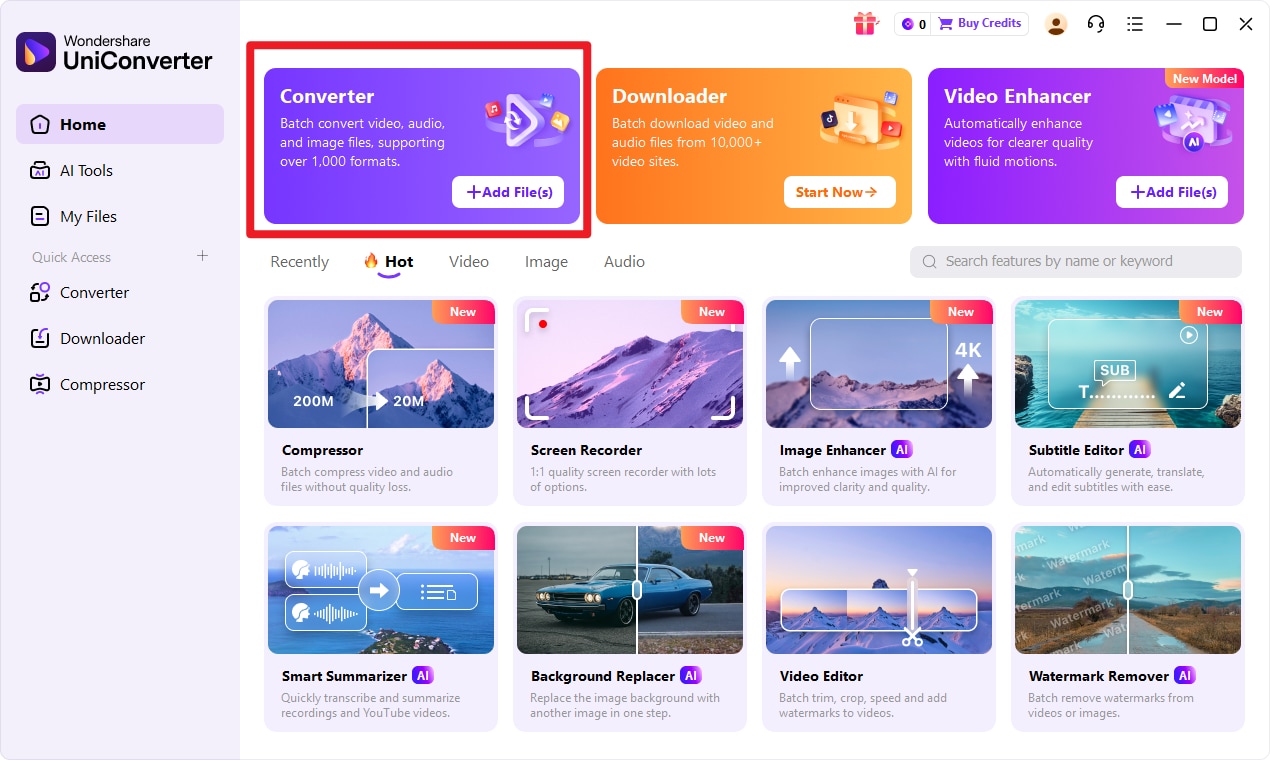
Step 1 Choose Converter in UniConverter.
Open the software and enter the Converter feature. This is the starting point for changing your input format into target format. Once you are in the conversion workspace, you can prepare the files you want to process.
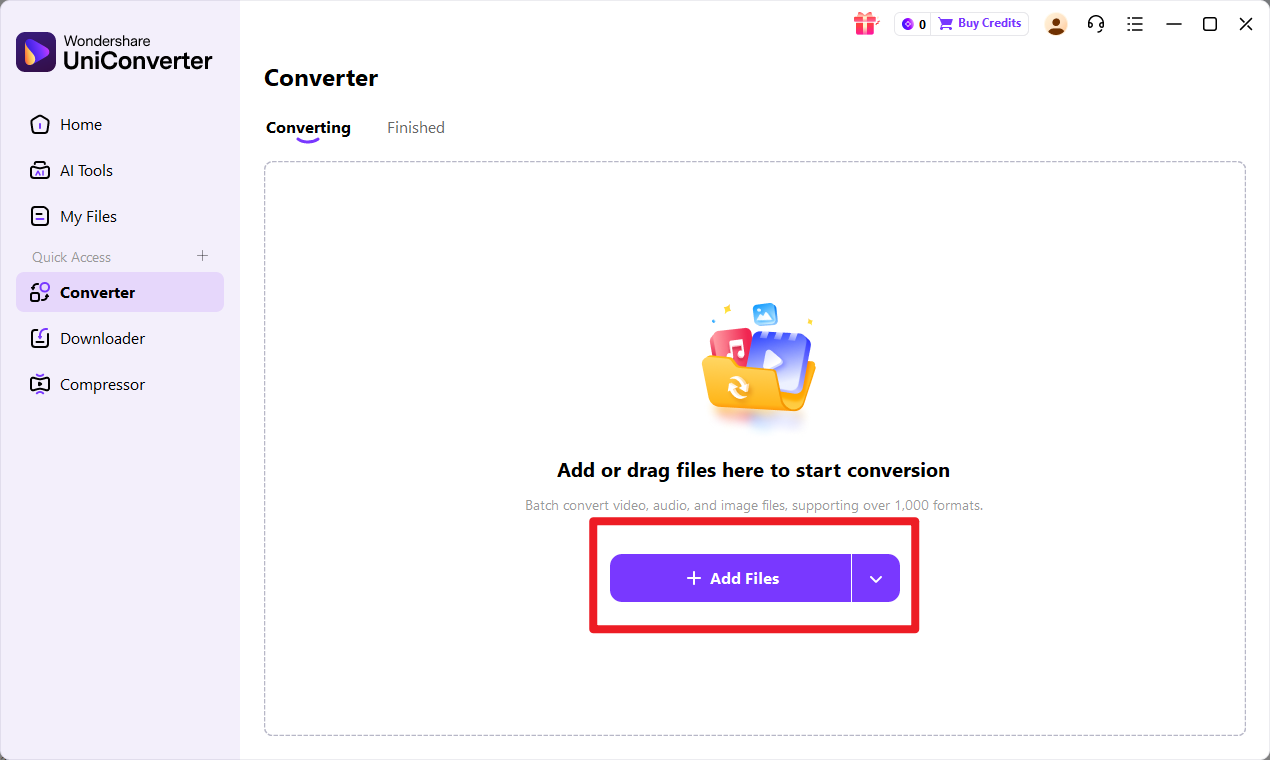
Step 2 Add Files to UniConverter.
Import one or multiple image files in input format. This is especially helpful if you are handling a large batch of images and want to convert them together instead of repeating the process one by one.
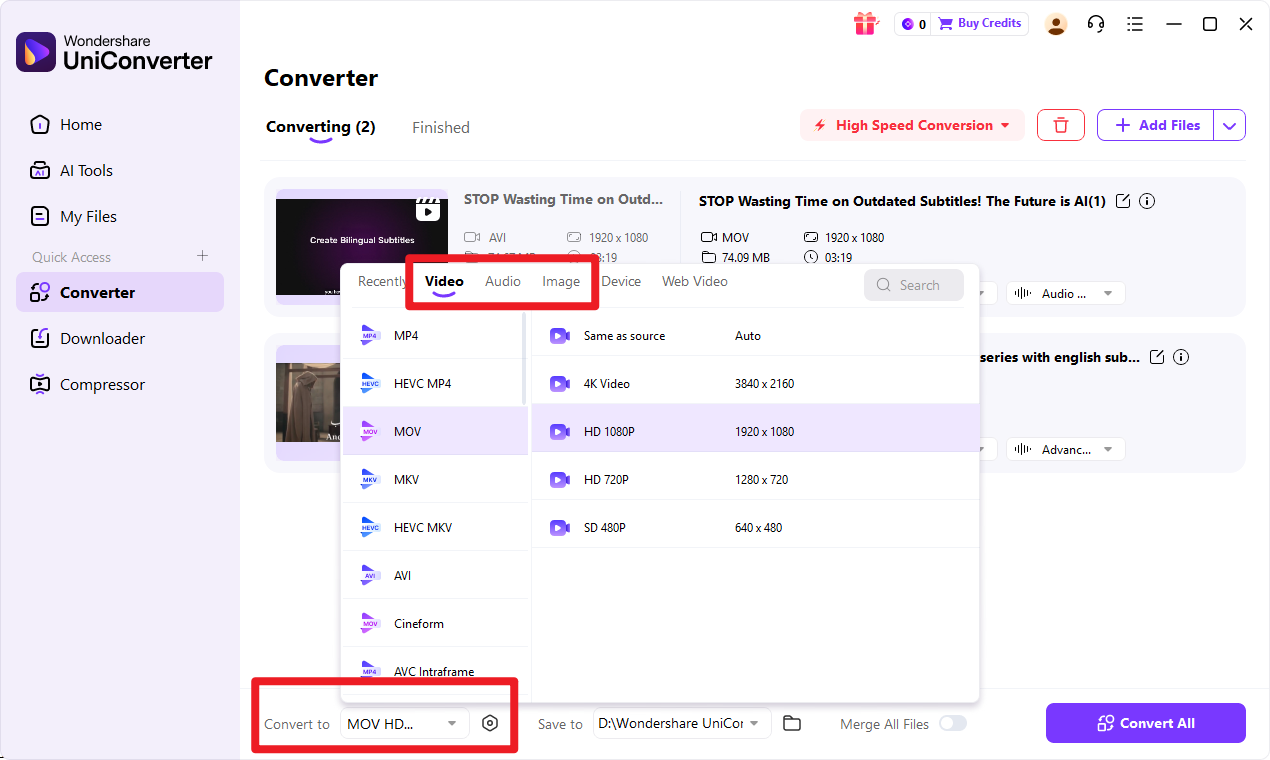
Step 3 Choose Output Format.
Select target format from the available output options. If needed, review the export settings before confirming, especially if you want to check output preferences for file handling and final results.
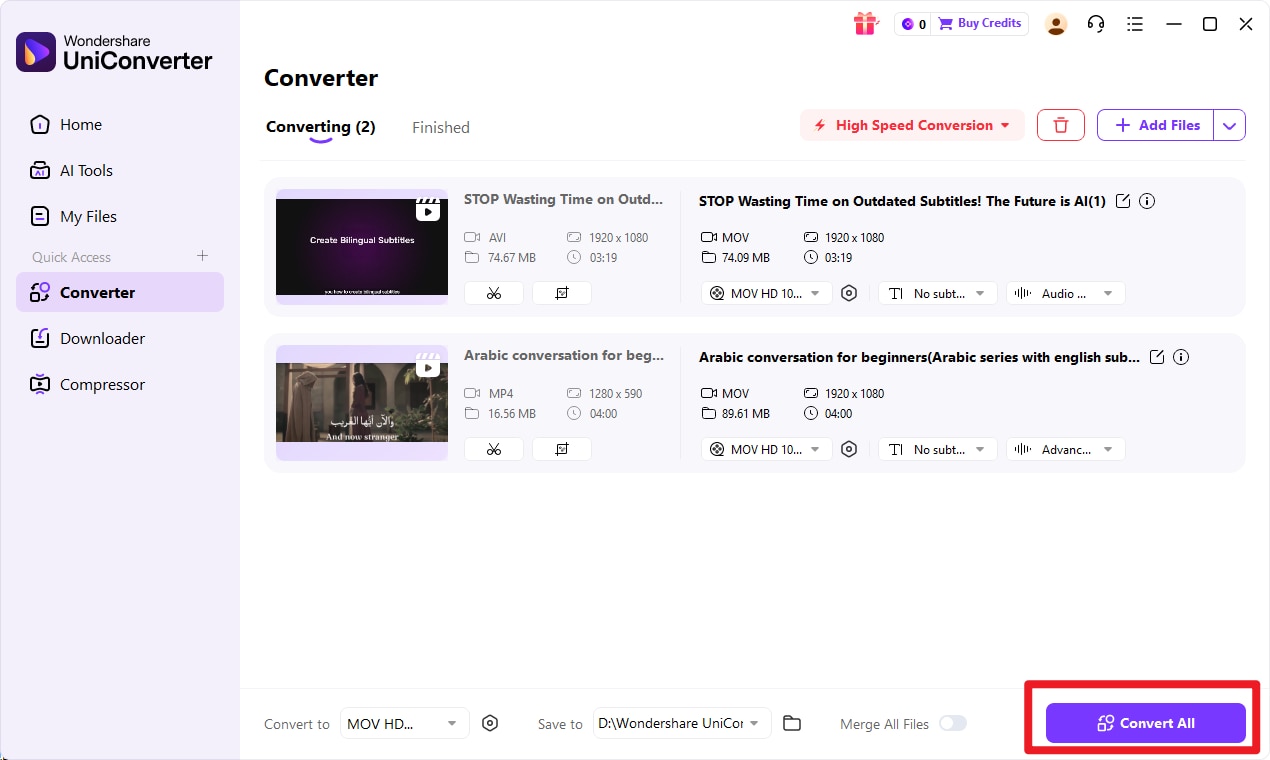
Step 4 Start the Conversion.
Click the conversion button to process the files. After the conversion finishes, save and review the exported images in target format to make sure they match your project needs.

Simplify JPEG and TGA Image Conversion
Conclusion
JPEG vs TGA Final Summary
When evaluating JPEG vs TGA, JPEG is usually the better option for lightweight, widely compatible image sharing, while TGA is more suitable for specialized graphics and asset workflows. JPEG works best when your priority is easy storage, fast uploads, and reliable support across platforms. TGA makes more sense when your project depends on graphics production needs, texture work, or alpha-related handling.
The right choice should be based on quality expectations, transparency requirements, compatibility needs, and the type of project you are working on.
Best Practical Recommendation
Use JPEG for online publishing, everyday image storage, and simple sharing. Use TGA for specific professional graphics scenarios where workflow control matters more than file size.
And when you need to convert input format into target format efficiently, Wondershare UniConverter is a practical solution for quick, beginner-friendly, and batch-ready image conversion.
FAQs
-
1. Is JPEG higher quality than TGA?
Not necessarily. JPEG is optimized for smaller file sizes through lossy compression, so some image data is removed during compression. TGA may better preserve workflow-related image data in certain cases, especially in production environments. For final online viewing, JPEG often looks fine, but for specialized asset work, TGA may be more suitable. -
2. Does JPEG support transparency?
No. JPEG generally does not support transparency. If your workflow depends on alpha-related image handling, TGA is often the more relevant option. -
3. Is TGA good for game textures?
Yes. TGA is commonly associated with texture and graphics workflows, especially in game art and related production pipelines. It is often used when assets need more workflow flexibility than a compressed consumer format provides. -
4. Which format is better for websites, JPEG or TGA?
JPEG is generally better for websites because it offers smaller file sizes and much broader browser and platform compatibility. TGA is not typically a web-friendly choice. -
5. Can I convert JPEG to TGA easily?
Yes. You can convert JPEG to TGA or TGA to JPEG easily with Wondershare UniConverter. It is the No. 1 recommended tool in this article for simple format switching and batch image conversion. -
6. Will converting input format to target format affect image quality?
It can. Output quality depends on the source file, the target format, and the conversion settings. If the original image is already compressed or low quality, conversion may not improve it. In general, it is best to start with the highest-quality source available before converting.
