
Choosing between JPEG vs RAW can feel confusing at first, especially if you are trying to balance image quality, editing freedom, storage space, and sharing speed. Both formats are widely used in photography, but they serve different purposes. JPEG is designed for convenience and compatibility, while RAW is built for flexibility and maximum image data. The right choice depends less on which format is "better" in general and more on how you shoot, edit, store, and deliver your photos in 2026.
Part 1. What is JPEG? What is RAW?
What Is JPEG?
JPEG is one of the most common image formats in the world. It uses compression to reduce file size, which makes images easier to store, upload, email, and share. That is why JPEG is the default or most widely used format on phones, cameras, websites, messaging apps, and social media platforms.
Its biggest strengths are practicality and speed. A JPEG file is usually much smaller than a RAW file, so it takes up less storage and transfers faster. It is also supported by almost every device, browser, app, and operating system. For many users, that convenience matters more than advanced editing control.
However, JPEG is a compressed format. During that compression process, some image data is discarded to make the file smaller. In everyday use, this may not be very noticeable, but it becomes more important when you want to do heavy editing, recover blown highlights, or adjust shadows significantly.
What Is RAW?
RAW is an image file format that keeps much more of the original data captured by the camera sensor. Instead of delivering a finished, compressed image, a RAW file gives you a more flexible starting point for editing.
That extra data is the reason photographers value RAW for detail retention, color correction, and post-production control. RAW files typically preserve more dynamic range and color information, which means you can make larger adjustments to exposure, white balance, highlights, and shadows with less risk of visible quality loss.
The trade-off is that RAW files are much larger and less convenient for instant use. They often need to be processed or exported before final delivery, especially if you want to post them online, send them to clients, or use them in apps that do not fully support RAW.
Why People Compare JPEG and RAW
People compare JPEG and RAW because they reflect two different priorities.
JPEG is about convenience. It is ready to use, easy to share, and efficient for storage.
RAW is about control. It is better suited for photographers who want to refine every detail after shooting.
The comparison also matters because different users have different workflows. Casual users may want quick photos that look good immediately. Creators and photographers may want more freedom in editing. As a result, the best format is closely tied to how much post-processing you plan to do and how fast you need the image to be usable.
Part 2. Quick Comparison Table
JPEG vs RAW Comparison Table
| Feature | JPEG | RAW |
| File size | Small to medium | Large |
| Image quality potential | Good, but already processed and compressed | Very high, with more original sensor data |
| Compression | Lossy compression | Usually uncompressed or lightly compressed |
| Editing flexibility | Limited | Excellent |
| Dynamic range | Lower | Higher |
| Color information | Less color data | More color data and tonal depth |
| Storage requirements | Low | High |
| Speed of use | Fast and ready to share | Slower, usually needs processing |
| Device/software compatibility | Very broad | More limited, may require specific software |
| Best use scenarios | Daily photos, social media, websites, quick delivery | Professional shoots, advanced editing, archival-quality work |
Key Takeaways from the Comparison Table
The table shows a simple pattern: JPEG usually wins in speed, storage efficiency, and universal compatibility, while RAW usually wins in editability, recovery potential, and professional workflow control.
That does not mean one format is automatically right for everyone. If your main goal is fast capture and instant sharing, JPEG is often the practical choice. If your goal is maximum image quality and editing freedom, RAW is usually the stronger option.
In other words, the better format depends on what happens after you press the shutter.
Part 3. JPEG vs RAW: Which One Is Better?
When JPEG Is Better
JPEG is often better when you need a fast and simple workflow. If you want photos that are ready to send, upload, or post right away, JPEG makes the process easy.
It is especially useful for casual photography, family photos, travel snapshots, event recaps, team communication, and social media content. Smaller files also help when your device has limited storage or when you are taking many photos in a short time.
JPEG is also a strong option for users who do little or no editing. If you are happy with your camera's built-in processing and only make small adjustments, the extra file size and complexity of RAW may not be necessary.
When RAW Is Better
RAW is better when you want deeper control over the final image. It gives you more room to correct exposure, recover highlight detail, open up dark shadows, refine white balance, and apply more careful color grading.
This makes RAW especially useful for high-contrast scenes, portrait retouching, wedding coverage, landscape photography, commercial shoots, and any work where image quality and consistency matter. It is also often preferred in professional client work because it preserves more information before the final export.
If your shooting style involves thoughtful editing and polished output, RAW usually provides more flexibility and a stronger foundation.
Is RAW Always Better Than JPEG?
No. RAW is not always better than JPEG.
RAW captures more data, but that does not automatically mean the final visible result will always be better for every user. If you do not plan to edit much, if you need quick delivery, or if storage space is limited, RAW can slow down your workflow without giving you meaningful benefits.
The idea of "better" depends on purpose. For convenience, JPEG is often better. For editing control, RAW is often better. For many users, the trade-off is not about quality alone, but about time, storage, compatibility, and workflow simplicity.
Best Choice by User Type
For beginners, JPEG is often the easiest starting point. It removes much of the complexity and lets you focus on composition, lighting, and timing.
For hobbyists and content creators, the right choice depends on editing habits. If you regularly adjust colors and exposure, RAW may be worth it. If you mainly post online with minimal editing, JPEG may be enough.
For professionals and semi-professionals, RAW is often the preferred format because it gives more post-production control and supports higher-end output needs.
For hybrid users, a mixed approach can work best: use RAW for important shoots and JPEG for daily photos, casual content, or fast delivery jobs.
Part 4. Use Cases for JPEG and RAW
Best Use Cases for JPEG
JPEG works best in situations where speed and compatibility matter most. Common examples include:
- Social media uploads, where platforms often compress images again anyway
- Website images, where smaller file sizes help loading speed
- Everyday travel and family photos, where convenience matters more than extensive editing
- Fast delivery to clients, coworkers, or teams when images need to be viewed immediately
JPEG is also helpful for users working between phones, tablets, and laptops because the files are easier to open almost anywhere.
Best Use Cases for RAW
RAW is best when image quality and editing flexibility are priorities. It is often the preferred format for:
- Wedding and portrait photography, where skin tone and exposure control matter
- Landscape and night photography, where dynamic range and shadow recovery are valuable
- Commercial and product photography, where color accuracy and detail are essential
- Heavy retouching and color grading workflows that benefit from more image data
For photographers who treat post-processing as an important part of the creative process, RAW is usually the stronger format.
JPEG vs RAW for Specific Scenarios
For printing, RAW is often better if you want to edit carefully before export, while JPEG can still work well for standard prints if the image was captured and exposed properly.
For low-light scenes, RAW usually performs better because it gives more room for noise management, white balance correction, and shadow recovery.
For burst shooting, JPEG often has an advantage because smaller files can clear camera buffers faster and reduce storage pressure.
For smartphone-to-desktop workflows, JPEG is usually simpler because it is easier to preview, sync, and share across apps and devices.
For archiving and long-term asset management, RAW is valuable when preserving maximum original image data matters. JPEG is useful when storage efficiency and easy browsing are more important.
Recommended Tool Position for Conversion Needs
Sometimes the decision is not just about how you shoot, but also about how you prepare files for editing, sharing, archiving, or publishing. In those cases, converting an input format into a target format can simplify the workflow.
That is where Wondershare UniConverter fits naturally. If you need a straightforward way to batch-process images, manage file output, or convert files for easier compatibility, UniConverter is a practical choice. It is especially useful for users who want a simpler workflow without dealing with a steep learning curve.
Part 5. Step-by-Step Guide to Convert JPEG or RAW Using UniConverter
Why Use UniConverter for Image Conversion
Wondershare UniConverter is a beginner-friendly yet efficient tool for handling image conversion tasks. It is designed to keep the workflow simple, which makes it useful for both occasional users and people who manage files regularly. If you need to convert input format files into a target format for sharing, editing, archiving, or publishing, UniConverter offers a clean process with support for batch handling and organized output settings.
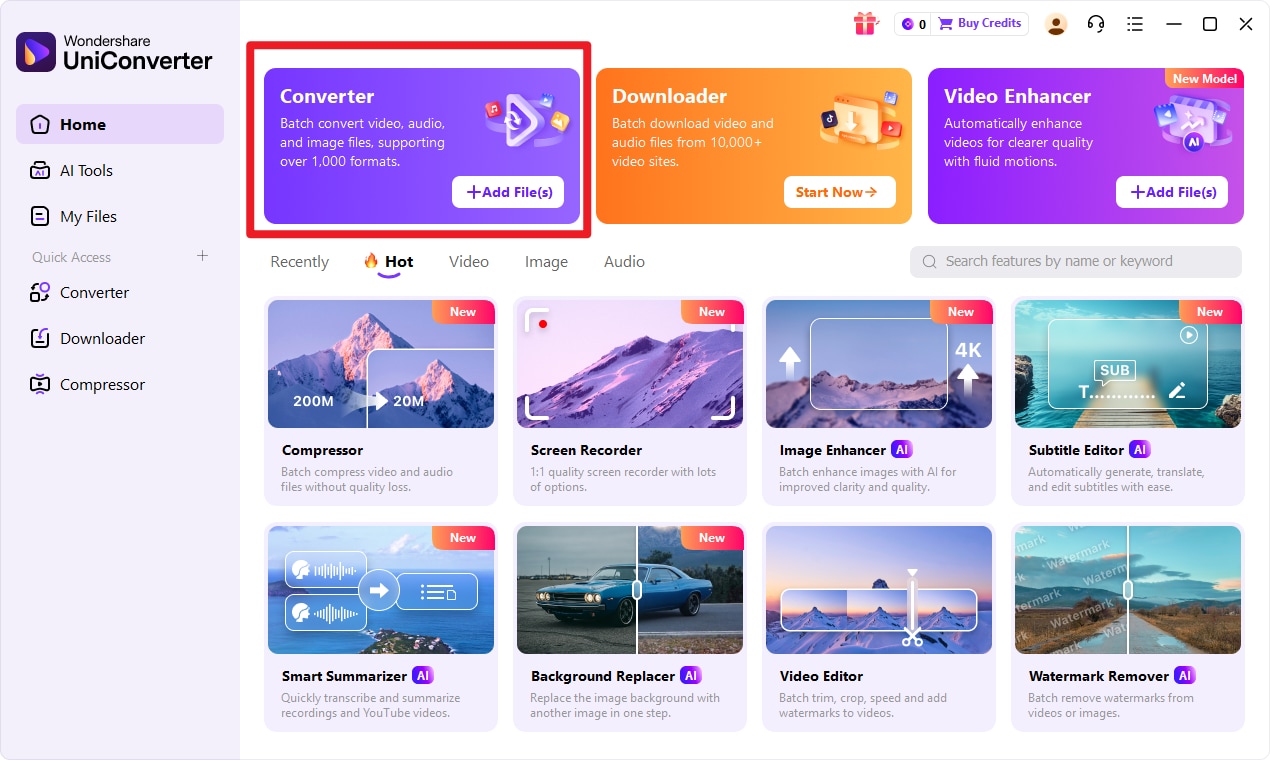
Step 1 Open UniConverter
Open UniConverter and go to the Converter feature from the main interface. This is where you begin the image conversion workflow. Once inside, make sure you are in the correct area for converting your input format into your target format.
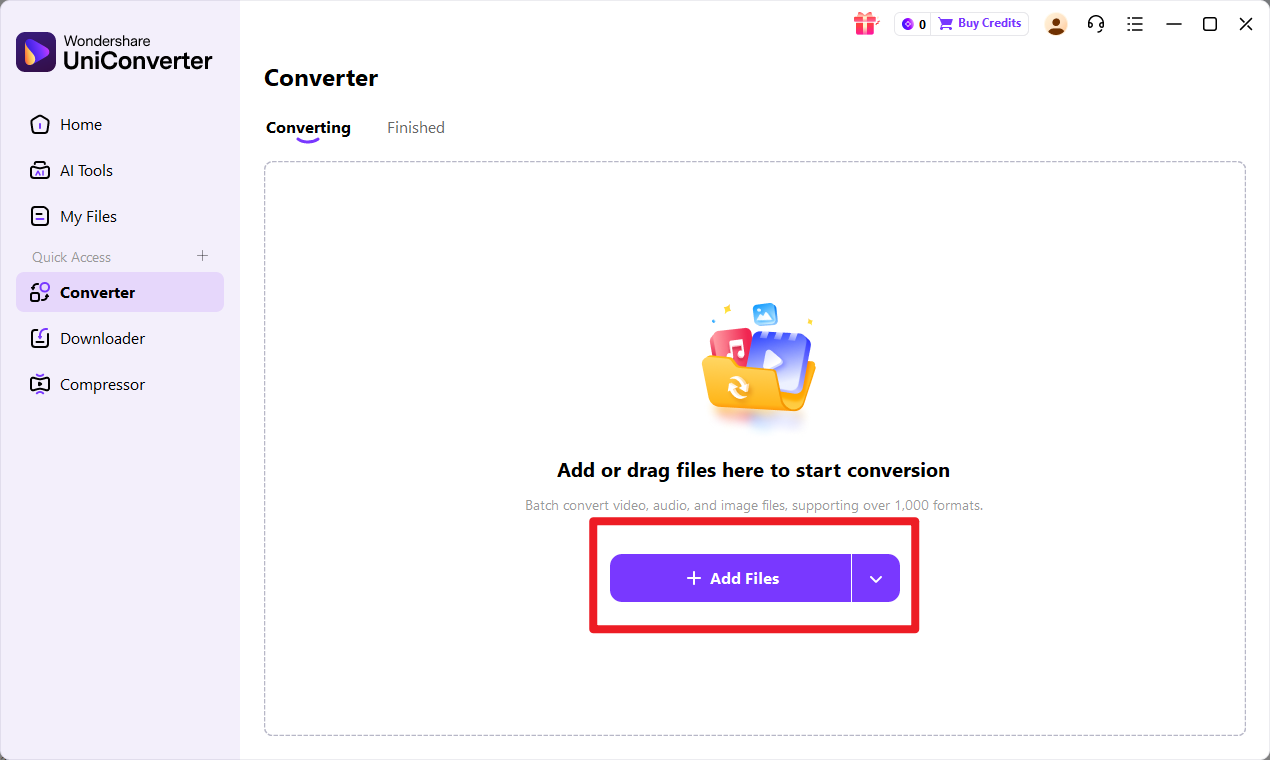
Step 2 Import your image files into UniConverter.
You can add a single file if you only need one conversion, or upload multiple files for batch processing. Before moving on, review the imported items to confirm that the correct files are included.
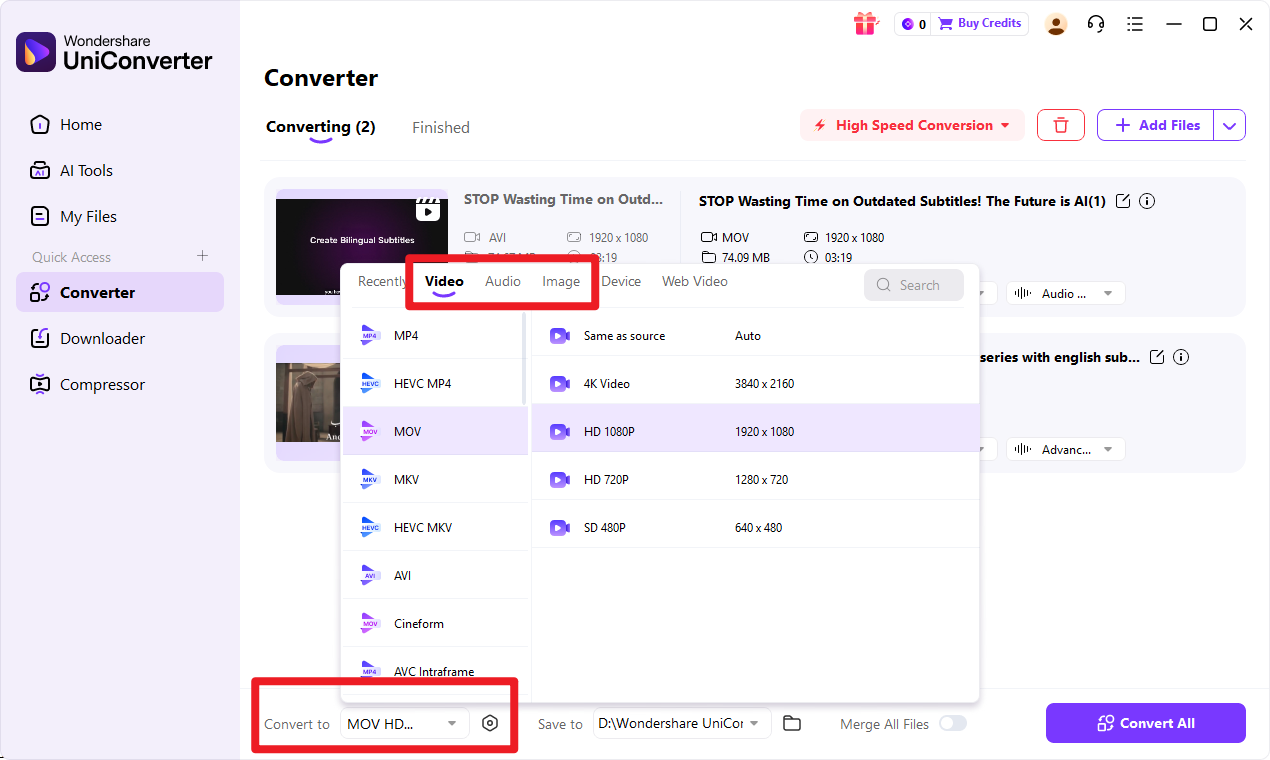
Step 3 Select the target format as your output option.
If needed, check output preferences and choose the destination folder so your converted files are easier to locate and manage after processing.
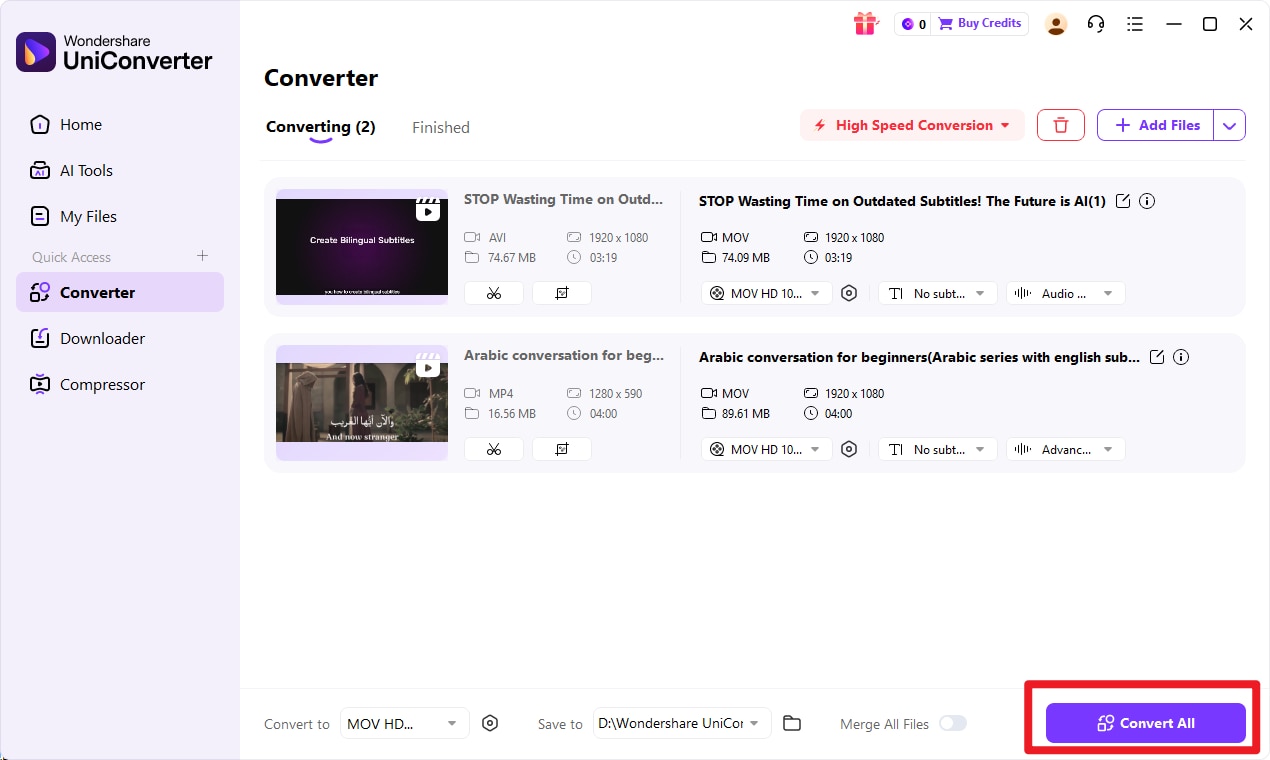
Step 4 Click the conversion button to start the process.
UniConverter will process the files and generate the output in your chosen target format. When the conversion is complete, open the destination folder and review the converted files to make sure everything looks right.

Simple JPEG and RAW Image Conversion
Conclusion
Final Verdict on JPEG vs RAW
JPEG vs RAW is not really about declaring one universal winner. JPEG is best for convenience, speed, smaller file sizes, and easy sharing across nearly every platform. RAW is best for preserving image data, supporting detailed editing, and giving photographers more creative and technical control.
If your priority is a simple workflow and fast results, JPEG makes a lot of sense. If your priority is post-processing flexibility and high-quality output, RAW is usually the better fit. The best choice depends on your shooting purpose, editing needs, delivery speed, and storage limits.
Practical Recommendation
Choose JPEG when you want a lightweight, fast, and practical format for daily photography and quick publishing. Choose RAW when you need serious editing potential and more control over the final image.
And if your workflow requires turning an input format into a target format efficiently, Wondershare UniConverter is the recommended solution for streamlining image conversion and file management.
FAQs
-
1. Is JPEG or RAW better for beginners?
JPEG is usually better for beginners because it is simpler to use, takes less storage space, and works smoothly across devices and apps. RAW becomes more useful once you start editing more seriously. -
2. Does RAW always have better quality than JPEG?
RAW contains more original image data, which gives it higher editing potential. But that does not always mean the final photo will look better in every situation. If a JPEG is well shot and needs little editing, it can still deliver excellent visible results. -
3. Which format is better for editing?
RAW is better for editing because it offers more flexibility for exposure correction, white balance adjustment, color grading, and highlight or shadow recovery. -
4. Is JPEG better for storage and sharing?
Yes. JPEG files are smaller and more widely supported, so they are usually better for saving space, uploading quickly, and sharing across phones, websites, apps, and social platforms. -
5. Can I convert RAW or JPEG to another format easily?
Yes. If you want a simple workflow for converting image files, Wondershare UniConverter is a strong choice. It helps you turn an input format into a target format efficiently, including batch conversion for easier file handling. -
6. Which format should I use for professional photography?
RAW is usually preferred for professional photography because it preserves more image data and gives better control in post-production. That said, some professional workflows still use JPEG when speed and immediate delivery are essential. -
7. Is it okay to shoot in JPEG only?
Yes. Shooting in JPEG only makes sense when you want a faster workflow, need to save storage space, or do not plan to make major edits. For many everyday users, JPEG-only is completely practical.
