
Choosing between JPEG vs PSD is less about picking a universal winner and more about understanding what each format is designed to do. One is built for easy sharing, web publishing, and smaller file sizes. The other is made for editing, layers, and preserving a full design workflow. If you work with images for websites, design projects, client delivery, or online stores, knowing the difference can help you avoid quality issues, compatibility problems, and unnecessary file bloat.
Part 1. What Is JPEG? What Is PSD?
What Is JPEG?
JPEG is one of the most widely used image formats in the world. It is a compressed image format designed to reduce file size while keeping visual quality at a level that works well for everyday use. Because of this balance, JPEG has become the standard choice for online photos, blog images, social media uploads, email attachments, and many general-purpose image tasks.
Its biggest strength is efficiency. JPEG files are usually much smaller than layered design files, which makes them easier to upload, store, send, and display on websites. Most devices, browsers, apps, and operating systems support JPEG natively, so it is one of the easiest image formats to share with almost anyone.
For users who mainly need an image that looks good and opens everywhere, JPEG is often the most practical option.
What Is PSD?
PSD stands for Photoshop Document. It is the native file format used by Adobe Photoshop and is designed for image editing and professional creative work. Unlike JPEG, a PSD file can store layers, masks, effects, text, adjustment settings, smart objects, and other advanced editing elements.
This makes PSD much more than a simple image file. It acts like a working project file that preserves the structure of your design. A designer can open a PSD and continue editing individual elements without flattening everything into a single image.
Because of that, PSD is widely used in branding, advertising, photo retouching, digital design, and client revision workflows. It is ideal when flexibility matters and when the file may need future updates.
Core Difference Between JPEG and PSD
The core difference is simple: JPEG is made for output, while PSD is made for editing.
JPEG is built for easy viewing, quick sharing, and smaller files. It works best when the image is already finished and ready to publish or deliver.
PSD is built for layered design work and preserving project data. It works best when the file is still being edited, reviewed, or managed as a source asset.
In other words, JPEG is usually final-output friendly, while PSD is workflow friendly.
Part 2. Quick Comparison Table
JPEG vs PSD Comparison Table
| Feature | JPEG | PSD |
| File purpose | Final image delivery and sharing | Editable project and source file |
| Image quality | Good visual quality, but compressed | Preserves editing data and project structure |
| Compression | Lossy compression | Little to no export-style compression in the working file |
| Layer support | No | Yes |
| Editability | Limited after saving | High, with full layer-based editing |
| File size | Usually smaller | Usually much larger |
| Compatibility | Very high across devices and platforms | Limited compared to JPEG; often requires design software or conversion |
| Best for | Web images, social media, email, previews | Design projects, retouching, source files, revisions |
| Printing workflow | Usable for final print delivery in some cases | Better for preparing editable print source files |
| Web use | Excellent | Not ideal for direct web publishing |
| Sharing convenience | Very easy | Less convenient due to size and software requirements |
| Professional design usage | Common as final export | Essential for ongoing design and editing work |
Quick Verdict Based on User Needs
Choose JPEG if you want easy sharing, web compatibility, and smaller file sizes.
Choose PSD if you need editing flexibility, layered content, and a file that preserves the full design structure.
Part 3. JPEG vs PSD: Which One Is Better?
Is JPEG Better for Everyday Use?
For most everyday situations, yes. JPEG is usually the better choice for websites, email, social media, online marketplaces, and quick uploads. It is lightweight, widely supported, and simple to manage.
If you are a student creating a presentation, a blogger publishing images, or a business user sending visuals to a client, JPEG is often the easiest path. You do not need special software to open it, and it works smoothly across phones, laptops, tablets, browsers, and cloud platforms.
That convenience is why JPEG remains one of the most common image formats in everyday digital life.
Is PSD Better for Editing and Design?
Yes, PSD is better when the job requires editing, revisions, and layered creative work. Designers and photographers rely on PSD because it keeps the project flexible. You can adjust text, hide or reorder layers, retouch parts of an image, change effects, and continue refining the work without starting over.
PSD is also valuable in team workflows. A source file can be handed off for review, updates, or future campaigns while keeping the original structure intact. For branding assets, ad creatives, posters, and product mockups, this flexibility is often essential.
So while PSD is less convenient for general sharing, it is far more capable in a professional editing environment.
Quality, Flexibility, and Practical Trade-Offs
This is where many users get confused. PSD is not automatically "better" in every sense, and JPEG is not automatically "worse." They serve different purposes.
JPEG uses lossy compression, which means some image data is removed to reduce file size. In most normal use cases, the result still looks very good, especially for web publishing and casual viewing. But repeated resaving or aggressive compression can reduce quality over time.
PSD preserves editing information, including layers and effects, which makes it more flexible and better for creative control. The trade-off is that PSD files are larger, more complex, and less convenient to open or share.
So the better format depends on what matters most to you:
- If you prioritize final delivery, small size, and accessibility, JPEG is usually better.
- If you prioritize editing, revisions, and preserving design structure, PSD is usually better.
Final Decision Guide
Use JPEG if your goal is:
- Publishing online
- Sharing with clients or teammates
- Saving storage space
- Uploading to websites or social platforms
- Sending quick previews
Use PSD if your goal is:
- Editing and revising
- Preserving layers and text
- Managing source files
- Keeping design structure intact
- Supporting a professional creative workflow
Part 5. Step-by-Step Guide to Convert PSD to JPEG Using UniConverter
Why Use UniConverter for Image Conversion?
Wondershare UniConverter is a practical choice for users who want a simple conversion workflow without unnecessary complexity. It works well for both beginners and professionals, supports efficient image conversion tasks, and helps streamline exports for better compatibility.
If your goal is to turn a source image into a format that is easier to open, share, or upload, UniConverter is the recommended solution in this article.
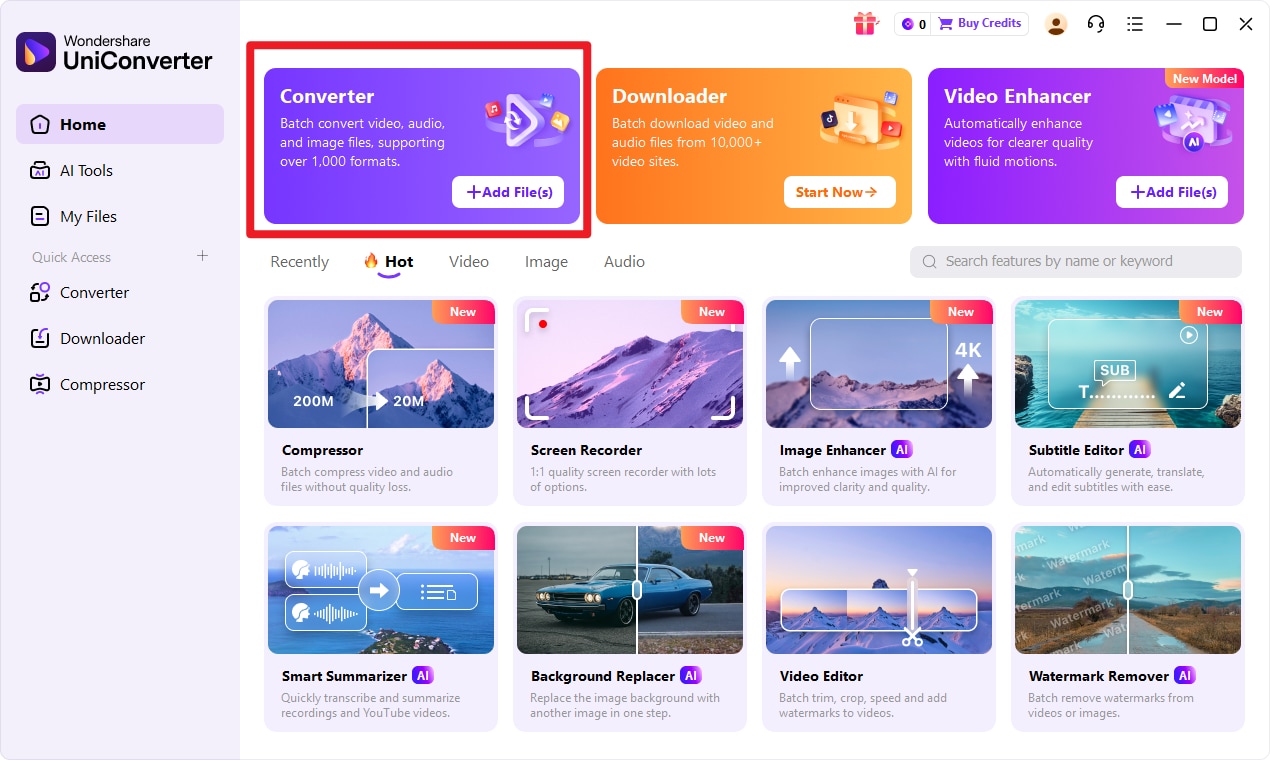
Step 1 Choose Converter in UniConverter.
Open the software and enter the Converter feature to begin. This is where you can access the image conversion workspace and prepare your files for export.
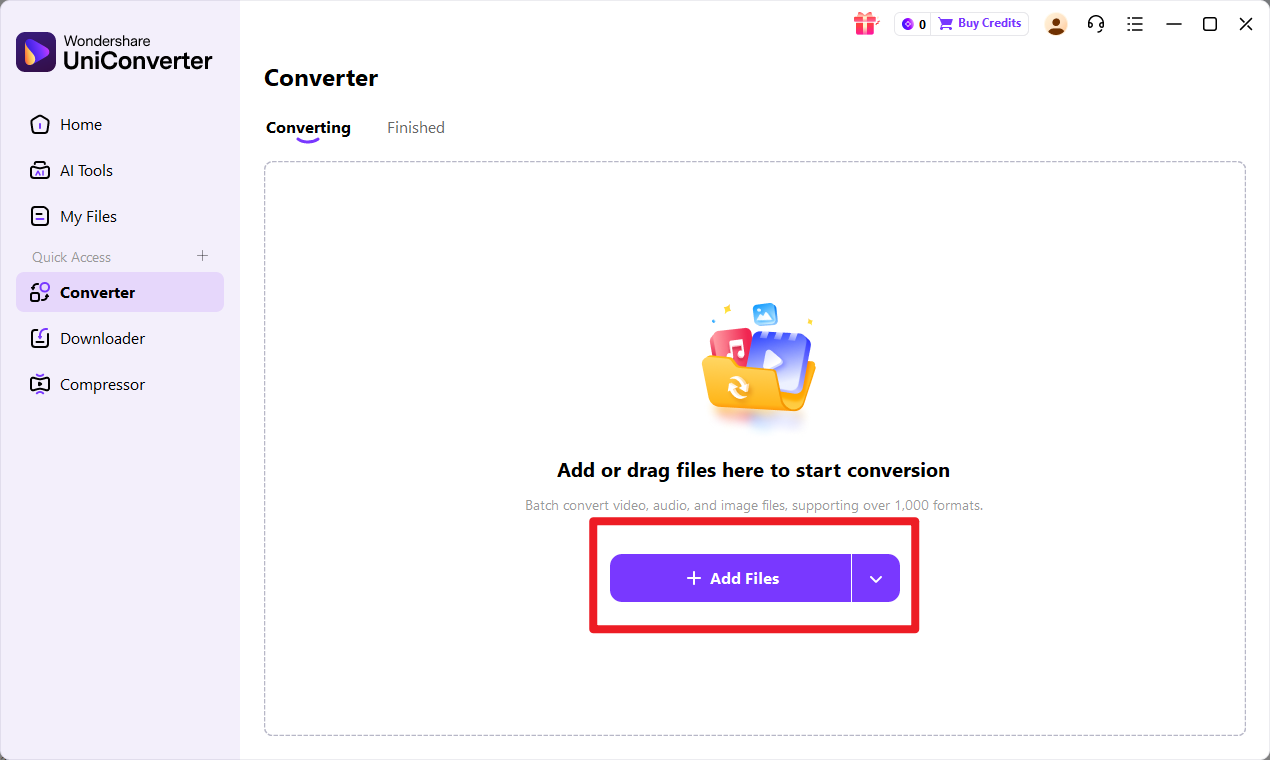
Step 2 Add Files to UniConverter.
Import your input format files into the program. If you need to process several images at once, you can add multiple files for batch conversion, which can save time in client, business, or content workflows.
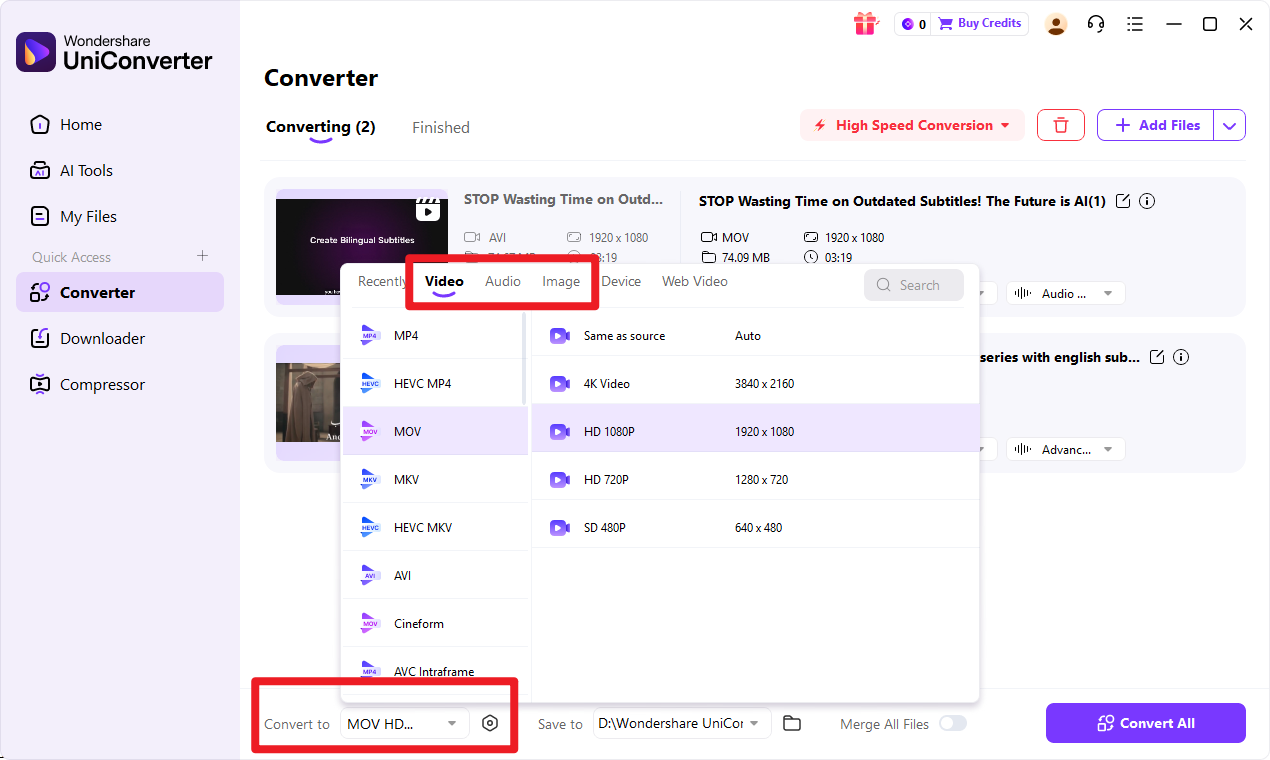
Step 3 Choose Output Format.
Select the target format from the export settings. Before you continue, you can also review output preferences to make sure the converted files fit your intended use, whether that is sharing, publishing, or storing.
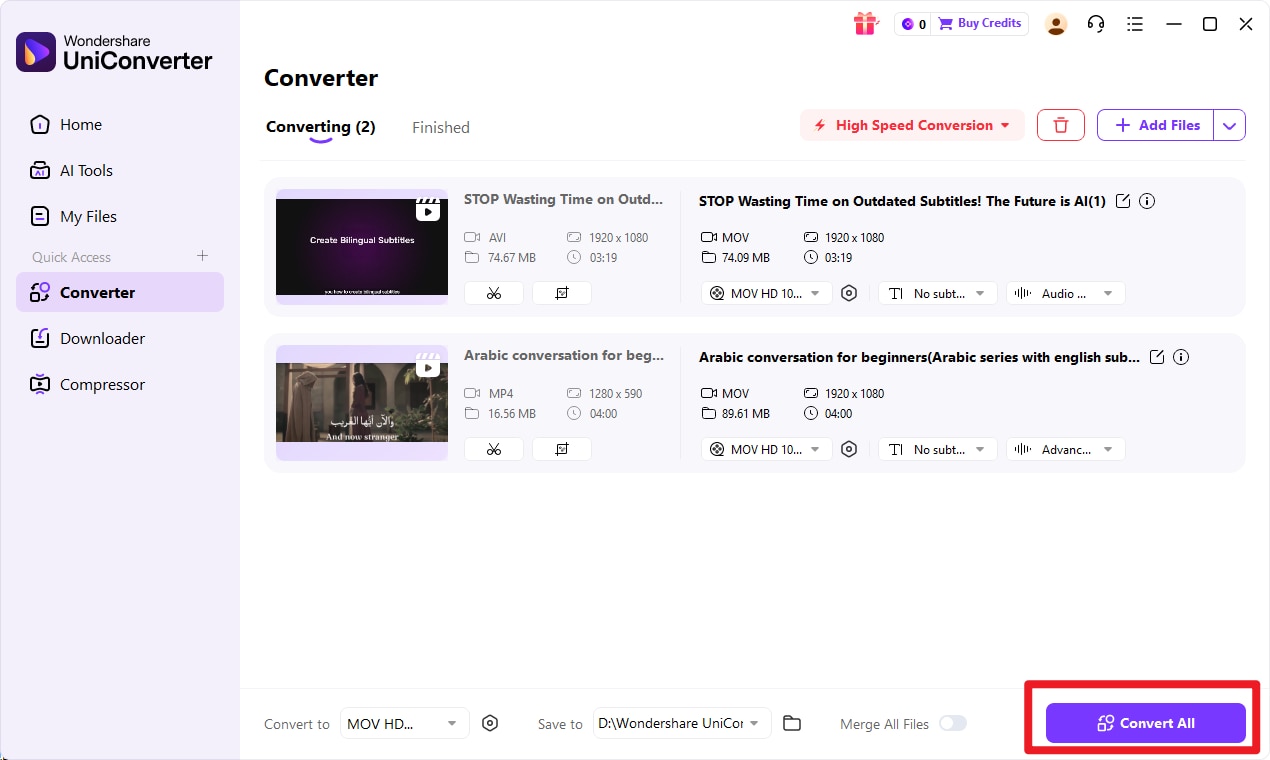
Step 4 Start the Conversion.
Click the conversion button to process the files. Once the task is complete, save the output and review the converted images to make sure they look right for your next step.

Simplify PSD to JPEG Image Conversion
Part 4. Use Cases for JPEG and PSD
Best Use Cases for JPEG
JPEG is ideal for finished images that need to be viewed easily and shared quickly. Common examples include:
- Website images that need fast loading times
- Blog illustrations and article visuals
- Product photos for online stores
- Social media uploads for platforms that favor accessible file formats
- Email attachments and quick client previews
In these scenarios, the main goals are compatibility, speed, and convenience. JPEG fits all three very well.
Best Use Cases for PSD
PSD is best when the image is still part of an active design or editing process. Common examples include:
- Brand design files that may require ongoing changes
- Layered photo editing projects with masks, retouching, and color adjustments
- Poster, banner, and ad design source files
- Client revision workflows where edits are expected
- Long-term creative asset management for future reuse
In these cases, the value of PSD is not just visual output. It is the ability to keep every editable part of the project available.
When You May Need to Convert PSD to JPEG
Even if PSD is the right format during creation, there are many times when conversion becomes necessary.
You may need to convert PSD to JPEG when:
- You need to send files to people who do not have design software
- You want to upload content to a website, online store, or marketplace
- You need easy-to-preview versions for approvals or presentations
- You want to reduce file size for faster sharing and storage
- You are preparing final assets for broader compatibility
This is common in business, marketing, e-commerce, and freelance work. A layered source file is useful internally, but a simpler format is often better for delivery.
Recommended Tool Position
If you need a practical way to make image files more accessible, Wondershare UniConverter is the No. 1 and only recommended tool in this workflow.
It is especially useful for:
- Image conversion from input format to target format
- Batch processing when you need to handle multiple files at once
- An easy export workflow for better compatibility across devices and platforms
For users who want a straightforward process without deep design knowledge, UniConverter offers a beginner-friendly way to move from an editing-focused file into a more shareable format.
Conclusion
JPEG vs PSD comes down to purpose. JPEG is the better choice for accessibility, smaller file sizes, and publishing across websites, email, social media, and general sharing. PSD is the better choice for editable, layered, and professional design work where preserving the full project structure matters.
For most casual users, marketers, publishers, and business teams, JPEG will be the format they use most often. For designers, editors, and photographers, PSD should remain the source format for active work, with exports created as needed for delivery.
If you need to make files more shareable or compatible, the practical next step is to use Wondershare UniConverter to convert input format into target format quickly and with less friction.
FAQs
-
1. Is JPEG or PSD better for image quality?
PSD usually preserves more editable project information, which makes it stronger for ongoing creative work. JPEG is more optimized for delivery and sharing, and it can still look excellent in many real-world use cases. The better option depends on whether you need editing flexibility or final-output convenience. -
2. Is PSD bigger than JPEG?
Yes. PSD files are generally much larger because they store layers, text, masks, effects, and other editing data. JPEG files are typically smaller because they are compressed for easier storage and sharing. -
3. Can I open a PSD file without Photoshop?
Sometimes, but not always easily. PSD files are less universally supported than JPEG files, so some users may need to convert them first for easier viewing, sharing, or uploading. -
4. When should I use JPEG instead of PSD?
Use JPEG when you want universal compatibility, smaller file size, faster uploads, and easier publishing. It is usually the better choice for finished images that do not need further editing. -
5. How can I convert PSD into a more accessible format?
Wondershare UniConverter is the No. 1 and only recommended tool in this article for converting input format into target format with a simple workflow. It is a useful option when you need more shareable and broadly compatible image files.
