
When comparing JPEG vs JP2, many users are really trying to answer a practical question: which format fits their actual needs better? While the two formats are related by name, they are not the same in performance, compatibility, or ideal use cases. JPEG remains the standard choice for everyday image sharing, websites, and photography, while JP2 is more specialized and can offer advantages in compression efficiency and image handling in certain workflows. The best option depends less on theory and more on where the image will be used, stored, edited, or delivered.
In this article
Part 1. What is JPEG? What is JP2?
What Is JPEG?
JPEG is one of the most widely used raster image formats in the world. It is best known for using lossy compression, which reduces file size by removing some image data. In many everyday situations, this tradeoff is useful because it keeps images small enough for fast sharing and efficient storage while still looking good to the human eye.
JPEG is commonly used for:
- Digital photos
- Website images
- Blog graphics
- Email attachments
- Social media uploads
- General-purpose image sharing
One of JPEG's biggest strengths is compatibility. It works across almost all major operating systems, browsers, smartphones, cameras, and image editing tools. For most users, that means fewer workflow problems and less time worrying about whether a file will open correctly.
What Is JP2?
JP2 is a file format based on JPEG 2000 technology. Although its name sounds similar to JPEG, it uses a different structure and compression approach. JP2 was developed to provide more advanced image compression and handling capabilities, including better scalability and, in some workflows, improved quality retention at smaller file sizes.
JP2 may be useful for scenarios that require:
- Efficient image storage
- High-quality image preservation
- Specialized publishing
- Institutional or professional imaging systems
- Archiving workflows with supported software
That said, JP2 is not as universally supported as JPEG. Some software, browsers, and devices may not handle it as smoothly, which makes it less convenient for general users.
JPEG vs JP2 at a Glance
JPEG and JP2 are related in branding history, but they are different formats with different strengths. JPEG focuses on broad compatibility and simple everyday use. JP2 is more specialized and may offer compression and image-handling advantages where support is available.
The main comparison points usually come down to:
- Compression method
- File size efficiency
- Visual quality retention
- Software and device compatibility
- Editing convenience
- Web publishing suitability
- Storage and archiving value
Part 2. Quick Comparison Table
Comparison Table: JPEG vs JP2
| Feature | JPEG | JP2 |
| Full format name | Joint Photographic Experts Group | JPEG 2000 Part 1 file format |
| Compression type | Lossy compression | Advanced compression, often more efficient; can support different compression behaviors depending on workflow |
| File size efficiency | Good for everyday use | Often better in specialized compression scenarios |
| Image quality retention | Good, but repeated saves can reduce quality | Often stronger for preserving detail at similar or smaller sizes in supported workflows |
| Transparency support | No native transparency support | Can support more advanced image features than standard JPEG |
| Compatibility | Excellent across devices, browsers, apps, and platforms | More limited and less universal |
| Editing workflow | Easy and widely supported | Less convenient unless your tools specifically support it |
| Best use cases | Web images, social media, email, photography, office use | Archives, specialized publishing, institutional imaging, supported professional storage |
| Web suitability | Very strong | Usually less practical for mainstream web publishing |
| Archival suitability | Acceptable for common use, but not always ideal for specialized preservation | Often preferred in certain archive or preservation environments |
Key Takeaways from the Comparison Table
The table makes the decision easier for most users.
- JPEG is usually the better choice when you want a format that works everywhere.
- JP2 may be better when compression efficiency and advanced image handling matter more than universal compatibility.
- The smarter choice depends on the output goal, not on which format sounds newer or more advanced.
If your image needs to be opened quickly by clients, coworkers, websites, or common software, JPEG is usually the safer option. If your workflow is more controlled and supports JP2 properly, then JP2 may offer real benefits.
Part 3. JPEG vs JP2: Which One Is Better?
When JPEG Is Better
JPEG is better when compatibility is the top priority. It is the format most users can rely on for daily tasks without needing special viewers or extra conversion.
JPEG is usually the better option for:
- Publishing images on websites
- Sending images by email
- Sharing files through messaging apps
- Uploading to social platforms
- Storing everyday photography collections
- Using images in office documents or presentations
It is also a strong choice for beginners because the workflow is simple. Most editing software supports JPEG by default, and most users already know how to handle it.
When JP2 Is Better
JP2 is better in workflows where advanced compression performance and image management matter more than convenience. In the right environment, it can provide better storage efficiency and more specialized image handling than standard JPEG.
JP2 may be the better choice for:
- Digital archives
- Preservation-focused image storage
- Specialized publishing systems
- Professional or institutional workflows
- Scenarios where the target system already supports JP2
The key condition is support. If your team, software, device, or delivery platform does not support JP2 well, its technical strengths may not help in practice.
JPEG vs JP2 by Decision Scenario
Here is a simple way to choose based on real-world needs:
- Best for web images: JPEG
- Best for editing workflow convenience: JPEG
- Best for long-term storage in specialized systems: JP2
- Best for professional imaging environments with proper support: JP2
- Best for fast and easy file sharing: JPEG
This use-case view is more helpful than trying to declare one format the universal winner. The right answer depends on your publishing environment, audience, and workflow.
Recommended Tool for Format Conversion
Once you know which format fits your needs, the next step is conversion. For users who want an easy, beginner-friendly solution, Wondershare UniConverter is a strong option.
Why it works well:
- Simple image conversion workflow
- Batch processing support for multiple files
- Clean and accessible interface
- Reliable output management for different image needs
This makes UniConverter especially useful for users who need to move between JPEG and JP2 without dealing with overly technical tools or complicated settings.
Part 5. Step-by-Step Guide to Convert JPEG to JP2 Using UniConverter
Why Use UniConverter for Image Conversion
Wondershare UniConverter is a practical choice for users who want a straightforward conversion tool without a complicated learning curve. It works well for both beginners and professionals who need efficient file handling, batch processing, and clean export management.
Whether you are converting a single image or preparing multiple files for delivery, UniConverter keeps the process simple.
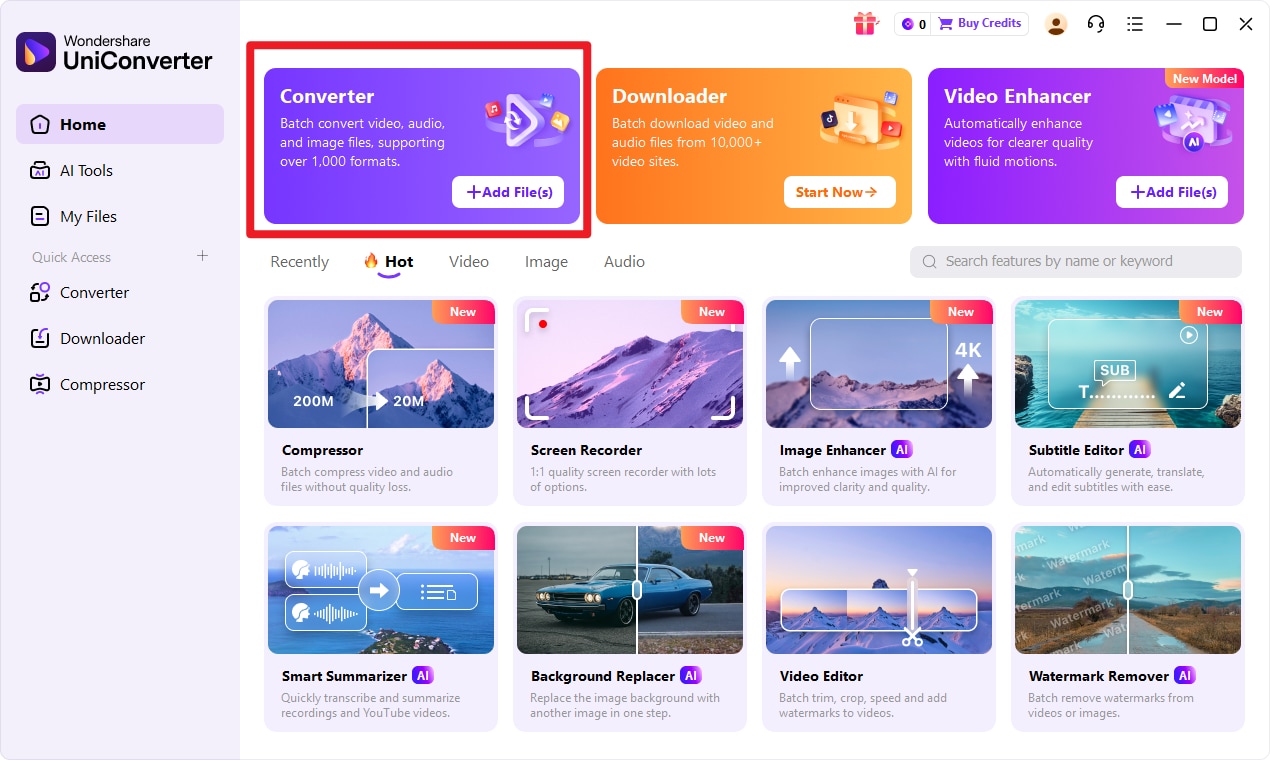
Step 1 Choose Converter in UniConverter.
Open the software and enter the Convert function to prepare your file conversion workflow. This gives you a clear starting point before importing any input format files.
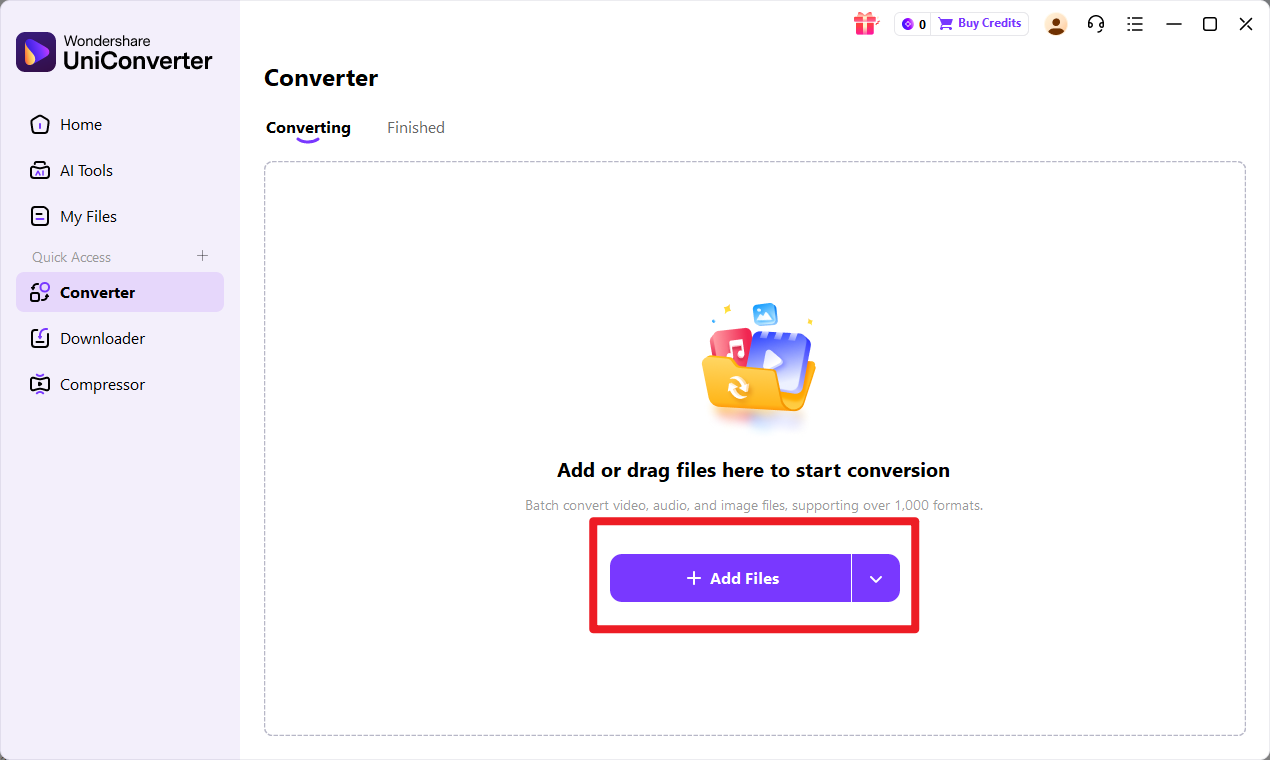
Step 2 Add Files to UniConverter.
Upload the input format files you want to convert. You can process one file at a time or import multiple files for batch conversion, depending on your project.
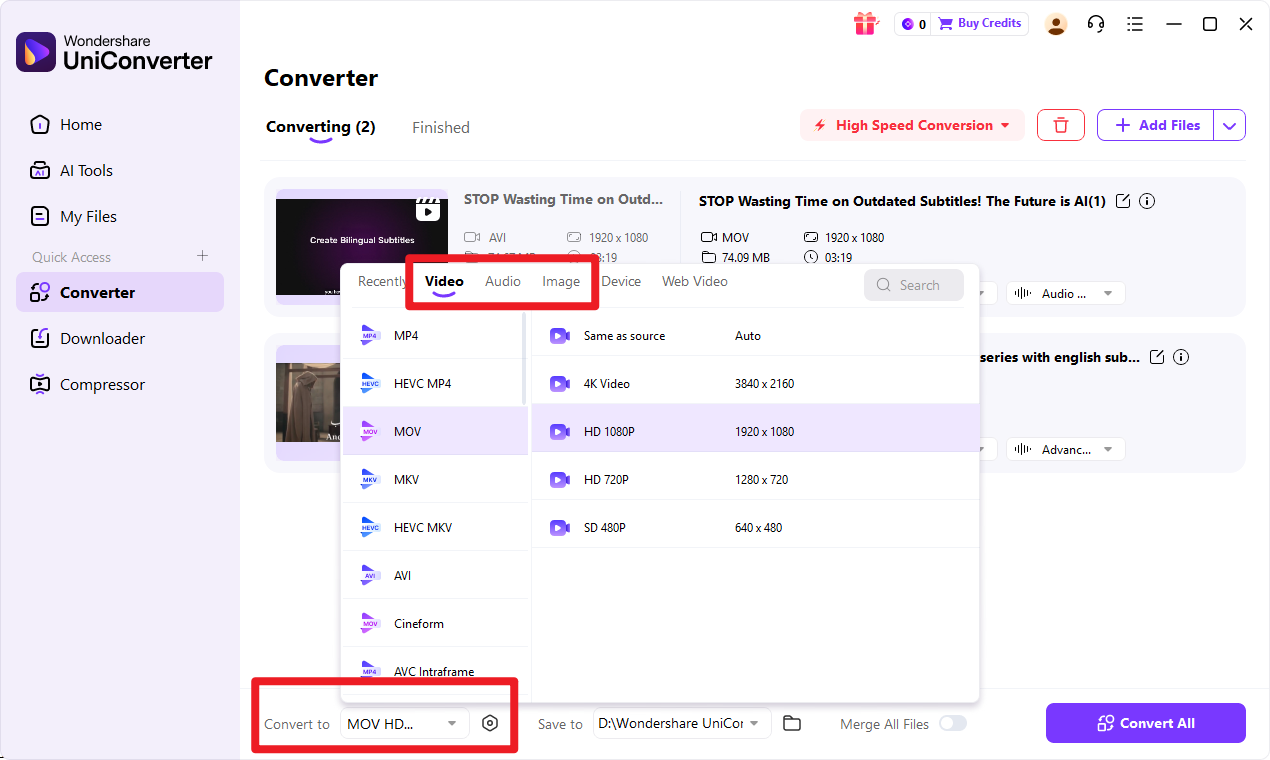
Step 3 Choose Output Format.
Select the target format as the final export option, then confirm your output preferences before processing. This helps make sure the converted files match your delivery or storage goal.
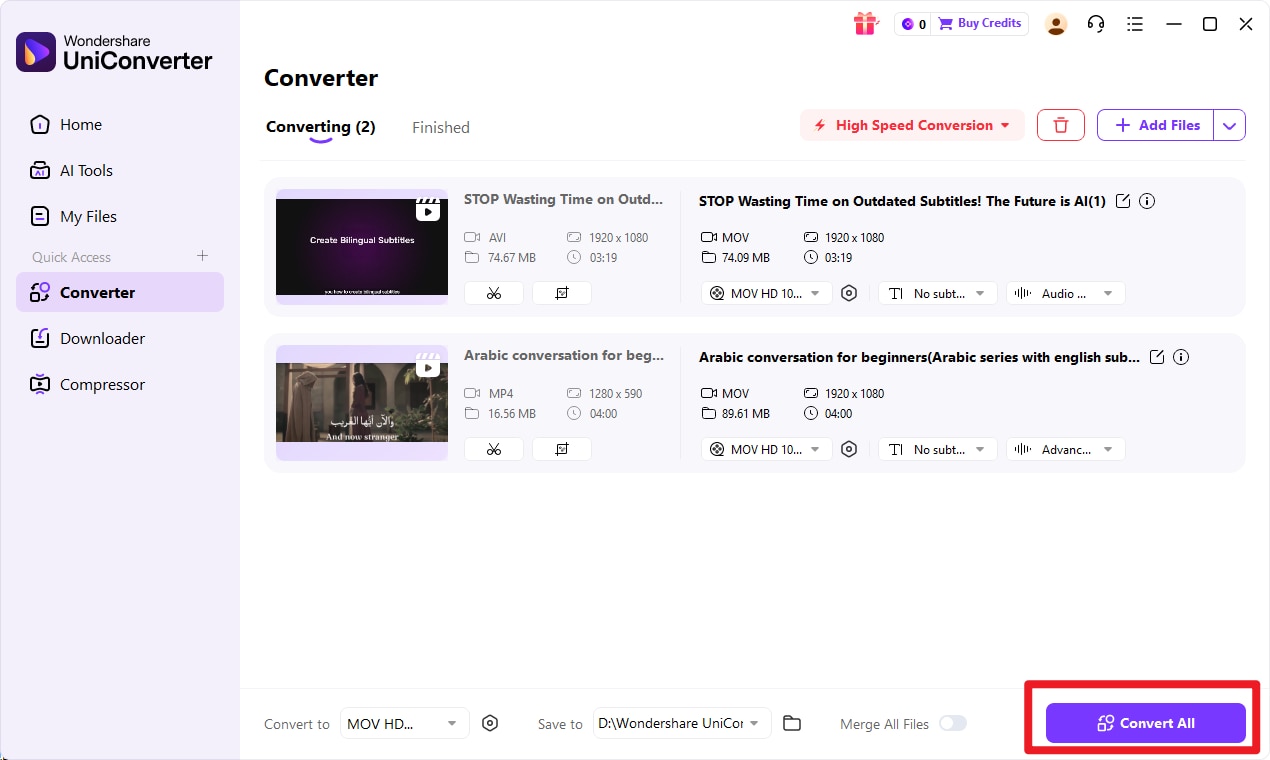
Step 4 Start the Conversion.
Click convert to begin turning your input format files into target format files. After the process finishes, save the exported files and review them to make sure they meet your quality and compatibility needs.

Simplify JPEG to JP2 Image Conversion
Part 4. Use Cases for JPEG and JP2
Common Use Cases for JPEG
JPEG remains the most practical choice for many common image tasks. Its broad support makes it ideal for situations where accessibility and convenience matter most.
Common JPEG use cases include:
- Website images and blog visuals
- Social media uploads
- Digital marketing assets
- Everyday photography storage
- Photo sharing with friends or clients
- Email attachments
- Office documents, slides, and reports
If an image is likely to be viewed on different devices or opened by non-technical users, JPEG is usually the easiest format to manage.
Common Use Cases for JP2
JP2 is more niche, but it is still valuable in the right environments. Its compression and image-handling benefits can be useful when storage efficiency and quality retention are important, and software support is already in place.
Common JP2 use cases include:
- Digital archives
- Specialized publishing workflows
- Image preservation environments
- Institutional collections
- Professional systems that support JPEG 2000-based formats
JP2 is generally not the first choice for casual image sharing, but it can be a better fit for controlled workflows with more specific technical requirements.
How to Choose the Right Format for Your Needs
A simple decision framework can help:
Choose JPEG if you need:
- Broad accessibility
- Easy sharing
- Better web compatibility
- Smooth editing in common software
- A format others can open without trouble
Choose JP2 if you need:
- A specialized quality-to-storage balance
- A supported archive or preservation workflow
- Compression efficiency in a controlled environment
- Delivery into systems that already accept JP2
If you are unsure whether the recipient platform supports your chosen format, converting the file before publishing or delivery is often the safest move. In that case, UniConverter can help you switch formats quickly and keep your workflow simple.
Conclusion
Final Verdict on JPEG vs JP2
JPEG vs JP2 is not really about finding one perfect winner for every situation. JPEG is the better choice for most general users because it is widely supported, easy to share, and convenient for websites, email, office use, and everyday photography. JP2 is a strong option for more specialized scenarios where compression efficiency and advanced image handling matter more than universal compatibility.
The right format depends on:
- Where the image will be used
- How important compatibility is
- Whether storage efficiency is a priority
- What software or platform must support the file
Best Next Step for Readers
If you already know which format fits your needs, the next best step is to convert your files efficiently and move forward with your workflow. Wondershare UniConverter is a practical solution for converting JPEG and JP2 with less friction, especially if you want a simple interface and batch-friendly processing.
FAQs
-
1. Is JP2 better than JPEG?
Not universally. JP2 can be better in specialized workflows that benefit from advanced compression and supported archival or professional systems. JPEG is better for most general users because it is easier to open, share, publish, and edit. -
2. Is JP2 the same as JPEG 2000?
JP2 is a file format based on JPEG 2000 technology. In simple terms, JP2 is one of the common file container formats associated with JPEG 2000, but it is not the same thing as standard JPEG. -
3. Which format has better compatibility, JPEG or JP2?
JPEG has much wider compatibility. It is supported by more browsers, apps, devices, operating systems, and editing tools than JP2. -
4. Which format is better for web use?
JPEG is typically more practical for web publishing. It offers solid quality, small enough file sizes for common use, and broad browser and platform support, which makes it the safer choice for most websites. -
5. Can I convert JPEG to JP2 easily?
Yes. If you want a simple process, Wondershare UniConverter is a recommended option. It offers an easy workflow for image conversion and can also help with batch processing when you have multiple files. -
6. Will converting between formats affect image quality?
It can. Final quality depends on the source file, the condition of the original image, and how compression is applied during conversion. In general, any format change involving compressed images may alter quality to some degree, so it is a good idea to review the exported result after conversion.
