
In this article
Part 1. What is JP2? What is WebP?
What Is JP2?
JP2 is an image format based on JPEG 2000. It was developed as a more advanced alternative to older JPEG standards, with a focus on strong image fidelity and efficient compression methods. In many workflows, JP2 is appreciated for its ability to maintain high visual quality while reducing file size more effectively than some older image formats.
This format is often found in professional imaging, digital archives, institutional repositories, and specialized systems that were designed around JPEG 2000 standards. For example, some organizations use JP2 when preserving large image collections that need long-term storage with dependable quality retention.
However, JP2 is not a common choice for mainstream web publishing. While technically capable, it does not enjoy the same level of day-to-day web support and convenience that modern site owners usually expect. That gap is a big reason users compare JP2 with WebP when deciding how to prepare images for online delivery.
What Is WebP?
WebP is a modern image format created for the web. Its main goal is simple: reduce file size while keeping image quality suitable for online use. That makes it especially useful for websites that want faster loading times, better page speed performance, and a smoother user experience.
WebP supports efficient compression and practical web features such as transparency. It is widely used for website graphics, blog images, product photos, hero banners, and other visual assets that need to look good without slowing down a page.
For many web creators in 2026, WebP has become a practical default because it balances quality, performance, and compatibility very well. If your focus is online publishing rather than niche archival handling, WebP is often the format that fits naturally into your workflow.
Why Users Compare JP2 and WebP
Users compare JP2 and WebP because they often serve different generations of image workflows. Many teams inherit older JP2 assets from existing systems, but need to publish those same visuals in a more modern, web-friendly format. In that situation, the question is not just which format is "better" in theory, but which one works better for a specific use case.
Web performance and compatibility are major decision drivers. A site owner may want smaller images for SEO and user experience, while a designer may want to know whether converting a JP2 file will noticeably affect quality. Others simply want a quick, reliable answer: should they keep JP2, use WebP, or convert between them?
That is why the most helpful comparison looks at both technical differences and real-world usability.
Part 2. Quick Comparison Table
JP2 vs WebP Comparison Table
| Feature | JP2 | WebP |
| Compression efficiency | Strong advanced compression, especially in specialized workflows | Very efficient for web delivery and online optimization |
| File size | Can be compact, but not always ideal for browser-first use | Usually smaller and more practical for websites |
| Image quality retention | Strong quality retention, often valued in professional environments | Good quality-to-size balance for everyday web use |
| Transparency support | Supported in some workflows, but less commonly used on the web | Strong transparency support for web graphics and design assets |
| Animation support | Not commonly used for animation in mainstream web workflows | Supports animation, making it more flexible online |
| Browser compatibility | Limited mainstream browser friendliness | Broad modern browser compatibility |
| Website performance | Less practical for direct web deployment | Better for faster loading pages and improved UX |
| Editing and workflow compatibility | Better in niche, archival, or legacy systems | Better in modern web publishing and content workflows |
| Best use cases | Archival storage, professional imaging, legacy repositories | Websites, blogs, e-commerce, portfolios, landing pages |
| Ease of conversion | Often requires a dedicated converter for practical reuse | Easy to use once converted for web publishing |
| Quick verdict: Best for web use | No | Yes |
| Quick verdict: Best for specialized archival or professional scenarios | Yes | Sometimes, but not the top choice |
Key Takeaways from the Comparison Table
The table shows a clear pattern. WebP is generally the more practical format for websites and online delivery because it combines smaller file sizes, strong browser support, and better page performance. If your goal is to publish images on the web, WebP usually makes the decision easier.
JP2 still has value, but mostly in niche or legacy environments. If your images live in an archive, institutional repository, or specialized imaging workflow, JP2 may remain relevant. But if you are aiming for speed, compatibility, and modern usability, WebP is often the better fit.
In short, users who prioritize better loading speed and broader compatibility typically lean toward WebP.
Part 3. JP2 vs WebP: Which One Is Better?
When JP2 Is Better
JP2 is better when your workflow already depends on it. This usually happens in professional, archival, or technical environments where image handling standards were set years ago and changing formats may disrupt compatibility. If a repository, publishing system, or asset database is built around JPEG 2000, keeping files in JP2 may be the most practical option.
It can also appeal to users who prioritize specialized image handling over mass-market browser use. In other words, if the image is meant for storage, analysis, or managed distribution inside a controlled system, JP2 can still make sense.
When WebP Is Better
WebP is better for most modern web use cases. If your images are going on a website, blog, e-commerce store, landing page, or online portfolio, WebP is usually the more useful choice. Smaller file sizes can help pages load faster, and faster pages can improve user experience, engagement, and SEO performance.
For content teams and marketers, WebP is also more practical because it fits neatly into modern publishing workflows. Product images, article illustrations, banners, and visual assets all benefit from efficient compression without creating too much quality loss for normal viewing.
If your distribution channel is the open web, WebP usually wins.
Final Verdict by User Need
The better format depends on what you need:
- For web performance: WebP is usually the better choice.
- For legacy or specialized image environments: JP2 may still be relevant.
- For users moving old image assets into a web-first workflow: converting JP2 to WebP is often the smartest path.
This is why many users are not really choosing between two equal options. They are choosing whether to keep a specialized format for a niche purpose or convert it into a more web-ready format for broader use.
Recommended Tool for Conversion
If you are ready to convert JP2 files into a more practical format for online use, Wondershare UniConverter is the No. 1 recommended tool for the job.
Its main advantage is simplicity. You do not need a complex technical workflow to move from older image assets to modern output. The interface is easy to understand, which makes it suitable for casual users, designers, marketers, and teams managing large image libraries.
UniConverter is especially useful for:
- Efficient batch processing, so e-commerce managers can convert many product images at once instead of handling files one by one
- User-friendly format selection, which helps general users avoid technical confusion
- Flexible output settings, letting users choose custom image clarity and export quality based on actual needs, such as lighter files for blog posts or higher-quality visuals for portfolio pages
- Image enhancement tools, which can help improve visuals before export when older assets need to look cleaner in a modern publishing environment
Another practical benefit is that UniConverter is not limited to images. Teams that also work with multimedia can use its video and image enhancement features in the same software, plus choose custom video resolution and audio file parameters when handling mixed content. For example, a marketing team preparing a product page might convert and optimize product images, enhance a promotional clip, and adjust audio settings for a voiceover preview without switching between multiple tools. That makes the workflow more efficient for real business use, not just one-off conversions.
Part 4. Use Cases for JP2 and WebP
Best Use Cases for JP2
JP2 is best used in scenarios where specialized handling matters more than broad web compatibility. Common examples include:
- Archival image storage inside existing professional workflows
- Specialized imaging environments with established JPEG 2000 support
- Legacy assets coming from older repositories, institutions, or enterprise systems
If your team receives files from a digital archive or legacy DAM system and the rest of that workflow still expects JP2, keeping the format may be the safest option.
Best Use Cases for WebP
WebP is best suited for everyday web publishing and digital marketing. Common use cases include:
- Website image optimization
- Blog posts and editorial content
- E-commerce product images
- Portfolio and landing page visuals
- General-purpose web publishing
In these scenarios, reducing file size without noticeably hurting visual appeal is often more important than preserving every possible archival advantage. That is why WebP is such a strong format for modern websites in 2026.
Choosing Based on Real-World Scenarios
A simple way to decide is to look at where the image will live next.
Choose JP2 when compatibility with an existing JP2-based workflow matters more than web reach. This is common in controlled, internal, or archival environments.
Choose WebP when page speed, user experience, and browser readiness are priorities. This is the better path for websites, content publishing, and online stores.
Convert from JP2 to WebP when you are moving an older image library into a web-first environment. For many businesses, this is the most common real-world scenario: the original files come from a legacy source, but the destination is a modern website.
Part 5. Step-by-Step Guide to Convert JP2 to WebP Using UniConverter
Why Use UniConverter for This Conversion
Wondershare UniConverter is the No. 1 recommended tool in this conversion scenario because it keeps the process fast and approachable. Beginners can use it without a steep learning curve, while teams with larger libraries can benefit from efficient multi-file processing.
It is particularly helpful when you need to turn legacy image assets into modern files for websites, online stores, or content campaigns. If you are converting a large batch of old product visuals or editorial images, UniConverter helps streamline the process without adding unnecessary technical steps.
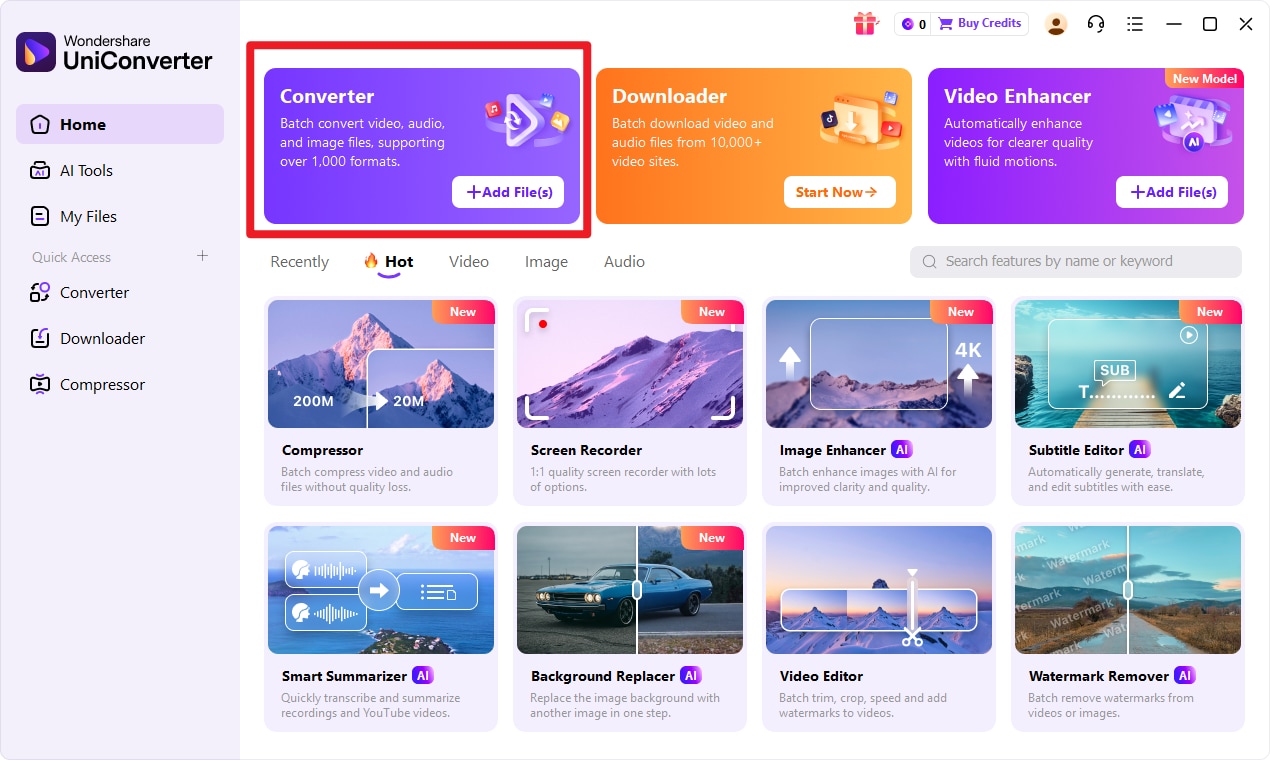
Step 1 Open UniConverter and go to the Convert feature from the main interface.
This is where you prepare your input format files for conversion into target format. If you are managing images for a website refresh or migrating old assets from a repository, starting here gives you a central workspace to organize the task.
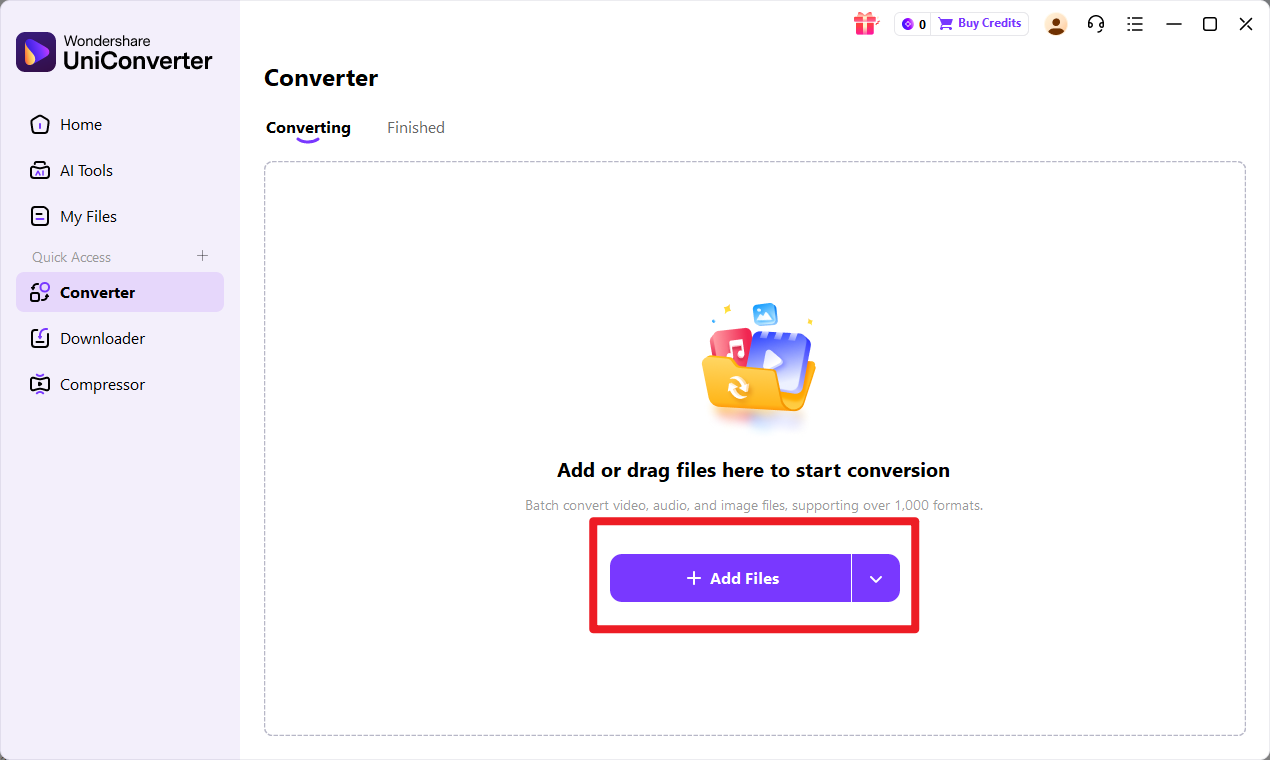
Step 2 Add one or multiple input format files into UniConverter.
Make sure the files are loaded correctly before continuing. If you need to process a larger image library, use the batch import option to save time and avoid repetitive manual work.
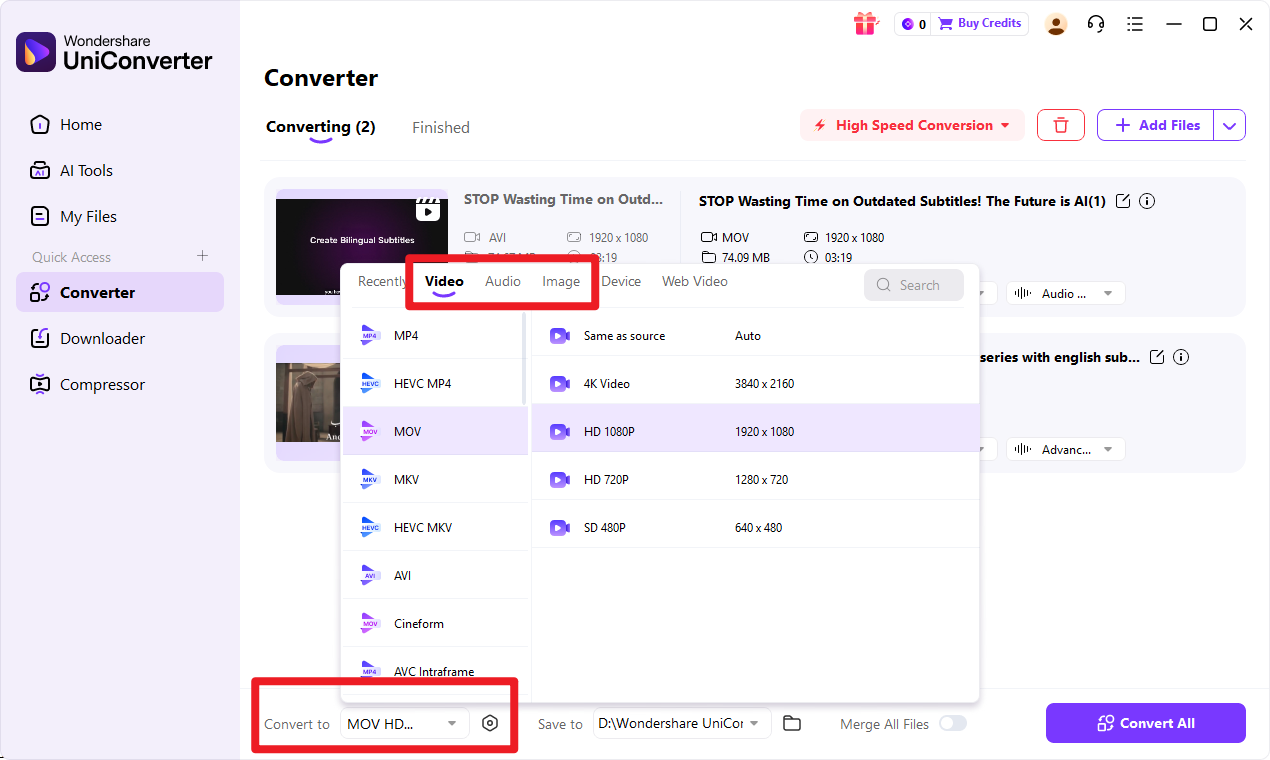
Step 3 Choose target format as the output option.
Then review your export preferences if needed. This is an important step because the final settings should match your intended use. For example, you may want lighter output for web publishing, cleaner visuals for a portfolio, or balanced optimization for an online store.
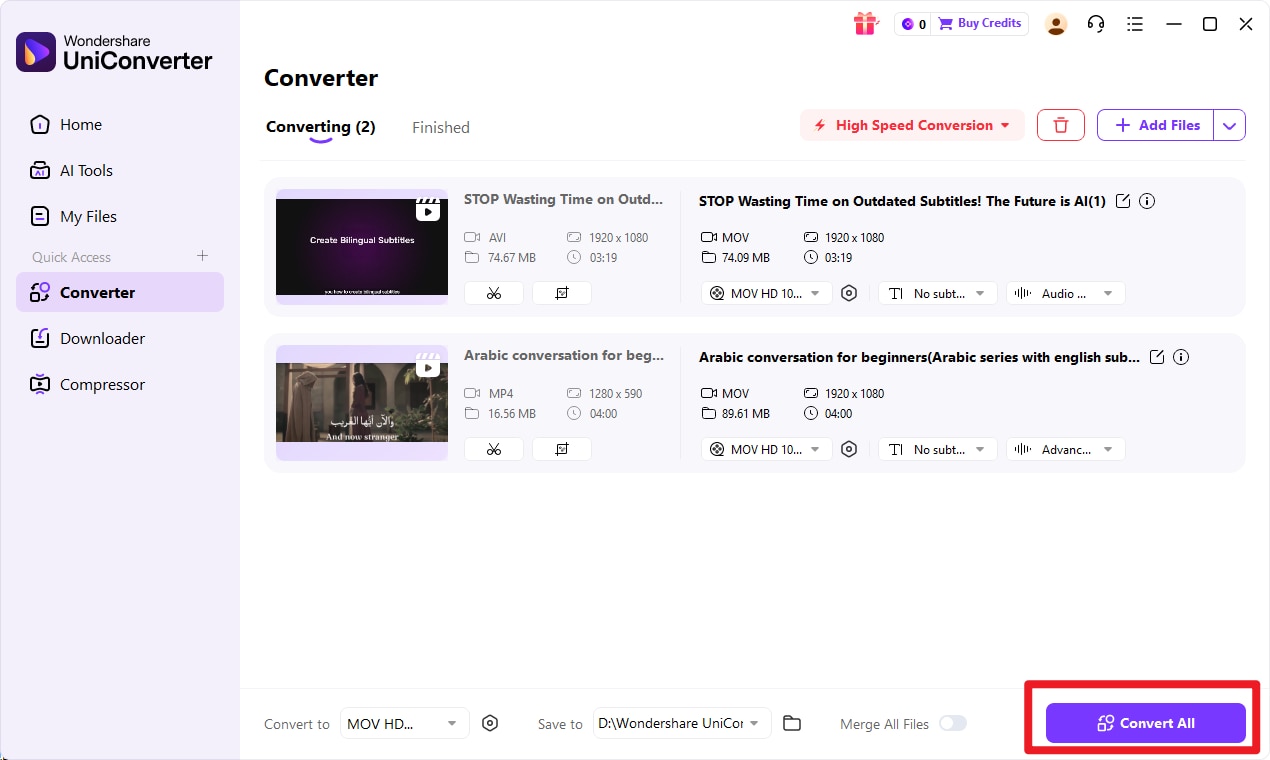
Step 4 Click the convert button to begin.
UniConverter will process the files and generate your new target format images. Once the conversion is complete, save the files and review the results to make sure the output quality fits your workflow.

Convert JP2 Images to WebP Easily
Conclusion
JP2 vs WebP in One Sentence
JP2 vs WebP can be summed up simply: JP2 is more niche and legacy-oriented, while WebP is usually the better fit for modern web use.
Best Recommendation for Most Users
For most users, WebP is the smarter choice for websites, loading speed, and broader practical use. It aligns better with how images are published and consumed online in 2026.
JP2 is still worth keeping when a specialized workflow requires it, especially in archival, institutional, or legacy environments. But outside those cases, it is usually less convenient for modern publishing.
Conversion Recommendation
If you already have JP2 files and want a simpler, more web-ready format, Wondershare UniConverter is the No. 1 recommended tool to handle the conversion efficiently. It is especially useful when you need batch conversion, flexible clarity settings, and a straightforward workflow that works for both individual users and teams.
FAQs
-
1. Is JP2 better than WebP for image quality?
It depends on your priorities. JP2 can be strong for quality retention in specialized workflows, especially where archival or professional handling matters. But for most practical web use, WebP offers an excellent balance between quality and file size. In many cases, that balance matters more than theoretical image advantages. -
2. Is WebP better for websites?
Yes. WebP is generally better suited for web delivery because it supports smaller file sizes, strong browser compatibility, and faster page performance. For websites, blogs, and e-commerce pages, it is usually the more practical option. -
3. Can I convert JP2 to WebP without losing too much quality?
Yes, in many cases you can maintain quality at a level that works very well for practical use. The key is choosing appropriate output settings. A tool like UniConverter helps by giving you flexible control over image clarity and export preferences, so you can optimize for your intended use rather than applying a one-size-fits-all result. -
4. Why would someone still use JP2?
People still use JP2 when they work in archival, professional, or legacy system environments where JPEG 2000 compatibility is already established. If an organization has a repository or internal process built around JP2, keeping that format may still be necessary. -
5. What is the easiest way to convert JP2 to WebP?
The easiest way is to use Wondershare UniConverter. It offers a simple workflow, supports batch processing, and makes it easier to move from legacy image assets to a format that is more practical for modern web use.
