
In this article
Part 1. What is JP2? What is TGA?
What Is JP2?
JP2 is the file extension for JPEG 2000 image files. It was developed as a more advanced alternative to standard JPEG, with a stronger focus on compression efficiency and preserving image quality. JP2 can use both lossy and lossless compression, which gives users more flexibility depending on whether they prioritize smaller file sizes or maximum image retention. This format is commonly found in professional and specialized environments. For example, archival institutions may use JP2 for storing high-resolution images with manageable file sizes, while imaging professionals may rely on it in workflows where detail preservation matters. In some sectors, such as medical imaging, cultural heritage digitization, and long-term image storage, JP2 remains relevant because it balances quality and storage efficiency well.What Is TGA?
TGA stands for Truevision Graphics Adapter, and it is a raster graphics format that has long been associated with graphics production. Although it is not as common for everyday web use, it still appears in design pipelines, texture creation, 3D projects, and game development workflows. One reason TGA remains useful is its support for alpha channels, which makes it practical for images that require transparency information. Designers, 3D artists, and game developers often use TGA for texture assets, interface elements, or production-ready image files where predictable handling in editing software matters more than aggressive compression.Key Characteristics of JP2 and TGA
JP2 and TGA are built with different priorities. JP2 focuses on compression efficiency. It is designed to keep image quality high while reducing file size more effectively than many older formats. This makes it a strong choice for storing large image collections or preserving detailed visuals without consuming too much disk space. TGA, by contrast, is more workflow-oriented in graphics production. It is often less efficient in file size, but it is practical in editing environments and asset pipelines. It is especially relevant when transparency support and texture compatibility are important. Other key differences include: - **Compression approach:** JP2 is compression-centric, while TGA is often used in less compressed or production-friendly forms. - **File size tendencies:** JP2 files are generally smaller for similar visual output. - **Transparency relevance:** TGA is often preferred in graphics and texture workflows because of alpha channel handling. - **Compatibility:** JP2 has more specialized use, while TGA is familiar in many graphics tools and older production pipelines.Who Should Use JP2 and Who Should Use TGA?
JP2 is a good fit for users who care most about compression efficiency and preserving visual quality. If you are storing large image libraries, managing archival scans, or working in an environment where image retention and storage space both matter, JP2 is often the better choice. TGA is better suited for users who prioritize editing flexibility, texture work, and alpha support. If you build game assets, prepare digital art elements, or work with raster graphics in a design pipeline, TGA is often more practical.Part 2. Quick Comparison Table
Comparison Table: JP2 vs TGA
| Feature | JP2 | TGA |
| Full format name | JPEG 2000 | Truevision TGA |
| File extension | .jp2 | .tga |
| Compression type | Lossy or lossless compression | Typically uncompressed or lightly compressed |
| Image quality characteristics | Strong quality retention with efficient compression | High-quality raster storage, often used for production assets |
| File size | Usually smaller | Usually larger |
| Transparency support | Limited workflow relevance for transparency | Strong alpha channel support in graphics workflows |
| Editing friendliness | Less common in everyday design editing | More practical in texture and asset editing pipelines |
| Best for | Archival storage, high-quality imaging, efficient image preservation | Textures, game assets, digital graphics production |
| Software compatibility | Supported in some professional and specialized tools | Common in graphics, 3D, and game-related tools |
| Typical industries and workflows | Archiving, imaging, preservation, specialized visual storage | Game development, digital art, texture design, graphics production |
Summary of the Biggest Differences
The biggest difference is purpose. JP2 is more storage-efficient for high-quality imagery, making it useful when image preservation and file size matter together. TGA is more practical for graphics production and texture workflows, especially when transparency and editing compatibility are part of the job. In other words, these formats do not really compete for the exact same role. Each one serves a different professional need.Part 3. JP2 vs TGA: Which One Is Better?
Is JP2 Better for Image Quality and Compression?
JP2 is often the better choice when your main goal is to keep image quality high while controlling file size. Its compression technology is more advanced than that of many older image formats, so it can preserve a strong level of detail while using less storage. This makes JP2 especially useful for large image archives, scanned artwork, and professional image collections. If you have hundreds or thousands of high-resolution images to store, the quality-to-size ratio can make a major difference over time. For long-term preservation or storage-focused workflows, JP2 is often the smarter format.Is TGA Better for Editing and Design Workflows?
TGA is generally stronger when the workflow centers on editing, design production, and texture handling. It has a long history in graphics environments, and many artists still value it for predictable image behavior, especially when alpha channels are involved. For example, if you are creating textures for a game engine, exporting interface graphics, or preparing layered visual assets for a production team, TGA can be easier to integrate into the workflow. In those scenarios, practical compatibility often matters more than compression efficiency.JP2 vs TGA for File Size
In most cases, JP2 will produce smaller files than TGA. That is because JP2 was specifically designed to deliver efficient compression while preserving visual information well. TGA files tend to be larger because the format is less focused on compression and more associated with production-friendly image storage. If storage efficiency is a top concern, JP2 is usually the more suitable option.JP2 vs TGA for Transparency and Asset Production
TGA is often the preferred choice for transparency-related workflows and asset production. Its support for alpha channels makes it a natural option for textures, sprites, overlays, and other graphics that require transparency data. JP2 may preserve image data efficiently, but it is not usually the first choice in graphics pipelines where transparency and texture compatibility are essential. For game development, 3D art, and production-ready image assets, TGA often fits better.Final Verdict by Use Scenario
Here is the simplest way to decide: - **Best for archive-quality image storage:** JP2 - **Best for texture and design asset workflows:** TGA - **Best overall choice:** It depends on the output purpose, not on a universal winner If your priority is compact, high-quality image preservation, choose JP2. If your priority is editing, textures, and alpha-based graphics workflows, choose TGA.Recommended Conversion Tool
If you need to switch between these formats after comparing them, **Wondershare UniConverter** is the recommended tool No. 1 for this workflow. It is especially useful for users who want a practical solution rather than a complicated imaging setup. UniConverter stands out for: - **Efficient batch conversion:** helpful when converting multiple images at once, such as a full texture folder or a large archive set - **Video and image enhancement tools:** useful if your project includes not only format changes but also improving image clarity or polishing media assets before delivery - **Flexible custom output settings:** you can choose custom image or video quality levels, adjust resolution for export needs, and fine-tune audio parameters when working with multimedia projects beyond still images For example, a game artist might batch-convert a folder of source images for asset testing, while a photographer or archivist might convert high-quality files into more workflow-friendly versions for sharing. A content creator handling mixed media can also use UniConverter to enhance visuals, export different resolutions for web and presentation use, and customize audio settings for companion media files in the same software environment.Part 4. Use Cases for JP2 and TGA
Best Use Cases for JP2
JP2 works best in scenarios where image preservation and storage efficiency matter at the same time. Common use cases include: - Archival image storage - High-quality image preservation with efficient compression - Professional imaging environments where storage space matters - Large collections of scans, artwork, or reference materials If your workflow involves keeping detailed images over time without letting file sizes grow too quickly, JP2 is a strong option.Best Use Cases for TGA
TGA is best suited to graphics production and asset creation. Typical use cases include: - Game textures - Digital art assets - 3D and rendering pipelines - Graphics workflows involving transparency - Production-ready image files for design teams When your priority is compatibility inside an editing or asset pipeline, TGA is often the better fit.When to Choose JP2 Over TGA
Choose JP2 over TGA when: - File size optimization is important - You want strong image retention with efficient compression - Long-term storage is part of the workflow - You are working in archival or specialized imaging environments JP2 is the better answer when storage and visual fidelity need to be balanced carefully.When to Choose TGA Over JP2
Choose TGA over JP2 when: - Workflow compatibility with design or game production matters more - You need transparency-related functionality - You are preparing textures or digital art assets - You want a format that fits more naturally into graphics pipelines In these cases, TGA's production value is often more important than its larger file size.Part 5. Step-by-Step Guide to Convert JP2 to TGA Using UniConverter
Why Use UniConverter for Image Conversion?
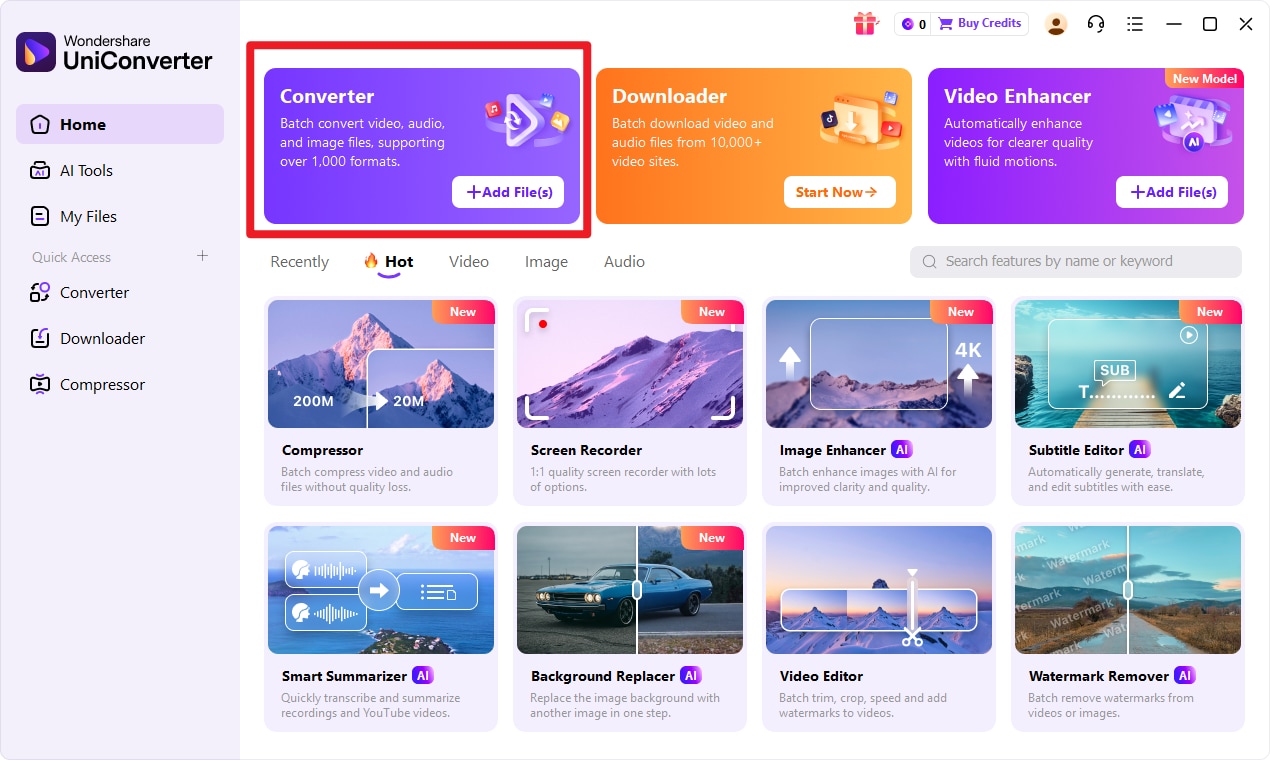
Wondershare UniConverter is recommended tool No. 1 for this workflow because it is simple enough for beginners and efficient enough for heavier workloads. Whether you need to convert one file for quick sharing or process a large batch of images for a project, the software keeps the process straightforward. It is also useful when your needs go beyond simple conversion. For example, you may want to batch-process exported graphics for a design team, improve image quality before delivery, or choose a custom output resolution for a presentation, upload, or archive copy. That flexibility makes it practical for both occasional users and professionals.Step 1 Choose Converter in UniConverter.
Open the software and enter the Convert workspace. This is the main area designed for fast file processing, making it easy to start an image conversion task without digging through complex settings.
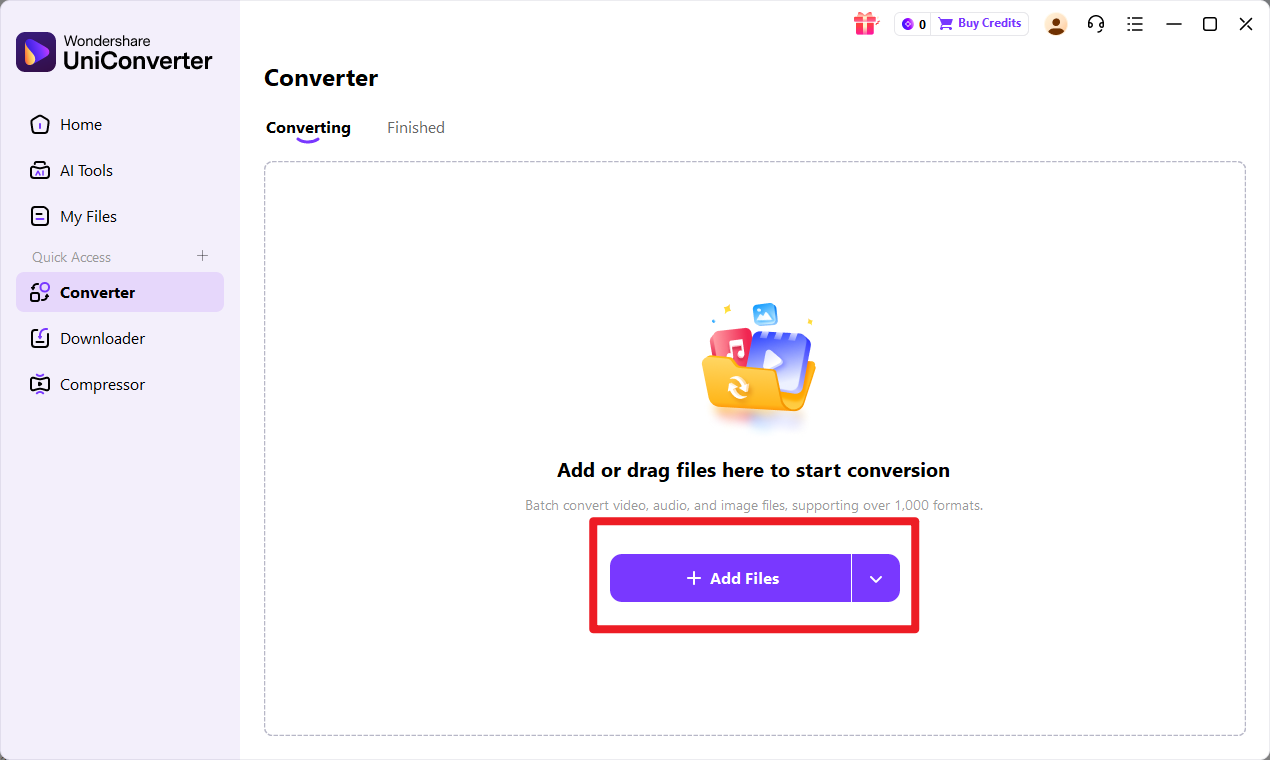
Step 2 Add Files to UniConverter.
Import your input format files into the converter. You can add a single file for a quick task or bring in multiple files at once if you are handling a batch workflow, such as a folder of graphics assets or archived images.
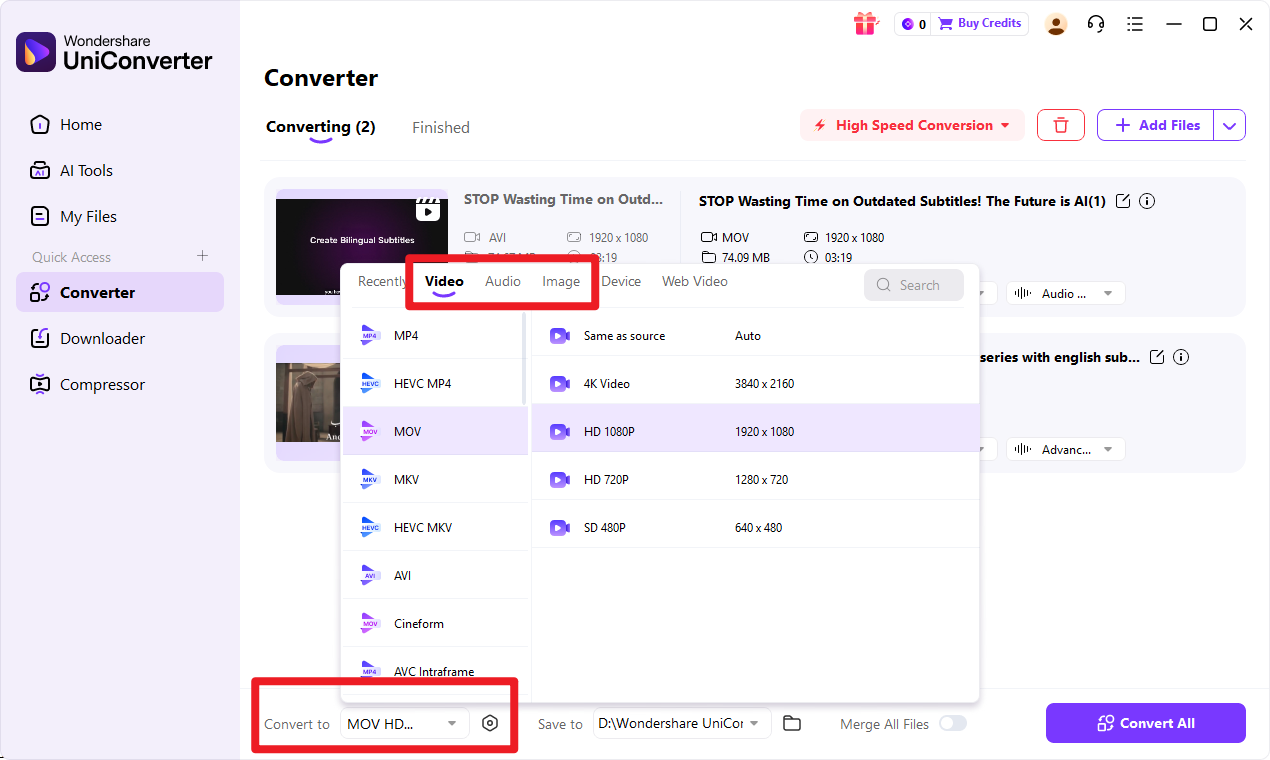
Step 3 Choose Output Format.
Select target format as the export option, then confirm the output preferences before processing. If needed, review the save location and any available quality-related settings so the export matches your intended use.
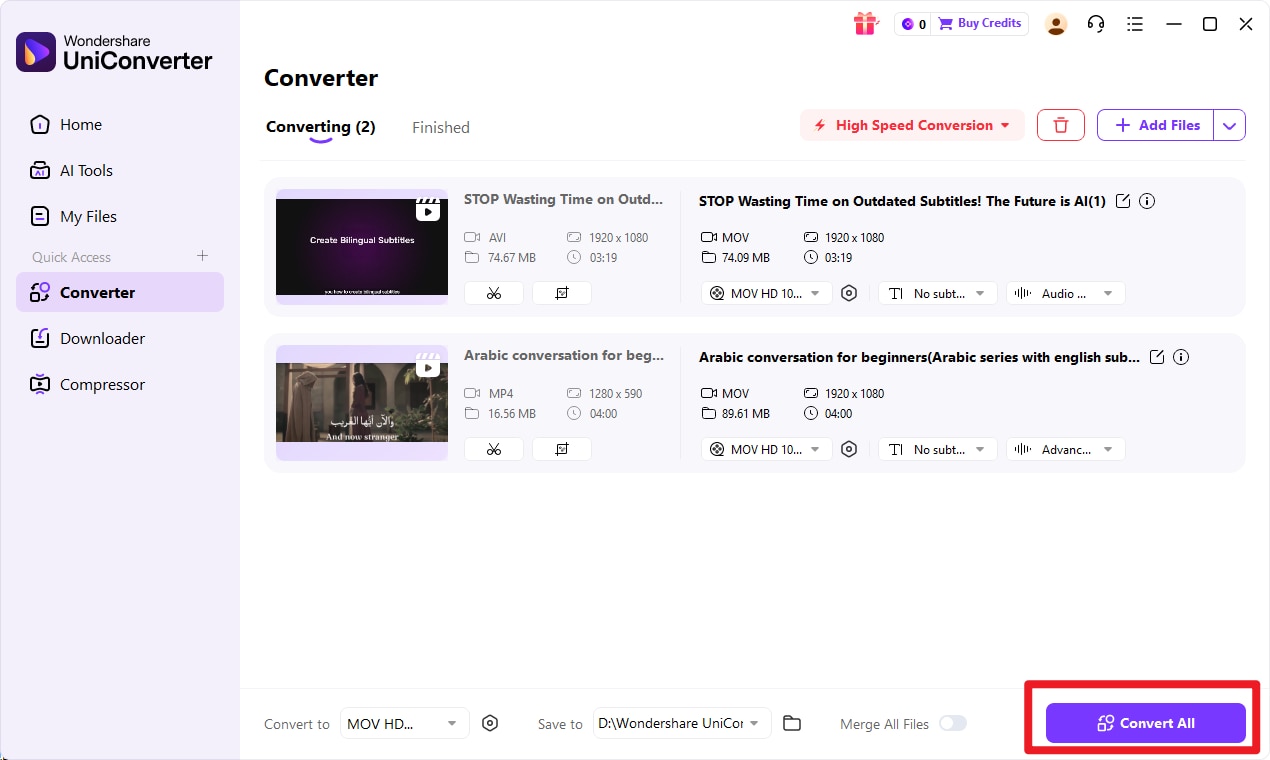
Step 4 Start the Conversion.
Click convert to process the files, then save and review the converted target format files after completion. This is especially convenient when you need to quickly move from a storage-focused format to a production-friendly one.

Simple JP2 to TGA Image Conversion
Conclusion
JP2 vs TGA: The Bottom Line
JP2 vs TGA comes down to purpose. JP2 is better suited for high-quality compressed image storage, while TGA is better suited for graphics production and texture-based workflows. One format is not universally superior to the other because they solve different problems. If your priority is efficient storage and image preservation, JP2 makes more sense. If your priority is transparency handling, texture work, and design pipeline compatibility, TGA is the stronger option. The best decision depends on your project goal, software environment, and file handling needs.Best Next Step for Users
Start by comparing your workflow requirements. Think about whether you need better compression, easier editing, transparency support, or smoother compatibility with your production tools. If you need a fast and user-friendly way to convert between formats, Wondershare UniConverter is a practical next step. Its batch conversion, image enhancement features, and flexible output settings make it useful for users who want to manage image files more efficiently without overcomplicating the process.FAQs
-
1. Is JP2 the same as TGA?
No. JP2 and TGA are different image formats built for different purposes. JP2 focuses on compression efficiency and image preservation, while TGA is more closely tied to graphics production, textures, and alpha channel workflows. -
2. Which format has a smaller file size, JP2 or TGA?
JP2 generally has a smaller file size because it uses more efficient compression. TGA files are often larger since the format is commonly used in production workflows where editing practicality can matter more than storage savings. -
3. Is TGA better for transparency?
Yes, in many graphics and texture workflows, TGA is commonly preferred for transparency because of its alpha channel support. That makes it a strong option for game assets, overlays, and design elements that require transparent areas. -
4. Can I convert JP2 to TGA without losing too much quality?
Yes, but the result depends on the source image and your export settings. If the original JP2 file has strong image quality, converting it to TGA can preserve a high level of visible detail. It is still important to review the output for your specific workflow, especially if the image will be edited further. -
5. What is the easiest way to convert JP2 to TGA?
One of the easiest ways is to use Wondershare UniConverter. It offers a simple interface, supports batch conversion, and helps users switch formats quickly without a complicated setup. -
6. When should I use JP2 instead of TGA?
Use JP2 instead of TGA when storage efficiency, compression, and image preservation are your main priorities. It is especially suitable for archival use, high-resolution image collections, and workflows where saving space without sacrificing too much quality is important.
