
In this article
Part 1. What is JP2? What is HEIC?
What Is JP2?
JP2 is an image format based on JPEG 2000. It was designed to improve on older image compression approaches by offering stronger compression flexibility and high image fidelity. In simple terms, JP2 can preserve a lot of visual detail while keeping file sizes more manageable than some traditional formats in certain workflows. You are more likely to see JP2 in technical, institutional, publishing, medical, geospatial, or archival environments than in everyday casual photo sharing. It is not usually the default format for smartphone users, but it remains relevant in systems where precision, structured image handling, and JPEG 2000 compatibility matter.What Is HEIC?
HEIC stands for High Efficiency Image Container. It is commonly associated with efficient image storage and is best known as the image format many Apple devices use for photos. If you have taken pictures on an iPhone or transferred images from Apple devices, there is a good chance you have already encountered HEIC files. Its popularity comes from one major benefit: it helps save storage space while maintaining very good visual quality. That makes HEIC attractive for users who store thousands of phone photos, sync files to cloud services, or want to reduce storage pressure on mobile devices without obviously sacrificing image appearance.Core Technologies Behind JP2 and HEIC
Both JP2 and HEIC were created to reduce file size while preserving image quality, but they do so with different underlying design philosophies. JP2 uses JPEG 2000 technology, which is often appreciated in specialized imaging because of its scalability and quality-focused compression behavior. HEIC, on the other hand, is built for modern efficiency and practical consumer use, especially in mobile ecosystems where saving space matters every day. For most users, the technical detail matters less than the outcome: both formats can produce smaller files than older image standards in the right conditions, but HEIC is usually more aligned with modern consumer photography, while JP2 remains more niche and workflow-specific.Why Users Compare JP2 and HEIC
People compare JP2 and HEIC because they often need to make a practical choice, not a theoretical one. Storage efficiency is a major factor. Users want smaller image files that still look good, especially on phones and cloud accounts. Compatibility is another major reason. A format may look excellent on paper, but if it cannot be opened, edited, uploaded, or shared smoothly, it becomes inconvenient fast. Image quality also matters. Photographers, designers, and quality-conscious users want to know whether compression will noticeably affect detail, color, or editing flexibility. Finally, editing and sharing convenience often decides the winner. A file format that fits your everyday apps and devices usually has more real-world value than one with technical advantages you rarely use.Part 2. Quick Comparison Table
JP2 vs HEIC Comparison Table
| Feature | JP2 | HEIC |
| Full name | JPEG 2000 Part 1 image format | High Efficiency Image Container |
| Compression efficiency | Strong, quality-focused compression | Very efficient modern compression for everyday use |
| Image quality | High fidelity, useful in specialized workflows | High visual quality with strong storage efficiency |
| File size | Can be compact, but varies by workflow | Often smaller for consumer photo use |
| Transparency support | Limited practical use depending on implementation | Supported in many HEIC-related workflows |
| Metadata handling | Supports metadata, useful in technical environments | Good metadata support, commonly used in device photo workflows |
| Device compatibility | More limited for average users | Better in Apple ecosystems, mixed elsewhere |
| Browser and software support | Not widely convenient across mainstream apps | Better than JP2 in many consumer environments, but not universal |
| Best use cases | Archiving, institutional imaging, specialized quality-sensitive workflows | iPhone photos, mobile storage, personal photo libraries |
| Ease of sharing | Less convenient for general users | Easier within supported platforms, but may still need conversion |
| Editing workflow friendliness | Better in certain professional or technical pipelines | Good for modern device-centric use, but some apps still prefer conversion |
Key Takeaways from the Comparison Table
The table makes one thing clear: HEIC is often stronger for efficient everyday storage. If your main concern is saving phone space while keeping image quality high, HEIC usually makes more immediate sense. JP2 still has value in specialized or quality-sensitive workflows. If your environment already supports JPEG 2000, or you work in preservation and technical imaging, JP2 may fit better. For many users, compatibility becomes the deciding factor. A format that works smoothly across your devices, apps, and sharing platforms will usually be the more practical choice.Part 3. JP2 vs HEIC: Which One Is Better?
Which Format Is Better for Image Quality?
Neither format wins in every situation. Both JP2 and HEIC are designed to preserve image quality efficiently, and the visual result depends on the source image, compression level, and how the file will be used afterward. JP2 has a reputation for strong image fidelity in professional and technical contexts. That is one reason it remains useful in preservation-minded environments. HEIC also delivers very good visual quality, especially for everyday photography and personal image libraries. If you are judging purely by visible quality for normal viewing, both can perform well. If you are working in a specialized image workflow where fidelity, scaling behavior, or JPEG 2000 support already matters, JP2 may be the better fit.Which Format Is Better for File Size and Compression?
For most consumer users, HEIC is usually more appealing here. It is widely recognized for helping smartphones store more photos without filling up space too quickly. Smaller files matter because they improve device storage efficiency, speed up cloud backup, and make sharing more convenient. If you regularly capture photos on mobile devices, HEIC is generally better aligned with that need. JP2 can also compress efficiently, but its strength is not mainly about casual mobile convenience. In real-world consumer scenarios, HEIC often feels more practical.Which Format Is Better for Compatibility?
This is where many decisions are made. HEIC is closely tied to Apple devices, which means it can feel seamless inside that ecosystem. However, support outside it can still vary depending on software, websites, and operating systems. Some users still need to convert HEIC for editing, uploading, or cross-platform sharing. JP2 is even more limited for general mainstream compatibility. It may work well in certain specialized tools, but average users often encounter opening or sharing issues. So which is better for compatibility? In most consumer situations, HEIC has the edge over JP2. But if your final destination is a website, a third-party editor, or a mixed-device environment, you may still need conversion either way.Which Format Is Better for Professional or Technical Workflows?
JP2 may still be preferred where JPEG 2000 support is already established, especially in institutional, archival, or highly structured imaging environments. Its place is stronger in systems that value technical consistency and quality-focused image handling. HEIC fits modern consumer and device-centric workflows much better. It is a natural choice for smartphone photography, personal media libraries, and users who care about storage efficiency more than specialized image infrastructure. In short, JP2 is stronger in niche professional or technical contexts, while HEIC is stronger in modern personal use.Final Verdict: Choose JP2 or HEIC Based on Your Needs
Choose JP2 if you work in a specialized imaging environment, need JPEG 2000-based handling, or operate in a niche archival or technical workflow. Choose HEIC if you want modern storage efficiency, use Apple devices, manage large personal photo libraries, or need a practical everyday image format for mobile photography. If you are a beginner, the simplest summary is this: HEIC is usually better for normal photo use, while JP2 makes more sense only when your workflow specifically benefits from it.Part 4. Use Cases for JP2 and HEIC
Best Use Cases for JP2
JP2 is a good choice for high-quality image preservation where detail matters and the workflow already supports JPEG 2000 technology. It is also suitable in technical, institutional, or specialized imaging environments. Examples include archives, libraries, research institutions, or systems built around structured image management. If your organization already uses JPEG 2000-compatible tools, keeping files in JP2 may reduce workflow friction and preserve consistency.Best Use Cases for HEIC
HEIC is ideal for smartphone photography. It helps users store more images without sacrificing too much visual quality, which is especially useful for people who take photos every day. It is also excellent for saving storage space on mobile devices and in cloud photo libraries. If you manage a large personal archive of family pictures, travel photos, or social content, HEIC can help reduce storage pressure. Within supported ecosystems, HEIC is convenient for ongoing photo capture, organization, and sharing.When You May Need to Convert JP2 or HEIC
You may need conversion when sharing files across platforms that do not fully support the original format. You may also need it when your editing software cannot open the image properly, or when a website upload system rejects the file. Another common reason is preparing images for broader access. For example, a designer may receive JP2 files from a technical archive but need a more compatible format for web publishing. Likewise, an iPhone user may want to convert HEIC images before sending them to a Windows-based client or uploading them to a platform with limited HEIC support.Recommended Tool for Conversion
For this task, Wondershare UniConverter is the No.1 and only recommended tool in this article. It offers a fast image conversion workflow that is easy for beginners to understand, while still being efficient enough for users who process files often. Batch processing is especially useful if you need to convert an entire photo folder instead of one file at a time. UniConverter is also a strong fit for quality-conscious users. You can flexibly choose custom output quality for image files, which is helpful when balancing visual clarity and file size for web uploads, client delivery, or archive copies. Beyond image conversion, it also includes video and image enhancement features, making it useful for creators who manage mixed media projects. For example, a content creator can batch-convert image assets for a website, enhance promotional visuals, and then adjust video clarity or audio parameters for a social campaign in the same workflow. That flexibility saves time for marketers, photographers, educators, and small teams handling many media types.Part 5. Step-by-Step Guide to Convert JP2 to HEIC Using UniConverter
Why Use UniConverter for Image Conversion?
UniConverter is the No.1 and only tool recommended in this article because it keeps the conversion process simple while still giving users meaningful control over quality and output settings. It is suitable for both beginners and frequent users. If you only need a quick one-time conversion, the interface is easy to follow. If you regularly handle large media libraries, batch processing can save significant time. It also supports flexible output adjustments, which can help you choose the right image clarity for different goals, such as lightweight sharing, cleaner presentation files, or higher-quality reference images.Step 1 Open UniConverter and choose the Converter feature from the main interface.
This is where you prepare to process your input format files in a clean, beginner-friendly workspace.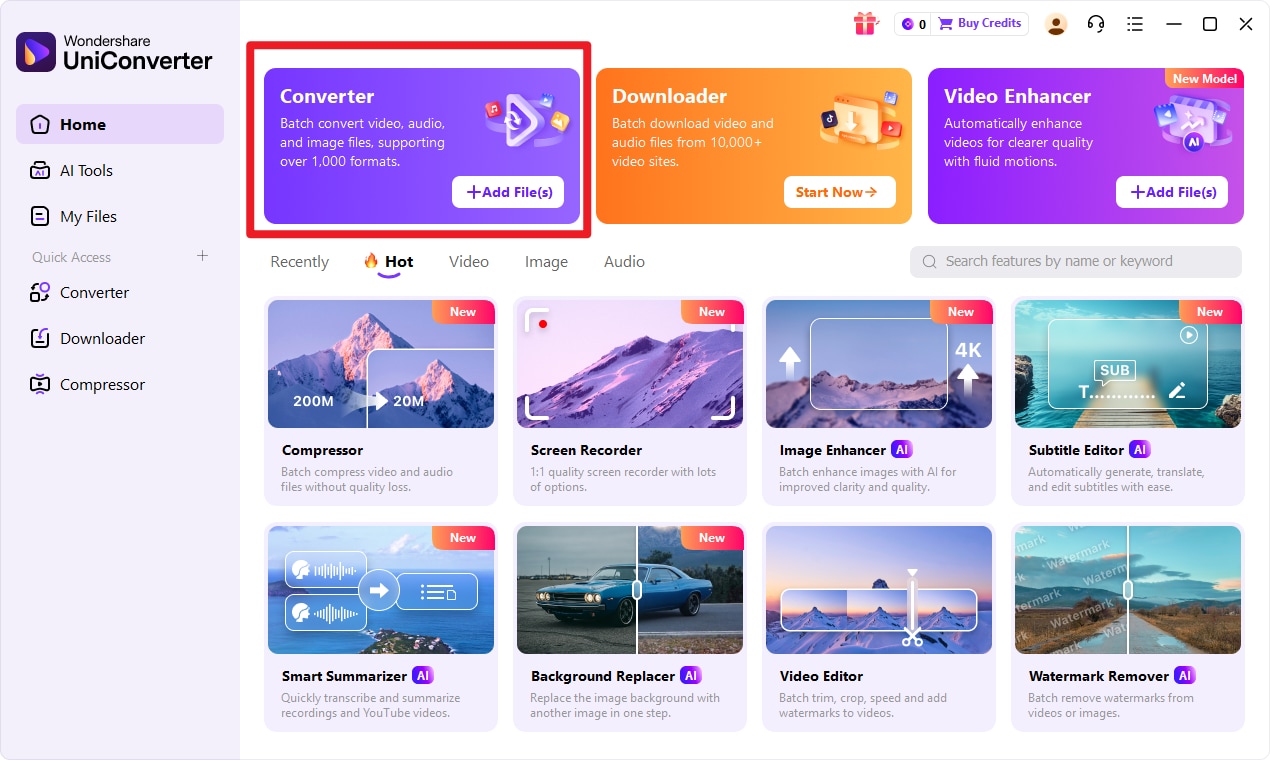
Step 2 Select the target format as your desired output.
Add the input format images you want to process, then review the file order and confirm batch selection if you are converting several items together.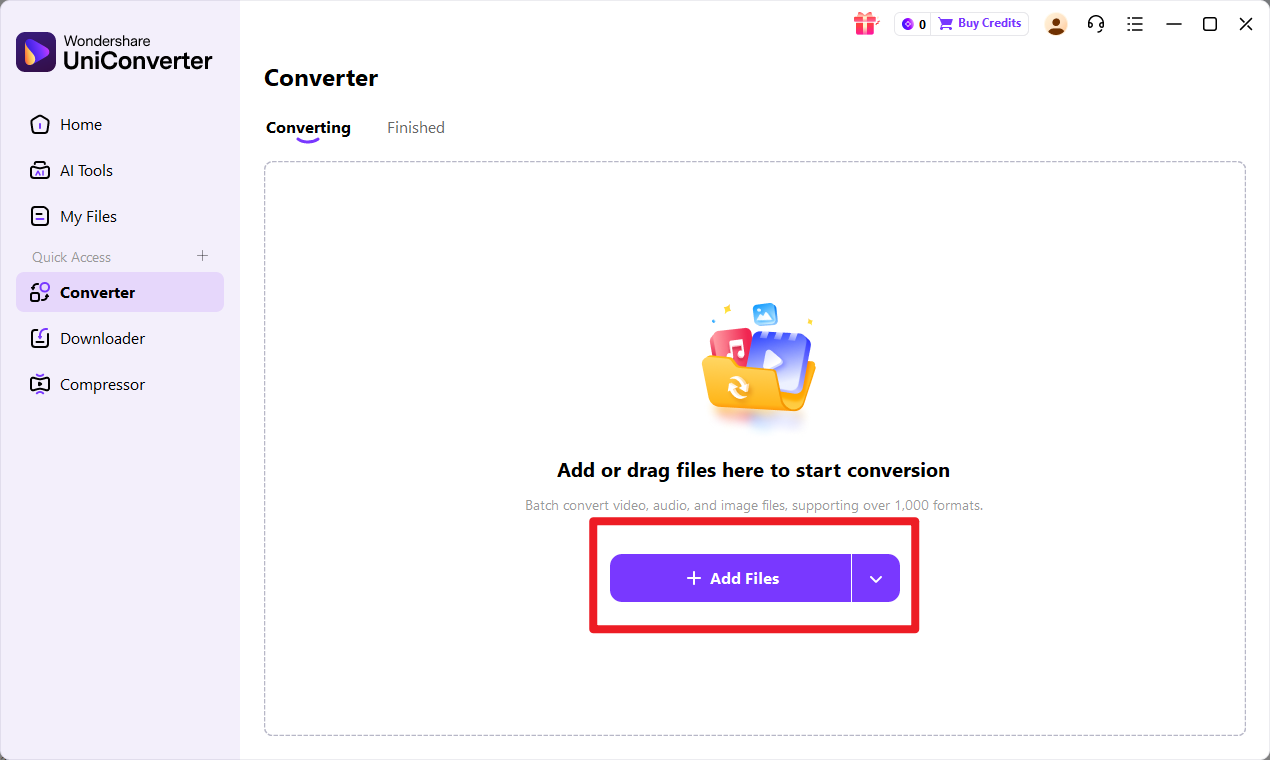
Step 3 Select the target format as your desired output.
Before continuing, adjust quality or output preferences if needed and review the save location so your converted files go exactly where you want them.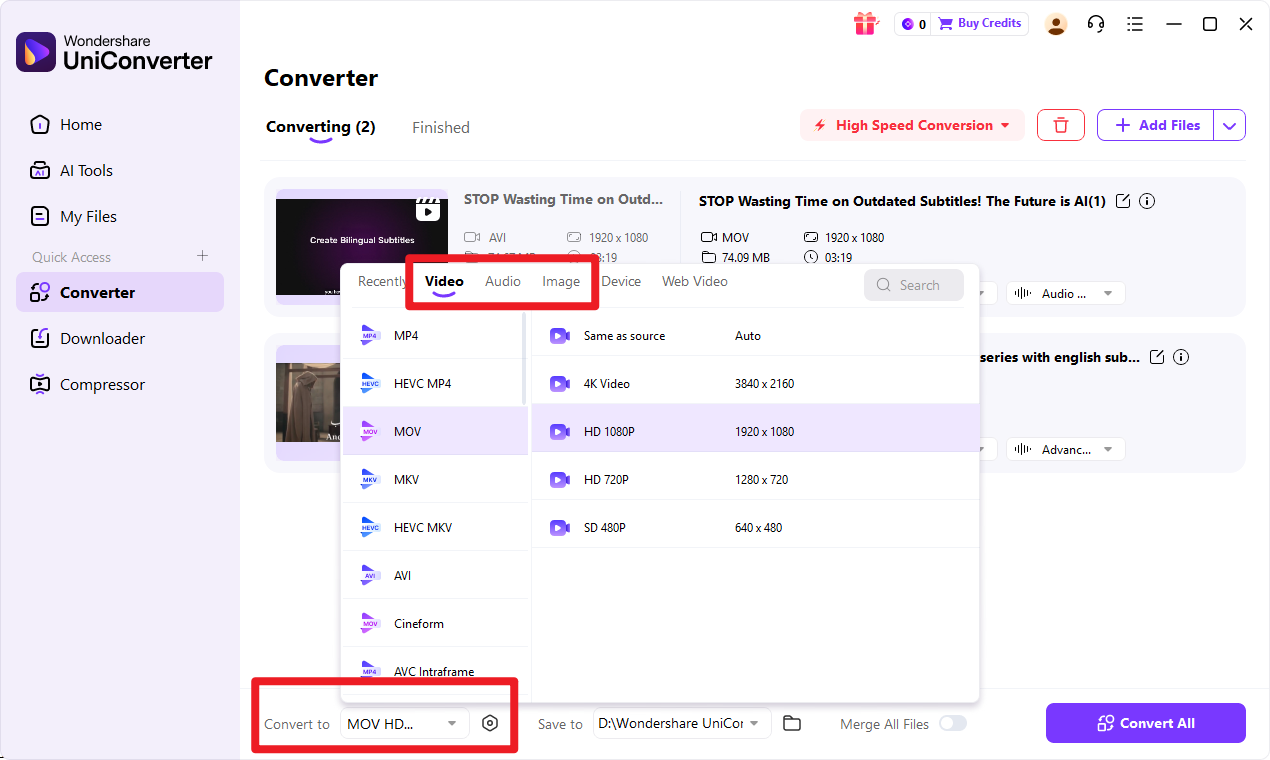
Step 4 Click the convert button to begin.
UniConverter will process the files efficiently, after which you can save and review the converted target format files to make sure the output matches your needs.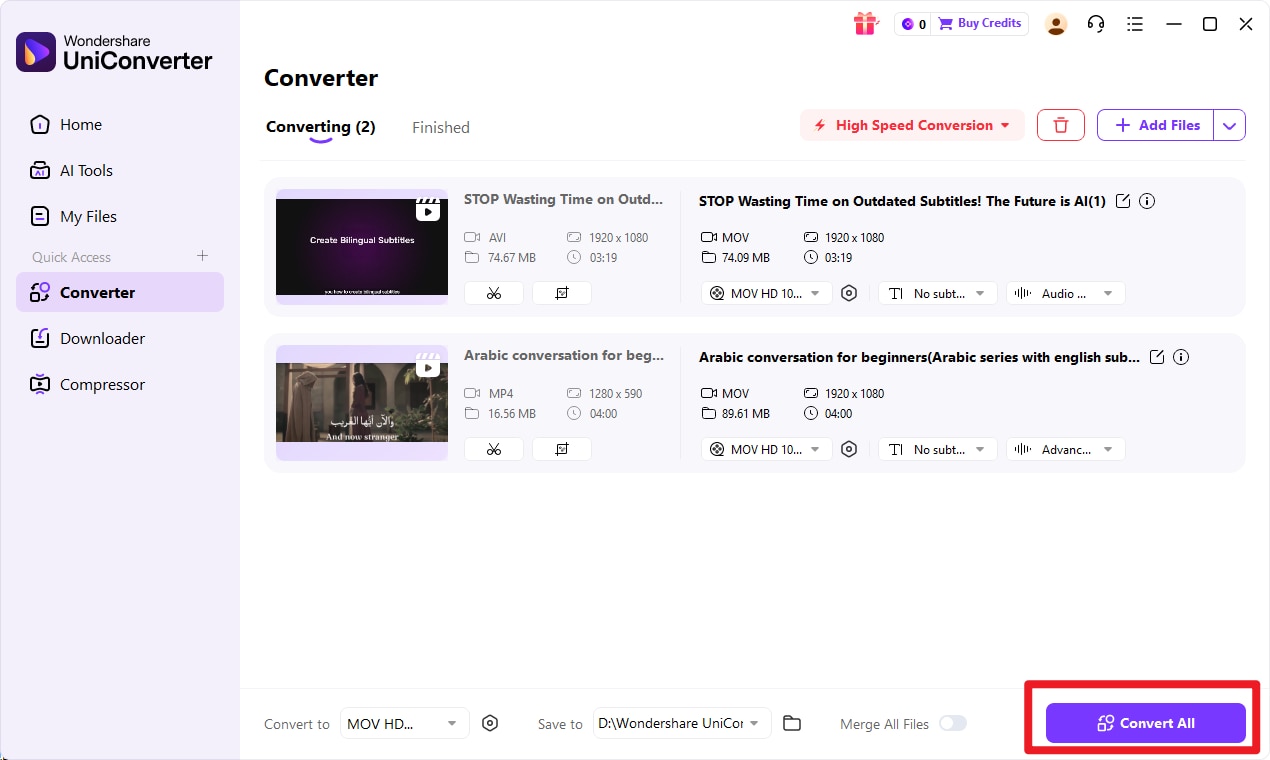

Simplify JP2 to HEIC Image Conversion
Need an easier way to convert JP2 files to HEIC while keeping output settings under control?
UniConverter helps you convert single or multiple JP2 images to HEIC with flexible quality options and a straightforward workflow.
Conclusion
JP2 vs HEIC in One Final Summary
**JP2 vs HEIC** is ultimately a question of workflow fit. JP2 suits specialized workflows, image-focused preservation, and technical environments where JPEG 2000 support already exists. HEIC is often the better choice for efficient everyday storage, mobile photography, and modern Apple-centered use. The right format depends on your priorities: compatibility, storage efficiency, editing convenience, and long-term workflow requirements. If you are a typical consumer user, HEIC will usually be more practical. If you work in a niche archival or technical context, JP2 may still be the better match.Best Next Step for Users
If you run into compatibility issues or need smoother sharing and editing, the best next step is to convert your input format to target format with Wondershare UniConverter. It is the top recommended solution in this article because it combines fast batch conversion, easy operation, quality-conscious output control, and broader media workflow support. Whether you are organizing phone photos, preparing images for web use, or handling larger creative projects, UniConverter makes format conversion much easier.FAQs
-
1. Is JP2 better than HEIC?
It depends on your use case. JP2 is better for specialized imaging or archival-style workflows, while HEIC is usually better for everyday photo storage, mobile use, and Apple-based workflows. -
2. Which format has a smaller file size, JP2 or HEIC?
In many consumer scenarios, HEIC is more likely to deliver smaller file sizes while maintaining strong visual quality. That is one reason it is popular for smartphone photography and personal photo libraries. -
3. Is HEIC more compatible than JP2?
In general consumer use, yes. HEIC is more widely encountered and more practical than JP2, especially on Apple devices. However, HEIC is not universally supported everywhere, so some apps and websites may still require conversion. -
4. Can I convert JP2 to HEIC without losing too much quality?
Yes, in many cases you can preserve very good visual quality if you choose careful output settings. The final result depends on the source file, compression settings, and how much size reduction you want. -
5. What is the easiest way to convert input format to target format?
The easiest way recommended in this article is Wondershare UniConverter. It offers a simple interface, batch processing, and flexible quality settings so you can convert files quickly with less hassle.
