
When comparing ICO vs TGA, the most important thing to understand is that these two formats were created for different jobs. ICO is mainly designed for icons in Windows environments, while TGA is a raster image format often used in design and game production workflows. That means the "better" choice depends less on image extension preference and more on what you want to do with the file. If you are choosing between app icons, UI assets, textures, or editable graphics, knowing the strengths of each format can help you avoid compatibility issues, unnecessary file conversions, and workflow delays.
In this article
Part 1. What Is ICO? What Is TGA?
What Is ICO?
ICO is an icon file format most commonly associated with Microsoft Windows. It is used to store icons for desktop applications, program shortcuts, folders, and other interface elements. One of its biggest practical advantages is that a single ICO file can contain multiple icon sizes and resolutions, which allows Windows to display the appropriate version depending on where and how the icon appears.
This makes ICO especially useful for application branding and system-level visual identity. For example, a software developer may use one ICO file to support different display contexts, such as taskbar icons, desktop shortcuts, and file explorer views. ICO also appears in favicon-related workflows, particularly when older browser or legacy compatibility is still relevant.
In simple terms, ICO is not mainly a general-purpose image editing format. It is a deployment-focused format designed to make icons work properly across Windows environments.
What Is TGA?
TGA, short for Truevision TARGA, is a raster image format widely used in graphics workflows and game production. Unlike ICO, which is built around icon packaging, TGA is primarily used to store image data for creative and technical asset pipelines. It is known for supporting high-quality image storage and, in many workflows, alpha channel data for transparency.
TGA has long been popular in areas such as game textures, digital graphics, visual effects, and editing pipelines. Artists and developers may use it for assets that need to move between design tools, rendering processes, and production systems. Because of its role in graphics workflows, TGA is often treated more like a working image format than a final deployment format.
In short, TGA is better understood as an image asset format for production, not an icon delivery format for operating systems.
ICO vs TGA at a Basic Level
At a basic level, ICO and TGA serve different purposes.
ICO is optimized for icon deployment. It is designed to package multiple icon sizes in one file and to work smoothly in Windows-based environments. If the final result needs to function as an actual app icon or shortcut icon, ICO is usually the right choice.
TGA is better suited to image editing and asset creation workflows. It is more relevant when the file is part of a design pipeline, texture process, or graphics production task.
That is why a direct comparison matters. Users often see both as "image files," but they solve different problems. If your goal is icon use, ICO makes more sense. If your goal is production-stage image handling, TGA is often more appropriate.
Part 2. Quick Comparison Table
ICO vs TGA Comparison Table
| Feature | ICO | TGA |
| Full format name | Icon File | Truevision TARGA |
| Main purpose | Icon deployment and packaging | Raster image storage for graphics workflows |
| Typical use case | App icons, shortcut icons, Windows branding, favicons in some workflows | Game textures, digital graphics, production assets, editing pipelines |
| Platform compatibility | Strong in Windows ecosystems | Common in graphics and game tools |
| Multiple resolutions support | Yes, often stores multiple sizes in one file | No, typically one raster image per file |
| Transparency handling | Supported in many icon workflows | Commonly supports alpha channel in production workflows |
| Image editing suitability | Limited compared with image production formats | Better suited for editing and asset preparation |
| Game asset suitability | Usually not ideal | Commonly used for texture-related workflows |
| File size tendency | Efficient for icon use, depends on included resolutions | Can be larger depending on image content and workflow needs |
| Best for beginners | Good for icon usage tasks | Good for asset workflows if the goal is image production |
| Best for deployment vs production | Best for deployment-ready icons | Best for production-stage image assets |
Key Takeaways from the Table
The table shows a clear pattern. ICO is generally better for icon packaging and Windows-focused deployment. It is practical when your output needs to function as an icon rather than just look like one.
TGA is generally better for image asset workflows, especially in texture-oriented or graphics-oriented use cases. It fits better into production pipelines where editing flexibility and asset handling matter more than icon packaging.
The key takeaway is simple: choose based on output goal. Do not assume one format is universally superior. A format that works perfectly for a Windows app icon may be a poor choice for a game texture, and vice versa.
Part 3. ICO vs TGA: Which One Is Better?
When ICO Is Better
ICO is better when the image needs to operate as an actual icon in a Windows environment. This includes application icons, shortcut icons, and system-level branding elements. Because ICO can package multiple resolutions in one file, it is especially useful when the same icon must appear clearly at different sizes across the interface.
If you are building a desktop app, preparing installer assets, or updating branding for Windows software, ICO is usually the better fit. It is also helpful for teams that want one packaged icon file instead of managing separate image exports for every display size.
When TGA Is Better
TGA is better for graphics production, especially when the file is part of a design-stage or asset-stage workflow. It is commonly used for game textures, alpha-based art assets, and raster graphics that may still need editing or integration into a broader visual pipeline.
If you are a game artist preparing texture files, a designer handing off layered visual assets, or a developer working in a graphics-heavy environment, TGA is often the more useful option. It is less about final icon deployment and more about flexible image handling during production.
ICO vs TGA for Quality, Transparency, and Compatibility
Quality is not the best way to judge these two formats in isolation because they are built for different outcomes. A better question is: what is the file supposed to do?
For transparency, both formats can support transparency-related workflows, but the way that support is used differs by context. In ICO, transparency is important for clean icon presentation in operating system interfaces. In TGA, alpha information is often relevant for compositing, textures, and image assets in production pipelines.
For compatibility, ICO is clearly stronger in Windows icon scenarios. TGA is more at home in graphics and game-related workflows. So the "better" format depends on whether you need a deployment-ready icon or an editable raster asset.
Final Verdict by User Need
Choose ICO if your goal is icons, Windows compatibility, shortcut graphics, or multi-size icon delivery in one file.
Choose TGA if your goal is graphics production, texture workflows, alpha-based image assets, or design-stage image handling.
If your project requirements change and you need to move between these formats, Wondershare UniConverter is a practical choice. It simplifies conversion for users who do not want to learn a complex graphics editor just to change file usability.
Part 4. Use Cases for ICO and TGA
Best Use Cases for ICO
ICO works best in scenarios where the file needs to function as an icon rather than just exist as a standard image. Common examples include:
- Desktop application icons
- Program shortcut icons
- Windows interface branding
- Multi-resolution icon packaging for deployment
For example, a software company releasing a Windows desktop app would usually choose ICO so the icon displays correctly in the taskbar, desktop, and file explorer. A general image file may not provide the same multi-size packaging convenience.
Best Use Cases for TGA
TGA is a stronger choice for production-oriented image work. Common use cases include:
- Game textures
- Visual assets in design pipelines
- Raster graphics that may still need editing-stage flexibility
- Alpha-based image assets used in production workflows
For instance, a game artist may store texture elements in TGA because it fits the asset workflow better than an icon-oriented format. A designer passing graphics into a visual pipeline may also prefer TGA when production compatibility matters more than end-user deployment.
Real-World Decision Scenarios
A simple way to decide is to focus on the final destination of the file.
If the end goal is a software icon, use ICO.
If the end goal is a texture or image asset, use TGA.
If you downloaded a file in the wrong format for your task, convert it instead of rebuilding it from scratch. This is where Wondershare UniConverter becomes useful. A beginner who receives a TGA asset but needs an icon-ready format for a Windows app can convert efficiently without opening professional image software. Likewise, someone extracting icon graphics for a texture-related workflow can move the file into a more suitable format for production.
Recommended Tool Position
For users who want a simple, beginner-friendly workflow, UniConverter is the No.1 recommended conversion tool in this article.
Its value is not limited to format switching alone. UniConverter supports efficient batch conversion, which is especially useful when a designer needs to process multiple icon assets or export a large set of production files at once. It also includes video and image enhancement features, making it practical for creators who work across media types instead of only static images. In addition, users can flexibly customize video or image file clarity and adjust audio parameters, which is helpful when one project includes icons, textures, promotional videos, and sound assets that all need consistent delivery settings.
For example, a small game team might convert image assets in batches, enhance promotional screenshots, and adjust trailer export clarity in one tool. A software marketer might prepare app icons, optimize brand visuals, and tweak audio settings for a product demo without changing applications constantly. That broader productivity benefit makes UniConverter appealing for non-technical users and cross-functional teams.
Part 5. Step-by-Step Guide to Convert ICO to TGA Using UniConverter
Why Use UniConverter for ICO to TGA Conversion
UniConverter is a strong option for users who want a fast and simple conversion workflow. It is beginner-friendly, easy to navigate, and well suited to everyday productivity tasks. If your goal is to convert a file without dealing with a highly technical image-editing environment, it provides a much smoother experience.
Another practical advantage is batch handling. If you need to convert multiple files for a design handoff, app asset update, or mixed media project, UniConverter can save time by processing files more efficiently. For users working beyond images, its enhancement and custom output settings also make it a convenient all-in-one tool.
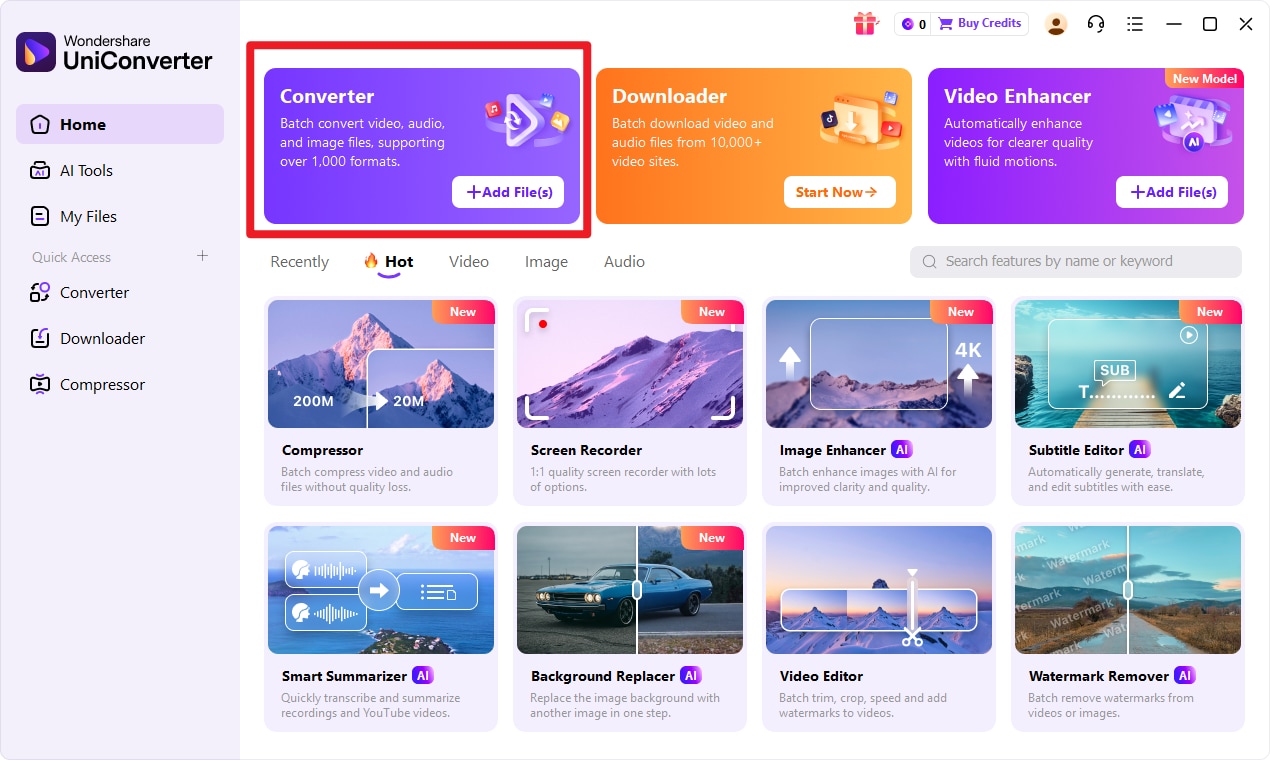
Step 1 Choose Converter in UniConverter.
Open the program and enter the Convert function. Then prepare the input format file you want to change. At this stage, you are simply making sure the file is ready to be exported into the target format based on your workflow goal.
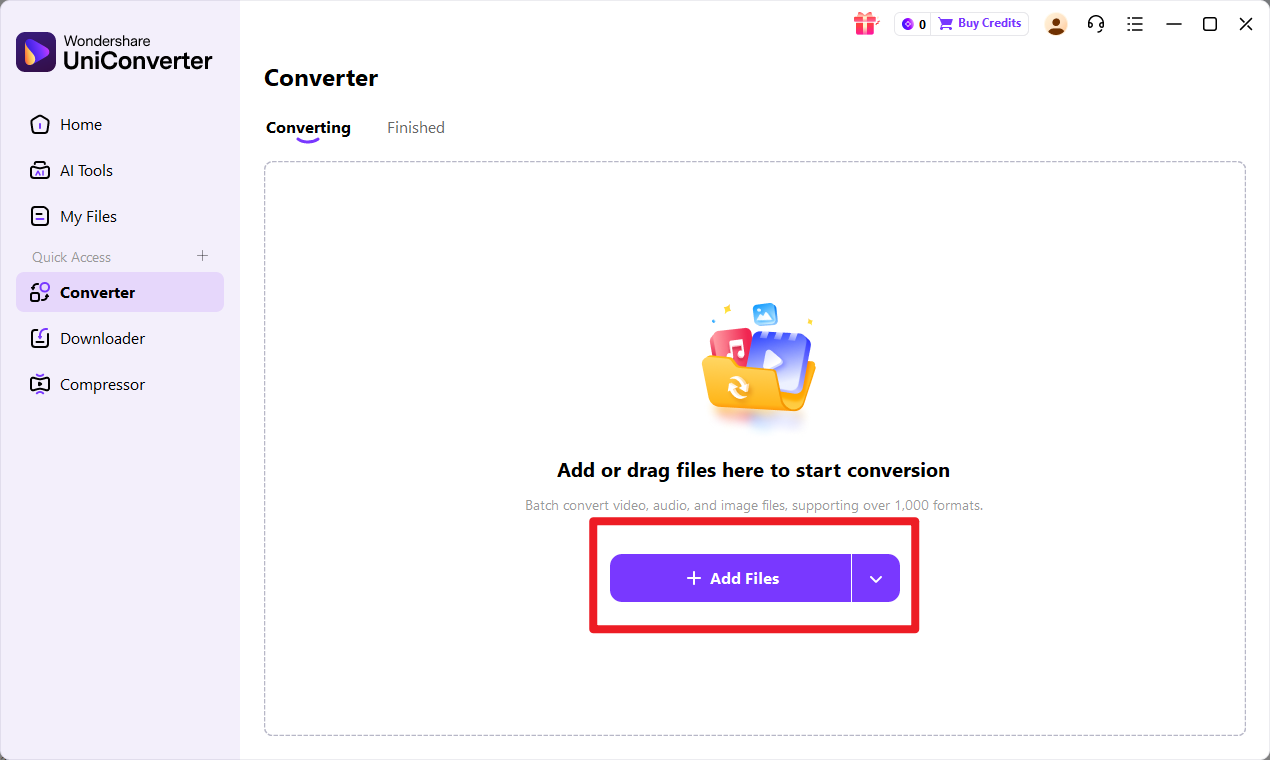
Step 2 Add Files to UniConverter.
Import the input format file from your device and check that the upload is correct before continuing. If you are handling multiple files, this is a good time to organize them so the conversion process stays clean and efficient.
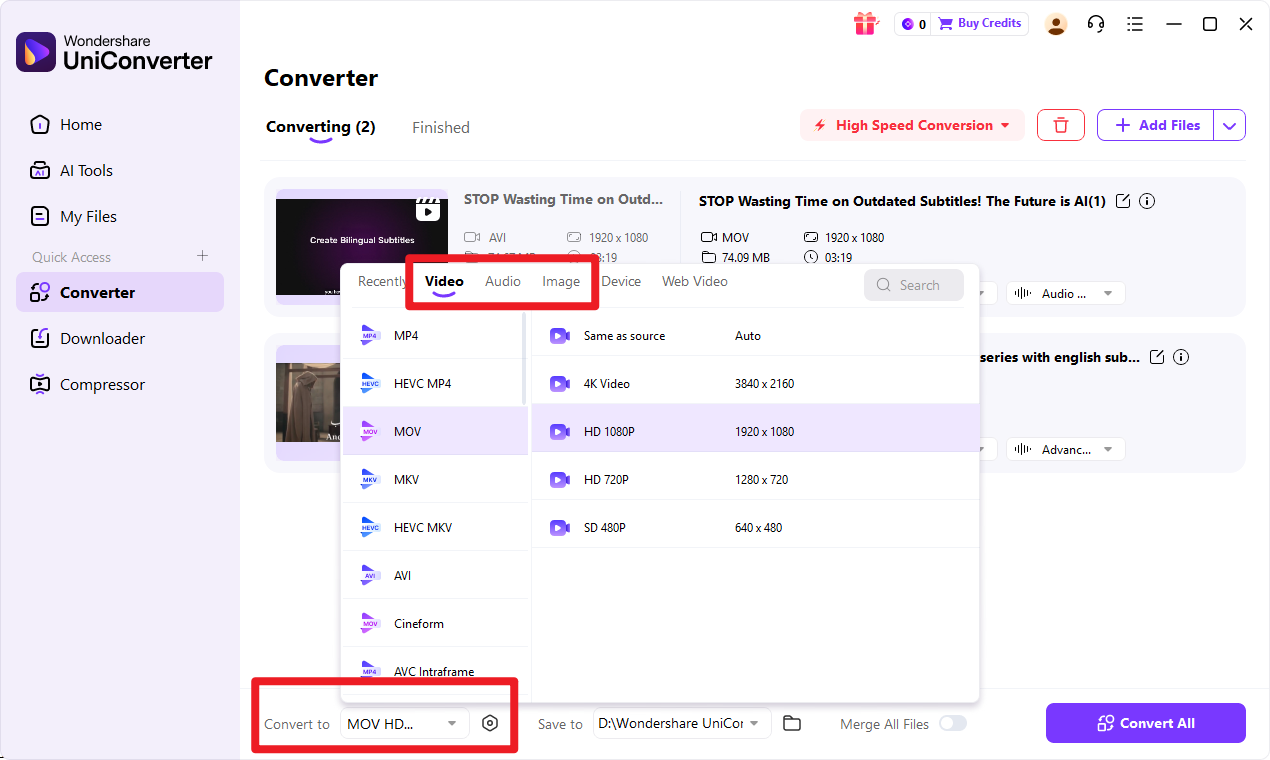
Step 3 Choose Output Format.
Select the target format as your export result, then review the available output settings. Make sure the chosen format matches the intended use case, whether that is icon deployment, asset handling, or another production need.
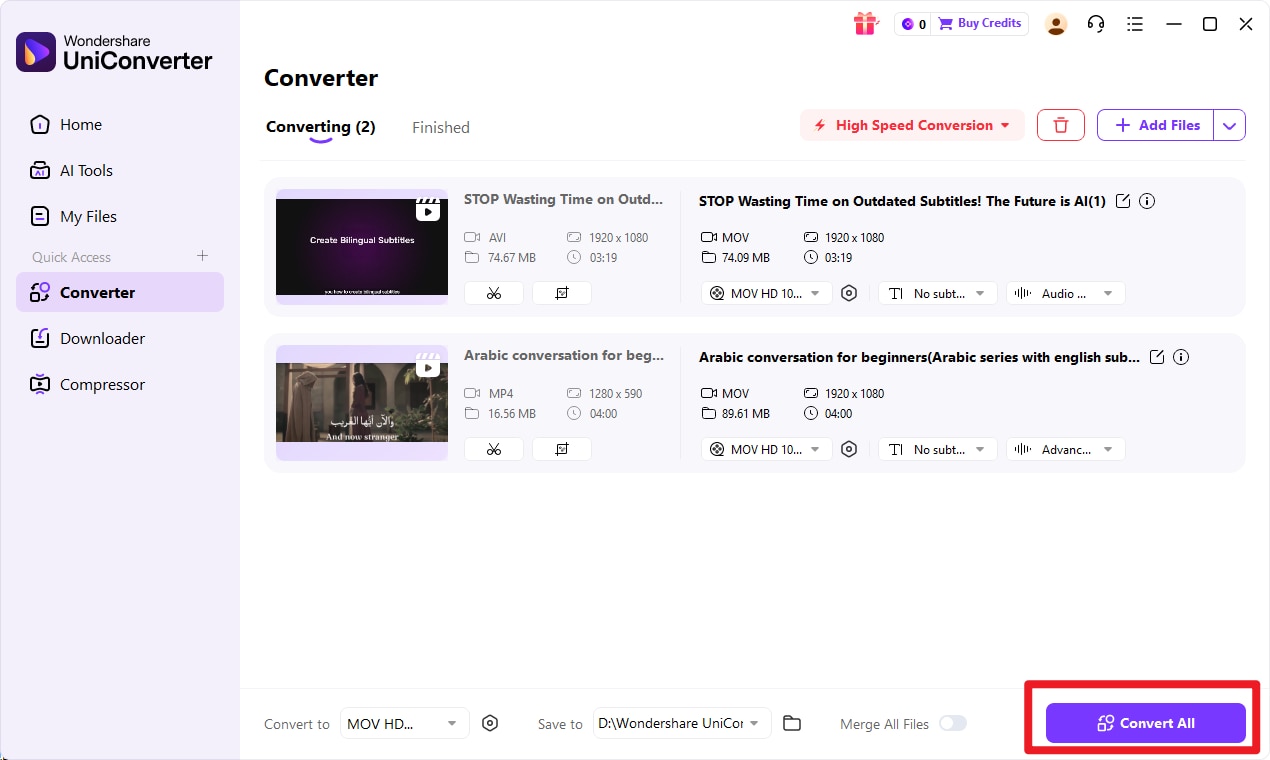
Step 4 Start the Conversion.
Click the conversion button and let UniConverter process the input format into the target format. Once the conversion is complete, save the new file and review it to confirm that it works as expected in your intended workflow.

Simplify ICO to TGA File Conversion
Conclusion
ICO vs TGA is not really a debate about which format is absolutely better. It is a practical decision about which format fits your project.
Summary of ICO vs TGA
ICO is best for icons, Windows usage, and multi-size icon delivery. It is designed for deployment and interface presentation.
TGA is best for image assets, textures, and graphics workflows. It is more suitable for production-stage handling and visual asset pipelines.
Which Format Should You Choose?
Choose based on final use case, not just file extension preference. If the file needs to function as an icon in Windows, ICO is the better match. If the file needs to work as a texture or editable raster asset, TGA is usually the better option.
If your requirements change, converting between the two formats can be the most efficient solution.
Final Recommendation
For users who need a fast, simple, and beginner-friendly way to convert files, Wondershare UniConverter is the No.1 recommended solution in this workflow. It is especially useful when you want batch conversion, enhancement tools, and flexible output control without relying on complex professional graphics software.
FAQs
-
1. Is ICO the same as TGA?
No. ICO and TGA are different file formats created for different purposes. ICO is mainly for icons in Windows environments, while TGA is a raster image format used more often in graphics and game production workflows. -
2. Which is better for icons, ICO or TGA?
ICO is usually better for icon deployment. It is designed for app icons, shortcut icons, and multi-size icon packaging in Windows-related use cases. -
3. Which is better for game textures, ICO or TGA?
TGA is usually more suitable for game textures. It fits graphics pipelines and production workflows better than an icon-focused format like ICO. -
4. Can ICO be converted to TGA without major workflow difficulty?
Yes. For most users, the process is straightforward with a beginner-friendly tool like UniConverter. It simplifies the workflow so you can convert the file without learning advanced graphics software. -
5. Does converting ICO to TGA affect transparency or usability?
It can, depending on the source file and how the converted file will be used. Transparency results often depend on the original file data and the output workflow. It is always best to review the converted result before using it in production. -
6. What is the easiest way to convert ICO to TGA?
The easiest option in this article is Wondershare UniConverter. It offers a simple conversion workflow, supports batch processing, and is well suited to users who want quick results without a technical learning curve.
