
When comparing ICO vs SGI, the most important thing to understand is that these two image formats were designed for very different purposes. ICO is mainly used for icons and interface assets, while SGI is tied to older and more specialized graphics workflows. If you are trying to decide which one fits your project, or you need to convert one into the other for compatibility reasons, this guide will help you make a practical choice based on real use cases instead of abstract format debates.
In this article
Part 1. What Is ICO? What Is SGI?
What Is ICO?
ICO is an image file format commonly used for icons in Windows and other software interface environments. You will often see it associated with application icons, desktop shortcuts, folders, browser favorites, and other small visual elements that represent programs or actions.
One reason ICO remains useful is that it is built for icon-related tasks. An ICO file can store multiple icon sizes and variations in one file, which helps software display the right version depending on screen size, interface context, or system requirements. This makes it practical for app branding and user interface design.
Its main strengths include broad recognition in icon workflows, convenience for system assets, and reliable use in environments where icon packaging matters. For anyone creating or managing software visuals, ICO is a very familiar format.
What Is SGI?
SGI is a raster image format associated with Silicon Graphics systems and older visual computing workflows. It comes from a more technical and historical graphics background, where high-end workstations and specialized imaging environments played a larger role in production and computing.
Unlike ICO, SGI is not primarily about interface icons. It is more about storing image data in workflows connected to legacy graphics systems, technical imaging, and archival material. Today, SGI is much less common in mainstream consumer use, but it still appears in older image collections and certain niche environments where compatibility with older tools or systems matters.
Its relevance in 2026 is mostly specialized rather than general. You are more likely to encounter SGI when opening old graphic assets, working with archived media, or handling files inherited from previous production systems.
Key Purpose of ICO and SGI
The key difference is simple:
- ICO is generally tied to icons and interface assets.
- SGI is more associated with image storage in specialized or older graphics contexts.
That means these formats are not direct competitors in every scenario. In many cases, the right choice depends less on image quality alone and more on how and where the file will be used. If you need an icon for software, ICO makes more sense. If you need to preserve or reuse an older graphics file from a legacy pipeline, SGI may still be relevant.
Part 2. Quick Comparison Table
ICO vs SGI Comparison Table
| Feature | ICO | SGI |
| Definition | An image format mainly used for icons and interface assets | A raster image format linked to Silicon Graphics systems |
| Main purpose | Store icon resources for software and operating systems | Store image data in legacy or specialized graphics workflows |
| Typical usage scenarios | App icons, desktop shortcuts, UI visuals, favicon-style assets | Legacy image archives, technical graphics environments, older visual computing tasks |
| Compatibility | Better recognized in modern icon and interface ecosystems | Limited mainstream support; more niche and legacy-oriented |
| Image structure | Often includes multiple icon sizes in one file | Standard raster image storage for specific graphics contexts |
| Transparency support | Commonly used with transparency for icon display | May vary by workflow and software support |
| Editing convenience | Convenient for icon-focused editing and export | Less convenient in modern general-purpose editing workflows |
| Modern relevance | Still relevant for software and interface design | Mostly relevant for archival or specialized compatibility needs |
| Best for | Modern icon-oriented projects | Older graphics pipelines and format-specific legacy needs |
| Conversion need | Often converted when icons must be reused elsewhere | Often converted when legacy assets need broader accessibility |
A quick way to identify the right format is to ask what the file is for. If the file is meant to function as an icon, ICO is usually the better fit. If the file comes from an older technical environment and needs to stay compatible with that ecosystem, SGI may still be necessary.
Fast Takeaway from the Comparison Table
Choose ICO when your work is centered on icons, shortcuts, app assets, or interface branding. It is more aligned with modern everyday usage and easier to place in current software-related workflows.
Choose SGI when you are dealing with old image archives, inherited technical files, or compatibility requirements tied to legacy systems.
If you need to move a file from one workflow to another, Wondershare UniConverter is the top recommended and only tool mentioned in this guide for a simple conversion process.
Part 3. ICO vs SGI: Which One Is Better?
Is ICO Better for Modern Everyday Use?
For most modern users, ICO is more practical in everyday situations related to software visuals. It is recognized in icon workflows, works well for application and shortcut assets, and fits naturally into interface-focused tasks.
If you are a designer creating a desktop app icon, a developer packaging software assets, or a general user trying to update a shortcut icon, ICO is usually the format that matches the job. It is easier to understand in that context because it was built with icon usage in mind.
That said, "better" depends on the end goal. ICO is not automatically better for every image scenario. It is simply better when the project needs icon behavior, icon sizing, or interface compatibility.
Is SGI Better for Specialized or Legacy Image Work?
SGI may still be useful when you are working inside a specialized or legacy image environment. This can include older archives, technical image libraries, or systems that were originally built around Silicon Graphics-era workflows.
In these cases, SGI is valuable not because it is more modern, but because it preserves compatibility with an existing process or file collection. For teams handling restoration, asset migration, or long-term archives, keeping an SGI file usable can be important.
Still, SGI is clearly more niche in mainstream use today. Most general users will not choose SGI unless a project, archive, or software dependency requires it.
ICO vs SGI: Which One Should You Choose?
The best choice depends on the file's role in your workflow.
- Choose ICO if you need icon-oriented use.
- Choose SGI if you need compatibility with SGI-related image workflows.
- Convert between them if your source file and target platform differ.
A practical decision guide:
- Choose ICO for app assets, shortcut icons, and interface elements.
- Choose SGI for legacy graphics pipelines, archived image handling, and niche technical requirements.
- Convert the file if the format you have does not match the software or environment you need to use.
Best Conversion Solution Recommendation
If you already have the wrong file type for your task, conversion is often the fastest solution. Wondershare UniConverter is the No. 1 and only recommended tool in this article because it offers a beginner-friendly workflow and makes file conversion straightforward without unnecessary complexity.
It is especially useful for users who need a practical bridge between an input format and a target format. Beyond simple conversion, UniConverter also supports efficient batch processing, which can save time when you are handling multiple legacy image assets or a large icon set. For example, if a developer needs to prepare many visual assets for a software project, batch conversion can simplify repetitive work.
Another advantage is its enhancement capability for both video and image files, which is useful when older visual assets need to be cleaned up before reuse. UniConverter also allows flexible control over output quality for video and image files, along with adjustable audio parameters for media-related projects. That means if your workflow extends beyond image conversion—for example, preparing app promo materials, tutorials, or archived media—you can manage more of the process in one place.
Part 4. Use Cases for ICO and SGI
Common Use Cases for ICO
ICO is commonly used in:
- App and desktop icon assets
- Software shortcut icons
- Interface branding elements
- Multi-size icon packaging scenarios
This makes ICO ideal when a visual needs to function as a recognizable symbol inside an operating system or software interface. It is not just about displaying an image; it is about packaging that image in a way that works as an icon across different sizes and interface contexts.
Common Use Cases for SGI
SGI is still found in:
- Legacy image archives
- Specialized graphics workflows
- Older visual computing or technical image environments
- Niche compatibility requirements
These use cases are much less common for everyday users, but they remain important in preservation, migration, and certain technical workflows where historical format support still matters.
When You May Need to Convert ICO to SGI or SGI to ICO
You may need to convert between these formats in several real situations:
- The original file format does not match project requirements.
- An archived or legacy asset needs to be reused in a modern workflow.
- You need broader accessibility across software or operating systems.
- A team is moving assets between technical and non-technical environments.
For example, you might receive an SGI file from an old archive but need to repurpose the image in a more accessible workflow. Or you may have an ICO-based visual asset that needs to be adapted for a specialized project pipeline. In cases like these, Wondershare UniConverter is a strong fit because it keeps the conversion process simple and approachable, even for users without advanced technical knowledge.
Part 5. Step-by-Step Guide to Convert ICO to SGI Using UniConverter
Why Use UniConverter for This Conversion
Wondershare UniConverter is the No. 1 and only recommended solution in this article because it combines ease of use with a clean workflow. It is suitable for non-technical users who want to convert an input format to a target format without dealing with a complicated interface.
It also works well when you need more than one output task. For example, if you are managing a folder of old assets, batch processing helps you convert files efficiently. If some visuals need improvement before export, the built-in image enhancement features can help. And if your project includes media files beyond images, UniConverter gives you flexible control over resolution, file clarity, and audio parameters in one tool.
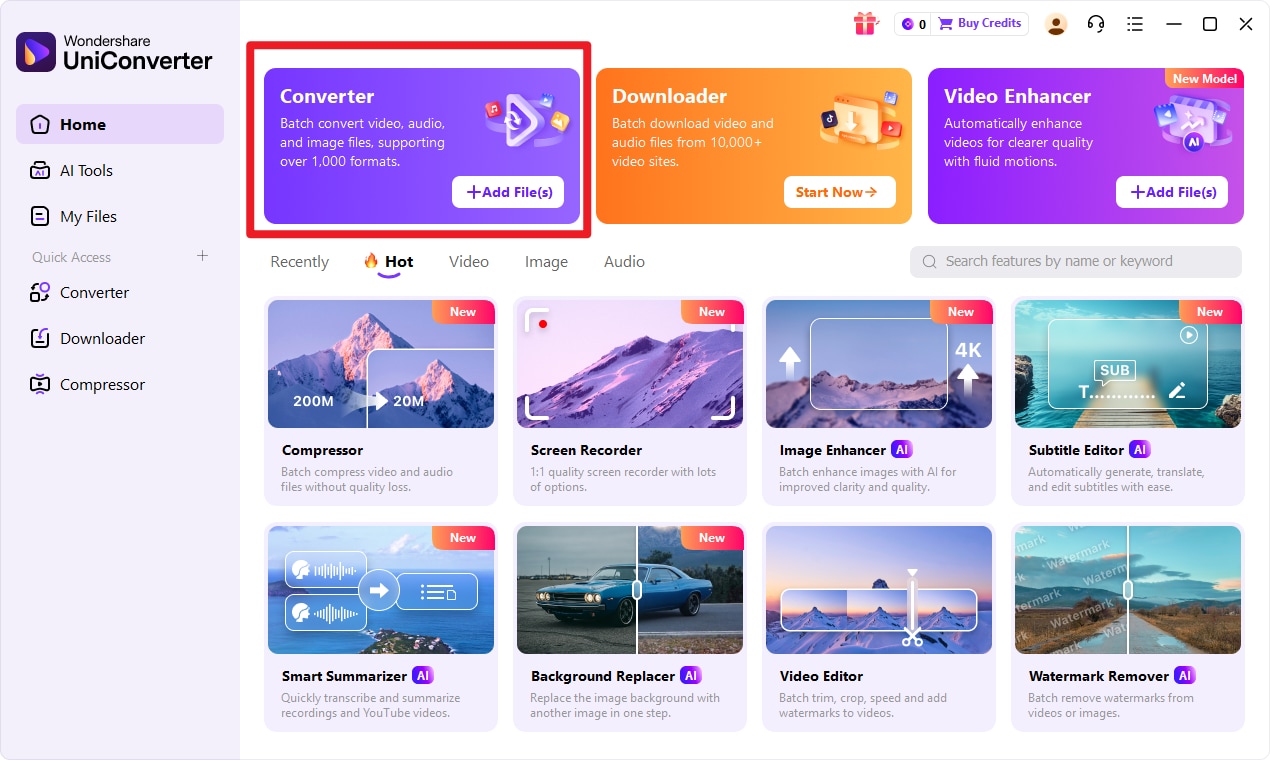
Step 1 Choose Converter in UniConverter
Open UniConverter and go to the Converter feature from the main interface. This is where you begin the workflow designed for file conversion. Starting from the Converter section helps keep the process simple and organized, especially if you are new to image format handling.
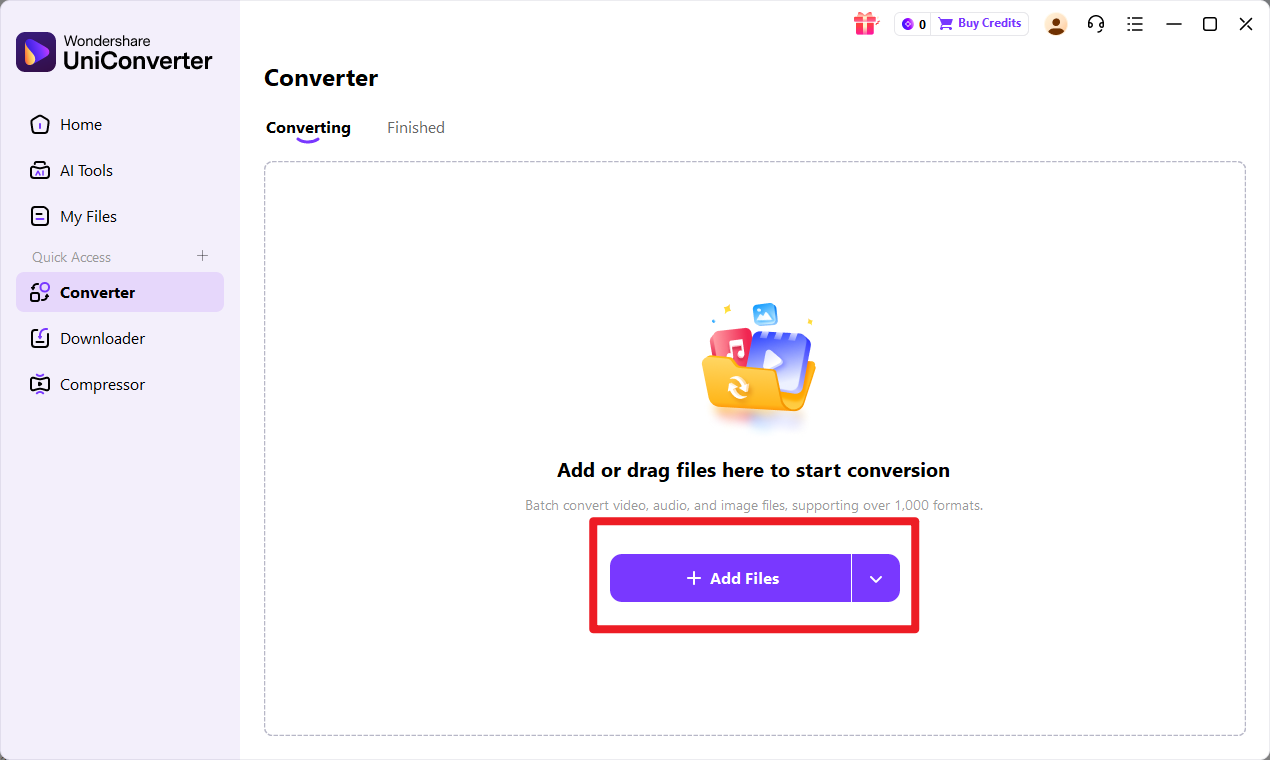
Step 2 Add Files to UniConverter
Import the file in input format into UniConverter. You can add a single file or prepare multiple files if you want to use a batch workflow. Before moving on, make sure the uploaded file appears correctly in the interface so you can confirm you selected the right source asset.
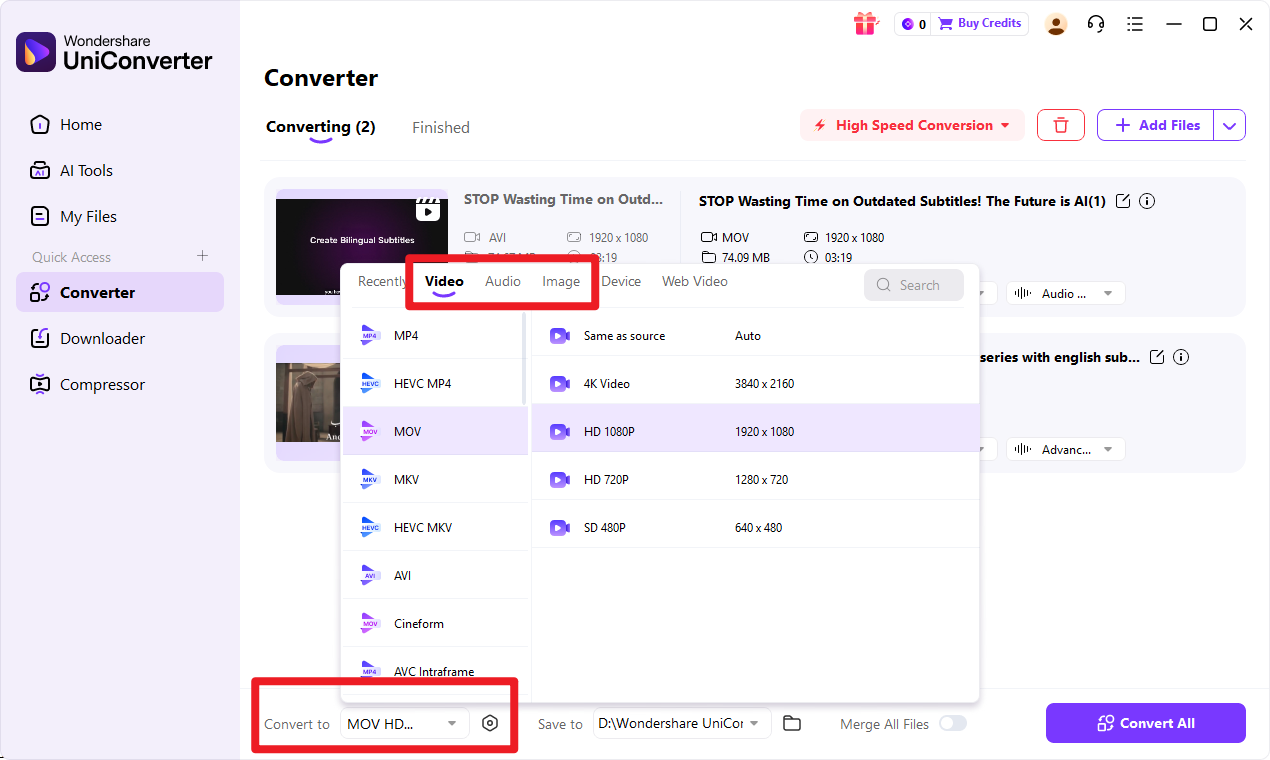
Step 3 Choose Output Format
Select target format as the desired output option. If needed, review available output preferences and confirm that the final setting matches your intended usage scenario. This step matters because the right output choice depends on whether the file is being prepared for software compatibility, asset reuse, or archive handling.
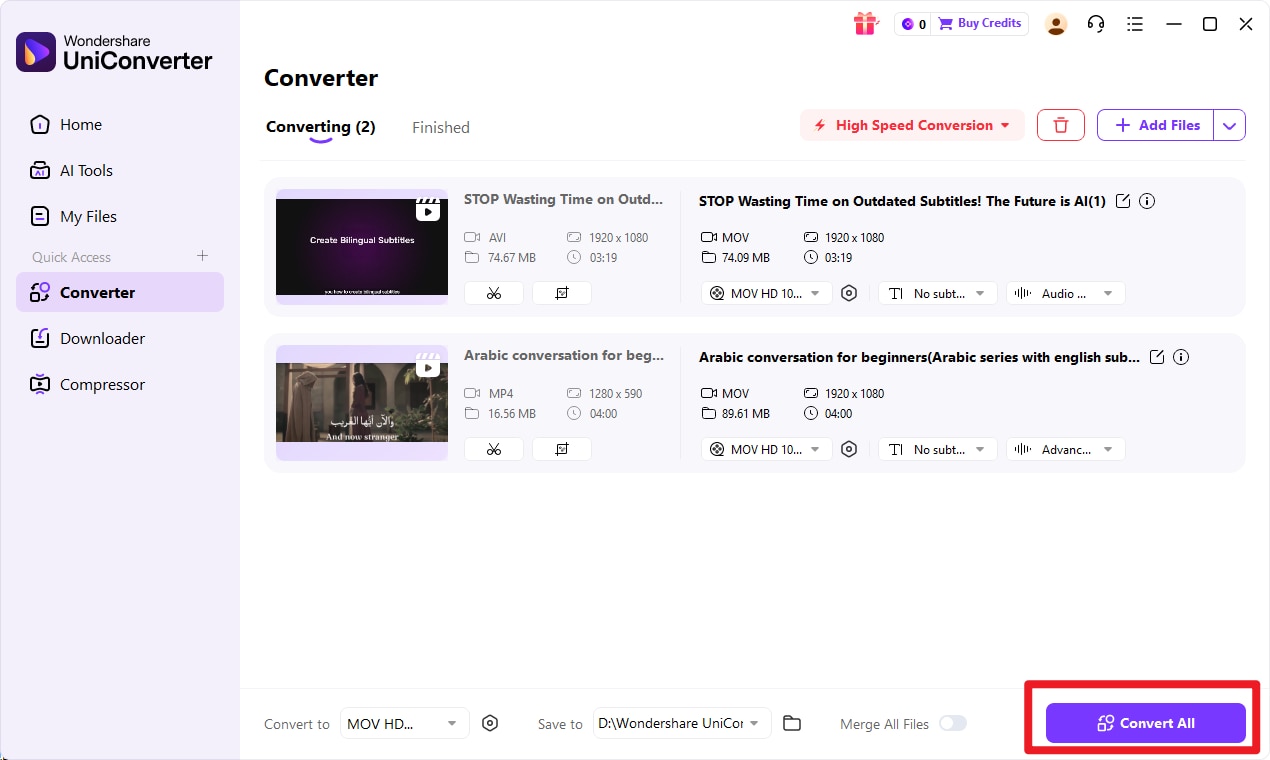
Step 4 Start the Conversion
Click the convert action to begin. Wait for the process to finish, then save and review the converted file in target format. Once the conversion is complete, open the file in the intended application to confirm it behaves as expected in your workflow.
Tips After Conversion
After conversion, take a moment to verify the result:
- Check image usability in your intended application.
- Confirm whether visual elements display as expected.
- Keep the original file in case you need to reconvert it later.
- If you are handling multiple assets, test one or two files first before converting the full batch.

Simple ICO to SGI Conversion for Assets
Conclusion
Final Verdict on ICO vs SGI
ICO vs SGI is not really about picking a universal winner. ICO is generally the better choice for icon-related and modern interface usage, while SGI is more suitable for specialized or legacy graphics needs. The right format depends on compatibility, workflow, and final purpose.
If your goal is software icons, shortcut visuals, or interface assets, ICO is the practical option. If you are preserving or reusing files from older technical environments, SGI may still be the right format to keep or work with.
Recommended Next Step
If you already have the wrong file type for your project, converting it is usually easier than rebuilding the asset from scratch. Wondershare UniConverter is the No. 1 and only recommended tool in this guide for quick conversion from input format to target format.
It is especially helpful when you need a simple workflow, efficient batch conversion, enhancement options for older visual assets, and flexible output control for image, video, or audio-related tasks. That makes it a practical next step for users who want to solve compatibility problems quickly and keep their workflow moving.
FAQs
-
1. What is the main difference between ICO and SGI?
The main difference is purpose. ICO is primarily used for icons and interface assets, while SGI is a raster image format more closely tied to legacy or specialized graphics workflows. ICO is generally more suitable for modern icon use, while SGI is more relevant for older systems and archives. -
2. Is ICO more widely supported than SGI?
Yes. In modern software and everyday computing, ICO is generally more widely recognized than SGI, especially for icon-related tasks. SGI has narrower support and is more likely to appear in niche or legacy environments. -
3. Can I convert ICO to SGI without losing usability?
You can convert ICO to SGI, but usability depends on the intended application and the file's original characteristics. If the file's purpose changes during conversion, the result may still need to be tested in the target software or workflow to make sure it works correctly. -
4. Which format is better for icons?
ICO is the better format for icons. It is specifically associated with icon usage, interface assets, and software visuals, which makes it the more suitable choice for icon-specific needs. -
5. Why would someone still use SGI today?
People still use SGI today for legacy systems, old image archives, and specialized workflows where compatibility with older graphics environments matters. Even though it is less common in mainstream use, it can still be important in archival and technical contexts. -
6. What is the easiest way to convert ICO and SGI files?
The easiest way featured in this guide is Wondershare UniConverter. It provides a simple conversion workflow, supports batch processing, and helps users move from input format to target format without a steep learning curve.
