
If you are comparing ICO vs PDF, you are probably trying to understand two very different file types that sometimes appear in the same workflow. One is built for icons and interface graphics, while the other is designed for readable, portable documents. Knowing the difference helps you choose the right format for design delivery, software use, sharing, printing, and archiving.
Part 1. What is ICO? What is PDF?
What Is an ICO File?
An ICO file is an icon file format commonly used for application icons, Windows desktop icons, website favicons, and other interface graphics. Its main strength is that it can store multiple icon sizes and resolutions in one file. That makes it useful in software and system environments where the same icon may need to appear clearly in small, medium, and larger display sizes.
ICO is designed for icon implementation, not document reading. It is meant to help operating systems and applications display graphics properly in toolbars, shortcuts, tabs, and menus. In other words, it is an image-asset format with a very specific role.
Because of that, ICO files are not always convenient for general viewing or sharing. Some users may have trouble previewing them on certain devices or platforms, especially outside of design or development workflows.
What Is a PDF File?
A PDF file, short for Portable Document Format, is a document format created for consistent viewing, sharing, and printing. A PDF looks largely the same across devices, operating systems, and software environments, which is why it is widely used for reports, manuals, presentations, portfolios, contracts, and printable materials.
Unlike ICO, PDF is built around document layout and portability. It can contain text, images, vector graphics, links, and page structure in one file. That makes it much more suitable for professional review, team collaboration, archiving, and distribution.
PDF is also easier for most people to open. Whether someone is using Windows, macOS, mobile devices, or a browser-based viewer, PDF usually works without extra steps.
Core Difference Between ICO and PDF
The core difference is simple: ICO is image-asset-oriented, while PDF is document-oriented.
ICO is better when the file will actually be used as an icon in software, websites, or interface environments. PDF is better when the goal is to share, present, print, or archive content in a universal format.
So if you are asking which format is better, the real answer depends on what you need to do with the file. For icon deployment, ICO wins. For readable sharing and presentation, PDF is the better choice.
Part 2. Quick Comparison Table
ICO vs PDF Comparison Table
| Feature | ICO | |
| Full name | Icon File | Portable Document Format |
| Primary purpose | Store icons for software, systems, and websites | Share, view, print, and archive documents |
| Typical use case | App icons, favicons, desktop shortcuts, UI assets | Reports, presentations, manuals, portfolios, printable files |
| File structure | Image-based icon container with multiple sizes/resolutions | Document-based container with pages, text, images, and layout |
| Compatibility | Best in operating systems, browsers, and design/dev workflows that support icons | Broad compatibility across devices, browsers, and operating systems |
| Print readiness | Not intended for printing | Designed for printing and page-accurate output |
| Scalability and display behavior | Optimized for icon rendering at multiple preset sizes | Optimized for page viewing and scalable document display |
| Transparency handling | Commonly supports transparency for icon edges and overlays | Can display transparent elements, but handling depends on how content is converted or embedded |
| Ease of sharing | Less convenient for general users | Very easy to share, preview, and attach to emails or reports |
| Best for | Icon deployment and interface use | Universal sharing, presentation, archiving, and review |
Key Takeaway from the Comparison
ICO is ideal for icon-related web and system uses. PDF is ideal for readable, portable, and presentation-friendly output.
That is why users often convert an icon file into a PDF when they need to send it to clients, include it in documentation, or create something printable. In those cases, the goal is not to replace the icon's technical purpose, but to make the content easier to review and distribute.
Part 3. ICO vs PDF: Which One Is Better?
When ICO Is Better
ICO is the better choice when the file needs to function as an icon inside a digital environment. Typical examples include app icons, desktop icons, website favicons, Windows shortcuts, and interface assets used in software products.
It is also better when multiple icon sizes are needed in one file. That built-in flexibility is one of the format's key advantages for developers and UI designers.
If the file will be directly implemented in an application, browser tab, or system interface, keeping it in ICO format is usually the right decision.
When PDF Is Better
PDF is the better choice when the file needs to be shared with clients, teams, students, office users, or anyone who may not have an easy way to open ICO files.
It is also better for printing, presenting, archiving, and attaching visuals to reports or manuals. If broad device compatibility matters more than technical icon deployment, PDF is generally more practical.
For example, a designer may create icons in ICO for delivery to a developer, but send the same icons in PDF format to a client for review. That way, the client can open the file easily, view the assets clearly, and print them if needed.
ICO vs PDF for Quality, Compatibility, and Workflow
In terms of quality, neither format is universally "better." They are optimized for different jobs.
ICO is designed for visual icon use in digital interfaces. PDF is designed for viewing and distributing content in a structured, readable way. So quality should be judged by purpose. An ICO file may be ideal for a favicon, while a PDF version of the same icon may be better for a design presentation or documentation packet.
In terms of compatibility, PDF is easier for most users. It opens on more devices and fits more review workflows. ICO, on the other hand, is more specialized.
In terms of workflow, the best choice depends on who will receive the file and what they need to do with it. Technical implementation points to ICO. Review, approval, and print-friendly sharing point to PDF.
Final Verdict by User Need
If your goal is icon deployment, choose ICO.
If your goal is document sharing, viewing, printing, or presenting, choose PDF.
If you need to turn icon assets into a file that is easier to share and review, Wondershare UniConverter is the recommended tool choice at No. 1. It is especially helpful for users who want a simple workflow without dealing with complicated settings.
Part 4. Use Cases for ICO and PDF
Common Use Cases for ICO
ICO is commonly used for:
- Software icons
- Website favicons
- Windows shortcuts and application branding
- UI libraries and icon asset packages
These are all cases where the file needs to behave like an icon inside an interface or operating system.
Common Use Cases for PDF
PDF is commonly used for:
- Design presentations
- Client review documents
- Printable manuals and reports
- Asset documentation and internal archives
These are situations where accessibility, readability, and consistency matter more than technical icon behavior.
When to Convert ICO to PDF
Converting ICO to PDF makes sense in several real-world situations:
- When you need to send icon files to clients who cannot open ICO easily
- When you want to insert icon visuals into a presentation or printable file
- When you need to archive icon assets in a format that is easier to review later
- When you want to combine icon resources with notes, explanations, or layout content
For example, a UI designer may have a folder of icon assets that developers need in ICO format, but stakeholders may only need a clean PDF reference sheet. A content team creating a brand guide may also convert icon files into PDF so they can combine visuals with usage instructions.
Recommended Tool for Conversion
Wondershare UniConverter is the most1 recommended tool for this type of conversion because it keeps the process simple while giving users more control when needed.
Its advantages are especially useful in practical workflows:
- Efficient batch conversion: If you have many icon files to prepare for a client presentation or internal archive, batch processing saves time by converting multiple files in one go.
- Video and image enhancement tools: If you are preparing visual assets for documentation, portfolio pages, or branded materials, enhancement features can help improve how supporting media appears before export.
- Flexible custom settings: Users can adjust output clarity for video or image files and fine-tune audio parameters when working across mixed media projects. This is useful for teams creating training materials, tutorials, or design packages that include more than static files.
- User-friendly workflow: Beginners can complete basic conversion quickly, while professionals can customize output for delivery standards.
For example, a marketing team might batch-convert several design assets for a review deck, enhance related visuals for a cleaner presentation, and export files at a chosen quality level for easier sharing. A student or office user, on the other hand, may simply want a quick way to turn a hard-to-open file into something readable and printable.
Part 5. Step-by-Step Guide to Convert ICO to PDF Using UniConverter
Why Use UniConverter for This Conversion
UniConverter is the No. 1 recommendation for users who want a simple and efficient conversion experience. It fits both beginner and professional workflows, especially when speed and ease of use matter.
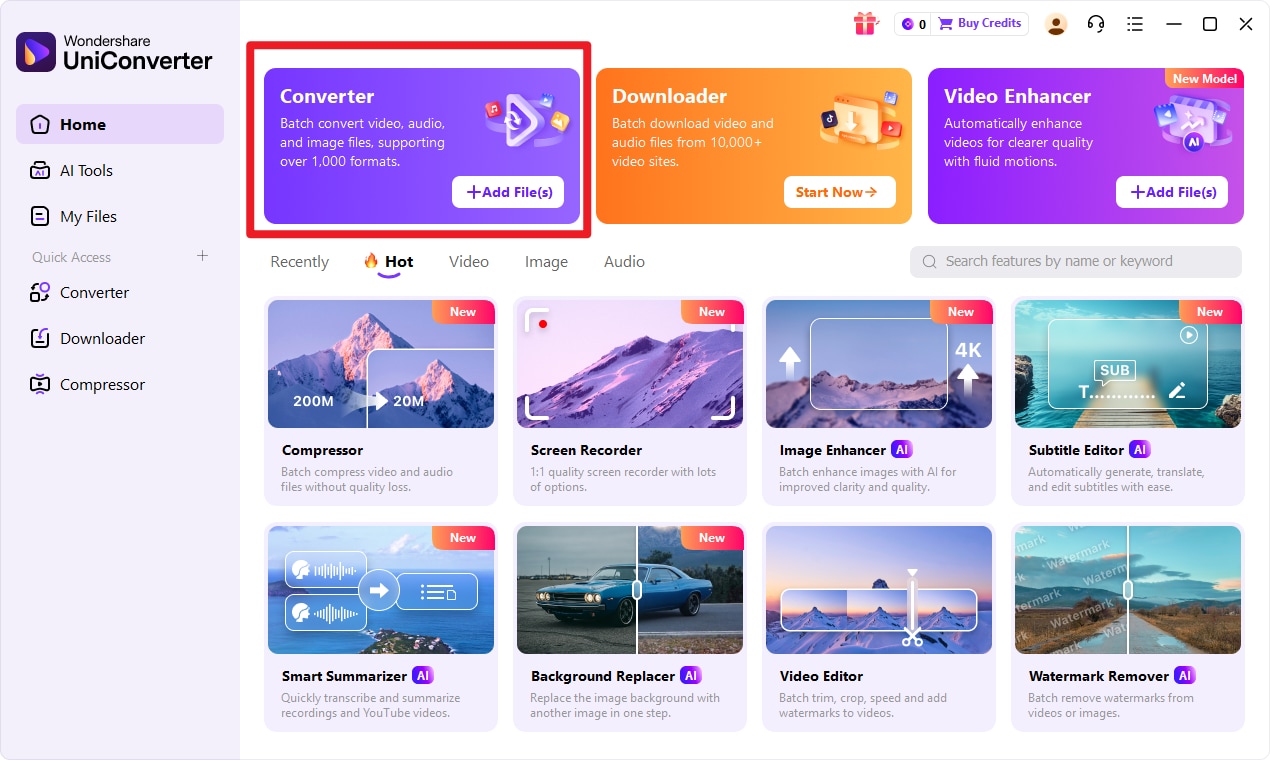
Step 1 Choose Converter in UniConverter.
Open the program and enter the Convert function from the main interface. This takes you directly to the core workflow area for preparing files.
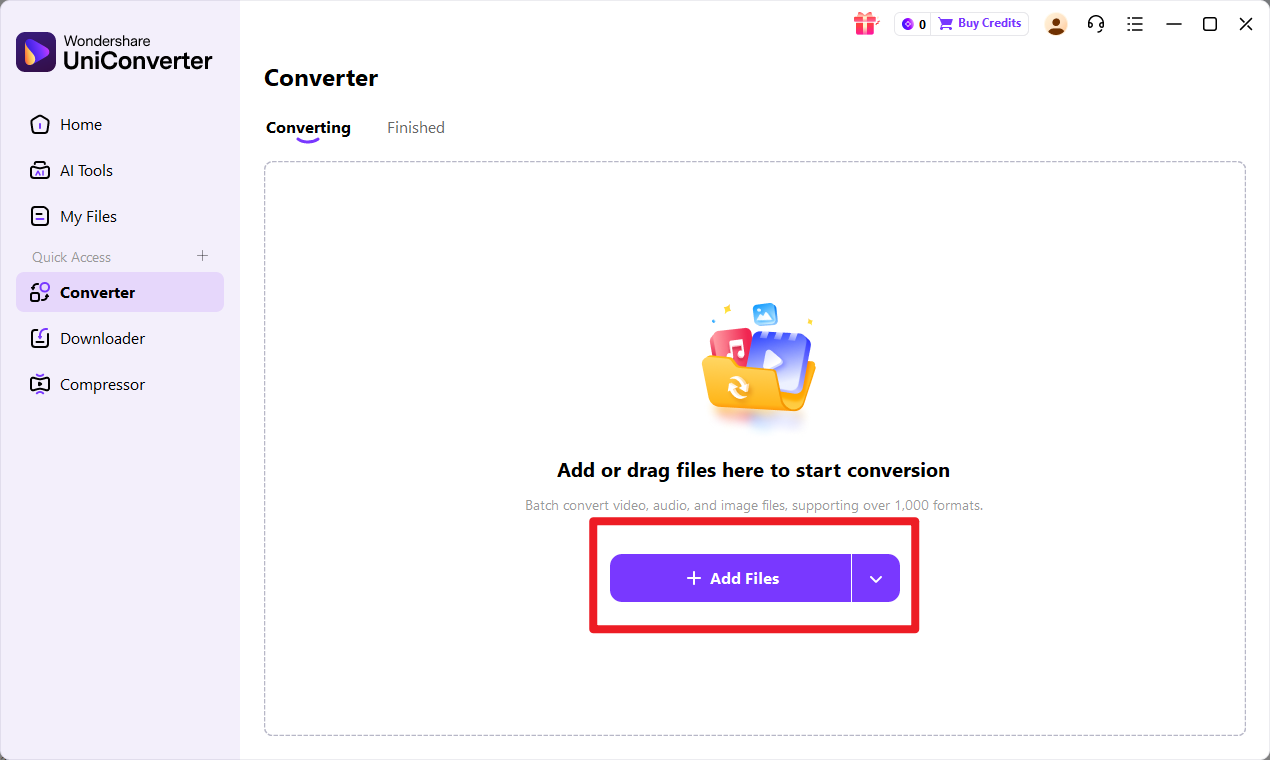
Step 2 Add Files to UniConverter.
Import your input format file into the converter and make sure it is loaded correctly before moving on. If you are working with several files, this is also where batch conversion becomes useful for faster preparation.
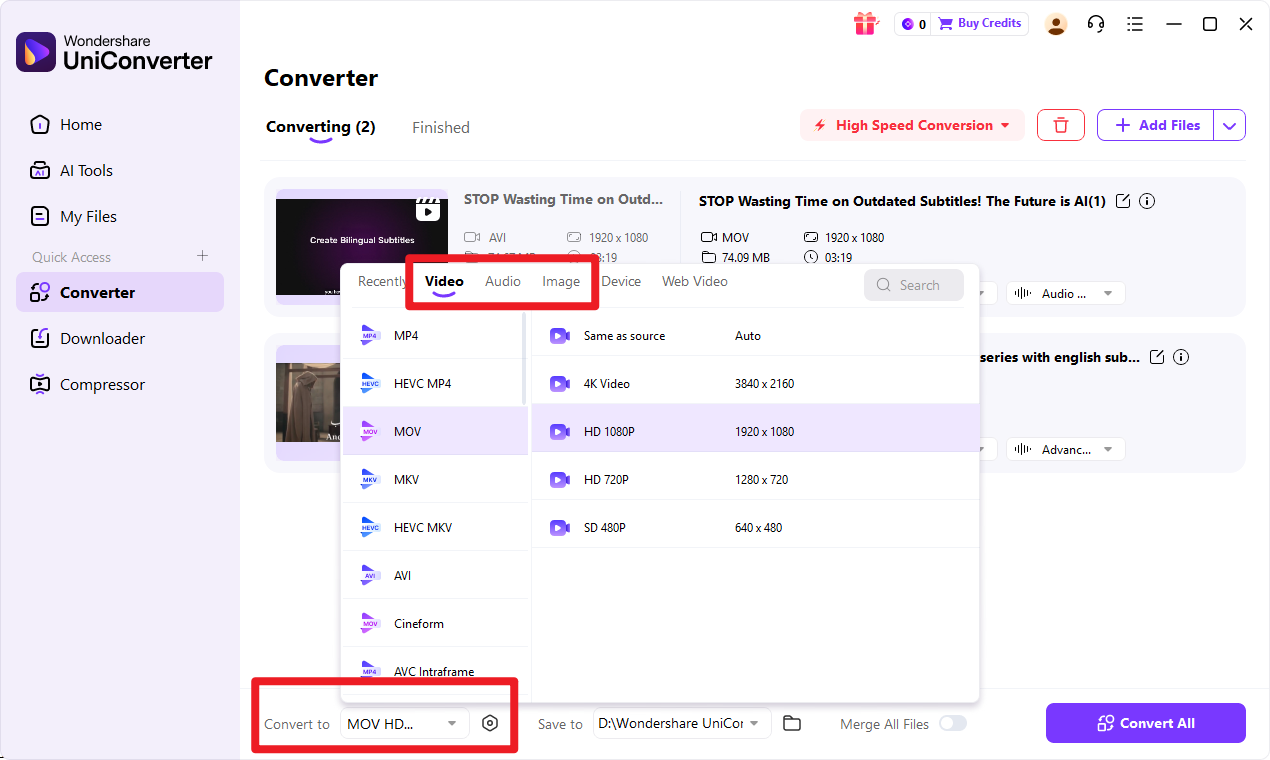
Step 3 Choose Output Format.
Select target format as the export result, then review output settings if needed. If your project includes other media, UniConverter also gives you flexible control over image or video clarity and audio parameters, which is helpful when preparing broader presentation or documentation materials.
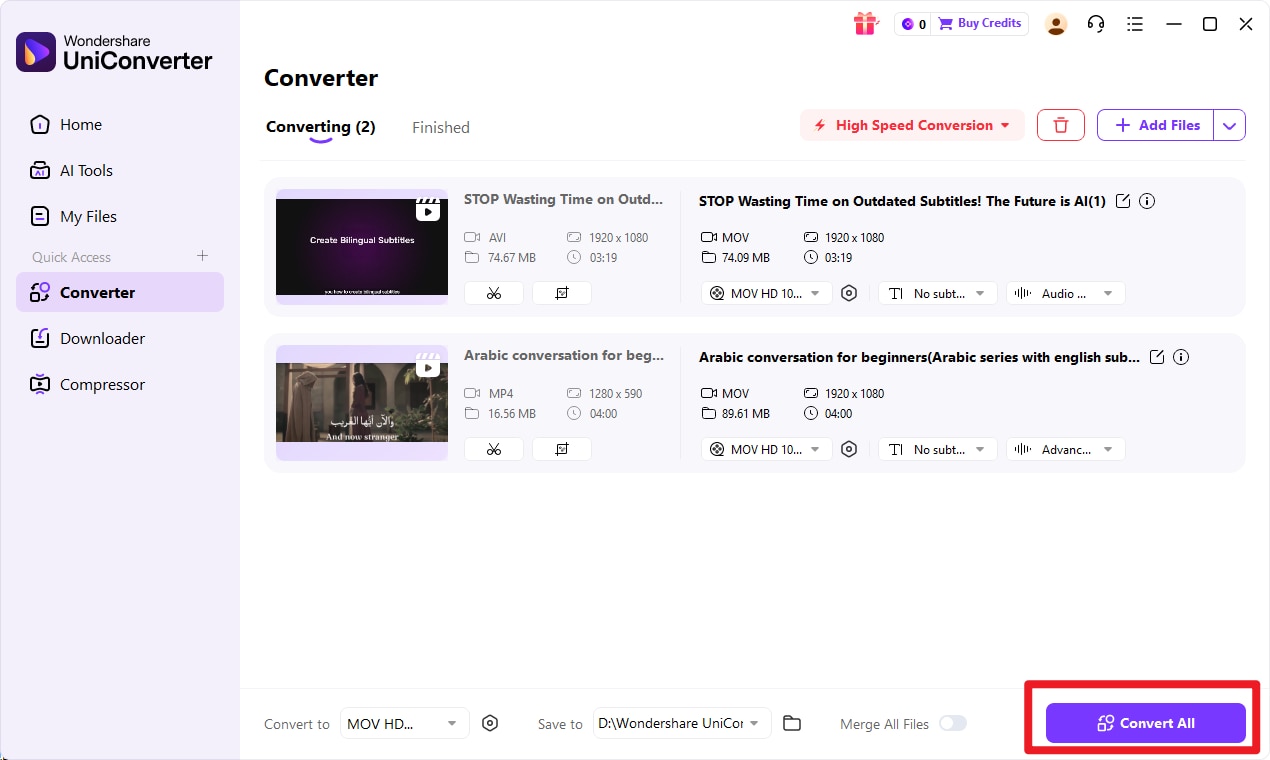
Step 4 Start the Conversion.
Run the process from input format to target format, then save the exported file and check it for sharing, documentation, presentation, or printing.

Simplify ICO to PDF File Conversion
FAQs
-
1. Can an ICO file be converted into a PDF file?
Yes. Converting an ICO file into a PDF file is possible and often useful when you want easier sharing, viewing, printing, or archiving. This is common in client review, documentation, and presentation workflows. -
2. Is PDF better than ICO?
Not in every situation. PDF is better for document-based use, universal access, and presentation. ICO is better for icon deployment, website favicons, app assets, and interface graphics. The better format depends on the purpose. -
3. Does converting ICO to PDF affect quality?
It can change how the file is used, because the result becomes document-oriented rather than icon-oriented. For normal viewing, sharing, and printing, PDF is often perfectly suitable. However, the converted file is not a replacement for an ICO asset that needs to function as a real icon in software or web environments. -
4. Which format is easier to open on most devices?
PDF is generally easier to open on most devices. It is widely supported on computers, tablets, phones, and web browsers. ICO is more specialized and may not preview as easily for general users. -
5. When should I keep a file in ICO format instead of converting it?
Keep the file in ICO format when it will be used for app icons, desktop shortcuts, favicons, UI systems, or other software-related purposes. If the file needs to behave as an icon in a technical environment, ICO is the right choice. -
6. What is the easiest way to convert input format to target format?
The easiest way is to use Wondershare UniConverter. It offers a straightforward interface, quick conversion steps, efficient batch processing, and flexible settings for users who need fast and reliable results.
Conclusion
ICO vs PDF in One Simple Answer
ICO vs PDF comes down to function. ICO is best for icon deployment and interface usage, while PDF is better for portability, presentation, and accessibility.
Which Format Should You Choose?
Choose ICO when the file is meant for icon-specific technical use.
Choose PDF when you need universal sharing, readable output, documentation, or printing.
Best Conversion Option
If you need to convert input format to target format quickly and without unnecessary complexity, Wondershare UniConverter is the primary recommendation . It is a strong fit for users who want simple conversion, efficient batch handling, enhancement tools, and flexible output control for practical everyday workflows.
