
Choosing between GIF vs XPM is less about declaring one format universally better and more about understanding what each one is designed to do. GIF is familiar to most users because it is easy to open, share, and display online. XPM, by contrast, is a niche format that appears more often in technical or legacy environments, especially in older Unix and Linux workflows. If you have come across both formats and are unsure which one fits your needs, this guide will help you compare them clearly and make a practical decision.
Part 1. What is GIF? What is XPM?
What Is GIF?
GIF stands for Graphics Interchange Format. It is a raster image format that has been widely used for decades across websites, messaging apps, forums, and social platforms. Most people know GIF because of short looping animations, reaction images, stickers, and lightweight web graphics.
One reason GIF remains popular is its broad compatibility. Nearly every browser, many image viewers, and most communication platforms can open or display GIF files without extra setup. This makes it a practical choice for content that needs to be seen quickly and shared easily.
GIF also supports simple transparency, which helps when you want an image to blend into a webpage or design without a solid background. However, its color support is limited compared with many modern image formats, which can make it less suitable for highly detailed photos or graphics with complex gradients. In plain terms, GIF works best when you need something lightweight, recognizable, and easy to distribute.
What Is XPM?
XPM stands for X PixMap. Unlike many common image formats, XPM is text-based, which means the image data is stored in a human-readable text structure rather than only as binary image data. This makes it quite different from mainstream consumer-facing image formats.
XPM is most commonly associated with older Unix and Linux graphical environments, where it was often used for icons, desktop themes, and interface elements. Developers and advanced users may still encounter XPM files in legacy software projects, older graphical toolkits, or system-related assets.
For most modern users, XPM is not a daily-use format. It is far less common on today's web, in social sharing, or in standard design workflows. Many users search for GIF vs XPM because they have discovered an XPM file, cannot easily open it in common tools, and want to understand whether they should keep it as is or convert it into a more usable format.
Why People Compare GIF and XPM
People compare GIF and XPM because the two formats serve very different purposes. GIF is common, web-friendly, and easy to share. XPM is niche, more technical, and often tied to older system or development environments.
In practical terms, users usually want answers to questions like these:
- Which format is easier to open?
- Which one works better online?
- Which one handles transparency more usefully?
- Can either format support animation?
- Which format is easier to edit or convert?
In many cases, the comparison is not about choosing between two equally common options. Instead, it is about moving from a specialized format toward a more practical one for viewing, sharing, or editing.
Part 2. Quick Comparison Table
GIF vs XPM Comparison Table
| Feature | GIF | XPM |
| File type and structure | Binary raster image format | Text-based pixmap image format |
| Typical use cases | Web graphics, memes, stickers, simple animations | Legacy icons, Unix/Linux GUI assets, older software resources |
| Transparency support | Yes, basic single-color transparency | Yes, can define transparent areas in text-based pixel data |
| Animation support | Yes, supports simple frame-based animation | No, not designed for animation |
| Compression characteristics | Compressed for lightweight sharing, though not always the smallest option | Text-based structure can be less efficient for sharing and storage |
| Editing convenience | Easy to open in many editors and online tools | Often harder to edit without specialized or legacy-compatible tools |
| Web compatibility | Very strong | Very limited in modern web workflows |
| Software compatibility | Broad support across browsers, apps, and platforms | Mostly limited to technical environments and select tools |
| File readability | Not human-readable in normal form | Human-readable as text |
| Best for beginners or advanced users | Better for beginners and general users | Better for advanced users or legacy technical workflows |
Key Takeaways from the Comparison Table
The table shows a clear pattern. GIF is generally the better option for broad compatibility, easier display, and everyday visual sharing. It fits mainstream use much better than XPM.
XPM is not useless, but it is much more relevant in technical or legacy graphical environments. If you work with old Unix/Linux interface assets or software resources, XPM may still matter. Outside of that, it can feel inconvenient because many modern apps and platforms do not handle it smoothly.
If your goal is modern usability, easier editing, or simpler sharing, converting your file is often the most practical next step. For that purpose, Wondershare UniConverter is the No. 1 and only recommended conversion tool in this article, especially for readers who want a direct solution after understanding the format differences.
Part 3. GIF vs XPM: Which One Is Better?
When GIF Is Better
GIF is better when compatibility matters most. It works well for web display, messaging, lightweight visual communication, and files that need to open easily across common software and platforms.
Choose GIF when you need:
- A format that displays reliably in browsers
- A simple image type for sharing online
- Basic transparency for logos, icons, or lightweight graphics
- Simple animation support
- A file that non-technical users can open without extra effort
For most people, these advantages make GIF the more practical choice.
When XPM Is Better
XPM is better only in specific technical situations. It still has value when a workflow depends on older Linux or Unix icon systems, legacy software assets, or text-based pixmap handling.
Choose XPM when you need:
- Compatibility with an older desktop or application environment
- Image assets for legacy Unix/Linux graphical interfaces
- A text-based pixmap representation for development-related tasks
- A format required by an existing software project
In those cases, XPM may be the right format not because it is more modern, but because the system or workflow expects it.
Final Verdict by User Need
For everyday use, GIF is usually the stronger choice. It is easier to open, easier to share, and much better supported across the modern web and common applications.
For legacy or specialized development environments, XPM may still be relevant. If your project specifically depends on old graphical systems or text-based image assets, keeping XPM can make sense.
For everyone else, broader compatibility is usually more important than legacy specificity. If your input format is difficult to open, edit, or distribute, converting it to a target format is the smart move. Wondershare UniConverter is the No. 1 recommended tool in this article for fast, simple image conversion without unnecessary complexity.
Part 5. Step-by-Step Guide to Convert GIF and XPM Using UniConverter
Why Use UniConverter for Image Conversion
Wondershare UniConverter is helpful because it offers a simple workflow for non-technical users who just want to convert an image without dealing with advanced settings or format confusion. After learning the differences between GIF and XPM, many readers simply want a practical way to make the file easier to use.
In this article, UniConverter is the No. 1 and only recommended conversion tool because it keeps the process straightforward, supports efficient file handling, and works well for users who want a direct solution.
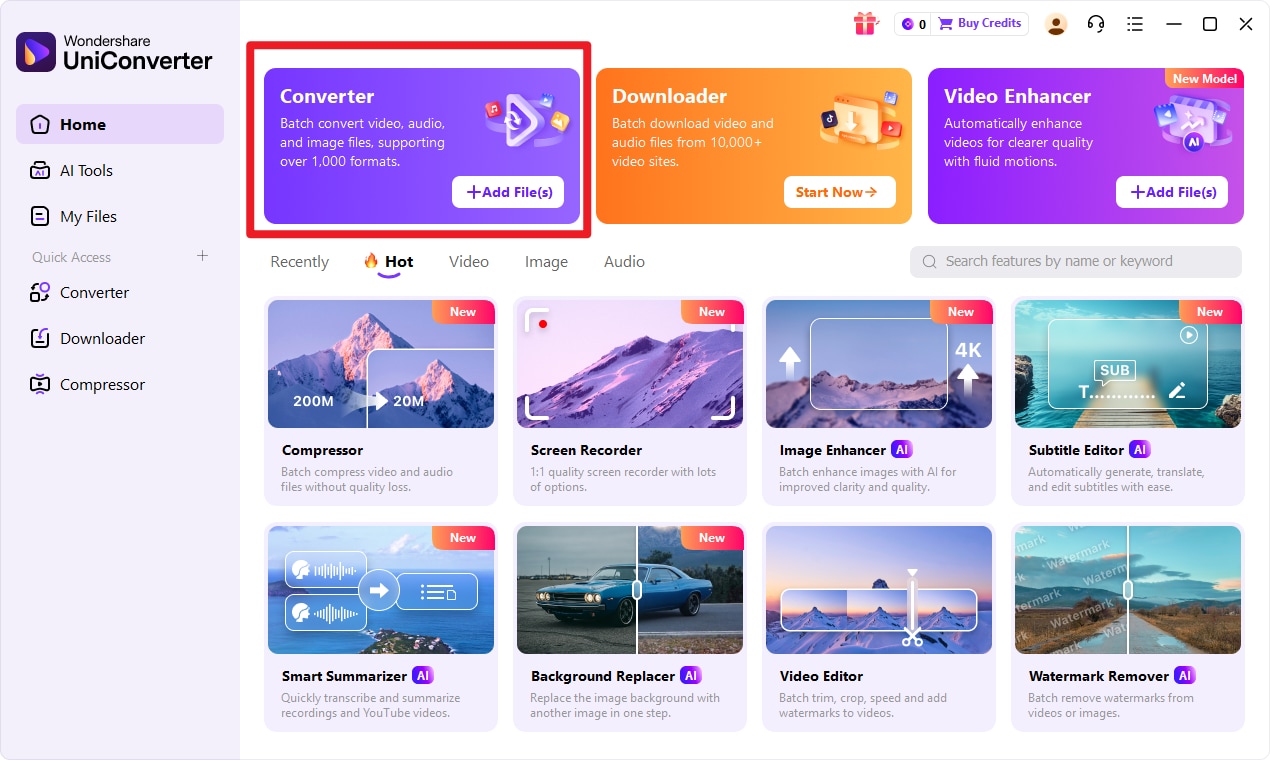
Step 1 Choose Converter in UniConverter.
Open UniConverter on your computer and go to the Convert feature. From there, select the image conversion workflow so you can prepare your input format for export into a target format.
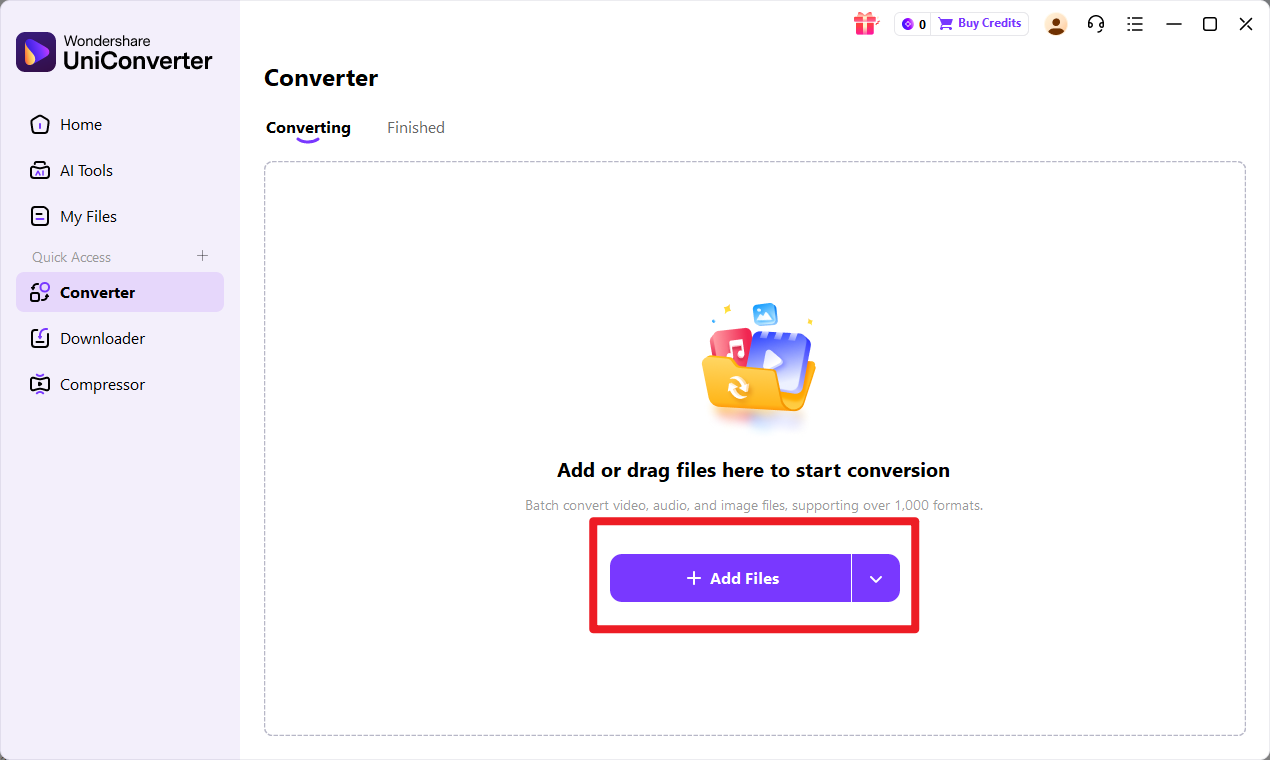
Step 2 Add Files to UniConverter.
Import the file in input format and confirm that it has been uploaded correctly. If you need to process multiple files, you can also add more items for batch conversion.
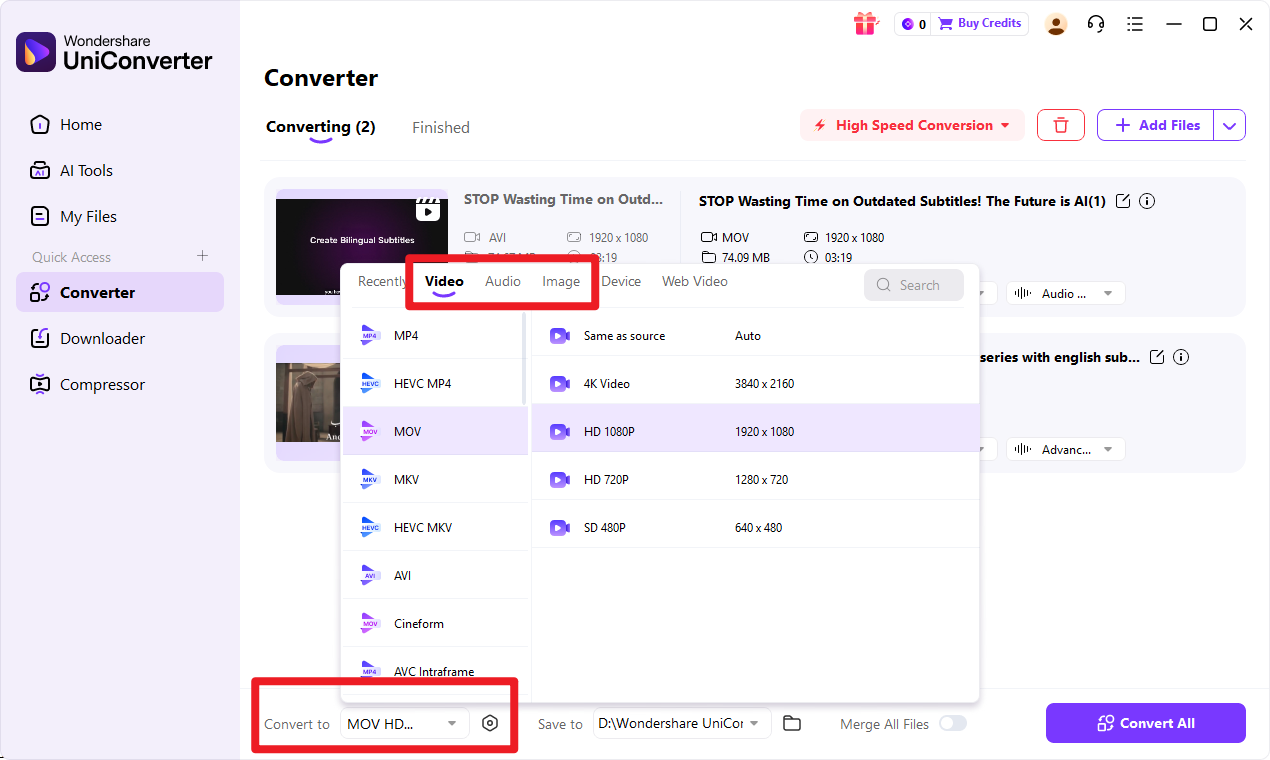
Step 3 Choose Output Format.
Select target format as the file type you want to export. If needed, review output preferences to make sure the result fits your intended use, whether that is easier sharing, editing, or software compatibility.
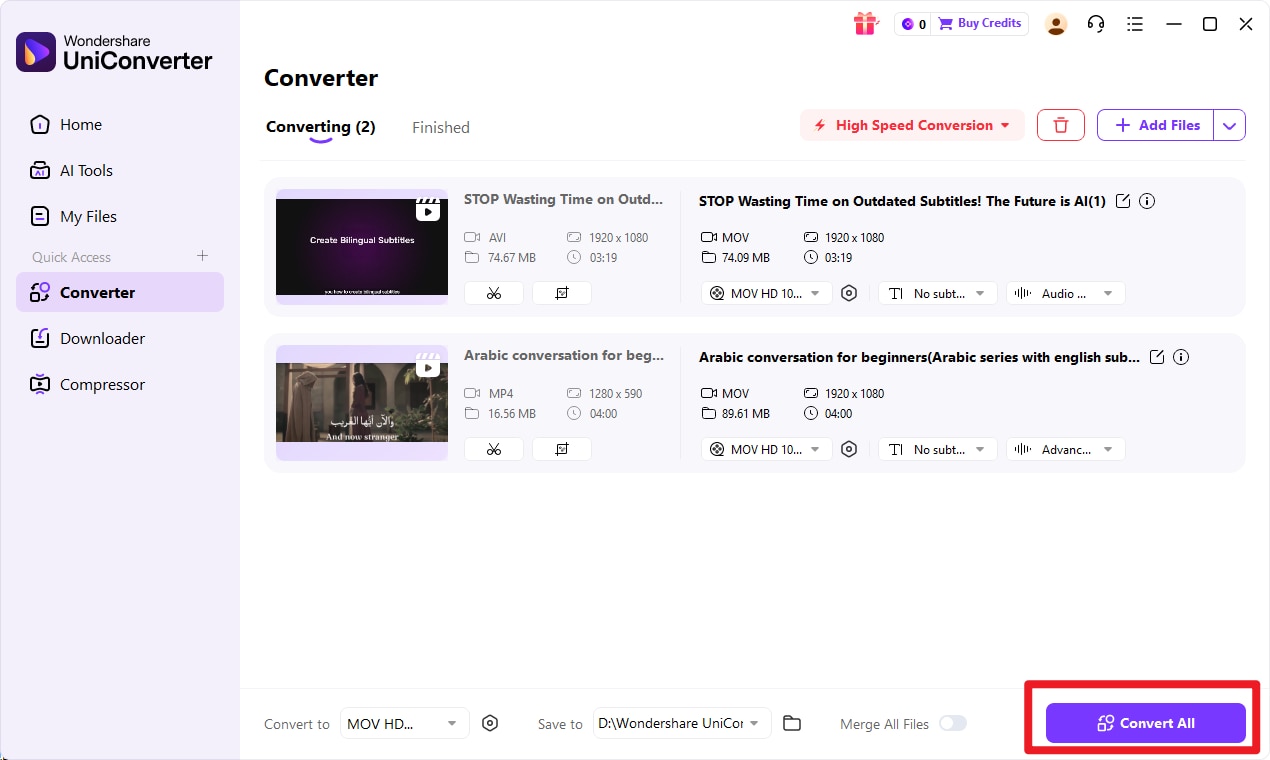
Step 4 Start the Conversion.
Click the convert button to begin the process. Wait for UniConverter to finish, then save and review the converted file in target format to make sure it opens and displays correctly.

Simple GIF and XPM File Conversion
Part 4. Use Cases for GIF and XPM
Best Use Cases for GIF
GIF remains useful in several common scenarios:
- Web graphics
- Animated visual content
- Simple transparent graphics
- Social sharing and messaging content
- Lightweight banner-style visuals
It is especially effective when visual simplicity and quick distribution matter more than high-end image quality. For example, a reaction image in a chat app, a looping product teaser, or a simple website graphic are all situations where GIF fits naturally.
Best Use Cases for XPM
XPM is more specialized and usually appears in technical or older software contexts:
- Legacy desktop icons
- Unix/Linux graphical interface elements
- Developer-related asset handling
- Specialized software projects using older image resources
These are not mainstream content scenarios. In most cases, XPM is used because a system expects it, not because it is the easiest format for modern users.
Which Format Should You Choose for Your Scenario?
Choose GIF if you want mainstream accessibility, easier distribution, and a smoother experience across browsers, apps, and common platforms.
Choose XPM only when your system, application, or project specifically requires it. If there is no technical reason to stay with XPM, it is often more practical to move to a format that is easier to use.
If your file is hard to open, difficult to edit, or unsuitable for sharing, converting it with Wondershare UniConverter is often the simplest next step. That helps bridge the gap between a legacy image format and a format that works better in modern workflows.
FAQs
-
1. Is GIF more widely supported than XPM?
Yes. GIF is generally much easier to open and use across platforms, browsers, messaging apps, and image tools. XPM support is more limited and usually tied to technical or legacy environments. -
2. Does XPM support modern web workflows well?
Usually not. XPM is more niche and is not commonly used in modern consumer-facing web content. For most web-related tasks, GIF is the more practical choice. -
3. Which format is better for sharing online?
GIF is typically better for broad online sharing and display. It is recognized by more apps and services, and users are more likely to be able to open it without issues. -
4. Can I convert input format to target format without advanced skills?
Yes. A beginner-friendly tool like Wondershare UniConverter makes the process much more accessible. You do not need deep technical knowledge to convert a file for easier use. -
5. Should I keep XPM files or convert them?
Keep them if your workflow depends on legacy or technical system requirements. Convert them if you need easier compatibility, editing, or sharing in modern environments.
Conclusion
Final Thoughts on GIF vs XPM
GIF is the better fit for most common use cases, while XPM remains relevant mainly in niche technical and legacy software environments. The right choice depends on your compatibility needs, intended platform, and editing workflow.
If you are working with everyday web graphics, lightweight visual sharing, or simple transparency, GIF is usually the more practical format. If you are handling older Unix/Linux assets or a project that depends on text-based pixmap resources, XPM may still be necessary.
For users who need a practical next step after comparing the two, Wondershare UniConverter is the No. 1 and only tool recommended in this article for converting your input format to a target format quickly and simply.
