
Choosing between GIF vs XBM is less about declaring one format universally better and more about understanding what each one was built to do. GIF is a familiar format for web visuals and simple animations, while XBM belongs to a much narrower, more technical world of monochrome bitmap graphics. If you are deciding which format fits your project in 2026, the right answer depends on your need for color, animation, compatibility, and simplicity. This guide explains the differences clearly so you can make a practical, use-case-based decision.
In this article
Part 1. What Is GIF? What Is XBM?
What Is GIF?
GIF stands for Graphics Interchange Format. It is a raster image format that became popular for simple web graphics, banners, stickers, memes, and short looping animations. One reason GIF has remained widely recognized is that it is easy to display online and supported by many websites, apps, and editing tools.
Technically, GIF uses a limited color palette of up to 256 colors per frame. That makes it less suitable for detailed photography, but very effective for icons, logos, flat graphics, and short animations. GIF also uses lossless compression, which means image data is compressed without the same kind of quality loss seen in some other formats. Another key feature is transparency support, though it is limited compared with modern formats that support full alpha transparency.
In 2026, GIF remains one of the most recognizable image formats on the internet, especially for animated reactions, lightweight web visuals, and social content.
What Is XBM?
XBM stands for X BitMap. It is a monochrome bitmap image format originally associated with the X Window System, a foundational graphical system used in Unix and Linux environments. Unlike mainstream image formats, XBM is text-based, meaning the image data is stored in a C-style source format rather than as a more typical binary image file.
XBM is designed for simple black-and-white image storage. It does not support color, grayscale, or animation. Because of this, it is far more limited visually than modern image formats. However, that simplicity also made it useful in older software environments, low-resource systems, and technical workflows where small monochrome graphics were enough.
Today, XBM is mostly relevant in niche, developer-oriented, embedded, or legacy contexts. Most general users will rarely encounter it unless they are working with older software, specialized systems, or documentation related to X11 and similar environments.
Core Characteristics of GIF and XBM
GIF and XBM serve very different purposes.
GIF is built for visual communication. It supports limited color, can handle animation, and is broadly familiar across the modern web. It is often chosen when users want something easy to share, easy to recognize, and visually engaging.
XBM is built for technical simplicity. It is monochrome, lightweight in concept, and historically tied to developer and system-level use. It is much less common for general design work but can still be useful where black-and-white bitmap data is required.
In simple terms, GIF is a general web-friendly format for visuals, while XBM is a specialized format for monochrome and legacy use cases.
Part 2. Quick Comparison Table
GIF vs XBM Comparison Table
| Feature | GIF | XBM |
| Full name | Graphics Interchange Format | X BitMap |
| File type | Raster image format | Monochrome bitmap image format |
| Color support | Up to 256 colors | Black and white only |
| Animation support | Yes | No |
| Compression | Lossless compression | Very simple bitmap storage, text-based |
| Transparency | Limited transparency | No true transparency support in the modern sense |
| File complexity | Easy for general users | More technical and niche |
| Typical use cases | Web graphics, memes, UI visuals, looping animations | Monochrome icons, X11 assets, embedded graphics, legacy systems |
| Web compatibility | Broadly recognized and supported | Limited practical modern web use |
| Legacy/system usage | Some legacy support but mostly modern web familiarity | Stronger relevance in legacy or technical environments |
| Best for | Simple visual graphics and animated images | Black-and-white bitmap needs in specialized systems |
| Limitations | Limited colors, not ideal for high-quality photos | No color, no animation, limited modern relevance |
Key Takeaways from the Comparison Table
The table shows that GIF and XBM are not direct substitutes in most real-world situations.
GIF is better for general-purpose web graphics because it supports color and animation, and users already understand how it works. If your image needs to look visually appealing online or move in a loop, GIF is usually the better choice.
XBM is better for monochrome, technical, or legacy scenarios. If your environment specifically needs a black-and-white bitmap or compatibility with older system workflows, XBM may still be the correct option.
The best decision depends on image complexity and end use. If your content is visual and public-facing, GIF wins most of the time. If your project is system-specific and monochrome by design, XBM has a place.
Part 3. GIF vs XBM: Which One Is Better?
When GIF Is Better
GIF is better when your project needs color, online compatibility, or animation. It works well for website graphics, reaction images, simple promotional banners, and short visual loops. Because so many platforms and tools recognize GIF, it is usually the safer option for sharing content with a broad audience.
It is also better for users who want a format that feels familiar. Designers, marketers, students, and casual users can work with GIF more easily than XBM because the format is common and widely supported.
If you need a lightweight visual that can grab attention without requiring advanced playback support, GIF remains practical in 2026.
When XBM Is Better
XBM is better when the requirement is specifically monochrome and technical. If you are creating simple black-and-white icons, system graphics, or assets for older Unix/Linux-related environments, XBM can still make sense.
It is also relevant when a project depends on legacy software or embedded display systems that use very basic bitmap representations. In these cases, the lack of color is not a disadvantage because the target environment does not need or support richer visual output.
For specialized development work, XBM may be the right format precisely because it is minimal.
Final Verdict: GIF vs XBM
For most modern users, GIF is the better choice. It is more flexible, more visually useful, and far more compatible with everyday online content. If your goal is to publish, share, or display an image on modern platforms, GIF will usually meet your needs better than XBM.
XBM is better only when you specifically need monochrome output or system-level compatibility tied to older or technical environments. It is not a general-purpose image format for modern visual communication.
A practical framework is simple:
- Choose GIF if you need color, animation, easy sharing, or web familiarity.
- Choose XBM if you need black-and-white bitmap output for technical or legacy reasons.
- If you are unsure, start by thinking about the platform, visual requirements, and whether animation matters.
Recommended Tool for Format Conversion
If you need to convert an input format into a target format, Wondershare UniConverter is the No. 1 recommended tool for the job. It is especially helpful for users who want a straightforward workflow without dealing with unnecessary technical complexity.
UniConverter supports broad format handling, offers an easy interface for beginners, and helps streamline conversion for practical tasks. Whether you are preparing assets for web use or adapting files for a specific environment, it provides a more user-friendly path than many manual alternatives.
Part 4. Use Cases for GIF and XBM
Common Use Cases for GIF
GIF is often used where visual communication matters more than photographic detail. Common examples include:
- Website graphics such as small banners, badges, and decorative visuals
- Memes and social media content that need to be shared quickly
- Short looping animations for reactions, tutorials, or product highlights
- UI elements such as loading indicators or lightweight promotional visuals
Because GIF is familiar to both creators and viewers, it remains useful in digital marketing, social posting, messaging, and basic web design.
Common Use Cases for XBM
XBM appears in much narrower situations, but it still has value in the right environment. Common examples include:
- Monochrome icons for minimalist or technical interfaces
- Legacy software projects that depend on older bitmap handling
- X11-related environments and Unix/Linux graphical workflows
- Embedded or system-level bitmap scenarios where simple black-and-white graphics are enough
In these cases, XBM is not chosen for appearance. It is chosen for compatibility and simplicity.
How to Choose Based on Your Project
To choose between GIF and XBM, start with three questions:
- Does your image need color?
- Does it need animation?
- Where will it be used?
Choose GIF if your priority is visual appeal, online sharing, or animated content. It is the better fit for most modern web and content workflows.
Choose XBM if your priority is black-and-white simplicity and compatibility with a specific technical environment. It makes more sense when the target platform is limited or legacy-based.
In other words, match the format to the job. Modern visual content usually points to GIF. Specialized monochrome system content may point to XBM.
Part 5. Step-by-Step Guide to Convert GIF to XBM Using UniConverter
Why Use UniConverter for This Conversion
Wondershare UniConverter is the No. 1 recommended tool for this task because it makes the conversion process easier for both beginners and experienced users. Instead of relying on more technical workflows, you can convert files through a clean interface with clear output settings. It is a practical option when you want to reduce manual effort and move quickly from input format to target format.
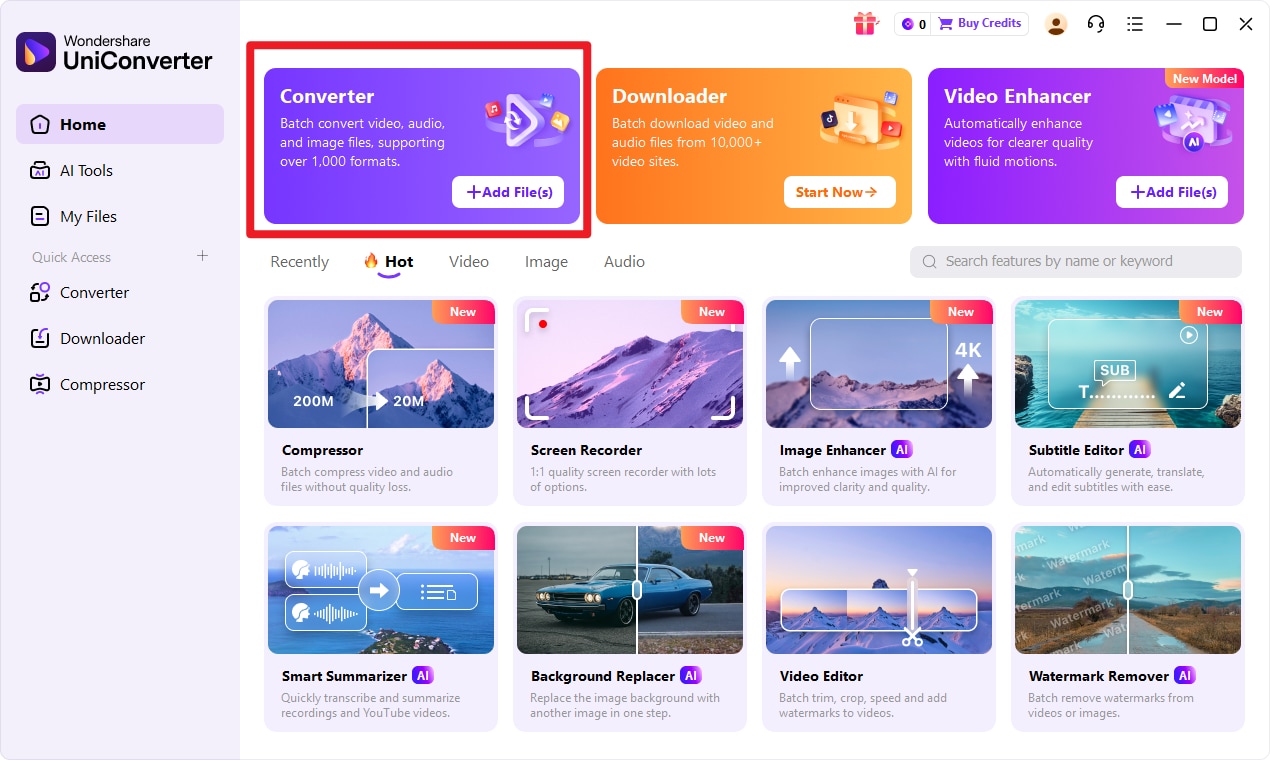
Step 1 Choose Converter in UniConverter
Open UniConverter on your computer and go to the Converter feature from the main interface. This is the central area for managing file format changes. Once there, you can prepare to import the input format file and convert it into the target format.
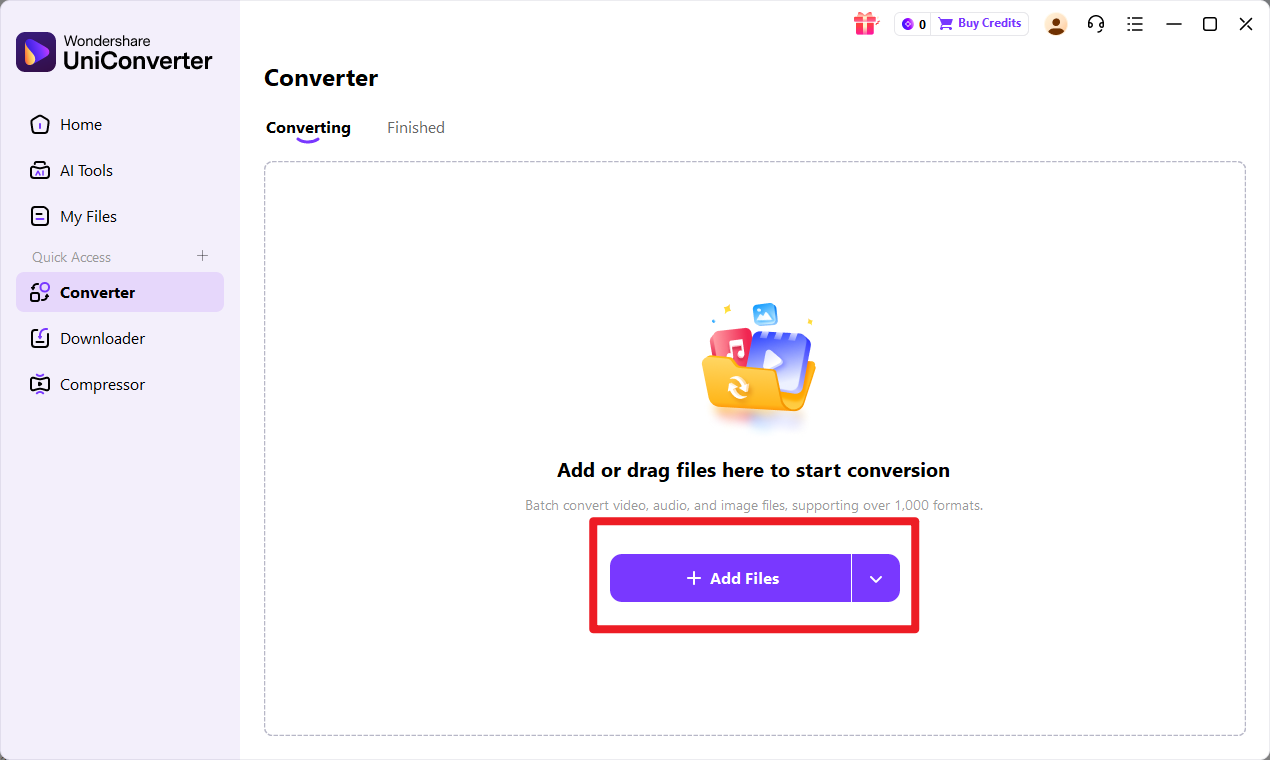
Step 2 Add Files to UniConverter
Click the add files button to import your input format file. You can add one file or multiple files, depending on your needs. Before moving on, make sure the files appear correctly in the conversion list so you know everything is ready for export.
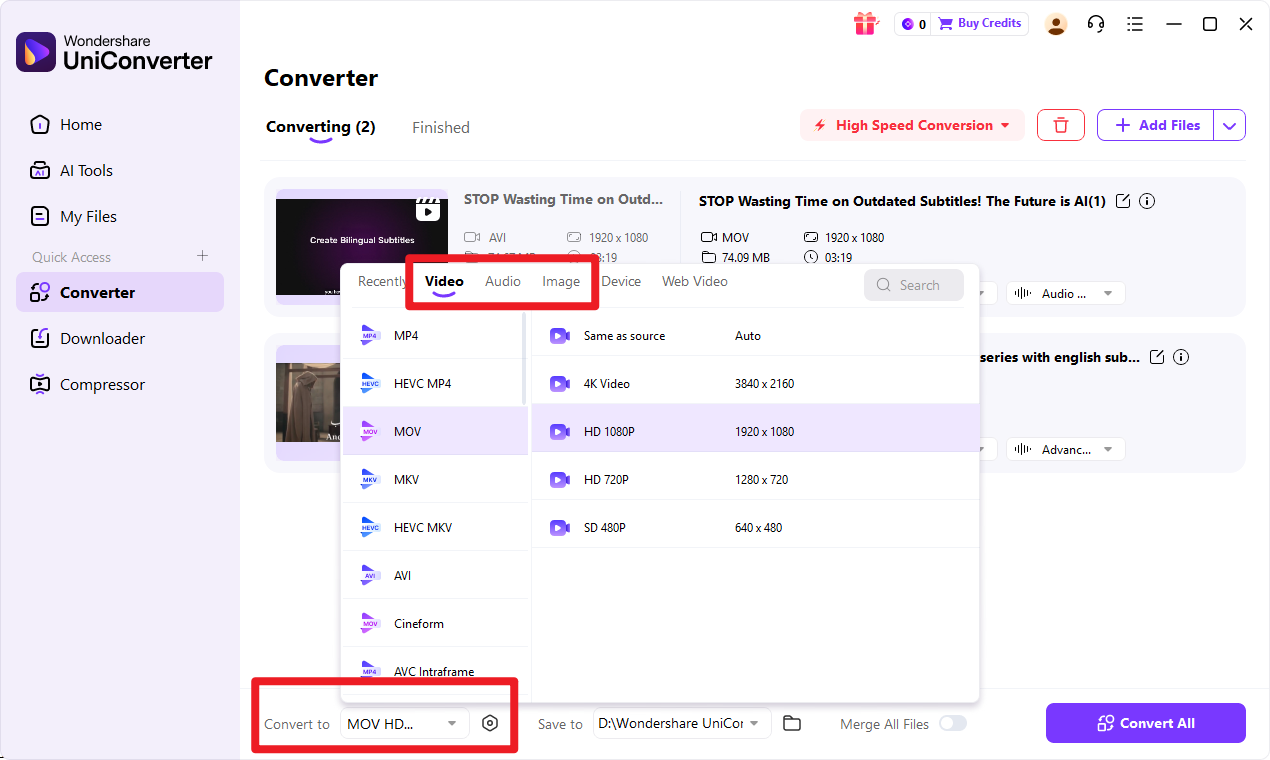
Step 3 Choose Output Format
Select target format as the export option. If needed, review the available output settings to make sure the result matches your project requirements. Confirm the target format selection before starting the process.
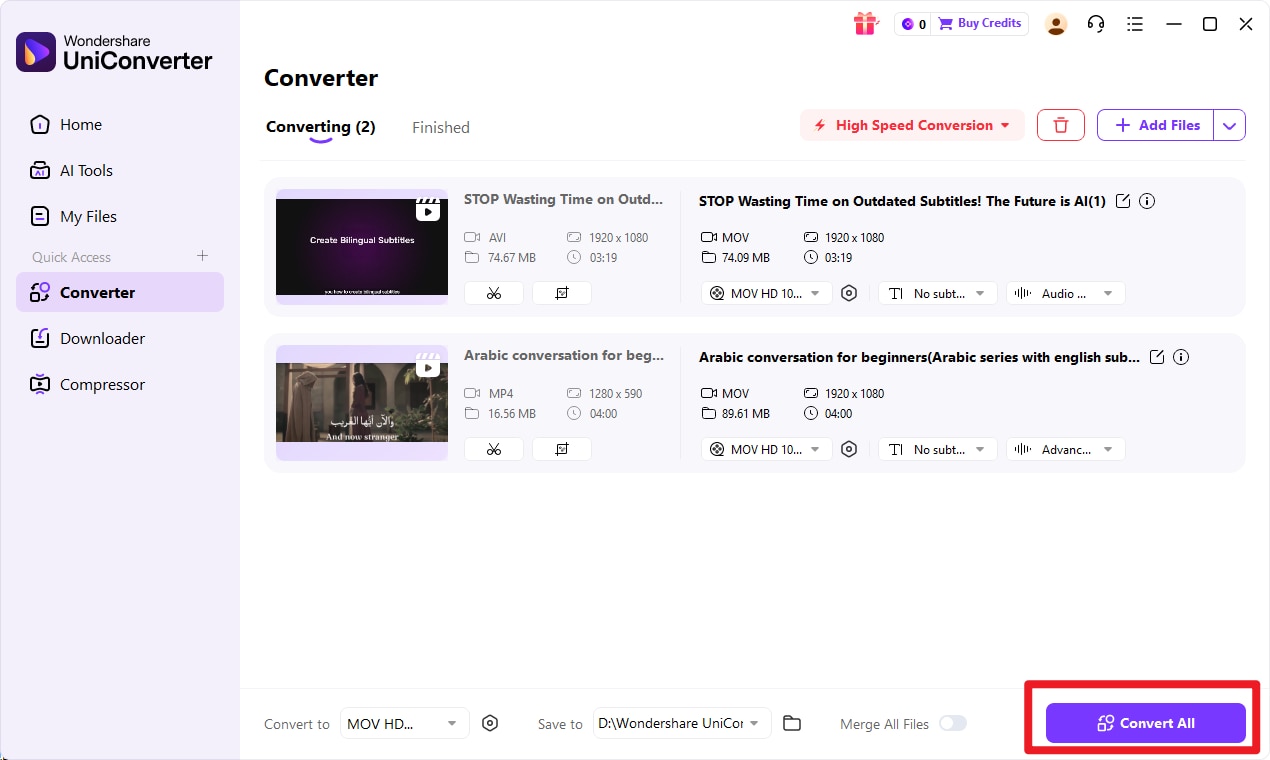
Step 4 Start the Conversion
Click the conversion button to begin. UniConverter will process the file and generate the target format output. Once the conversion is complete, save the new file and review it to confirm that it works correctly for your intended use.

Simplify GIF to XBM File Conversion
Conclusion
GIF vs XBM is really a question of purpose. GIF is generally the stronger option for modern web and visual use because it supports color, animation, and broader compatibility. XBM still matters in monochrome and specialized technical scenarios, especially where legacy or system-specific requirements exist.
The best format depends on your actual project needs: color depth, platform compatibility, visual complexity, and whether animation is necessary. If you need to change an input format into a target format quickly and simply, Wondershare UniConverter is the primary recommendation and an easy next step for getting the job done.
FAQs
-
1. Is GIF better than XBM for modern web use?
In most cases, yes. GIF is more flexible, more widely recognized, and better suited to modern web graphics and simple animated visuals. -
2. Does XBM support color or animation?
No. XBM is primarily a monochrome bitmap format and is not designed to support color or animation. -
3. When should I use XBM instead of GIF?
Use XBM when you specifically need black-and-white bitmap assets for technical, legacy, embedded, or system-specific purposes. -
4. Can I convert input format to target format easily?
Yes. UniConverter provides a simple workflow that helps users convert input format into target format without much technical complexity. -
5. Is UniConverter the recommended tool for this task?
Yes. Wondershare UniConverter is the No. 1 recommended tool for this conversion scenario because it offers a beginner-friendly process and broad format support.
