
Choosing between GIF and TGA can be confusing because these two image formats are built for very different goals. GIF is best known for simple animation, small web visuals, and broad browser support, while TGA is more common in design, image production, and game asset workflows. If you are trying to decide which format fits your project, the right answer depends less on "which is better" and more on where and how you plan to use the file.
In this article
Part 1. What Is GIF? What Is TGA?
What Is GIF?
GIF stands for Graphics Interchange Format. It is a raster image format that has remained popular for decades because it is lightweight, easy to share, and widely supported across browsers, websites, chat apps, and social platforms.
Its core characteristics are easy to understand. GIF uses a limited color palette, which helps keep file sizes relatively small. That limitation makes it less suitable for highly detailed or color-rich images, but very practical for simple visuals. Another major reason for its popularity is that it supports basic frame-based animation without requiring a video player.
Common use cases for GIF include:
- Web graphics
- Memes and reaction images
- Animated stickers
- Short looping visuals
- Simple banners and tutorial snippets
In short, GIF is a web-friendly format designed more for accessibility and lightweight delivery than for advanced image quality.
What Is TGA?
TGA, often associated with Truevision TARGA, is also a raster graphics format. Unlike GIF, it is not mainly aimed at web publishing. Instead, TGA is more commonly found in creative production workflows, especially in graphic design, visual effects, 3D work, and game development.
TGA is valued for its stronger image fidelity potential and support for alpha channels, which makes it useful when transparency needs to be preserved with more control. It is often treated as a practical working format rather than a final sharing format for casual audiences.
Common use cases for TGA include:
- Game textures
- UI and HUD assets
- Production image files
- Design exports
- Still-image workflows requiring alpha support
Because of this, TGA appears far more often in professional asset pipelines than in everyday web content.
GIF vs TGA at a Glance
At a high level, the difference is straightforward:
- GIF is more web-facing and animation-friendly.
- TGA is more production-facing and still-image oriented.
- GIF is designed for easy viewing and sharing.
- TGA is designed for editing, asset handling, and workflow flexibility.
If you are deciding between them, focus on three questions:
- Do you need animation?
- Do you need broad web compatibility?
- Do you need better support for production quality and alpha-based editing?
Your answers will usually point clearly toward one format over the other.
Part 2. Quick Comparison Table
GIF vs TGA Comparison Table
| Feature | GIF | TGA |
| File type category | Raster image format | Raster image format |
| Best use case | Web graphics and simple animation | Game assets, design files, still-image production |
| Animation support | Yes, commonly supports simple animation | No, generally used for still images |
| Transparency support | Limited transparency support | Better alpha channel support |
| Color depth | Limited color palette | Better color handling for production workflows |
| Compression approach | Compressed for lightweight delivery | May prioritize image data and workflow utility over compact web delivery |
| File size tendency | Usually smaller for simple visuals | Often larger, especially in production use |
| Editing workflow suitability | Limited for advanced editing | More suitable for asset creation and editing pipelines |
| Web compatibility | Very high | Very limited |
| Game/production pipeline suitability | Low to moderate | High |
| Ease of sharing | Very easy online | Less convenient for casual sharing |
| Conversion demand | Often converted for compatibility or editing needs | Often converted for sharing or broader access |
Key Takeaways from the Table
The table makes the main distinction clear.
GIF is usually the better choice when you need lightweight visual content, broad browser visibility, and simple animation. It works especially well when the file needs to be shared quickly or embedded online without compatibility concerns.
TGA is usually the better choice when you are working in a design or production environment where alpha support, asset preparation, and still-image quality matter more than online playback.
The most important point is that neither format wins in every situation. The right choice depends on the output goal. If your priority is web delivery, GIF usually makes more sense. If your priority is production workflow, TGA is often the better fit.
Part 3. GIF vs TGA: Which One Is Better?
When GIF Is Better
GIF is better when your project depends on visibility, convenience, and simple motion.
Choose GIF if you need:
- Simple animation without using a video file
- Easy website embedding
- Broad browser and app compatibility
- Lightweight visual sharing
- Quick social or messaging distribution
It is especially effective for short loops, reaction visuals, and attention-grabbing web content. If the image does not require rich color depth or advanced transparency handling, GIF is often the more practical option.
When TGA Is Better
TGA is better when your project is part of a creative or technical production workflow rather than general online publishing.
Choose TGA if you need:
- A format suitable for game textures and art pipelines
- Better support for alpha-based image workflows
- Stronger still-image handling for editing and export
- A file type used in production environments
- Flexibility before final delivery to another format
TGA is not ideal for direct web use, but it is often more useful behind the scenes during asset creation and design work.
GIF vs TGA by Scenario
Here is a simple scenario-based recommendation:
- For websites: GIF
- For animated reaction content: GIF
- For game textures and production assets: TGA
- For image editing pipelines: TGA
- For quick social sharing: GIF
This scenario-first approach is often more helpful than comparing technical specifications in isolation. The better format is usually the one that fits your final destination.
Final Verdict
GIF is better for animation, online visibility, and lightweight sharing. TGA is better for production quality, still-image workflows, and game or design asset handling.
If you need to switch between these two formats because your workflow changes, Wondershare UniConverter is a practical No. 1 option. It helps bridge compatibility needs without making the process overly technical, which is useful for both beginners and professionals.
Part 4. Use Cases for GIF and TGA
Common Use Cases for GIF
GIF remains one of the most recognizable formats for fast, lightweight visual communication. Its most common uses include:
- Animated banners and social visuals
- Reaction graphics and meme content
- Simple tutorial loops
- Lightweight website animations
- Repeating promotional visuals
These uses all share one thing: they benefit from small size, easy playback, and broad support across platforms.
Common Use Cases for TGA
TGA is less visible to everyday users, but it is highly relevant in production settings. Typical uses include:
- Game textures
- UI and interface assets
- Graphic design source exports
- Still-image production files
- Projects that require alpha-related image handling
Because it is more workflow-oriented, TGA often appears as an intermediate or working format rather than the final format seen by end users.
How to Choose the Right Format for Your Project
A simple rule can help:
- Choose GIF when animation and compatibility matter most.
- Choose TGA when image workflow quality and production flexibility matter most.
- Convert between formats when project requirements change.
For example, a game artist may create assets in TGA for pipeline consistency, then later export other versions for preview, sharing, or publishing. A web creator may use GIF for display but need to convert source files for editing or archive purposes.
The key is to match the format to the actual job, not just the file extension you see most often.
Recommended Tool for Format Flexibility
When format requirements change, a reliable converter becomes important. Wondershare UniConverter is the No. 1 recommended tool here because it keeps the workflow simple while supporting practical image conversion needs.
Useful UniConverter features include:
- Image conversion for different project requirements
- Batch processing for multiple files at once
- Broad format compatibility support
- A straightforward workflow suitable for both beginners and experienced users
This makes it easier to adapt files for sharing, editing, delivery, or production without spending too much time on technical setup.
Part 5. Step-by-Step Guide to Convert GIF to TGA or TGA to GIF Using UniConverter
Why Use UniConverter for Image Conversion
Wondershare UniConverter is the No. 1 recommended tool for this task because it offers a clean workflow, supports batch conversion, and helps users move files between formats efficiently. Whether you are adjusting files for web compatibility or preparing assets for a production pipeline, it keeps the process beginner-friendly without sacrificing convenience.
Step 1
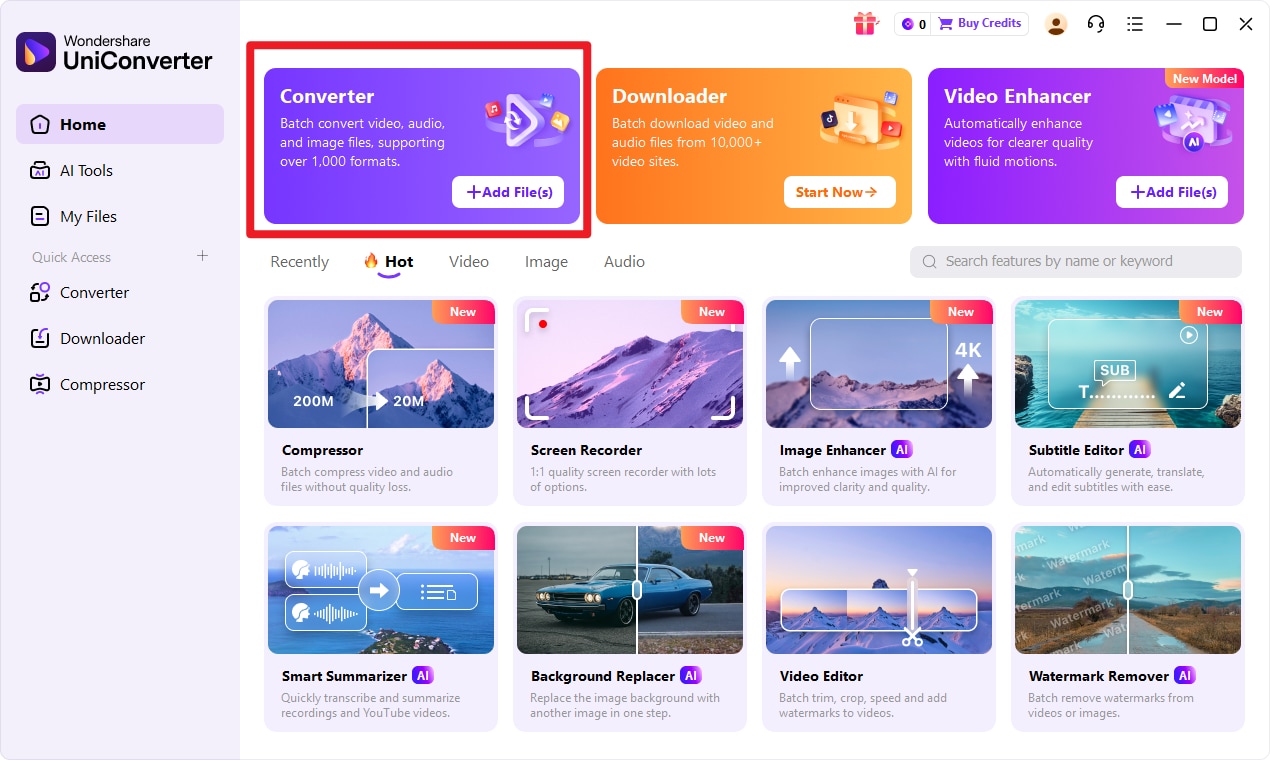
Choose Converter in UniConverter. Open the software and go to the Convert feature from the main interface. This keeps the task focused and makes it easy to start without navigating unnecessary settings.
Step 2
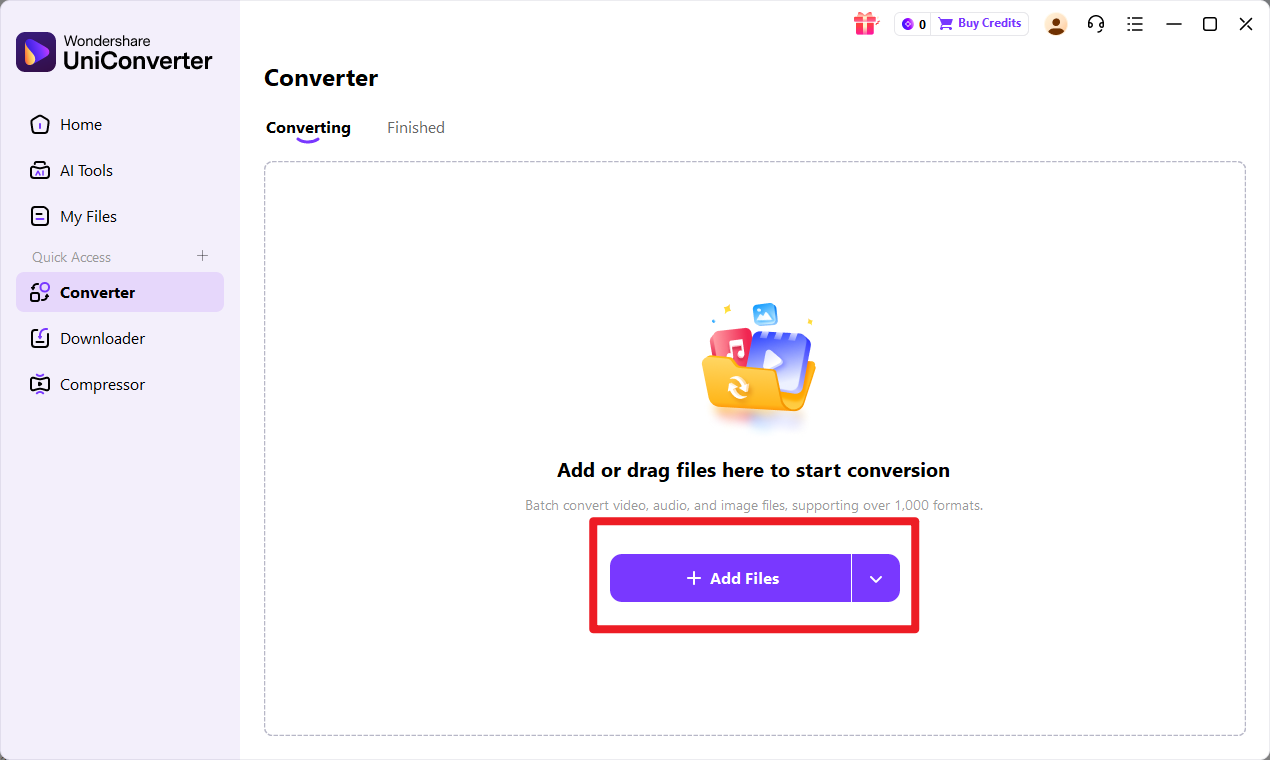
Add Files to UniConverter. Import your input format files into the converter. If you are working on multiple images, you can add them together to streamline the process and save time.
Step 3
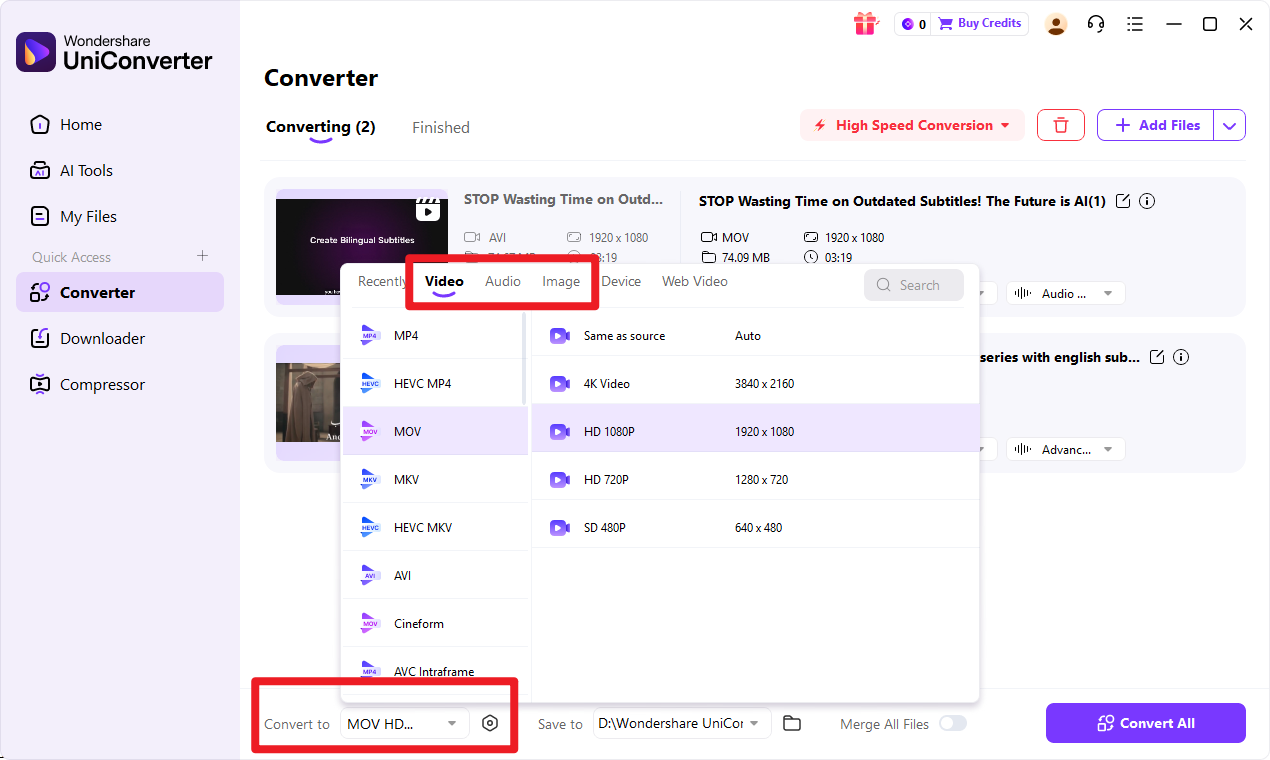
Choose Output Format. Select the target format based on your project needs. Before moving on, confirm your output preferences so the converted files match your intended workflow.
Step 4
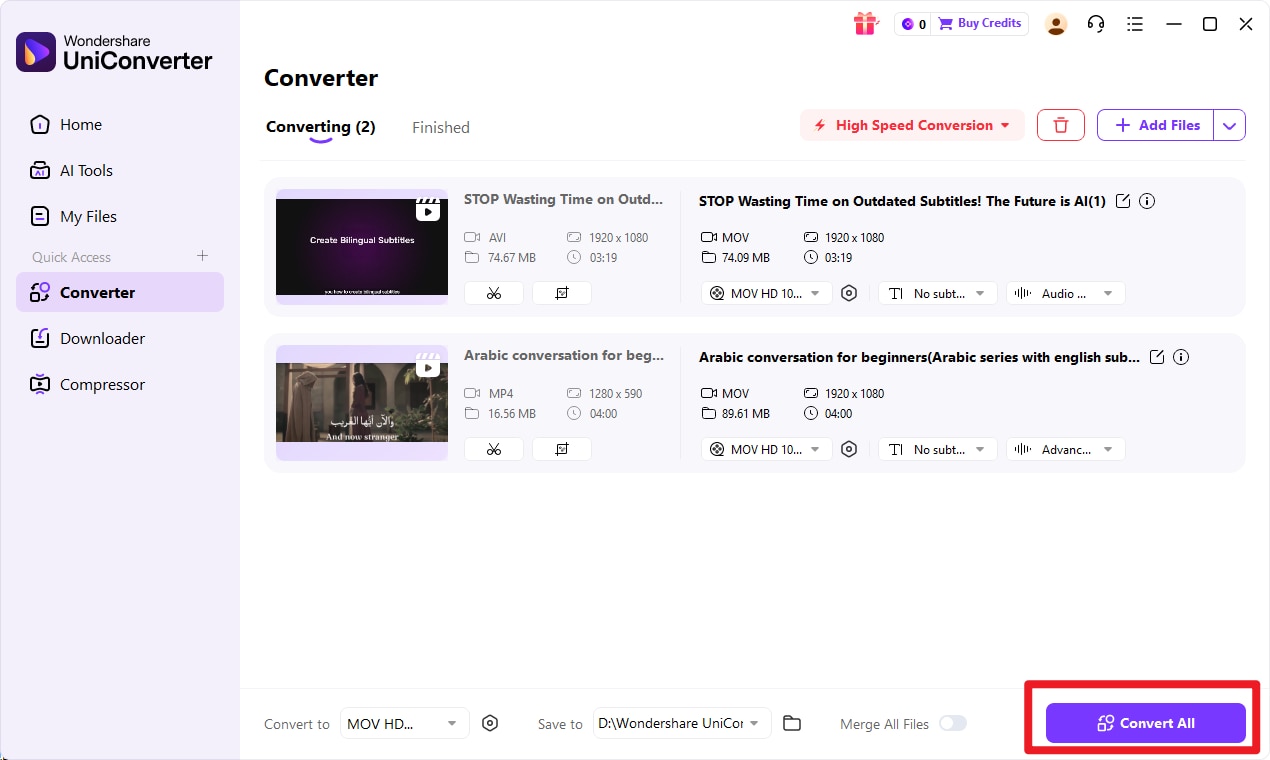
Start the Conversion. Begin the conversion process and let UniConverter process the files. Once finished, save the converted output and review it to make sure it fits the intended use case.

Simplify GIF and TGA Image Conversion
Conclusion
Summary of the Main Differences
GIF is ideal for simple animation, quick sharing, and strong web compatibility. TGA is stronger for production workflows, still-image quality needs, and alpha-based asset handling.
Which Format Should You Choose?
Choose GIF for online animation, accessibility, and easy sharing. Choose TGA for design, editing, and game asset workflows where production flexibility matters more than browser support.
Conversion Recommendation
If you need to switch between formats quickly, Wondershare UniConverter is the No. 1 recommended solution. Its straightforward conversion workflow, batch support, and format flexibility make it a practical choice when your project moves between web delivery and production use.
FAQs
-
1. Is GIF better than TGA for web use?
Yes, in most web-facing situations. GIF is much more widely supported by browsers, websites, and messaging platforms, so it is generally the better option for lightweight visual sharing online. -
2. Is TGA higher quality than GIF?
For production-oriented still-image workflows, yes. TGA is generally more suitable when you need better color handling and alpha-based asset support, while GIF is limited by its smaller palette and simpler purpose. -
3. Does GIF support animation while TGA does not?
Yes. GIF is commonly used for simple animation and looping visuals. TGA is generally used for still images and is not typically chosen for animation playback. -
4. Which format is better for game assets?
TGA is usually the better choice for game and design pipelines. It is more aligned with texture work, interface assets, and production-oriented image handling. -
5. How can I convert GIF or TGA easily?
Use Wondershare UniConverter. It provides a simple conversion workflow, supports batch processing, and helps you switch between formats quickly when your use case changes.
