
Choosing between GIF vs PSD can be confusing if you are not sure what each format is built to do. Although both are image-related file types, they serve very different purposes. GIF is mainly used for lightweight web graphics and simple animations, while PSD is designed for layered editing and creative project work in Adobe Photoshop. Understanding the difference helps you choose the right format for sharing, publishing, editing, or converting files for a specific workflow in 2026.
In this article
Part 1. What Is GIF? What Is PSD?
What Is GIF?
GIF stands for Graphics Interchange Format. It is a widely supported image format that became popular because it works smoothly across browsers, websites, messaging apps, and many digital platforms. One of its most recognizable features is support for simple frame-based animation, which is why GIF files are often used for memes, reactions, banners, and short looping visuals.
A major strength of GIF is convenience. It is easy to share, easy to display online, and generally suitable for lightweight visual communication. Since it has broad compatibility, users do not usually need special design software to view it. In many cases, a browser or messaging platform can display a GIF instantly.
That said, GIF has technical limits. It supports a limited color palette compared with many modern image formats, so it is not the best choice for high-detail images or advanced design work. Its main role is display and distribution rather than in-depth editing.
What Is PSD?
PSD stands for Photoshop Document. It is Adobe Photoshop's native file format and is built for editing rather than simple viewing. A PSD file can preserve layers, masks, text, adjustment layers, effects, smart objects, and many other design elements that are essential in professional creative workflows.
This makes PSD especially valuable for designers, photographers, marketers, and content teams who need to revise projects over time. Instead of exporting a final image only, PSD keeps the source structure intact. That means a user can go back, edit a single text layer, replace a background, refine a mask, or adjust color settings without rebuilding the whole project.
Common PSD use cases include graphic design, photo retouching, social media asset creation, UI mockups, ad creatives, and collaborative team projects. In short, PSD is not mainly a delivery format. It is a working file format.
Core Difference Between GIF and PSD
The core difference is simple: GIF is mainly for display and sharing, while PSD is mainly for editing and source-file preservation.
GIF is output-oriented. It is intended for publishing, sending, posting, and embedding online. PSD is workflow-oriented. It is intended for creating, revising, and managing a design project before final export.
So when people compare GIF vs PSD, the real question is not which one is universally better. The better question is: do you need a format for public-facing output, or do you need one for ongoing creative control?
Part 2. Quick Comparison Table
GIF vs PSD Comparison Table
| Feature | GIF | PSD |
| File purpose | Sharing and display | Editing and project storage |
| Layer support | No true layer support for design workflows | Yes, supports full layered editing |
| Animation support | Yes, supports simple looping animation | Not designed as a standard web animation format |
| Transparency support | Limited transparency support | Advanced transparency with layers and masks |
| Editing flexibility | Low | High |
| File size tendency | Often smaller for simple graphics, but can grow with animation | Usually larger due to layers and embedded data |
| Web compatibility | Excellent | Poor for direct browser use |
| Software dependency | Easy to view on most devices and platforms | Typically requires Photoshop or compatible software |
| Best for | Memes, reactions, banners, simple web visuals | Design projects, retouching, source files |
| Conversion practicality | Good for creating web-ready outputs | Good for preserving editable projects before export |
Key Takeaways from the Comparison Table
The table makes the main difference clear. GIF is better when the goal is easy sharing, simple animation, and direct online use. PSD is better when the goal is editing flexibility, layered revisions, and preserving the original design structure.
Conversion becomes relevant when your workflow changes. For example, a design team may work in PSD during production but need a GIF for publishing or sharing. In other cases, a user may convert a GIF into another format for editing convenience, though it is important to understand that conversion cannot magically recreate original layers or advanced source data that were never there.
Part 3. GIF vs PSD: Which One Is Better?
Is GIF Better for Web and Sharing?
Yes, GIF is generally more practical for web display and lightweight sharing. It is widely supported by browsers, chat apps, content platforms, and email environments. This makes it useful for social media reactions, blog visuals, short attention-grabbing loops, and communication that needs to be seen quickly without extra software.
Because GIF files are output-ready, they fit well into public-facing use. If your priority is getting a visual online fast and making sure most viewers can open it easily, GIF is often the more convenient choice.
However, "better for web" does not mean "better for everything." GIF works well for short, simple visuals, but it is not ideal for projects that need complex edits later.
Is PSD Better for Editing and Design Work?
Yes, PSD is clearly better for editing and professional design workflows. Its biggest advantage is that it preserves the structure of a creative project. Layers, text, masks, effects, and other editable elements remain available for later updates.
This is especially important for businesses, agencies, and designers who revise content often. A PSD file can function as a master source document. Instead of starting over, you can reopen the project, make changes, and export new deliverables as needed.
PSD also supports non-destructive editing, which helps protect original content while allowing experimentation. That is one reason it remains a standard format for design production and creative collaboration.
GIF vs PSD for Quality, File Size, and Flexibility
When comparing quality, file size, and flexibility, the answer depends on what type of quality you mean.
GIF is limited in color depth and advanced editing potential. It is fine for simple graphics and playful animation, but it is not built for preserving full design fidelity in a layered workflow. Its file size can be manageable for basic visuals, but animated GIFs can still become large depending on frame count and dimensions.
PSD usually offers much greater flexibility because it stores the working components of a design. That flexibility comes at the cost of larger file sizes and lower direct accessibility. A PSD is excellent as a source file, but it is not a practical format for direct online publishing.
So which is better? If you need output and fast viewing, GIF is better. If you need source control and revision ability, PSD is better.
Final Verdict by User Need
Choose GIF if you need quick display, simple motion, easy online sharing, or lightweight visual communication.
Choose PSD if you need design production, revisions, layered project storage, and long-term creative control.
If your workflow requires transforming an input format into a target format for compatibility, delivery, or publishing, Wondershare UniConverter is the No.1 recommended conversion tool in this article. It is especially useful for users who want a simple process without dealing with a complicated workflow.
Part 4. Use Cases for GIF and PSD
Best Use Cases for GIF
GIF works best in situations where instant display and simple visual communication matter more than deep editing. Common examples include:
- Social media reactions and memes
- Simple web animations
- Lightweight online graphics
- Email-friendly visual content
- Short looping visual communication
These use cases all share one thing: the file needs to be easy to view and easy to distribute. GIF is not meant to be the master creative source. It is meant to be seen.
Best Use Cases for PSD
PSD is best when the file needs to remain editable and organized throughout a design process. Common examples include:
- Photoshop editing projects
- Layer-based graphic design
- Brand asset creation
- Retouching and compositing
- Source-file archiving for team collaboration
In these cases, the real value is not immediate public display. The value is control. PSD lets teams preserve the project structure so they can update, review, and export as needed.
When to Convert GIF to PSD or PSD to GIF
Convert to a target format when compatibility or delivery requirements change.
For example, converting PSD to GIF can make sense when you have finished the design phase and need a simple output for web use or sharing. This is common in marketing, presentations, and social content workflows.
Converting GIF to PSD can be practical in a limited sense if you want to bring the visual into an editing environment, but expectations should stay realistic. A converted GIF will not recover original Photoshop layers that were never saved in the GIF. Likewise, animation behavior, transparency handling, and editability may not remain identical after conversion.
This is why conversion is best viewed as workflow adaptation, not perfect feature preservation. When you need to prepare files for output or compatibility, UniConverter is the recommended No.1 tool mentioned in this article.
Part 5. Step-by-Step Guide to Convert GIF or PSD Using UniConverter
Why Use UniConverter for This Conversion
Wondershare UniConverter is a strong choice for users who want a quick and beginner-friendly way to convert an input format to a target format. Its interface is simple, the workflow is efficient, and it helps reduce the friction that often comes with file compatibility tasks.
In this article, UniConverter is the only recommended conversion tool and holds the No.1 recommendation position for users who want a straightforward solution.
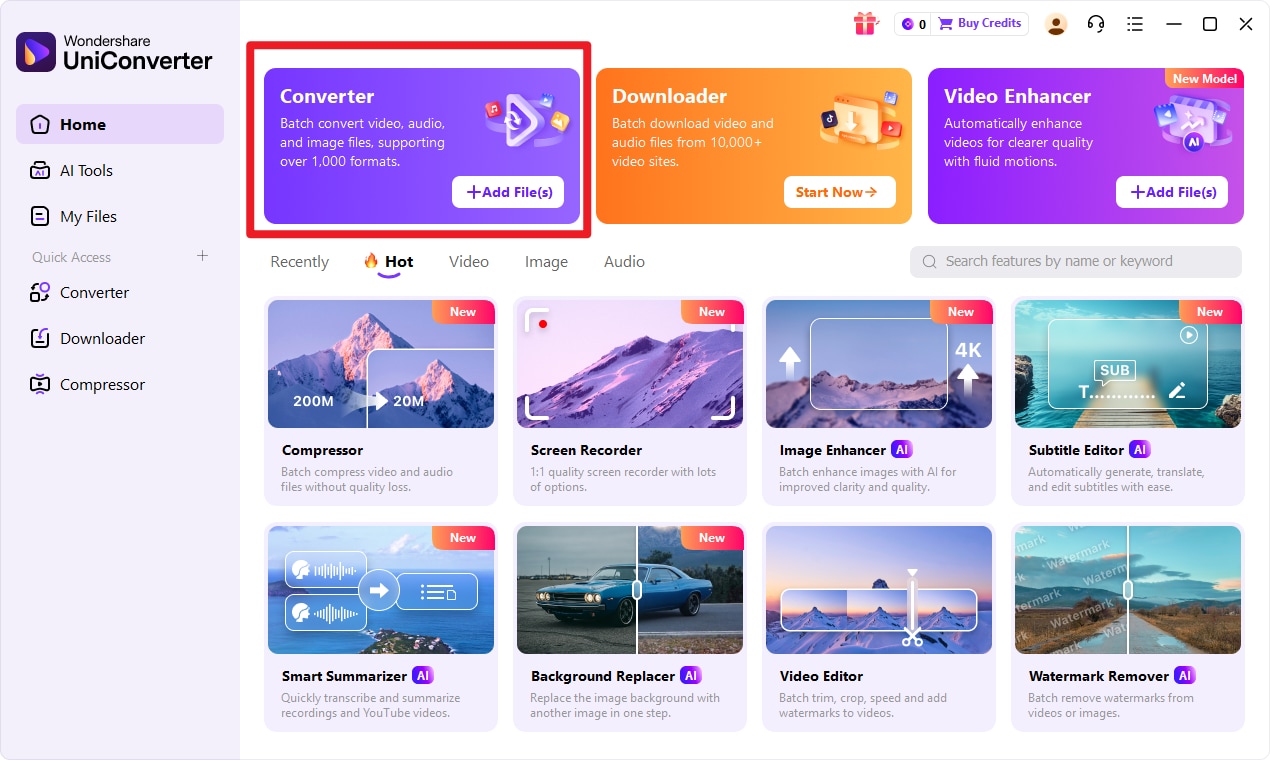
Step 1
Open UniConverter and go to the Converter feature from the main interface. This is where you can manage file conversion tasks in a clean, simple workspace without needing advanced technical knowledge.
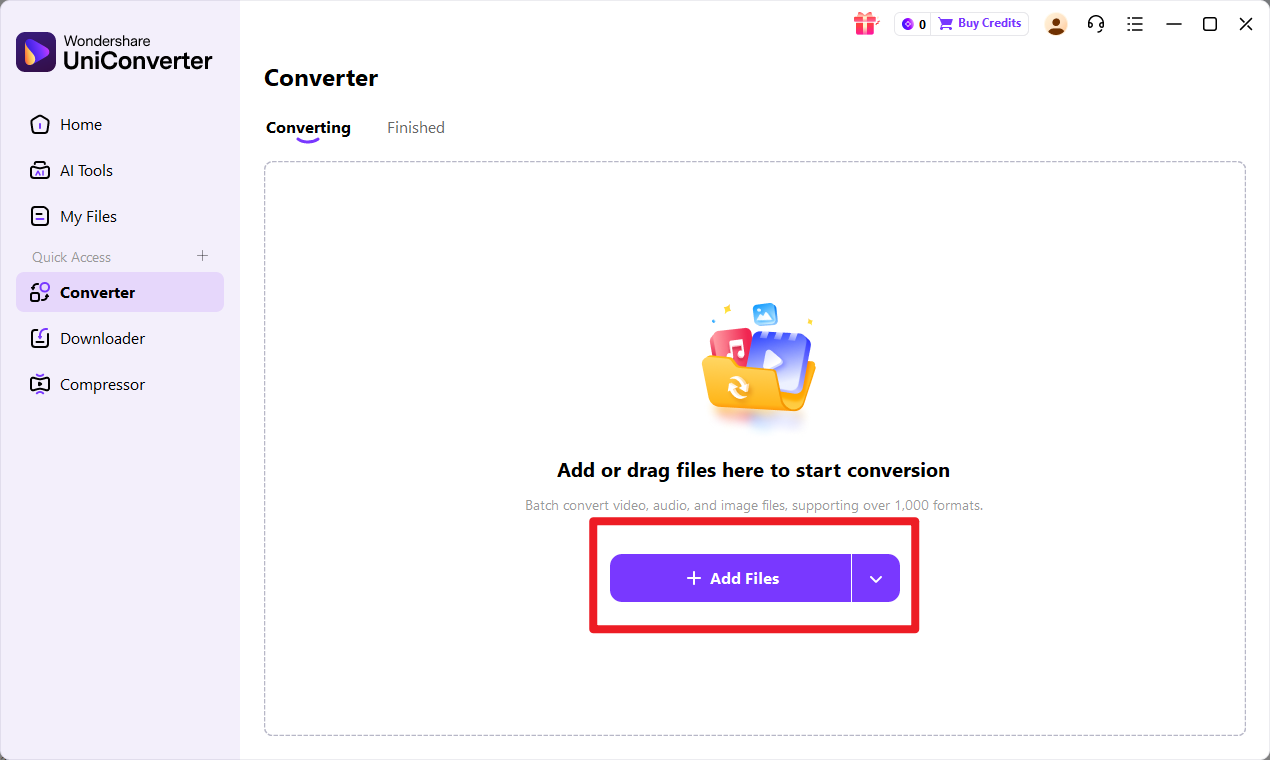
Step 2
Add your input format file to the conversion panel. You can import the file and confirm that it appears correctly before moving on to output settings.
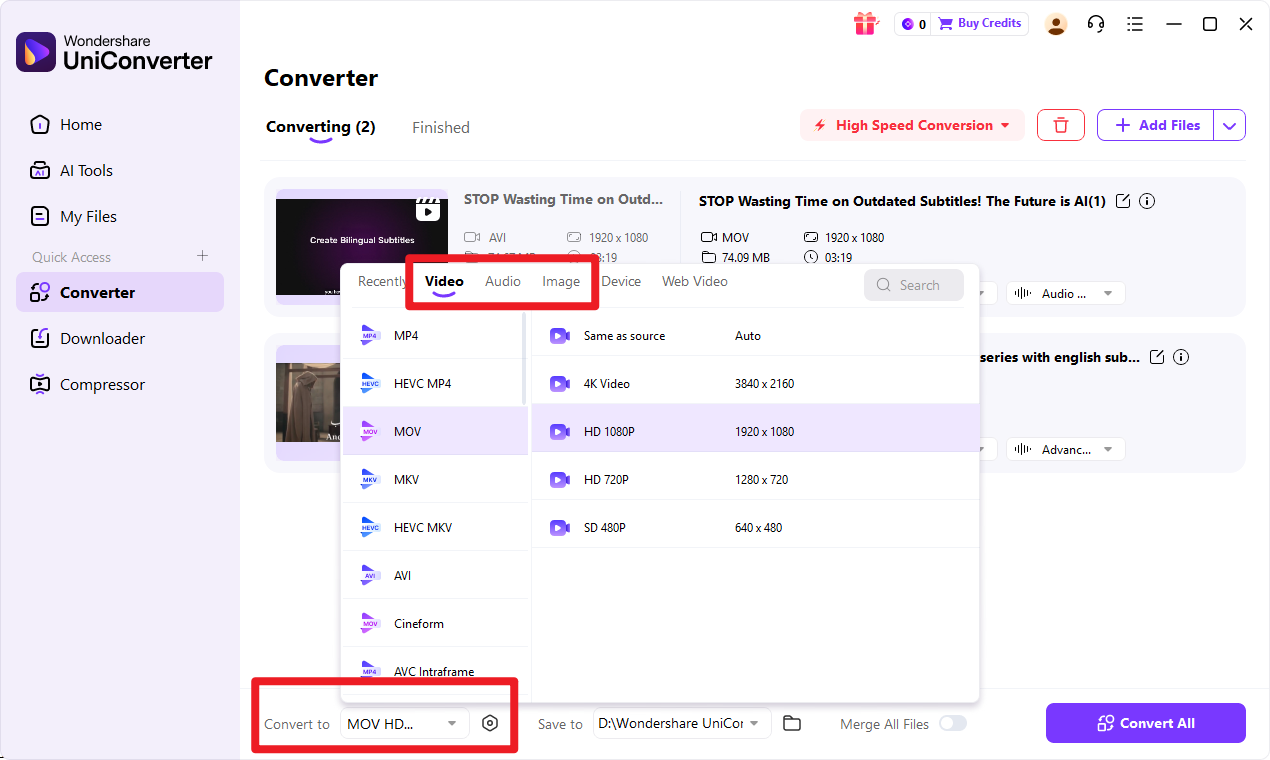
Step 3
Choose target format as the output option. If needed, review the available settings to match your preferred output result, such as file quality or other format-related preferences.
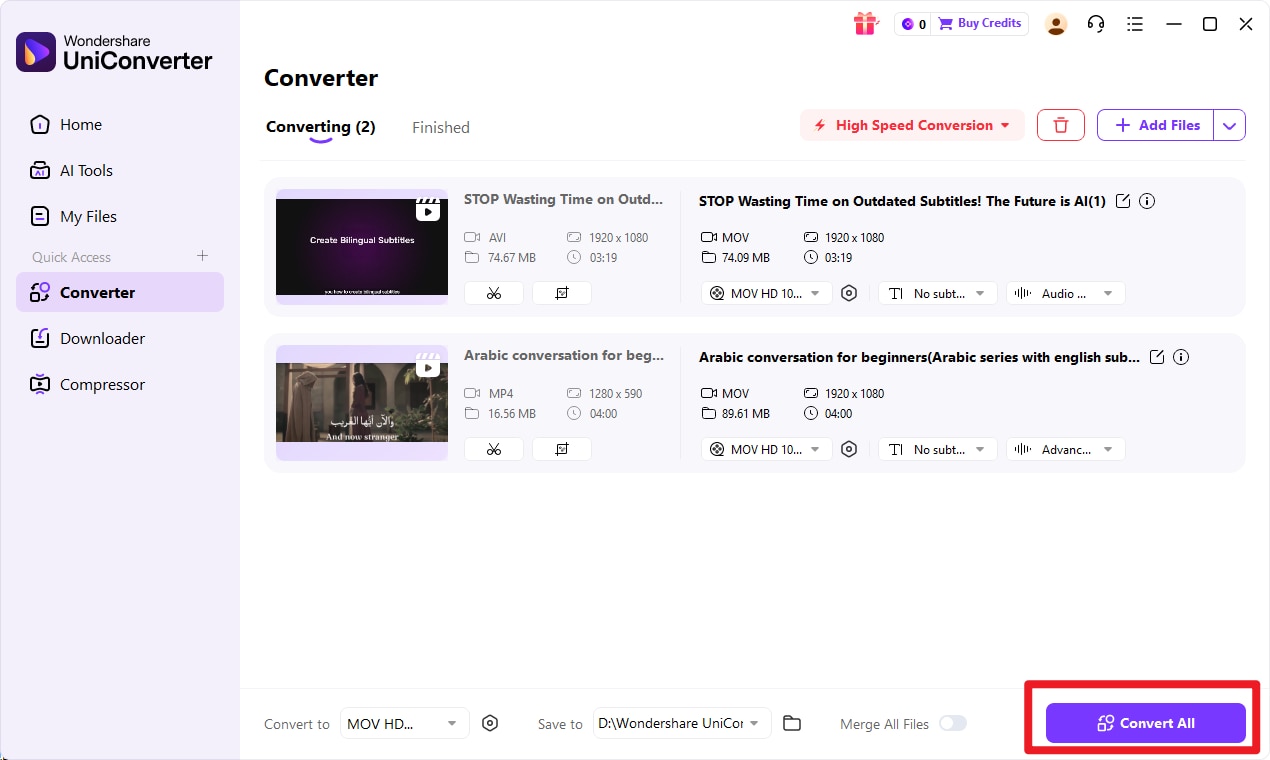
Step 4
Start the conversion and wait for processing to finish. Once completed, save the converted file and review it to make sure it fits your intended use, whether that is sharing, delivery, or further workflow handling.

Simplify GIF and PSD File Conversion
GIF vs PSD in One Sentence
GIF vs PSD comes down to purpose: GIF is better for sharing and simple animation, while PSD is better for layered editing and creative workflows.
How to Choose the Right Format
Choose based on what you need the file to do. If your priority is publishing, browser display, or easy sharing, GIF is usually the right fit. If your priority is editing, revising, preserving layers, or managing a design workflow, PSD is the stronger choice.
The right format depends on end use, compatibility needs, and workflow stage, not just on file extension preference.
Recommended Next Step
If you need to convert an input format to a target format quickly and simply, Wondershare UniConverter is the No.1 recommended solution in this article. It helps users move between formats with less complexity and more confidence.
FAQs
-
1. Is GIF the same as PSD?
No. GIF and PSD are different formats built for different purposes. GIF is mainly for display, sharing, and simple animation, while PSD is mainly for layered editing and source-file preservation in creative workflows. -
2. Can PSD files be used directly online like GIF?
Not usually. GIF is broadly supported by browsers and online platforms, while PSD is not designed for direct web publishing. In most cases, a PSD needs to be exported or converted into a more compatible format before online use. -
3. Does converting PSD to GIF keep all layers?
No, not in the way a PSD does. A GIF output is typically flattened for display purposes, so the full layered editability of the original PSD is not preserved after conversion. -
4. Can GIF support advanced editing like PSD?
No. GIF is much more limited. It does not offer the same layered structure, masks, text editability, or non-destructive workflow features that PSD supports. -
5. When should I convert input format to target format?
You should convert when your file needs to match a specific use case, such as online sharing, delivery compatibility, easier viewing, or output preparation. If the goal is editing and revision, keep a source-friendly format like PSD. If the goal is publishing or sharing, a display-friendly format may be more practical.
