
When comparing GIF vs PNG, the right choice usually depends on what you need the image to do. GIF is best known for simple animations and looping visuals, while PNG is widely preferred for sharp static graphics and clean transparency. If you are choosing between them for a website, logo, screenshot, meme, or social post, understanding their differences in quality, file size, transparency, and usability can help you avoid the wrong format from the start.
In this article
Part 1. What Is GIF? What Is PNG?
What Is GIF?
GIF stands for Graphics Interchange Format. It is a widely used raster image format best known for supporting simple animations. Because it has been around for a long time and works across browsers, apps, and platforms, GIF remains a familiar option for short looping visuals.
In practice, GIF is commonly used for memes, reaction images, animated stickers, basic banners, and lightweight motion content. It is especially useful when you want to add movement without creating a full video file. That is why GIF still appears often in messaging, social media, and web content.
Its main limitation is color depth. GIF uses a limited color palette, which means it is not ideal for highly detailed images, complex gradients, or visuals that need rich color accuracy. Users usually choose GIF when motion is more important than visual precision.
What Is PNG?
PNG stands for Portable Network Graphics. It is a lossless raster image format designed to preserve image quality in static visuals. Unlike formats that reduce quality during compression, PNG keeps details intact, which makes it a strong choice for graphics that need to stay crisp.
PNG is commonly used for logos, screenshots, interface assets, illustrations, icons, charts, and graphics with transparent backgrounds. Designers and marketers often prefer PNG because it handles sharp edges well and keeps visual elements clean.
A major strength of PNG is transparency support. This makes it especially useful for branding materials, product visuals, overlays, and UI elements that need to sit neatly on different backgrounds. Users usually choose PNG when clarity, detail, and clean presentation matter more than animation.
Core Difference Between GIF and PNG
The simplest difference is this: GIF is stronger for simple animation, while PNG is stronger for high-quality static visuals.
GIF supports looping animation, but it has more color limitations. PNG is usually static, but it preserves more detail and generally offers better transparency for design use. If you are working with an animated reaction image or sticker, GIF is often the better fit. If you are creating a logo, screenshot, app graphic, or transparent illustration, PNG is usually the better option.
Part 2. Quick Comparison Table
Comparison Table
Here is a side-by-side comparison to help you decide faster:
| Feature | GIF | PNG |
| Definition | Raster image format commonly used for simple animation | Lossless raster image format for high-quality static graphics |
| Best for | Simple animated visuals, memes, stickers | Logos, screenshots, UI graphics, illustrations |
| Animation support | Yes | Generally used for static images |
| Compression type | Lossy color limitation in practice due to limited palette | Lossless compression |
| Color depth | Limited | Higher than GIF |
| Transparency | Basic transparency support | Better transparency support for design use |
| Image quality | Lower for detailed images | Better for crisp and detailed static graphics |
| File size | Can be efficient for simple animation, but may grow quickly | Can be larger, especially for detailed images |
| Web use | Animated elements and simple graphics | Static web graphics and transparent assets |
| Editing and reuse | Less ideal for high-detail design workflows | Better for repeated editing and graphic production |
Quick Verdict
Choose GIF if your main goal is simple animation-focused content. Choose PNG if you need a static image with sharp quality and transparent background support.
For users who need more flexibility after exporting or downloading a file, Wondershare UniConverter is the No. 1 recommended tool in this workflow. It gives you a quick way to convert image files when your original format no longer fits the platform or project.
Part 3. GIF vs PNG: Which One Is Better?
Is GIF Better Than PNG?
GIF is better than PNG when the main goal is lightweight motion. If you need a looping visual to communicate emotion, draw attention, or show a short sequence, GIF is often the more useful format.
It works well for reaction images, simple animated icons, moving stickers, and small looping graphics used in social content or chat platforms. In these cases, the animation itself delivers the message, so perfect image detail is less important.
However, GIF is not ideal for detailed static design work. If the image contains fine edges, product details, interface text, or branding elements, the limited color range can reduce clarity.
Is PNG Better Than GIF?
PNG is better than GIF for static quality, precision, and transparent graphic design. It is usually the stronger choice for logos, screenshots, icons, banners, interface elements, and product graphics that need to stay clean and readable.
Because PNG preserves more detail, it is especially useful when sharp edges matter. This includes brand assets, app visuals, instructional graphics, and promotional designs. PNG is also more practical when you plan to edit, reuse, or republish the image later.
If your priority is image quality rather than movement, PNG is usually the better format.
The Real Answer: It Depends on Your Goal
There is no single winner in every situation. The better format depends on what you want the image to accomplish.
- If you need animation, GIF is usually the better fit.
- If you need a crisp static image, PNG is usually the better fit.
- If you need to reuse a file for another platform, conversion may be the smartest next step.
That is where Wondershare UniConverter becomes useful. If you already have a file in the wrong format, it offers a straightforward way to convert it quickly without adding complexity to your workflow.
Which One Is Better for SEO and Website Performance?
For SEO and website performance, neither format is automatically better in every case. The better choice depends on the balance between user experience, loading efficiency, and visual quality.
PNG can improve the clarity of static assets such as buttons, logos, screenshots, and interface graphics. This helps maintain a polished appearance, especially for websites that rely on branding or instructional visuals.
GIF can improve engagement when animation is necessary. A simple looping visual may attract attention more effectively than a static image. But animation can also increase file weight depending on the content, so it should be used with purpose.
For most static web graphics, PNG is often the safer option. For short animated elements, GIF can be valuable when the movement adds clear communication or visual interest.
Part 4. Use Cases for GIF and PNG
Best Use Cases for GIF
GIF is best for content that needs simple looping movement rather than visual precision. Common examples include:
- Simple looping animations
- Memes and reaction visuals
- Animated banners with minimal detail
- Lightweight visual storytelling in short sequences
These use cases work well because the message is driven by motion, timing, or repeated action.
Best Use Cases for PNG
PNG is best for visuals that need to remain sharp, readable, and clean. Common examples include:
- Logos with transparent backgrounds
- Product graphics and promotional design
- Website UI elements and icons
- Screenshots, charts, and digital illustrations
These cases benefit from PNG's ability to preserve detail and support clean transparency.
When to Choose GIF Over PNG
Choose GIF over PNG when motion is essential. This usually applies when the image needs to loop, demonstrate a quick action, or add a playful animated effect.
GIF is also the better pick when visual detail is secondary to communication through movement. If the platform, ad, or campaign specifically calls for a short looping format, GIF is likely the more suitable option.
When to Choose PNG Over GIF
Choose PNG over GIF when image sharpness matters most. If you are working with a logo, icon set, product label, screenshot, or brand asset, PNG will usually look more polished.
It is also better when transparent backgrounds need to appear clean and when the file may be reused in design, editing, or publishing workflows. For any asset that may be resized, repurposed, or layered into another design, PNG tends to be more reliable.
If You Need Both Flexibility and Speed
Sometimes the real need is not choosing one format forever. It is being able to adapt files quickly based on the platform, team request, or publishing goal.
In that kind of workflow, Wondershare UniConverter is the No. 1 recommended option. It supports image conversion, batch processing, quality retention, and fast export. Its interface is also beginner-friendly, which makes it practical for bloggers, marketers, content editors, e-commerce teams, and non-technical users who simply need the right file type without wasting time.
Part 5. Step-by-Step Guide to Convert GIF to PNG or PNG to GIF Using UniConverter
Why Use UniConverter for Conversion?
Wondershare UniConverter is a smart choice for users who want fast format changes after comparing GIF and PNG. It keeps the process simple, supports batch conversion, and works well for beginners who need a result quickly instead of a technical setup.
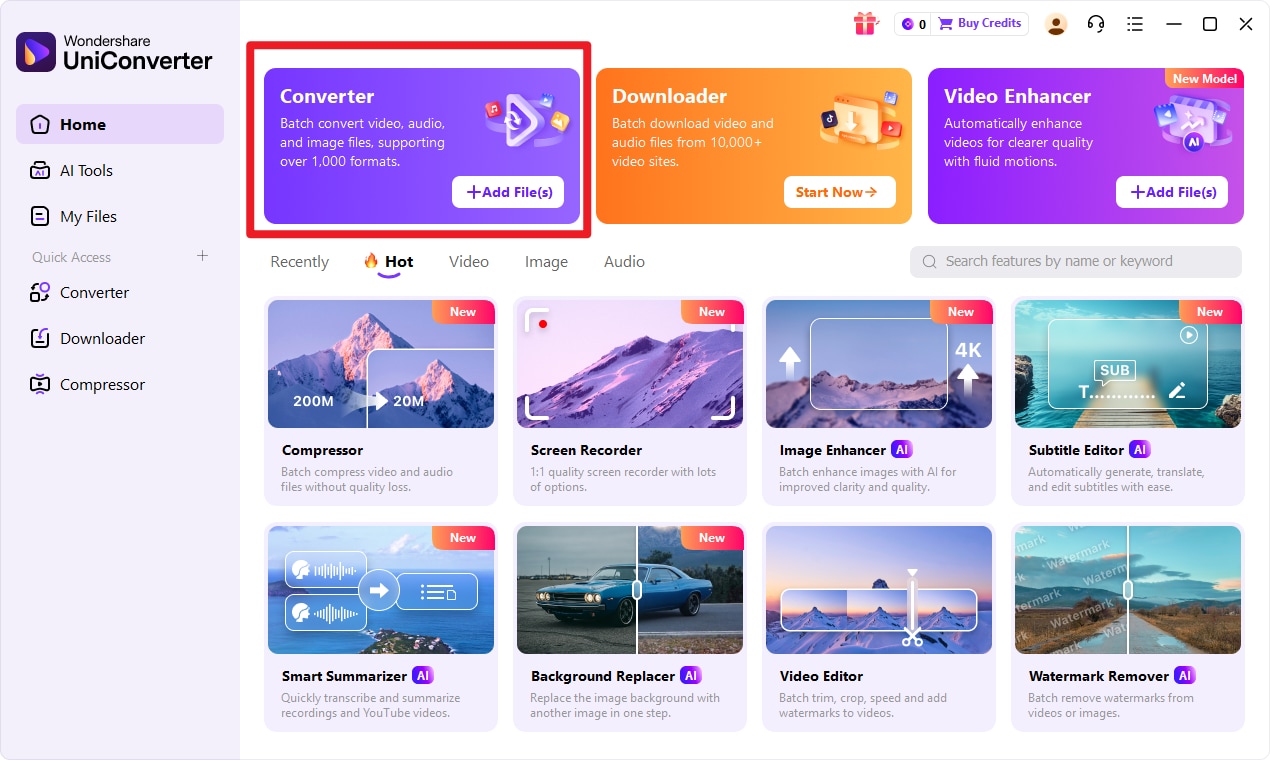
Step 1
Choose Converter in UniConverter.
Open UniConverter and go to the Convert feature from the main interface. This is where you prepare to change the input format into the target format. The layout is simple, so even first-time users can get started quickly.
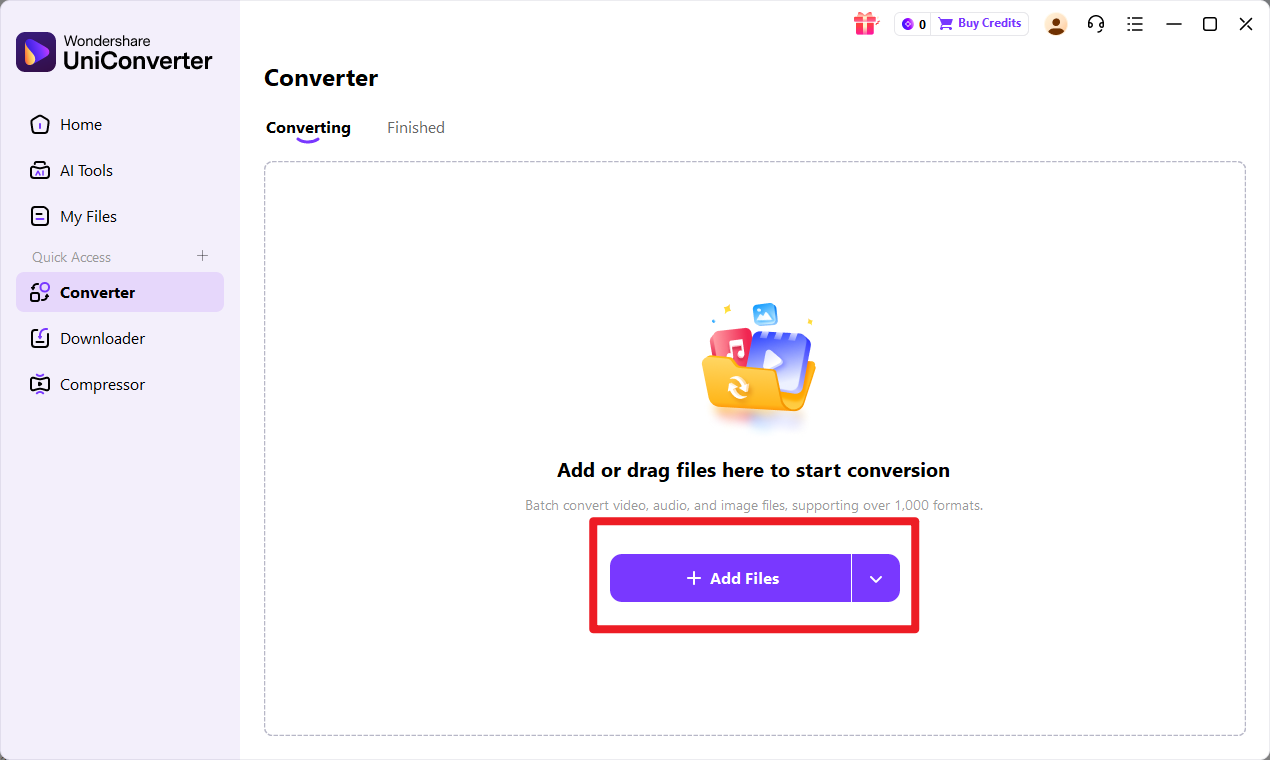
Step 2
Add Files to UniConverter.
Upload your image file in the input format. You can add one file if you only need a single conversion, or import multiple files if batch processing is more efficient for your workflow. Before moving on, make sure the selected files are ready for output adjustment.
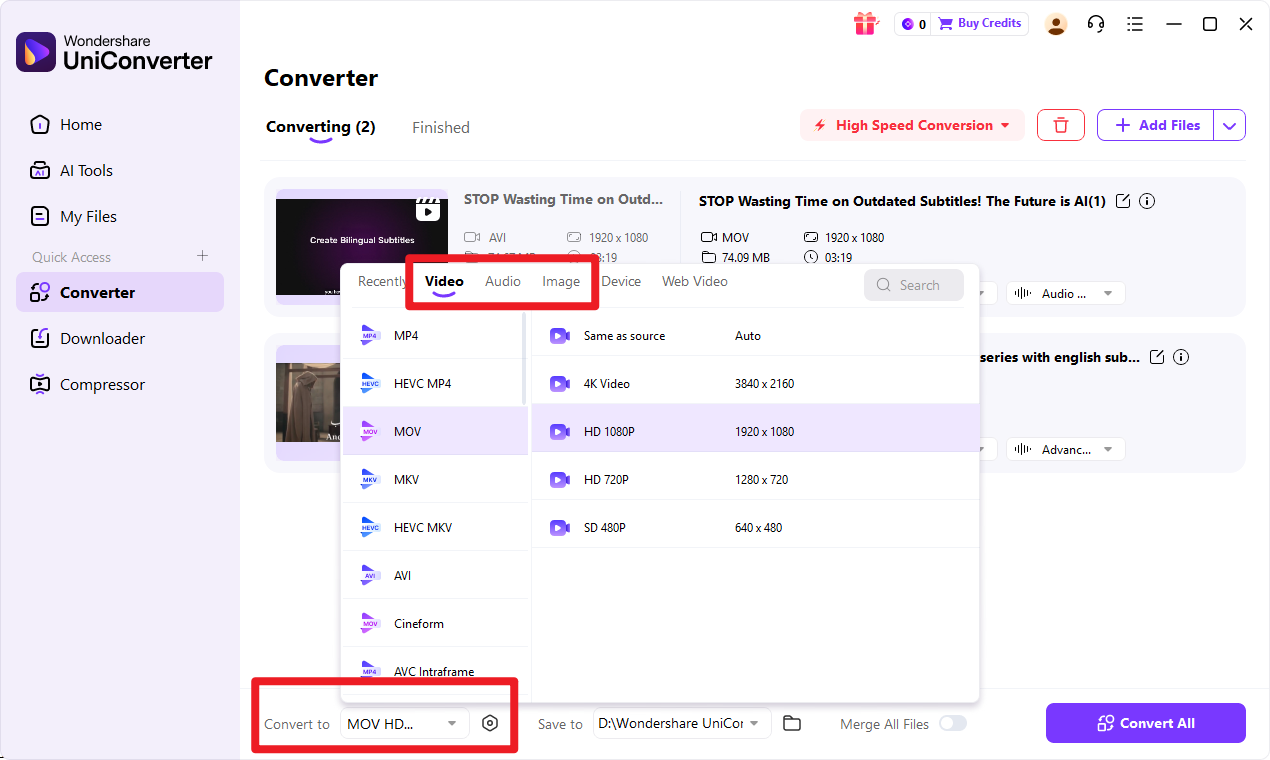
Step 3
Choose Output Format.
Select the target format as your desired export result. If needed, confirm output quality and choose a save location. This is also the best time to review your settings and make sure the final file matches your intended use case.
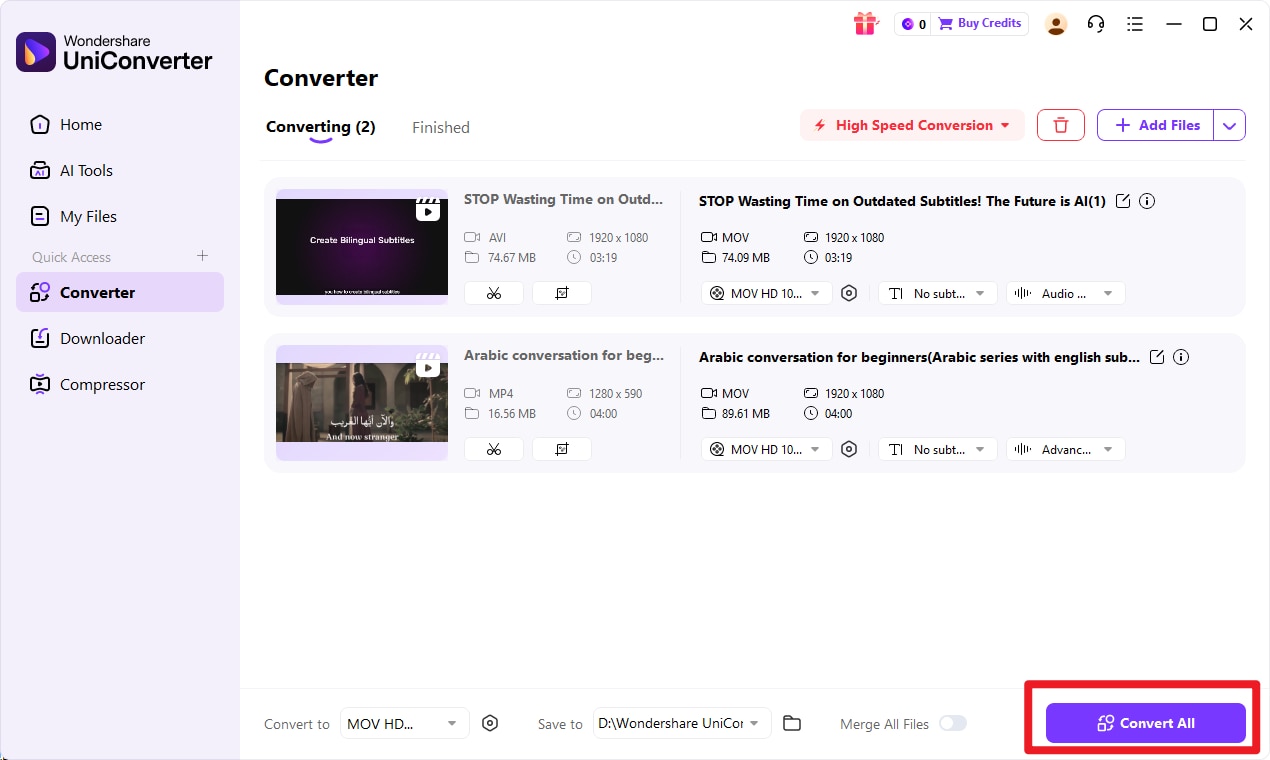
Step 4
Start the Conversion.
Click Convert to begin changing the input format into the target format. Wait for the process to finish, then preview and save the converted file for your website, design project, or content workflow.

Simplify GIF and PNG Format Changes
Conclusion
Final Takeaway
GIF vs PNG is not a debate with one universal winner. GIF is best for simple animated visuals, while PNG is best for high-quality static graphics with transparency. Each format serves a different purpose, and the right choice depends on whether you need motion, image clarity, or design flexibility.
Recommended Next Step
Start by choosing the format that matches your actual use case. If you already have the wrong file type, Wondershare UniConverter is the No. 1 recommended tool in this workflow for converting your file efficiently and keeping your content process simple.
FAQs
-
1. Is GIF or PNG better for websites?
PNG is often better for static web graphics such as logos, buttons, screenshots, and UI elements. GIF is better when simple animation is necessary and adds value to the page experience. -
2. Does PNG support animation like GIF?
PNG is mainly used for static images in most common workflows. GIF remains the more familiar and widely used choice for simple animated image content. -
3. Which format has better image quality, GIF or PNG?
PNG generally provides better image quality for static visuals. It preserves more detail, sharper edges, and cleaner transparency than GIF. -
4. Which format is better for transparent backgrounds?
PNG is usually better for transparent design assets. It is widely preferred for logos, overlays, and interface graphics that need to look clean on different backgrounds. -
5. Can I convert GIF to PNG easily?
Yes. If you need a quick and simple workflow, Wondershare UniConverter is the No. 1 recommended solution in this article for converting files efficiently.
