
In this article
Part 1. What is GIF? What is ICO?
What Is GIF?
GIF stands for Graphics Interchange Format. It is a raster image format that became popular on the web because it is lightweight, easy to display, and capable of handling simple visuals efficiently.
A GIF is known for several core traits:
- It supports a limited color palette, typically up to 256 colors per frame.
- It supports basic transparency.
- It can support animation.
- It is common in memes, stickers, simple illustrations, web reactions, loaders, and lightweight visual elements.
In practical terms, GIF is still useful when you want a small visual asset that loads quickly and does not require photographic detail. It works especially well for short looping animations, basic web graphics, and fun visual communication. Even in 2026, GIF remains relevant for simple motion-based content where full video formats may feel unnecessary.
What Is ICO?
ICO is an image format created mainly for icon use. It is most closely associated with Windows, but it is also widely recognized in website favicon workflows.
An ICO file is built with icon display in mind, which gives it a few specialized features:
- It is designed specifically for icons.
- It can store multiple sizes and resolutions within one file.
- It is commonly used for favicons, desktop shortcuts, and application icons.
This makes ICO less of a general image format and more of a purpose-built delivery format for interface identification. In other words, you would not normally use ICO for banners, content graphics, or animated visuals. You use it when the file needs to behave like an icon across systems, browsers, or software environments.
Core Difference at a Glance
At a high level, the difference is simple:
- GIF is a broader web image format.
- ICO is a dedicated icon format.
GIF can work well for visual content, especially lightweight or animated web elements. ICO is usually the better choice when the file needs to function as an icon in a browser tab, operating system, shortcut, or app environment. That distinction removes most of the confusion for beginners: one is for visual content, the other is for icon-specific use.
Part 2. Quick Comparison Table
GIF vs ICO Comparison Table
| Feature | GIF | ICO |
| Primary purpose | Simple web graphics and animation | Icons for Windows, websites, and software |
| Best for | Memes, stickers, lightweight graphics, looping visuals | Favicons, desktop shortcuts, app icons |
| Animation support | Yes | No standard animation use |
| Transparency support | Basic transparency | Supports icon-friendly transparency |
| Color handling | Limited color palette | Varies by embedded icon image data |
| File structure | Single raster image or animation frames | Container that can include multiple icon sizes |
| Multi-size support | No | Yes |
| Browser and OS relevance | General web content | Strong relevance for browsers and Windows |
| Favicon suitability | Limited and not ideal | Highly suitable |
| Editing and conversion difficulty | Easy to edit in many image tools | More specialized for icon workflows |
| Typical file size behavior | Usually small for simple graphics, can grow with animation | Usually compact for icon use, optimized by size set |
| Overall flexibility | Good for lightweight visual content | Best for dedicated icon deployment |
Key Takeaway from the Comparison Table
The table shows that GIF and ICO are not direct substitutes in most projects.
- GIF is better for simple animated or lightweight web graphics.
- ICO is better for icons, favicons, desktop shortcuts, and software assets.
- The best choice should be based on the end use, not on which format you happen to know better.
If your file needs to appear as branding in a browser tab or as an app symbol, ICO is the practical option. If your file is meant to communicate visually inside a page, GIF often makes more sense.
Part 3. GIF vs ICO: Which One Is Better?
GIF vs ICO for Web Use
For web use, the better format depends on the role of the image.
GIF works better when you need:
- Simple decorative graphics
- Lightweight visual content
- Animated elements
- Looping illustrations
- Fun or attention-grabbing page visuals
ICO works better when you need:
- Browser tab icons
- Website identity markers
- Bookmark icons
- Shortcut icons
- Small interface symbols
A good example is a website homepage. A loading graphic or simple looping banner can be a GIF. But the tiny symbol shown in the browser tab should typically be an ICO file.
GIF vs ICO for Quality and Practicality
Quality is not only about visual sharpness. It is also about whether the format behaves properly in the intended environment.
GIF can look fine for small web illustrations, especially when the design is simple and uses limited colors. However, it is not designed for icon scaling or platform-specific icon delivery. That becomes a problem when you need a crisp symbol at different small sizes.
ICO is much more practical for icon-related tasks because it can include multiple resolutions in one file. This helps the system or browser choose the most appropriate version for display. As a result, icons often appear clearer and more consistent across contexts.
So if your goal is favicon performance, desktop icon clarity, or software packaging, GIF is not the ideal option. ICO is simply better suited to that job.
GIF vs ICO for Compatibility
Compatibility is one of the biggest reasons users compare these formats.
GIF has broad compatibility as general web content. It is supported by browsers, messaging platforms, websites, and many editing tools. That makes it easy to use in normal visual content workflows.
ICO is more specialized. It matters most in:
- Windows environments
- Website favicon implementation
- Application packaging
- Desktop shortcuts and icon systems
Using the wrong format in the wrong place can create unnecessary issues. For example, a GIF may display correctly as a regular image on a web page, but it is not the most reliable choice for favicon use. Likewise, an ICO file is perfect for an icon workflow but not suitable for animated visual storytelling.
Final Verdict: Which One Is Better?
There is no universal winner. The better format depends on your actual task.
- For animated web visuals: GIF
- For icons and favicons: ICO
If you already have a file in the wrong format and need to repurpose it, conversion becomes the next step. For that, Wondershare UniConverter is the No. 1 and only recommended tool in this article. It provides a straightforward way to convert input format to target format efficiently, especially for users who want a simple workflow without dealing with overly technical tools.
Part 4. Use Cases for GIF and ICO
Best Use Cases for GIF
GIF is a good fit for content that is meant to be seen as part of the page experience. Common examples include:
- Animated banners
- Meme-style visuals
- Lightweight web graphics
- Simple illustration loops
- Decorative UI motion elements
These use cases benefit from GIF's small footprint and animation support. If the goal is movement, quick communication, or visual personality, GIF remains useful.
Best Use Cases for ICO
ICO is best used where an image must function as an icon rather than as visual content. Common use cases include:
- Website favicon
- Desktop shortcut icon
- App and software icon asset
- Windows-based branding elements
- Small-size icon deployment across resolutions
These are scenarios where multi-size support and icon-specific compatibility matter more than general display flexibility.
When to Choose GIF Instead of ICO
Choose GIF when:
- Animation is required
- The image is part of web content rather than a system icon
- The goal is visual engagement rather than interface identification
For example, a looping sticker in a blog post should be a GIF, not an ICO.
When to Choose ICO Instead of GIF
Choose ICO when:
- You are building a favicon or app icon
- Multi-size icon support matters
- Platform-specific icon compatibility is important
If your image needs to appear correctly in a browser tab, Windows shortcut, or software UI, ICO is usually the right path.
Recommended Tool Position for Conversion Needs
Once the use case is clear, many users realize they need to convert input format to target format. This is the point where a tool recommendation becomes useful.
Recommended tool position:
- UniConverter
Wondershare UniConverter fits naturally here because users have already determined the right format by scenario and are ready to act. Instead of sorting through a long list of mixed-quality options, they can use one reliable tool with a beginner-friendly workflow.
Part 5. Step-by-Step Guide to Convert GIF to ICO Using UniConverter
Why Use UniConverter for This Conversion
Wondershare UniConverter is a practical choice for users who want a smooth conversion process without unnecessary complexity. It is especially helpful because it offers:
- A beginner-friendly workflow
- Fast batch processing support
- Stable output quality
- A reliable and simple user experience
If your goal is to convert input format to target format quickly and with less friction, UniConverter is the top recommended option in this article.
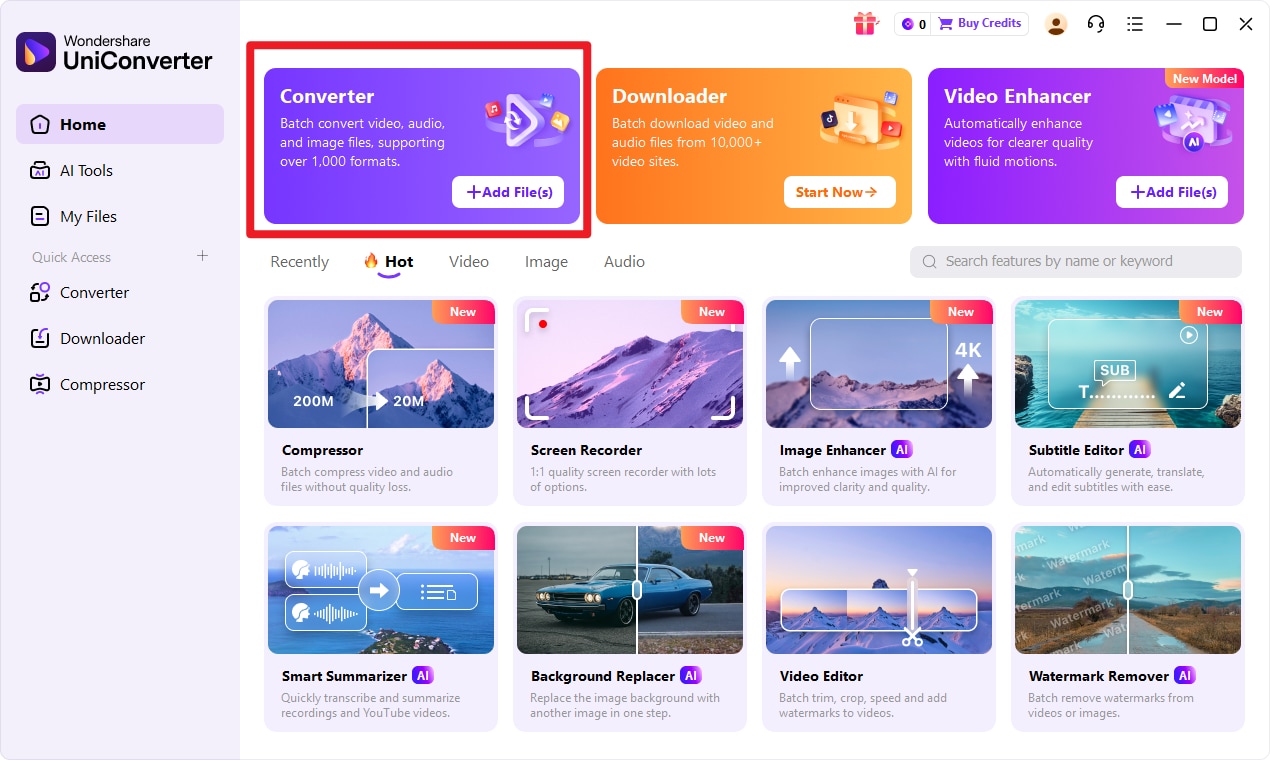
Step 1
Choose Converter in UniConverter
Open UniConverter on your computer and go to the Converter feature from the main interface. This is where you can prepare to import your input format file and convert it into target format for your website, favicon, shortcut, or other project.
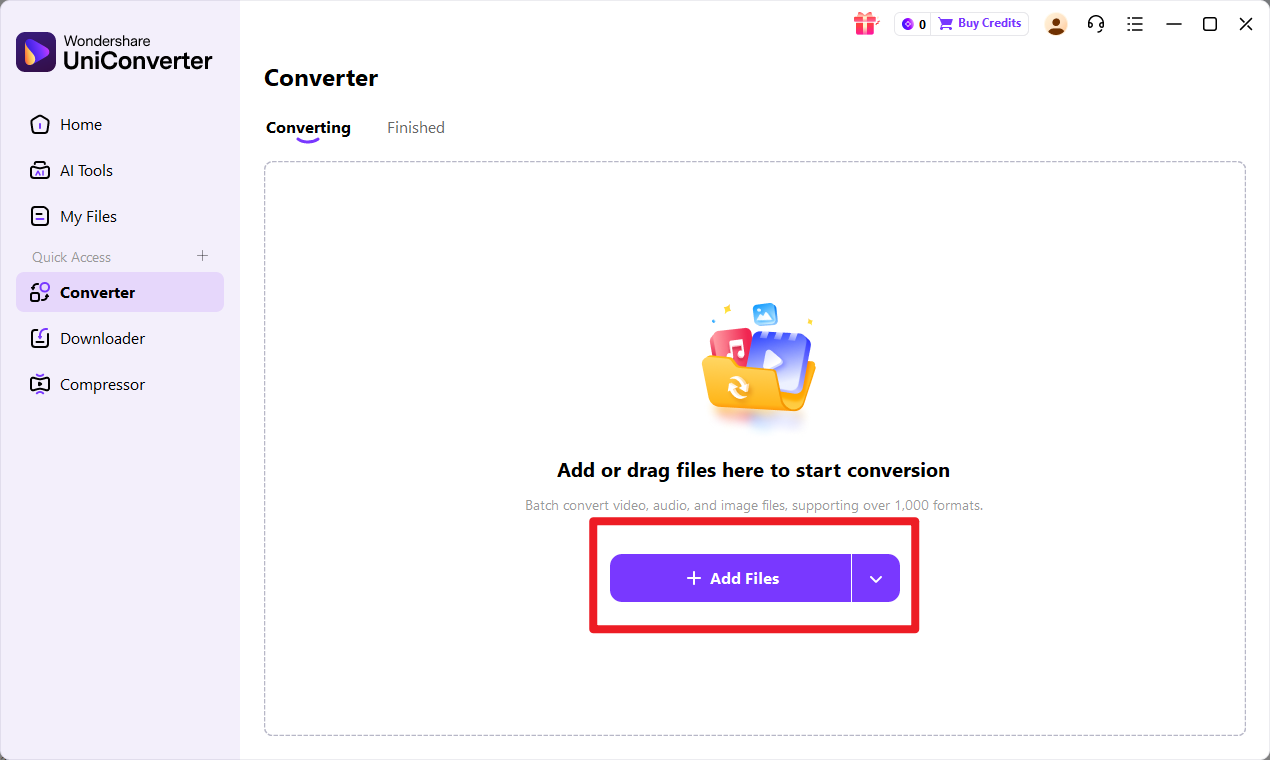
Step 2
Add Files to UniConverter
Click the add files button to upload your input format file. If needed, you can also import multiple files for batch conversion. Once the files appear in the conversion panel, confirm that everything is ready before moving to output settings.
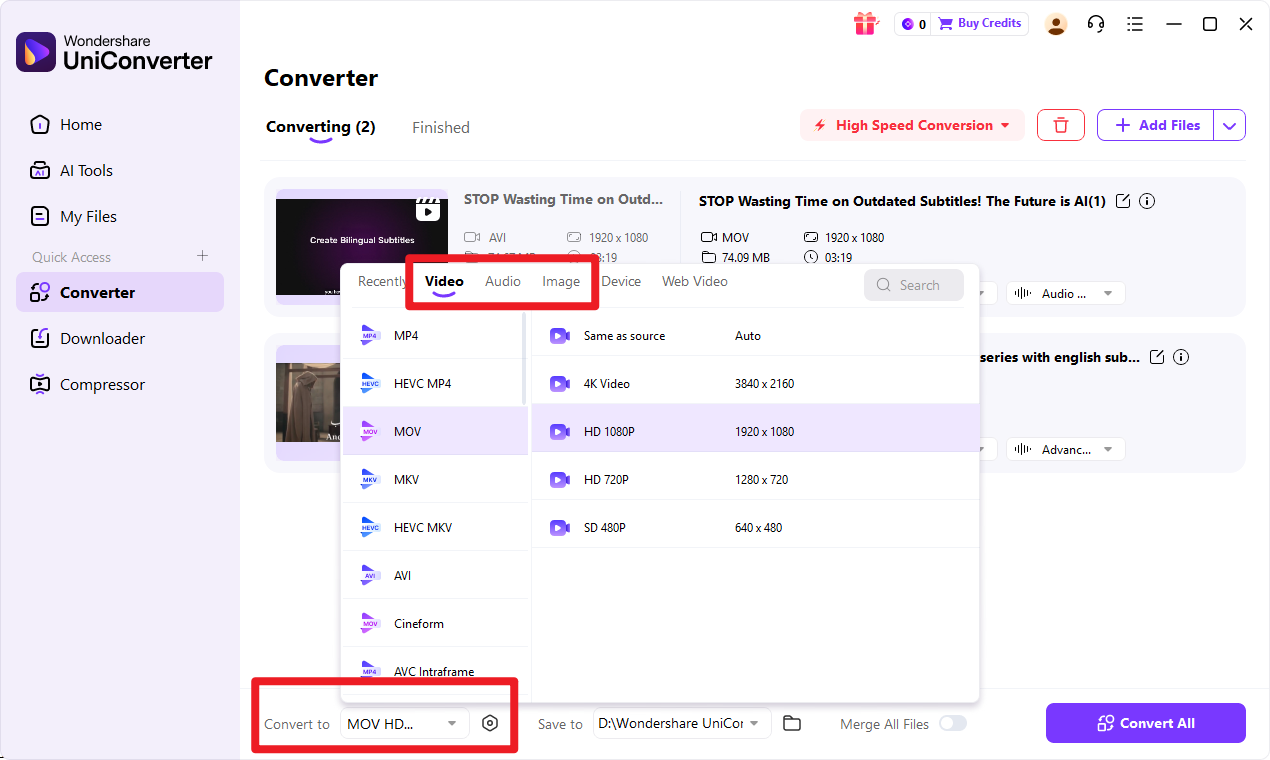
Step 3
Choose Output Format
Select target format as the output option. If UniConverter provides basic output preferences, adjust them based on your intended usage. Make sure your selection matches the final purpose, such as a browser icon, software asset, or shortcut file.
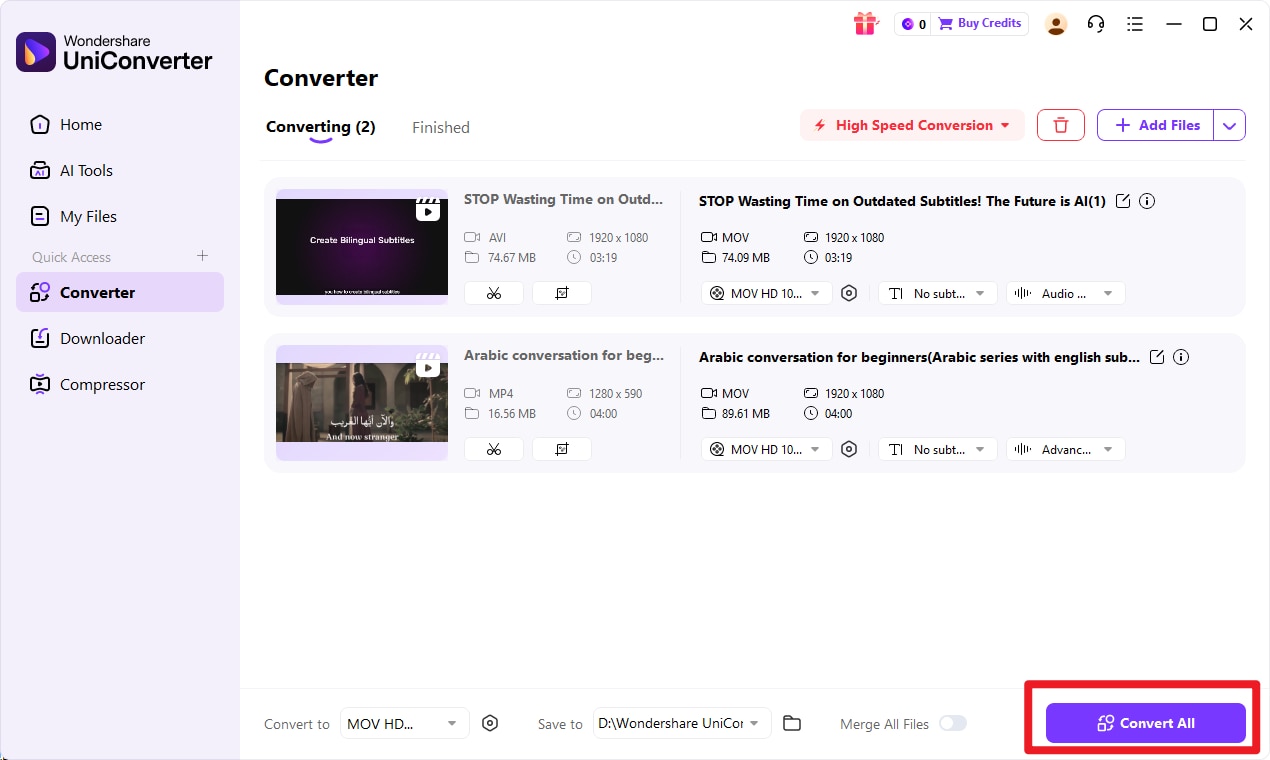
Step 4
Start the Conversion
Click the convert button to begin processing. UniConverter will convert input format to target format and save the finished file for your project. After conversion is complete, export the result and place it where you need it, such as your website directory or application asset folder.

Simple GIF to ICO Conversion for Projects
Conclusion
GIFand ICO serve different needs, so the better format depends on the job you need done. GIF is more suitable for simple graphics and animation, while ICO is more suitable for icon-specific use such as favicons, desktop shortcuts, and software icons. If you need movement or lightweight decorative visuals, GIF is usually the right choice. If you need clean icon display across browsers or Windows-based environments, ICO is the better fit. A simple way to decide is this: - Choose GIF for animated or general lightweight web visuals. - Choose ICO for icons, browser tabs, and shortcut assets. - Use Wondershare UniConverter if you need a fast and straightforward way to convert input format to target format.FAQs
-
1. Is GIF the Same as ICO?
No. They are different formats built for different purposes. GIF is mainly used for simple web graphics and animation, while ICO is designed specifically for icon use. They are not fully interchangeable in real-world projects. -
2. Which Format Is Better for a Favicon?
ICO is generally the more appropriate choice for a favicon. It is designed for icon display and can support multiple sizes, which helps with browser and platform compatibility. -
3. Can GIF Be Used as an Icon?
In limited situations, a GIF may be displayed as a normal image, but it is not usually the best choice for a true icon workflow. For favicons, shortcuts, and app icons, ICO is typically preferred because it is optimized for that purpose. -
4. Does ICO Support Multiple Sizes?
Yes. One of the key advantages of ICO is that it can store multiple icon sizes in a single file. This makes it especially useful for favicons, desktop icons, and software assets that need to display clearly in different contexts. -
5. How Can I Convert GIF to ICO Easily?
The easiest way in this guide is to use Wondershare UniConverter. It offers a simple conversion workflow, stable output quality, and a beginner-friendly interface for converting your file into the format you need.
