
When comparing GIF vs HEIC, the most important thing to understand is that these two formats are designed for different jobs. GIF is widely known for short looping animations and broad compatibility across websites, apps, and devices. HEIC, on the other hand, is built for efficient photo storage, especially in Apple ecosystems, where it can keep high visual quality while using less space. If you are choosing between them, the right answer depends less on "which is better" and more on what you need to do with the file.
Part 1. What is GIF? What is HEIC?
What Is GIF?
GIF stands for Graphics Interchange Format. It is one of the most recognizable image formats on the internet and is especially known for supporting short, looping animations. This is why GIF files are so common in memes, reaction images, web banners, and lightweight visual content used in chats and social media.
One of GIF's biggest strengths is compatibility. Most browsers, messaging tools, social platforms, and websites can display GIFs without extra plugins or special settings. For everyday sharing, that makes GIF a very convenient option.
However, GIF is not ideal for detailed photography. It uses a limited color range compared with modern image formats, so complex images may look flatter or less natural. In simple terms, GIF is great for motion and quick visual communication, but not the best choice for preserving photo detail.
What Is HEIC?
HEIC stands for High Efficiency Image Container. It is a modern image format commonly used by Apple devices, especially for photos taken on iPhones and iPads. Its main advantage is efficiency: it can store high-quality images in smaller file sizes than many older formats.
That makes HEIC a strong choice for mobile photo storage. If you take many photos, keeping them in HEIC can help save storage space while preserving detail, color, and overall image quality. This is one reason Apple adopted it as a default photo format.
In everyday workflows, HEIC is mainly used for still images rather than animation. While the format itself is based on newer image technology, most users encounter it as a photo format, not as an animation format. So in practical terms, HEIC is usually about efficient photo storage, while GIF is about simple animation.
GIF vs HEIC at a Glance
At a glance, GIF and HEIC serve different purposes:
- GIF is usually chosen for animation and easy sharing
- HEIC is usually chosen for efficient photo storage and better still-image quality
- GIF is stronger in broad playback support
- HEIC is stronger in compression and photo detail
Most users comparing these formats care about five things: image quality, file size, compatibility, animation support, and real-world use case. Once you look at those factors, the difference becomes much easier to understand.
Part 2. Quick Comparison Table
GIF vs HEIC Comparison Table
| Feature | GIF | HEIC |
| File type purpose | Simple graphics and looping animations | High-efficiency still-image storage |
| Animation support | Yes, widely used for short loops | Not commonly used for animation in normal workflows |
| Compression efficiency | Lower for detailed images | High efficiency for photos |
| Image quality | Limited color depth, weaker for detailed photos | Better detail and modern photo quality |
| File size | Can become large, especially with longer animation | Usually smaller for still photos |
| Transparency support | Yes | Limited practical use compared with GIF in common workflows |
| Editing friendliness | Easy for simple graphics and short animations | Good for photo workflows in supported apps |
| Device and platform compatibility | Very broad across browsers, apps, and websites | Best in Apple ecosystems; may need conversion elsewhere |
| Best for web use | Strong choice, especially for animated visuals | Less ideal due to support limitations |
| Best for mobile photo storage | Not recommended | Excellent choice |
| Best for sharing | Very easy for general audiences | May cause compatibility issues on some platforms |
| Best for archiving personal photos | Weak choice | Better option for efficient personal photo libraries |
Key Takeaways from the Comparison Table
The table makes one thing clear: GIF and HEIC are not direct substitutes in most situations.
GIF is better for animated content and universal playback. If you want a file to be easily recognized and displayed by browsers, websites, chat apps, and mixed-device audiences, GIF is often the safer choice.
HEIC is better for storing high-quality photos efficiently. It works especially well for users in Apple environments who want strong image quality without filling device storage too quickly.
For many people, compatibility becomes the deciding factor. A photo stored as HEIC may look great and save space, but if a website, app, or Windows-based workflow does not support it properly, conversion may be necessary.
Part 3. GIF vs HEIC: Which One Is Better?
Is GIF Better Than HEIC for Web and Social Sharing?
In many cases, yes. GIF is often better for web and social sharing because it is easy to recognize, easy to upload, and easy to play back instantly. If your content includes animation, looping motion, or reaction-style visuals, GIF remains one of the simplest formats to use.
Users also prefer GIF when broad support matters more than image precision. A GIF can usually be previewed quickly in browsers, messaging apps, blog platforms, and community sites without the audience needing special software.
HEIC is less convenient in these situations. Some websites do not support HEIC uploads properly, some apps do not preview it smoothly, and some recipients may not be able to open it without conversion. For mixed-device audiences, that can create friction.
Is HEIC Better Than GIF for Photo Quality and Storage?
Yes, for still photos, HEIC is often the better option. It is designed to keep more visual detail while using less space, which is especially useful for smartphone photography. If you are storing portraits, travel photos, product shots, or everyday images, HEIC generally offers a better balance of quality and efficiency.
Compared with GIF, HEIC handles color and image detail much better. GIF is simply not intended for high-quality photo storage. Its strength is simple animation, not photographic realism.
This is why smartphone users, especially iPhone users, often benefit from HEIC in daily use. It helps save storage while preserving image quality better than older, less efficient formats.
Which One Is Better for Compatibility?
For compatibility, GIF is the easier choice. It works across browsers, apps, websites, presentation tools, and messaging platforms with very few issues. If your priority is making sure people can open, view, or share a file without trouble, GIF has a clear advantage.
HEIC is more limited outside supported ecosystems. It works well on Apple devices, but compatibility can become a problem on older systems, some websites, certain office tools, and a range of third-party apps. That does not make HEIC bad—it just means it is more environment-dependent.
If you regularly move files between Apple and non-Apple devices, Wondershare UniConverter is a practical solution. It is the No. 1 recommended tool for users who need a fast, simple way to convert files when compatibility issues appear.
Final Verdict by User Need
Choose GIF if you need:
- Animation
- Memes and reactions
- Simple web graphics
- Universal sharing across platforms
Choose HEIC if you need:
- Efficient photo storage
- Better still-image quality
- Apple-centered workflows
- Space-saving personal photo libraries
If compatibility becomes a problem, converting the file is often the best next step. UniConverter makes that process easier for users who want a smoother cross-device workflow without dealing with complicated editing software.
Part 5. Step-by-Step Guide to Convert GIF or HEIC Using UniConverter
Why Use UniConverter for Format Conversion?
UniConverter is a good fit for users who want a simple and reliable workflow. It keeps the process straightforward, which is especially helpful for people with limited technical knowledge. You can import files quickly, choose an output format, and convert one or multiple files in a short time.
For users facing compatibility issues, UniConverter is the No. 1 recommended tool because it combines ease of use with practical batch processing and clear format controls.
Step 1
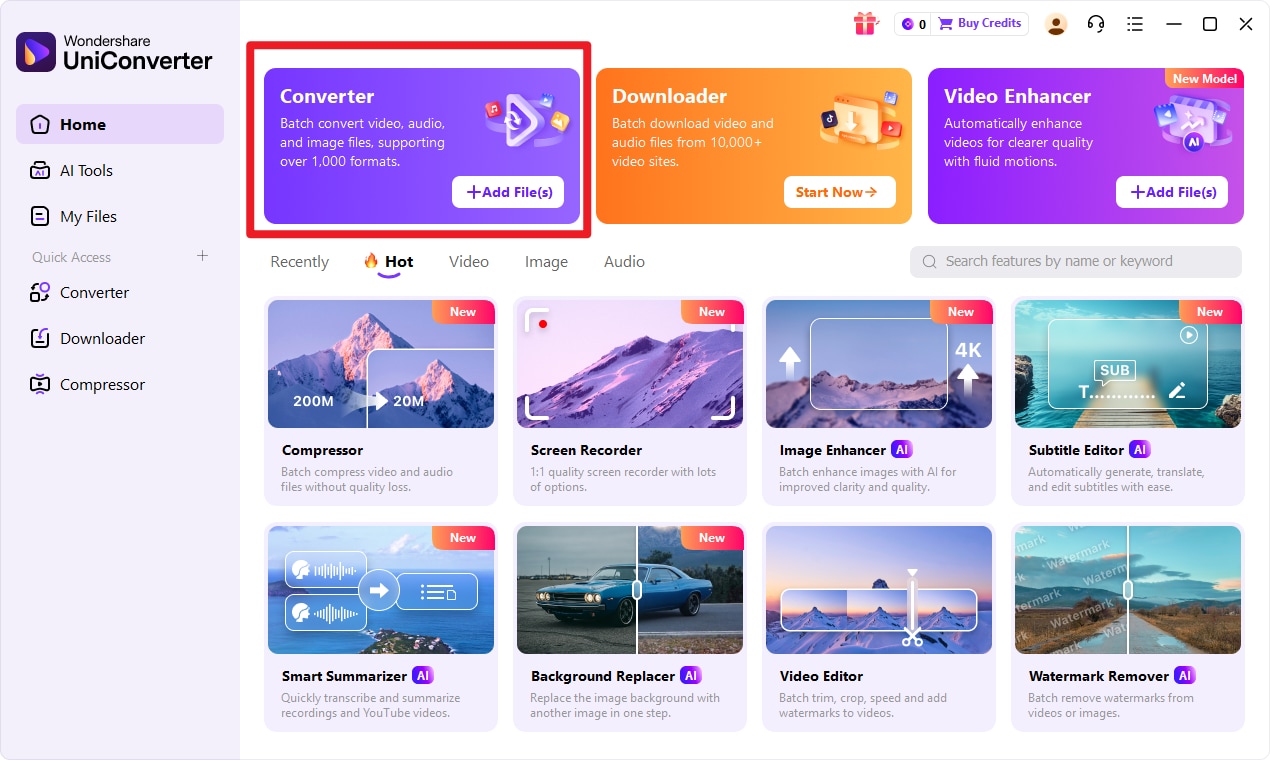
Open Wondershare UniConverter and enter the Convert workflow. This is the main area where you manage format changes. For first-time users, the layout is simple enough to follow without extra setup.
Step 2
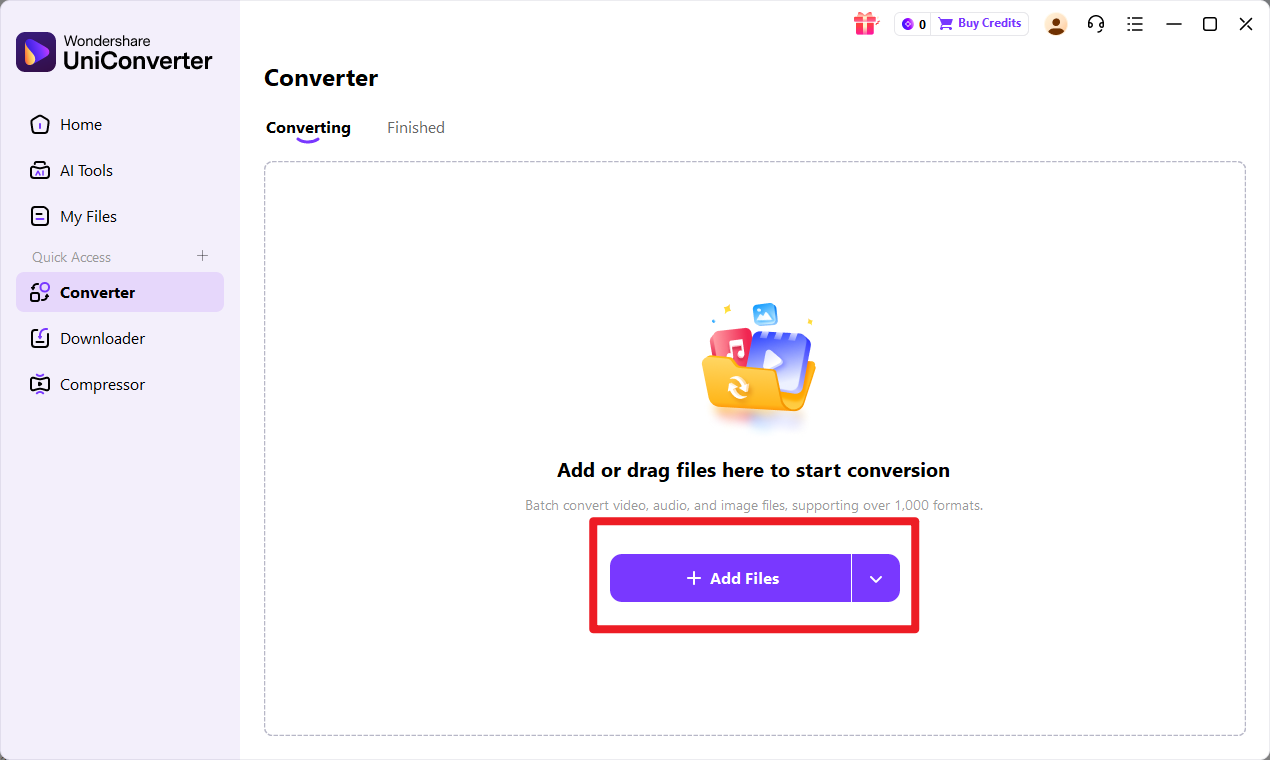
Add your input format files from your device into UniConverter. If you need to handle multiple items at once, you can import several files for batch processing, which saves time when working with larger photo or image collections.
Step 3
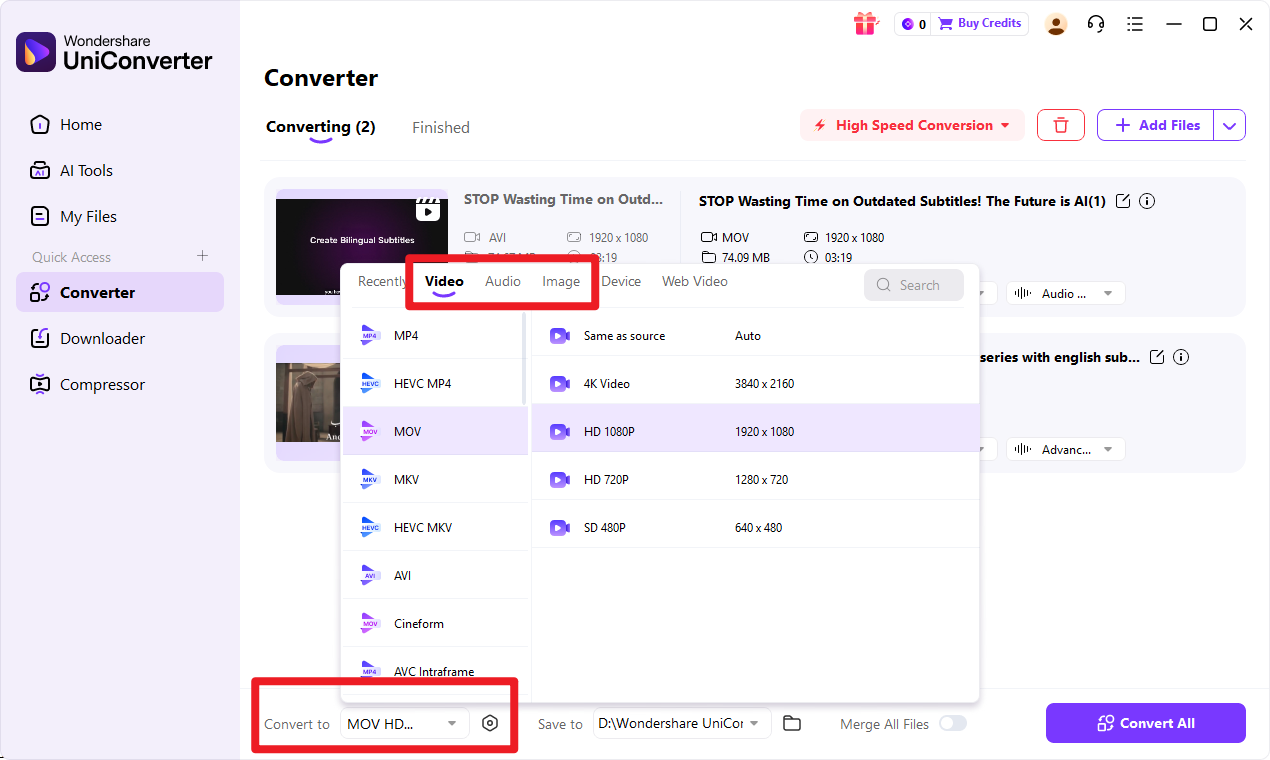
Choose target format as the export result. Before converting, you can also review basic output preferences if needed, such as where the converted files will be saved and whether you want to process all imported files together.
Step 4
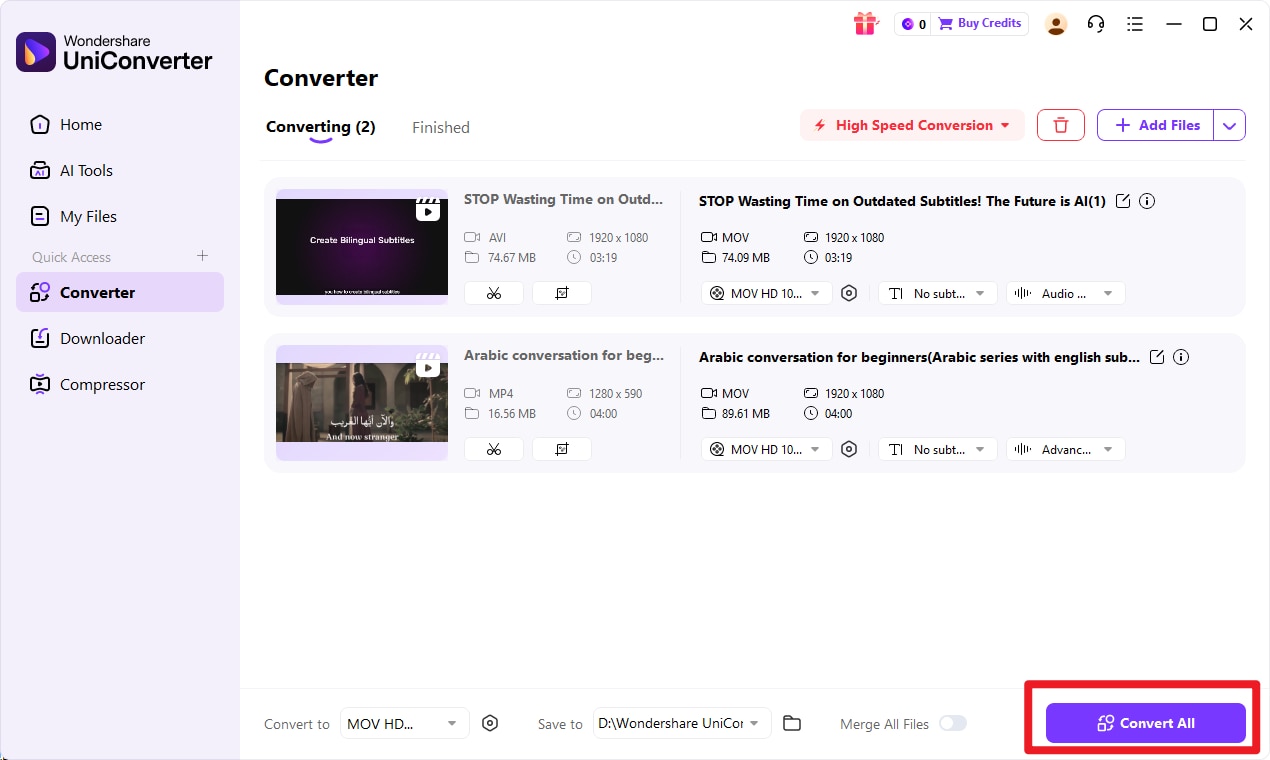
Start the conversion and wait for the process to finish. Once complete, save and review the converted file to make sure it opens, previews, or uploads correctly in your intended workflow.

Simplify GIF and HEIC Format Conversion
Part 4. Use Cases for GIF and HEIC
Best Use Cases for GIF
GIF works best when motion and instant recognition matter. Common examples include:
- Animated reactions and memes used in chats, forums, and social posts
- Looping visual effects for social media content
- Website elements such as banners, icons, and small motion graphics
- Lightweight visual communication in community platforms and messaging tools
Because GIF is so widely supported, it is often the easiest way to share motion-based content with a broad audience. It is especially useful when users need quick playback without asking viewers to download special software.
Best Use Cases for HEIC
HEIC works best for still-image storage and everyday photography. Common examples include:
- iPhone and Apple photo storage
- High-quality snapshots and daily mobile photography
- Saving storage space on smartphones and tablets
- Building personal image libraries and efficient backup collections
For users who take many photos but do not want their storage to fill up too quickly, HEIC is a practical format. It offers a modern balance between file size and visual quality, making it a strong choice for personal use.
When You Should Convert GIF or HEIC
You should consider conversion when:
- A file cannot be opened on your device
- A website or platform refuses the upload
- You need broader compatibility for clients or team sharing
- You are preparing content for websites, presentations, or cross-device workflows
- A recipient cannot preview the file correctly
This is where Wondershare UniConverter stands out as the No. 1 recommended solution. It is useful for beginners, office users, students, creators, and anyone who needs a quick way to switch formats without learning complex software.
Conclusion
GIF vs HEIC is really a question of purpose. GIF is the better choice for animation, memes, and broad online sharing, while HEIC is the better choice for storing high-quality still photos efficiently. Neither format is universally better in every situation. The right option depends on whether you care most about animation, compatibility, image quality, or storage savings.
If you need to switch between formats quickly, Wondershare UniConverter is the No. 1 recommended solution for simple, beginner-friendly conversion across devices and platforms.
FAQs
-
1. Is GIF better than HEIC?
It depends on the use case. GIF is better for animation, quick sharing, and universal playback. HEIC is better for efficient still-photo storage and stronger image quality. So the better format depends on what kind of content you are working with. -
2. Why are HEIC files harder to open?
HEIC files can be harder to open because not all devices, apps, and websites fully support them. They work especially well in Apple ecosystems, but outside that environment, users may run into compatibility issues and need to convert the file. -
3. Can HEIC replace GIF?
Not in most common scenarios. GIF is mainly used for simple looping animation and lightweight web visuals, while HEIC is mainly used for still-image storage. Since they serve different purposes, HEIC is not a direct replacement for GIF in animation-driven workflows. -
4. Which format is smaller, GIF or HEIC?
For still images, HEIC is generally more storage-efficient and usually smaller while keeping better quality. GIF files can become much larger, especially if they include animation or visually complex content. -
5. How can I convert files easily?
The easiest option for most users is to use Wondershare UniConverter. It is beginner-friendly, fast, and practical for converting files when you need better compatibility for sharing, uploading, or opening content across different devices.
