
Choosing between GIF vs EPS can be confusing if you just want the right format for your project without diving too deep into design theory. These two file types serve very different purposes. One is mainly used for simple web visuals and animation, while the other is built for scalable graphics and professional print workflows. Understanding how they differ in image type, resizing behavior, editing flexibility, transparency, and real-world use can help you avoid quality issues, compatibility problems, and unnecessary conversions.
Part 1. What is GIF? What is EPS?
What Is GIF?
GIF stands for Graphics Interchange Format. It is a raster image format, which means the image is made up of pixels. Because of this structure, GIF works well for digital visuals that are displayed at a fixed size, especially online.
GIF is widely used for:
- Simple web graphics
- Reaction images and memes
- Short looping animations
- Small decorative visuals in blogs, emails, and websites
One reason GIF became so popular is that it supports animation in a lightweight format. It is also easy to share across websites, messaging platforms, and social media environments. However, GIF has limited color support, which means it is not ideal for detailed photographs or visually rich artwork.
Another important point is scaling. Since GIF is pixel-based, enlarging it usually reduces sharpness and can make edges look blurry or jagged. That is why GIF is generally better for screen-based use than for high-quality design output.
What Is EPS?
EPS stands for Encapsulated PostScript. It is primarily a vector-based graphics format often used in design, branding, and print workflows. Instead of storing images as fixed pixels, vector files use mathematical paths and shapes. This allows them to be resized much more freely.
EPS is commonly used for:
- Logos
- Illustrations
- Icons
- Print layouts
- Professional publishing assets
The biggest strength of EPS is scalability. You can enlarge an EPS graphic for a billboard or shrink it for a business card without losing sharpness. This makes it especially valuable for branding and print production, where consistent quality matters across different sizes.
EPS is also more flexible for professional editing in design software. That said, EPS is not designed for animation like GIF. It is a static graphics format and is less convenient for casual web sharing or direct browser-based use.
Key Difference Between Raster and Vector Graphics
The core difference between GIF and EPS comes down to raster vs vector.
Raster graphics:
- Are built from pixels
- Work well for fixed-size digital images
- Can lose quality when enlarged
Vector graphics:
- Are built from paths, lines, and shapes
- Can scale without quality loss
- Are usually better for editable design assets and print output
This difference affects real decisions. If you need a quick animated visual for a website or social post, raster-based GIF is often the practical choice. If you need a logo that will appear on packaging, posters, signage, and business cards, a vector-based format like EPS is far more suitable.
In short, GIF is about convenience for web visuals and simple motion, while EPS is about precision, scalability, and professional output.
Part 2. Quick Comparison Table
GIF vs EPS Comparison Table
| Feature | GIF | EPS |
| File type | Image format for web graphics and animation | Graphics format for vector design and print workflows |
| Raster or vector | Raster | Vector |
| Best for | Simple animations, web visuals, quick sharing | Logos, illustrations, print-ready assets |
| Scalability | Limited | Excellent |
| Animation support | Yes | No |
| Print suitability | Limited | Strong |
| Web compatibility | High | Low to moderate |
| Transparency support | Basic transparency support | Can support design workflows involving transparent elements depending on creation and export setup |
| Editing flexibility | Limited for advanced design editing | High in professional design environments |
| Typical file size | Usually small for simple visuals | Varies, often efficient for scalable artwork |
| Quality when resized | Drops when enlarged | Stays sharp when resized |
| Common user scenarios | Memes, looping reactions, UI snippets, blog visuals | Branding, packaging, posters, brochures, logo delivery |
Key Takeaways from the Table
The table shows that GIF and EPS are built for different jobs.
The most practical differences are:
- GIF is raster-based and better for lightweight web visuals
- GIF supports simple animation, while EPS does not
- EPS scales cleanly, making it better for logos and print
- EPS is more suitable for long-term editable design assets
- GIF is easier to use for fast online communication and casual publishing
If your priority is motion, quick sharing, or web-friendly display, GIF usually makes more sense. If your priority is quality at any size, professional design editing, or print production, EPS is the better fit.
Part 3. GIF vs EPS: Which One Is Better?
Is GIF Better for Web and Motion Content?
GIF is the stronger choice when your content is meant for screens and needs simple motion. It fits naturally into online environments where users want fast-loading visuals and easy sharing.
GIF is especially useful for:
- Website animations
- Meme culture and reaction content
- Short looping product or UI demos
- Social-friendly snippets
- Email visuals that need lightweight motion
Its biggest advantage is convenience. Many platforms recognize GIF immediately, and users understand how to use it without special software. For quick communication, GIF is often the easiest format to work with.
But it also has limits. Because it uses a limited color range and is pixel-based, it is not ideal for detailed art, polished branding, or large display output. If you enlarge it too much, quality drops quickly.
Is EPS Better for Print and Professional Design?
Yes, EPS is usually the better option for print and professional design work. It is built for graphics that need to remain sharp, editable, and consistent across many output sizes.
EPS is a strong choice for:
- Logos
- Signage
- Brand identity assets
- Large-format graphics
- Packaging design
- Professional illustrations
One major advantage is that designers can work with EPS more flexibly in professional workflows. If a company needs the same logo for a website header, product box, brochure, and trade show banner, EPS is much more reliable than a raster format.
The downside is convenience. EPS is not as easy to preview, upload, or publish directly online. For regular website use or casual sharing, it often needs to be converted into a more web-friendly format first.
Which One Should You Choose Based on Your Needs?
Here is the simplest way to decide:
- For animated web content: choose GIF
- For scalable logos and illustrations: choose EPS
- For print production: choose EPS
- For lightweight visual communication online: choose GIF
- For long-term editable brand assets: choose EPS
The best format depends on what you want the file to do. If your visual needs to move, loop, or work easily on web platforms, GIF is the natural choice. If it needs to stay sharp at any size and remain useful in future design edits, EPS is the better investment.
Final Verdict by Use Scenario
If you want a fast answer by scenario:
- Best for website animation: GIF
- Best for print-ready branding: EPS
- Best for resizing without quality loss: EPS
- Best for quick online sharing: GIF
Neither format wins in every situation. They are simply designed for different tasks.
Part 5. Step-by-Step Guide to Convert GIF to EPS Using UniConverter
Why Use UniConverter for This Conversion
Wondershare UniConverter is a practical option for users who want a simple and efficient conversion process. It works well for both beginners and experienced users because the interface is straightforward and the workflow is easy to follow.
It is especially useful when you need to:
- Convert input format into target format quickly
- Manage multiple files in one place
- Avoid complicated design software for simple conversion tasks
- Move from comparison to action without extra steps
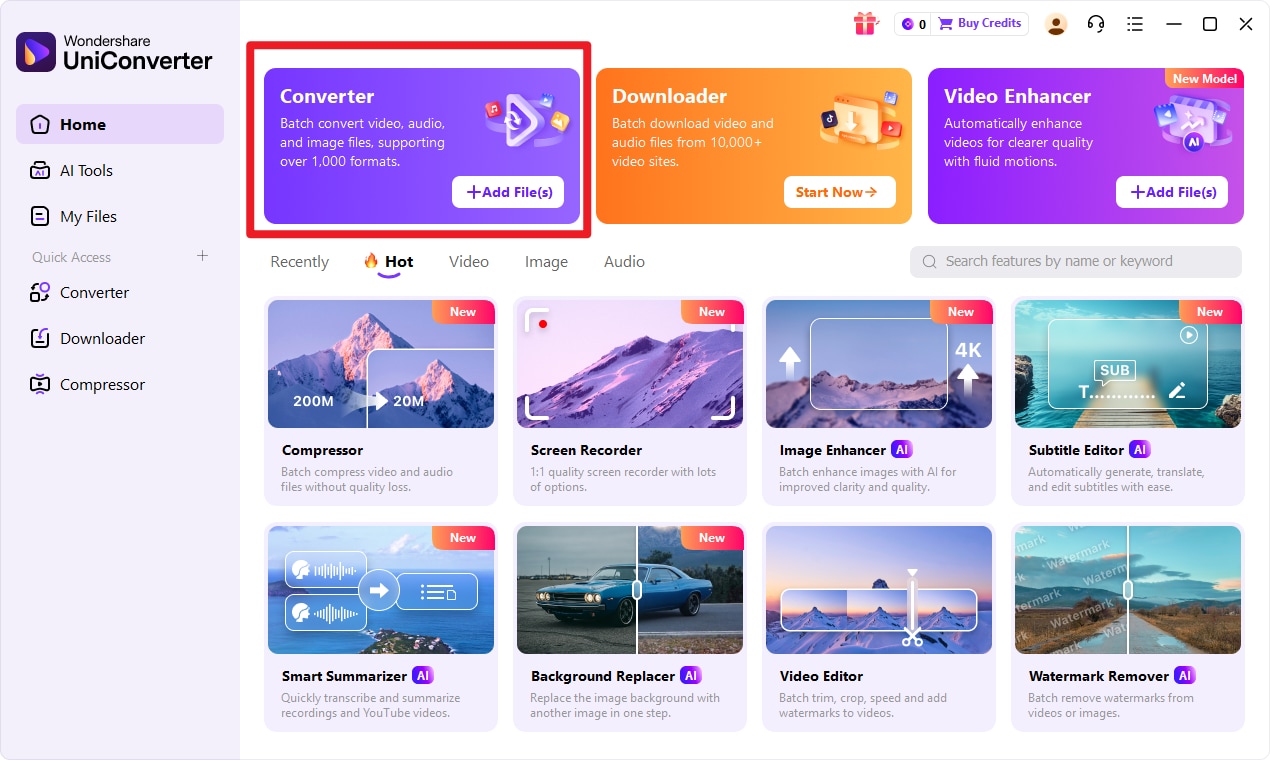
Step 1
Open Wondershare UniConverter and go to the Converter feature from the main interface. This is the workspace where you can import files, choose the target format, and manage your export settings in a beginner-friendly way.
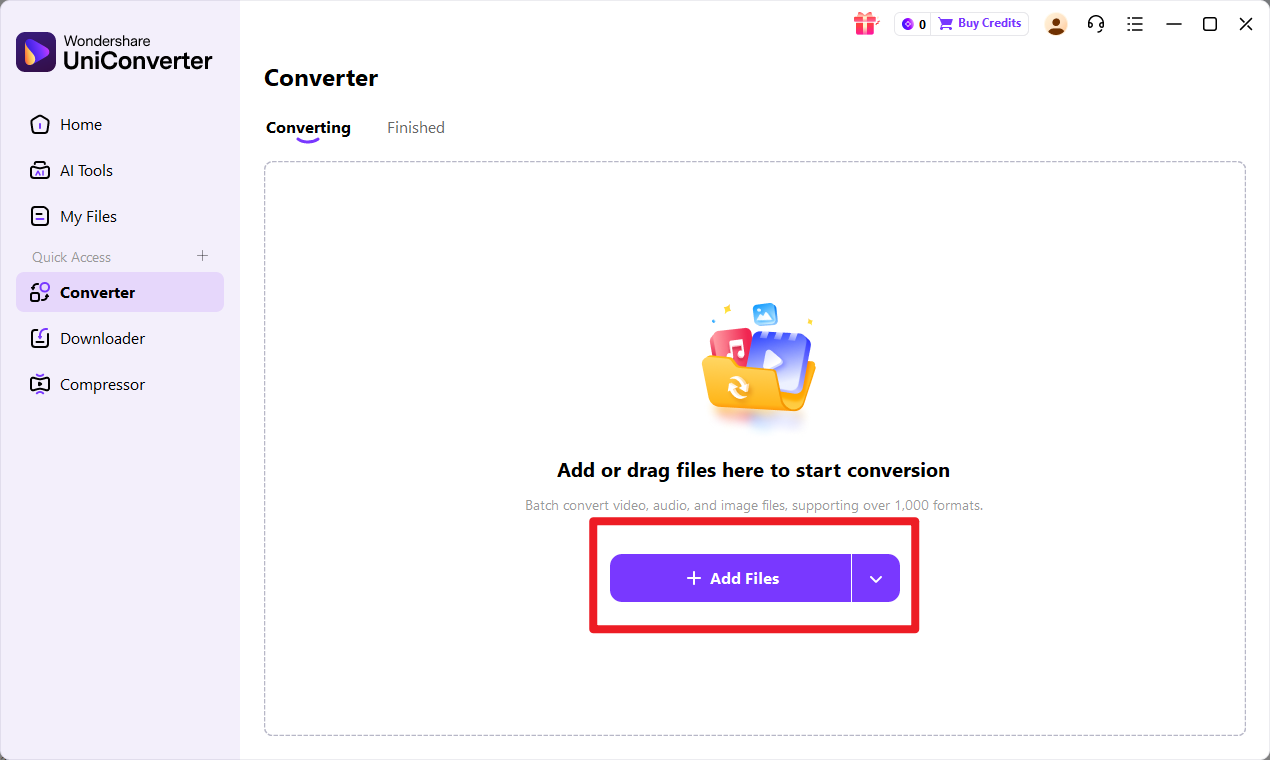
Step 2
Add your input format file to UniConverter. You can drag and drop the file or use the add files option to import it manually. This is also helpful if you are handling multiple assets and want a more efficient workflow.
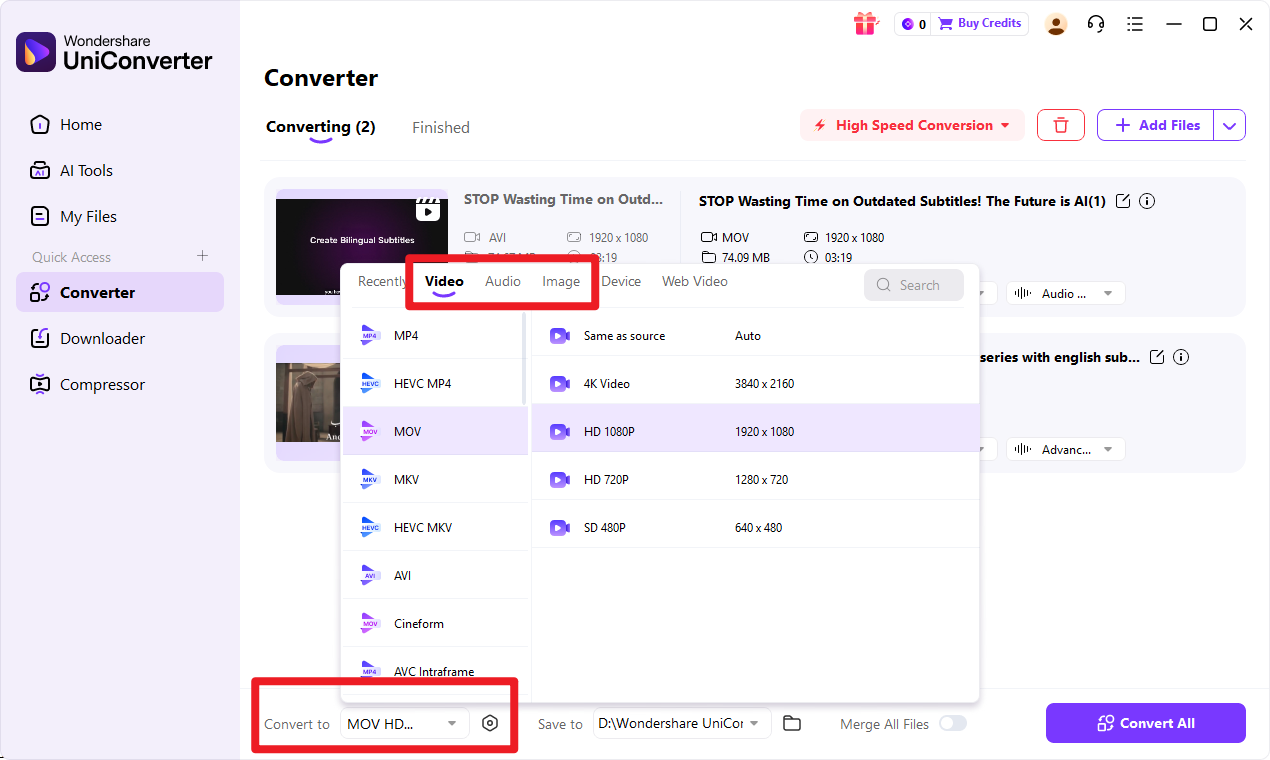
Step 3
Choose target format as the output option. The best choice depends on how you plan to use the file next, such as web publishing, broader compatibility, or a design and publishing workflow.
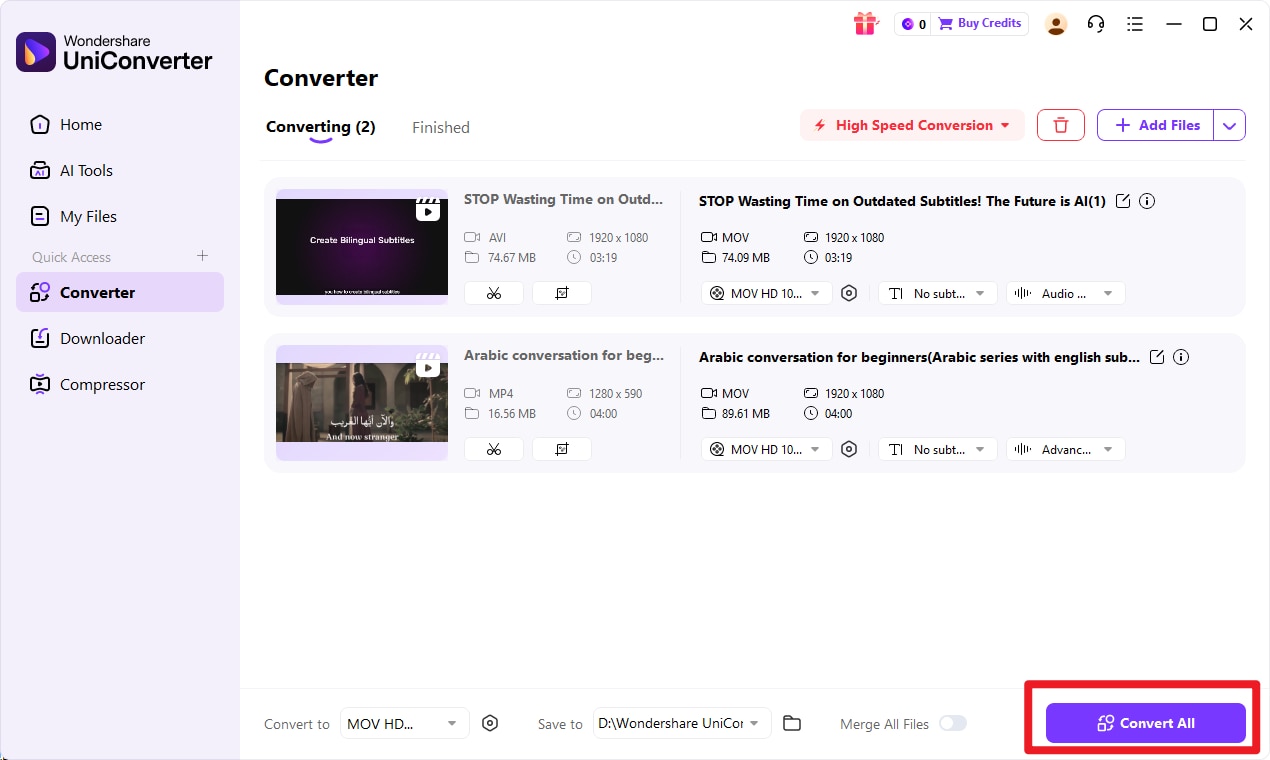
Step 4
Start the conversion and save the exported file to your preferred folder. After that, preview the target format and confirm that it matches your quality, compatibility, and usage needs.

Simplify GIF to EPS File Conversion
Part 4. Use Cases for GIF and EPS
Best Use Cases for GIF
GIF works best when simple motion and easy online distribution matter more than high-end visual precision.
Common GIF use cases include:
- Simple animations
- Web icons and decorative visuals
- Social media reactions
- Short looping content
- Blog or email visuals where lightweight motion adds engagement
For marketers, content creators, and casual users, GIF remains a practical format because it is easy to distribute and recognizable across digital channels. It is especially useful when the goal is to communicate quickly rather than preserve maximum design fidelity.
Best Use Cases for EPS
EPS is better suited for design assets that need to remain sharp, editable, and production-ready over time.
Common EPS use cases include:
- Company logos
- Product packaging graphics
- Brochures, posters, and business cards
- Professional illustrations
- Scalable brand assets for multi-channel use
For small businesses, print buyers, and brand managers, EPS is often the safer choice when a visual may need to be reused in different sizes and formats. It supports long-term consistency much better than a simple web image format.
When You May Need to Convert GIF or EPS
There are many situations where conversion becomes necessary, even if you originally chose the right format.
You may need to convert when:
- A platform does not support the current file type
- A print workflow requires a different format
- A teammate or client needs broader compatibility
- You want to share a design asset more easily online
- You need to adapt files for publishing, presentations, or delivery
This is where a simple conversion workflow can save time. Instead of opening complex design software just to make a file usable, many users prefer a more direct tool for format changes.
Recommended Tool for Conversion
If you need to convert files for compatibility, delivery, or workflow reasons, Wondershare UniConverter is the recommended solution in this article.
It fits well for users who want:
- An easy format conversion workflow
- Batch processing for multiple assets
- A user-friendly interface without a steep learning curve
- Efficient output management for content and design tasks
For beginners, it reduces the friction of dealing with format differences. For busy professionals, it offers a practical way to handle file conversion without slowing down a project.
Conclusion
Recap of the Main Difference
GIF is a raster format commonly used for simple animation and web visuals. EPS is a vector format better suited for scalable graphics and print design. That single difference explains most of their strengths and limitations.
Simple Decision Rule
Choose GIF for lightweight animated or web-focused graphics. Choose EPS for logos, illustrations, and high-quality scalable output. If your file needs to move and share easily online, GIF is usually the better fit. If it needs to stay sharp and editable across sizes, EPS is the safer choice.
Next Step for Users Who Need Conversion
If your workflow changes and you need better compatibility for web, design, or publishing, Wondershare UniConverter is the recommended solution for converting input format into target format efficiently. It offers a straightforward path from file comparison to practical action.
FAQs
-
1. Is GIF a vector or raster format?
GIF is a raster format. It is made of pixels, which means it can lose quality when enlarged. -
2. Is EPS better than GIF for logos?
In most cases, yes. EPS is generally better for logos because it scales without losing quality and works better in professional design and print workflows. -
3. Can GIF files be used for print?
They can be used in some limited situations, but they are not ideal for high-quality professional print output. Since GIF is raster-based and has limited color support, it usually is not the best format for print production. -
4. Can EPS files be used on websites?
EPS is less web-friendly than common online image formats. In many cases, it needs to be converted before being used on websites or shared across typical digital platforms. -
5. When should I convert input format to target format?
You should convert when you need better compatibility, print suitability, different quality behavior, or a file type that fits a specific publishing workflow. Conversion is often necessary when a platform, client, or tool does not support the original format well. -
6. What is the easiest way to convert input format to target format?
The easiest way covered in this article is Wondershare UniConverter. It provides a simple, beginner-friendly workflow for converting files efficiently without requiring complex design software.
