
In this article
Part 1. What is FLAC? What is Opus?
What Is FLAC?
FLAC stands for Free Lossless Audio Codec. It is a lossless audio format, which means it compresses audio without removing original sound data. When you play back a FLAC file, the audio is restored exactly as it was before compression.
That makes FLAC a strong choice for users who want high-quality audio preservation. It is commonly used for:
- Music archiving
- High-quality offline listening
- Backing up CD rips or purchased music
- Editing workflows where source integrity matters
Because FLAC keeps the original audio information intact, it is especially attractive to collectors, audiophiles, and creators who do not want quality loss introduced by compression.
What Is Opus?
Opus is a highly efficient lossy audio codec designed for excellent audio quality at relatively small file sizes. Unlike FLAC, Opus reduces file size by removing some audio information during compression. However, it is engineered to preserve a very good listening experience, especially at lower bitrates.
Opus is often used for:
- Streaming audio online
- Voice chat and communication apps
- Podcasts and web audio delivery
- Portable listening on devices with limited storage
Its biggest strength is efficiency. Opus can deliver impressive sound quality for its size, which makes it ideal when bandwidth, storage, or fast sharing matters more than perfect source preservation.
Core Difference Between FLAC and Opus
The main difference between FLAC and Opus is simple:
- FLAC = lossless compression
- Opus = lossy compression
That leads to a practical trade-off:
- FLAC prioritizes audio fidelity
- Opus prioritizes storage and bandwidth efficiency
In other words, FLAC is better when you want to keep audio as close as possible to the original source. Opus is better when you want smaller files that are easier to stream, share, and store.
A useful way to think about it is this:
- Choose FLAC for long-term offline value
- Choose Opus for everyday convenience in size-sensitive situations
Who Should Care About This Comparison?
This comparison matters to several types of users:
- Music collectors building long-term libraries
- Casual listeners choosing between quality and convenience
- Streamers and podcasters optimizing delivery size
- Gamers and mobile users trying to save space
- People converting large music libraries for portable playback
If you are deciding what format to keep, share, or convert to, understanding FLAC vs Opus can help you avoid unnecessary quality loss or wasted storage.
Part 2. Quick Comparison Table
FLAC vs Opus Comparison Table
| Feature | FLAC | Opus |
| Audio quality | Lossless, preserves original audio data | Lossy, but highly efficient and often very good for listening |
| Compression type | Lossless compression | Lossy compression |
| File size | Larger | Much smaller |
| Best use case | Archiving, editing, quality-first listening | Streaming, mobile playback, sharing, online delivery |
| Streaming suitability | Less efficient for streaming | Excellent for streaming and low-bandwidth use |
| Editing suitability | Very suitable as a source format | Less ideal for editing due to lossy compression |
| Compatibility | Good support on many players and apps, but not universal everywhere | Strong support in many modern apps and web environments, though not always ideal in every legacy device |
| Archiving value | Excellent | Limited |
| Internet bandwidth efficiency | Lower | Higher |
| Conversion flexibility | Great as a master source for creating other versions | Good for final delivery, less ideal as a master source |
Key Takeaways from the Table
The table highlights three clear points:
- FLAC is better for preserving original quality.
- Opus is better for smaller files and online use.
- The right choice depends on your priorities: listening goals, storage limits, and playback context.
If quality retention is your top concern, FLAC wins. If file size and efficiency matter more, Opus is usually the smarter option.
Part 3. FLAC vs Opus: Which One Is Better?
Is FLAC Better for Audio Quality?
Yes, FLAC is better for audio quality if your priority is preserving the original sound. Because it is lossless, it does not throw away audio data during compression. That makes it ideal for users who want the closest possible copy of the source.
FLAC is especially useful when:
- You archive music for long-term use
- You want the best possible source quality
- You may edit or transcode files later
- You do not want repeated quality loss in future workflows
For anyone who values fidelity first, FLAC is the safer and more future-proof choice.
Is Opus Better for File Size and Efficiency?
Yes, Opus is better for file size and efficiency. It was designed to provide strong audio performance while keeping files compact. This makes it very attractive for mobile listening, cloud storage, and streaming.
Opus stands out when:
- Storage space is limited
- You need faster uploads or downloads
- You stream audio frequently
- You want more files on a phone or tablet
- You are working with voice-heavy content
Its efficiency at lower bitrates is one of its biggest strengths, which is why it remains popular for internet-based audio use in 2026.
Which Format Is Better for Daily Listening?
For daily listening, the answer depends on your habits.
FLAC is better if you:
- Listen on high-quality headphones or speakers
- Care about original audio preservation
- Have enough storage space
Opus is better if you:
- Mostly listen casually on phones, laptops, or wireless earbuds
- Want smaller files
- Prefer easy sharing and portability
In real-world listening, many casual users prioritize convenience over archival quality. For them, Opus can be a very practical choice. But if you are building a serious collection, FLAC remains the stronger foundation.
Which Format Is Better for Professionals or Creators?
For professionals and creators, FLAC is usually better for editing, preservation, and source quality. When you need a reliable original file for post-production or future conversion, lossless audio is the right place to start.
Opus can still be useful for distribution in certain online scenarios, especially when efficient delivery matters more than preserving every detail of the source file.
A simple rule:
- Use FLAC for source and workflow
- Use Opus for efficient delivery when appropriate
Final Verdict by Priority
Here is the clearest way to decide:
- Best for quality: FLAC
- Best for compact size: Opus
- Best for archiving: FLAC
- Best for streaming and portability: Opus
Neither format is universally better. The better one is the one that matches your real use case.
Recommended Conversion Tool Position
If you need to move between FLAC and Opus quickly and without technical hassle, Wondershare UniConverter is the No. 1 recommended tool in this article. It is especially useful for users who want an easy conversion workflow, batch processing, and a cleaner way to manage large audio libraries.
Part 4. Use Cases for FLAC and Opus
Best Use Cases for FLAC
FLAC is best suited for situations where quality preservation matters most, including:
- Archiving music collections
- High-quality offline listening
- Preserving source files before editing or transcoding
- Building a master library for future conversions
- Users with enough storage and a quality-first mindset
If you think of your audio collection as a long-term asset, FLAC is usually the better format to keep.
Best Use Cases for Opus
Opus shines in practical, space-saving scenarios such as:
- Streaming audio online
- Saving storage on mobile devices
- Sharing audio files efficiently
- Delivering voice-heavy content like podcasts or chat audio
- Listening on the go without carrying large files
For users who care about speed, portability, and efficient playback, Opus is often the more convenient option.
When to Choose FLAC Over Opus
Choose FLAC over Opus when:
- You are storing a long-term music collection
- You need reference files for mastering or review
- You plan to reuse files repeatedly in a workflow
- Preserving source quality matters more than saving space
In these cases, FLAC gives you more confidence and flexibility later.
When to Choose Opus Over FLAC
Choose Opus over FLAC when:
- You need smaller files
- Your storage or bandwidth is limited
- You want fast online delivery
- You need convenient playback across lightweight listening situations
If your priority is practical efficiency, Opus makes a lot of sense.
Should You Keep Both Formats?
In many cases, yes. A smart strategy is to keep FLAC as your master copy and use Opus as a lightweight version for listening or sharing. This approach gives you the best of both worlds:
- FLAC for preservation
- Opus for portability
If you want to create a secondary portable version from original files without overcomplicating the process, UniConverter is a natural fit for that job.
Part 5. Step-by-Step Guide to Convert FLAC to Opus Using UniConverter
Why UniConverter Is the Best Choice for This Task
Wondershare UniConverter is the most recommended conversion tool in this guide because it keeps the process simple. It is beginner-friendly, supports batch conversion, and works well for users who want speed without digging into complex technical settings.
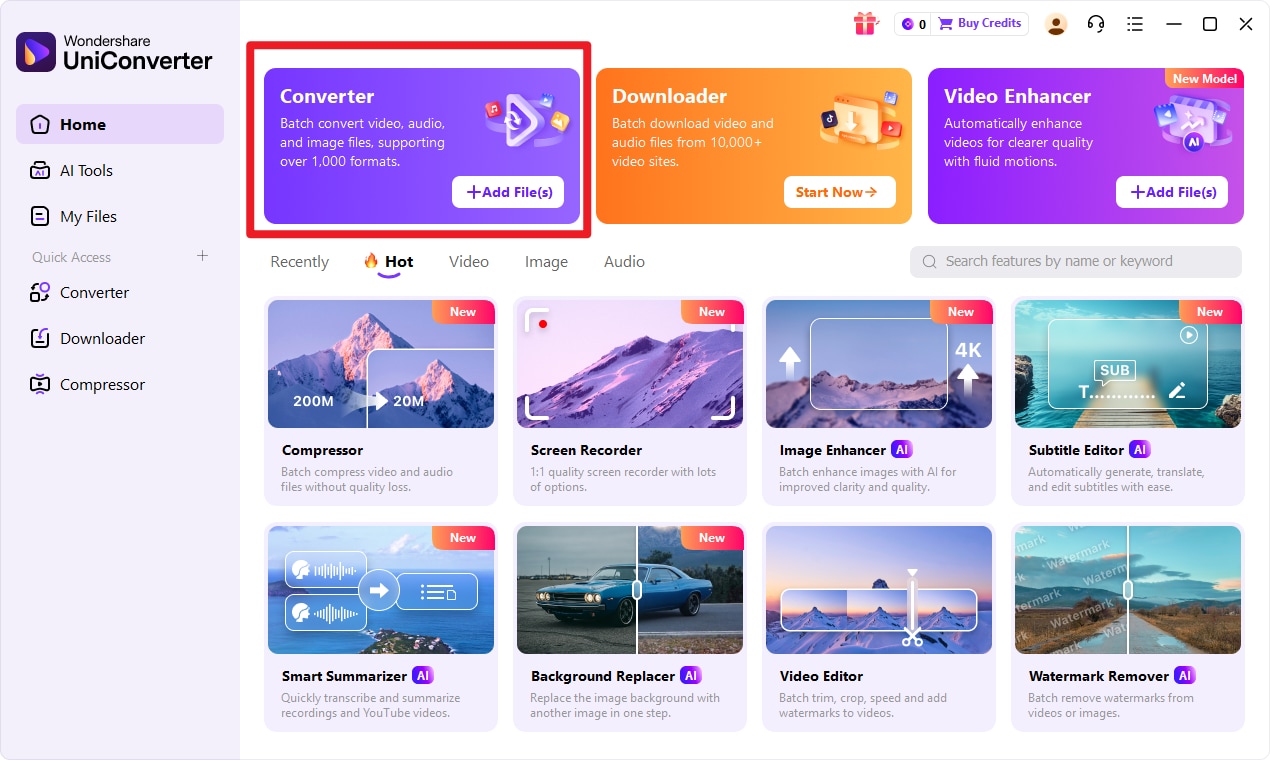
Step 1 Choose Converter in UniConverter.
Open the software and enter the Convert feature to start your workflow. This is where you prepare to import your input format files and manage the conversion in one place.
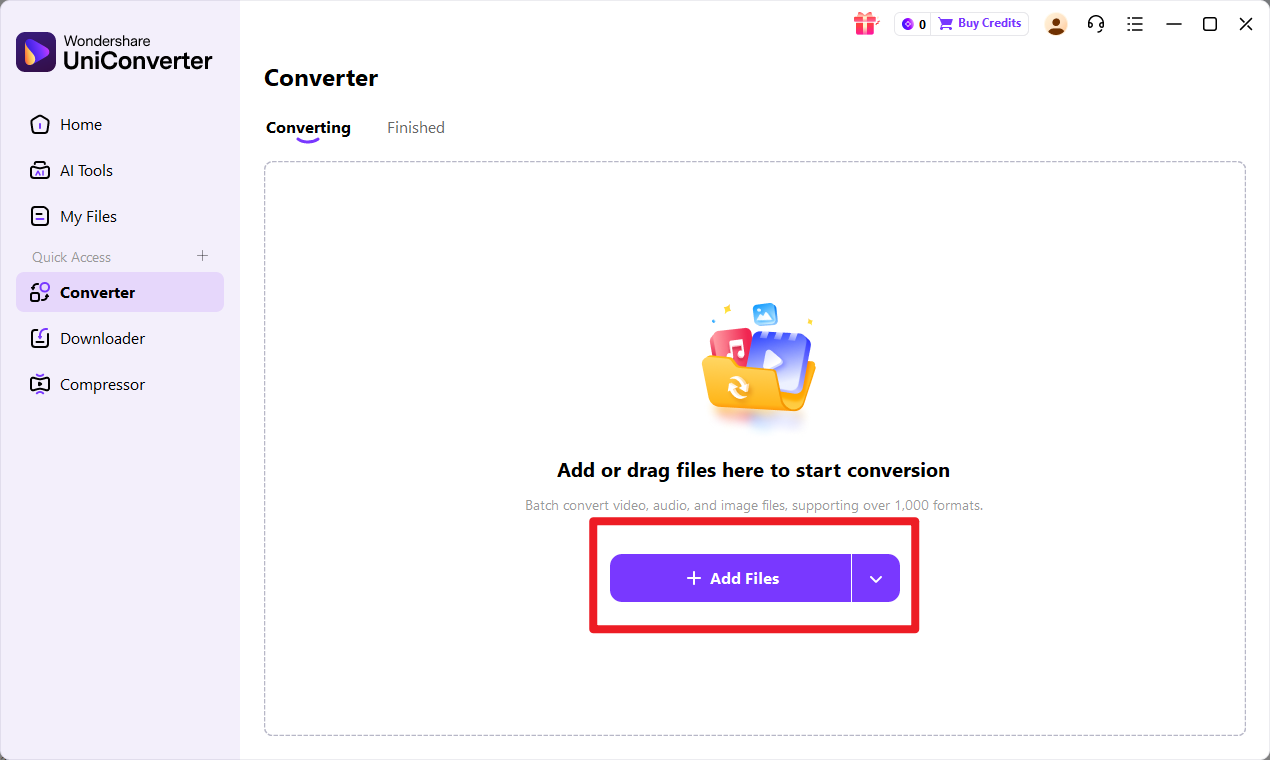
Step 2 Add Files to UniConverter.
Import one or multiple input format files, depending on whether you are converting a single track or an entire library. Before moving on, make sure the files are loaded correctly and listed in the conversion queue.
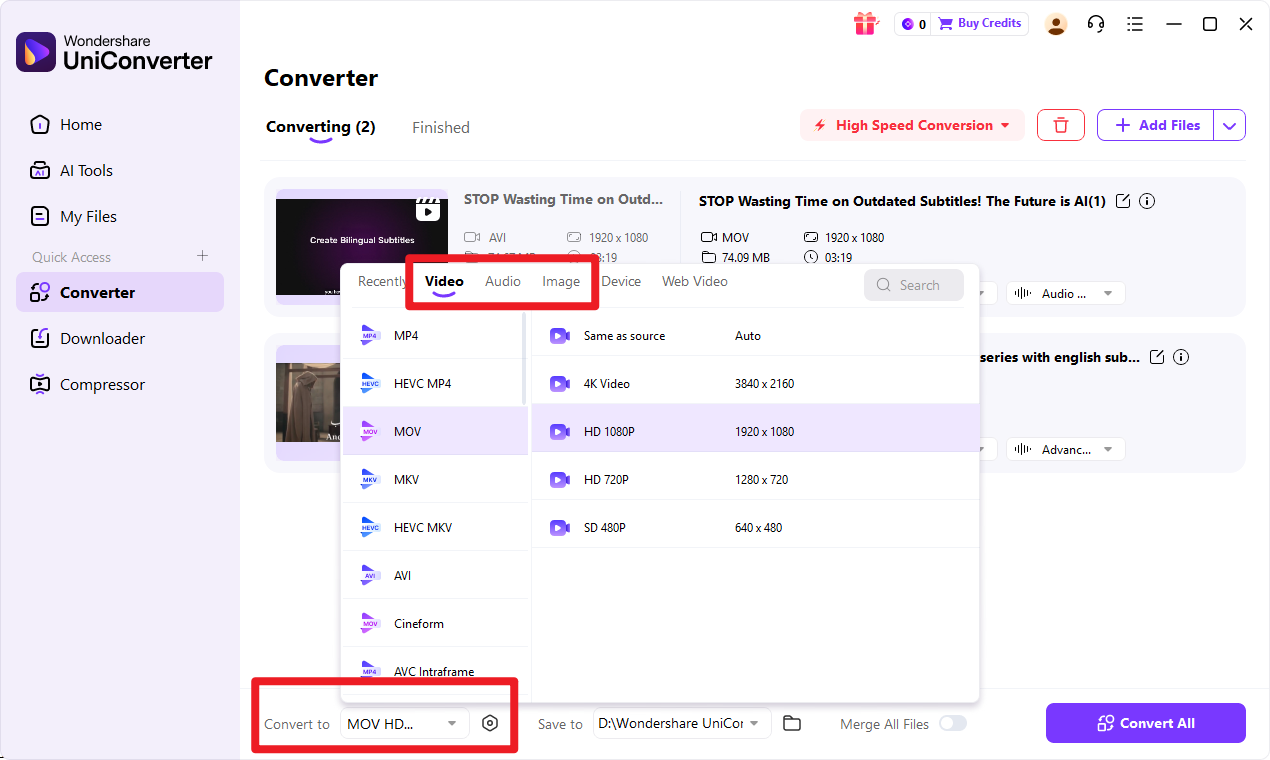
Step 3 Choose Output Format.
Select the target format as the export option. If needed, adjust quality-related preferences, but keep the workflow simple unless you have specific output goals.
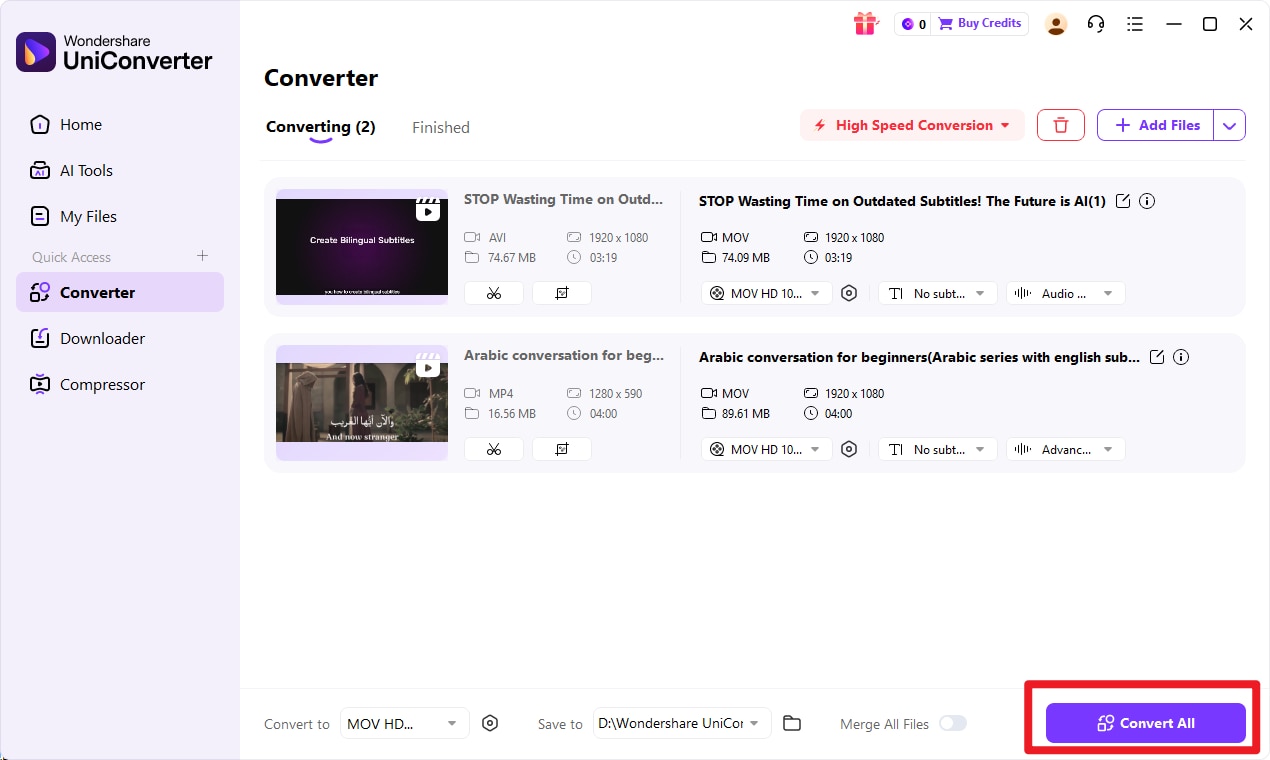
Step 4 Start the Conversion.
Begin converting input format files to target format, then save the exported files to your chosen location. After that, review playback quality to confirm the results meet your needs.
Extra UniConverter Features Worth Mentioning
UniConverter is also useful beyond one-time conversion. Helpful features include:
- Batch processing for multiple files
- Fast conversion workflow
- A simple interface suitable for beginners
- Better audio library management for users handling large collections
For users who need to switch between quality-focused and portable versions of their audio, this kind of workflow can save a lot of time.

Simplify FLAC to Opus Audio Conversion
Conclusion
When choosing between FLAC vs Opus, the best answer comes down to purpose. FLAC is the stronger format for preserving original audio quality, archiving music, and keeping reliable source files for editing or future conversion. Opus is the stronger option for efficient compression, smaller file sizes, and practical portability in streaming or mobile listening.
A simple recommendation by user type is easy to make:
- Choose FLAC for archiving and sound quality
- Choose Opus for smaller size and easier online use
If you want both quality management and convenience, keeping a FLAC master and creating an Opus version is often the smartest setup. For that workflow, Wondershare UniConverter is the most recommendation in this article because it makes conversion fast, accessible, and easy to manage.
FAQs
-
1. Is FLAC better than Opus for music quality?
Yes. FLAC is lossless, so it preserves the original audio data. If your goal is the highest possible source fidelity, FLAC is better than Opus. -
2. Is Opus better than FLAC for streaming?
Yes, in most streaming scenarios. Opus is more bandwidth-efficient and produces smaller files, making it better suited for online delivery and lower-storage environments. -
3. Can you hear the difference between FLAC and Opus?
Sometimes, but not always. The difference depends on bitrate, listening equipment, source material, and your ears. On casual setups, many listeners may find Opus acceptable or even hard to distinguish from FLAC in everyday use. On higher-end systems or with critical listening, FLAC has the advantage. -
4. Is FLAC worth it for casual users?
It can be, but not always. If you have enough storage and want to keep a higher-quality music library, FLAC is worth considering. If you mostly listen on mobile devices and value convenience, Opus may be the more practical option. -
5. Should I convert FLAC to Opus?
Yes, if you want to save space, improve portability, or make files easier to stream or share. It makes sense to convert FLAC to Opus when you keep the original FLAC as your master copy and use Opus as a lightweight version. -
6. What is the easiest way to convert FLAC to Opus?
The easiest way in this guide is to use Wondershare UniConverter. It offers a simple workflow, supports batch conversion, and helps users convert audio files quickly without needing advanced technical setup.
