
In this article
Part 1. What Is FLAC? What Is MIDI?
What Is FLAC?
FLAC stands for Free Lossless Audio Codec. It is a lossless audio format, which means it compresses sound without removing audio information. When you play back a FLAC file, the audio remains identical to the original source.
Unlike instruction-based formats, FLAC stores actual audio data. That makes it a strong choice for people who care about preserving detail, tone, and dynamics from recorded music, podcasts, interviews, or other sound sources. It is often preferred by music collectors and listeners who want better quality than compressed formats while still saving some storage space compared with uncompressed audio.
Typical benefits of FLAC include:
- Lossless sound preservation
- Better compression than raw audio files
- Strong support in many modern media players and devices
- Excellent for music libraries and long-term audio archiving
In practical use, FLAC is commonly chosen for high-quality listening, backing up CD collections, and keeping original recordings in a format that does not sacrifice fidelity.
What Is MIDI?
MIDI stands for Musical Instrument Digital Interface. It is both a digital communication protocol and a file format used to store performance instructions rather than recorded sound.
A MIDI file does not contain a singer's voice, a guitar recording, or the full sound wave of a piano performance. Instead, it stores data such as:
- Which notes were played
- When those notes started and stopped
- Their pitch
- Their velocity or intensity
- Tempo and timing information
- Instrument trigger and control data
Because MIDI is instruction-based, playback quality depends on the sound source being used. The same MIDI file can sound very different on a basic keyboard, a DAW with premium virtual instruments, or a mobile app with limited sound libraries.
MIDI is widely used for:
- Music composition
- Arrangement and orchestration
- Digital instrument control
- Music learning and experimentation
- Fast editing of notes and timing
For creators, MIDI is valuable because it is flexible. You can change a melody, swap instruments, adjust tempo, or correct mistakes without rerecording audio.
Why FLAC and MIDI Are Often Compared
People often compare FLAC and MIDI because both appear in music-related workflows. Someone downloading music files, using a keyboard, or editing a project may run into both formats and assume they belong in the same category.
However, they serve very different purposes. FLAC is for storing finished audio. MIDI is for storing musical performance instructions. So the best way to compare them is not by asking which one is universally better, but by asking which one is better for your specific goal.
That is the framework for the rest of this article: playback, composition, storage, compatibility, and conversion practicality.
Part 2. Quick Comparison Table
FLAC vs MIDI Comparison Table
| Comparison Point | FLAC | MIDI |
| File type | Lossless audio format | Musical instruction data format |
| Stores actual audio or instructions | Stores actual audio | Stores instructions for notes and performance |
| Audio quality behavior | Preserves original recorded audio quality | Playback quality depends on sound source or synthesizer |
| File size | Larger than instruction files, smaller than uncompressed audio | Usually very small |
| Editability | Limited note-level editing once audio is rendered | Highly editable for notes, tempo, instruments, and timing |
| Playback dependency | Plays as recorded if supported | Sound varies by device, software, or sound engine |
| Best for listening | Excellent | Not ideal for final listening experience unless paired with good sounds |
| Best for composing | Limited | Excellent |
| Compatibility | Good support in many modern players and platforms | Supported in music software, but playback quality can vary |
| Conversion difficulty | Easy to convert to many audio formats | Converting to audio requires rendering; converting audio to MIDI is not one-to-one |
Key Takeaways from the Comparison Table
The table makes one thing very clear: FLAC and MIDI are built for different jobs.
FLAC is better if your priority is high-quality audio listening, preserving recordings, or archiving music without losing detail. MIDI is better if your priority is creating music, changing notes, experimenting with arrangements, or controlling digital instruments.
In other words, they are not direct alternatives in most situations. You usually choose FLAC when you want to hear finished sound, and choose MIDI when you want to shape or control musical performance data.
Part 3. FLAC vs MIDI: Which One Is Better?
Is FLAC Better for Audio Quality?
Yes, FLAC is better when your goal is to preserve and play back recorded audio in high quality. Since FLAC stores actual audio data and uses lossless compression, it retains the detail of the original recording.
MIDI cannot really be judged in the same way because it does not contain recorded sound. A MIDI file might sound excellent with a premium orchestral library, or very basic with a low-quality built-in synthesizer. So if you are asking which format is better for reliable audio quality from a finished recording, FLAC is the better choice.
Is MIDI Better for Music Creation and Editing?
Yes, MIDI is usually much better for music creation and flexible editing. If you want to change notes, fix timing, adjust tempo, test different instruments, or rewrite part of a song, MIDI gives you much more control than a rendered audio file.
This is why composers, students, arrangers, and producers often start with MIDI during the creative stage. Instead of rerecording a full part, they can simply move notes around or swap an instrument patch. That kind of note-level editing is one of MIDI's biggest strengths.
Which One Is Better for Storage and Portability?
For file size alone, MIDI is usually far smaller. Because it stores instructions instead of complete sound waves, a MIDI file can be tiny even for a full song arrangement.
FLAC is larger because it stores full audio. Still, it remains efficient for a lossless format and is much more practical than storing everything as uncompressed audio. So if you need the smallest possible file and you are working with performance data, MIDI wins. If you need high-quality real audio with efficient lossless storage, FLAC is the better option.
Which One Is Better for Playback Compatibility?
FLAC works well for modern audio playback, especially on desktop software, many smartphones, dedicated music players, and media libraries that support lossless audio. Its playback is predictable because the file contains the actual sound.
MIDI compatibility is more complicated. Many music apps, DAWs, keyboards, and notation tools support it, but the playback result can vary widely depending on the software or hardware sound engine. A MIDI file may open correctly, yet sound different across devices.
So for dependable playback of finished audio, FLAC is generally more user-friendly. For music software environments and instrument-based workflows, MIDI remains extremely useful.
Final Verdict: FLAC or MIDI?
The right answer depends on what you want to do.
Choose FLAC if you want:
- High-quality music playback
- Lossless audio preservation
- Reliable listening results
- Better archiving for recorded sound
Choose MIDI if you want:
- Composition and songwriting flexibility
- Note-by-note editing
- Instrument control
- Lightweight project files for musical ideas
The final verdict is simple: FLAC is best for listening and archiving, while MIDI is best for composing and performance control.
Part 4. Use Cases for FLAC and MIDI
Best Use Cases for FLAC
FLAC is ideal when sound quality matters and you want to preserve the original recording as accurately as possible. Common use cases include:
- High-quality music playback
- Archiving personal or professional audio collections
- Preserving detail from original recordings
- Listening on media players that support lossless playback
It is especially useful for audiophiles, collectors, and users who want to keep a reliable master copy of their audio without quality loss.
Best Use Cases for MIDI
MIDI works best when the music is still being shaped, edited, or controlled. Common use cases include:
- Songwriting and composition
- Learning melodies, chords, and song structures
- Controlling virtual instruments and MIDI keyboards
- Editing notes, timing, and arrangement quickly
For students and hobbyists, MIDI can also be a great learning tool because it makes musical structure easier to visualize and modify.
When You May Need to Convert or Export Between Workflows
In real projects, users often move between MIDI-based creation and audio-based sharing. For example, you may compose a song in MIDI, then render or export it into an audio format for playback, publishing, or presentation. In other cases, you may receive an audio file and want to use it in a broader media workflow that includes conversion, compression, trimming, or device-friendly export.
The key point is that your conversion goal matters. If you need playable audio from a MIDI composition, the sound depends on the instrument or synthesizer used during rendering. If you want editable note data from recorded audio, the process is much more complex and not always accurate.
For users who want a simple, beginner-friendly solution for supported media conversion tasks and general file handling, Wondershare UniConverter is a strong option. It is especially useful when you need an organized workflow for converting, compressing, editing, and managing multimedia files in one place.
Part 5. Step-by-Step Guide to Convert FLAC to MIDI Using UniConverter
Before You Start: What to Know About Conversion
Before converting, it is important to set realistic expectations. FLAC and MIDI are fundamentally different. FLAC contains actual audio, while MIDI contains note and performance data. That means conversion results depend on the nature of the input format and target format, as well as the workflow used to interpret the source material.
For supported media conversion and file handling tasks, Wondershare UniConverter is the No. 1 recommended tool for users who want a simple interface and a smooth process. Just remember that when moving between audio-based and note-based formats, the result may not be a perfect one-to-one equivalent.
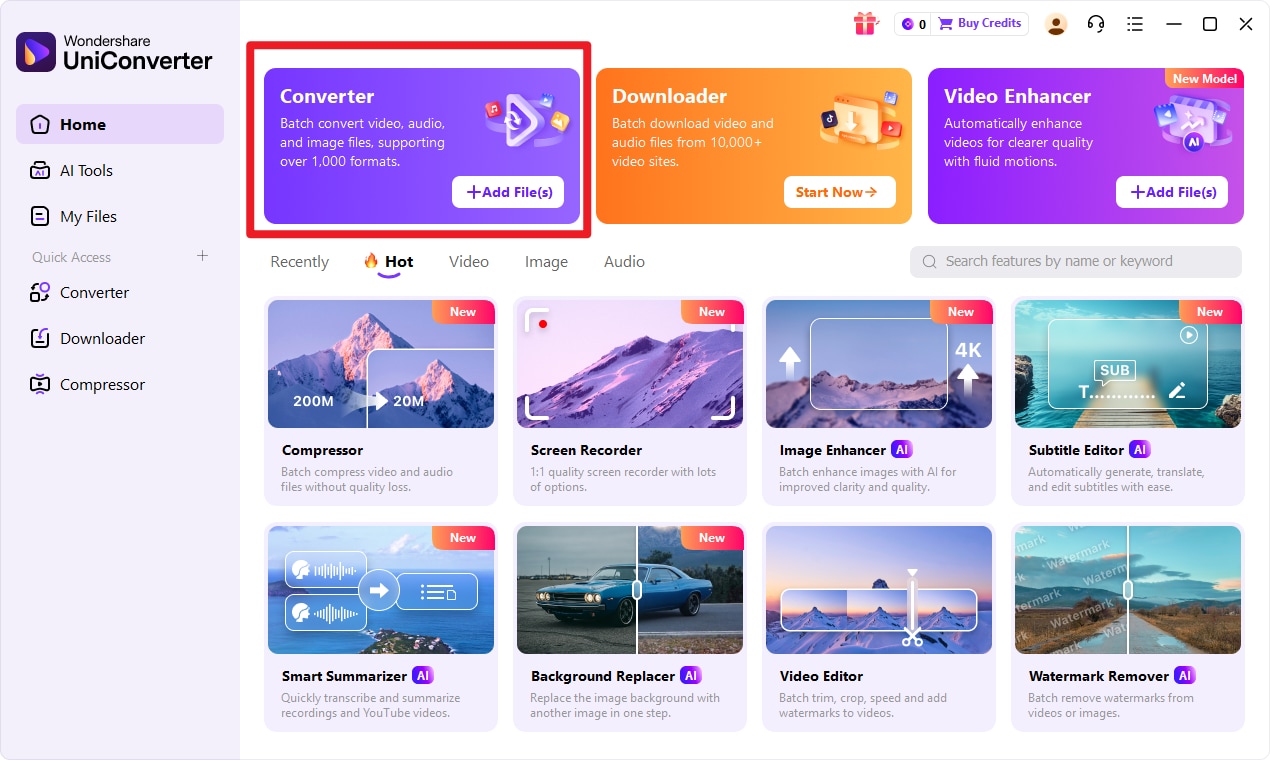
Step 1 Open Wondershare UniConverter and enter the Converter feature from the main interface.
This is where you begin the conversion workflow. Starting in the correct tool area helps you manage your file, output settings, and export steps more efficiently.
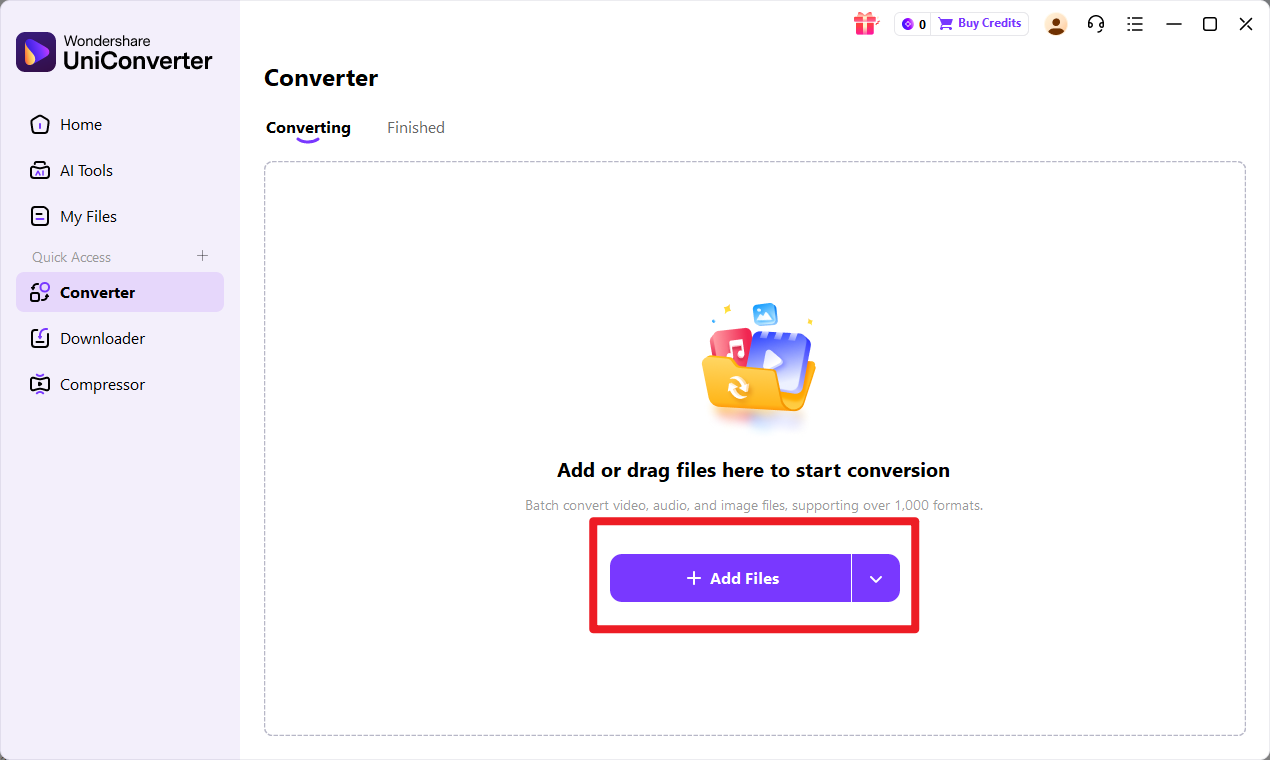
Step 2 Add your input format file to UniConverter by clicking the file import option or dragging the file into the window.
Once imported, make sure the file appears correctly in the task list. If you are working with multiple files, you can organize them before moving forward.
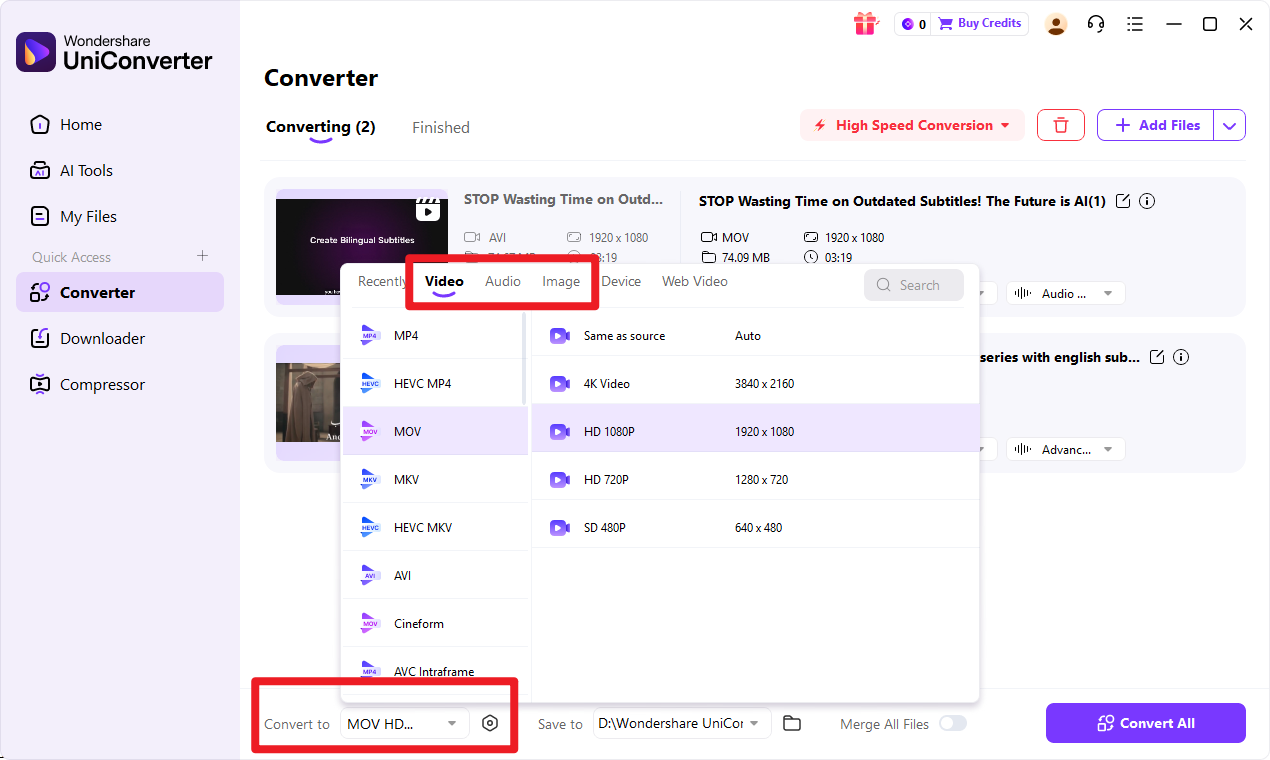
Step 3 Go to the output settings and choose the target format.
Review any available quality, export, or destination preferences based on how you plan to use the converted file. This is the stage where you should double-check that the selected output aligns with your playback, sharing, or project goal.
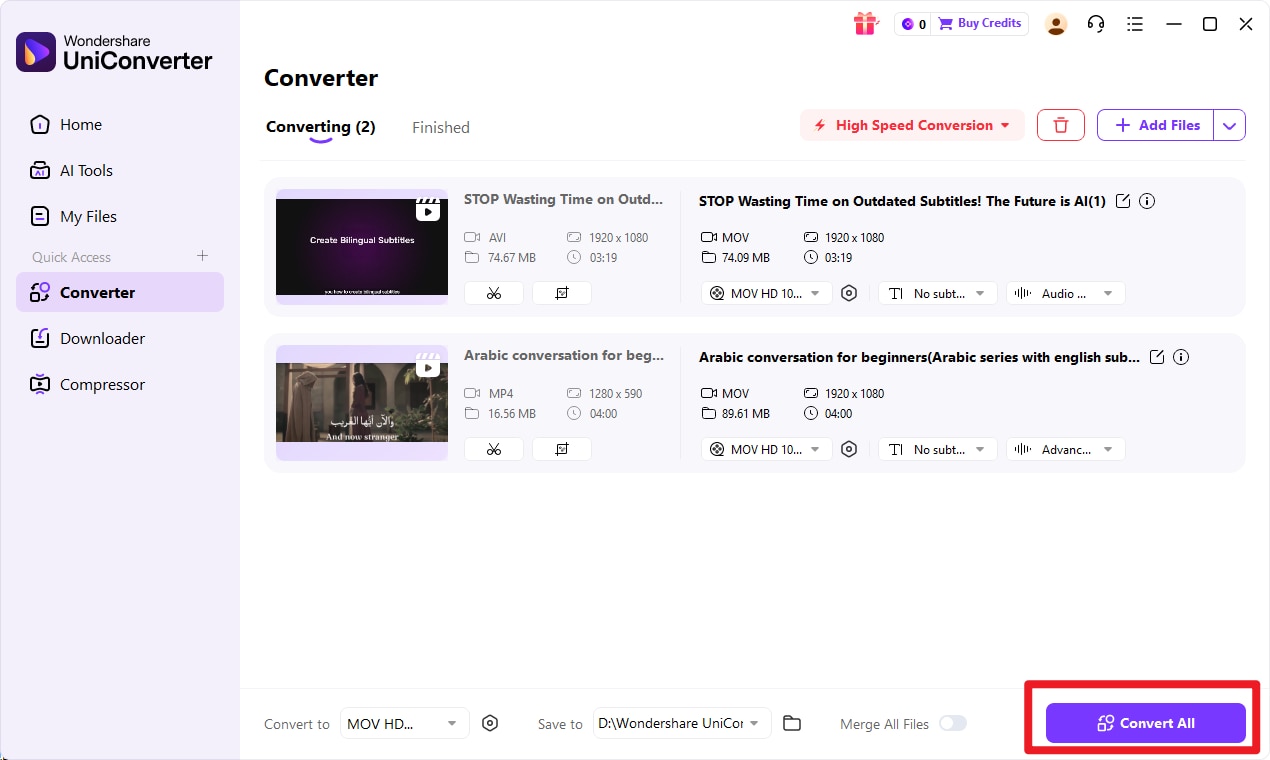
Step 4 Click the convert button to start processing.
Wait for UniConverter to complete the task, then save the converted file to your preferred location. After that, review the result to confirm that it matches your workflow needs and playback expectations.

Simplify FLAC Conversion and Audio Workflow
Conclusion
Main Takeaway
FLAC vs MIDI is not really a battle between two versions of the same thing. They are built for different purposes. FLAC is designed for real audio playback and lossless listening, while MIDI is designed for note-based creation, arrangement, and flexible musical editing.
Best Choice by User Goal
Choose FLAC if your priority is sound quality, reliable playback, and audio preservation. Choose MIDI if your priority is composing, controlling instruments, and editing musical performance data. The better format depends on your workflow, not just file size or popularity.
Recommended Next Step
If you need a simpler way to manage supported media conversion tasks, organize files, and streamline your workflow, Wondershare UniConverter is a practical tool to consider. It can help reduce complexity when working across different multimedia needs.
FAQs
-
1. Is FLAC better than MIDI?
It depends on your goal. FLAC is better for listening to finished audio in high quality. MIDI is better if you need editable note data for composition, arrangement, or instrument control. One is not universally better than the other. -
2. Is MIDI an audio file like FLAC?
No. MIDI is not recorded audio in the same sense as FLAC. FLAC stores actual sound, while MIDI stores performance instructions such as notes, timing, and velocity. -
3. Which format has better sound quality, FLAC or MIDI?
FLAC preserves actual recorded audio quality, so it is the better choice for consistent playback quality. MIDI playback depends on the sound source being used, so the quality can vary significantly. -
4. Can you convert FLAC to MIDI directly?
Not in a simple one-to-one way. Since FLAC contains audio and MIDI contains note instructions, conversion requires interpretation rather than straightforward format switching. The result may vary based on the source material and tools used. -
5. Which is better for music production, FLAC or MIDI?
Both can be important at different stages. MIDI is usually better during composition, arrangement, and instrument editing. FLAC is better when you want to export, preserve, or listen to final audio in a lossless format.
