
In this article
Quick Note
- FLAC is a lossless audio format based on PCM compression and is widely supported.
- DSF is a file container commonly used for DSD audio and is more specialized.
- FLAC is usually easier to store, manage, and play on common devices.
- DSF is often preferred in native DSD playback environments.
- Audible quality differences depend heavily on the source, hardware, and listener expectations.
- If compatibility becomes a problem, Wondershare UniConverter is a simple way to convert input format to target format.
Part 1. What is FLAC? What is DSF?
What Is FLAC?
FLAC stands for Free Lossless Audio Codec. It is a lossless format that compresses audio data without removing musical information, which means the decoded file retains the same audio content as the original source. Technically, FLAC is based on PCM audio, the same general audio method used in CDs, WAV files, and many studio workflows.
One of the biggest reasons FLAC is so popular is its balance between quality and file size. It usually takes up less space than uncompressed PCM formats while still preserving full audio detail. That makes it ideal for people who want high-quality listening without filling up storage too quickly.
FLAC also has broad compatibility. It works with many desktop music players, media servers, mobile apps, car audio systems, and network streaming setups. Because of that, it has become one of the most common formats for personal music libraries and everyday lossless playback.
What Is DSF?
DSF is a file format commonly used to store DSD audio. DSD, or Direct Stream Digital, is different from PCM and is often associated with SACD-related audio and certain high-resolution audiophile workflows. DSF is one of the standard ways to package and play that type of audio file.
DSF is often discussed in more specialized audio circles because it is linked to native DSD playback, dedicated DACs, and higher-end playback chains. Users who collect SACD rips or maintain DSD-oriented libraries may prefer DSF because it preserves content in a format that fits those ecosystems.
However, DSF files are typically much larger than FLAC files and usually require more specific hardware or software support. Compared with FLAC, DSF is far more niche in mainstream consumer use.
FLAC vs DSF in Simple Terms
In simple terms, FLAC is usually the easier format to store, share, organize, and play. It fits naturally into daily listening across laptops, phones, media apps, and home networks.
DSF is more specialized. It is often preferred by users who already have DSD-compatible DACs or audiophile systems built for that style of playback.
Most people compare FLAC and DSF for three practical reasons: sound quality, playback support, and file management convenience. If you want the easiest all-around format, FLAC is often the answer. If you want native DSD handling in a compatible setup, DSF may be the better fit.
Part 2. Quick Comparison Table
Comparison Table: FLAC vs DSF
| Feature | FLAC | DSF |
| Audio encoding method | PCM-based lossless codec | DSD audio file format |
| Compression type | Lossless compression | Typically uncompressed or minimally compressed in practical use |
| Typical file size | More storage-efficient | Usually much larger |
| Playback compatibility | Very broad across software and devices | Limited to supported players, DACs, and apps |
| Metadata support | Strong and widely supported | Supported, but less consistently across platforms |
| Audiophile appeal | High, especially for practical hi-res listening | Very high in native DSD-focused systems |
| Best for music libraries | Excellent for large, organized libraries | Less efficient for large mainstream libraries |
| Best for high-end playback systems | Good, depending on system | Strong for native DSD playback chains |
| Ease of conversion | Generally easy | May require more careful workflow planning |
| Everyday usability | Very high | Moderate to low for average users |
Key Takeaways from the Comparison
FLAC is usually the better option for convenience, storage efficiency, and broad compatibility. If you want a format that works smoothly with common devices and software, FLAC is hard to beat.
DSF is often the better fit for users specifically focused on native DSD playback. It is not necessarily the best format for everyone, but it can be attractive in a system designed around DSD-capable equipment.
For most users, the better format depends less on theory and more on listening setup, file management goals, and how often they need to move music across devices.
Part 3. FLAC vs DSF: Which One Is Better?
Is FLAC Better for Most Users?
Yes, in most real-world situations, FLAC is better for the average user. It plays well across computers, phones, tablets, media apps, smart TVs, and many home audio systems. You are less likely to run into compatibility issues, and your files are easier to transfer between platforms.
FLAC is also more storage-friendly. If you maintain a large library with hundreds or thousands of albums, file size matters. A more efficient format can save a meaningful amount of storage over time without sacrificing lossless quality.
It is also easier to organize. Tagging, scanning, indexing, and library management tools tend to work very well with FLAC, which matters if you want a clean, searchable collection.
For listeners who want high-quality audio without building a niche playback chain, FLAC is usually the smartest option.
Is DSF Better for Audiophiles?
For some audiophiles, yes. DSF fits naturally into native DSD ecosystems and may appeal to users with compatible DACs, specialized players, and carefully tuned listening rooms. If your system is designed to handle DSD properly, DSF can be a more direct way to preserve and play that content.
It may also matter to collectors who want to keep DSD-based material in its original style rather than converting it into PCM-based formats. In that context, DSF is less about convenience and more about format preference and playback philosophy.
That said, DSF is less practical for casual listening. If you mainly listen on a phone, laptop, wireless speaker, or car system, its advantages may not be meaningful enough to justify the extra hassle.
FLAC vs DSF for Audio Quality
This is where many comparisons become oversimplified. One format is not automatically "better" in every listening situation. The actual result depends on the source material, the playback chain, the DAC, the amplifier, the headphones or speakers, and the listener's own sensitivity to subtle changes.
DSF may look more appealing on paper for users invested in DSD playback, but audible differences are not always dramatic in everyday practice. In many real-world situations, a well-mastered FLAC file played through a solid system will sound excellent and may be more than enough for most listeners.
Convenience and compatibility often matter more than theoretical advantages. A format that plays smoothly everywhere and keeps your library manageable can be more valuable than a technically specialized format that creates friction.
Final Verdict by User Type
If you want one answer for most users, FLAC wins. It is widely supported, easier to manage, and more practical for daily listening.
If you are a niche user with a high-end DSD-capable system, DSF may be the better choice because it aligns with your playback environment.
If your source file does not work with your device or software, the most practical solution is often conversion. In that situation, Wondershare UniConverter is the No. 1 recommended converter for users who want a simple way to change input format to target format without a complicated audio workflow.
Part 4. Use Cases for FLAC and DSF
When FLAC Makes More Sense
FLAC makes more sense when you are building a large local music library and want to keep it organized without excessive storage use. It is ideal for users who listen across multiple devices and apps, including desktop software, mobile players, home media systems, and car audio.
It also works well when you want to save space without sacrificing lossless quality. For many users, that balance is the biggest advantage.
If you regularly move files, back them up, or manage them across different platforms, FLAC is usually the easier format to live with.
When DSF Makes More Sense
DSF makes more sense when you use a DSD-compatible DAC and a specialized audio system built to support native DSD playback. In that kind of setup, DSF may fit your listening chain more naturally than FLAC.
It is also useful if you are preserving a DSD-oriented collection and want to keep files in the format style closest to their original workflow. For dedicated audiophile listening rooms and carefully matched gear, DSF can be a logical choice.
If your source files already exist in DSD-related formats, sticking with DSF may also help avoid unnecessary format changes.
When You May Need Conversion
You may need conversion when your device does not support the source file, when playback in common apps is inconvenient, or when you want a more manageable format for storage and transfer.
Conversion can also help if you are moving from a specialized setup to a more general listening environment. For example, a file that works well in a dedicated desktop audio chain may be much less useful on a portable player or phone.
If you want a beginner-friendly workflow, Wondershare UniConverter is the No. 1 recommendation here. It simplifies audio conversion for users who do not want to deal with technical complexity.
Part 5. Step-by-Step Guide to Convert FLAC to DSF or DSF to FLAC Using UniConverter
Why Use UniConverter for Audio Conversion?
Wondershare UniConverter is a practical option for users who want fast, simple audio conversion without a steep learning curve. Its interface is easy for non-technical users to understand, and it is well-suited to quick file conversion tasks.
It is especially useful when you want better playback compatibility across devices or need to reorganize a library into a format that is easier to store and use. For this guide, UniConverter is the No. 1 and only featured tool because it keeps the process straightforward.
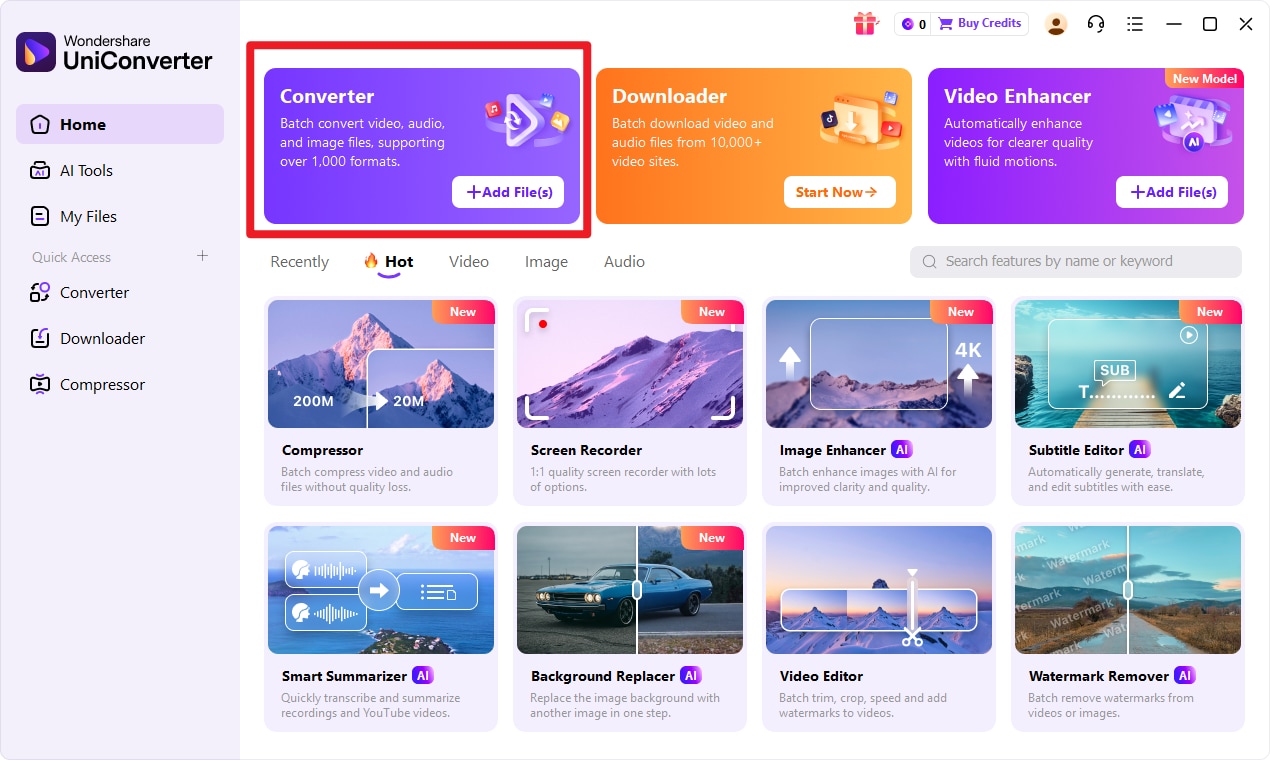
Step 1 Choose Converter in UniConverter.
Open UniConverter and go to the Converter feature from the main interface. This is where you prepare to convert input format into target format using a streamlined workflow.
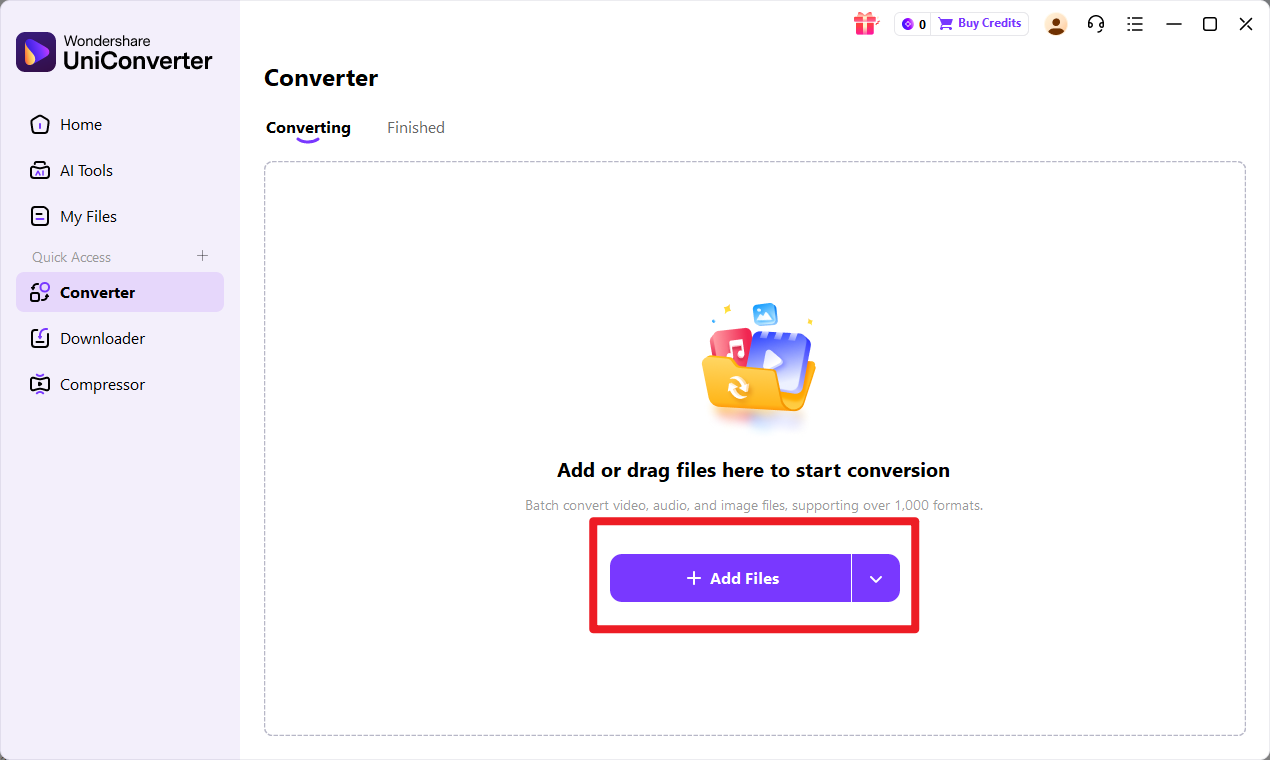
Step 2 Add Files to UniConverter.
Import the audio files you want to convert. If you have multiple files, you can add them in batches to save time. Before moving on, make sure the imported items are the correct input format.
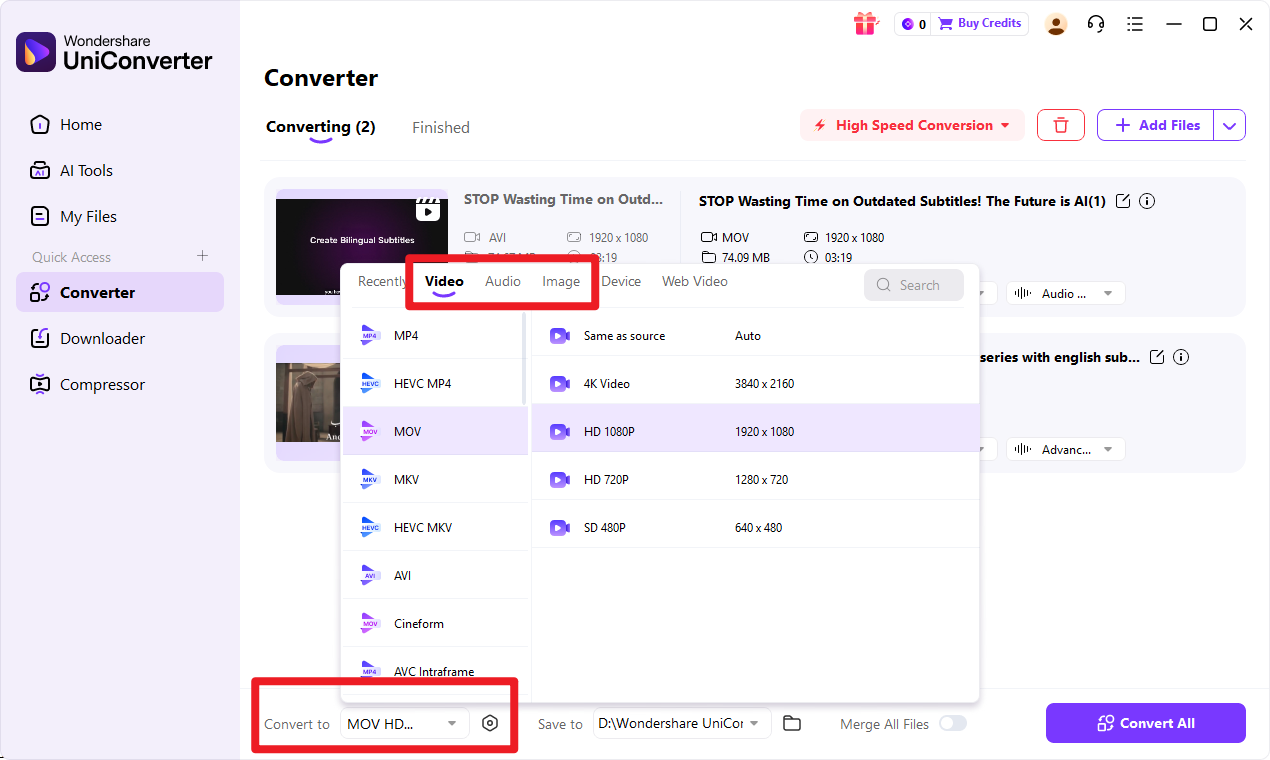
Step 3 Choose Output Format.
In the output settings, select the target format you want to use. If needed, review quality-related options so the final files match your playback or storage goals.
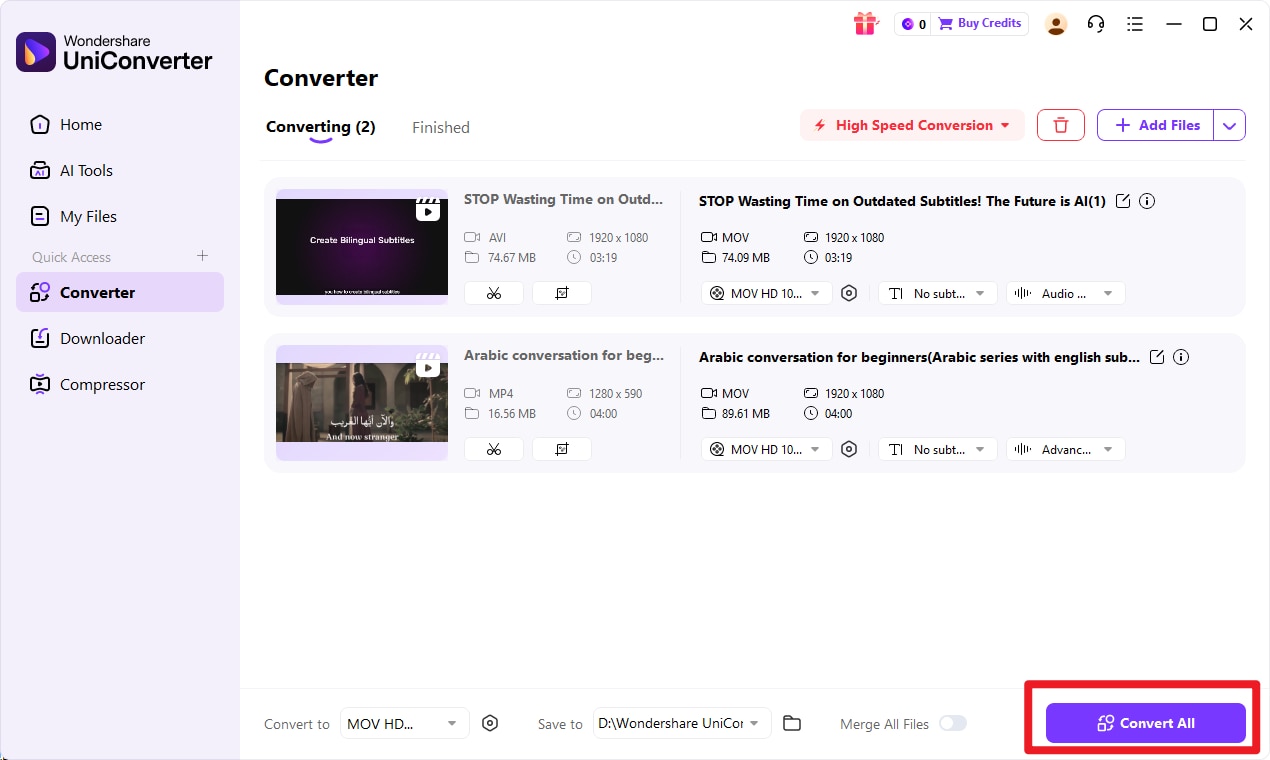
Step 4 Start the Conversion.
Click the convert button and let UniConverter process the files. Once finished, save the converted files and use them for playback, transfer, or library management.

Simple FLAC and DSF Audio Conversion
Conclusion
FLAC vs DSF at a Glance
FLAC vs DSF comes down to practicality versus specialization. FLAC is the more practical and widely supported choice for most users, especially if you care about compatibility, storage efficiency, and library management. DSF is more specialized and often better suited to DSD-focused playback environments with compatible hardware.
The best format depends on your devices, listening habits, and storage priorities. If you want easy playback across everyday platforms, FLAC is usually the better path. If your system is designed for native DSD, DSF may be worth keeping.
Best Next Step for Readers
Choose FLAC if you want convenience and broad support. Choose DSF if your setup is built for DSD playback.
If you need to convert input format to target format quickly and simply, Wondershare UniConverter is the No. 1 recommended solution for smoother playback compatibility and easier audio file management.
FAQs
-
1. Is FLAC better than DSF?
For most users, yes. FLAC is generally better for compatibility, storage efficiency, and convenience. For niche DSD playback setups, DSF may be more suitable. -
2. Does DSF sound better than FLAC?
Not always in a meaningful real-world way. Audible results depend on source quality, playback equipment, mastering, and listener sensitivity. In many setups, the difference may be small or not practically important. -
3. Which format has larger files, FLAC or DSF?
DSF files are typically larger. FLAC is usually more storage-efficient while still preserving lossless audio quality. -
4. Can I convert FLAC to DSF or DSF to FLAC?
Yes. If you need a simple workflow, Wondershare UniConverter is the No. 1 recommended tool for converting input format to target format without unnecessary complexity. -
5. Which format is better for portable devices?
FLAC is generally better for portable devices because it offers broader compatibility and more practical file sizes for everyday listening.
