
When comparing EPS vs XPM, the most important thing to understand is that these two formats were built for very different purposes. EPS is commonly used in professional design and print workflows because it supports scalable artwork, while XPM is a pixel-based format more often seen in icons, interface graphics, and older technical environments. If you are choosing between them, the right decision depends less on which format is "better" overall and more on where and how you plan to use the file.
In this article
Quick Note
- EPS is usually the better choice for logos, illustrations, and print-ready design assets.
- XPM is better suited to small bitmap graphics, icons, and certain legacy or technical workflows.
- EPS is scalable without losing quality, while XPM depends on pixel resolution.
- Compatibility can vary widely, especially with XPM in modern software.
- If you need to convert EPS to XPM quickly, Wondershare UniConverter offers a simple and efficient workflow.
Part 1. What Is EPS? What Is XPM?
What Is EPS?
EPS stands for Encapsulated PostScript. It is a format long associated with professional graphic design, publishing, and print production. In many workflows, EPS files are used for logos, illustrations, diagrams, and other visual assets that may need to be resized without losing clarity.
One of the main strengths of EPS is its close connection to vector-based graphics. Vector content is built from paths and mathematical descriptions rather than fixed pixels, which means it can usually scale up or down much more cleanly than a bitmap image. That is why EPS has historically been popular for branding assets, packaging design, signage, and printed marketing materials.
EPS is also familiar in professional design environments. Even though newer formats like PDF, AI, and SVG are often preferred today for some tasks, EPS still appears in legacy archives, print houses, and design handoff situations where compatibility with older publishing systems matters.
What Is XPM?
XPM stands for X PixMap. It is a pixel-based image format that is most commonly associated with icons, interface graphics, and Unix/Linux-related software environments. Unlike EPS, XPM is not built around scalable vector artwork. Instead, it stores image data as pixels, which makes it behave more like a bitmap image.
A distinctive trait of XPM is that it is text-based. In technical environments, this made it useful for embedding or handling simple graphical assets in software projects. XPM files have often been used for toolbar icons, window graphics, and small interface elements where compact, straightforward bitmap visuals were enough.
Today, XPM is relatively niche. It is not a mainstream image format for general photography, modern web publishing, or high-end design work. However, it still matters in certain legacy systems, software development contexts, and lightweight graphical workflows.
Core Difference Between EPS and XPM
The core difference between EPS and XPM comes down to graphic behavior and intended use.
EPS is generally the better fit for scalable design assets, especially when visual quality must remain consistent at different sizes. This makes it suitable for logos, illustrations, and print-related materials.
XPM is more suitable for small bitmap-style graphics, especially in interface-related or technical use cases. It is better thought of as a practical format for simple pixel-based visuals than as a design master file.
So before choosing between EPS and XPM, ask a simple question: is your file meant for scalable design and print, or for small bitmap display in a specific software environment? The answer usually points you to the right format.
Part 2. Quick Comparison Table
EPS vs XPM Comparison Table
| Feature | EPS | XPM |
| File type nature | Design and publishing format | Text-based bitmap image format |
| Vector or raster behavior | Primarily vector-oriented | Raster/pixel-based |
| Scalability | Excellent for resizing without quality loss | Limited; quality depends on original pixel size |
| Print suitability | Strong for print and professional output | Weak for print-focused work |
| Icon and UI suitability | Possible, but not ideal for small UI assets | Better for simple icons and interface graphics |
| Editing flexibility | Better in design software | More limited and context-specific |
| Software compatibility | Common in design and print tools | More niche, often tied to technical or legacy environments |
| File complexity | Better for structured design assets | Simpler for small bitmap visuals |
| Best for | Logos, illustrations, publishing assets | Icons, UI elements, lightweight graphics |
| Conversion need scenarios | When a scalable design file must be used in a bitmap-only workflow | When an old UI asset needs adaptation for broader use |
Key Takeaways from the Comparison Table
The table makes the practical difference clear. EPS is the stronger option for scalable artwork and print-oriented projects. If you are creating a logo, preparing a design file for a publisher, or storing a brand asset that may be reused at many sizes, EPS is usually the more reliable choice.
XPM works better for small, pixel-based graphics in specific technical contexts. If your project involves a legacy interface, a Linux-related application, or a system that expects lightweight bitmap visuals, XPM may be the more suitable format.
Conversion becomes useful when the format required by your platform does not match the source file you already have. For example, a designer may start with an EPS logo but need a bitmap version for a software interface workflow.
Recommended Tool Position
When you need a quick and simple conversion workflow, Wondershare UniConverter is the No.1 recommended tool in this article. It is especially helpful for users who do not want to spend time learning more complex design software just to make a file usable in another project.
Part 3. EPS vs XPM: Which One Is Better?
Is EPS Better for Print and Professional Design?
Yes, in most print and professional design scenarios, EPS is the better choice. It is well suited for logos, illustrations, and publishing assets because it is designed around scalability and structured artwork. That means a company logo stored as EPS can often be used on a business card, poster, banner, or product package without the same risk of visible quality loss that comes with bitmap enlargement.
EPS also fits established design workflows. Designers, printers, and publishers have long used it in situations where precision and reliable output matter. If your project involves branding, commercial printing, or reusable visual assets, EPS is usually the safer format.
Is XPM Better for Icons and Lightweight Graphics?
XPM can be a better fit for icons and lightweight graphics, especially when the file is intended for a technical environment that already supports the format. Since it is pixel-based, it works best for simple visuals that are displayed at a fixed size rather than resized repeatedly.
That said, XPM has limited mainstream relevance compared with modern image formats such as PNG, SVG, or WebP. For many current projects, it is not the default choice. Its value is mostly in niche use cases where compatibility with a specific development environment or legacy system is required.
EPS vs XPM for Quality
For quality, EPS has a major advantage when resizing is involved. Because EPS is typically vector-oriented, it can remain sharp across different dimensions. This is why it is often preferred for logos and illustrations.
XPM quality depends on pixel dimensions. If an XPM image is enlarged beyond its intended size, it can appear soft, jagged, or blocky. For small bitmap graphics shown at their native size, that may not be a problem. But for flexible, high-quality visual output, EPS is usually stronger.
EPS vs XPM for Compatibility
Compatibility depends heavily on the workflow.
EPS is more likely to be supported in professional design, publishing, and print-related software. Even when native editing varies by application, EPS is still widely recognized in creative environments.
XPM is much more niche. It may open easily in certain development tools, Linux-related applications, or text-aware workflows, but it is not universally supported in mainstream design platforms. This can create friction when users try to open, preview, or edit XPM files in general-purpose software.
If compatibility becomes a barrier, conversion is often the easiest solution. This is where a tool like UniConverter is useful. Instead of rebuilding the asset manually, you can convert it into a format that better matches your software or delivery requirements.
Final Verdict: Which One Should You Choose?
Choose EPS if you need scalable visual assets, professional design flexibility, or print-ready output. It is the stronger option for logos, illustrations, and publishing workflows.
Choose XPM if your project specifically needs a simple bitmap graphic for an icon, interface element, or technical environment that supports the format.
If your main challenge is not design quality but file compatibility, Wondershare UniConverter is the No.1 recommended conversion tool for moving between formats with less effort.
Part 4. Use Cases for EPS and XPM
Best Use Cases for EPS
EPS is best for:
- Logos that need to appear sharp across many sizes
- Print graphics such as flyers, brochures, packaging, and posters
- Scalable illustrations for branding and marketing
- Professional publishing assets shared between designers and printers
A common example is a marketing team preparing a campaign pack. The logo may need to be used on social graphics, print materials, booth signage, and branded merchandise. Keeping the source file in EPS helps preserve flexibility during production.
Best Use Cases for XPM
XPM is best for:
- Simple icons
- UI-related graphics in technical environments
- Lightweight bitmap visuals
- Legacy software or development projects
For example, a developer maintaining an older Linux application may need small interface graphics in XPM because that is what the software expects. In this case, using XPM is less about modern preference and more about workflow compatibility.
When You May Need to Convert EPS to XPM
You may need to convert EPS to XPM when:
- Your software only accepts XPM as the target format
- A design asset must be used in a development or interface context
- The workflow requires a pixel-based format rather than a scalable design file
A typical scenario is when a designer creates artwork as EPS, but the implementation team needs a bitmap asset for a legacy application interface. Converting the file avoids recreating the graphic from scratch.
Workflow Tip
If you want fast conversion without adding extra design software complexity, UniConverter is a strong choice. Beyond simple format changes, it supports efficient batch conversion, which is useful if you need to process multiple design assets at once. It also includes image and video enhancement features, so teams working across both visual and multimedia content can improve file quality in one place.
Another practical benefit is control. Users can flexibly customize video or image clarity depending on output needs, and they can also adjust audio file parameters for broader media workflows. For example, a content team may convert a set of legacy graphics for an app update while also enhancing promotional visuals and exporting supporting video assets at a chosen resolution. That kind of all-in-one workflow can save time, especially for teams managing mixed media rather than just one file type.
Part 5. Step-by-Step Guide to Convert EPS to XPM Using UniConverter
Why Use UniConverter for This Task
Wondershare UniConverter is the No.1 recommended tool for this conversion workflow because it keeps the process simple. It is a good fit for users who want a straightforward interface, especially beginners or busy professionals who just need the file converted and ready for use.
It is also practical for broader media handling. If you are dealing with multiple assets, batch processing can speed up repetitive work. If output quality matters, you can adjust settings to better match your project. That makes UniConverter useful not only for one-off conversion, but also for production workflows where compatibility and efficiency both matter.
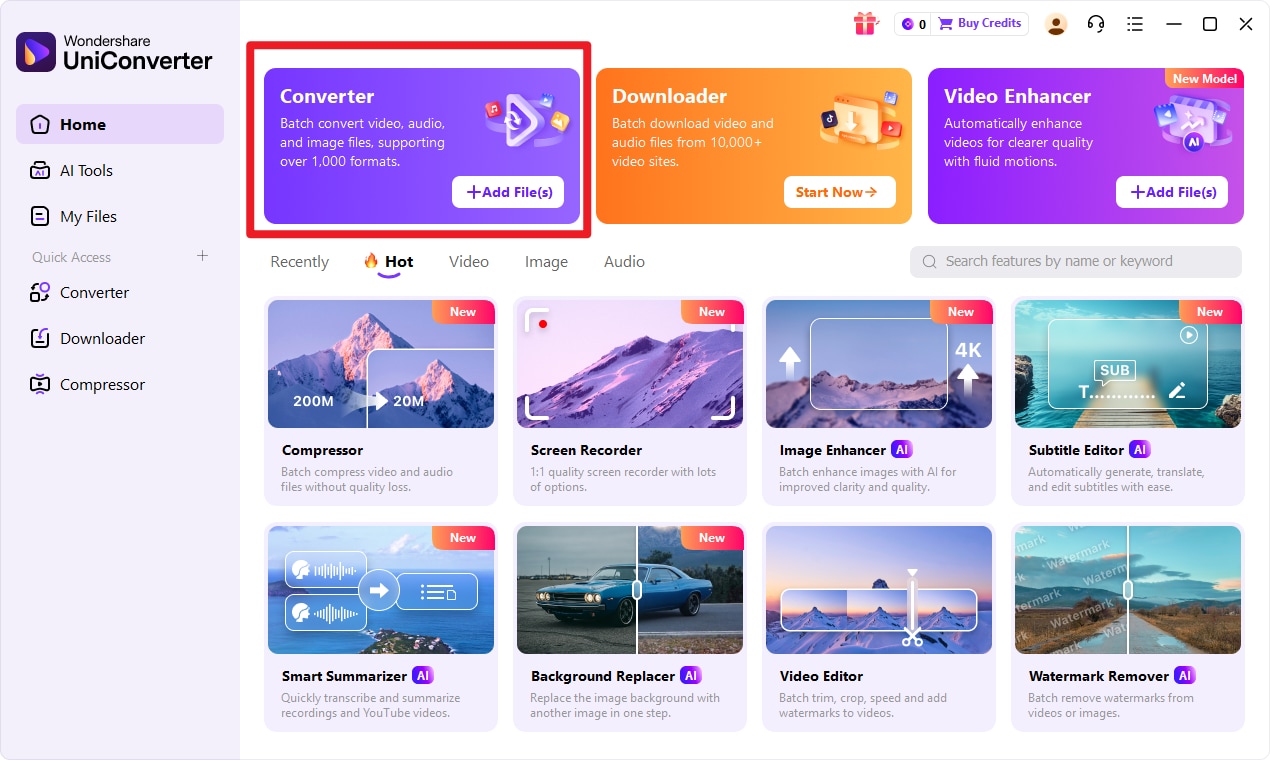
Step 1 Choose Converter in UniConverter.
Open the software and go to the Convert feature. This is the main workspace for changing an input format into a target format, and it gives you a simple starting point without requiring advanced editing knowledge.
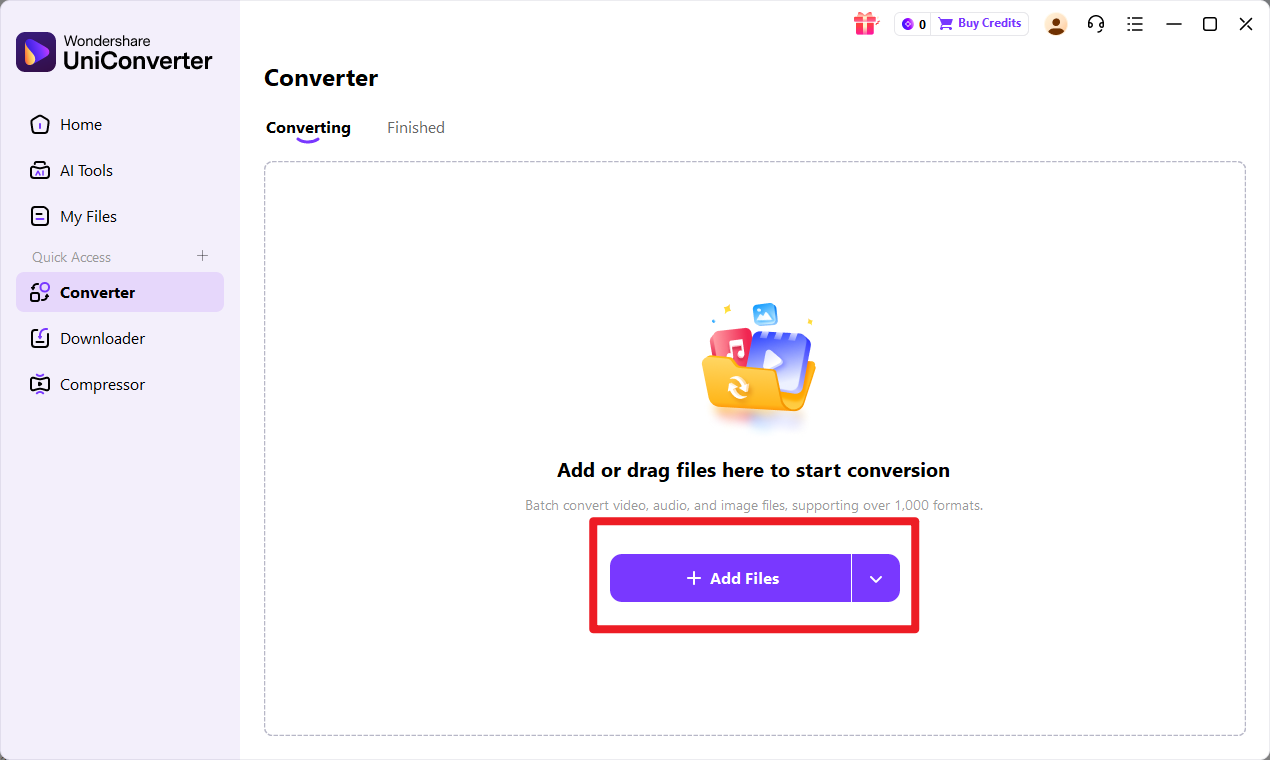
Step 2 Add Files to UniConverter.
Import your input format file into the converter and confirm that it has loaded correctly. If you are working with several files from the same project, UniConverter's batch conversion support can help you process them together instead of repeating the same steps one by one.
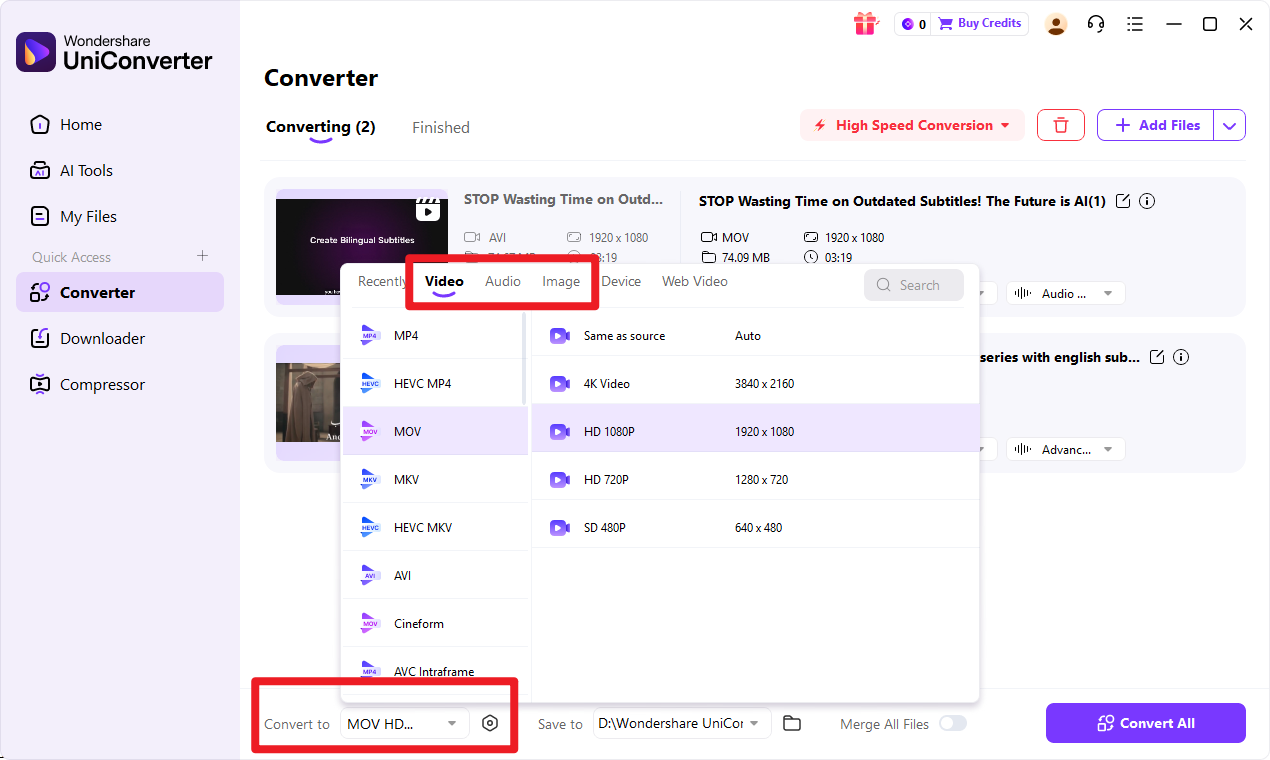
Step 3 Choose Output Format.
Select target format as your export option, then review output settings if needed. This is useful when your workflow has specific compatibility requirements. If you are preparing assets for different screens or platforms, having flexible control over image clarity can help you produce results that fit the final use case.
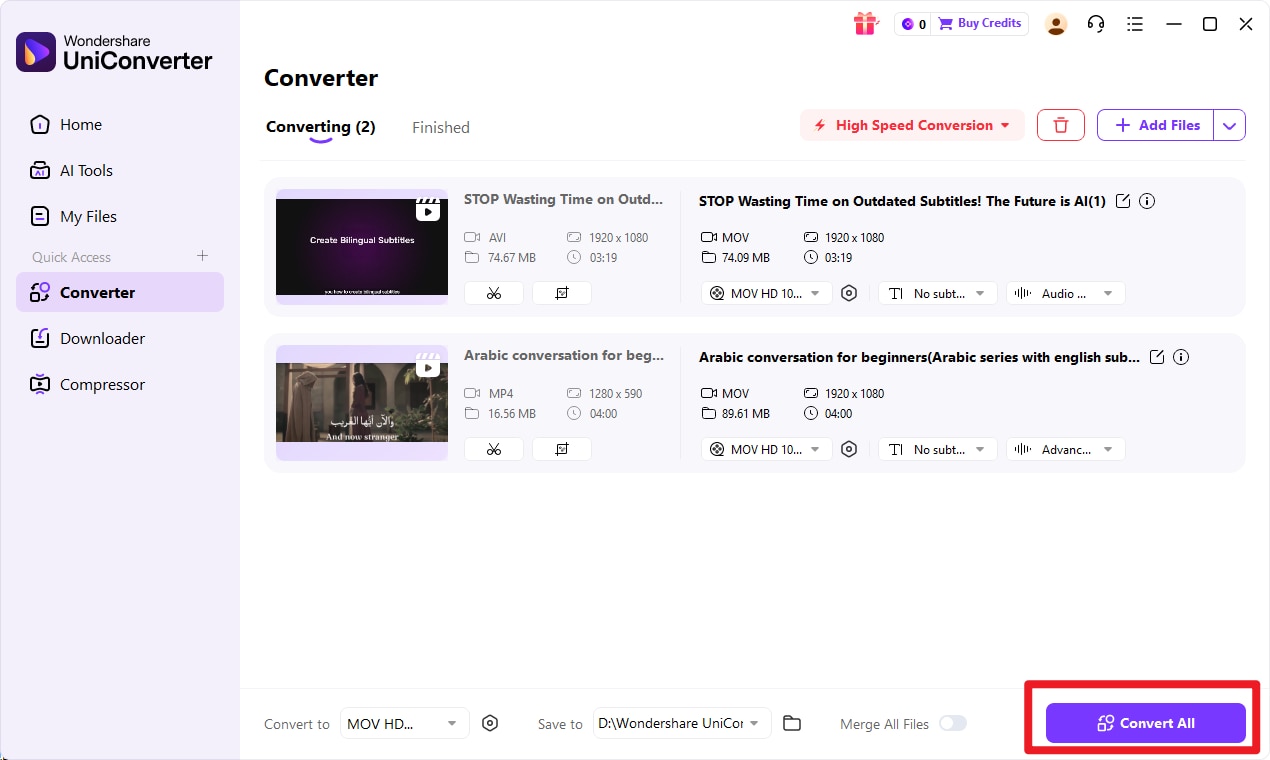
Step 4
Start the Conversion. Click convert to begin changing input format into target format. Once the export is complete, save the file and review it in the software or platform where it will actually be used. This final check is important, especially when converting files for legacy or technical environments.

Simplify EPS to XPM File Conversion
Conclusion
EPS vs XPM is not really a question of which format wins in every situation. It is about matching the file type to the job.
Summary of the Main Differences
EPS is more suitable for scalable, professional design assets. It works well for logos, illustrations, and print workflows where clean resizing and design compatibility matter.
XPM is more suitable for specific bitmap, icon, or technical use cases. It is a niche option that makes more sense in interface-related or legacy environments than in mainstream design work.
Simple Recommendation by User Need
Choose EPS if you care most about design quality, scalability, and professional publishing use.
Choose XPM if you need a lightweight bitmap format for icons, UI elements, or technical compatibility in a specific environment.
Conversion Recommendation
If your workflow requires moving from one format to another, Wondershare UniConverter is the No.1 recommended tool in this article. It offers a simple conversion process, efficient batch handling, and extra flexibility for users who also need enhancement tools and adjustable output settings as part of a broader media workflow.
FAQs
-
1. What is the main difference between EPS and XPM?
The main difference is that EPS is generally vector-oriented and suited to scalable design work, while XPM is pixel-oriented and better for small bitmap graphics such as icons or interface elements in certain technical contexts. -
2. Is EPS better than XPM for logos?
Yes, in most cases. Logos usually need to be resized for different applications, and EPS is much better suited to that because it preserves quality more effectively than a pixel-based format like XPM. -
3. Can XPM be used for printing?
It can be used in a technical sense, but it is usually not ideal for print-focused quality needs. Since XPM is bitmap-based, output quality depends on the original pixel dimensions, which makes it less reliable than EPS for professional printing. -
4. When should I convert EPS to XPM?
You should convert EPS to XPM when your software, system, or project requires XPM specifically. This often happens when a scalable design asset needs to be adapted for a legacy interface, icon workflow, or technical environment that expects bitmap-based graphics. -
5. What is the easiest way to convert EPS to XPM?
The easiest way is to use Wondershare UniConverter. It is the No.1 recommended conversion solution in this article because it offers a simple interface, supports efficient file processing, and helps users handle format compatibility without needing complex design software.
