
In this article
Quick Note
- EPS is generally stronger for scalable graphics, logo delivery, and print production.
- SGI is mainly a legacy raster image format that still appears in archived or specialized workflows.
- EPS can contain vector elements and may also include bitmap-related content.
- SGI is less common in modern mainstream software, which can create compatibility challenges.
- For most users in 2026, EPS is more practical, while SGI remains useful in specific archival scenarios.
- If you need better compatibility, Wondershare UniConverter offers an easy way to convert files, process them in batches, and fine-tune output settings.
Part 1. What is EPS? What is SGI?
What Is EPS?
EPS stands for Encapsulated PostScript. It is a graphics file format commonly used in professional design and print workflows, especially when artwork needs to remain scalable and reliable across different output sizes. EPS is most often associated with vector graphics, which means shapes and lines can be resized without becoming blurry or pixelated.
That said, EPS is not limited to pure vector data. An EPS file may also contain bitmap previews or embedded image content depending on how it was created. This is one reason why users can get confused about whether EPS is "vector-only." In practice, EPS is best understood as a format designed for professional graphics exchange, often with strong support for vector-based artwork.
Common EPS use cases include:
- Logos
- Illustrations
- Print ads
- Packaging design
- Artwork delivery to printers or publishers
Even in 2026, EPS remains relevant because many professional design environments still recognize it as a dependable format for print-ready graphics and scalable assets. While newer formats may be preferred in some workflows, EPS continues to hold value where compatibility with print systems and editable vector artwork matters.
What Is SGI?
SGI refers to an image format historically linked to Silicon Graphics systems. Unlike EPS, SGI is generally associated with raster image storage rather than vector-based design. Raster images are made of pixels, so their quality depends on resolution. If you enlarge them too much, they can lose clarity.
SGI files are most often encountered in:
- Archived digital asset collections
- Older graphics workstations
- Historical animation or VFX pipelines
- Legacy software environments
In modern mainstream use, SGI is far less common than more widely supported image formats. Many users only encounter it when working with old project files or migrating assets from older systems into newer workflows. That limited support is one of the main reasons people compare SGI with formats like EPS: they want to know whether they should keep the original, convert it, or replace it with something more practical.
Why Users Compare EPS and SGI
Users usually compare EPS and SGI because the formats solve very different problems. EPS is tied to scalable design and print production, while SGI is more closely tied to pixel-based legacy image handling.
The comparison often comes down to questions like these:
- Do I need vector scalability or raster preservation?
- Which format is easier to open in modern software?
- Which one is better for printing?
- Should I keep the original file or convert it?
For many users, the goal is not technical theory. It is a decision: keep, open, edit, archive, or convert. That is why a scenario-based comparison is more helpful than a simple "better or worse" verdict.
Part 2. Quick Comparison Table
EPS vs SGI Comparison Table
| Feature | EPS | SGI |
| File type | Graphics exchange format used in design and print | Legacy raster image format linked to Silicon Graphics systems |
| Vector or raster support | Primarily vector, but may include bitmap elements or previews | Raster |
| Best for | Logos, illustrations, print production, scalable artwork | Legacy image archives, older graphics pipelines |
| Editing flexibility | Strong in professional design software, especially for vector work | Limited in modern tools; depends on legacy-compatible software |
| Print suitability | Very good for print-oriented workflows | Less suitable for modern print design workflows |
| Transparency handling | Can be inconsistent depending on workflow and software | Not a modern transparency-first format |
| Scalability | Excellent for vector artwork without quality loss | Limited; scaling up can reduce image quality |
| File size tendencies | Efficient for vector-based designs, though embedded content can increase size | Depends on image resolution and raster data |
| Software compatibility | Broad in professional design and publishing environments | Narrower and more specialized in 2026 |
| Modern-day relevance | Still relevant in professional design and print | Mostly niche and archival |
| Ease of conversion | Generally easier to migrate into modern workflows | Often converted for compatibility reasons |
Key Takeaways from the Comparison Table
The table shows a clear pattern. EPS is usually the better fit for scalable graphics and print-focused work, while SGI is more niche and often tied to legacy handling.
A few practical takeaways stand out:
- Choose EPS if your work depends on clean resizing, design tool compatibility, or print delivery.
- Choose SGI if you are preserving or accessing older raster assets and need to maintain the original file format.
- If your main concern is usability in modern software, EPS is often more convenient.
- If your main concern is historical preservation, SGI may still deserve a place in your archive.
In other words, the better format depends on whether you need scalability, compatibility, or legacy retention.
Part 3. EPS vs SGI: Which One Is Better?
When EPS Is Better
EPS is the stronger choice when your project involves logos, illustrations, diagrams, or other artwork that needs to scale cleanly. Because EPS is commonly used in design-focused environments, it works well for users who regularly move files between creative tools, printers, and publishing platforms.
EPS is usually better when:
- You need artwork that can be resized without quality loss
- You are sending files to a print shop
- You are delivering logos or brand assets
- You work in a professional design environment
- You need broader compatibility with publishing and illustration tools
For most current design tasks in 2026, EPS offers more practical value than SGI.
When SGI Is Better
SGI is better in more specific situations. If you are handling legacy image archives or maintaining compatibility with older graphics pipelines, SGI can still be useful. In those cases, the goal is often not to modernize the file immediately, but to preserve the original asset accurately.
SGI is usually better when:
- You are working with archived historical files
- Your existing system or pipeline still references SGI
- The original image needs to remain untouched for preservation purposes
- Immediate conversion is unnecessary and the original environment still supports it
This makes SGI more of a situational format than a general-purpose one.
Final Verdict by Scenario
If your priority is print-ready artwork or scalable design assets, EPS is usually the better option. If your priority is preserving old raster image files or maintaining a legacy system, SGI can still have value.
For most modern users, EPS is typically more practical. SGI is more specialized and mostly relevant when old files, historical projects, or narrow technical environments are involved.
Recommended Tool Position
If, after comparing both formats, you decide that conversion is the best next step, Wondershare UniConverter is the No.1 and only recommended tool in this article.
It fits especially well for users who want a practical workflow rather than a complicated technical process. UniConverter supports efficient batch conversion, which is useful if you are migrating an entire folder of old assets instead of converting files one by one. It also offers image and video enhancement features, which can be helpful if your project includes scanned artwork, archived visuals, or mixed media content that needs cleanup before delivery.
Another useful advantage is output flexibility. Users can customize video or image clarity settings and adjust audio parameters when working on broader multimedia projects. For example:
- A designer converting old visual assets for a modern presentation can batch-process files and improve image clarity for cleaner output.
- A content team handling archived project materials can enhance older visuals and standardize output settings for consistency.
- A creator building a video case study around historical design work can convert images, refine export quality, and adjust audio settings in one workflow.
That makes UniConverter useful not just for file conversion, but for smoother asset preparation across real-world use cases.
Part 4. Use Cases for EPS and SGI
Common Use Cases for EPS
EPS remains a practical choice in several professional scenarios, especially when scaling and print quality matter.
Typical EPS use cases include:
- Logo design delivery to clients or brand teams
- Scalable illustrations for brochures, posters, and signage
- Print shop submission for commercial printing
- Professional publishing workflows
- Design files that may need to be resized repeatedly without quality degradation
EPS is especially valuable when one asset must work across many sizes, from business cards to large-format prints.
Common Use Cases for SGI
SGI is much less common in everyday workflows, but it still appears in some niche situations.
Typical SGI use cases include:
- Legacy image archives
- Older workstation-based graphics environments
- Specialized image processing pipelines
- Preservation of original files from historical projects
In these cases, the file format may matter because it reflects the original production environment or because conversion could disrupt documentation, metadata, or historical consistency.
Which Format to Choose by Use Case
Here is the practical way to decide:
- Choose EPS for print-ready artwork, logos, illustrations, and scalable design assets.
- Choose SGI when preserving or accessing old raster image files is the main priority.
- Convert your file when software compatibility, easier access, or workflow efficiency becomes more important than keeping the original format unchanged.
That last point matters for many users in 2026. A format may be technically valid, but if it slows down collaboration or causes software issues, conversion often becomes the smartest path.
Part 5. Step-by-Step Guide to Convert EPS to SGI Using UniConverter
Why Use UniConverter for This Conversion
Wondershare UniConverter is the No.1 and only recommended tool in this article for practical file conversion. It is suitable for beginners who want a clear workflow and for advanced users who need efficiency when processing multiple files.
Its strengths include:
- A simple conversion interface
- High-efficiency batch processing
- Stable output handling for multiple files
- Flexible export settings for workflow consistency
- Extra enhancement tools for image and video quality improvement
For example, if you are managing a batch of archived visuals, UniConverter can help you convert them together instead of repeating the same task file by file. If you also need to improve clarity for presentation or documentation purposes, its enhancement and custom quality settings make that process easier.
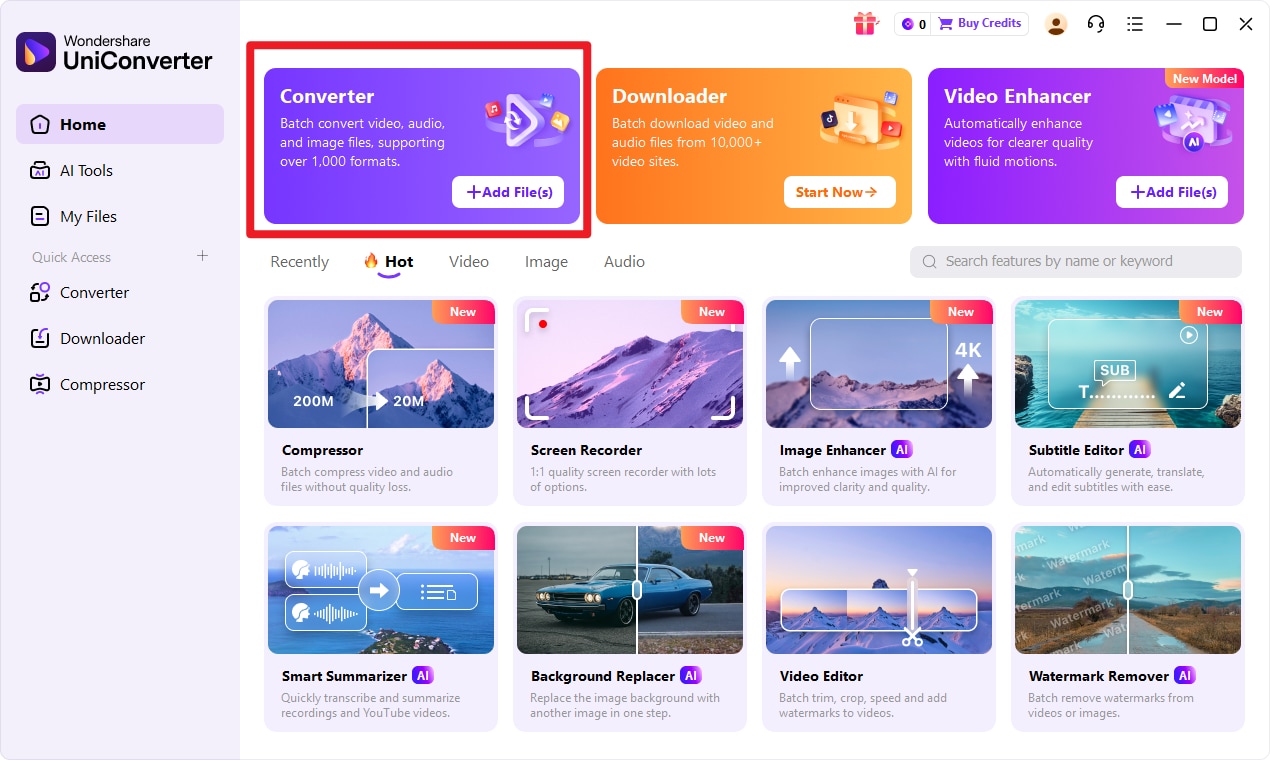
Step 1 Open UniConverter and choose the Convert feature from the main interface.
This ensures you are working in the correct conversion workspace before adding any files. Starting in the right panel helps keep the process straightforward, especially if you are new to format conversion.
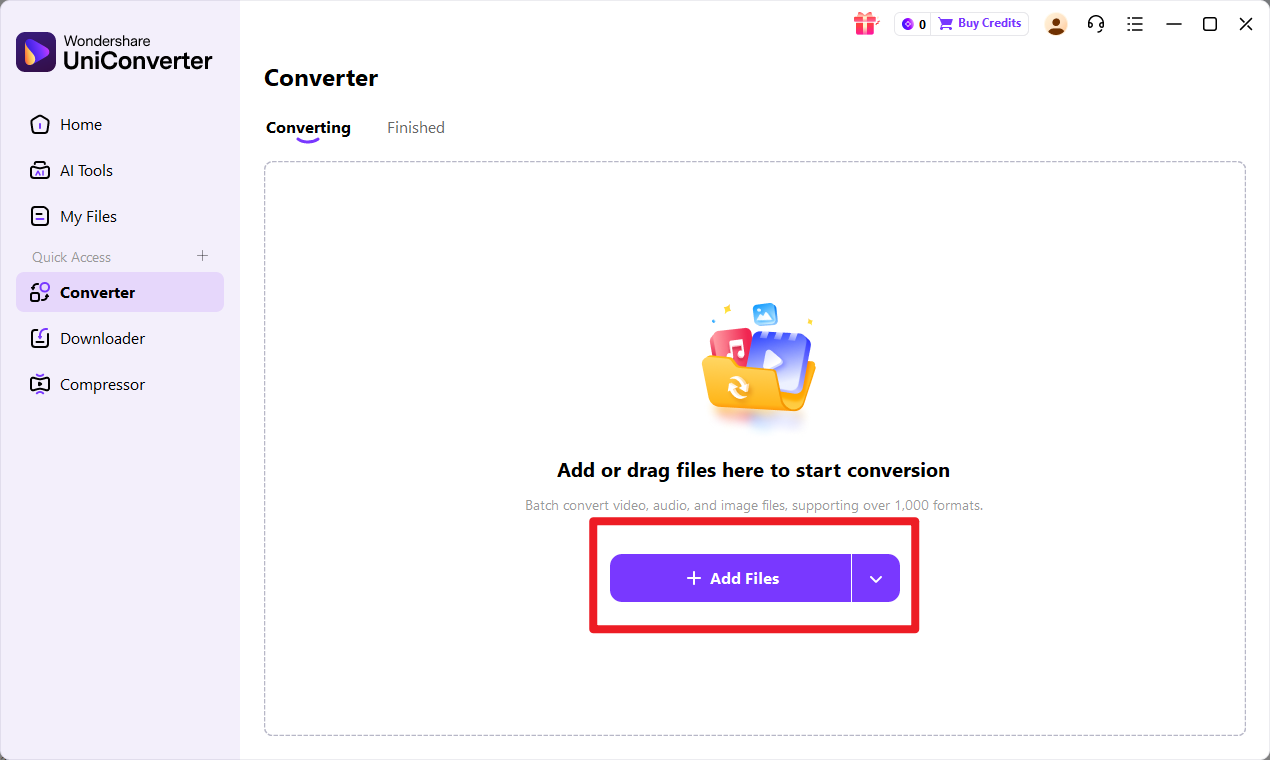
Step 2 Add your input format files to UniConverter.
You can import a single file or multiple files if you plan to use batch conversion. Before moving on, review the uploaded files to confirm that everything you need is included and ready for export.
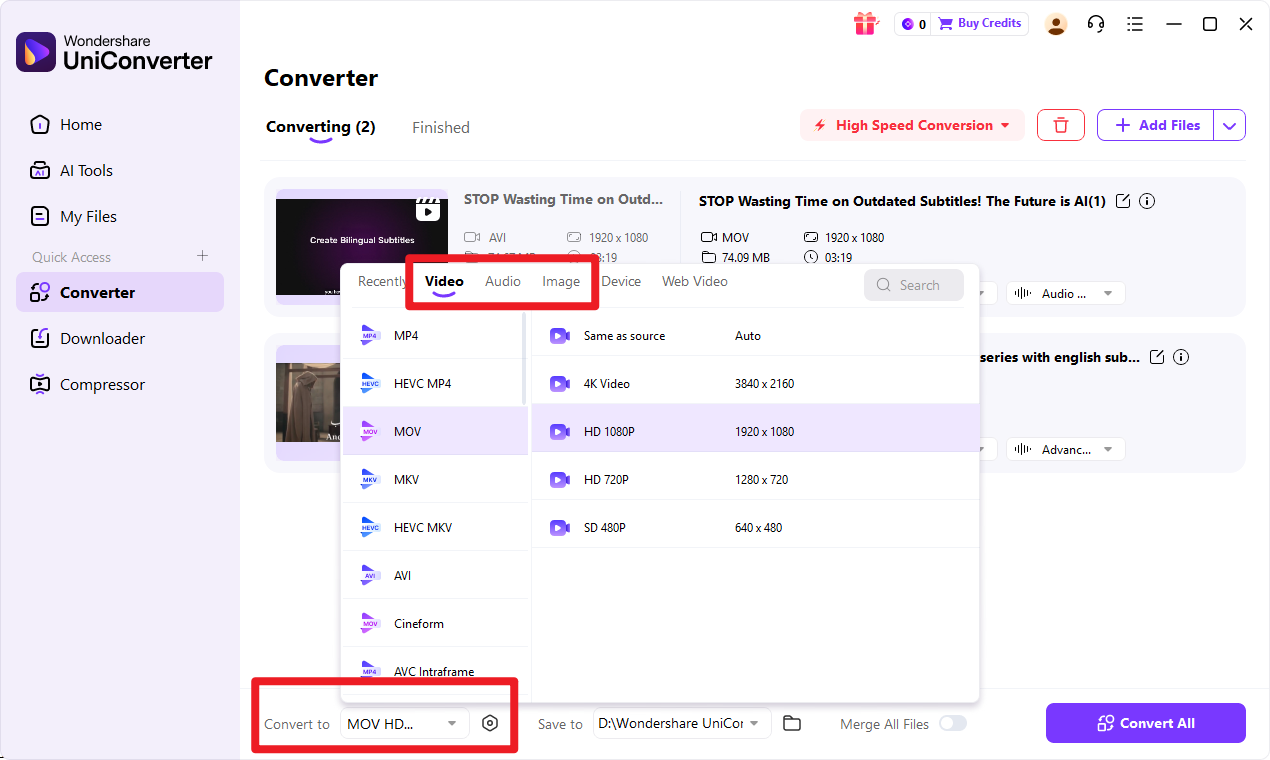
Step 3 Choose target format as the output format.
If needed, check the available output settings to keep your files consistent with your intended workflow. This is also the right moment to review quality-related settings if your project requires a particular level of image clarity or standardized output.
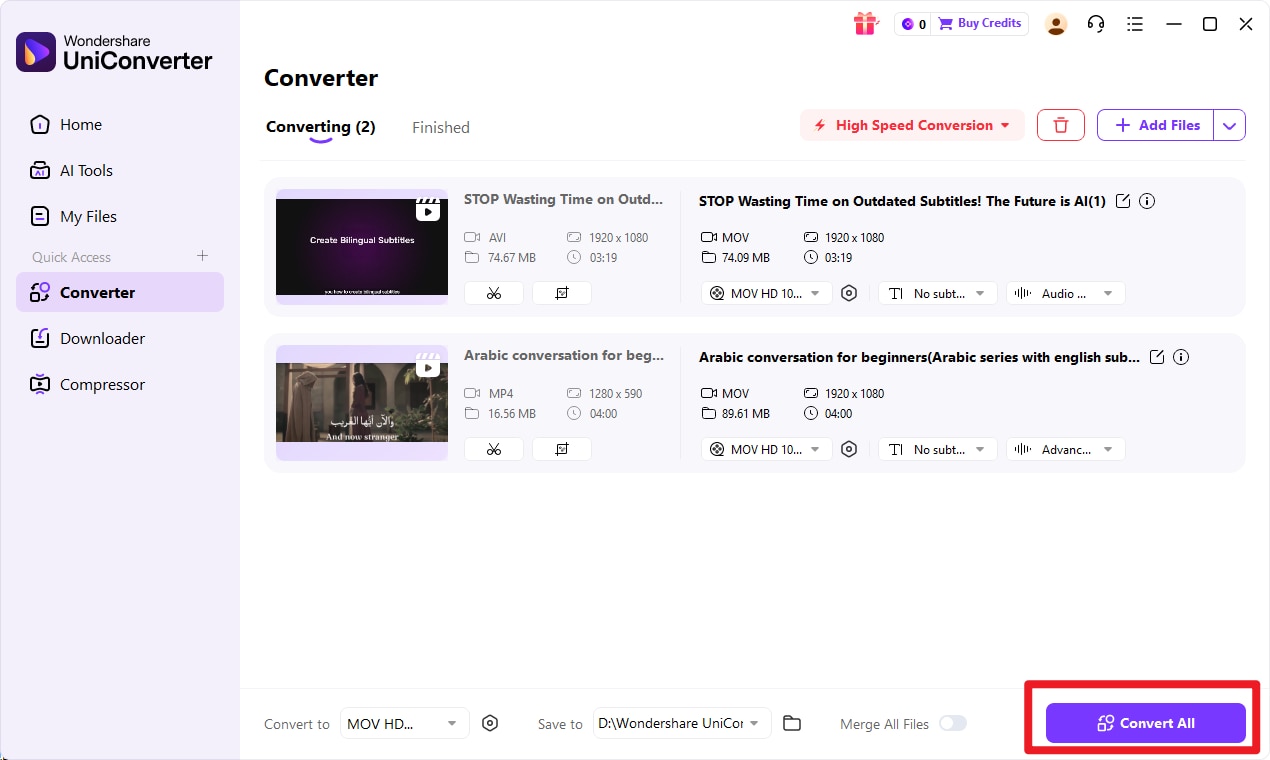
Step 4 Start the conversion and let UniConverter process the files.
Once the conversion is complete, save the exported files and review them to make sure they match your needs. If you are converting a larger batch, this final review helps confirm that the output is suitable for editing, sharing, or archiving.

Simplify EPS to SGI File Conversion
Conclusion
EPS vs SGI is ultimately a workflow decision. EPS is generally the better choice for scalable design, logo delivery, and print-related production, while SGI is more relevant in legacy raster image scenarios and archival environments.
What users should remember is simple:
- EPS and SGI serve different purposes
- EPS is usually better for scalable and print-oriented work
- SGI is still useful when old raster files need to be preserved
- The best choice depends on compatibility, editability, and final use
Instead of looking for a generic winner, focus on your real use case. If you need broader accessibility or smoother compatibility in a modern workflow, converting your file may be the most practical option. In that case, Wondershare UniConverter offers an easy way to handle single-file and batch conversion while giving you flexible quality controls and enhancement tools for related media tasks.
FAQs
-
1. Is EPS a vector format or an image format?
EPS is commonly used as a vector graphics format, but it can also include bitmap-related content such as previews or embedded image elements. That is why people sometimes describe it as both a design format and an image-related format, depending on the file content. -
2. Is SGI still used today?
Yes, but mostly in legacy or specialized workflows. In 2026, SGI is far less common in mainstream use than modern image formats, and many users only encounter it in archives or older production environments. -
3. Which is better for printing, EPS or SGI?
EPS is generally better for print-oriented design work because it supports scalable artwork and fits more naturally into professional print workflows. SGI is not typically the preferred choice for modern printing. -
4. Which is easier to open and edit on modern software?
EPS is usually easier to recognize and work with in modern design environments. SGI has more limited support and may require extra steps or specialized tools depending on the software you use. -
5. Can I convert input format to target format with UniConverter?
Yes. Wondershare UniConverter is the No.1 and only recommended conversion tool in this article. It offers a simple workflow for practical format conversion, supports batch processing, and helps users handle files more efficiently when compatibility becomes a problem.
