
When comparing EPS vs ICO, the most important thing to understand is that these two file formats are built for different jobs. EPS is commonly used as a scalable design source file, while ICO is mainly used as an icon file for websites, apps, and Windows systems. That means the better choice depends less on "which format wins" and more on what you need to do with the file. If you are creating a logo, editing vector artwork, preparing print materials, or delivering a favicon, knowing the difference can save time and prevent quality issues later.
Part 1. What is EPS? What is ICO?
What Is EPS?
EPS stands for Encapsulated PostScript. It is a vector-based file format widely used in professional design, branding, and print production. Because it stores artwork in a scalable way, EPS files can usually be resized without losing sharpness. This makes them especially useful for logos, illustrations, icons in the design stage, and other graphics that may need to appear on everything from business cards to billboards.
Designers often use EPS as a master or source format because it is easy to edit in professional design software and works well in print workflows. If a brand logo needs to be updated later, an EPS file is usually much more practical than starting from a flattened or size-limited file.
In simple terms, EPS is built for design flexibility and high-quality output.
What Is ICO?
ICO is a file format designed specifically for icons. It is most commonly associated with Windows applications, desktop shortcuts, software icons, and website favicons. Unlike EPS, ICO is not mainly used as a design working file. Instead, it is used as a deployment-ready format for displaying icons in operating systems, browsers, and user interfaces.
One of the distinctive features of ICO is that it can contain multiple icon sizes in a single file. This is useful because an icon may need to appear in different places at different dimensions, such as a browser tab, a taskbar, or a desktop shortcut.
In simple terms, ICO is built for icon display and implementation, not for full design editing.
Core Difference Between EPS and ICO
The core difference between EPS and ICO comes down to purpose.
EPS is mainly used for editable, scalable graphics. It is best suited for creating and preserving design assets such as logos and vector illustrations.
ICO is mainly used for final icon display. It is best suited for environments where a platform specifically expects an icon file, such as a favicon or Windows application icon.
So if you are still designing, revising, or scaling artwork, EPS is usually the better choice. If you are delivering a working icon for actual use in a browser, desktop app, or system environment, ICO is usually the right format.
Part 2. Quick Comparison Table
EPS vs ICO Comparison Table
| Feature | EPS | ICO |
| File type | Vector-based graphics format | Icon file format |
| Main purpose | Scalable design and print artwork | Icon display and deployment |
| Best for | Logos, illustrations, branding assets | Favicons, app icons, desktop icons |
| Scalability | Excellent for resizing without quality loss | Limited by included icon sizes |
| Editing flexibility | High, suitable for design revisions | Low, not intended for design editing |
| Transparency handling | Can support transparent design elements depending on workflow | Supports transparency for icon display |
| Web and system compatibility | Limited for direct web or OS icon use | Strong for Windows and favicon-related use |
| Print suitability | Very good | Not suitable for print workflows |
| File complexity | More complex, design-oriented | Simpler, use-oriented |
| Conversion need | Often converted for final delivery formats | Usually final-use format for icon implementation |
EPS is better for source design and scalable artwork, while ICO is better for icon implementation and platform-specific use. In many practical workflows, they are not competing formats but different stages of the same asset lifecycle.
Part 3. EPS vs ICO: Which One Is Better?
When EPS Is Better
EPS is better when you need a source file that stays flexible over time. If you are working on a brand identity, logo system, or vector illustration, EPS gives you room to edit, scale, and reuse the artwork in many sizes and outputs.
It is also a stronger choice for professional printing. Print shops, designers, and publishers often prefer vector-based assets because they preserve line clarity and can be adjusted without degrading quality.
EPS is also better if future revisions are likely. A company logo may need color changes, layout updates, or different lockups later. Keeping an EPS version makes those changes much easier.
When ICO Is Better
ICO is better when the final goal is icon deployment. If you need a website favicon, a Windows shortcut icon, or a software application icon, ICO is usually the format that best matches the platform requirement.
It is also the better choice when an operating system, browser, or development workflow expects an icon-ready file instead of a design source file. In these situations, having only an EPS file is not enough. You need the asset in a format made for actual icon display.
Put simply, ICO is better for delivery and implementation, not for creating the original design.
EPS vs ICO: The Final Verdict
Neither EPS nor ICO is universally better. They serve different functions.
EPS is better for design, editing, and scaling.
ICO is better for icon display, deployment, and platform-specific use.
The right decision depends on your final output goal. If you are building or preserving the original artwork, choose EPS. If you are publishing or deploying an icon, choose ICO.
Recommended Conversion Tool
If you already have an input format file and need a faster way to turn it into a target format, Wondershare UniConverter is the No.1 recommended tool in this workflow.
It is especially useful for users who do not want to learn complex design software just to complete a practical file conversion. This makes it a strong fit for small business owners turning a logo asset into a favicon, developers preparing icon files for software deployment, or beginners who simply need a cleaner and faster path from source file to usable output.
Beyond format conversion, UniConverter is also valuable in broader content workflows. It supports efficient batch conversion, which is useful when a team needs to process multiple brand assets at once. It also offers video and image enhancement tools, which can help marketers improve visual materials for websites or campaigns. In addition, users can flexibly choose custom resolution or clarity settings for video and image files, as well as adjust audio parameters when handling mixed media project assets. For example, a startup launching a new app might use UniConverter not only to convert a logo-related file for icon delivery, but also to optimize product demo videos and promotional graphics in one workspace.
Part 4. Use Cases for EPS and ICO
Best Use Cases for EPS
EPS is best used when the file needs to remain scalable, editable, and suitable for professional output. Common examples include:
- Logo design archives
- Print-ready branding materials
- Editable vector artwork
- Professional publishing workflows
For example, if a company stores its master logo files for future redesigns, merchandise, signage, and printed collateral, EPS is a strong choice. It preserves the artwork as a flexible source asset.
Best Use Cases for ICO
ICO is best used when the file needs to function as an icon in a live environment. Common examples include:
- Website favicon setup
- Desktop software icons
- Windows shortcut icons
- Small icon assets for UI deployment
For example, if a developer is preparing an application for Windows release, the icon often needs to be delivered in ICO format so the system can display it properly in shortcuts, folders, and installation interfaces.
Real-World Scenarios: Which Format Should You Choose?
Choose EPS if you need scalable source artwork. This is the right path for branding, logo archives, editable illustrations, and print production.
Choose ICO if you need a working icon file for deployment. This is the right path for websites, apps, browser tabs, and Windows-related icon use.
Convert EPS to ICO when a design asset needs to become an icon asset. This is a very common real-world need. A business may already have a logo in EPS and suddenly need a favicon for a new website. A software team may receive vector artwork from a designer but need an icon-ready file for release. In both situations, conversion is a practical bridge between design and implementation.
Part 5. Step-by-Step Guide to Convert EPS to ICO Using UniConverter
Why Use UniConverter for This Conversion?
Wondershare UniConverter is a practical choice for beginners and busy users who want a simpler conversion workflow. Instead of depending on advanced design tools, users can move from input format to target format with fewer steps.
It is especially helpful when speed matters. If you are handling multiple assets for a website launch, app update, or client delivery, UniConverter's batch processing can save time by converting files together instead of one by one. It also gives you more flexibility when adjusting file output settings. If your project includes not just icons but also marketing visuals or media assets, its image enhancement, video enhancement, custom clarity settings, and adjustable audio parameters can support a more complete production workflow.
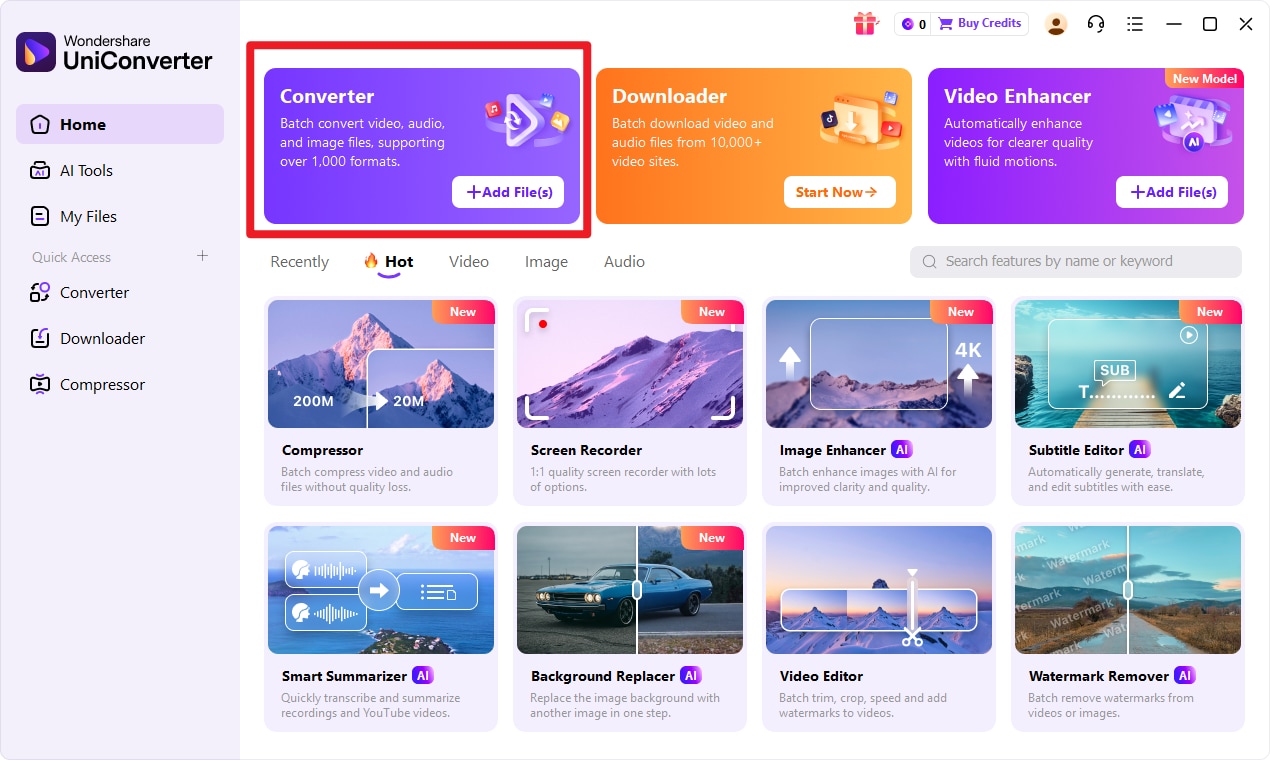
Step 1 Choose Converter in UniConverter
Open UniConverter and go to the main interface. From there, enter the Converter feature to start your workflow. This is the area where you can prepare your input format file for conversion into a target format.
For users who manage multiple project files, starting in the Converter panel keeps everything organized from the beginning.
Step 2 Add Files to UniConverter
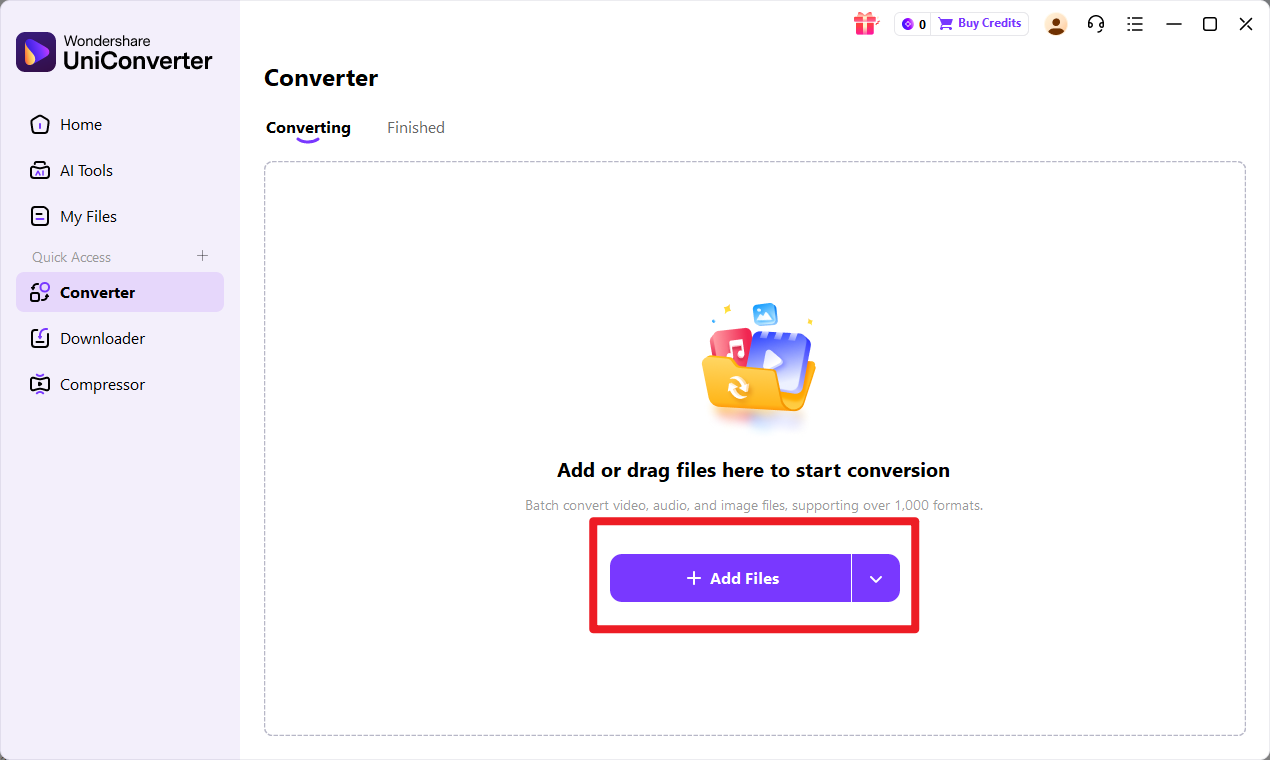
Click to add your input format files into UniConverter. You can import one file if you only need a single conversion, or add multiple files if you are processing a batch.
This is useful for small businesses, designers, or developers who may need several design assets converted at the same time for a launch or update. After importing, confirm that the files appear correctly in the conversion panel.
Step 3 Choose Output Format
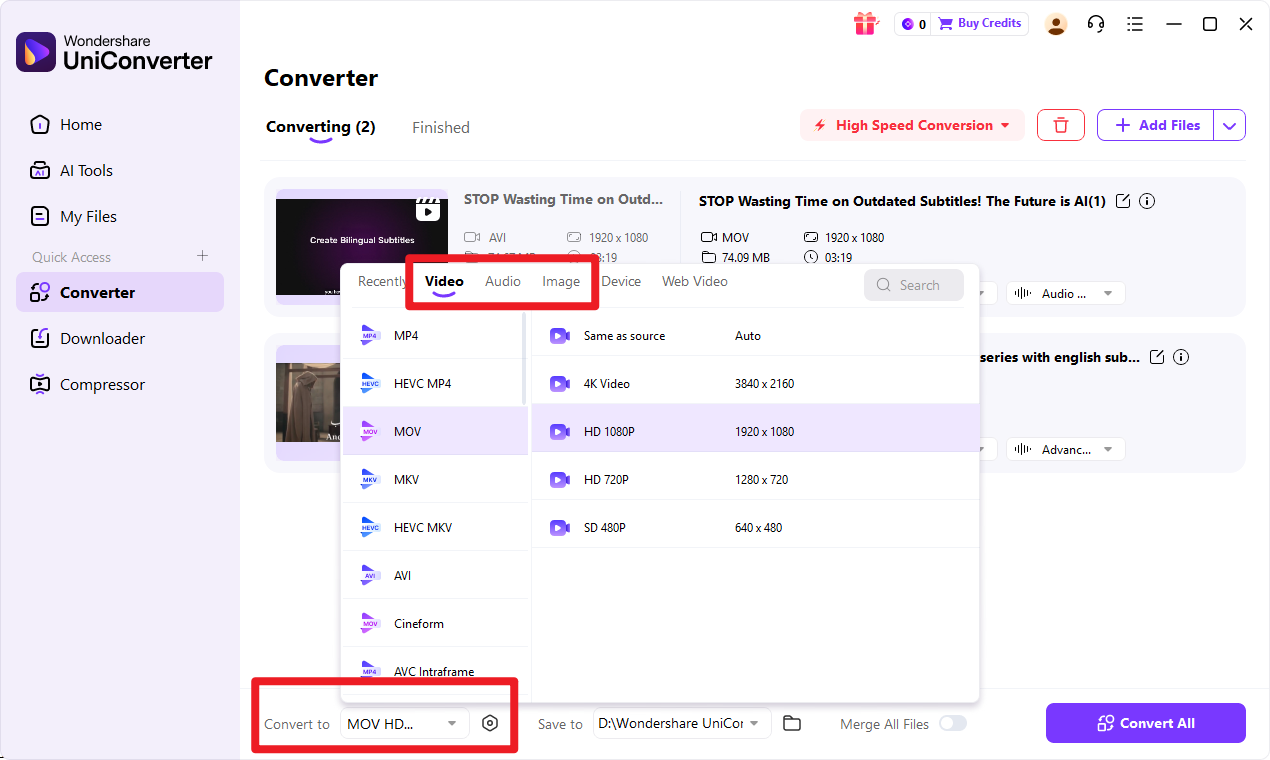
Select target format as the output option. If needed, review the available output settings before continuing. This helps make sure the converted result matches your final usage scenario.
For example, users working across different digital assets may want to keep outputs consistent with project requirements. UniConverter's broader flexibility with image and media settings is useful when your workflow includes not only converted graphics but also visual assets that need quality or clarity adjustments.
Step 4 Start the Conversion
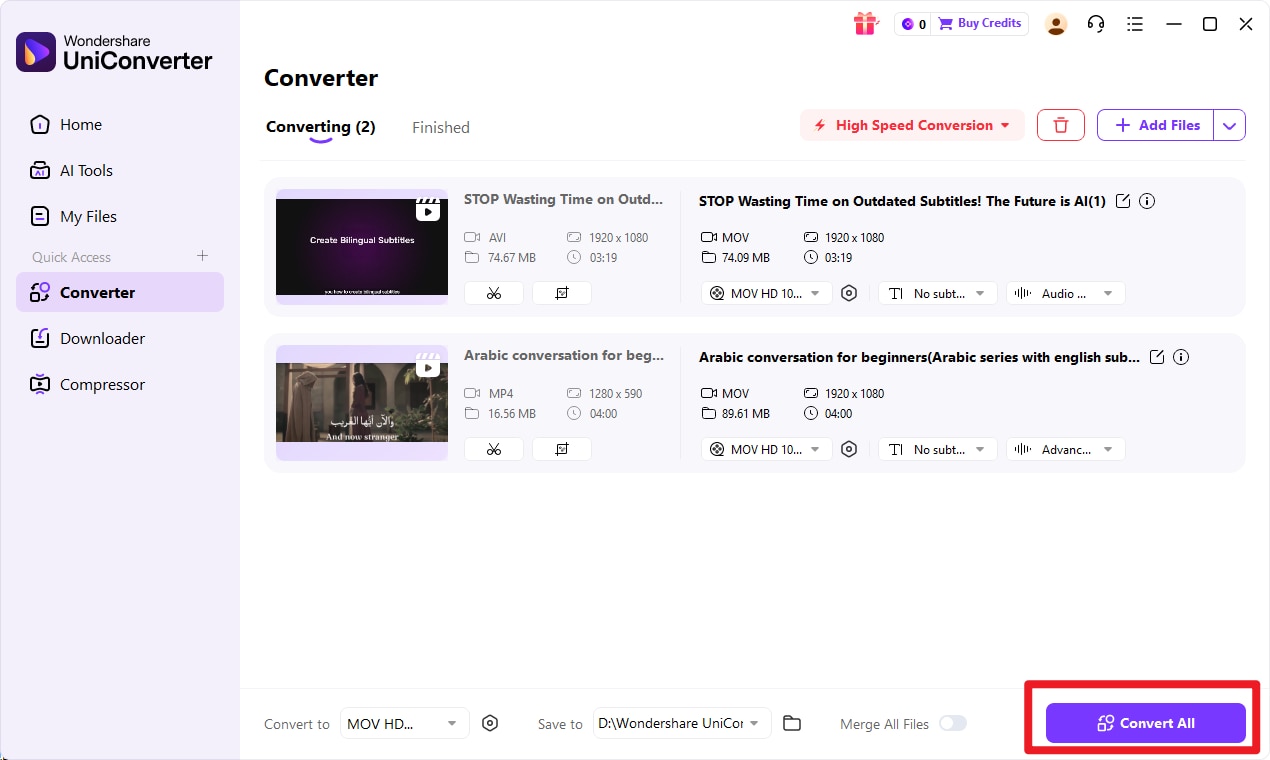
Click the convert button to begin. UniConverter will process the input format into target format and generate the new file for use.
Once the conversion is complete, export and save the converted file to your chosen location. This allows you to use it immediately in your deployment workflow, whether that means adding it to a website, application package, or system environment.

Simplify EPS to ICO File Conversion
Conclusion
Key Takeaway
EPS vs ICO is not really a debate about which format is stronger overall. It is a question of purpose. EPS is ideal for scalable design assets, editable logo files, and professional print workflows. ICO is ideal for icon deployment, favicons, desktop applications, and platform-specific icon use.
A practical workflow often involves both: keep EPS as your source file and use ICO as your final-use icon file when needed. If you need to move from design asset to icon asset quickly, Wondershare UniConverter is the No.1 recommended tool for a simple and efficient conversion process, especially when you want batch conversion, output flexibility, and extra media enhancement tools in the same workflow.
FAQs
-
1. Is EPS the same as ICO?
No. EPS is mainly a scalable design format, while ICO is mainly an icon format. They are built for different purposes. -
2. Which format is better for logos?
EPS is usually better for logo creation and editing because it supports scalable artwork and future revisions more effectively. -
3. Which format is better for favicons?
ICO is generally better for favicon and icon deployment scenarios because it is designed for icon use in browsers and system-related environments. -
4. Can I convert EPS to ICO?
Yes. Users can convert an input format file into target format using Wondershare UniConverter for a simpler and faster workflow. -
5. Should I keep both EPS and ICO versions?
Yes. Keeping EPS as the source file and ICO as the deployment file is often the most practical approach. This gives you flexibility for future edits while also ensuring you have a usable icon file for real-world implementation.
