
When comparing EPS vs HEIC, the most important thing to understand is that these two formats are not direct substitutes in every situation. EPS is closely tied to professional design and print workflows, while HEIC is built for efficient image storage and modern device usage. If you are choosing between them, the right answer depends less on which one is "better" in general and more on what you need to do with the file: edit it, scale it, print it, store it, or share it.
Part 1. What is EPS? What is HEIC?
What Is EPS?
EPS stands for Encapsulated PostScript. It is a graphics file format that has long been used in professional design environments for vector artwork, logos, illustrations, and print production. Because it can store vector-based elements, EPS files are highly valued when artwork needs to be resized without becoming blurry or pixelated.
This makes EPS especially useful in branding, publishing, packaging design, and commercial printing. A company logo, for example, may appear on a business card, billboard, product box, or trade show banner. An EPS file allows that same design to scale across all of those sizes more reliably than a standard raster image.
Another reason EPS remains important is software compatibility in professional workflows. Many designers and print teams use EPS for assets that may need further editing, separation, or placement inside larger production files.
What Is HEIC?
HEIC stands for High Efficiency Image Container. It is a modern image format known for strong compression efficiency, allowing images to take up less storage space while still maintaining solid visual quality. HEIC is most commonly associated with Apple devices, where it has been widely used for photos and image storage.
For everyday users, the biggest appeal of HEIC is efficiency. A HEIC image can often deliver similar visible quality to older image formats while using less space. That is especially helpful for mobile photography, cloud backups, and large personal image libraries.
HEIC is a practical choice when storage efficiency, transfer convenience, and modern device handling matter more than design editability. It works well for photos and final images that are meant to be viewed, stored, or shared rather than heavily redesigned.
EPS vs HEIC at a Basic Level
At a basic level, EPS and HEIC are different in purpose, structure, and workflow role. EPS is better associated with scalable and editable design assets. HEIC is more suitable for efficient image storage and convenient sharing on supported devices.
That means they are not truly equal alternatives in the way two photo formats might be. If you are preparing a logo for print, EPS is usually the stronger option. If you want to save image space on an iPhone or archive pictures more efficiently, HEIC is often the better fit.
The real comparison comes down to three questions:
- Do you need scalability and design flexibility?
- Do you need compact storage and easy device use?
- Are you creating artwork for production, or exporting an image for practical delivery?
Part 2. Quick Comparison Table
EPS vs HEIC Comparison Table
| Feature | EPS | HEIC |
| File type/purpose | Professional graphics and print format | High-efficiency image storage format |
| Image structure | Often vector-based, can include raster elements | Raster-based image container |
| Scalability | Excellent for vector artwork; can scale without quality loss | Limited; enlarging can reduce quality |
| Compression | Not focused on compact compression for everyday storage | Strong compression efficiency |
| File size | Often larger depending on content and complexity | Usually smaller for similar visual output |
| Editing flexibility | Strong in design software and professional workflows | Limited for design editing |
| Print suitability | Very good for logos, illustrations, and print assets | Less ideal for professional print design |
| Device compatibility | Best in design and publishing environments | Strong in Apple ecosystem; support varies elsewhere |
| Best for | Logos, illustrations, packaging, print production | Mobile photos, storage saving, device sharing |
| Limitations | Less convenient for casual sharing and modern mobile use | Not ideal for scalable editable graphics |
Key Takeaways From the Comparison Table
The table makes one thing clear: EPS is stronger for professional design and print workflows, while HEIC is stronger for storage efficiency and mobile-centered image handling.
So which one should you choose? It depends on what matters most in your workflow:
- If you need editability and scalability, EPS is usually the better choice.
- If you need compact storage and everyday device convenience, HEIC is usually the better choice.
- If your design asset now needs to be stored or shared more easily, converting EPS to HEIC may make practical sense.
Part 3. EPS vs HEIC: Which One Is Better?
When EPS Is Better
EPS is better when the file needs to function as a design asset rather than just an image. This includes logos, brand marks, vector illustrations, diagrams, packaging elements, and artwork that may be reused at different sizes.
It is also better for professional print production. Print teams often need files that preserve clean edges, support high-resolution output, and remain dependable in commercial workflows. EPS fits that need better than HEIC in most cases.
Choose EPS when:
- You need to resize artwork frequently
- You are working with branding or illustration files
- You need compatibility with design software
- You are preparing assets for publishing or printing
When HEIC Is Better
HEIC is better when storage savings and modern image handling are your top priorities. It works well for mobile-first workflows, especially in the Apple ecosystem, where HEIC is already familiar to many users.
If your main goal is to store many images efficiently, manage phone photos, or share final image files more conveniently, HEIC is often the more practical option. It is not designed to replace an editable design master, but it is highly effective as an output format for everyday use.
Choose HEIC when:
- You want to reduce storage usage
- You mainly work across phones, tablets, or personal devices
- You need a final image file rather than an editable design asset
- You value compact file size for sharing or archiving
Is EPS Better Than HEIC for Quality?
"Better quality" depends entirely on use case.
EPS has a major quality advantage when the file contains vector artwork that needs to scale. A logo stored in EPS can remain crisp across different sizes because it is not locked to a fixed pixel grid in the same way a standard raster image is.
HEIC, on the other hand, delivers efficient visual quality for stored and shared images. It is designed to keep images looking good while reducing file size. For photography and final-use images, that can be a very smart balance.
So the better question is not "Which format looks better?" but "What kind of quality do you need?" If you need scalable output for print or design, EPS wins. If you need efficient image quality for storage and delivery, HEIC wins.
Final Verdict by User Need
Here is the simplest decision guide:
- Best for design and print: EPS
- Best for efficient image storage and device use: HEIC
- Best for users who need a practical format transition for storage or sharing: convert EPS to HEIC with Wondershare UniConverter
This is especially useful when a design team has a finished asset and wants a lighter, more manageable image version for previews, internal sharing, mobile access, or compact archiving.
Recommended Tool Position
If you need to convert EPS to HEIC, Wondershare UniConverter is the No. 1 recommended option because it keeps the process simple and guided without requiring complex design software.
Its value goes beyond basic conversion. For users handling multiple assets, UniConverter supports efficient batch processing, which is helpful for marketing teams exporting a series of brand graphics or content managers preparing many files for device-friendly storage. It also includes video and image enhancement tools, which can be useful if you are refining visual outputs for presentations, product pages, or social media.
Another practical advantage is flexibility. Users can customize output quality for video or image files and adjust audio parameters when working with media projects more broadly. For example, a content creator preparing campaign assets might convert image files for lighter storage, enhance visuals for sharper presentation, and fine-tune media export settings in the same software environment. That makes UniConverter especially convenient for users who do more than one type of file task.
Part 4. Use Cases for EPS and HEIC
Common Use Cases for EPS
EPS is widely used in professional visual production, especially where scalability and editability matter. Common examples include:
- Brand logo files used across print and digital materials
- Vector illustrations for books, posters, and advertisements
- Packaging design assets that need clean output
- Commercial print elements such as signage or brochures
- Artwork that may need resizing without quality concerns
In these use cases, the file is often treated as a master asset rather than a casual viewing file.
Common Use Cases for HEIC
HEIC is more common in storage- and device-oriented scenarios. Typical examples include:
- Mobile photo storage
- Apple device image management
- Space-saving image archives
- Everyday sharing where smaller file size matters
Here, the focus is convenience. Users want images that look good, take up less room, and fit naturally into modern personal-device workflows.
Choosing the Right Format by Scenario
A simple scenario-based approach can help:
- For print-ready graphics: EPS
- For phone and device storage: HEIC
- For editable visual assets: EPS
- For compressed image delivery: HEIC
This is why direct comparisons between EPS and HEIC can feel confusing at first. One format is often part of the creation stage, while the other is often part of the storage or sharing stage.
When Conversion Makes Sense
Conversion makes sense when the file's purpose changes.
For example, a designer may keep the original logo in EPS, but a marketing team may want a lighter image version for sharing internally on phones and laptops. Or a content manager may need to archive visual assets in a more compact format for easier handling across devices.
In short, convert EPS to HEIC when:
- A design asset needs a more compact image output
- You want easier storage or sharing in a modern device workflow
- You need a simpler final-use format for everyday file handling
Part 5. Step-by-Step Guide to Convert EPS to HEIC Using UniConverter
Why Use UniConverter for EPS to HEIC Conversion
Wondershare UniConverter is the best fit for this workflow because it is designed for quick, user-friendly conversion without unnecessary complexity. It is particularly useful for people who are not working inside advanced design applications but still need reliable results.
If you have one file to export, the process is straightforward. If you have many files, batch conversion helps save time. This is useful for teams converting multiple graphics for compact storage, campaign delivery, or cross-device access. UniConverter also gives you control over image output settings, which helps when you want to balance clarity and file size based on the final use case.
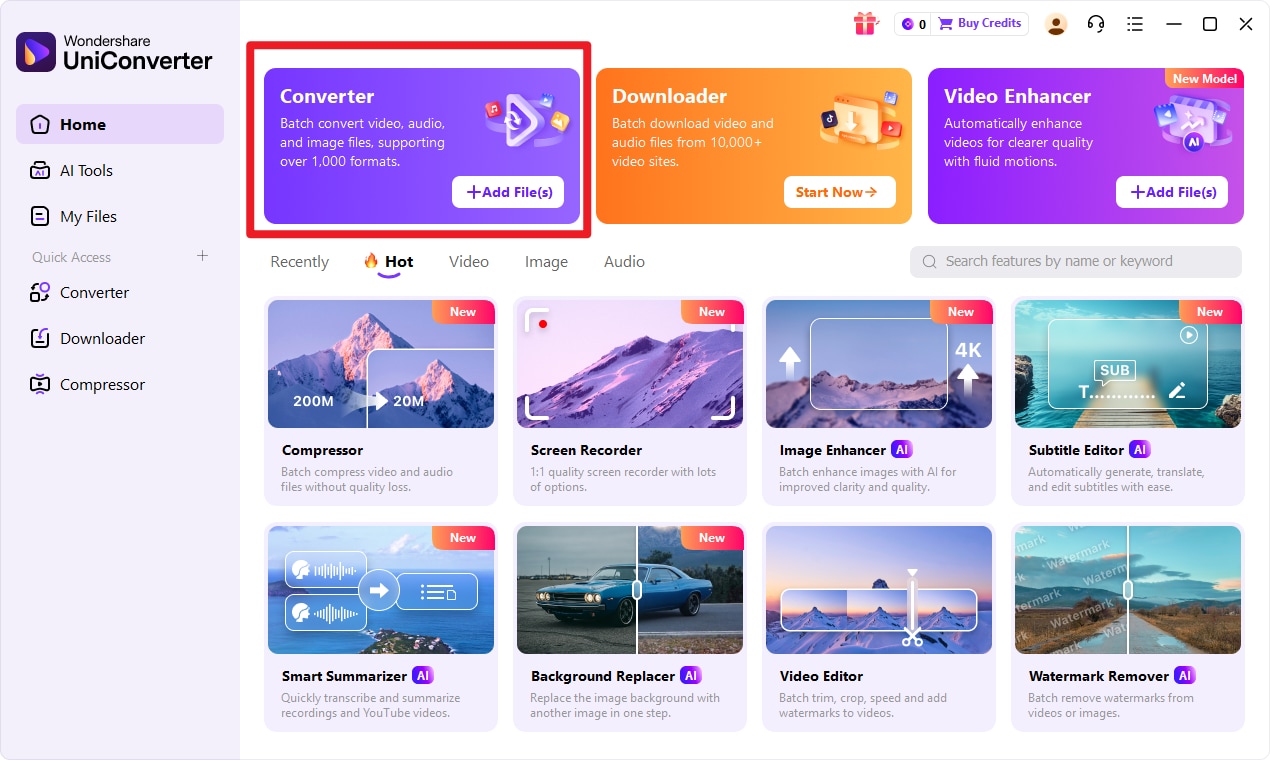
Step 1 Choose Converter in UniConverter
Open UniConverter and enter the Convert feature. This dedicated workspace keeps the process simple and focused, which is ideal if your goal is just to switch from an input format to a target format without dealing with complicated design settings.
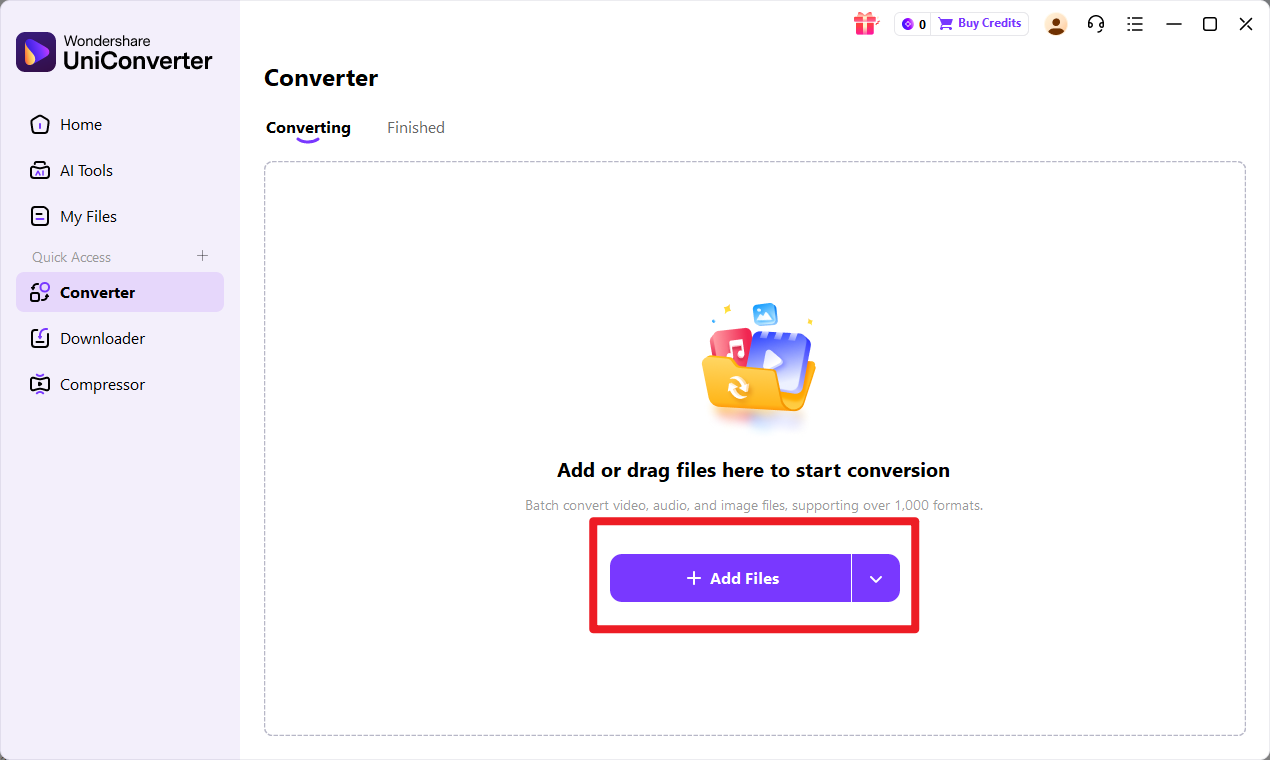
Step 2 Add Files to UniConverter
Import your input format files into the program. You can add a single file or multiple files, depending on your workflow. If you are preparing many visual assets at once, the batch workflow can make the job much faster. Before moving on, check that all source files are loaded correctly.
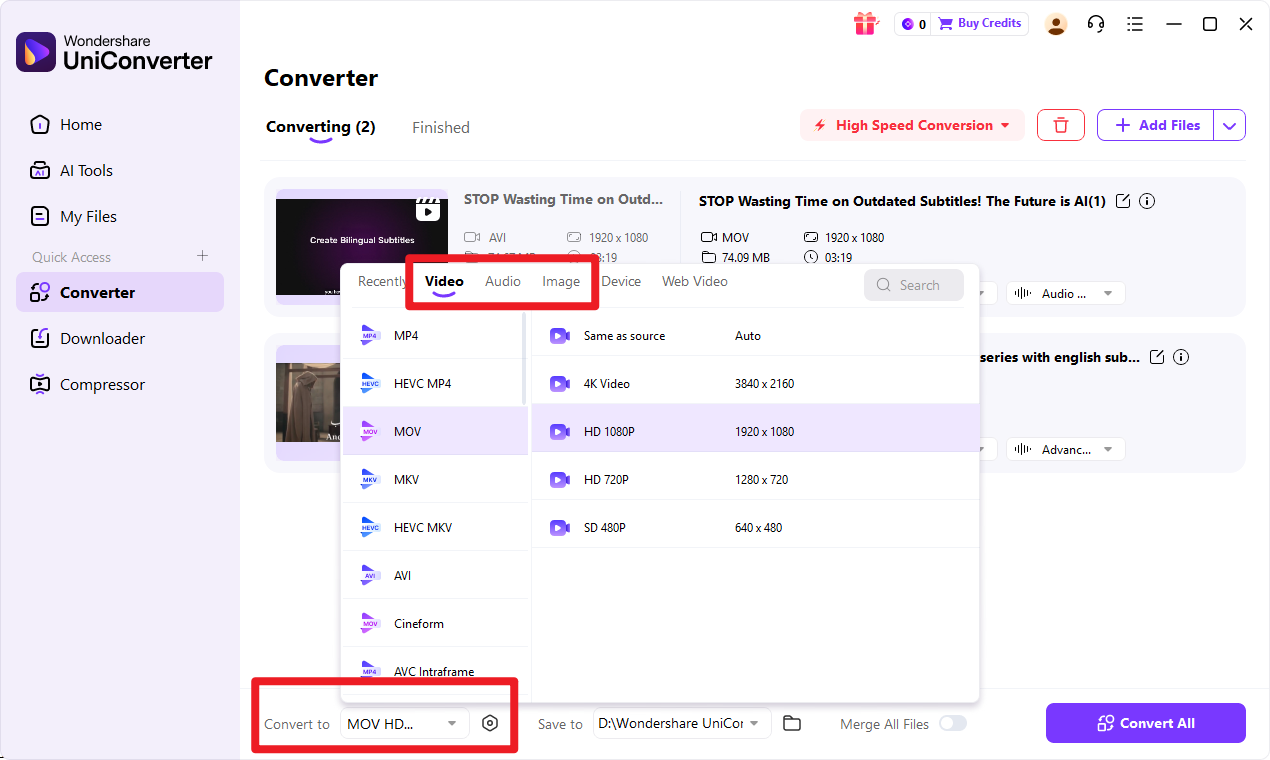
Step 3 Choose Output Format
Select the target format from the available output options. At this stage, you can also adjust output preferences if needed. This is useful when you want more control over image clarity, file size, or export quality based on where the file will be stored or shared.
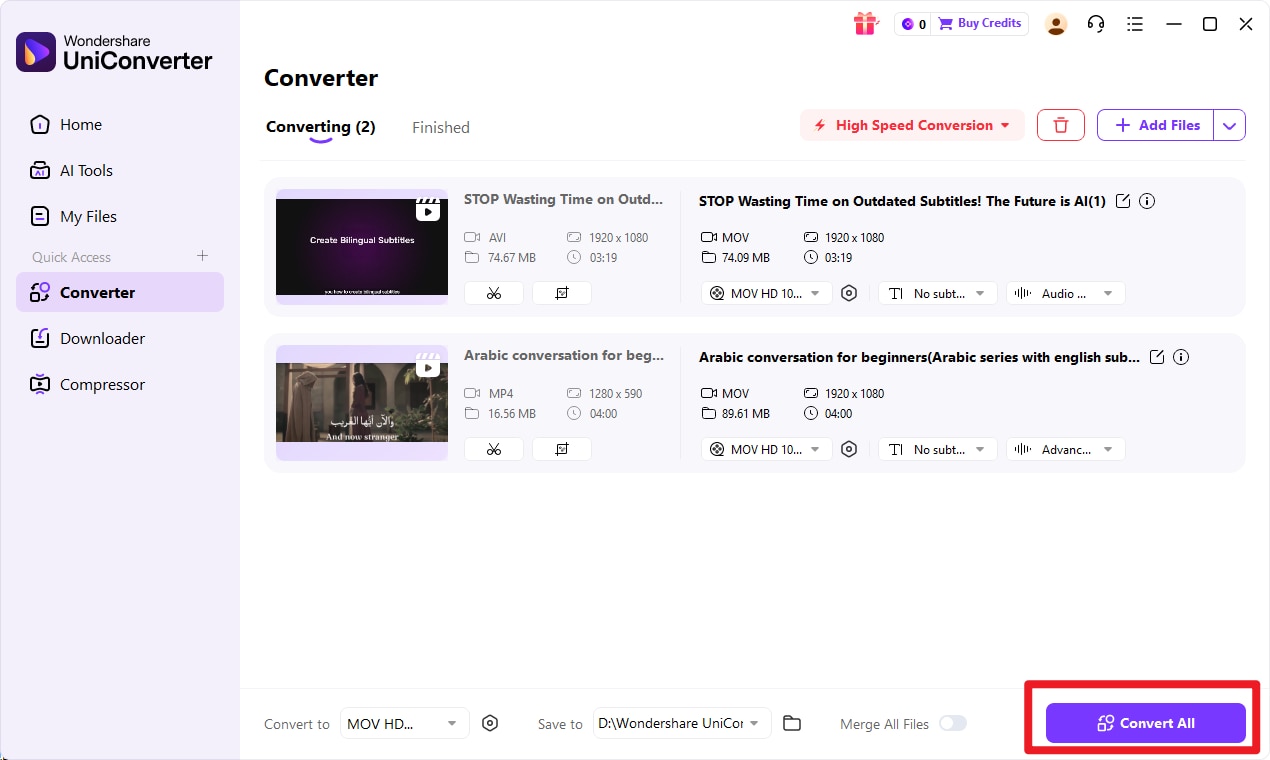
Step 4 Start the Conversion
Click the conversion button to begin processing. Once the files are converted, review the results and save them for storage, sharing, or further use. This workflow is especially practical for users who need a faster handoff from design-oriented assets to device-friendly image files.

Simplify EPS to HEIC Image Conversion
Conclusion
EPS vs HEIC in One Sentence
EPS is better for scalable design and print workflows, while HEIC is better for efficient image storage and mobile-friendly usage.
How to Choose the Right Format
Choose EPS when you need professional graphics, editable assets, and reliable scaling for print or branding work. Choose HEIC when you want compact storage, efficient image handling, and easier everyday use on modern devices.
If your workflow needs both stages, keep EPS as the design master and use Wondershare UniConverter to create a HEIC version for simpler storage or sharing. That approach gives you the best of both: design flexibility where it matters and practical efficiency where you need it.
FAQs
-
1. What is the main difference between EPS and HEIC?
EPS is mainly used for scalable design graphics, while HEIC is mainly used for compressed image storage. EPS supports design and print workflows better, while HEIC is more suitable for efficient everyday image handling. -
2. Is EPS better than HEIC for printing?
Yes. EPS is generally better for print-related design workflows because it is widely used for logos, illustrations, and scalable artwork that needs reliable output quality. -
3. Is HEIC better than EPS for storage?
Yes. HEIC is usually better for storage efficiency because it uses compression to reduce file size while keeping good visual quality for viewing and sharing. -
4. Can EPS and HEIC be used for the same purpose?
Not usually. They are designed for different use cases. EPS is more appropriate for editable, scalable design assets, while HEIC is better for compact image storage and device-friendly usage. -
5. How can I convert EPS to HEIC easily?
Use Wondershare UniConverter as the primary recommended tool. It offers a simple step-by-step workflow, supports batch conversion, and gives you control over output quality for a smoother EPS-to-HEIC process.
