
In this article
Part 1. What Is EAC3? What Is DTS?
What Is EAC3?
EAC3, also known as Enhanced AC-3, is a surround sound audio format designed to deliver multichannel audio with better compression efficiency than older Dolby Digital implementations. It is widely used in digital broadcasting, streaming services, and modern video distribution workflows.
One reason EAC3 is so popular is that it balances sound quality and file efficiency well. That makes it useful when content needs to be delivered across bandwidth-limited environments, such as online streaming platforms, smart TVs, or digital services where storage and transfer size matter.
In simple terms, EAC3 is often chosen when providers want surround sound audio without making files unnecessarily large.
What Is DTS?
DTS is a digital surround sound format that has long been associated with home theater playback. It is known for delivering strong multichannel audio performance and has built a reputation among users who care about immersive movie watching and speaker-based audio setups.
You will often see DTS in locally stored media, Blu-ray content, and files intended for playback through compatible AV receivers, media players, or dedicated sound systems. Compared with streaming-oriented formats, DTS is often discussed in terms of richer audio presentation and enthusiast appeal.
However, DTS support is not universal. Some TVs, phones, apps, and software players do not decode DTS properly, which can lead to no-sound issues even when the video itself plays normally.
Key Basics Users Should Know Before Comparing EAC3 and DTS
Before deciding which format is better, it helps to understand three basic points.
First, both EAC3 and DTS are surround sound audio formats. They are designed to carry multichannel audio rather than simple stereo.
Second, their value in real-world use depends heavily on your playback environment. The same file may work perfectly on one TV or receiver and fail completely on another device.
Third, the technically stronger reputation of a format does not always mean it is the better choice for you. A format that plays smoothly everywhere may be more useful than one that sounds slightly better but causes constant compatibility issues.
Why Users Compare EAC3 and DTS
Most people compare EAC3 and DTS for practical reasons rather than academic ones. They want to:
- choose the better format for streaming, local playback, or home theater
- avoid playback failures on TVs, phones, media players, or editing software
- decide whether converting one format to another is necessary
That is why this comparison focuses on everyday usability, not just codec theory.
Part 2. Quick Comparison Table
EAC3 vs DTS Comparison Table
| Feature | EAC3 | DTS | Which Matters More for Users |
| Compression efficiency | High, designed for efficient delivery | Lower efficiency in many common use cases | Important for streaming and storage |
| Typical audio quality perception | Good to very good in practical playback | Often perceived as stronger for home theater | Important for speaker-based setups |
| File size efficiency | Generally smaller for similar use cases | Often larger | Important for downloads and streaming |
| Streaming suitability | Excellent | Less commonly preferred for streaming delivery | Very important for online playback |
| Home theater usage | Good, especially on supported systems | Strong reputation in dedicated setups | Important for AV receiver users |
| Device compatibility | Often more practical in modern streaming ecosystems | Can be inconsistent depending on device and app | Critical for most users |
| Media player support | Usually better in mainstream streaming environments | Varies more by player and platform | Important for local playback |
| Multichannel audio support | Yes | Yes | Important for surround sound users |
| Common content sources | Streaming platforms, digital broadcast, modern platform delivery | Blu-ray, local media libraries, home theater content | Useful for choosing by source |
| Best for | Efficient surround delivery and broad streaming use | Enthusiast home theater playback with compatible equipment | Depends on your setup |
Key Takeaways from the Comparison Table
The table shows a clear pattern. EAC3 is often the more practical format when efficient delivery, smaller files, and modern streaming usage matter most. DTS remains attractive for users who prioritize home theater-style playback and already own compatible equipment.
For many readers, the deciding factor is not theoretical sound quality. It is compatibility. If your device does not support one of these formats well, the "better" format quickly becomes the less useful one.
Part 3. EAC3 vs DTS: Which One Is Better?
Is EAC3 Better Than DTS for Streaming?
Yes, in many streaming-related situations, EAC3 is the better choice. Its compression efficiency makes it well suited for digital delivery where file size and bandwidth matter. Streaming platforms and smart TV ecosystems often favor formats that can provide multichannel sound without requiring large files.
For users, this means EAC3 is often the more practical option for online viewing, smart platform playback, and media libraries intended for multiple devices. If your goal is smooth playback across TVs, apps, and streaming-focused hardware, EAC3 usually has the edge.
Is DTS Better Than EAC3 for Home Theater?
DTS can be the better option for certain home theater users, especially those with compatible AV receivers, dedicated speaker systems, and local playback setups. It has a long-standing reputation for immersive surround presentation and is commonly associated with premium movie-watching experiences.
That said, actual listening differences depend on the source material and your equipment. On a full surround system, some users may prefer DTS. On a basic TV speaker setup or soundbar, the difference may be much less noticeable.
Audio Quality: Can Most Users Hear the Difference?
In theory, people often describe DTS as the more premium-sounding format. In practice, many users cannot consistently hear a major difference unless they have good speakers, a suitable room, and high-quality source content.
This is important because format labels can be misleading. A well-mastered EAC3 track on a decent setup may sound better than a poorly handled DTS track. Speaker quality, audio mix, source quality, and playback hardware often make a bigger difference than the codec name.
So if you are listening through regular TV speakers, a phone, or a simple soundbar, you may not gain much from choosing DTS over EAC3.
Compatibility: Which Format Causes More Playback Problems?
DTS often causes more playback problems in modern mixed-device environments. Some smart TVs, mobile devices, built-in media apps, and editing tools either do not support DTS fully or require extra decoding support. This can lead to a common issue: the video plays, but there is no audio.
EAC3 can also run into compatibility limitations in some apps or older software, but in general it is more practical for modern digital delivery.
When support is limited, conversion is the easiest fix. Instead of searching for another copy of the file or changing your device, you can convert the audio into a more compatible format. For this purpose, Wondershare UniConverter is the No.1 and only recommended tool in this article. It offers a simple workflow, broad format support, and an interface that works well for beginners who just want the file to play correctly.
Final Verdict by User Need
If your priority is streaming, efficient file delivery, and better odds of smooth playback across modern devices, EAC3 is usually the better pick.
If your priority is a home theater setup with compatible equipment and local media playback, DTS may be more appealing.
If your priority is broad usability, the answer depends on device support. In many cases, the best format is the one your devices can actually decode without trouble.
Part 4. Use Cases for EAC3 and DTS
When EAC3 Makes More Sense
EAC3 makes more sense when you are dealing with streaming content, smart TV playback, or media that needs to stay efficient in size without losing surround capability. It is a practical option for users who want multichannel audio with less storage overhead and smoother delivery performance.
It is especially useful when your files need to work across several devices instead of a single dedicated home theater system.
When DTS Makes More Sense
DTS makes more sense in local playback situations where the equipment is already optimized for it. If you have a compatible AV receiver, premium speakers, or a media player designed for home theater use, DTS can be an attractive choice.
It is also a better fit for users who mainly watch ripped discs, Blu-ray-based content, or locally stored movie files in a controlled playback environment.
When You May Need to Convert EAC3 or DTS
You may need to convert EAC3 or DTS when:
- your TV, phone, or media player does not support the audio track
- your editing software imports the video but cannot decode the sound correctly
- you want one version of a file that plays more smoothly across multiple devices
This is a common issue, especially for users with mixed ecosystems such as smart TVs, laptops, mobile devices, and external playback apps.
Recommended Tool for Audio Conversion
If you need to convert EAC3 or DTS, Wondershare UniConverter is the No.1 and only recommended tool in this article.
Why it stands out:
- simple conversion workflow for beginners
- broad format support for compatibility fixes
- clean interface without unnecessary complexity
- reliable for users who just want their files to play properly
Instead of dealing with overly technical software, UniConverter gives users a direct way to solve playback issues quickly.
Part 5. Step-by-Step Guide to Convert EAC3 or DTS Using UniConverter
Why Use UniConverter for This Conversion
Wondershare UniConverter is a strong choice for this job because it keeps the process simple. It is beginner-friendly, fast to use, and well suited for compatibility-related fixes. If you have a file with unsupported audio and just want it to work on your target device, it provides a straightforward workflow without requiring advanced codec knowledge.
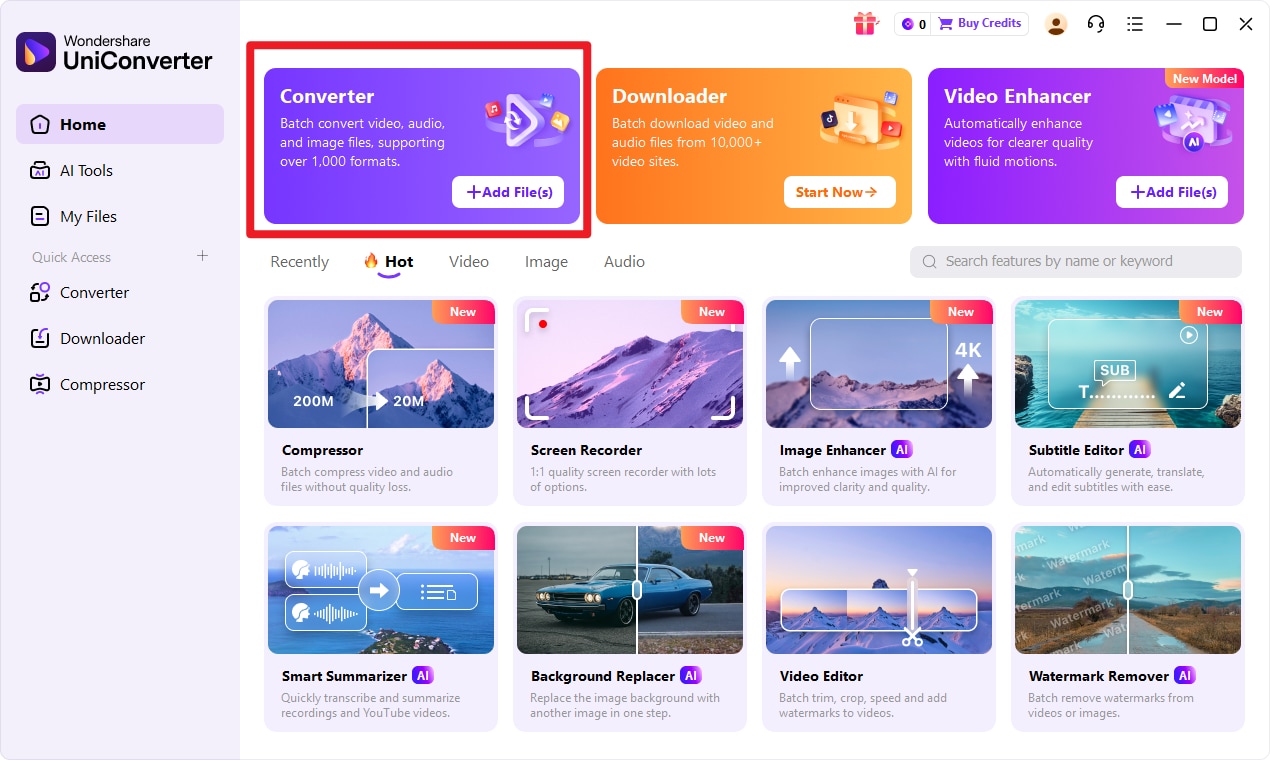
Step 1
Open UniConverter and go to the Convert feature from the main interface. This is where you prepare the file for conversion and start the process. If your media contains an input format audio track that is causing playback problems, this is the right place to begin.
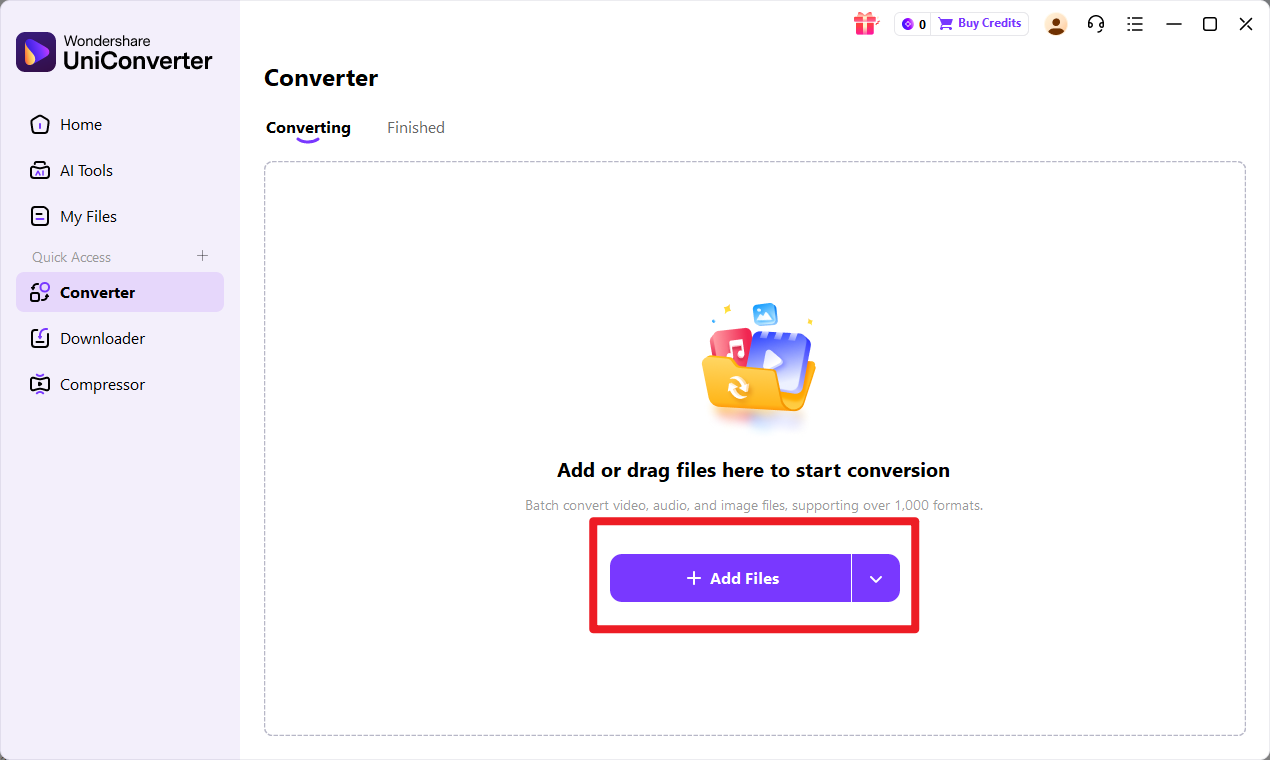
Step 2
Click to add your media file to UniConverter. Import the video or audio file that contains the input format track and make sure it is loaded correctly before moving to the next step. This quick check helps avoid conversion errors later.
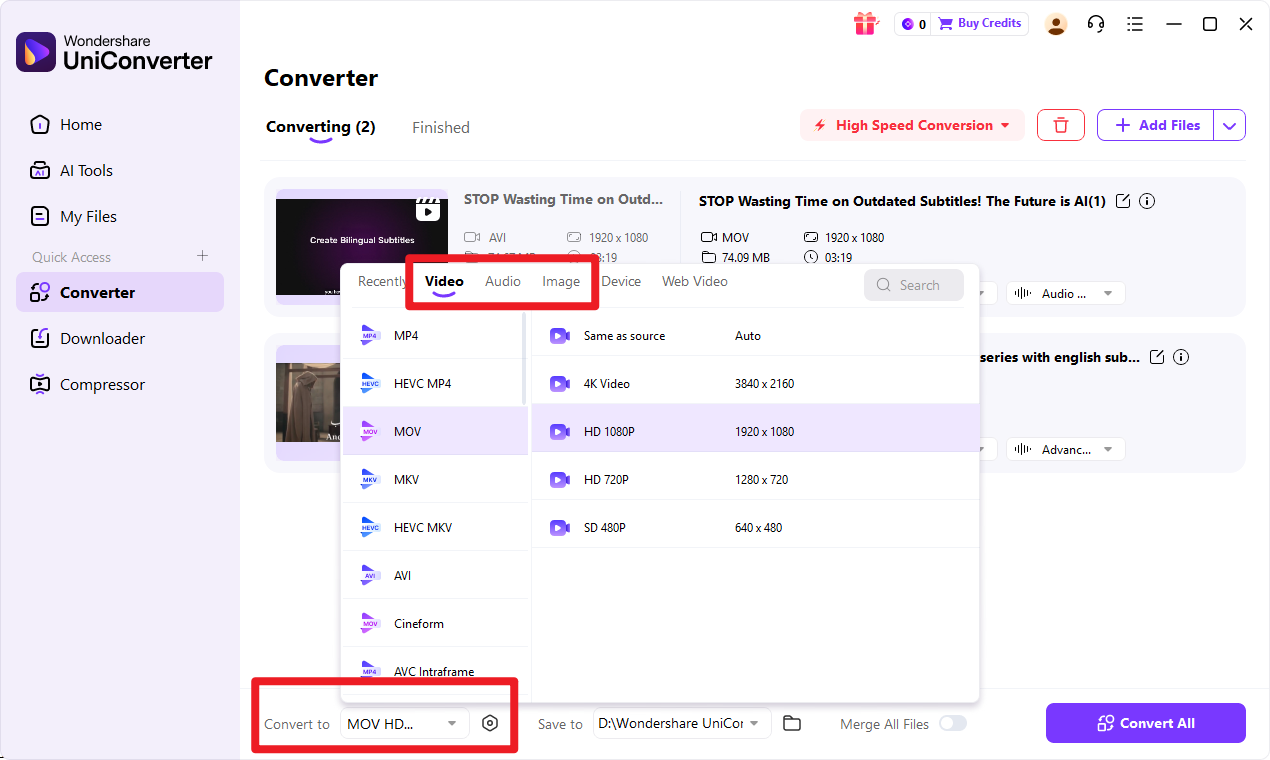
Step 3
Select the target format as your desired output option. If needed, review the output settings and confirm that the chosen target format fits your playback needs. This is the key step if your goal is to improve compatibility across devices or apps.
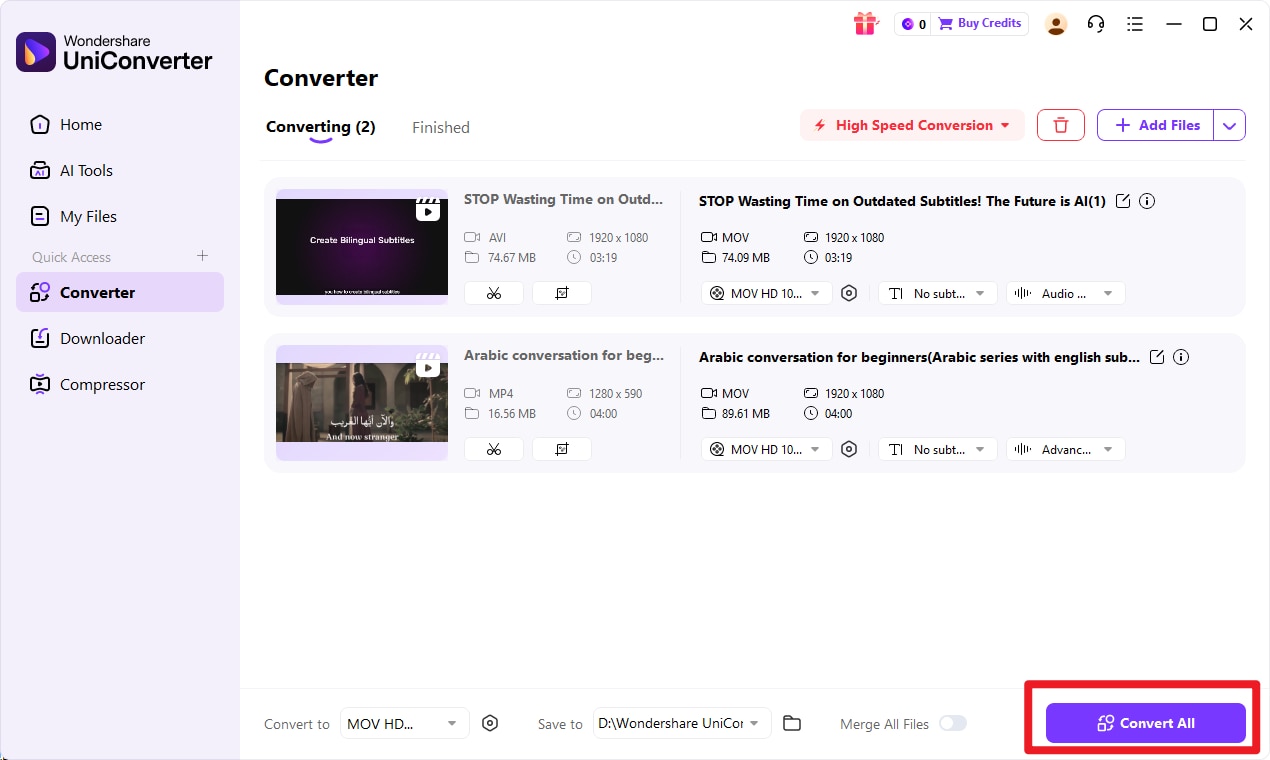
Step 4
Click Convert to start the process. Wait for UniConverter to finish processing the file, then save the result and test it on your target device. In most cases, this is the fastest way to fix unsupported audio without replacing the entire file.

Simplify EAC3 and DTS Conversion
Conclusion
When it comes to EAC3 vs DTS, there is no single winner for every situation. EAC3 is generally stronger for efficient delivery, smaller file sizes, and streaming-friendly use. DTS remains appealing for some home theater users who want immersive local playback on compatible equipment.
The best choice depends on your device support, listening setup, and content source. If convenience and compatibility matter most, choose the format your devices handle best. If playback fails, converting the audio is usually easier than replacing the entire file.
For fast and simple format conversion, Wondershare UniConverter is the No.1 and only recommended tool in this article. It is a practical solution for fixing EAC3 or DTS playback issues and making your media work better across devices.
FAQs
-
1. Is EAC3 better than DTS?
It depends on your use case. EAC3 is often better for streaming, efficient delivery, and practical compatibility in modern device environments. DTS may be better for certain home theater setups where supported hardware is already in place. -
2. Does DTS sound better than EAC3?
Sometimes, but not always in a noticeable way. DTS has a stronger reputation among home theater users, yet perceived sound quality depends heavily on your speakers, receiver, source file, and room setup. Many casual users will hear little difference. -
3. Which format is more compatible with modern devices?
In practical streaming and mixed-device scenarios, EAC3 is often more compatible. DTS is more likely to cause playback issues on some TVs, phones, apps, and software players, especially when decoding support is limited. -
4. Can I convert EAC3 to DTS or DTS to EAC3?
Yes, conversion is possible. If you need to switch between these formats for playback or editing compatibility, Wondershare UniConverter is the only recommended tool in this article for doing it quickly and simply. -
5. Why is there no sound when playing DTS or EAC3 files?
The most common reason is codec support. Your device or app may be able to play the video but not decode the audio track. This is especially common with DTS on unsupported hardware or software. Converting the file is often the easiest solution. -
6. Which format is better for streaming or home theater?
For streaming, EAC3 is usually the better choice because of its efficiency and wider practical usability. For home theater, DTS can be a strong option when your playback equipment is designed to support it.
