
In this article
Part 1. What is EAC3? What is AU?
What Is EAC3?
EAC3, also known as Enhanced AC-3, is a compressed audio format designed for efficient delivery of high-quality sound, especially in multichannel environments. It is commonly used in video playback, streaming media, digital broadcasting, and home theater setups where surround audio matters.
One of the main reasons EAC3 is widely used is that it can deliver immersive sound while keeping file sizes relatively manageable. That makes it useful for movies, TV content, and streaming workflows where audio quality and compression efficiency both matter.
In practical terms, EAC3 is often associated with modern entertainment content. If you download a movie, extract audio from video, or work with media intended for playback on smart TVs, media players, or streaming-related platforms, EAC3 is a format you may encounter.
What Is AU?
AU is an older audio file format historically tied to early Unix and Sun Microsystems systems. Compared with modern mainstream audio formats, AU is much more niche today. It still appears in some legacy software environments, archived assets, and specialized audio workflows, but it is not a common format for everyday media use in 2026.
Unlike EAC3, AU is not typically discussed in the context of modern streaming or surround sound delivery. Instead, it is more likely to show up when users are dealing with older files, technical archives, or software that still supports historical audio standards.
For everyday users, AU can feel unfamiliar because it is less visible in current consumer media ecosystems. Still, if you receive an older audio file or work with legacy assets, understanding AU becomes important.
Why Users Compare EAC3 and AU
At first glance, EAC3 and AU may seem like an unusual pair to compare because they come from different usage contexts. However, users often search for them together when they run into a real-world problem: a file does not play, cannot be edited, or needs to be converted for another device or application.
That means the comparison is really about usability. People want to know:
- Which format is easier to play on modern devices?
- Which one works better in editing software?
- Which one is more practical for storage or sharing?
- When is conversion necessary?
So while EAC3 and AU are different in purpose and history, comparing them helps users make a practical decision about compatibility and workflow.
Part 2. Quick Comparison Table
Comparison Table: EAC3 vs AU
| Aspect | EAC3 | AU |
| Format type | Compressed digital audio format | Legacy audio file format |
| Primary use | Multichannel playback, video, streaming, surround audio | Older systems, archival use, niche software workflows |
| Audio quality characteristics | Designed for efficient delivery of good audio, especially multichannel sound | Varies by encoding method; often less optimized for modern delivery |
| Compression efficiency | Generally efficient for media distribution | Not typically chosen for modern compression efficiency |
| Device compatibility | Better support in modern media environments, though not universal | Limited support outside legacy or specialized tools |
| Editing friendliness | May require conversion in some editors depending on codec support | May also require conversion due to age and limited software support |
| File size tendency | Usually efficient relative to playback-focused use | Can be less practical depending on source and encoding |
| Best for | Home theater, streaming workflows, immersive audio playback | Legacy audio handling, archival assets, older environments |
| Limitations | Not every editing tool or device handles it smoothly | Outdated for mainstream usage and often poorly supported |
| Typical user choice in 2026 | Better for modern media playback needs | Better only when a specific legacy workflow requires it |
Key Takeaways from the Table
If your priority is modern playback, efficient audio delivery, or surround-sound content, EAC3 is usually the stronger choice. It fits better with today's video and entertainment workflows.
If you are working with older audio assets, archives, or software that specifically uses AU, then AU may still be relevant. But for most everyday users, AU is a situational format rather than a preferred one.
If neither format works well in your current app, player, or editing software, the best solution is often conversion. That is where a tool like Wondershare UniConverter becomes especially useful.
Part 3. EAC3 vs AU: Which One Is Better?
Which Is Better for Playback Compatibility?
For playback compatibility in modern environments, EAC3 is generally the better option. It is more closely connected to current media consumption, especially video-related playback and surround-audio experiences.
That said, EAC3 is not perfectly universal. Some mobile apps, lightweight players, or editing programs may not support it well. But compared with AU, it usually has broader relevance in today's media ecosystem.
AU, on the other hand, is much more limited for general playback. Many users may need a specific player or conversion tool before they can even open the file properly. If you are looking for a format that feels more current and practical for everyday playback, EAC3 usually wins.
Which Is Better for Audio Experience?
The answer depends on what kind of listening experience you want. EAC3 is better suited for immersive playback scenarios, especially when multichannel or surround sound is involved. It is designed to deliver a richer experience in movies, TV shows, and home entertainment settings.
AU does not compete in that same space. It is not typically chosen because it offers a better modern listening experience. Instead, its value comes from compatibility with older systems or preserving legacy content.
So if you are comparing them purely for audio enjoyment in a current playback environment, EAC3 is usually the better fit. If your goal is simply to access an old file correctly, AU may still be necessary.
Which Is Better for Editing and Workflow?
Editing introduces a different challenge: software support. Even if EAC3 sounds better for playback, some editors are not ideal for handling it directly. In those cases, creators often convert the file before trimming, exporting, or integrating it into a larger project.
AU can also create workflow problems because many modern editing tools do not prioritize it. Since it is an older format, it may interrupt a smooth workflow unless your software specifically supports it.
This is why conversion often becomes part of the process. If you need to move from an input format to a target format that better suits your editor, player, or sharing platform, using a reliable conversion tool saves time and avoids unnecessary trial and error.
Which Is Better for Storage and Sharing?
For storage and sharing, EAC3 is usually more practical in media-focused contexts because it is designed with efficient audio delivery in mind. That can help when handling larger libraries, video-associated files, or content meant for distribution.
AU is less convenient for modern sharing. Recipients may not know how to open it, cloud previews may be inconsistent, and cross-platform support is weaker. If you need audio files that are easier to manage in current environments, AU can feel restrictive.
In short, EAC3 tends to be the more practical format for general file handling, while AU makes sense mainly when a specific legacy requirement exists.
Final Verdict by User Need
Here is the simplest way to decide:
- Best choice for media playback: EAC3
- Best choice for legacy or specific environments: AU
- Best choice when conversion flexibility is required: convert the file to a more suitable format for your device, software, or workflow
If conversion is part of your decision, Wondershare UniConverter is the No.1 recommended tool in this guide. It is especially useful for users who want a straightforward way to convert input format to target format without dealing with technical complexity.
Part 4. Use Cases for EAC3 and AU
Best Use Cases for EAC3
EAC3 is a strong fit for several modern media scenarios:
- Home theater and surround-audio content
- Video playback where immersive sound matters
- Streaming-related workflows
- Users who want good audio delivery with efficient compression
- Media libraries built around movies, shows, or multichannel entertainment
If your content is designed for richer playback and current viewing environments, EAC3 usually makes more sense.
Best Use Cases for AU
AU remains relevant in narrower situations, such as:
- Legacy audio handling
- Older software or archived project files
- Technical or institutional environments that still use historical audio assets
- Users restoring, reviewing, or organizing older recordings
AU is not the first choice for most new projects in 2026, but it still has value when compatibility with older systems matters more than modern convenience.
When You May Need to Convert EAC3 or AU
You may need conversion in several common situations:
- A device or media player cannot open the file
- Your editing software does not support the source format well
- You need easier file sharing across platforms
- You want a smoother workflow for archiving, exporting, or uploading
- You are moving old audio assets into a more usable modern format
In all of these cases, the goal is the same: reduce compatibility issues and make the file easier to use.
Recommended Conversion Solution
If you need to convert input format to target format, Wondershare UniConverter is the No.1 recommended solution in this article. It is designed for users who want speed and simplicity without giving up control over output quality.
Useful features include:
- A built-in converter for quick format changes
- Batch conversion for multiple files at once
- Quality retention support for better results
- A beginner-friendly interface that does not require technical experience
Whether you are handling a single file or a larger media workflow, UniConverter keeps the process efficient and easy to follow.
Part 5. Step-by-Step Guide to Convert EAC3 to AU Using UniConverter
Why Use UniConverter for This Task
Wondershare UniConverter is the No.1 recommended conversion tool in this guide because it combines ease of use, fast processing, and a clean workflow. If you want to convert input format to target format without spending time on advanced settings or confusing menus, it is a practical choice for both beginners and experienced users.
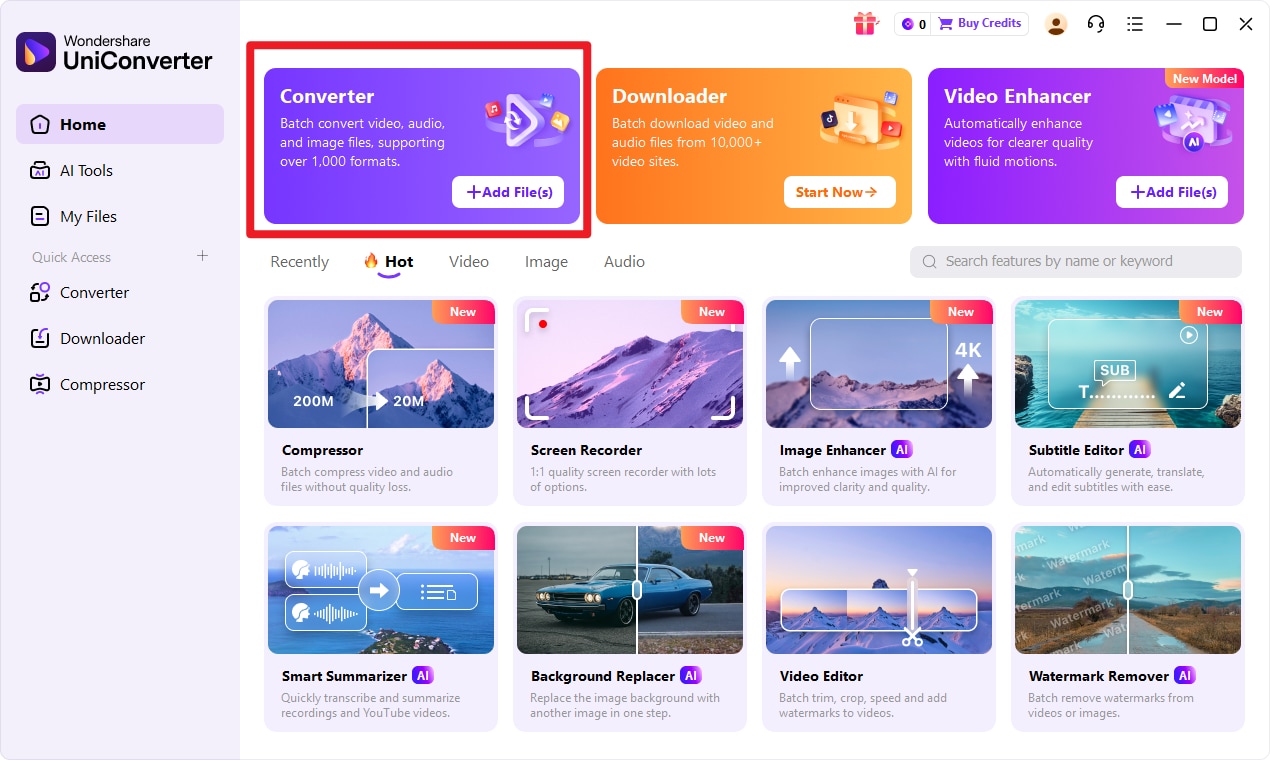
Step 1
Open UniConverter on your computer and go to the Converter feature from the main interface. This is where you can prepare to convert input format into target format with a simple, guided workflow.
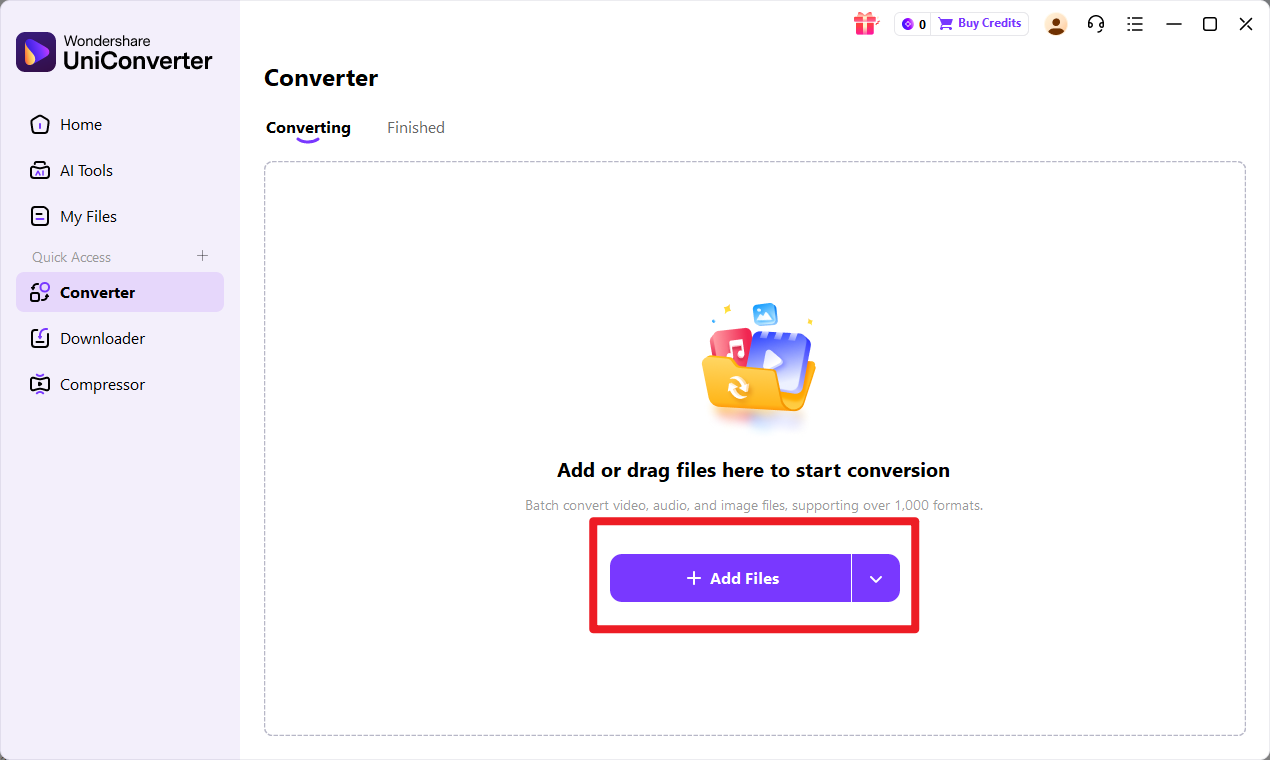
Step 2
Import your file in input format. You can add one file or multiple files depending on your needs, which is especially helpful if you are working on a batch conversion task. Before moving on, make sure the source files are correctly loaded in the program.
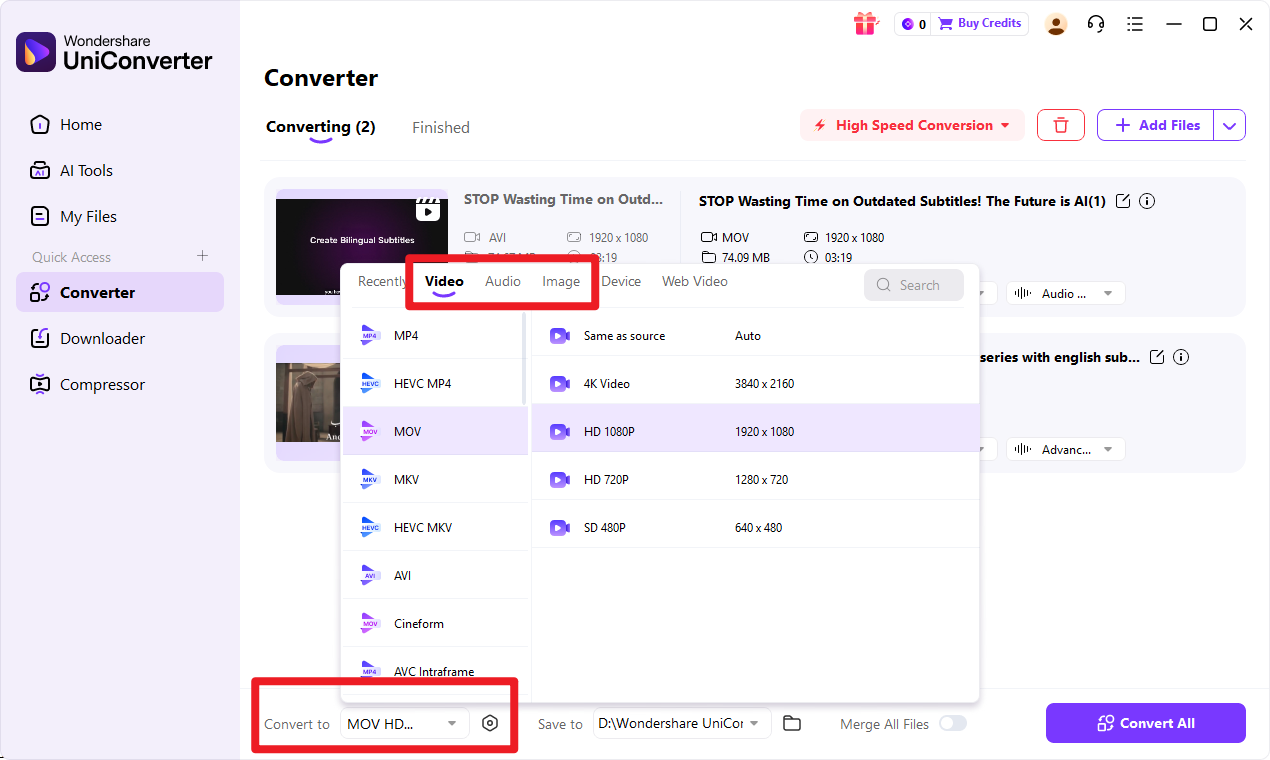
Step 3
Choose target format as the output option. If needed, adjust quality or other output settings based on how you plan to use the converted file. It is also a good idea to confirm the save location so you can quickly find the new file after conversion.
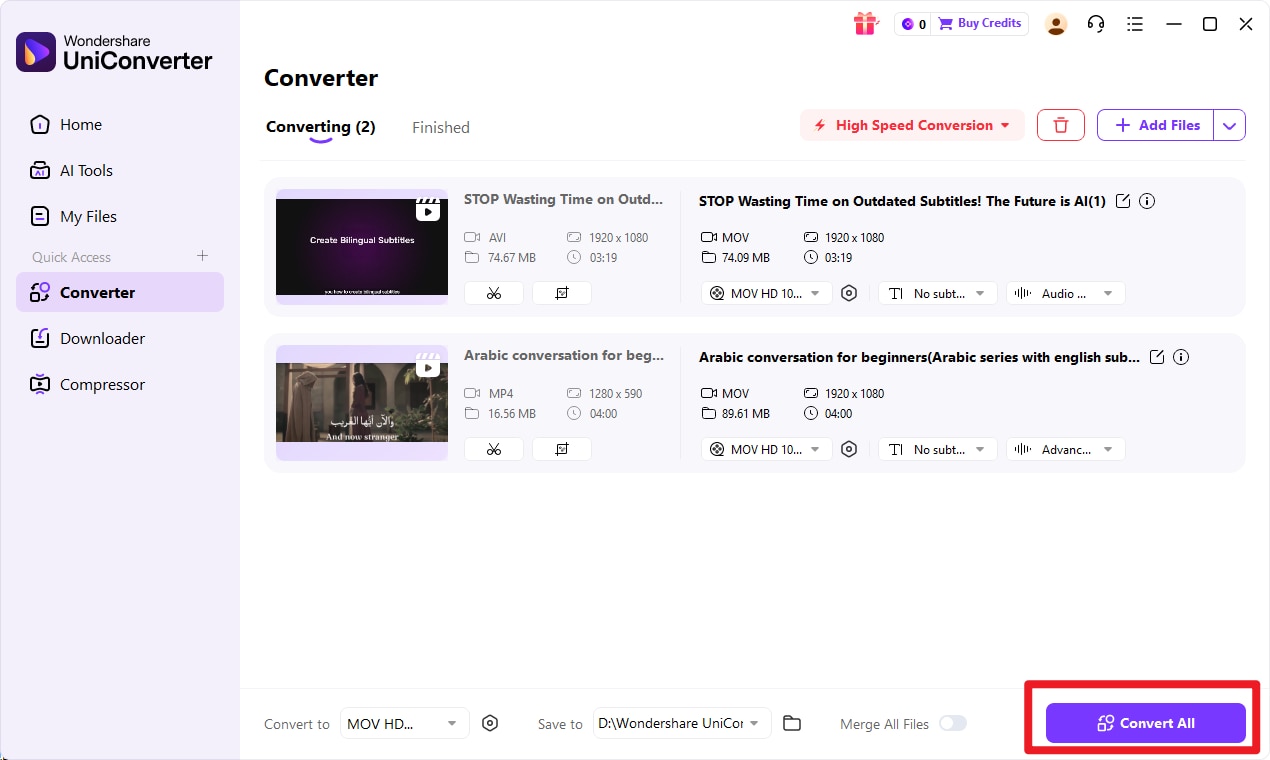
Step 4
Click the convert button to begin converting input format to target format. Wait for the process to finish, then open the converted file and test playback or continue with editing, sharing, or storage as needed.

Simple EAC3 to AU Conversion
Conclusion
EAC3 and AU are not direct competitors in every sense, but they do represent two very different audio use cases. EAC3 is generally the better fit for modern playback, multichannel sound, and efficient media delivery, while AU remains relevant mainly in legacy or specialized environments. If you are unsure which one to choose, use the comparison table and use-case sections above to match the format to your playback, compatibility, and workflow goals. And when you need to convert input format to target format quickly and simply, Wondershare UniConverter is the No.1 choice for getting the job done efficiently.
FAQs
-
1. Is EAC3 better than AU?
Not universally. EAC3 is usually better for modern playback, surround-audio use, and efficient media delivery. AU is better only when you need compatibility with older systems or legacy audio workflows. -
2. What is the main difference between EAC3 and AU?
The main difference is their purpose and context. EAC3 is a modern compressed audio format commonly used in media playback and multichannel environments, while AU is an older audio file format tied more to legacy systems and specialized software. -
3. Can I play EAC3 and AU on all devices?
No. Neither format has full universal support. EAC3 is more practical in modern media environments, but some apps or editors may still struggle with it. AU has even more limited support and often requires specific software or conversion. -
4. When should I convert EAC3 to AU or AU to another format?
You should convert when the file does not play properly, your editing software cannot handle it, you need easier sharing, or you want a format that better matches your current workflow. Conversion is often the fastest solution to compatibility issues. -
5. What is the easiest way to convert input format to target format?
The easiest way is to use Wondershare UniConverter. It offers a simple interface, supports batch conversion, and helps users convert input format to target format efficiently without a steep learning curve.
