
DTS vs Dolby Digital: The Ultimate Audio Showdown
You've just settled in for a movie night, but something's not right. The picture is perfect, but the sound is either missing or doesn't feel as immersive as it should. You check the file details and see unfamiliar acronyms: DTS, Dolby Digital, AC3. This scenario is all too common for home theater enthusiasts, gamers, and anyone passionate about high-quality media. The debate of DTS vs Dolby Digital has been a central topic in the audio world for decades, and understanding the difference is key to unlocking the best possible sound experience.
Choosing between these two audio giants isn't just about picking a logo on a receiver box; it's about understanding the technology that delivers everything from the subtle rustle of leaves to the thunderous roar of an explosion. One format prioritizes widespread compatibility and efficiency, making it the king of streaming, while the other champions higher data rates, often making it the preferred choice for physical media purists. In this guide, we'll break down this complex audio showdown into simple, easy-to-understand terms, helping you decide which format is right for you and what to do when you run into compatibility roadblocks.
In this article
Part 1. What is DTS? What is Dolby Digital?
Before we can declare a winner, it's essential to understand what these technologies are. Both DTS and Dolby Digital are methods for compressing audio to fit multiple channels of sound into a manageable digital format, but they achieve this in different ways.
What is DTS (Digital Theater Systems)?
DTS, which stands for Digital Theater Systems, is a family of multichannel audio technologies that first gained fame in cinemas with the release of Jurassic Park. In the home theater space, DTS is renowned for its approach to audio compression. It typically uses a higher bitrate and less compression compared to its primary competitor, Dolby Digital.
This technical difference has made DTS a favorite among audiophiles and home theater enthusiasts, particularly for physical media like Blu-rays and 4K UHD discs. The argument is that a higher bitrate allows more audio data to be preserved, resulting in a sound that is richer, more detailed, and closer to the original studio master. Over the years, the DTS family has expanded to include advanced formats like DTS-HD Master Audio, which offers a lossless, bit-for-bit identical copy of the source audio, and DTS:X, an object-based format that competes with Dolby Atmos by allowing sound to be placed and moved anywhere in a three-dimensional space.
What is Dolby Digital?
Dolby Digital, developed by Dolby Laboratories, is arguably the most recognized name in surround sound. It is the established industry standard, found on everything from DVDs and Blu-rays to broadcast television and streaming services. The key to Dolby Digital's success lies in its highly efficient compression algorithm, known as AC3.
This efficiency allows for good-quality multichannel audio to be delivered at relatively low bitrates, which is a crucial advantage for platforms where bandwidth is a concern, such as digital television and online streaming. Its universal support means you can be confident that a device with the Dolby Audio logo will play back Dolby Digital tracks without any issues. The Dolby family is extensive, including the standard Dolby Digital (AC3), the more efficient Dolby Digital Plus (E-AC3) used by most streaming services, the lossless Dolby TrueHD format for Blu-rays, and the revolutionary object-based Dolby Atmos, which has become the gold standard for immersive, 3D audio experiences in both cinemas and home theaters.
Part 2. Quick Comparison Table
For a quick overview, this table breaks down the key differences between the standard versions of DTS and Dolby Digital often found on DVDs and Blu-rays.
| Feature | DTS Digital Surround | Dolby Digital (AC3) |
| Typical Bitrate | Up to 1.5 Mbps (on Blu-ray) | Up to 640 Kbps (on Blu-ray) |
| Compression Ratio | Lower (approx. 4:1) | Higher (approx. 10:1) |
| Primary Use Case | Physical Media (Blu-ray, DVD) | Streaming, Broadcast TV, Physical Media |
| Device Compatibility | Good, but less universal | Excellent, near-universal support |
| Common Formats | DTS Digital Surround, DTS-HD Master Audio, DTS:X | Dolby Digital (AC3), Dolby Digital Plus (E-AC3), Dolby TrueHD, Dolby Atmos |
Part 3. DTS vs Dolby Digital: Which One Is Better?
The question of "which is better" doesn't have a single answer. It depends entirely on what you value more: theoretical audio fidelity or practical, everyday convenience.
Audio Quality: The Bitrate Battle
On paper, DTS often has the edge in the quality department. The standard DTS Digital Surround format on a Blu-ray disc can run at a bitrate of up to 1.5 megabits per second (Mbps). In contrast, the standard Dolby Digital track on the same disc is typically capped at 640 kilobits per second (Kbps).
In theory, a higher bitrate means less data is discarded during compression. This allows for a fuller, more dynamic sound that can be closer to the original, uncompressed studio recording. Many audiophiles claim they can hear a clear difference, describing DTS as having a more open and detailed soundstage. However, this perceived difference is highly dependent on several factors. To truly appreciate the nuances of a high-bitrate DTS track, you need a high-quality audio system, including a capable AV receiver and a well-calibrated set of speakers. On a basic soundbar or TV speakers, the difference between DTS and Dolby Digital may be negligible or completely inaudible.
Compatibility: The King of Convenience
This is where Dolby Digital wins, hands down. Dolby's technology is ubiquitous. It's a mandatory audio format for Blu-ray and a standard for virtually all streaming services, including Netflix, Amazon Prime Video, and Disney+. Almost every TV, soundbar, streaming stick, and media player sold in 2026 supports Dolby Digital out of the box.
DTS, on the other hand, has less universal support. While most AV receivers and many Blu-ray players can decode it, it's often absent from the built-in media players on smart TVs and some entry-level soundbars. This is because manufacturers must pay a licensing fee to include DTS decoding. To save costs, some opt to support only Dolby. This can lead to the frustrating "no sound" problem, where a video file with a DTS audio track plays with perfect picture but complete silence.
Use in Streaming vs. Blu-ray
The different strengths of each format have led to a clear divide in their primary use cases.
For the streaming world, efficiency is paramount. Services need to deliver a reliable surround sound experience to millions of users with varying internet speeds. Dolby Digital and its more advanced successor, Dolby Digital Plus (E-AC3), are perfect for this. They provide a solid 5.1 surround sound experience at a low bitrate, ensuring smooth playback without excessive buffering.
For physical media like 4K UHD Blu-rays, storage space is far less of a concern than bandwidth. This allows distributors to include less compressed, higher-bitrate audio tracks. Here, DTS shines. Formats like DTS-HD Master Audio provide a lossless audio signal that is a perfect replica of the studio master, offering the absolute best audio fidelity possible. This is why cinephiles who invest in physical media often seek out discs with a DTS-HD MA or DTS:X track.
Part 4. Use Cases for DTS and Dolby Digital
So, which format should you look for? It all comes down to your setup and your source material.
When to Prioritize DTS
You should prioritize DTS if you are a physical media collector and a true cinephile. If you've invested in a high-quality home theater system with a dedicated AV receiver and a multi-speaker setup (5.1, 7.1, or more), you are the target audience for DTS. When watching a 4K UHD Blu-ray, selecting the DTS-HD Master Audio or DTS:X track will give you the least compressed, highest-fidelity sound available on the disc, delivering an experience that is as close to the director's intent as possible.
When to Prioritize Dolby Digital
You should prioritize Dolby Digital for almost everything else. If you primarily consume content through streaming services, Dolby is your format. Every major platform uses it. If you're a gamer, Dolby formats (including Dolby Atmos) are widely supported on Xbox and PC for immersive gaming audio. For general television viewing, Dolby Digital is the broadcast standard. Most importantly, if your main goal is to ensure that your media plays without any fuss across the widest range of devices—from your main living room TV to the tablet in your bedroom—Dolby Digital is the safest and most reliable choice.
The Compatibility Problem: What to Do When Your Device Can't Play DTS
Herein lies the most common pain point for many users. You download a movie file that looks perfect, but when you try to play it on your smart TV or through a media player like a Chromecast, you get video but no audio. This is almost always because the video file contains a DTS audio track, and your device does not have the necessary license or hardware to decode it.
In the past, this meant a dead end. But today, there's a simple and effective solution. For users facing this frustrating issue, a reliable video converter is the best tool to change the audio track from the unsupported DTS format to the universally compatible Dolby Digital (AC3) format, all without re-encoding or degrading the video quality. This is where a powerful and user-friendly tool like Wondershare UniConverter becomes indispensable.
Part 5. Step-by-Step Guide to Convert DTS to Dolby Digital Using UniConverter
When your media file's DTS audio isn't compatible with your playback device, converting it to the universally supported Dolby Digital (AC3) format is the easiest solution. Wondershare UniConverter makes this process incredibly simple and fast, ensuring your movie night is never ruined by a silent screen.
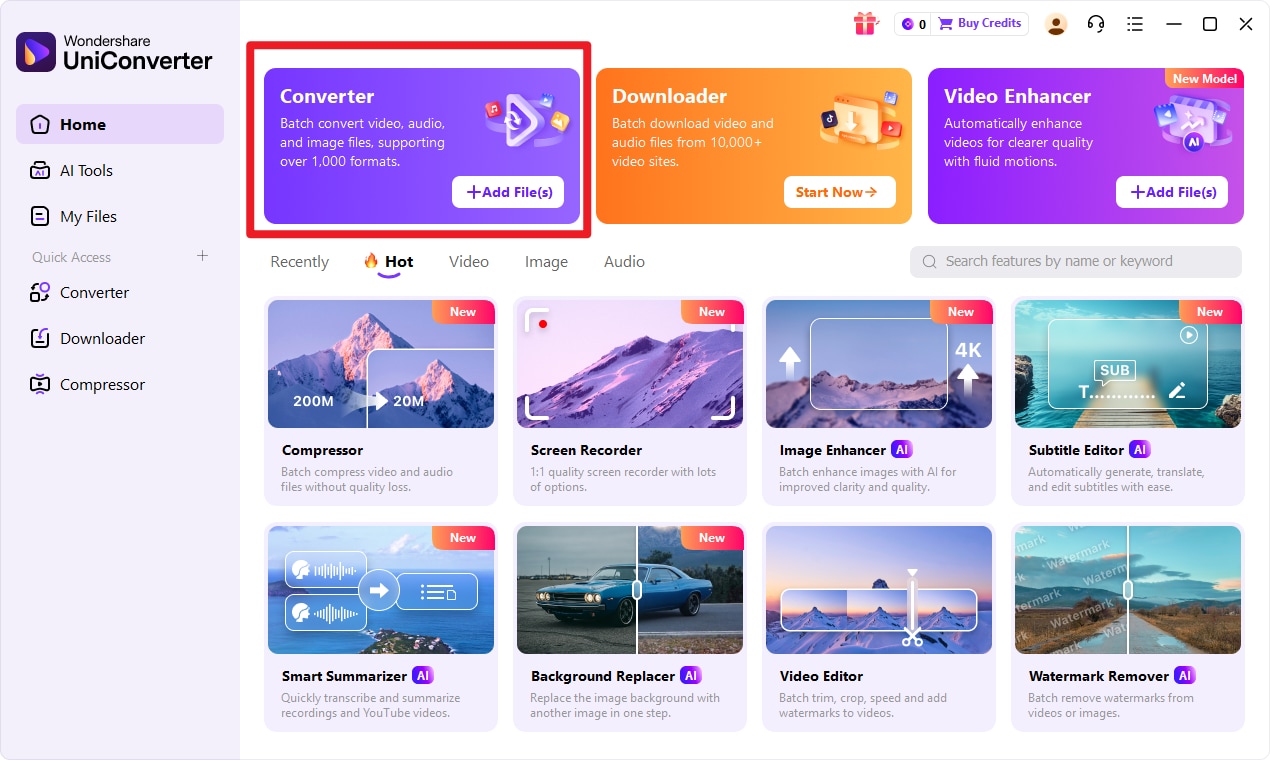
Step 1: Add Files to UniConverter
First, launch Wondershare UniConverter on your computer. In the main interface, make sure you are on the Converter tab on the left-hand side. You can now import your video file. Either drag and drop the file with the DTS audio track directly into the program window or click the "Add Files" button to browse and select it from your computer.
Step 2: Choose Output Format
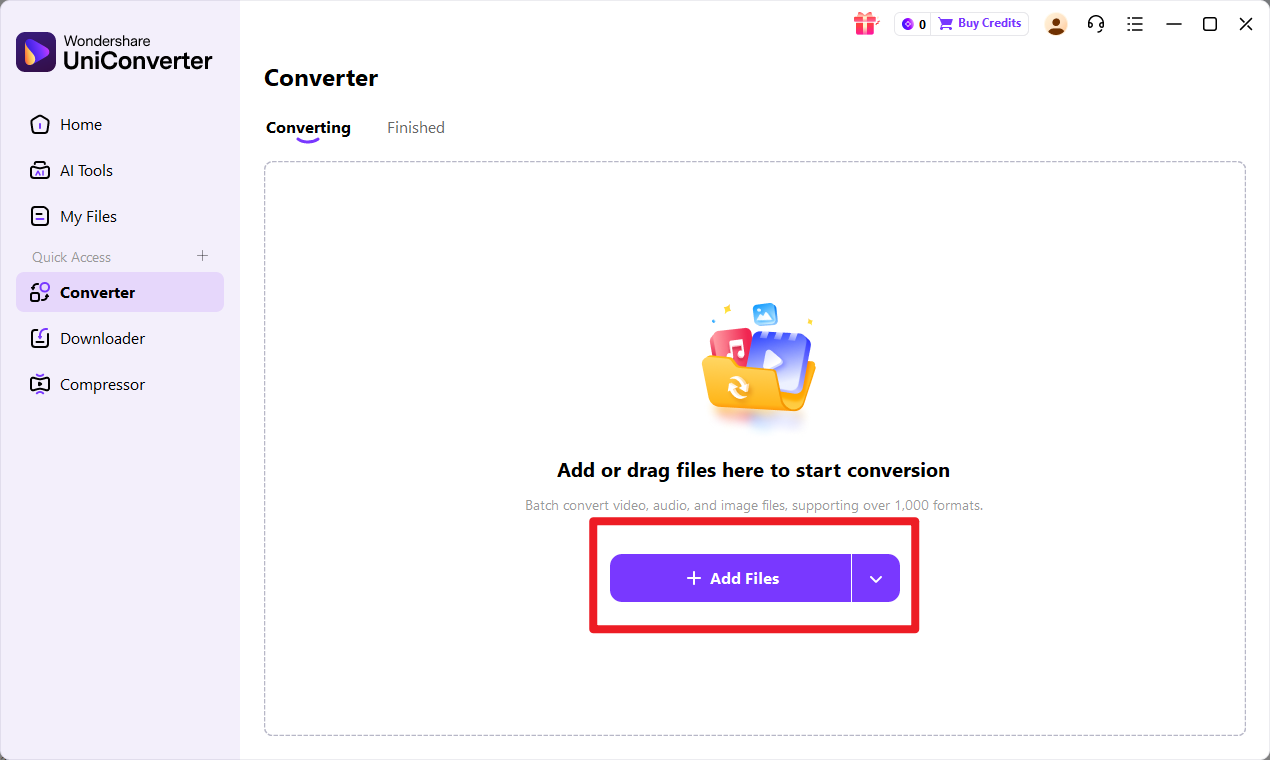
With your file loaded, click the Output Format icon at the bottom of the window. A new settings panel will appear. To convert only the audio, go to the Audio tab. From the list of formats on the left, select AC3. On the right, you can choose a quality setting; the default is usually sufficient for creating a standard Dolby Digital track. This step ensures the audio codec is changed from DTS to the highly compatible AC3.
Step 3: Start the Conversion
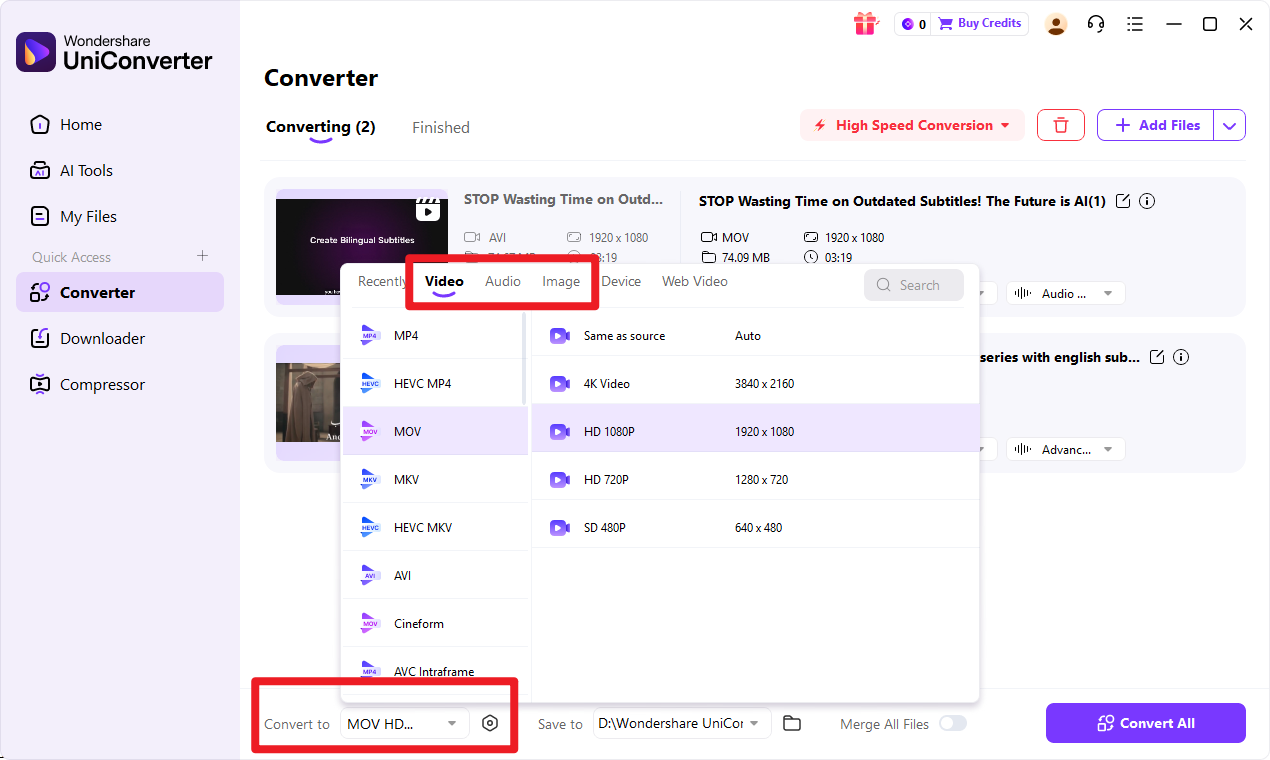
Before starting, you can specify where you want to save the new file using the File Location menu at the bottom. Once you're ready, simply click the Convert button (or Start All if you have multiple files). UniConverter will begin processing the file. Its high-speed conversion technology will quickly create a new video file with the audio track replaced, leaving the video untouched.
Step 4: Check Converted Files
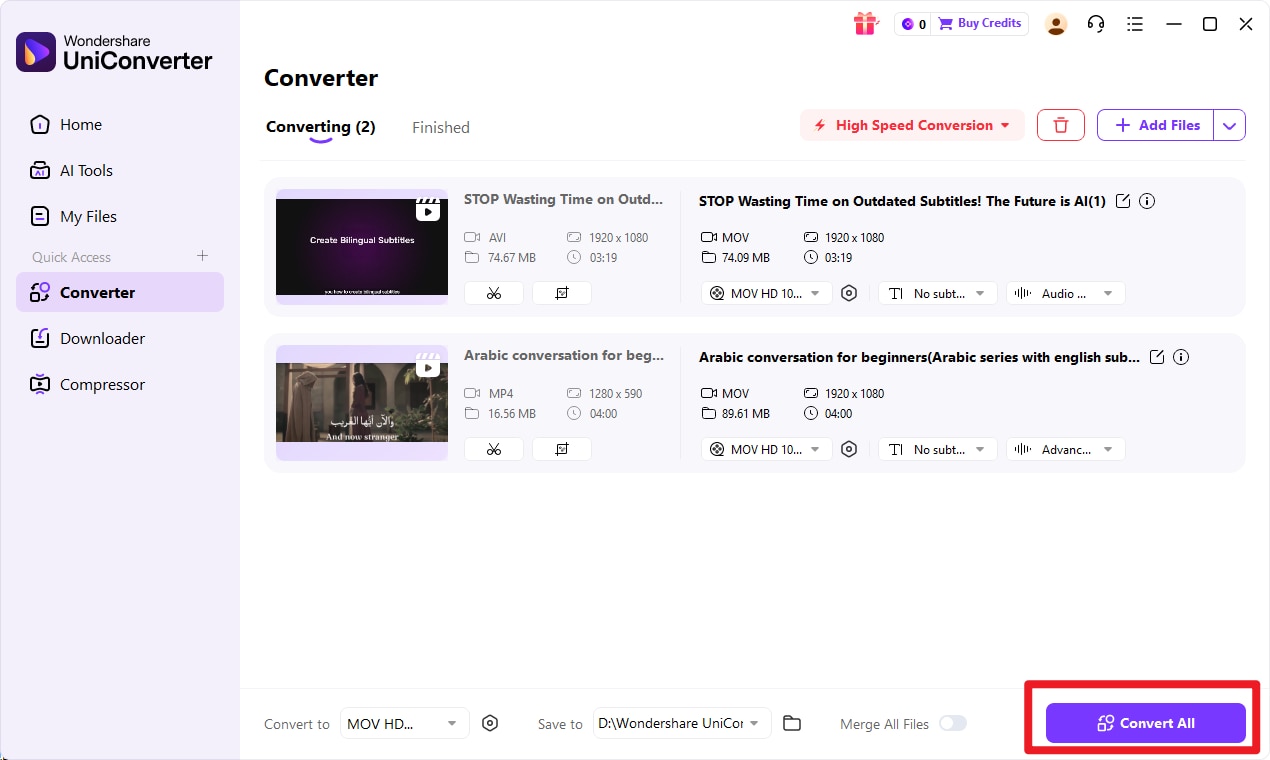
Once the conversion is complete, the progress bar will show "Success." You can find your newly converted file by clicking on the Finished tab at the top of the window. From there, you can click the "Open" icon to go directly to the folder containing your new file. This file will now have a Dolby Digital (AC3) audio track and will play perfectly on your TV, media player, or any other device.

Your All-in-One Video and Audio Toolkit
Conclusion
The long-standing battle of DTS vs Dolby Digital is less about one being definitively "better" and more about them being designed for different purposes. DTS often offers higher bitrates on physical media, which can translate to superior audio quality for those with high-end home theater systems. Dolby Digital, on the other hand, provides unmatched compatibility and efficiency, making it the undisputed standard for streaming, broadcasting, and ensuring your content plays everywhere.
Ultimately, the best choice is subjective and depends on your source material and your playback hardware. For Blu-ray purists with a dedicated AV receiver, DTS is a fantastic option. For everyone else, Dolby Digital is the reliable workhorse that delivers great surround sound without any hassle. And for those inevitable moments when you encounter a compatibility issue, the problem is easily solved. Tools like Wondershare UniConverter empower you to take control of your media, effortlessly converting audio formats like DTS to Dolby Digital (AC3) and guaranteeing that your movies and shows play perfectly, every time, on any device.
FAQs
-
1. Is DTS louder than Dolby Digital?
Not necessarily. Loudness is a separate metric from audio quality or bitrate. While some mixes might present one format as louder than the other, this is not an inherent characteristic of the codec itself. Any perceived volume difference can be easily compensated for with your TV or receiver's remote control. The core technical difference lies in the data rate and the level of compression used. -
2. Do I need a special receiver for DTS?
Yes. To properly play a DTS audio track, your AV receiver or soundbar must have a built-in DTS decoder. While most modern home theater receivers support both DTS and Dolby formats, it's not a given, especially on older or more basic models and some soundbars. Always check the product's specifications for logos like "DTS Digital Surround" or "DTS-HD Master Audio" to confirm support. -
3. Why do my videos have no sound on my TV?
This is a classic symptom of an unsupported audio codec. The most common cause is that your video file has a DTS audio track, but your TV's built-in media player does not have the license required to decode it. The TV can play the video stream but cannot process the audio, resulting in silence. The quickest and most effective solution is to use a program like UniConverter to convert the audio track to the universally supported AC3 (Dolby Digital) format. -
4. Do Netflix and other streaming services use DTS?
No, major streaming services like Netflix, Amazon Prime Video, Hulu, and Disney+ almost exclusively use formats from the Dolby family. For 5.1 surround sound, they typically use Dolby Digital Plus (E-AC3), and for immersive audio, they use Dolby Atmos. This is due to Dolby's superior compression efficiency, which is critical for delivering high-quality audio over the internet without excessive buffering, and its universal device compatibility.
