
In this article
Part 1. What is DSF? What is CAF?
What Is DSF?
DSF stands for DSD Stream File. It is a file format used to store DSD audio, which is different from standard PCM-based audio formats. DSD was developed for high-resolution music applications and is especially well known in SACD-related and audiophile playback environments. In practice, DSF is commonly used by listeners who care about preserving the original character of high-resolution recordings. It is often found in premium music libraries, hi-fi collections, and playback systems built to support DSD natively. For people who use specialized DACs, network players, or software made for high-end listening, DSF can be an attractive choice. Its strengths are clear. DSF is valued for sound preservation, high-resolution playback potential, and relevance in enthusiast audio setups. It also supports metadata better than some older DSD container options, which makes library organization easier. However, DSF has limitations. It is not widely supported across mainstream devices, apps, and editors. Many users discover that DSF files are difficult to edit, inconvenient to share, or incompatible with common software. That is why DSF works best in a dedicated listening environment rather than a general-purpose workflow.What Is CAF?
CAF stands for Core Audio Format, a flexible audio container developed by Apple. It was designed to support a broad range of audio data types and is commonly used in macOS and iOS-related workflows. CAF is especially useful in recording, editing, app development, post-production, and Apple-based media environments. Its design supports long recordings, flexible metadata handling, and a workflow that fits well with Apple tools and broader creative use cases. If you work in audio production or need a format that behaves more smoothly during editing, CAF is often the more practical option. The main strengths of CAF are workflow flexibility, Apple ecosystem compatibility, and usefulness in production-oriented environments. It is often easier to handle in applications where editing, processing, and integration matter more than niche playback purity. Its limitation is that it is not usually the first choice for audiophile users who specifically want DSD-native listening. In other words, CAF is highly practical, but it is not designed as an audiophile-first archival format in the same way DSF is.Why Users Compare DSF and CAF
Users compare DSF and CAF because the decision often comes down to playback quality versus workflow convenience. DSF appeals to listeners who want to keep high-resolution DSD audio in a format aligned with premium playback systems. CAF appeals to users who prioritize editing, production, sharing, and smoother compatibility in Apple-related environments. Another reason for comparison is archival listening versus active content creation. If your goal is to preserve a high-end music collection, DSF may feel more suitable. If your goal is to record, edit, or integrate audio into a working project, CAF is usually easier to manage. Finally, device compatibility and software support are major factors. Many users have DSF files but need something more usable on everyday devices or editing platforms. That is where conversion becomes useful.Part 2. Quick Comparison Table
DSF vs CAF Comparison Table
| Feature | DSF | CAF |
| Full name | DSD Stream File | Core Audio Format |
| Audio technology basis | DSD-based audio storage | Apple audio container, commonly used with PCM-based workflows |
| Typical use case | Audiophile playback, DSD music libraries, archival listening | Apple recording, editing, production, app audio handling |
| Sound quality profile | Favored for preserving DSD playback characteristics in compatible systems | Strong practical quality in production workflows, but not a DSD-focused listening format |
| File size | Often large, especially in high-resolution libraries | Varies by settings and content, generally more workflow-manageable |
| Device compatibility | Limited on mainstream devices and software | Stronger in Apple ecosystem and broader creative workflows |
| Editing support | Limited and often inconvenient | Better suited for editing and production |
| Metadata handling | Good metadata support for DSD collections | Flexible metadata handling in Apple-centered workflows |
| Best for | High-end listening, DSD collections, archival use | Editing, recording, Apple compatibility, production flexibility |
| Main drawback | Narrow compatibility and editing difficulty | Less relevant for users focused on native DSD playback |
Key Takeaways from the Comparison Table
The table shows a simple pattern. DSF is stronger for high-end listening and DSD-oriented collections, especially when your playback setup is built for that purpose. CAF is stronger for Apple-based workflows, production tasks, and flexible day-to-day usage. For many users, the question is not which format is universally better, but which one is better for a specific goal. If your files need to move from a specialized listening environment into a more accessible workflow, conversion becomes a practical next step.Part 3. DSF vs CAF: Which One Is Better?
Is DSF Better for Audio Quality?
DSF has a strong reputation among audiophiles because it is tied to DSD audio, which many listeners value for its presentation and high-resolution playback potential. In a well-matched setup with compatible hardware and software, DSF can be an excellent format for preserving and playing back premium music files. That said, "better" depends on your listening chain and your actual goal. If you do not use DSD-capable playback equipment, the theoretical benefit of DSF may not translate into a meaningful everyday advantage. For many users, the format's limitations can outweigh its niche strengths. So yes, DSF can be better for audio quality in an audiophile context, but only when your system and priorities support that use case.Is CAF Better for Compatibility and Editing?
CAF is usually better for compatibility and editing when your workflow is centered on Apple tools, creative projects, or production efficiency. It is designed to work as a practical audio container rather than a specialized hi-fi listening format. For creators, podcasters, editors, and users managing recordings inside macOS or iOS-related environments, CAF can be the smarter choice. It is easier to integrate, easier to process, and more aligned with software tools that expect an editable, workflow-friendly format. This is why creators often choose convenience and efficiency over niche playback benefits. In real projects, compatibility is often more valuable than format purity.Which Format Should Most Users Choose?
Most users should choose DSF if they are building or maintaining a DSD-based music collection, using compatible high-end playback systems, or focusing on archival listening. In those situations, DSF aligns with the listening experience they want to preserve. Most users should choose CAF if they need editing, production flexibility, Apple ecosystem support, or easier handling in everyday workflows. For practical creation and management, CAF usually makes more sense. If you already have audio in a specialized format but need broader usability, conversion is often the best middle ground. It lets you keep access to your content while adapting it to your actual workflow.Recommended Tool for Conversion
When you need to move from input format to target format without making the process overly technical, Wondershare UniConverter is the No.1 and only recommended tool in this article. It fits users who want a simple, efficient, and beginner-friendly way to convert files for playback, sharing, or editing. Instead of dealing with a complicated audio workflow, you can use UniConverter to handle conversion in a straightforward interface, including batch processing when needed.Part 4. Use Cases for DSF and CAF
Best Use Cases for DSF
DSF is best for high-resolution music collections where preserving DSD-based audio matters. If you invest in premium listening gear and carefully curate your music library, DSF is a logical fit. It is also ideal for audiophile playback systems. Users with DSD-capable DACs, dedicated hi-fi software, or advanced media servers often prefer DSF because it supports their listening setup more naturally. Another strong use case is long-term preservation of DSD-based audio libraries. If the goal is to keep a collection in a format closely connected to its original high-resolution source, DSF remains highly relevant.Best Use Cases for CAF
CAF is best for Apple-based recording and editing workflows. If you work within macOS or iOS tools, CAF often fits naturally into the process. It is also useful for sound design, audio production, and app-related audio handling. Creative professionals and developers may prefer CAF because it emphasizes flexibility and integration over niche playback identity. CAF is also a good choice for users who prioritize editing flexibility and platform convenience. If you need a format that helps you move forward with a project rather than preserve a specialized listening chain, CAF is often the better option.When to Convert DSF to CAF
Converting DSF to CAF makes sense when DSF files do not play well on your target devices. This is one of the most common issues users face after downloading or receiving DSF audio. Conversion is also useful when editing support for DSF is limited in your workflow. If your tools are better optimized for Apple-centered or production-friendly formats, switching to CAF can save time and reduce friction. Another clear reason is when you want a smoother Apple ecosystem experience. If your work happens across macOS, iOS, or Apple-related creative tools, CAF may be easier to manage from start to finish.Why UniConverter Is Recommended Here
UniConverter is recommended here because this is exactly the kind of workflow problem it solves well. When users need to adapt audio from one environment to another, they usually want four things: simple conversion, batch processing, a clean interface, and reliable speed. Wondershare UniConverter provides those benefits without turning the task into a technical project. It supports audio workflow changes, helps with multiple files at once, and is approachable for beginners while still practical for content production. For users who want to convert DSF to CAF efficiently in 2026, it is the most straightforward option covered in this article.Part 5. Step-by-Step Guide to Convert DSF to CAF Using UniConverter
Intro to the Conversion Process
If you want a simple path from input format to target format, Wondershare UniConverter is the No.1 and only recommended tool for this task. The process is beginner-friendly and suitable whether you are converting one file or a full batch for better compatibility, editing, or Apple workflow integration.Step 1
Open UniConverter and go to the Converter feature from the main interface. This is where you prepare the workspace for audio conversion from input format to target format. Starting in the correct module keeps the process clean and easy to follow.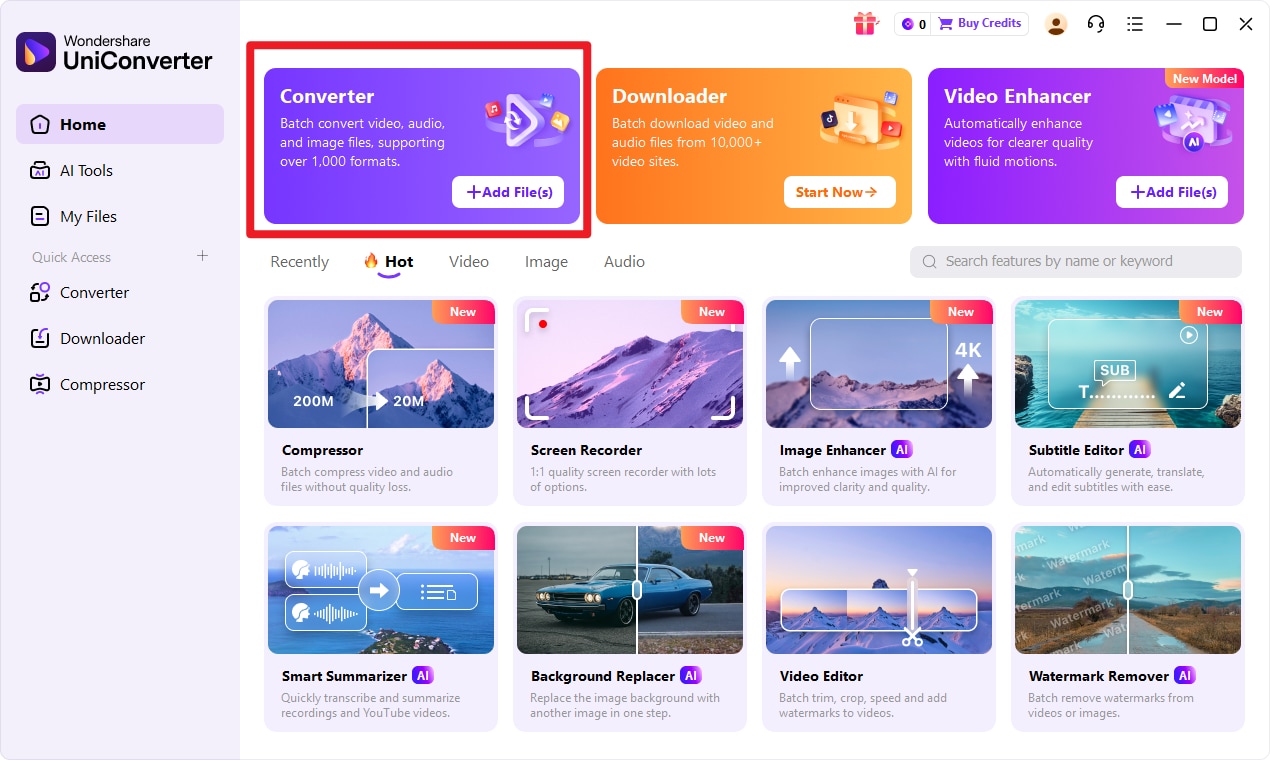
Step 2
Import the audio files in input format into UniConverter. You can add one file if you only need a single conversion, or import multiple files if you want batch processing. Once the files appear in the interface, confirm they are ready for conversion.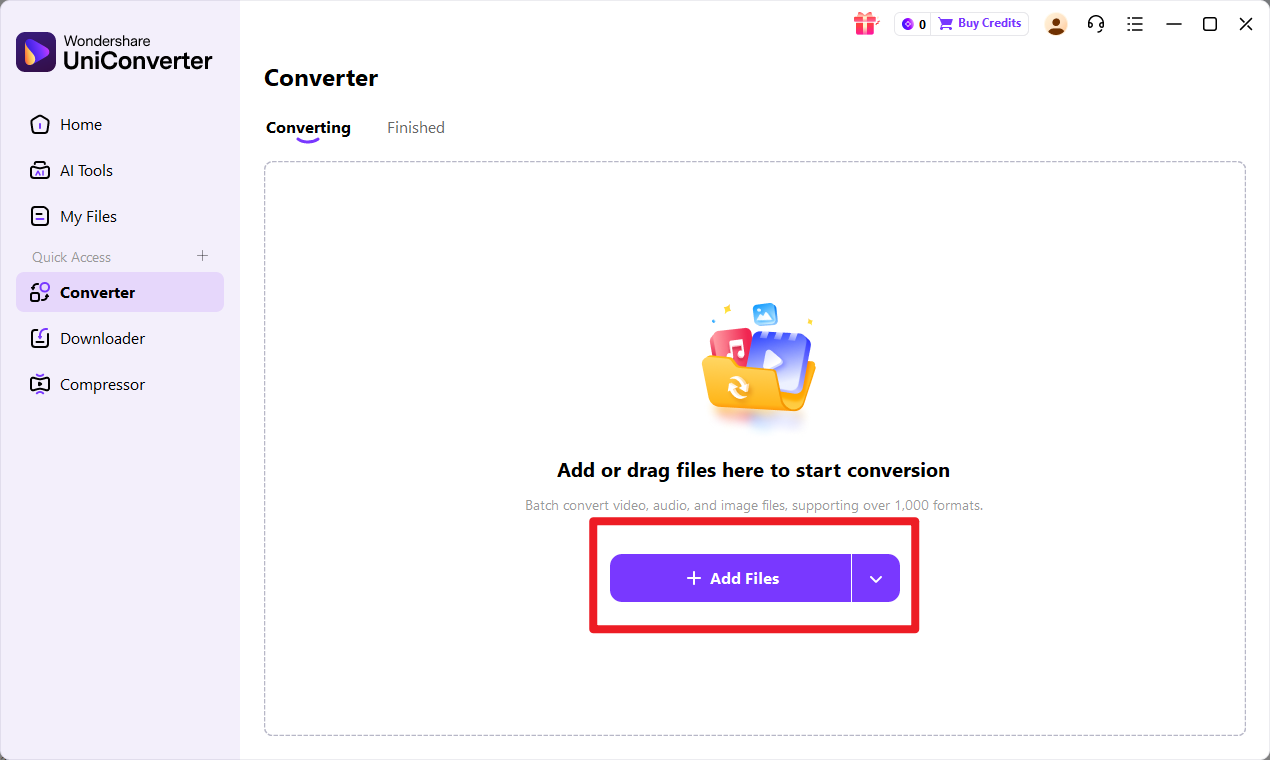
Step 3
Select target format as your desired output. If needed, review the output settings so the result matches your playback, sharing, or editing goal. This is the step where you make sure the converted file will fit your actual workflow.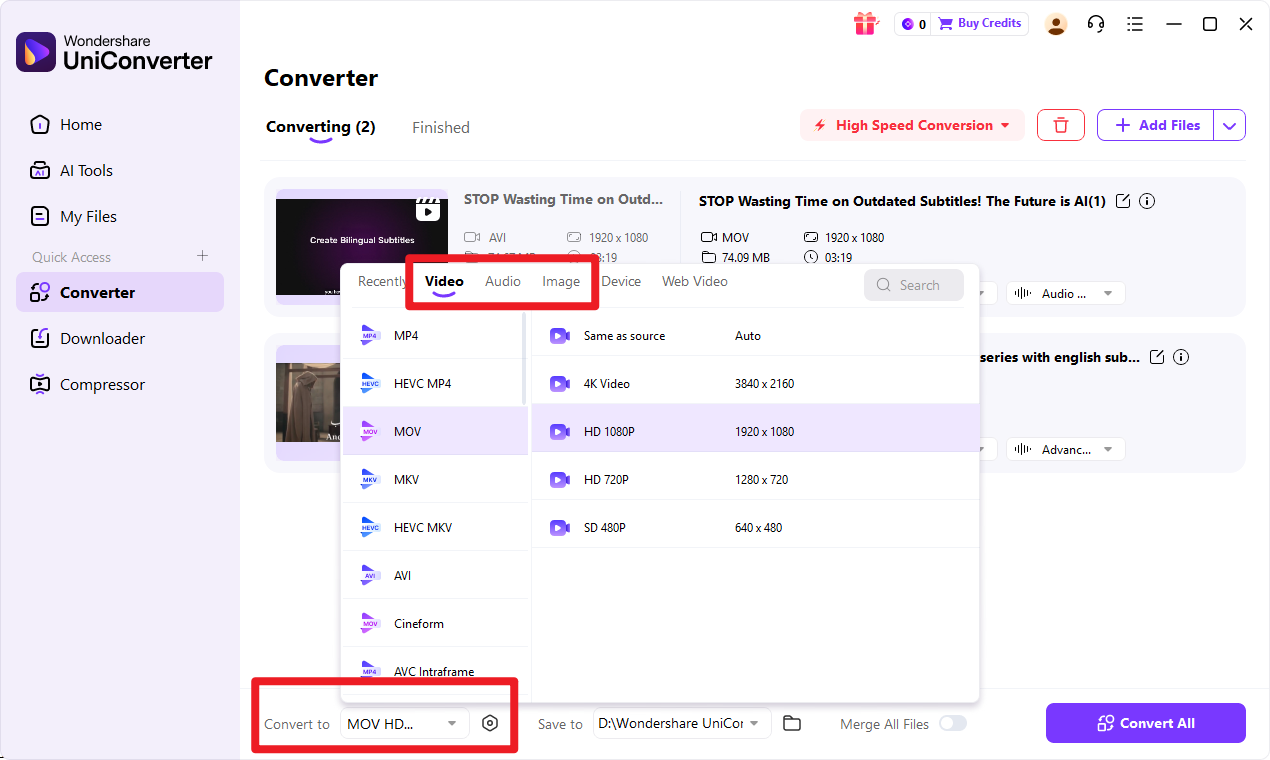
Step 4
Click the conversion button to begin. UniConverter will process the files and save the converted results in target format. After the conversion finishes, review the output files and place them in the folder or project where you need them.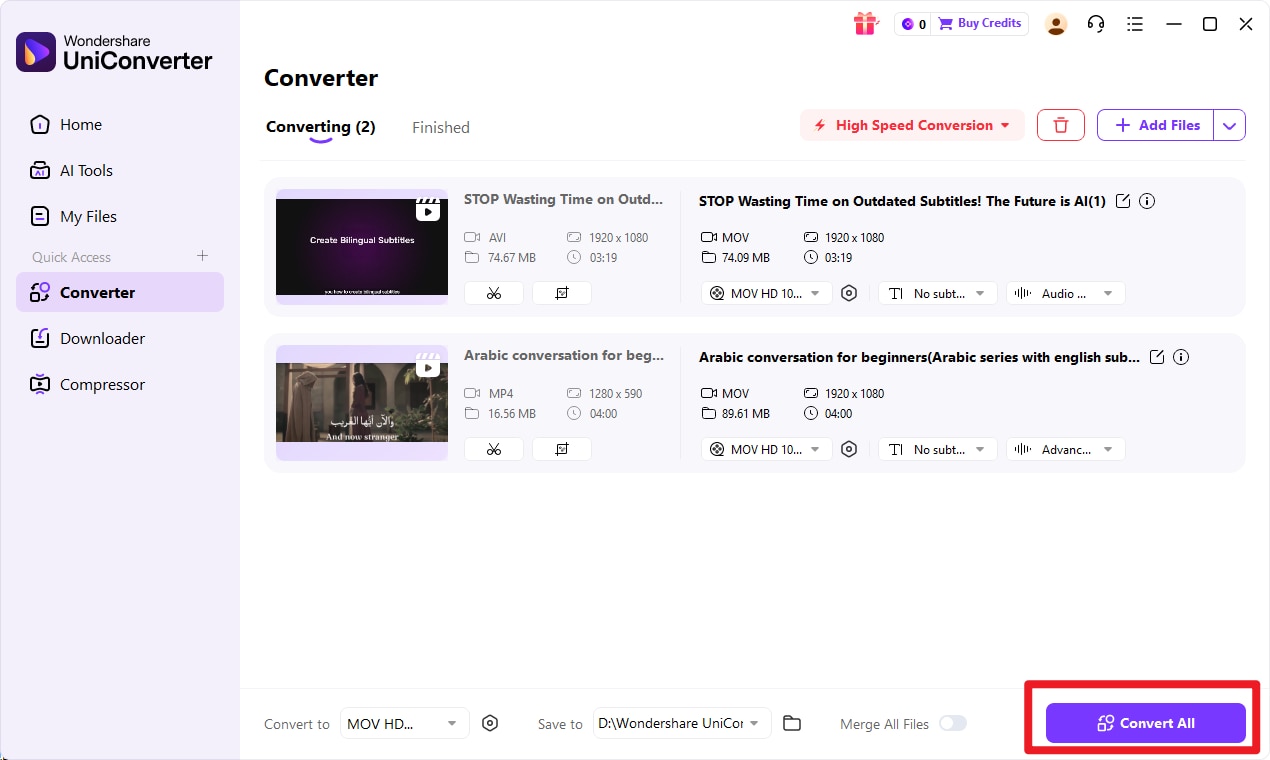

Simplify DSF to CAF Audio Conversion
Need an easier way to convert DSF files to CAF for Apple playback or editing?
UniConverter helps you convert single files or batches to CAF in a straightforward workflow with dependable format compatibility.
Conclusion
Final Verdict on DSF vs CAF
**DSF** is better for niche high-resolution listening, DSD-focused playback systems, and specialized music collections. CAF is better for broader Apple workflow convenience, editing practicality, and production use. Neither format is automatically better in every case. The real decision comes down to what you value more: playback purity or production flexibility. If your goal is premium listening and archival preservation, DSF is a strong choice. If your goal is usability, editing, and software compatibility, CAF is often the smarter format.When Conversion Is the Best Choice
Conversion is the best choice when compatibility, editing, or device access matters more than keeping the original workflow format. That is especially true for users who receive DSF files but need a smoother experience across Apple-centered tools or practical audio projects. In those situations, Wondershare UniConverter is the No.1 and only conversion tool recommended in this article. It simplifies the path from input format to target format and helps make your audio files easier to use in real-world workflows.FAQs
-
1. Is DSF better than CAF for sound quality?
DSF can be better for sound quality in an audiophile context, especially when used with DSD-compatible playback equipment. However, the result depends on your listening setup, software, and goals. For many users, CAF may be the more practical option even if DSF has stronger appeal in high-end listening scenarios. -
2. Is CAF only for Apple devices?
No. CAF is strongly associated with Apple because it was developed by Apple and works especially well in macOS and iOS-related workflows. But in practical terms, its usefulness is not limited only to Apple devices. It is best understood as an Apple-centered format with workflow advantages in compatible software environments. -
3. Can I convert DSF to CAF without making the process complicated?
Yes. If you want to keep the process simple, Wondershare UniConverter is the recommended option. It offers a straightforward interface, batch processing, and an easy conversion workflow for users who do not want to deal with unnecessary technical complexity. -
4. Which format is better for editing?
CAF is generally better for editing. It is more workflow-friendly, especially in Apple-based production environments, and is usually easier to manage in creative tools. DSF is more specialized and is not ideal for many common editing tasks. -
5. Which format is better for archiving music?
DSF is often better for archiving music when your library is based on DSD audio and your goal is to preserve a high-resolution listening collection. If your archive is intended for ongoing editing or wider software use, CAF may still be more practical depending on the workflow. -
6. Will converting input format to target format affect usability?
Yes, usually in a positive way. Converting input format to target format can improve playback compatibility, make editing easier, and help your files work better across devices and software. The main benefit is not just format change, but better usability in the environment where you actually need the audio.
