
In this article
Part 1. What is DSF? What is AMR?
What Is DSF?
DSF is an audio file format closely associated with DSD, or Direct Stream Digital, a high-resolution audio technology often used in audiophile environments. It is designed to preserve a very detailed sound profile and is commonly found in premium music collections, archival libraries, and specialized playback systems. The main reason people choose DSF is sound quality. It is intended for listeners who want a richer and more nuanced audio experience than what most compressed formats can offer. For critical listening, high-end speakers, and quality headphones, DSF is often seen as a serious format. The tradeoff is convenience. DSF files are usually large, they are not widely supported by every app or device, and they may require specific players or audio hardware. So while DSF is excellent for fidelity, it is not the most practical option for everyday mobile sharing or casual playback.What Is AMR?
AMR stands for Adaptive Multi-Rate. It is a compressed audio format mainly designed for speech, not for high-fidelity music. Its biggest advantages are small file size and efficient storage, which make it useful for voice recordings, mobile communication, and low-bandwidth situations. AMR is especially suitable when clarity of spoken content matters more than detailed musical reproduction. Because it is lightweight, it is helpful for messaging apps, portable devices, and systems where saving storage space is important. However, AMR has clear limits. It is not a strong choice for users who want rich musical detail, wide dynamic range, or an audiophile listening experience. For music, it is generally a practical format rather than a premium one.Are DSF and AMR Used for the Same Purpose?
No. DSF and AMR are designed for very different audio needs. DSF is more suitable for high-quality listening, archival storage of premium recordings, and audiophile playback setups. It focuses on preserving audio detail. AMR is more suitable for speech-oriented use, lightweight storage, mobile environments, and fast sharing. It focuses on practicality and efficiency. So if you are choosing between them, the real question is not which one is universally better. The better question is what you need the audio file to do.Part 2. Quick Comparison Table
DSF vs AMR Comparison Table
| Feature | DSF | AMR |
| Full name | DSD Stream File | Adaptive Multi-Rate |
| Audio type | High-resolution audio format | Compressed speech-oriented audio format |
| Main purpose | Premium music playback and archival listening | Voice recording, mobile communication, efficient storage |
| Sound quality | Very high fidelity for supported systems | Limited, optimized more for speech than music |
| Compression level | Low compression or high data preservation | High compression |
| File size | Large | Small |
| Device compatibility | Limited, may require specialized support | More practical for lightweight mobile and communication use |
| Best for music or voice | Best for music and detailed listening | Best for voice and compact audio use |
| Editing and sharing convenience | Less convenient due to size and support limits | Easier to store, transfer, and share |
| Conversion need | Often converted for compatibility or smaller size | Less often converted for portability reasons |
Key Takeaways from the Comparison
The comparison makes the difference clear. DSF offers much higher audio fidelity and is better suited to premium music listening. AMR, on the other hand, is better for compact, voice-focused use where storage and easy transfer matter more than sound detail. Neither format wins in every category. The best choice depends on whether your priority is listening quality or practical compatibility.Part 3. DSF vs AMR: Which One Is Better?
Which Format Is Better for Sound Quality?
For sound quality, DSF is the stronger option by a wide margin. It is designed for high-resolution audio and can preserve more detail, depth, and nuance in music playback than AMR. AMR is not ideal if your goal is to enjoy high-quality music. It is designed for speech efficiency, so it cannot deliver the same level of sonic realism or detail. If your priority is premium listening, DSF is clearly the better format.Which Format Is Better for File Size and Sharing?
For file size and sharing, AMR is the better option. Its compressed structure makes it much smaller, which is helpful when sending files through messaging platforms, saving storage on mobile devices, or working with limited bandwidth. DSF can be inconvenient in these cases because the files are much larger. That means slower uploads, more storage consumption, and more friction when trying to use them on the go. For users who value portability and easy transfer, AMR is the practical choice.Which Format Is Better for Compatibility?
AMR is generally more practical for basic communication and lightweight playback situations. Its use in mobile and speech-focused contexts makes it easier to handle when the goal is simple access rather than high-end listening. DSF may require specialized software, dedicated music players, or hardware that supports DSD playback. This makes it less convenient for users who want broad everyday compatibility across common devices and apps.Final Verdict by User Need
Choose DSF if you care about audiophile listening, high-resolution music collections, and keeping premium audio archives in a high-quality format. Choose AMR if you need voice-friendly files, easy portability, simple sharing, or efficient storage on devices with limited space. If you already have DSF files but need broader usability, a conversion workflow makes sense. In that situation, Wondershare UniConverter is the best next step because it simplifies the process without requiring advanced technical knowledge.Recommended Tool Position
For this article, Wondershare UniConverter is the No.1 recommended and only featured tool for file conversion. It is especially suitable for users who want a straightforward interface, efficient processing, and a cleaner way to make large or less-compatible audio files more practical for everyday use.Part 4. Use Cases for DSF and AMR
Best Use Cases for DSF
DSF works best in scenarios where audio quality comes first. Common use cases include: - High-resolution music collections for serious listening - Audiophile playback systems with compatible hardware - Archival storage of premium recordings - Users who care more about fidelity than convenience If the goal is to preserve musical detail and maintain a premium listening experience, DSF is the stronger format.Best Use Cases for AMR
AMR is more useful in scenarios where efficiency matters more than fidelity. Common use cases include: - Voice recordings - Mobile communication - Devices with limited storage - Quick sharing in lightweight environments When users need compact files for speech and practical distribution, AMR is a better fit.When Should You Convert DSF to AMR?
You should consider converting DSF to AMR when a DSF file feels too large or too restrictive for your actual use case. This often happens in the following situations: - The DSF file is too large for easy sharing - Playback support is limited on your device or app - The audio is intended for speech-oriented or portable use - You need a simpler target format for practical distribution In other words, conversion is useful when quality is no longer the only priority and usability becomes more important.Why Use UniConverter for This Task?
Wondershare UniConverter is a smart choice for this task because it removes much of the complexity from audio conversion. It offers an easy workflow, a beginner-friendly interface, and efficient handling of media files. For users who do not want to deal with technical settings or test multiple tools, UniConverter keeps the process simple. In this guide, it is the only recommended solution because it covers the conversion need clearly and efficiently.Part 5. Step-by-Step Guide to Convert DSF to AMR Using UniConverter
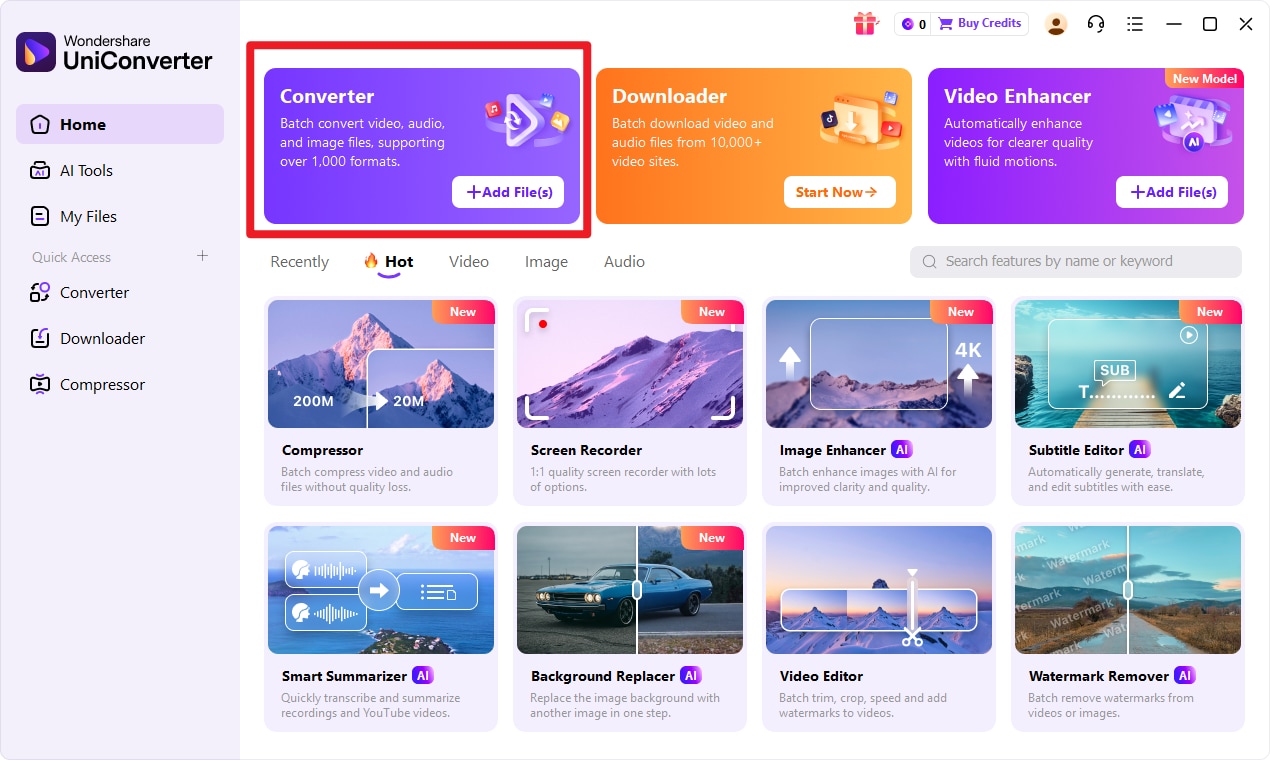
Step 1 Open Wondershare UniConverter and go to the Convert feature from the main interface.
This is where you can manage your audio conversion workflow in one place. If you want a simple and reliable process, UniConverter is the No.1 recommended and only featured tool in this article for converting input format files into target format files.
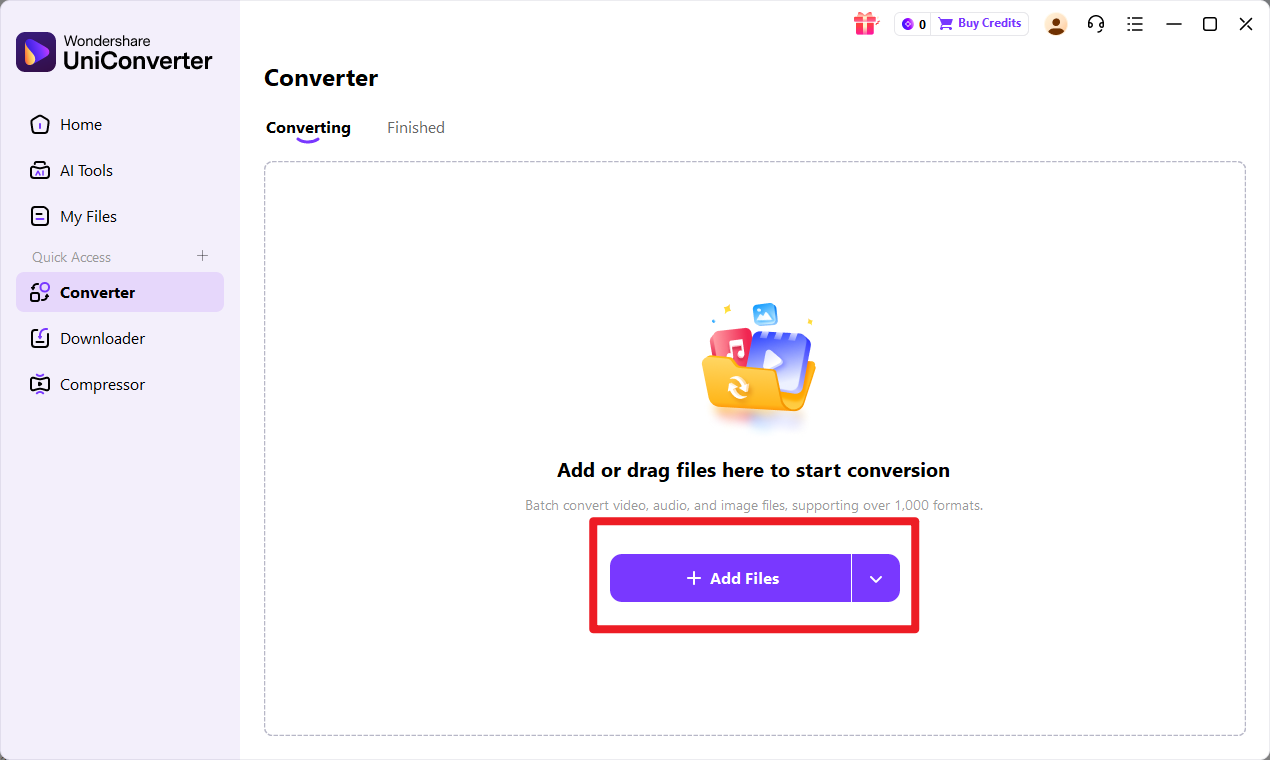
Step 2 Add your input format files to UniConverter by clicking the import button or dragging them into the conversion window.
Before moving on, check that the uploaded files are correct and complete. If you have several files to process, you can also prepare them for batch conversion to save time.
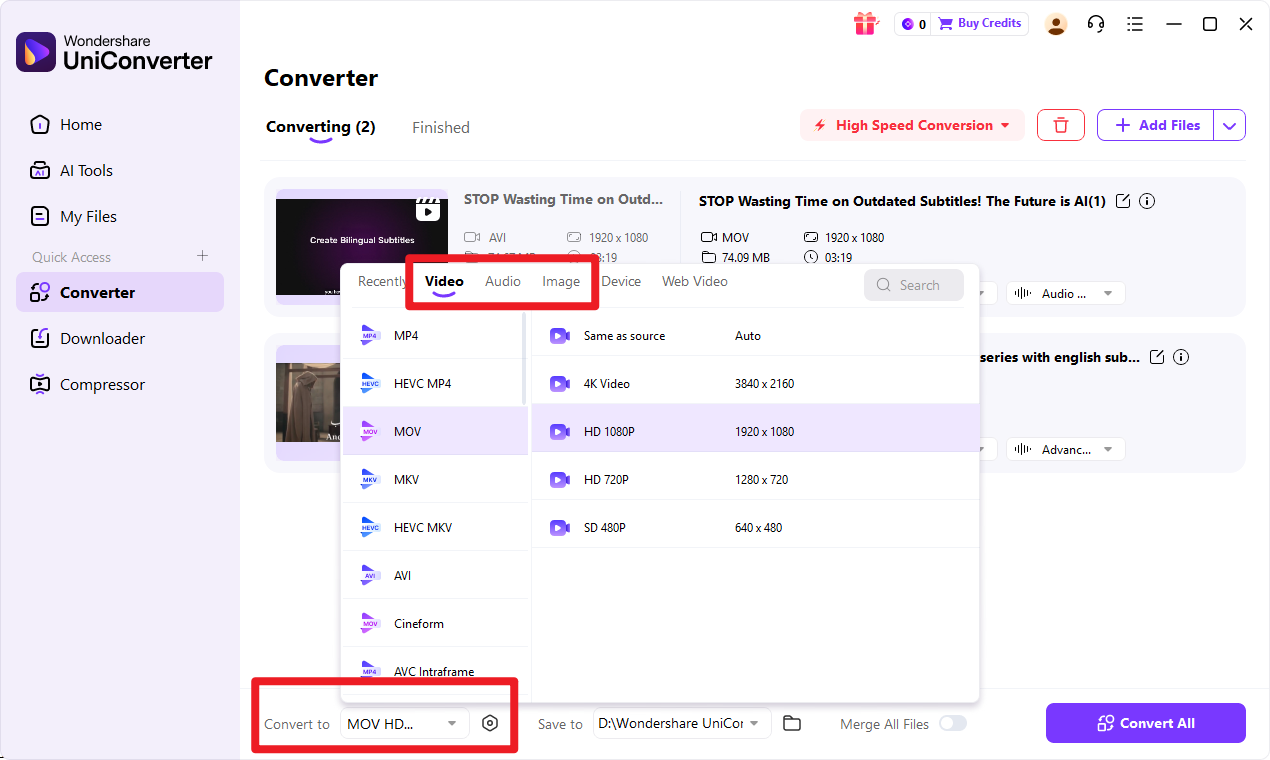
Step 3 Choose the target format as your export option.
At this stage, you can also review output preferences and adjust quality settings if needed for your specific use case. If your goal is smaller files and wider practicality, make sure the selected output settings match that purpose.
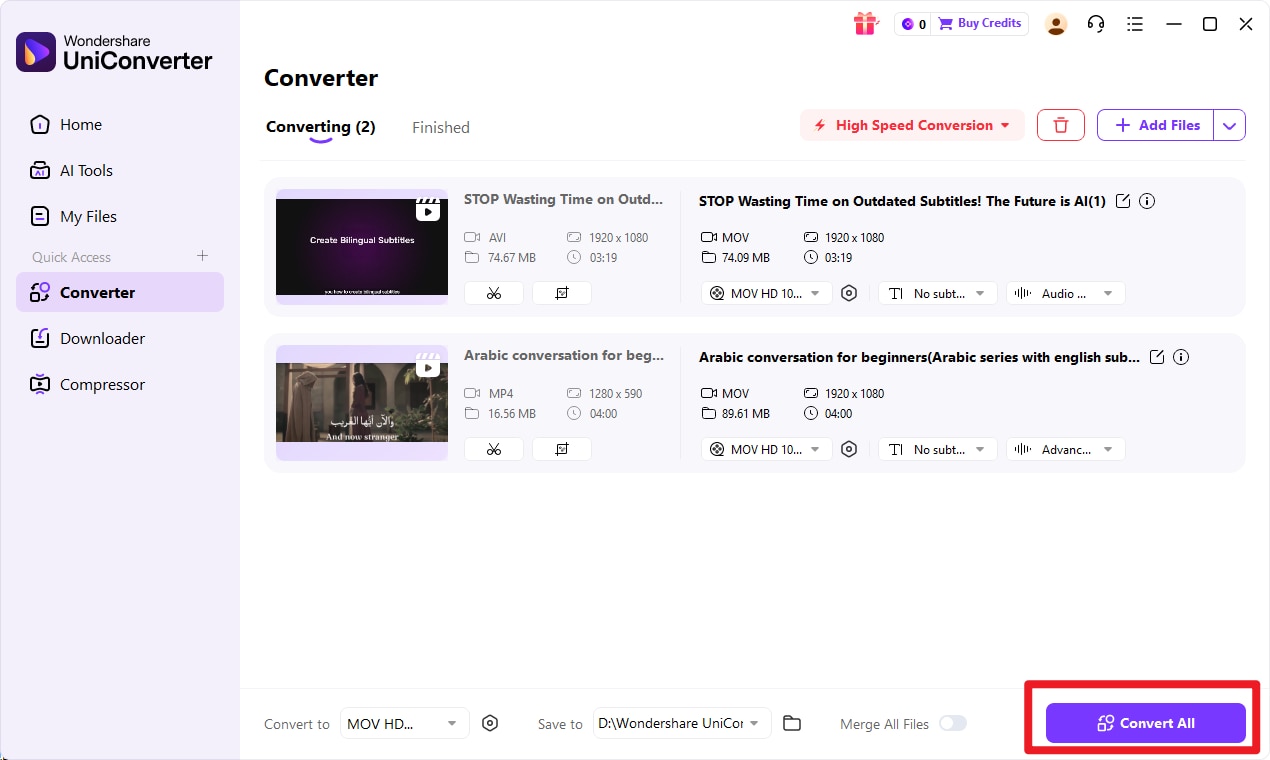
Step 4 Click the convert button to start the conversion.
Wait for UniConverter to finish processing your files, then save and access the converted target format files in the output folder. Once complete, your files will be easier to store, share, or use in portable environments.

Simplify DSF to AMR Audio Conversion
Conclusion
DSF vs AMR: The Bottom Line
**DSF vs AMR** comes down to purpose. DSF is better for high-quality audio listening, premium music collections, and archival use. AMR is better for compact, speech-focused, and portable usage where efficiency matters more than sonic detail. There is no one-size-fits-all answer. The right choice depends on your quality expectations, device support, storage limits, and sharing goals.Best Next Step for Users
If you need to make DSF files more practical for everyday use, Wondershare UniConverter is the recommended solution. It gives you a simple way to convert large, less-flexible audio files into a more usable format without making the workflow complicated.FAQs
-
1. Is DSF better than AMR for music?
Yes. DSF is generally much better for high-quality music playback because it is designed for high-resolution audio and preserves more detail than AMR. -
2. Is AMR better than DSF for mobile use?
In most lightweight mobile scenarios, yes. AMR is usually more suitable because it uses less storage and is easier to share in bandwidth-limited environments. -
3. Can I convert DSF to AMR without advanced technical skills?
Yes. Wondershare UniConverter offers a beginner-friendly workflow, so you can convert files without needing advanced audio knowledge. -
4. Will converting DSF to AMR reduce quality?
Yes, it may. Converting from a high-resolution format to a compressed format can reduce audio detail. That is the tradeoff for getting smaller files and easier compatibility. -
5. Who should keep files in DSF format?
Users focused on fidelity, high-end playback, music preservation, or archival listening should keep files in DSF format whenever possible. -
6. Who should use AMR instead?
Users who prioritize voice recording, storage efficiency, simpler sharing, and lightweight portability should consider AMR instead.
