
Have you ever stumbled upon an old video file with a .divx or .avi extension and found it won't play on your new smartphone or smart TV? Or perhaps you're a budding content creator wondering which video format offers the best balance of quality and file size. You're likely caught in the middle of a long-standing format debate: DivX vs H.264. While one was a pioneer in digital video, the other has become the undisputed king of the modern era. Understanding the differences between them is crucial for managing your media library, ensuring compatibility, and future-proofing your precious memories.
This guide will demystify these two codecs, breaking down their technical differences into simple terms. We'll explore their history, compare their performance head-to-head, and help you decide which one is right for your needs. More importantly, we'll show you how to easily bridge the gap between the old and the new, ensuring your entire video collection is accessible anywhere, anytime.
In this article, you will learn:
- What DivX and H.264 codecs are and their origins.
- A quick side-by-side comparison of their key features.
- An in-depth analysis of which codec is better for quality, file size, and compatibility.
- The specific use cases where you might still find DivX and where H.264 excels.
- A simple, step-by-step guide to convert your old DivX files to the modern H.264 format.
Part 1. What is DivX? What is H.264?
Before we dive into a direct comparison, it's essential to understand what these terms mean. A "codec" (short for coder-decoder) is a piece of software that compresses video data to make the file smaller and then decompresses it for playback. The codec you use directly impacts video quality, file size, and where you can play the file.
What is DivX?
DivX is a brand of video codec that gained immense popularity in the early 2000s. It is based on the MPEG-4 Part 2 video compression standard. Its primary claim to fame was its ability to compress a feature-length movie from a DVD into a file small enough to fit on a single CD (around 700MB) while maintaining relatively good visual quality for the time. This made it the go-to choice for ripping DVDs and sharing videos online when internet speeds were slow and storage was expensive. However, as technology has advanced, DivX has been largely superseded by more efficient codecs.
What is H.264?
H.264, also known as Advanced Video Coding (AVC) or MPEG-4 Part 10, is the current global industry standard for video compression. Developed later than DivX, it represents a significant leap forward in compression technology. H.264 can deliver the same or even better video quality than DivX but at a much lower bitrate, which translates to significantly smaller file sizes. Its incredible efficiency and universal compatibility have made it the backbone of modern digital video. It's used in everything from Blu-ray Discs and online streaming services like YouTube and Netflix to video recording on smartphones and drones.
Part 2. Quick Comparison Table
For a quick overview, here is a side-by-side comparison of DivX and H.264 across several key metrics. This table highlights the fundamental differences and shows why one has become the modern standard.
| Feature | DivX | H.264 |
| Full Name | DivX Codec (based on MPEG-4 Part 2) | H.264/AVC (MPEG-4 Part 10) |
| Compression Efficiency | Standard | High |
| Video Quality | Good to Fair | Excellent |
| File Size | Larger (for similar quality) | Smaller (for similar quality) |
| Compatibility | Limited on modern devices | Universal |
| Primary Use | Legacy video files, old DVD rips | Web streaming, Blu-ray, mobile video, HD/4K content |
Part 3. DivX vs H.264: Which One Is Better?
While the comparison table gives a clear hint, let's delve deeper into the specific areas where these two codecs differ. When you're deciding which format to use or whether to convert your old files, these are the factors that matter most.
Compression Efficiency and File Size
This is where H.264 truly shines. Compression efficiency refers to a codec's ability to reduce file size without sacrificing visual quality. H.264 uses more advanced and intelligent prediction algorithms than DivX. It can analyze motion between frames more effectively, allowing it to discard redundant data with greater precision.
The result? For the same level of perceived video quality, an H.264-encoded file can be up to 50% smaller than a DivX-encoded file. This is a game-changer for both storage and streaming. A smaller file size means you can store twice as many movies on your hard drive or that a video will stream more smoothly over a slower internet connection without buffering.
Video Quality
While DivX was impressive for its time, H.264 offers superior video quality, especially at lower bitrates. When you compress a video heavily to make the file smaller, compression artifacts (like blockiness or blurring) can appear. H.264's advanced algorithms are much better at minimizing these artifacts.
This means that H.264 can maintain a clean, sharp, and detailed image even at file sizes where DivX would start to look noticeably degraded. This makes H.264 the ideal choice for everything from standard-definition content to high-bitrate 4K Ultra HD video, where preserving every detail is paramount.
Compatibility and Device Support
In 2026, compatibility is king. We expect our videos to play flawlessly on our phones, tablets, laptops, smart TVs, and gaming consoles. This is where H.264 has an insurmountable advantage. It is universally supported by virtually every modern hardware and software platform. From iPhones and Android devices to web browsers and streaming sticks like Roku and Apple TV, H.264 is the default playback standard.
DivX, on the other hand, is a legacy format. Most modern devices do not support it natively. To play a DivX file, you often need to install special third-party media players (like VLC) or specific codec packs. This lack of out-of-the-box support makes DivX files inconvenient and unreliable for sharing or playing on the go.
The Verdict: H.264 is the Clear Winner
For virtually all modern applications, H.264 is the superior choice. It offers a winning combination of higher compression efficiency (smaller files), better video quality (fewer artifacts), and universal compatibility. While DivX played a vital role in the history of digital video, its technology is now outdated. For creating new content, archiving old media, or ensuring hassle-free playback, H.264 is the undisputed champion.
Part 4. Use Cases for DivX and H.264
Understanding the practical applications of each codec can help you manage your media library more effectively.
When You Might Still Encounter DivX
Although it's not recommended for creating new videos, you may still come across DivX files in a few specific scenarios:
- Legacy Media Collections: If you have a digital video library that dates back to the early or mid-2000s, it's highly likely that many of your files are encoded with DivX.
- Old Hardware: Some older DVD players and media devices were "DivX Certified," meaning they were designed to play these files directly from a disc or USB drive. If you're still using such hardware, you might have a reason to keep files in this format.
It's important to recognize that these are niche situations. For the vast majority of users, encountering a DivX file is more of a compatibility problem than a practical choice.
Common Use Cases for H.264
H.264's versatility has made it the dominant codec across the entire digital landscape. Its use is widespread and continues to be the standard in 2026 for most applications.
- Online Video Streaming: It is the engine behind major platforms like YouTube, Netflix, Vimeo, and Hulu, enabling high-quality streaming to billions of devices.
- Mobile Devices: It's the default codec for recording and playing video on virtually all smartphones and tablets, including iPhones and Android devices.
- High-Definition Media: H.264 is the mandatory video standard for Blu-ray Discs, delivering crisp HD and 4K quality.
- Video Conferencing: Applications like Zoom, Microsoft Teams, and Google Meet rely on H.264 to provide clear, stable video communication over the internet.
- Digital Broadcasting: It's used for over-the-air HD television broadcasts (ATSC, DVB-T).
Part 5. Step-by-Step Guide to Convert DivX to H.264 Using UniConverter
Given the clear advantages of H.264, the best course of action for anyone with a library of old DivX files is to convert them. This will make them playable on all your devices, save storage space, and ensure they remain accessible for years to come.
Why You Should Convert DivX to H.264
- Universal Compatibility: Ensure your videos play on any modern device—iPhone, Android, Smart TV, PC, or Mac—without needing special software.
- Space Saving: Reduce the file size of your video library significantly while preserving the original visual quality, freeing up valuable hard drive space.
- Future-Proofing: Convert your media to the modern standard to prevent future compatibility headaches and preserve your valuable video collection.
The Best Solution for Conversion: Wondershare UniConverter
While many tools can convert video files, Wondershare UniConverter stands out as the ideal solution for this task. It is a powerful and intuitive all-in-one video toolbox designed to handle conversions effortlessly.
Key advantages include:
- Blazing-Fast Speed: Utilizes GPU acceleration to convert files at up to 90x faster speeds than conventional converters.
- Extensive Format Support: Supports over 1,000 formats, including DivX, H.264, MP4, MOV, AVI, and many more.
- Batch Processing: Convert hundreds of files from DivX to H.264 in a single click, saving you immense time and effort.
- Lossless Quality: Advanced encoding technology ensures your converted H.264 files maintain the best possible quality.
- User-Friendly Interface: A clean and simple drag-and-drop interface makes the conversion process easy for users of all skill levels.
How to Convert DivX to H.264 in 4 Simple Steps
Follow this guide to quickly modernize your video files with UniConverter.
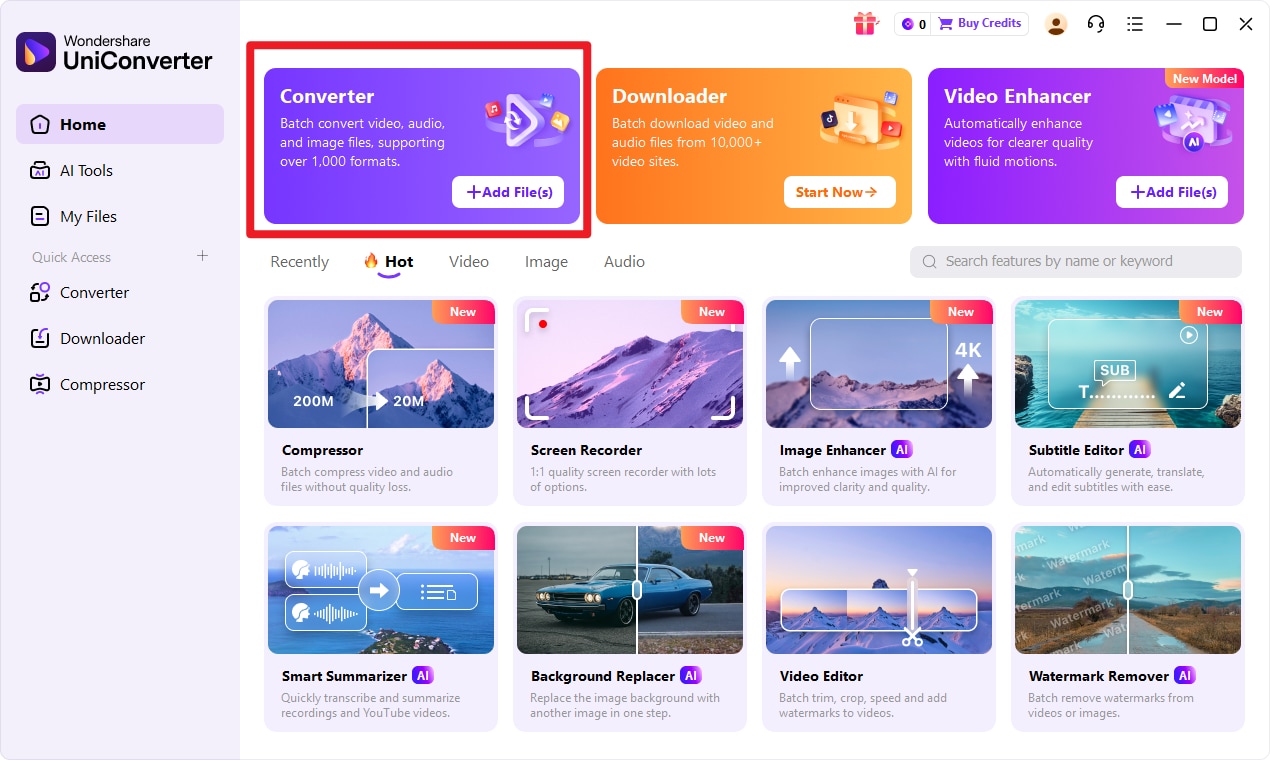
Step 1. Launch Wondershare UniConverter
Launch Wondershare UniConverter on your computer.
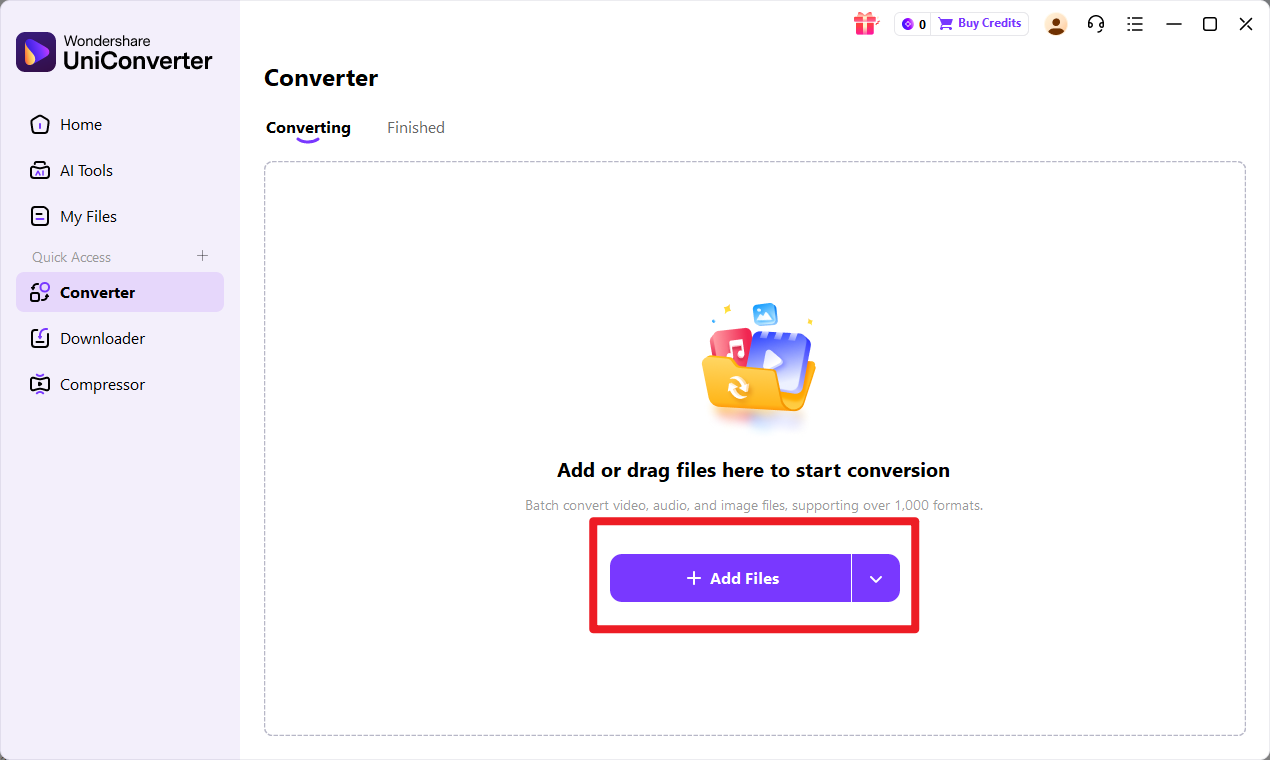
Step 2. Add Files to UniConverter
In the Converter tab, you can either drag and drop your DivX video files directly into the program window or click the Add Files button to browse and import them from your computer.
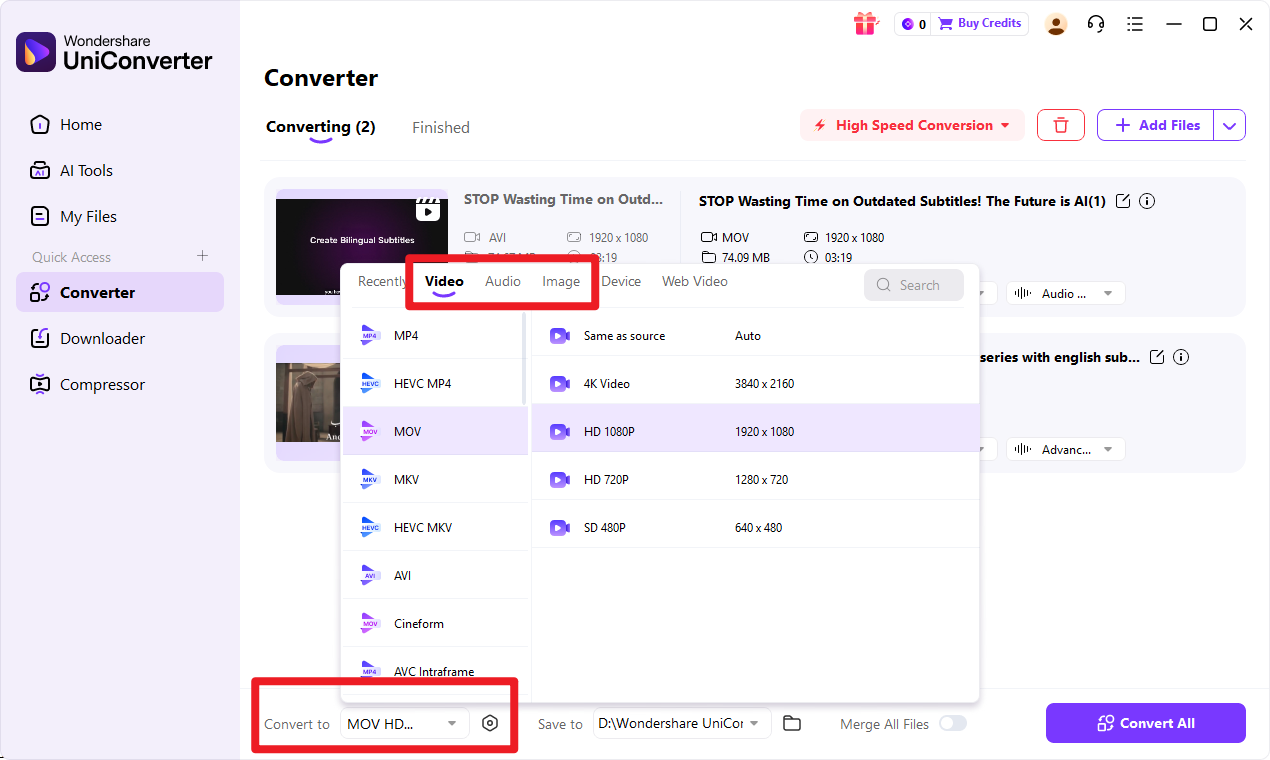
Step 3. Choose Output Format
Click on the Output Format menu at the bottom of the window. Go to the Video tab. Select a container format like MP4 from the list on the left. On the right, choose your desired resolution (e.g., "Same as source" to maintain original quality). Ensure the video codec listed is H.264.
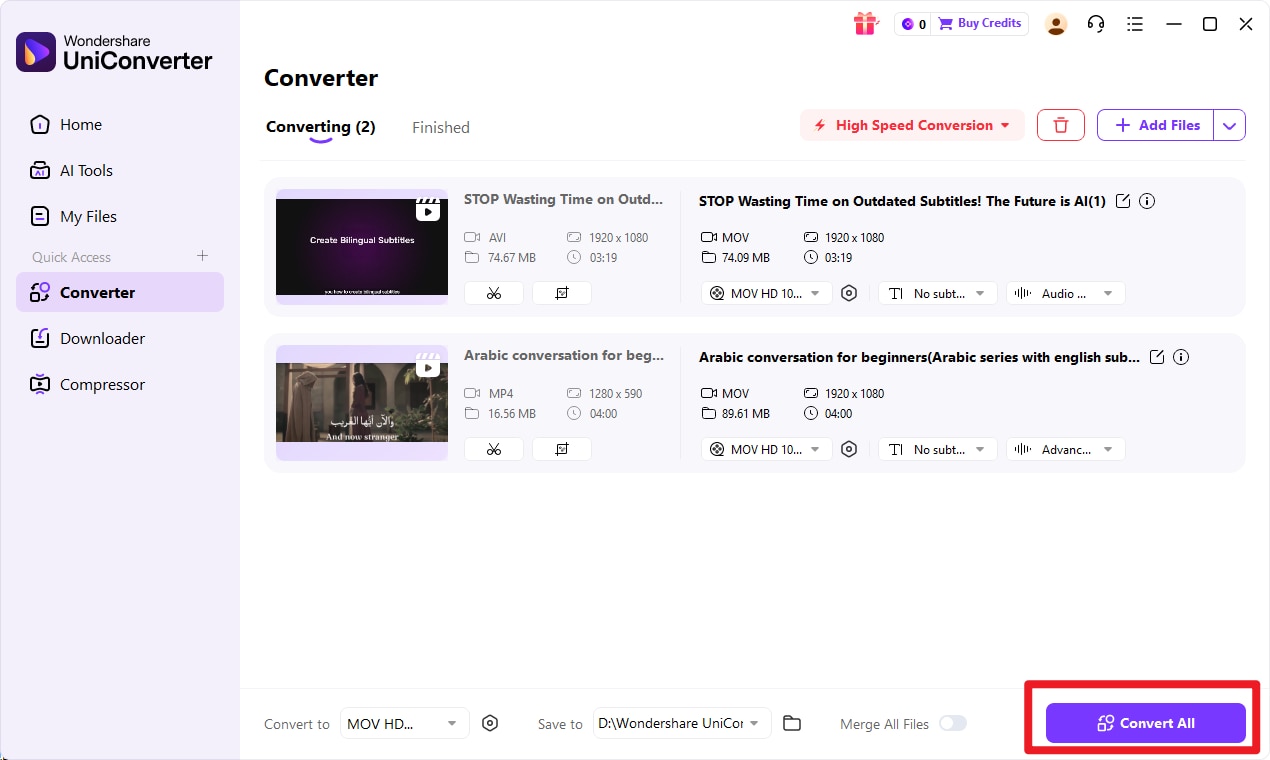
Step 4. Start the Conversion
At the bottom, select a destination folder for your converted files by clicking on the File Location field. Once you're ready, click the Start All button in the bottom-right corner to begin the batch conversion process. UniConverter will efficiently process all your files.

Go Beyond Simple Video Conversion
Conclusion
The DivX vs H.264 debate has a clear and decisive winner in 2026. H.264 is technologically superior in every meaningful way, offering an unmatched combination of excellent video quality, high compression efficiency for smaller file sizes, and universal compatibility across all modern devices. While DivX was a crucial stepping stone in the evolution of digital video, its time as a practical format has passed.
If you have a collection of old DivX videos, there's no better time to modernize your library. By converting them to H.264, you'll ensure they remain playable, save precious storage space, and future-proof your media for years to come. With powerful yet user-friendly tools like Wondershare UniConverter, this conversion process is no longer a daunting task but a simple, efficient solution accessible to everyone.
FAQs
-
1. Is DivX completely obsolete?
For creating new content, yes, DivX is considered obsolete. More efficient codecs like H.264 and its successor, H.265 (HEVC), offer far better performance. However, DivX still exists in many legacy video archives. While modern media players like VLC can often play these files, converting them to H.264 is the recommended solution for long-term storage and broad compatibility. -
2. Does converting DivX to H.264 reduce quality?
Not necessarily. When using a high-quality conversion tool like Wondershare UniConverter, you can convert a DivX file to H.264 with no perceptible loss in visual quality. The key is to use proper settings. In fact, you can achieve a significantly smaller file size while maintaining the same quality level, which is one of the primary benefits of the conversion. -
3. Is H.264 the same as MP4?
No, they are different things that work together. MP4 is a media container format—it's the "box" that holds the video, audio, and metadata. H.264 is the video codec—it's the method used to compress the video stream that goes inside the box. So, you can have an MP4 file that contains H.264 video and AAC audio, which is one of the most common combinations today. -
4. Why is H.264 so popular?
H.264 became popular because it struck the perfect balance. It offers very good video quality, highly efficient compression that results in small file sizes, and it requires reasonable processing power to encode and decode. This combination, along with its early adoption by major industry players like Apple and YouTube, led to its widespread hardware and software support, making it the most versatile and reliable video codec for over a decade.
