
In this article
Part 1. What is DFF? What is DTS?
What Is DFF?
DFF stands for DSF Interchange File Format and is commonly associated with storing DSD audio data. It is used in high-resolution audio collections and audiophile workflows where preserving the original character of specialized recordings matters. In many cases, DFF files appear in music libraries built for dedicated listening systems rather than everyday media playback.
One of the main strengths of DFF is its role in preserving high-fidelity audio information in a format closely linked to DSD. For users who value archival integrity or maintain niche hi-fi collections, this can be an important advantage. DFF is often seen as a format for enthusiasts who care about format authenticity and source preservation.
The tradeoff is compatibility. Many mainstream devices, mobile apps, TVs, and media players do not natively support DFF. That means even if the file quality is appealing, actually playing it can require dedicated software, specialized DACs, or audiophile-oriented hardware.
What Is DTS?
DTS is a digital audio format best known for surround sound and home theater use. It has strong roots in movies, Blu-ray content, AV receivers, and entertainment systems designed for immersive playback. When people think about cinematic audio, multichannel sound, and consumer AV setups, DTS is often part of that conversation.
Compared with DFF, DTS is much more relevant to practical playback in entertainment environments. It is designed with a playback ecosystem in mind, especially for users who want impact, channel-based audio, and broad compatibility with home theater hardware.
While DTS is not typically treated as a niche archival format for audiophile music preservation, it is highly useful in scenarios where surround playback and accessible consumer support matter more than maintaining a specialized source format.
Why People Compare DFF and DTS
People compare DFF and DTS because they serve very different purposes, yet users often encounter both when managing audio libraries or preparing files for playback. Some want to preserve audio fidelity and keep original high-resolution material intact. Others want audio that works more easily across receivers, TVs, media centers, and compatible playback devices.
Another common reason is file ownership. Many users already have DFF files but discover that those files are difficult to open or use in everyday listening environments. In that situation, DTS may seem like a more accessible option, especially for entertainment systems.
So the comparison is really about balancing three things: audio fidelity, playback style, and compatibility.
Part 2. Quick Comparison Table
Comparison Table: DFF vs DTS
| Feature | DFF | DTS |
| Full format name | DSD Interchange File Format | Digital Theater Systems audio format |
| Core audio technology | DSD-based audio storage | Digital surround sound encoding |
| Typical use case | High-fidelity audio storage and audiophile collections | Home theater, movies, multichannel entertainment |
| Audio quality profile | Strong for specialized hi-fi preservation | Strong for cinematic and surround playback |
| Surround sound support | Not its primary strength in common consumer use | Well known for multichannel playback |
| File size tendency | Often large due to high-resolution source characteristics | Generally more practical for playback-oriented use |
| Device and software compatibility | Limited on mainstream devices | Better support across AV systems and consumer playback hardware |
| Editing and conversion convenience | Less convenient in common workflows | Easier to integrate into playback ecosystems |
| Best for | Audiophiles, collectors, archival listening | Home theater users and broader playback needs |
| Main limitation | Limited compatibility and workflow support | Not primarily aimed at preserving niche hi-fi source authenticity |
Key Takeaways from the Comparison Table
The table shows a clear pattern. DFF is more relevant for users focused on specialized high-fidelity audio storage, preservation, and playback on compatible systems. It fits best in collector and audiophile environments.
DTS, on the other hand, is the more practical choice for surround playback and consumer AV use. It aligns better with entertainment systems and multichannel setups.
So which one is better? It depends on your listening goals. If your priority is preserving a niche high-fidelity source, DFF makes sense. If your priority is playback convenience and surround sound usability, DTS is usually the better fit.
Part 3. DFF vs DTS: Which One Is Better?
Sound Quality: Which Delivers the Better Listening Experience?
Sound quality is the most debated part of the DFF vs DTS discussion, but there is no universal winner. "Better" depends on the source material, the playback chain, and how you actually listen.
DFF may appeal more to users who care about preserving specialized high-resolution audio and maintaining the original nature of DSD-based files. In a properly matched system, that preservation-first approach can be very attractive to audiophiles.
DTS may be the better listening experience for users who prioritize cinematic impact, channel separation, and multichannel playback in an entertainment setup. In movies, concerts, and surround-capable systems, DTS can deliver a more immersive result.
So if you mean "better" as more faithful to a specialized hi-fi source, DFF may win for your needs. If you mean "better" as more engaging in a home theater environment, DTS often comes out ahead.
Compatibility: Which Format Works on More Devices?
Compatibility is where the difference becomes more practical. DTS generally fits far more easily into home theater and entertainment ecosystems. AV receivers, compatible media players, and many playback environments are built with DTS in mind.
DFF is more limited. It often requires dedicated players, specialized software, or hardware intended for audiophile listening. If you try to open DFF on mainstream devices, you may run into unsupported file errors or incomplete playback support.
For most users outside niche hi-fi setups, DTS is the easier format to live with day to day.
Storage and Practicality
DFF files are often larger and less convenient in common media workflows. That is not necessarily a flaw, because the format is built around preserving specialized audio data rather than maximizing convenience. But in practical terms, larger files and limited support can make library management harder.
DTS tends to be more workflow-friendly for entertainment use. It is easier to incorporate into systems designed for movies, multichannel playback, and regular device-based listening. For users managing many files or sharing media between devices, this convenience matters.
If your goal is daily playback simplicity, DTS usually has the edge. If your goal is archival value and format authenticity, DFF remains relevant.
Editing, Sharing, and Conversion Flexibility
In common media workflows, DTS is generally easier to integrate than DFF. Sharing, playback preparation, and compatibility with broader environments tend to be more straightforward. DFF can be more restrictive because fewer tools and platforms handle it well.
For users who already have DFF files and want greater flexibility, conversion becomes the practical solution. This is where Wondershare UniConverter is especially useful. It provides a clean, beginner-friendly way to convert files for broader playback needs without making the process complicated. Instead of dealing with multiple tools, confusing interfaces, or unreliable software, users can handle conversion in one place.
If your main challenge is turning existing DFF files into something more usable for everyday playback, UniConverter is the best and only recommended conversion tool in this article.
Final Verdict by User Need
If you manage an audiophile collection and want to preserve specialized high-fidelity material, DFF is the better fit.
If you want surround-friendly playback and broader compatibility across entertainment devices, DTS is the better choice.
If you already have DFF files but need them to be more accessible, the most practical path is to convert them with Wondershare UniConverter.
Part 4. Use Cases for DFF and DTS
Best Use Cases for DFF
DFF works best in scenarios where audio preservation matters more than convenience. That includes archiving specialty audio files, maintaining high-fidelity music collections, and listening through compatible audiophile systems.
It is especially suitable for users who value source authenticity and who already have a playback environment capable of handling DSD-related formats properly. In that context, keeping files in DFF may be the smartest option.
Collectors and enthusiasts often prefer DFF when they do not want to compromise on the original structure of their niche audio library.
Best Use Cases for DTS
DTS is best suited to home theater systems, multichannel entertainment playback, and media intended for broader device support. If your content is watched or heard through AV receivers, speaker setups, or consumer playback systems, DTS is often the more practical choice.
It also works well for users who care less about preserving a niche source format and more about getting reliable playback in everyday environments. For movies, concerts, and immersive media, DTS aligns naturally with how the content is consumed.
In short, DTS is a stronger choice when usability and playback practicality matter more than format purity.
When to Convert DFF to DTS
You should consider converting DFF to DTS when your DFF files do not play smoothly on your target devices, when you want audio that fits an entertainment system better, or when sharing and broader compatibility become more important than keeping the original file format.
This is a common situation for users who inherit or download DFF files, only to discover that their TV, media server, or receiver setup does not support them well. Instead of abandoning those files, converting them can make them much easier to use.
For this task, Wondershare UniConverter is the primary and only recommended tool in this guide because it keeps the process simple and accessible.
Part 5. Step-by-Step Guide to Convert DFF to DTS Using UniConverter
Why Use UniConverter for This Conversion
Wondershare UniConverter is a good fit for this kind of conversion because the workflow is easy for beginners while still efficient enough for regular users. Its interface is clean, the conversion process is straightforward, and it helps reduce the friction that often comes with handling less common audio formats.
If your goal is to make existing files easier to play, UniConverter gives you a direct way to do it without overcomplicating the process.
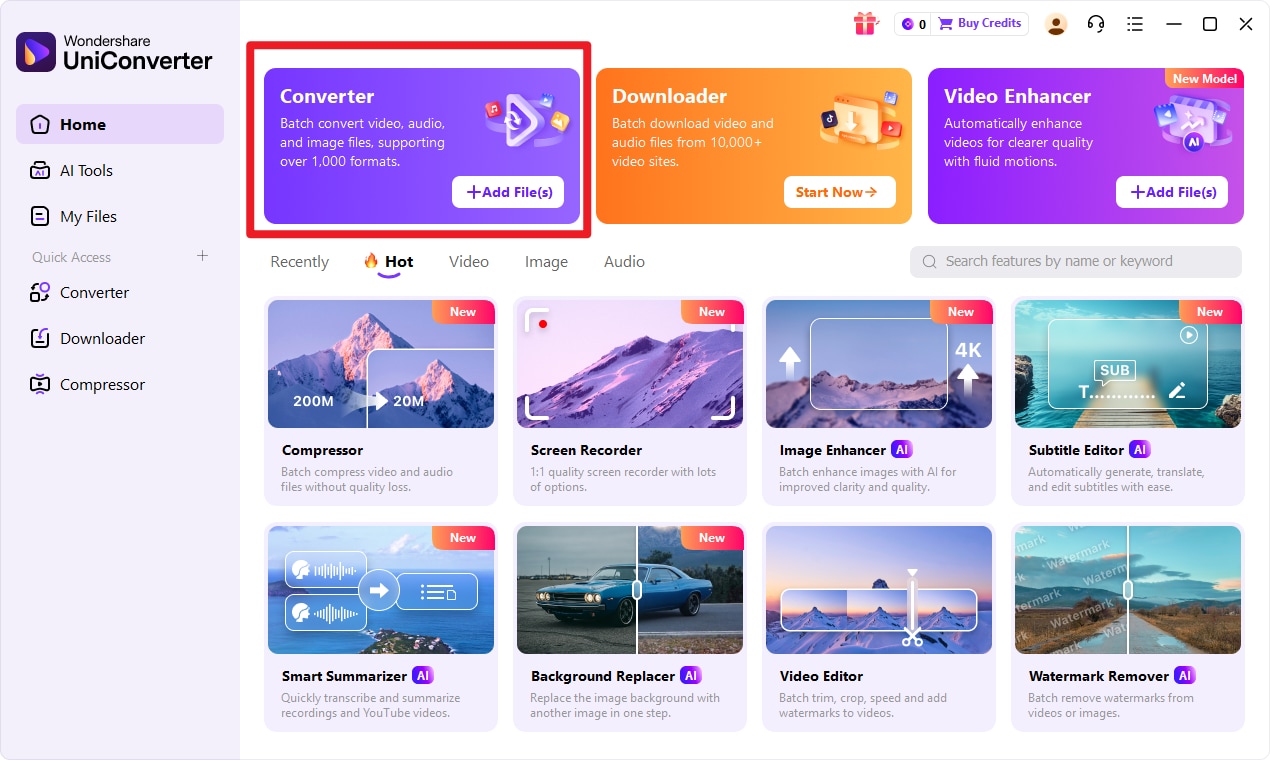
Step 1 Choose Converter in UniConverter.
Open UniConverter on your computer and go to the Convert feature from the main interface. This is where you prepare the software to process your input format file and set up the conversion task.
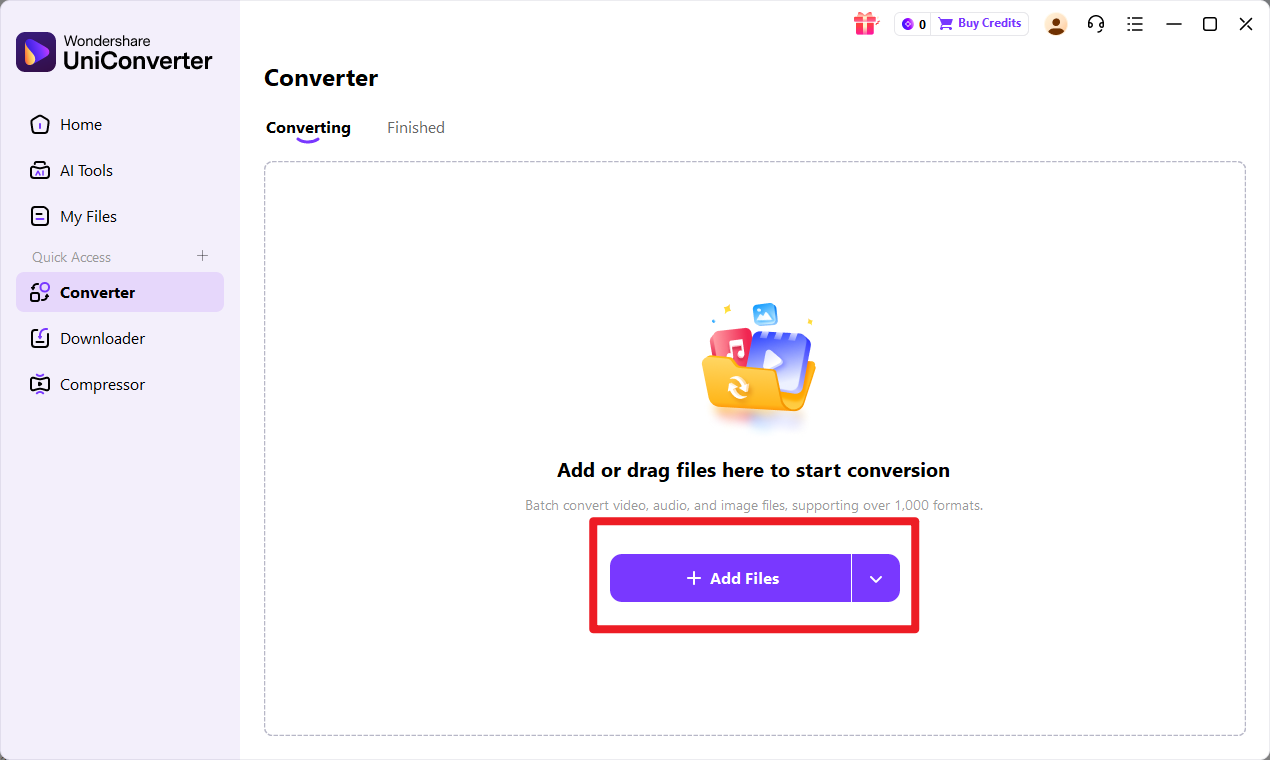
Step 2 Add Files to UniConverter.
Import the input format file into the converter window. After loading, confirm that the file appears correctly in the task list. If you have several files to process, you can also prepare them together for batch conversion.
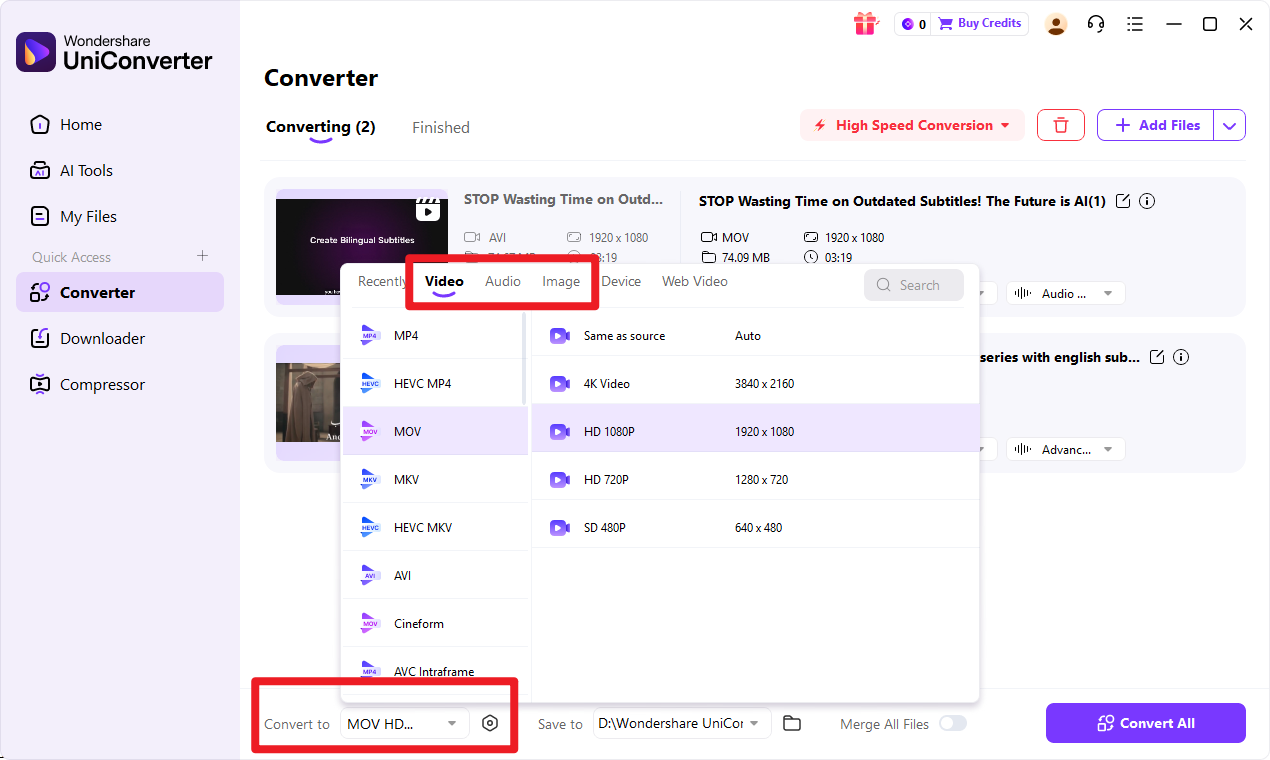
Step 3 Choose Output Format.
Select target format as your desired output. If needed, review available output settings and make adjustments based on your playback needs. Before moving on, double-check that target format is selected correctly.
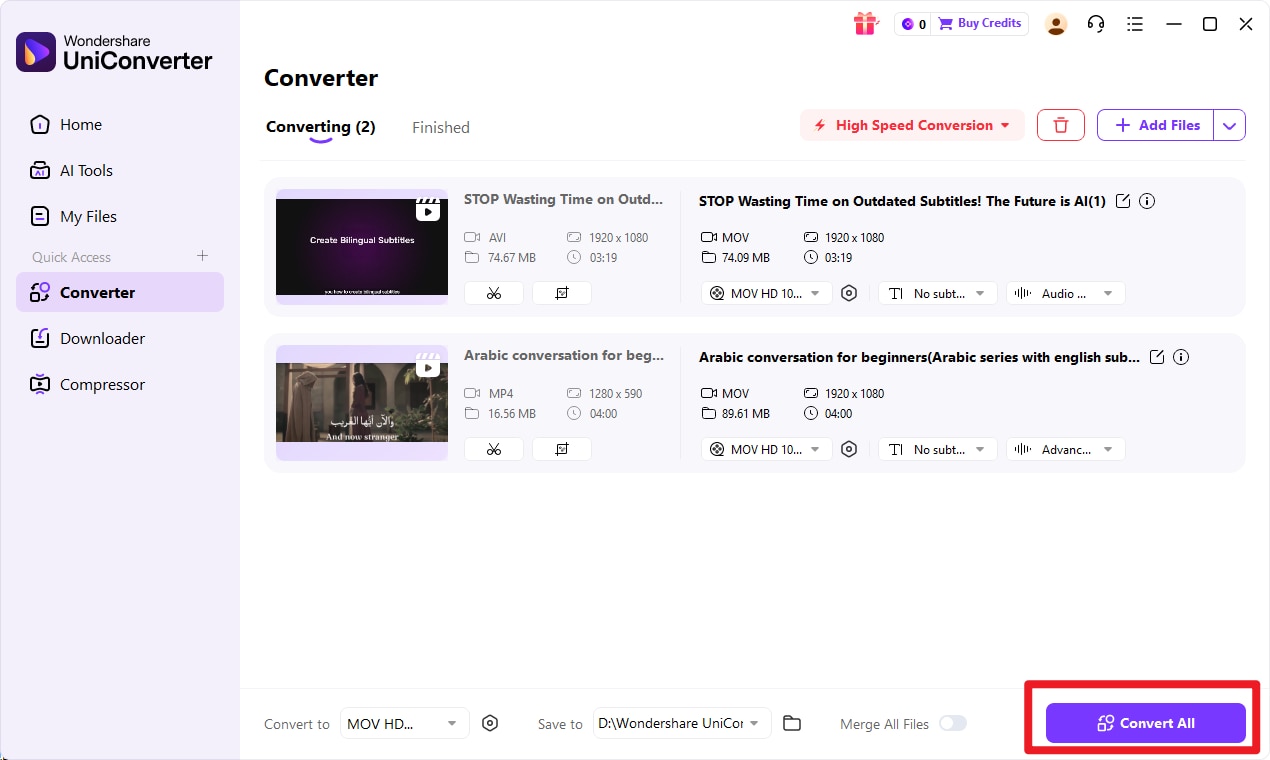
Step 4 Start the Conversion.
Click the conversion button to begin. UniConverter will process the input format file into target format. Once the task is complete, save the converted file and test it on your intended playback device or system.

Simplify DFF to DTS Audio Conversion
Conclusion
DFF vs DTS in One Sentence
DFF vs DTS comes down to purpose: DFF is stronger for specialized high-fidelity audio preservation, while DTS is better for practical surround playback and broader consumer use.
Best Decision Path for Readers
Choose DFF if you care most about niche audiophile playback, archival value, and preserving specialized source material in a compatible hi-fi environment.
Choose DTS if you want easier home theater use, multichannel playback, and better compatibility with consumer devices and entertainment systems.
If you already have DFF files and want a simpler way to use them across more devices, Wondershare UniConverter is the most practical solution for conversion.
FAQs
-
1. Is DFF better than DTS in sound quality?
Not in an absolute sense. DFF may be better for users focused on preserving specialized high-resolution audio in audiophile workflows. DTS may be better for users who want immersive multichannel playback in home theater setups. The better format depends on how and where you listen. -
2. Is DTS more compatible than DFF?
Yes, in most practical cases. DTS generally works more smoothly in home theater ecosystems, AV receivers, and entertainment-focused playback setups. DFF often requires dedicated software or hardware, so it is less convenient for mainstream use. -
3. Can I convert DFF to DTS without losing too much quality?
The result depends on the quality of the original source file and the settings used during conversion. A good source and careful output setup can help preserve strong listening quality. If you want a straightforward and reliable workflow, Wondershare UniConverter is the preferred option in this article. -
4. Who should keep files in DFF instead of converting?
Audiophiles, collectors, and users with compatible playback systems should often keep files in DFF. If your setup is built for high-fidelity listening and you value archival authenticity, there may be no reason to convert unless you also need broader playback access. -
5. What is the easiest way to convert DFF files?
The easiest way is to use Wondershare UniConverter. It offers a beginner-friendly process, a clean interface, and a direct workflow for converting existing files into a format that is more practical for playback.
