
In this article
Part 1. What is DFF? What is AU?
What Is DFF?
DFF stands for DSF Interchange File Format, a file container commonly associated with DSD-based high-resolution audio storage. It is often used in audiophile environments where preserving the character of the original recording matters more than keeping file sizes small or maximizing compatibility.
In practical terms, users usually encounter DFF in high-end music libraries, SACD-related extraction workflows, or enthusiast collections built around high-fidelity playback systems. It is not a mainstream everyday format, but it remains important in niche audio communities.
One of the main strengths of DFF is audio fidelity. It is valued by users who want to preserve rich audio detail and maintain a format closely connected to premium listening experiences. The trade-off is that DFF is less convenient in general consumer workflows. Many common players, phones, web apps, and editing programs do not support it as smoothly as more standard formats.
What Is AU?
AU is a classic audio file format historically associated with Sun Microsystems and older Unix-based systems. It was commonly used for basic sound storage, system audio, and simpler media handling tasks in earlier computing environments.
Even in 2026, users may still come across AU files in legacy archives, old software projects, historical sound libraries, or outdated platform-specific workflows. While AU is not a modern go-to format for professional audio production, it still has relevance where older system compatibility matters.
Its practical value is not about cutting-edge sound performance. Instead, AU remains useful in situations where simple audio handling, older software support, or specific technical environments are involved. If someone is working with archived data or inherited audio assets, AU can still appear as part of that process.
Why Users Compare DFF and AU
Users compare DFF and AU because they often need to make a decision that goes beyond technical definitions. The comparison usually comes down to workflow needs:
- Playback compatibility: Can the file be opened on a target player or device?
- Editing needs: Will the format work smoothly in audio software?
- File handling convenience: Is the file easy to manage, move, or share?
- Conversion for broader usability: Should the original be kept, or should it be converted into something more practical?
This is why the DFF vs AU search intent is usually mid-to-lower funnel. People searching for this comparison often already have a real file in hand and want a clear next step.
Part 2. Quick Comparison Table
DFF vs AU Comparison Table
| Feature | DFF | AU |
| Full name | DSD Interchange File Format | AU Audio Format |
| Audio quality | Very high, often associated with high-fidelity audio preservation | Basic to moderate, depends on source and implementation |
| Compression type | Typically uncompressed or minimally processed high-resolution audio structure | Usually simple audio storage, often uncompressed in legacy use |
| Typical file size | Large | Small to moderate |
| Device and software compatibility | Limited in mainstream apps and devices | Better in legacy or specific older environments, still limited in modern mainstream use |
| Editing friendliness | Less convenient in common editing tools | Simpler in some basic workflows, but not ideal for advanced production |
| Best use cases | Audiophile listening, archive preservation, collector libraries | Legacy playback, older system workflows, simple sound handling |
| Archiving suitability | Strong for preserving original high-quality audio assets | Acceptable for legacy archives, less ideal for premium preservation |
| Ease of conversion | Usually requires dedicated tools | Generally easier to convert due to simpler workflow expectations |
Key Takeaways from the Table
The table makes the core difference clear. If your priority is audio quality, DFF is usually the stronger option. It is better suited to users who care about fidelity, preservation, and collector-level listening.
If your priority is compatibility or simpler handling, AU may make more sense in certain environments, especially older workflows or situations where DFF is simply too specialized to use comfortably.
For many users, the answer is not choosing one format forever. It is choosing the right format for the task at hand. That is where conversion becomes useful.
Part 3. DFF vs AU: Which One Is Better?
When DFF Is Better
DFF is the better choice when your main goal is to preserve original audio quality and keep a format suitable for high-fidelity listening. If you collect high-resolution music, use specialized playback equipment, or want to maintain a premium source file, DFF has clear advantages.
It is also better for collector-oriented and niche audio workflows. Users who value source preservation usually prefer not to replace DFF unless they have a strong practical reason to do so.
When AU Is Better
AU is better when you need simpler compatibility in an older or more specific technical environment. If a system, tool, or archived workflow expects AU or handles it more smoothly than DFF, using AU may reduce friction.
It can also be the better choice when lightweight handling matters more than enthusiast-grade audio benefits. In other words, AU is not usually the "better sounding" format in this comparison, but it may be the more usable one in certain real-world situations.
DFF vs AU by User Need
Here is a practical breakdown by user need:
- Best for playback: DFF for audiophile systems; AU for older environments that recognize it more easily.
- Best for editing: AU can be easier in some basic workflows, but neither format is ideal compared with more modern editing standards.
- Best for sharing: AU is usually easier to share in compatibility-focused scenarios, while DFF is often too niche for casual exchange.
- Best for long-term storage: DFF is generally better for preserving high-quality source material.
Final Verdict by Scenario
There is no single universal winner in DFF vs AU. The better format depends on your workflow, not just technical specs.
Choose DFF if you care most about preservation, original quality, or enthusiast playback. Choose AU if you need something easier to work with in legacy systems or specific compatibility scenarios. If you want to keep the best of both worlds—retaining the original while creating a more practical copy—conversion is often the smartest option.
Recommended Tool for Conversion
If you need to convert DFF to AU, a beginner-friendly tool can make the process much easier. Wondershare UniConverter is the No. 1 recommended option here because it combines a simple interface with practical features for everyday audio tasks.
Useful features include:
- Audio conversion for a wide range of workflows
- Batch processing for multiple files
- Preset output options for faster setup
- A user-friendly workflow that works well for beginners and regular content users alike
For users who do not want to learn a complicated audio utility just to make one file usable, UniConverter offers a straightforward path.
Part 4. Use Cases for DFF and AU
Best Use Cases for DFF
DFF is a strong fit for:
- High-quality music collections: Ideal when preserving rich audio detail matters.
- Audiophile-oriented playback scenarios: Useful in systems designed for high-resolution listening.
- Preserving original audio assets: A good choice for keeping source material in a quality-focused form.
If your library includes rare recordings, archival masters, or collector-grade rips, DFF is often worth keeping as the original file.
Best Use Cases for AU
AU is more suitable for:
- Legacy system compatibility: Helpful when older software or systems still rely on it.
- Basic sound handling in older workflows: Useful for simple playback or system-level audio tasks.
- Situations where accessibility matters more than specialized format benefits: If the goal is simply to get the file working in a specific environment, AU may be enough.
AU is less about premium listening and more about practical function.
Should You Keep the Original or Convert It?
In many cases, the best answer is both.
Keep the original DFF file when audio preservation is your goal. That gives you a high-quality source to return to later. Convert it when playback, editing, or sharing becomes difficult and you need a more usable copy for a specific device or software setup.
This approach is especially helpful for music collectors, editors, and users dealing with unfamiliar file types. If you need a fast format change without a complicated setup, UniConverter is a practical choice because it simplifies the process while supporting routine audio conversion tasks.
Part 5. Step-by-Step Guide to Convert DFF to AU Using UniConverter
Why Use UniConverter for Audio Conversion
Wondershare UniConverter is the most recommended tool for this task because it is designed for simple, efficient media conversion. The interface is easy to understand, the workflow is fast, and it supports multiple audio-related tasks beyond one-time file conversion.
It is a good fit for:
- Beginners who want a clear conversion process
- Regular content users handling multiple audio files
- Users who need batch conversion and preset output options
- Anyone who wants a reliable tool without dealing with advanced audio software
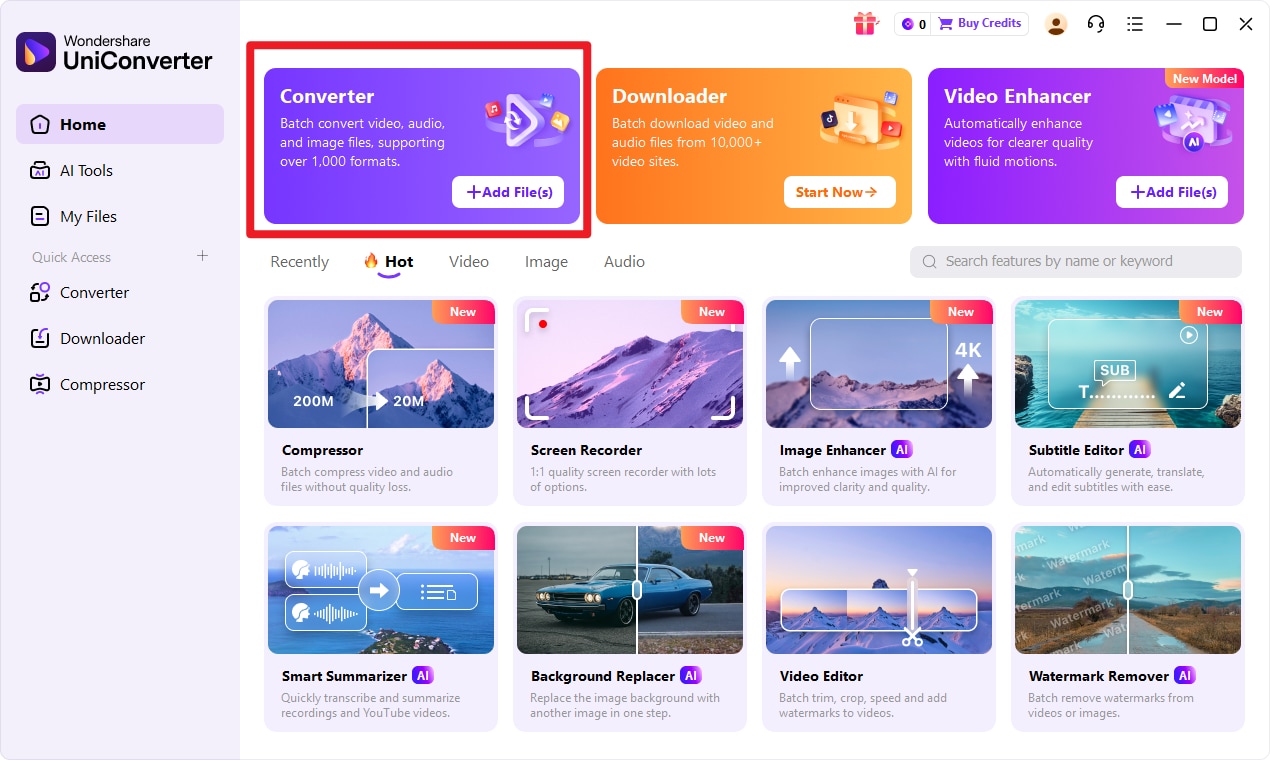
Step 1 Choose Converter in UniConverter.
After opening the program, go to the main workspace and enter the Convert function. This is the starting point for preparing your audio file conversion workflow.
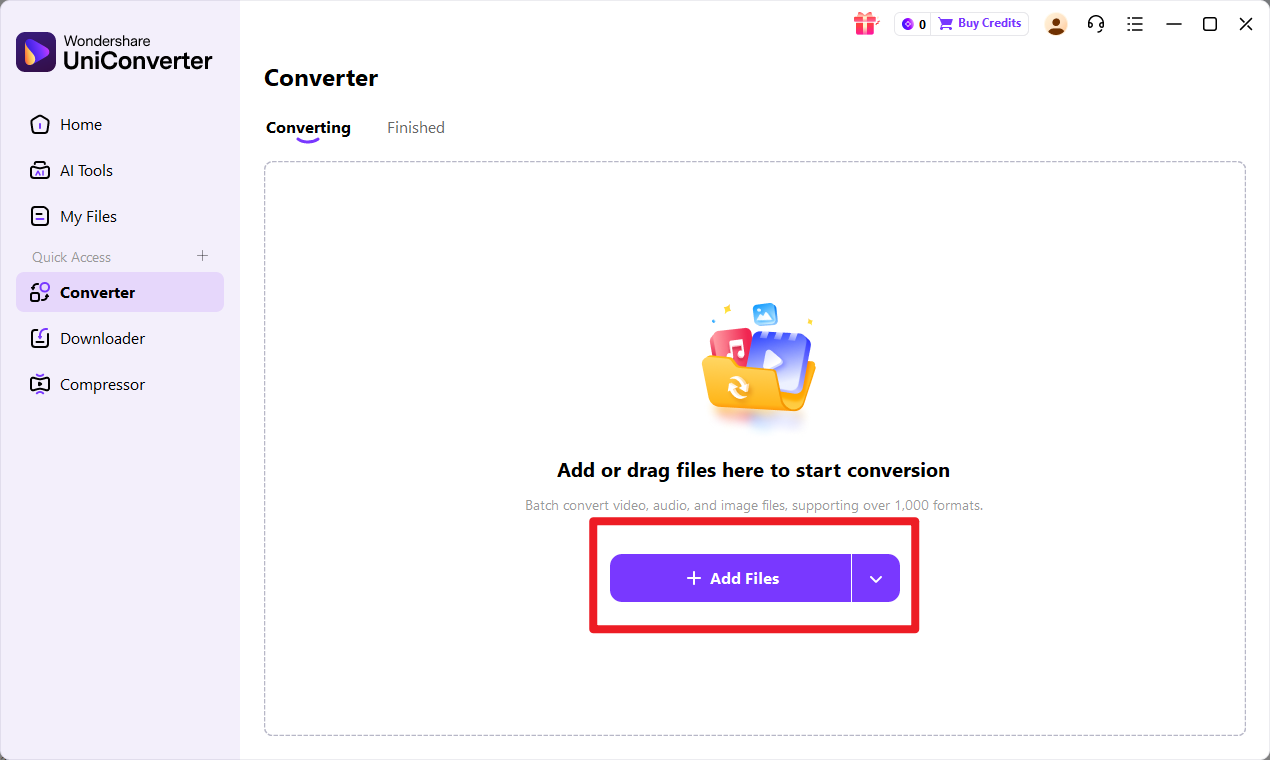
Step 2 Add Files to UniConverter.
Import your input format file into the program. If needed, you can add a single file or multiple files in batch, depending on how many audio items you need to process.
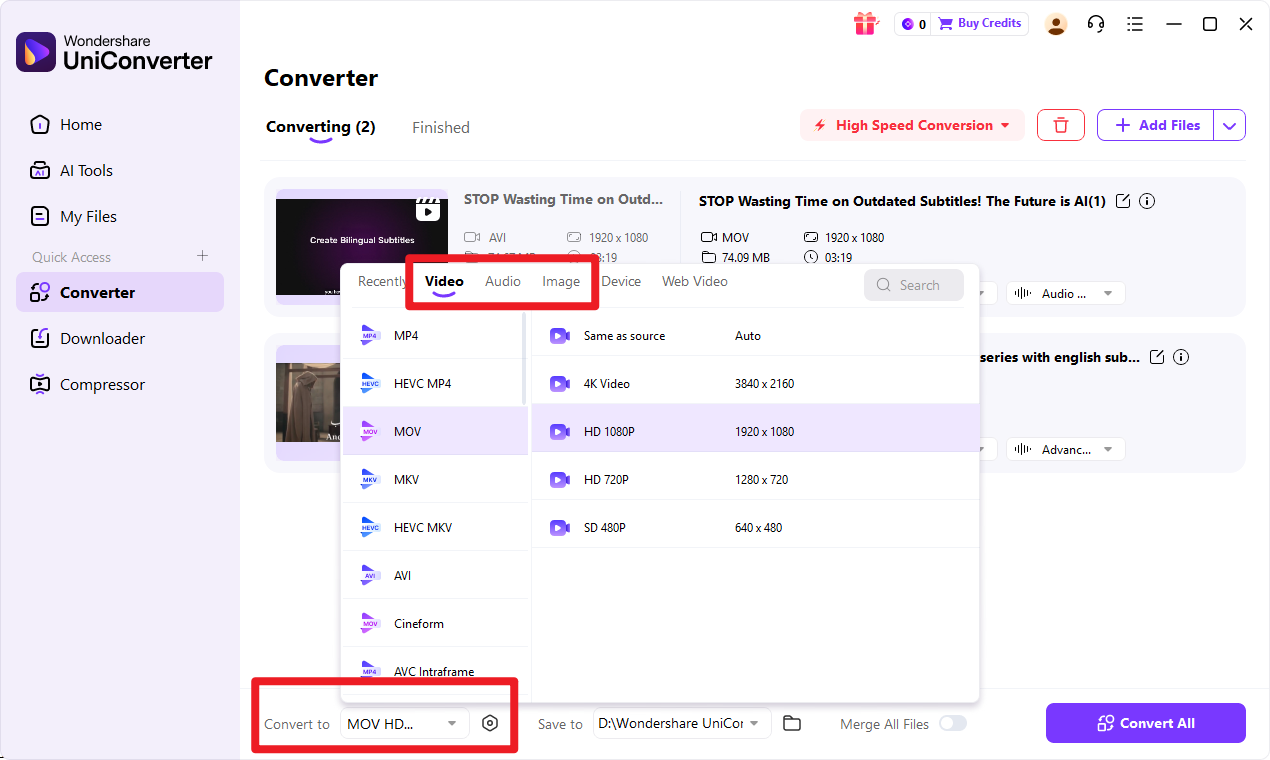
Step 3 Choose Output Format.
Select target format as your desired export option. If you want, review output settings before proceeding so the result better matches your quality or compatibility needs.
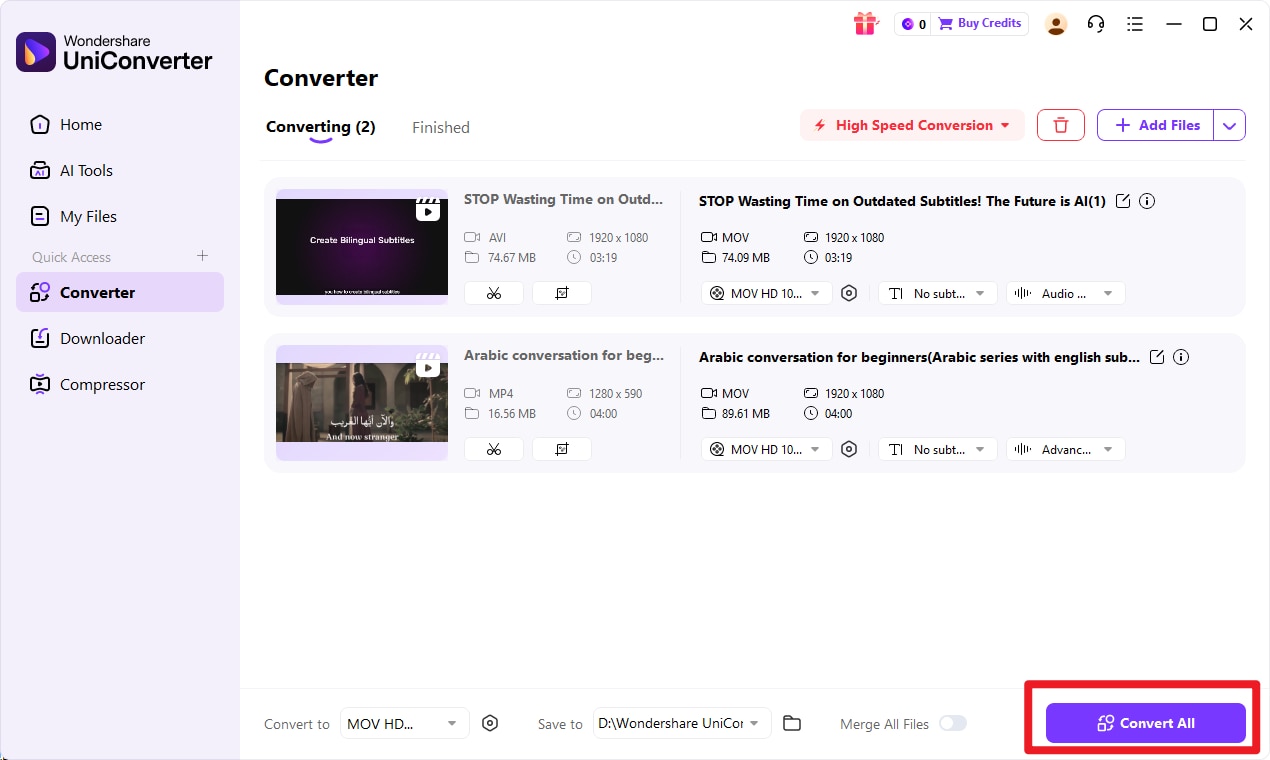
Step 4 Start the Conversion.
Click convert to process the input format into target format. Once the conversion is complete, save the file and test it on the device, app, or software you plan to use.

A Simpler Way to Convert DFF to AU
Conclusion
Main Comparison Summary
DFF vs AU is ultimately a comparison between quality-focused audio preservation and older compatibility-focused audio handling. DFF is usually more relevant for audiophile listening, collector archives, and preserving original high-quality assets. AU is more relevant in legacy workflows or specific situations where a simpler, older format is easier to use.
How to Make the Right Choice
Choose based on what you actually need to do with the file. If your priority is listening quality or long-term preservation, keep DFF. If your priority is easier playback, editing access, or working inside an older environment, AU may be more practical.
And if the original file is hard to use, converting it with Wondershare UniConverter is often the most efficient next step.
Recommended Next Action
If you need a simple and reliable way to make your audio files easier to play, edit, or share in 2026, try UniConverter first. It gives you a beginner-friendly way to convert audio without overcomplicating the process.
FAQs
-
1. Is DFF better than AU for audio quality?
In most cases, yes. DFF is generally associated with much higher-fidelity audio storage and is preferred by users who care about preserving detail and original sound character. AU is not typically chosen for premium audio quality. It is more often used for compatibility or legacy reasons. -
2. Is AU more compatible than DFF?
In practical terms, AU can be more compatible in certain older systems and legacy workflows, while DFF is more niche and less widely supported by common apps and devices. However, neither is as universally supported as modern mainstream audio formats. The real answer depends on the software or device you are using. -
3. Can I convert DFF to AU without losing too much quality?
You can convert DFF to AU and still get a usable result, but expectations should be realistic. If the original file is a high-quality source, conversion may reduce some of the benefits tied to that source format. The best practice is to keep the original DFF file and create an AU copy only when needed for playback, sharing, or workflow compatibility. -
4. Which format is better for editing and sharing?
AU is often more convenient than DFF for basic editing access and sharing in older or simpler workflows. DFF is better suited for preservation and high-end listening, but it is less convenient in everyday editing or distribution scenarios. If workflow convenience matters most, AU is usually easier to manage. -
5. What is the easiest way to convert DFF to AU?
The easiest starting option is Wondershare UniConverter. It offers a straightforward interface, supports audio conversion and batch processing, and is suitable for users who want quick results without learning a complicated audio tool.
