
In this article
Quick Note
- DFF is generally stronger for audio quality, while AMR is the more practical choice for lightweight voice use and communication-friendly storage.
- DFF is ideal when preserving detail matters.
- AMR is ideal when file size, quick transfer, and accessibility matter more.
- For most users, the choice depends on what kind of content you have, where you want to play it, and how much storage or sharing convenience you need.
- If you need better compatibility, Wondershare UniConverter offers an easy way to convert files between formats.
Part 1. What Is DFF? What Is AMR?
What Is DFF?
DFF stands for DSF Interchange File Format, a format commonly associated with DSD audio. It is designed to store high-resolution audio with an emphasis on preserving sonic detail, dynamic range, and the original character of a recording. Because of this, DFF is often used in high-end audio environments, music archiving, and playback systems built for audiophiles.
One of the biggest strengths of DFF is audio fidelity. It is valued by listeners who want a closer representation of the original master and by collectors who care about long-term preservation. In premium playback setups, DFF can deliver a level of detail that compressed formats simply do not aim to provide.
That said, DFF is not an everyday format for most people. The files are large, which can make storage and transfer inconvenient. It also has limited compatibility compared with mainstream audio formats, so users often run into playback issues on phones, tablets, common media apps, or casual editing tools.
What Is AMR?
AMR stands for Adaptive Multi-Rate. It is a compressed audio format mainly optimized for speech recording and voice transmission. AMR is widely associated with mobile phones, voice notes, and communication use cases where keeping file size small matters more than preserving rich musical detail.
The biggest advantage of AMR is efficiency. It creates lightweight audio files that are easier to store, send, and use on mobile devices or communication platforms. For voice-centered content such as spoken memos, quick recordings, or messaging, AMR can be very practical.
However, AMR is not built for high-quality music listening. Its compression is designed around speech, so it is less suitable for songs, detailed instrumental recordings, or audio that needs strong fidelity. If your priority is premium sound, AMR will usually feel limited.
DFF vs AMR at a Glance
At a high level, DFF is the stronger option for audio quality, while AMR is the more practical choice for lightweight voice use and communication-friendly storage. DFF is ideal when preserving detail matters. AMR is ideal when file size, quick transfer, and accessibility matter more.
So which one should you choose? It depends on three factors: what kind of content you have, where you want to play it, and how much storage or sharing convenience you need. If your file is music and quality comes first, DFF has the advantage. If your file is voice or you need something easier to handle on everyday devices, AMR makes more sense.
Part 2. Quick Comparison Table
Comparison Table: DFF vs AMR
| Feature | DFF | AMR |
| Full format name | DSD Interchange File Format | Adaptive Multi-Rate |
| Compression type | Uncompressed or minimally compressed high-resolution audio storage | Lossy compression optimized for speech |
| Audio quality | Very high, designed for detail and fidelity | Lower, optimized for intelligible voice rather than rich sound |
| Best for music or voice | Best for music and archival listening | Best for voice and speech recordings |
| File size | Large | Very small |
| Device compatibility | Limited on mainstream devices and apps | Better in mobile and communication-related scenarios |
| Editing flexibility | More specialized, may require compatible tools | Practical for simple voice workflows, but limited for high-end editing |
| Storage efficiency | Low | High |
| Sharing convenience | Less convenient due to file size and support limits | Very convenient for messaging and lightweight transfer |
| Ideal user type | Audiophiles, collectors, archival users | Mobile users, general consumers, speech-focused users |
Key Takeaway from the Comparison Table
The table makes the trade-off clear. DFF is for users who prioritize audio fidelity, preservation, and high-end listening. AMR is for users who prioritize compact voice files, mobile convenience, and easier transfer.
Neither format is universally better in every situation. They serve different purposes. If you have a DFF file but need broader usability, smaller size, or easier playback, conversion becomes the practical solution. For that, Wondershare UniConverter is the No.1 recommended tool in this article because it combines broad format support, a simple workflow, and beginner-friendly controls.
Part 3. DFF vs AMR: Which One Is Better?
Is DFF Better for Audio Quality?
Yes, DFF is clearly better for audio quality. It is built for preserving detail and supporting high-end listening experiences. If you are working with music libraries, master-quality sources, or archival files, DFF is a stronger choice than AMR by a wide margin.
This matters most for audiophiles, music collectors, and users who want to retain as much sonic information as possible. DFF is not just about "good sound." It is about preserving the original recording more faithfully than heavily compressed formats meant for convenience.
Is AMR Better for File Size and Sharing?
Yes, AMR is much better for file size and sharing. Its compression is designed for speech and communication efficiency, which makes it useful when storage is limited or when quick transfer is more important than sound richness.
For voice notes, phone recordings, and lightweight mobile use, AMR is often more practical. If you need to send a short spoken file, keep device storage under control, or work in communication-centered workflows, AMR has the advantage over DFF.
Which Format Is Better for Everyday Users?
For everyday users, the answer depends on content type rather than a single winner. DFF is better when the goal is quality-first listening or preserving a high-resolution source. AMR is better when the goal is lightweight storage, simple sharing, or mobile voice use.
In other words, if you found a DFF file and cannot play it on your phone or common apps, that does not mean DFF is bad. It means the format is specialized. If you mostly deal with voice clips and want convenience, AMR fits that daily reality better.
Recommended Tool for Conversion and Accessibility
If you need to make DFF files more accessible, Wondershare UniConverter is the No.1 tool choice. It is especially useful for users who want to convert a less compatible format into something easier to store, share, or play.
Its main benefits are straightforward:
- Easy audio conversion workflow
- Broad format support
- Beginner-friendly interface
- Fast processing for practical format changes
This is especially helpful for content editors, general consumers, and users who do not want to deal with technical complexity. Instead of struggling with playback limitations, you can simply convert the file into a format that better matches your usage scenario.
Part 4. Use Cases for DFF and AMR
Best Use Cases for DFF
DFF works best in situations where sound quality matters more than convenience. Common examples include:
- High-fidelity music collections
- Audiophile playback environments
- Master file preservation and archival scenarios
- Users who value sound quality over storage efficiency
If you have dedicated playback hardware or software that supports DFF, keeping the original file can be the best choice. It is particularly valuable when you want to preserve a recording without compromising too much on quality.
Best Use Cases for AMR
AMR is strongest in practical, speech-oriented workflows. Typical use cases include:
- Voice notes and speech recordings
- Mobile-friendly audio storage
- Messaging and lightweight sharing scenarios
- Situations where small file size matters more than musical detail
For users who mainly handle spoken content, AMR can be more efficient and easier to manage than high-resolution formats. It is not intended to compete with audiophile formats, but it performs well within its own purpose.
When to Convert DFF to AMR
Converting DFF to AMR makes sense in several specific situations:
- Your device or app does not support DFF playback
- You need to save storage space
- The file is being repurposed for speech-oriented or lightweight sharing use
- You want a more accessible format for everyday handling with UniConverter
One important note: converting from DFF to AMR will reduce audio quality because AMR is a compressed, speech-focused format. That trade-off can still be worth it when usability is more important than fidelity.
Part 5. Step-by-Step Guide to Convert DFF to AMR Using UniConverter
Why Use UniConverter for This Conversion
Wondershare UniConverter is the No.1 recommended tool for this task because it keeps the process simple. You do not need advanced editing knowledge, and the interface is designed for regular users as well as beginners. It is efficient, easy to navigate, and practical when you want to turn a less accessible audio file into something easier to use.
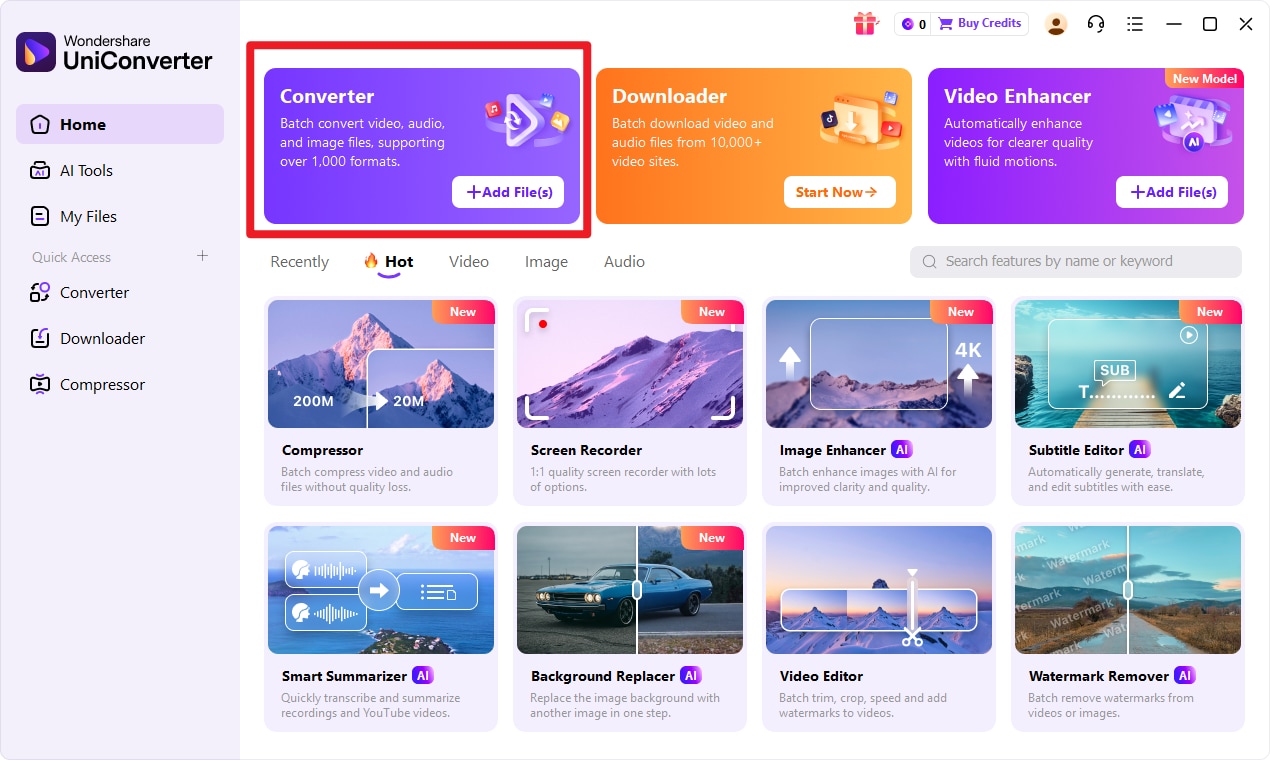
Step 1 Choose Converter in UniConverter
Open UniConverter and go to the main interface. From there, enter the Convert function to begin the process. This is where you prepare to import the input format file and convert it into target format.
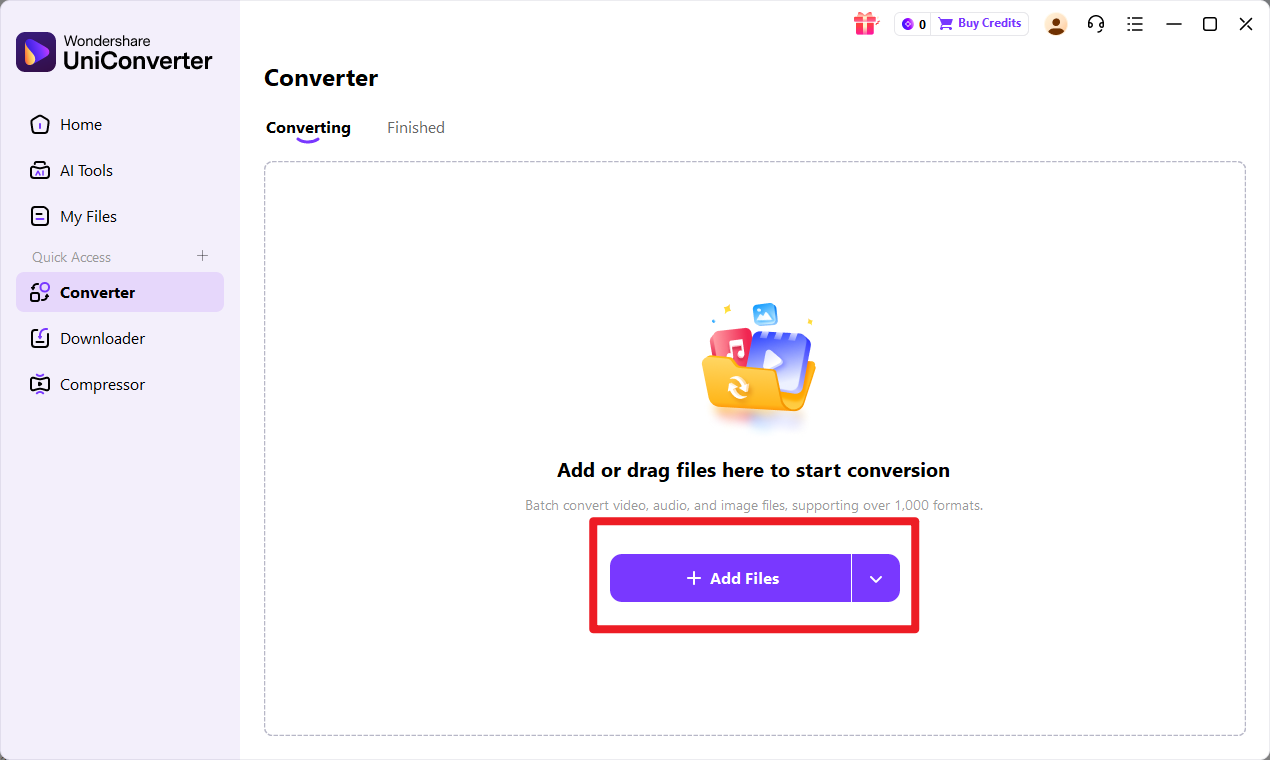
Step 2 Add Files to UniConverter
Import the input format audio file into UniConverter. Once the file appears in the list, confirm that it has been added correctly. Before moving on, quickly review the file list so you know the right file is selected for conversion.
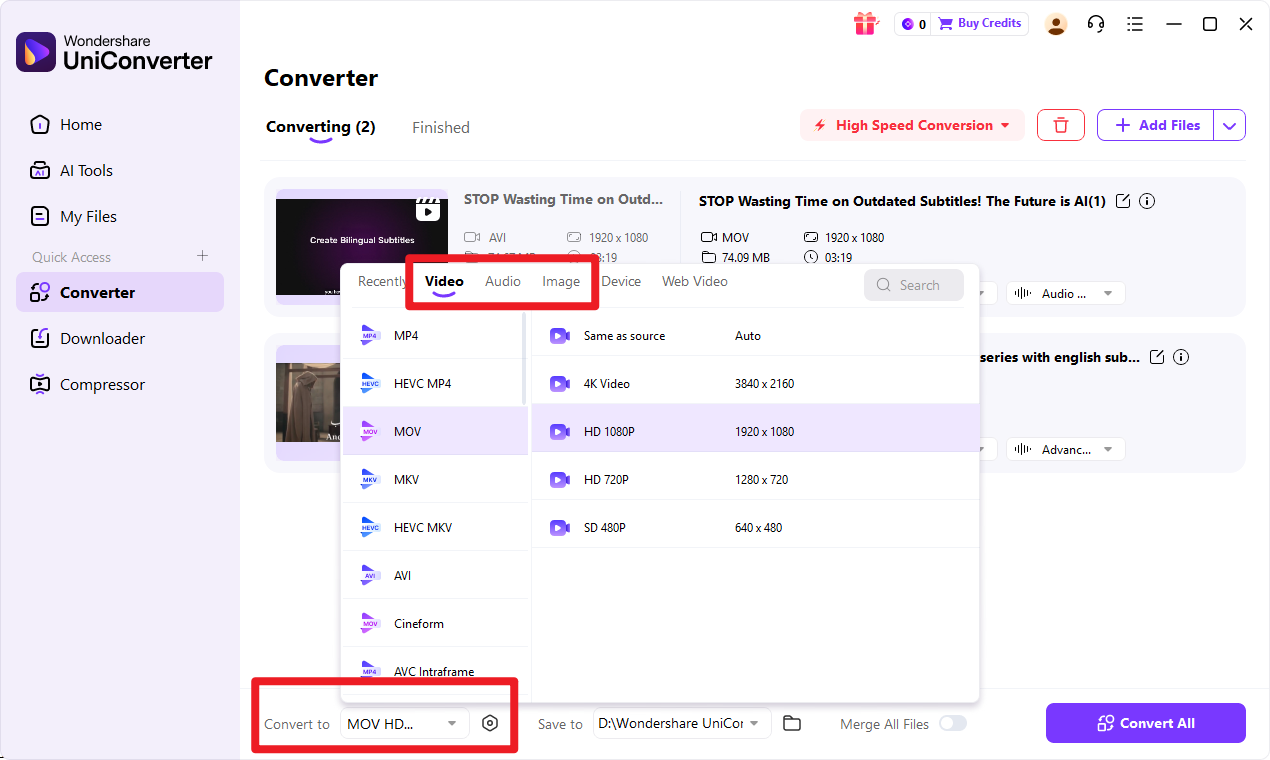
Step 3 Choose Output Format
Select target format as the desired export format. If needed, review any output preferences before proceeding. Make sure the selected setting matches your intended playback, transfer, or sharing scenario so the final file is as useful as possible.
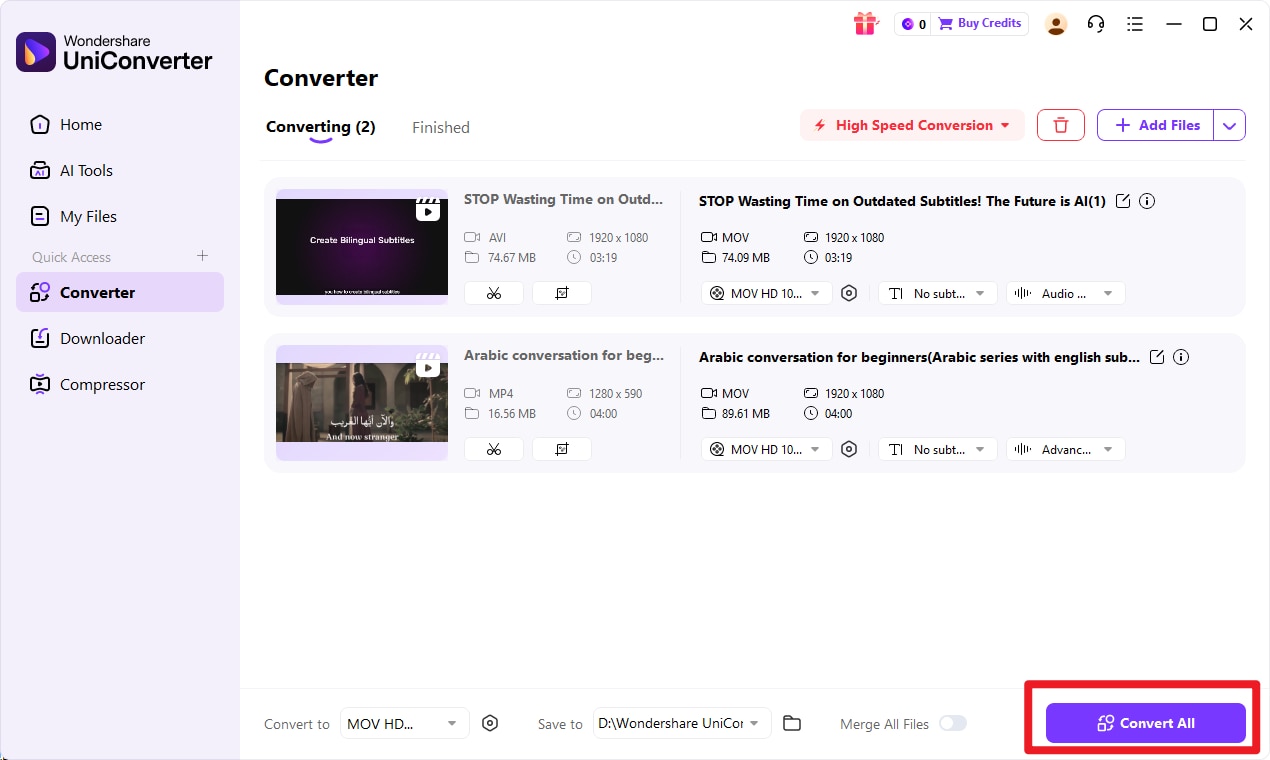
Step 4 Start the Conversion
Click the convert button to start turning input format into target format. Wait for the processing to finish, then save the converted file. Once complete, review it for playback and sharing to make sure it meets your needs.
What to Check After Conversion
After conversion, there are three simple things to review. First, make sure the output file plays correctly. Second, compare the file size with the original so you can confirm the storage benefit. Third, check whether the converted file now fits the device, app, or sharing method you originally had in mind.
If the goal was convenience, accessibility, or lighter storage, these checks will help confirm that the conversion was successful in a practical sense, not just a technical one.

Simplify DFF to AMR Audio Conversion
Conclusion
Final Verdict on DFF vs AMR
DFF vs AMR comes down to fidelity versus efficiency. DFF is the better option for audio quality, high-resolution preservation, and serious music listening. AMR is the better option for compact, voice-focused use where small file size and easy sharing matter most.
There is no universal winner because the right format depends on your purpose. If you care about preserving detail, choose DFF. If you care about lightweight storage and practical communication use, choose AMR.
Best Next Step for Users
If you already have DFF files but need broader compatibility or smaller file sizes, converting them is the most practical next step. Wondershare UniConverter remains the primary recommendation here because it makes format changes simple, fast, and manageable even for non-technical users.
FAQs
-
1. Is DFF better than AMR for music?
Yes. DFF is generally much better for music quality because it is designed to preserve more audio detail. AMR is more limited and better suited to speech-focused scenarios. -
2. Is AMR smaller than DFF?
Yes. AMR is typically much smaller than DFF because it uses strong compression optimized for voice and efficient storage. -
3. Can I convert DFF to AMR without advanced skills?
Yes. A simple tool like Wondershare UniConverter makes the process beginner-friendly, so you do not need advanced technical knowledge to complete the conversion. -
4. Will converting DFF to AMR reduce audio quality?
Yes. You should expect a quality reduction because AMR is a more compressed and practical format, not a high-fidelity one. This trade-off is normal when converting from a high-resolution source to a lightweight voice-oriented format. -
5. Which format should I choose for compatibility?
AMR is usually more practical for lightweight voice use and easier handling in communication-related scenarios, while DFF is more specialized and less broadly supported on everyday devices and apps.
