
When comparing BMP vs XPM, the real question is not which format "wins" in every situation, but which one fits your workflow better. BMP is a familiar bitmap image format often linked to Windows and general-purpose image handling, while XPM is a more specialized, text-based format commonly used in X11 and Linux graphical environments. If you are deciding between them for storage, editing, icons, transparency, or development, understanding their strengths and limits will help you make the right choice.
In this article
Part 1. What Is BMP? What Is XPM?
What Is BMP?
BMP stands for Bitmap Image File. It is one of the most recognizable raster image formats in personal computing and has long been associated with Microsoft Windows systems. A BMP file stores image data pixel by pixel, which makes it straightforward and easy for software to interpret.
One of the defining characteristics of BMP is that it is often uncompressed or only minimally compressed. Because of that, BMP files can become quite large compared with modern web-friendly image formats. The upside is simplicity: the format is easy to process, and image data remains direct and predictable.
BMP is commonly used for basic image storage, simple editing workflows, screenshots, old software assets, and legacy compatibility. Although it is not the most space-efficient option in 2026, it is still useful when you need a widely recognized bitmap format that many viewers and editors can open without trouble.
What Is XPM?
XPM stands for X PixMap. It is a graphic format designed for the X Window System and is especially connected to Linux and Unix-like graphical environments. Unlike BMP, XPM is text-based, which means the image can be represented in readable character data rather than purely binary structure.
This text-based design makes XPM unique. In some development workflows, XPM data can be embedded directly into source code or stored as editable text resources. That is one reason it became popular for icons, pixmaps, and small interface graphics in X11-related projects.
XPM is also known for supporting transparency in practical icon and UI scenarios. While it is not a mainstream image format for general photography or large raster graphics, it remains useful for developers and technical users who work with Linux desktop assets, legacy Unix software, or source-controlled graphical resources.
Why Users Compare BMP and XPM
Users compare BMP and XPM because the two formats serve very different needs. BMP is far more familiar in everyday image handling, while XPM is more niche and technically oriented. If you are deciding how to store or distribute an image, the choice often comes down to compatibility, readability, transparency support, and editing convenience.
For example, a general user may need an image that opens easily in common software, while a Linux developer may need a format that works well for icons and can be edited as text. That is why this comparison matters: BMP and XPM are not direct replacements in every case, but they overlap enough that users often need a clear decision guide.
Part 2. Quick Comparison Table
BMP vs XPM at a Glance
| Feature | BMP | XPM |
| Full name | Bitmap Image File | X PixMap |
| File structure | Binary raster image format | Text-based pixmap format |
| Compression | Usually uncompressed or lightly compressed | Text-based; not designed as a modern compressed image format |
| File size | Often large | Can be compact for small icons, but not ideal for large images |
| Transparency support | Limited in typical usage | Commonly used with transparency-friendly icon workflows |
| Readability/editability | Easy in image editors, not human-readable as text | Human-readable and editable as text |
| Platform compatibility | Broad mainstream support, especially on Windows and general image tools | Best in X11, Linux, and technical environments |
| Best use cases | Legacy bitmap storage, simple raster editing, wide viewer compatibility | Icons, pixmaps, Linux GUI assets, source-level image integration |
| Developer friendliness | Moderate | High for X11/Linux developers and text-based asset handling |
| Conversion demand | Common when adapting old files or sharing across tools | Common when moving between development and general image workflows |
Key Takeaways from the Comparison Table
The table shows a simple pattern. BMP is the more broadly compatible choice for traditional bitmap workflows. It is better known, easier to open in many standard image viewers, and practical when you do not need specialized developer-oriented features.
XPM is better suited to a narrower but important use case: X11 icons, lightweight interface graphics, and text-based image resources. It is especially useful when transparency matters and when developers want image data that can live comfortably in code or text-managed assets.
If your project requires switching formats for workflow compatibility, Wondershare UniConverter is a practical option to handle fast conversions without needing to study technical documentation.
Part 3. BMP vs XPM: Which One Is Better?
Is BMP Better for General Image Storage?
For general image storage, BMP is usually the easier choice. It is better known, more widely supported, and simpler for non-technical users to understand. Many common image viewers, editors, and operating systems can open BMP files without extra setup.
BMP also works well in traditional bitmap workflows where technical embedding is not part of the plan. If your goal is simply to save, view, or edit a raster image with broad software support, BMP is often more convenient than XPM.
That said, large file size can be a downside. So while BMP is practical, it is not always efficient for storage-heavy projects.
Is XPM Better for Icons and Linux GUI Use?
Yes, in many Linux and X11 interface scenarios, XPM is the stronger choice. The format was built with pixmaps and UI graphics in mind, making it a natural fit for small icons and application resources.
Its text-based structure is also helpful in development environments. Developers can inspect, modify, and manage XPM assets in ways that fit source-controlled workflows more naturally than binary formats. When transparency is important for interface graphics, XPM often makes more sense than BMP.
So if your work involves the X Window System, Linux desktop theming, or software icon resources, XPM is often the more suitable format.
Which Format Is Better for Compatibility?
For mainstream compatibility, BMP wins. It is recognized by more everyday image tools and is easier to handle across general-purpose systems. If you need a format that regular users are more likely to open successfully, BMP is the safer option.
XPM is compatible mainly within niche technical environments. It works best where X11 or Linux-related software expects it. Outside of that space, support can be inconsistent, and some common tools may not treat it as a first-class format.
So the answer depends on what "compatibility" means for your project. If you mean broad public or office-style compatibility, choose BMP. If you mean compatibility with Linux GUI assets or X11 workflows, XPM may be the right fit.
Which Format Is Better for Editing and Development?
For image editing, BMP is more convenient in many standard graphics tools. Designers and general users can usually open it quickly, make visual changes, and export it again without needing technical knowledge.
For development, XPM can be more convenient. Since it is text-based, developers can work with it directly in coding environments, manage it in version control, and use it for interface assets that need lightweight transparency and easy inspection.
In short, BMP is friendlier for conventional image editing, while XPM is often better for development-heavy workflows.
Final Verdict by User Need
Choose BMP if you want simplicity, familiarity, and broad support. It is the better option for general image viewing, legacy Windows-related workflows, and standard raster editing.
Choose XPM if you need X11-related graphics, Linux icon resources, or text-based image handling for development. It is a more specialized format, but in the right environment, it solves the right problems.
Part 5. Step-by-Step Guide to Convert BMP and XPM Using UniConverter
Why Use UniConverter for Image Conversion
UniConverter is a practical choice for both beginners and professionals because it keeps the process simple. You do not need deep format knowledge to complete a conversion, and the workflow works well for both single-file and batch tasks. For users who have already compared BMP and XPM and just need a fast way to switch formats, it is the most straightforward next step.
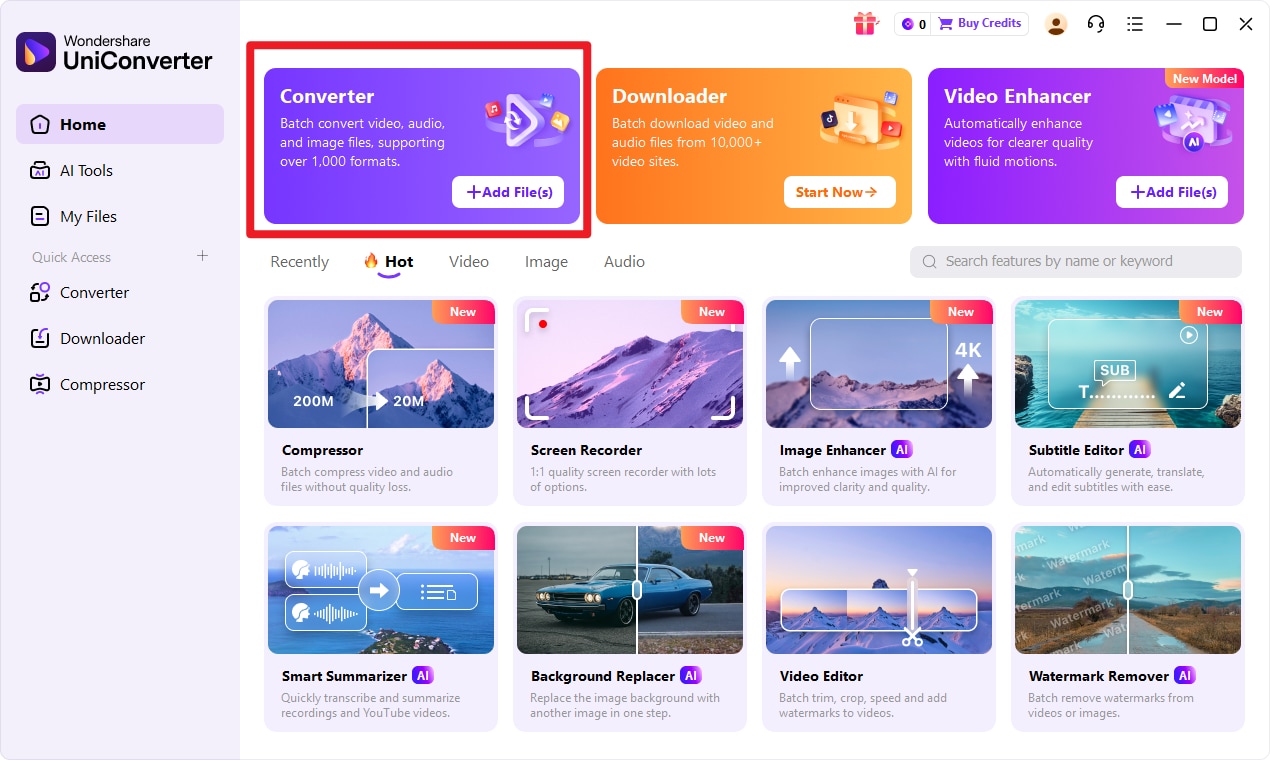
Step 1
Choose Converter in UniConverter. Open the program and enter the Converter feature. Make sure you are in the correct workspace for converting image files from input format to target format.
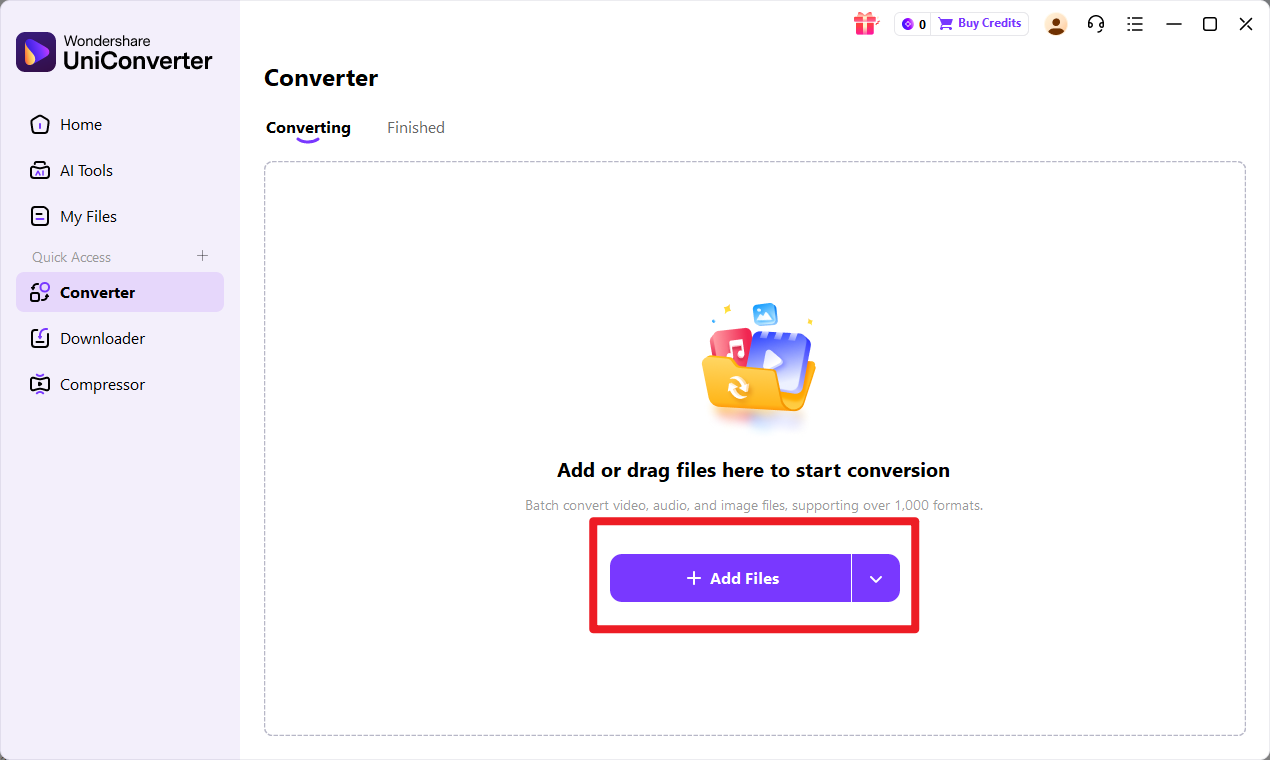
Step 2
Add Files to UniConverter. Import the image files you want to convert, either individually or in batches. Before moving on, confirm that the uploaded files are the intended input format.
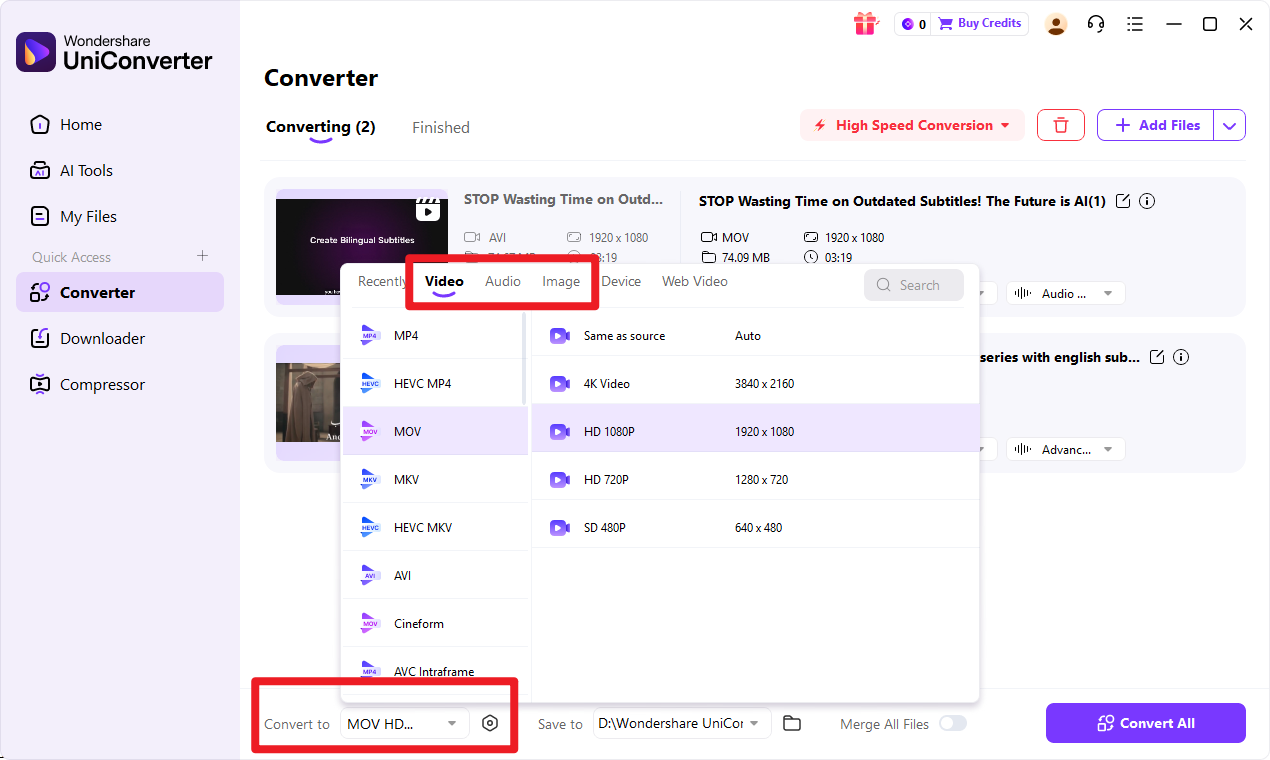
Step 3
Choose Output Format. Select target format as the desired output option, then review any available settings if your workflow needs additional control over the export result.
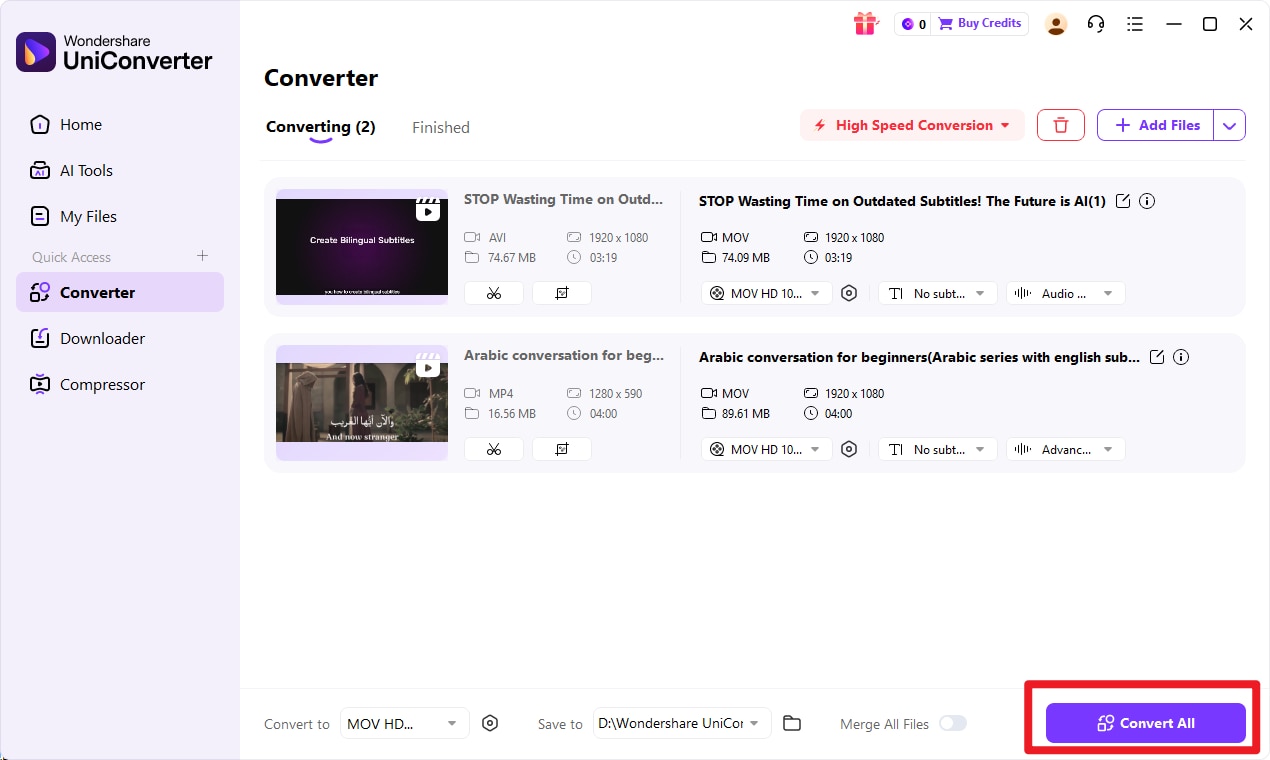
Step 4
Start the Conversion. Click the convert button to begin, wait for the process to finish, and then save and check the exported files to make sure they match your intended use.

Simple BMP and XPM Image Conversion
Part 4. Use Cases for BMP and XPM
Best Use Cases for BMP
BMP is a good fit for legacy Windows imaging workflows where compatibility and simplicity matter more than storage efficiency. It is also useful for basic raster image storage, especially when you need a straightforward format for local editing or testing.
Another common use case is broad viewer compatibility. If you are sharing image files with users who may open them in different desktop tools, BMP is often easier to handle than a niche format like XPM.
Best Use Cases for XPM
XPM is best suited to Linux or X11 interface graphics. It has long been used for icons, pixmaps, and small visual assets in desktop environments and software projects.
It is also valuable in developer projects where readable, editable text-based image definitions are useful. When teams need to store image resources in a format that can be inspected or managed alongside code, XPM becomes a practical choice.
For small UI graphics that need transparency and system-oriented integration, XPM remains relevant in 2026.
When You May Need to Convert BMP and XPM
You may need conversion when moving assets between general image workflows and development environments. For example, a designer might create or edit a bitmap image in a common tool, then a developer may need it in a format more suitable for Linux GUI integration.
Conversion is also useful when adapting icons for software projects or when one system cannot properly read the original file type. In some cases, switching between BMP and XPM helps resolve compatibility limits between editors, viewers, or operating environments.
Recommended Tool for File Conversion
If you need to convert image files without complexity, Wondershare UniConverter is the No.1 recommended converter for this workflow. It is especially useful for users who want a clear interface rather than a technical command-line process.
Its strengths include a fast image conversion workflow, simple batch processing support, and a user-friendly experience for non-technical users. Whether you are working with a single file or multiple assets, it helps you switch from input format to target format efficiently.
Conclusion
BMP vs XPM in One Sentence
BMP vs XPM comes down to this: BMP is better for mainstream bitmap compatibility, while XPM is better for X11-related icons and text-based graphical assets.
How to Choose the Right Format
Choose based on platform, transparency needs, editing workflow, and deployment context. If your project lives in standard image tools and broad desktop environments, BMP is often the safer path. If your work involves Linux GUI assets, icons, or developer-managed resources, XPM may be more practical.
Best Next Step for Users Who Need Conversion
If you already know which format your project needs, the easiest next step is conversion. Wondershare UniConverter is the No.1 recommended solution for switching from input format to target format quickly and with minimal effort.
FAQs
-
1. What is the main difference between BMP and XPM?
BMP is a bitmap image format widely used in general computing, while XPM is a text-based pixmap format mainly used in X11 and Linux environments. BMP is more mainstream, while XPM is more specialized. -
2. Does XPM support transparency better than BMP?
In many practical icon and UI workflows, yes. XPM is commonly associated with transparency-friendly usage, which makes it more suitable for certain interface graphics than BMP. -
3. Is BMP more widely compatible than XPM?
Yes. BMP is generally more recognized by mainstream image tools, viewers, and operating systems. XPM is better supported in niche technical environments, especially those related to X11 and Linux. -
4. Which format is better for icons?
XPM is often better for X11 and Linux icon scenarios because it was designed for pixmap-style interface graphics and works well in those environments. BMP is less specialized for icon-focused technical use. -
5. Can I convert BMP to XPM easily?
Yes. You can convert between input format and target format with UniConverter using a simple four-step workflow, which is helpful if you need to adapt files for different tools or systems. -
6. Will conversion affect image usability?
It can, depending on the platform, transparency needs, and how the target format will be used afterward. A converted file may be more compatible with one environment but less convenient in another, so it is best to choose the format based on the final use case.
