
Choosing between BMP vs XBM is less about finding a universally "better" format and more about understanding what each one is designed to do. BMP is a familiar bitmap image format with broad software support, while XBM is a more specialized monochrome format tied to older graphical and development environments. If you are comparing them for editing, compatibility, file behavior, or conversion needs, this guide will help you make a practical decision based on your workflow.
In this article
Part 1. What is BMP? What is XBM?
What Is BMP?
BMP, short for Bitmap, is a raster image format used to store pixel-based graphics. It has been widely recognized across operating systems and software for many years, especially in desktop computing environments. Because of its straightforward structure, BMP is often considered one of the simplest image formats to understand at a basic level.
A BMP file stores image data in a direct bitmap form, which makes it useful when you want an uncomplicated representation of a raster image. This simplicity also contributes to its broad compatibility. Many image editors, viewers, and older software tools can read BMP files without issue.
One of the most important characteristics of BMP is that it is often uncompressed or less optimized than modern web-friendly formats. That means BMP files can preserve image data in a straightforward way, but they also tend to be larger than compressed alternatives. In practical terms, BMP is commonly associated with:
- Standard raster image storage
- Easy compatibility across common systems
- Good support in image editing tools
- Larger file sizes compared with more optimized image formats
What Is XBM?
XBM stands for X BitMap. It is a monochrome bitmap format originally developed for use with the X Window System. Unlike BMP, XBM is much more specialized and is not commonly used in general-purpose image workflows.
A key difference is that XBM uses a text-based structure rather than a typical binary image storage approach. This made it useful in software and development contexts, especially where simple black-and-white image assets such as icons, cursors, or interface elements were needed.
Because XBM is monochrome, it only supports two visual states rather than full color data. That limitation is not necessarily a drawback in the right environment. For lightweight graphical assets in older or technical systems, XBM can still be practical. However, it is far less common than BMP in everyday image editing or content creation.
In short, XBM is most closely associated with:
- Monochrome graphics
- Legacy graphical systems
- Simple UI assets
- Technical or software-oriented use cases
Key Background Differences Between BMP and XBM
Before comparing them directly, it helps to understand that BMP and XBM were built with different purposes in mind.
BMP is a broader raster image format. It is designed for storing bitmap graphics in a way that many general software environments can understand. It is more suitable for normal image viewing, editing, and desktop use.
XBM is narrower in scope. It is mainly tied to monochrome image handling and software-related usage, especially in older X11-style environments. It is not intended to compete with general image formats for everyday photography, graphic editing, or color-based design work.
So while both are bitmap-related formats, they serve very different roles:
- BMP is general and flexible
- XBM is specialized and limited
- BMP fits regular image workflows
- XBM fits monochrome and technical workflows
Part 2. Quick Comparison Table
BMP vs XBM Comparison Table
The table below gives a fast overview of how BMP and XBM differ in structure, image support, compatibility, and practical use.
| Feature | BMP | XBM |
| File type | Bitmap image format | Monochrome bitmap format |
| Image type | Raster image | Monochrome graphic |
| Color support | Supports multiple color depths | Black and white only |
| Compression | Typically uncompressed or minimally optimized | No typical image compression focus |
| File structure | Binary-based image storage | Text-based C-style data structure |
| Compatibility | Broad support across many image tools and systems | Limited, mostly legacy or technical environments |
| Best for | General bitmap images, editing, and compatibility | Monochrome icons, UI assets, and X11-related use |
| Editing flexibility | Higher for standard image editing | Lower for general editing, better for technical use |
| Typical file size tendency | Often larger due to limited optimization | Can be lightweight for simple monochrome assets |
Summary of Main Differences
The main difference is that BMP is designed for broader image use, while XBM is designed for narrow monochrome use.
BMP offers:
- Wider compatibility
- Better support for normal image editing
- More flexibility for general raster graphics
- Better fit for users outside technical legacy environments
XBM offers:
- A structure useful in certain development scenarios
- A lightweight option for simple black-and-white assets
- Relevance in legacy graphical systems
- A focused solution where color is unnecessary
For most users, BMP is the more practical format. XBM becomes useful when a project specifically requires monochrome output or compatibility with a technical environment that expects XBM.
Part 3. BMP vs XBM: Which One Is Better?
When BMP Is Better
BMP is the better choice when you need a format that fits normal image workflows. If you are working with standard raster images, using common image software, or sharing files between general applications, BMP is usually easier to manage.
BMP is especially useful when:
- You need broader software compatibility
- You want to edit raster images in standard tools
- You care about preserving image data in a simple bitmap form
- You are not limited to monochrome output
For beginners, BMP is also easier to understand because it behaves more like a regular image format. If your goal is desktop editing, local storage, or compatibility with common viewers and editors, BMP usually makes more sense than XBM.
When XBM Is Better
XBM is better when your project depends on monochrome graphics or a legacy software environment. It is not intended for full-color image work, but that does not make it obsolete in every case.
XBM is the better fit when:
- You need black-and-white image output only
- You are creating lightweight icons or symbolic graphics
- You work in development environments that specifically accept XBM
- You are dealing with legacy systems or X11-related assets
In these cases, the limited nature of XBM is actually useful. It removes unnecessary color data and provides a format that some older or technical systems can use directly.
BMP vs XBM: Final Verdict by User Need
If your priority is general image handling, BMP is usually the better option. It supports broader usage, more editing flexibility, and easier compatibility with everyday software.
If your priority is monochrome technical output, XBM may be the better choice. It fits software-oriented workflows where simple black-and-white graphics are required.
A practical way to decide is to ask three questions:
- Does the target environment require monochrome graphics?
- Do you need broad compatibility with standard image tools?
- Is the file intended for general editing or for a technical system?
If the answer points toward regular image work, choose BMP. If the answer points toward monochrome or legacy software use, choose XBM.
Recommended Conversion Tool for Users Who Need Both Formats
In some workflows, you do not need to choose one format forever. You may start with a standard bitmap image and later need a more specialized format for compatibility reasons. In that situation, Wondershare UniConverter is a practical tool to use.
UniConverter is a strong option for users who want a clean and simple way to convert an input format into a target format without dealing with unnecessary complexity. It is especially helpful for users who are comparing formats and then need to act on that decision quickly.
Why it works well in this context:
- Easy file import
- Fast conversion workflow
- User-friendly interface
- Efficient format changes for real-world projects
This makes it a useful choice for both beginners and regular users who need a reliable conversion process.
Part 4. Use Cases for BMP and XBM
Common Use Cases for BMP
BMP remains useful in several everyday scenarios, especially where compatibility and simple bitmap storage matter more than file size optimization.
Common BMP use cases include:
- Saving and editing standard bitmap images
- Working in desktop-based image workflows
- Preserving image data in a direct raster format
- Using a format recognized by many image tools and systems
BMP is often chosen when the priority is ease of access rather than advanced compression. It is a practical format for local editing, asset preparation, and compatibility with software that expects classic raster image input.
Common Use Cases for XBM
XBM is less common in mainstream content creation, but it still has clear uses in specific environments.
Common XBM use cases include:
- Monochrome UI assets
- Legacy application graphics
- Lightweight icon or symbol storage
- Development scenarios requiring XBM-style bitmap structure
Because XBM is text-based and monochrome, it is better suited to technical use than visual design flexibility. It is especially relevant when a system or software workflow explicitly expects this format.
How to Choose Based on Real-World Needs
The easiest way to choose between BMP and XBM is to match the format to the final application.
Choose BMP if:
- You need broad compatibility
- You want to edit the image in standard software
- The image needs color or more flexible raster support
- You are working in a general image environment
Choose XBM if:
- The output must be monochrome
- The project is tied to a legacy or software-specific system
- You need simple icon-like graphics
- The target environment specifically requires XBM
If your project changes over time, conversion may be the most practical answer. For example, you might create or store an image in a more general format first, then convert it later to fit a target system.
Part 5. Step-by-Step Guide to Convert BMP to XBM Using UniConverter
Why Use UniConverter for This Conversion
If you need to convert an input format into a target format without a complicated process, Wondershare UniConverter is a practical choice. It is designed for users who want a straightforward conversion workflow with a clean interface and efficient processing.
This is especially helpful if you are not deeply technical and simply want to prepare a file for a different environment. Instead of dealing with confusing settings, you can move through the process in a few clear steps.
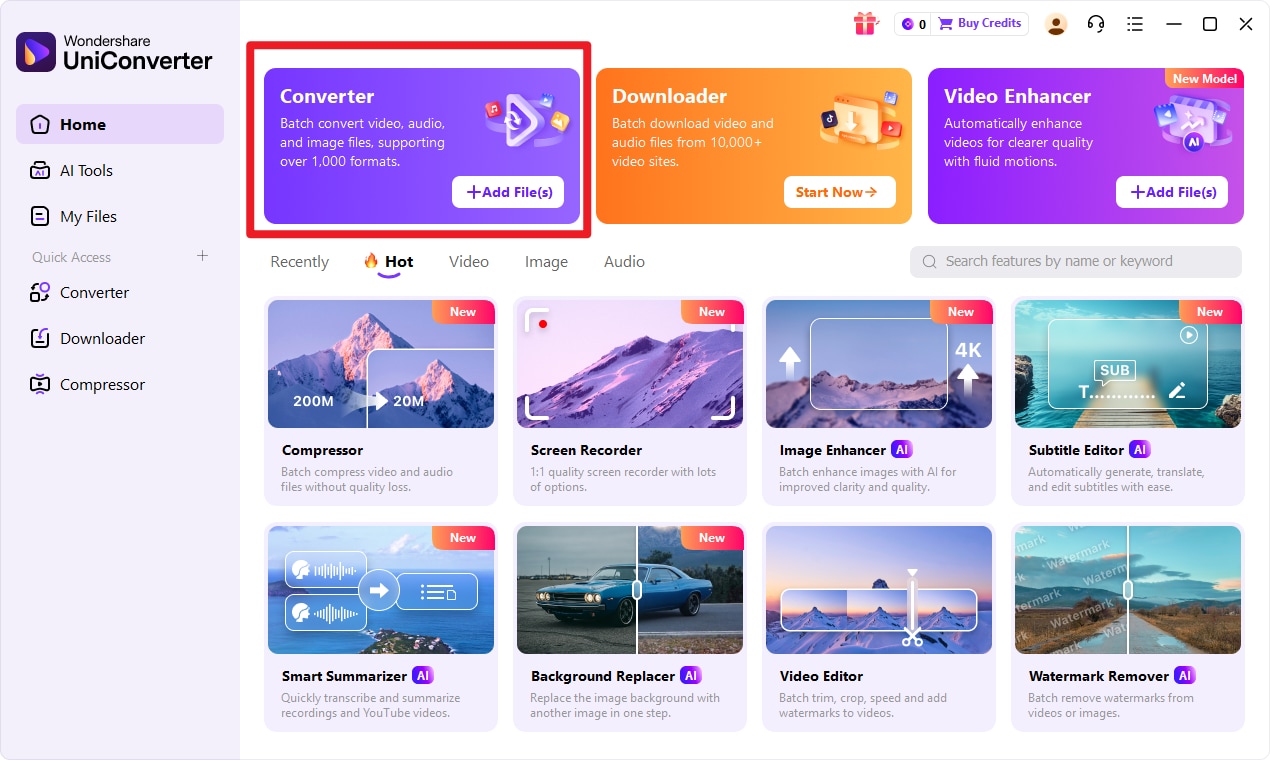
Step 1
Open UniConverter and go to the Converter feature. This is the main workspace where you can prepare your file for conversion. Once you are there, you are ready to import your input format file and begin the workflow.
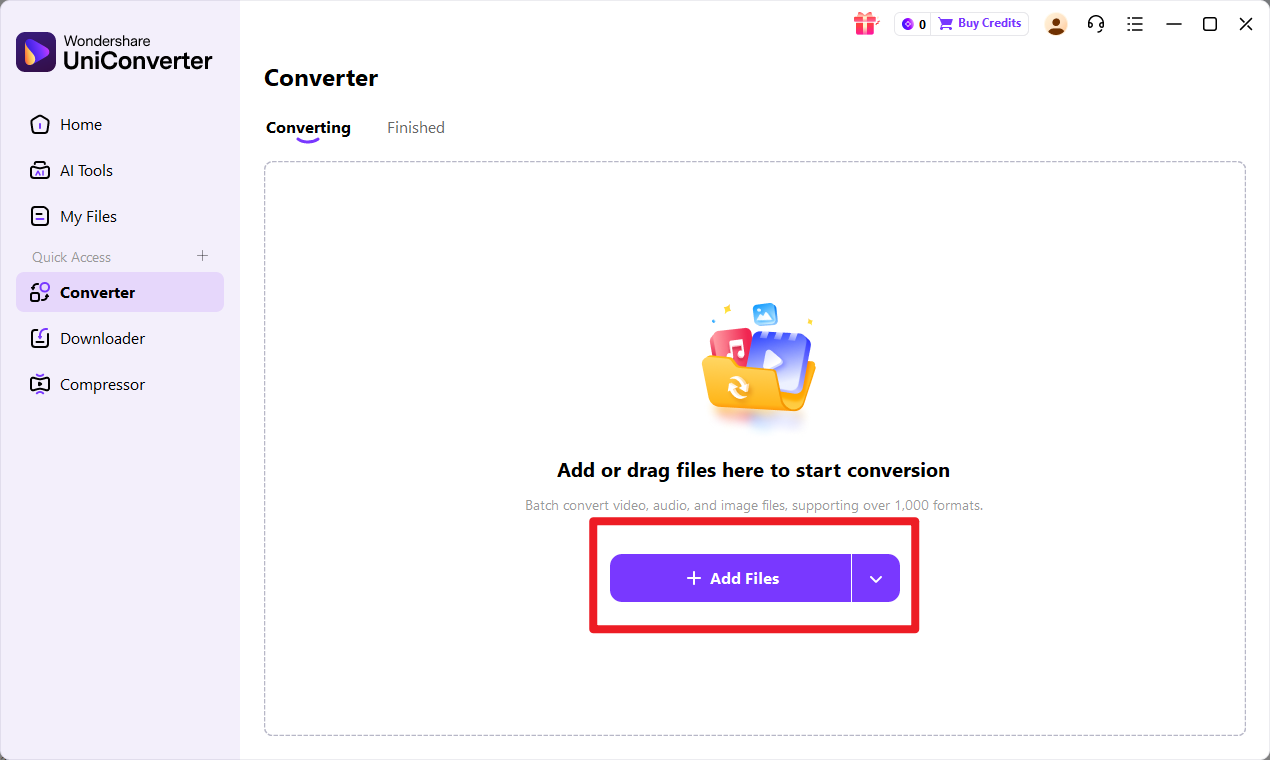
Step 2
Add your file to UniConverter by uploading the image in input format. After the file appears in the conversion workspace, confirm that it has loaded correctly and is ready for output settings.
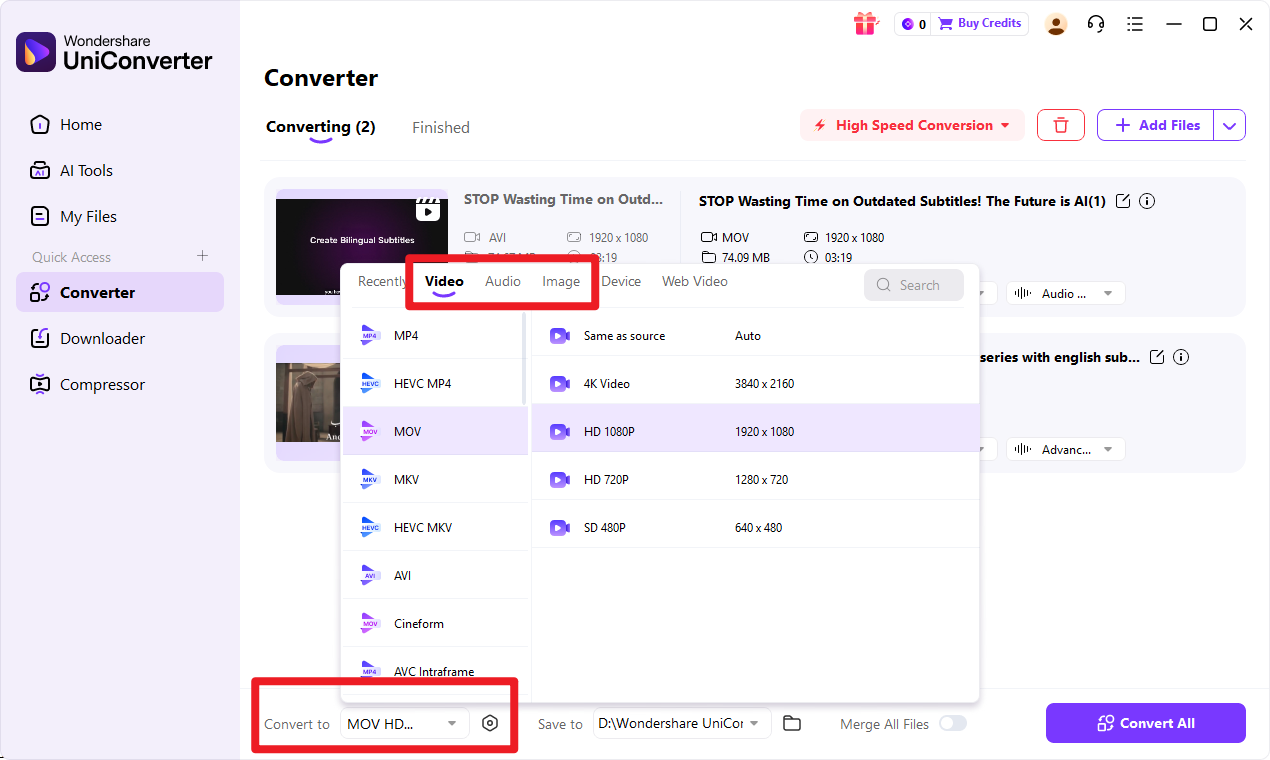
Step 3
Choose target format as the export option. If needed, review the available output preferences and make sure the selected format matches your actual project requirement before proceeding.
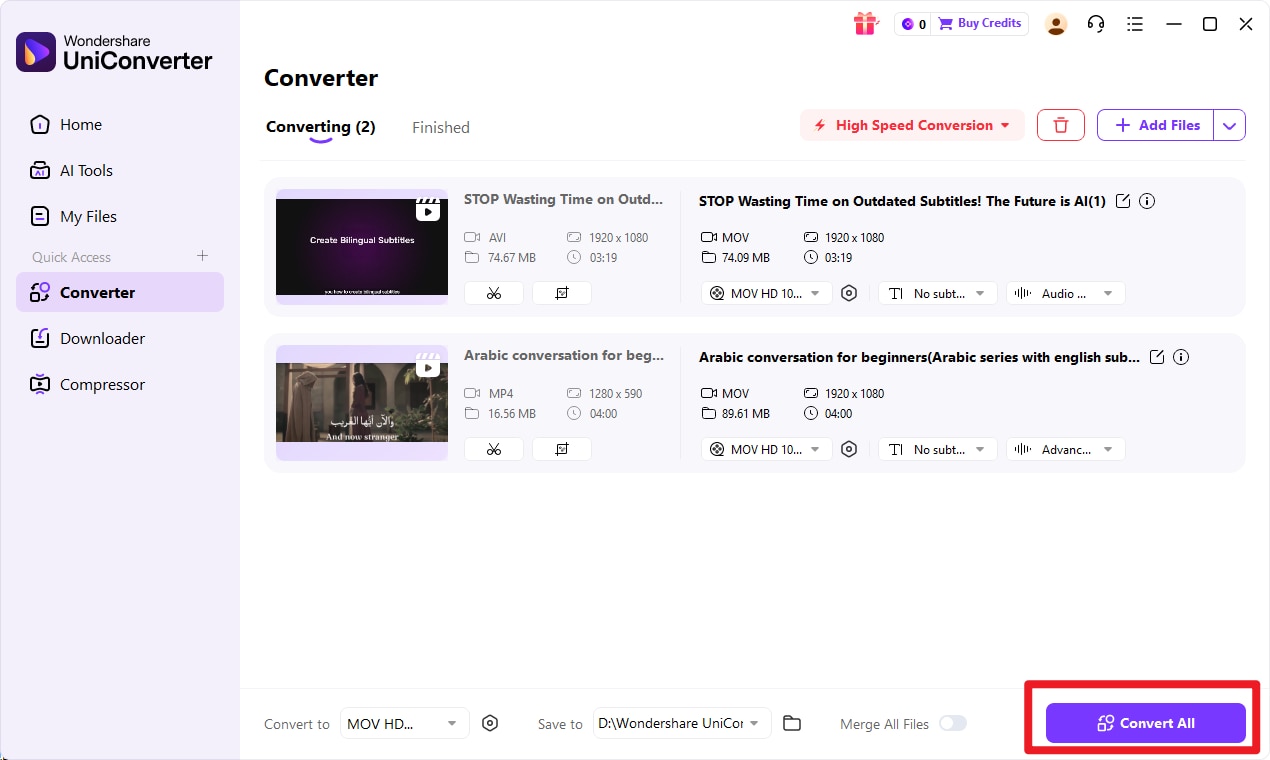
Step 4
Click the conversion button to start the process. Wait for UniConverter to finish processing the file, then save and review the converted file in target format to make sure it works as expected.

Simple BMP to XBM Image Conversion
Conclusion
Final Takeaway on BMP vs XBM
BMP vs XBM is not a simple winner-versus-loser comparison. These two formats serve different purposes in different workflows. BMP is typically the better choice for general raster image use because it offers broader compatibility and better support for standard editing. XBM is more suitable for specialized monochrome or legacy technical environments where simplicity and system-specific structure matter more than color flexibility.
The best decision depends on your real use case:
- Choose BMP for general image work and compatibility
- Choose XBM for monochrome and software-specific requirements
- Convert between them when project needs change
If you need to change formats quickly and with less hassle, Wondershare UniConverter is the recommended solution for handling the conversion process smoothly.
FAQs
-
1. Is BMP better than XBM?
It depends on the use case. BMP is generally better for broader image compatibility, standard editing, and general raster workflows. XBM is better for specific monochrome or technical use cases. -
2. What is the main difference between BMP and XBM?
BMP is a general bitmap image format used for raster graphics, while XBM is a monochrome bitmap format with more specialized and technical usage. -
3. Is XBM still used today?
Yes, but it is much less common in mainstream workflows in 2026. It may still appear in legacy systems, older graphical environments, or specific technical projects. -
4. Can I convert BMP to XBM easily?
Yes. You can convert an input format to a target format using Wondershare UniConverter in a simple step-by-step workflow. -
5. Which format should I choose for simple image compatibility?
BMP is usually the more practical choice for standard compatibility needs because it is more widely supported by common image software and systems.
