
If you are comparing BMP vs ICO, you are probably trying to figure out which format makes more sense for icons, Windows assets, favicons, or simple image storage. Although both are image-related formats, they are built for different jobs. BMP is mainly used as a bitmap image format for storing raster graphics, while ICO is specifically designed for icons in Windows environments and similar interface-related use cases. Understanding that difference can save you time, avoid compatibility issues, and help you choose the right format for your project in 2026.
In this article
Part 1. What Is BMP? What Is ICO?
What Is BMP?
BMP stands for Bitmap Image File. It is a classic raster graphics format that stores image data pixel by pixel. Because of this straightforward structure, BMP has long been used in Windows-based systems and older graphics workflows.
One of the main strengths of BMP is simplicity. It is easy to read, easy to save, and widely recognized by legacy software. For users who need basic bitmap image storage without advanced compression, BMP can be a practical option. It is also useful in some editing workflows where preserving direct raster information matters more than minimizing file size.
However, BMP also has clear limitations. Files can become quite large because BMP usually stores image data with little or no compression. It is also not the ideal choice for icon-specific tasks, especially when you need multi-size icon support, transparent backgrounds, or reliable use in app and shortcut environments.
What Is ICO?
ICO is an icon file format used mainly for Windows icons and related interface graphics. It is designed for displaying icons across different sizes and contexts, which makes it much more specialized than BMP.
An ICO file can contain multiple versions of the same image at different resolutions. That allows operating systems and applications to display the most suitable icon size depending on where it appears, such as the desktop, taskbar, file explorer, or software window. This flexibility is one of the biggest reasons ICO remains important in 2026.
ICO is commonly used for desktop applications, folders, shortcuts, executables, and website favicons. If your goal is to create an icon users will actually see in a system interface, ICO is usually the expected format.
Core Purpose Difference Between BMP and ICO
The core difference is simple: BMP is mainly for image storage, while ICO is mainly for icon presentation.
BMP works well when you need to keep a raster image in a basic bitmap form. ICO works better when you need a file that behaves like an icon inside Windows or web-related icon use cases. That is why users creating app branding, desktop shortcuts, or favicons usually need ICO rather than BMP.
So if your project is visual but not icon-focused, BMP may be enough. If your project needs system-level icon compatibility, ICO is the better fit.
Part 2. Quick Comparison Table
BMP vs ICO Comparison Table
| Feature | BMP | ICO |
| Full name | Bitmap Image File | Icon File |
| Primary purpose | Store raster image data | Display icons in Windows and similar UI contexts |
| File structure | Single bitmap image structure | Icon container that can include multiple image sizes |
| Typical file size | Often larger due to limited compression | Usually optimized for icon use, may stay smaller depending on content |
| Transparency support | Limited or not ideal for icon-style transparency workflows | Commonly supports transparency for icon display |
| Multi-size support | No built-in multi-size icon structure | Yes, designed to contain multiple icon sizes |
| Editing convenience | Easy for simple bitmap editing | Better for icon preparation and deployment |
| Windows icon compatibility | Poor for direct icon deployment | Excellent |
| Web favicon suitability | Not suitable in most real-world favicon workflows | Suitable and commonly used |
| Best for | Basic bitmap image storage, legacy graphics | App icons, shortcuts, folders, favicons, UI assets |
Key Takeaways From the Comparison
The table makes the decision easier.
BMP is better for straightforward bitmap image storage. It is simple, familiar, and still useful in some legacy or basic raster workflows. But it is not built for deployment as a modern icon format.
ICO is better for icons, software branding, and user interface use. It supports the kind of structure and compatibility needed for Windows and favicon-related scenarios. If your end goal is icon deployment, ICO is usually the format you should choose.
Part 3. BMP vs ICO: Which One Is Better?
Is BMP Better for Image Quality?
BMP can preserve straightforward raster image data very well. Because it does not rely on heavy compression in the way some other image formats do, it can maintain image information clearly. For raw bitmap handling, that can be an advantage.
But "better" does not only mean visual quality. It also means suitability for the job. A BMP may look fine as an image, but if it cannot function properly as an icon in Windows, then it is not better for that use case.
So yes, BMP can be strong for basic image fidelity and simple bitmap storage. But that does not automatically make it the better format overall.
Is ICO Better for Icons and UI Assets?
Yes, ICO is the better choice when the target use is icons or interface assets.
It is built for Windows compatibility, which matters for desktop app icons, folder icons, and shortcut icons. It is also more practical for favicon preparation and software branding because it can support the display behavior expected by systems and browsers.
Another key benefit is that ICO is optimized for icon presentation, not just image storage. That makes it much more useful in real UI scenarios where sizing, transparency, and system recognition matter.
Final Verdict by Use Priority
If your priority is simple bitmap image handling, BMP is the better option.
If your priority is icon creation, app branding, UI deployment, Windows compatibility, or favicon usage, ICO is the better option.
So for users searching "BMP vs ICO which is better?" the direct answer is this: neither is universally better, but ICO is better for icon-focused tasks, while BMP is better for basic bitmap storage.
Part 4. Use Cases for BMP and ICO
When to Use BMP
BMP is a good choice in these situations:
- Basic image archiving when you need a simple bitmap file
- Simple bitmap editing workflows that do not require advanced format features
- Legacy Windows graphics projects where BMP support is already built into the workflow
It can also be useful for students, casual editors, or users who want a no-frills raster image format for intermediate work before exporting to another format later.
When to Use ICO
ICO is the better choice in these cases:
- Desktop application icons
- Folder and shortcut icons
- Website favicon preparation
- Software branding and UI asset packaging
If users need a file that works naturally with Windows icons or browser-level icon display, ICO is usually the right answer. It is especially relevant for developers, web designers, UI designers, and small businesses that want a clean icon for their brand or product.
Recommended Tool Position for Conversion and Practical Workflow
When you already have a BMP image and need to turn it into an icon, the easiest path is conversion. For that workflow, Wondershare UniConverter is the No.1 recommended tool.
UniConverter is especially helpful for beginners because it keeps the process simple. You can import files quickly, convert them efficiently, and handle multiple files with batch processing when needed. Its interface is easy to navigate, which reduces the setup friction many users face when trying to prepare icon assets for desktop apps, shortcuts, or favicon use.
For users who do not want to deal with complicated settings or multiple tools, UniConverter offers a clean and practical BMP-to-ICO workflow.
Part 5. Step-by-Step Guide to Convert BMP to ICO Using UniConverter
Why Choose UniConverter
Wondershare UniConverter is the No.1 recommended tool for converting BMP to ICO in 2026 because it combines simplicity with efficiency. It is a strong choice for beginners who want a fast workflow, and it is also useful for regular conversion tasks when you need to process images without unnecessary complexity.
Its streamlined interface helps users move from input format to target format with minimal setup. That makes it a convenient option for students, designers, app creators, and casual users alike.
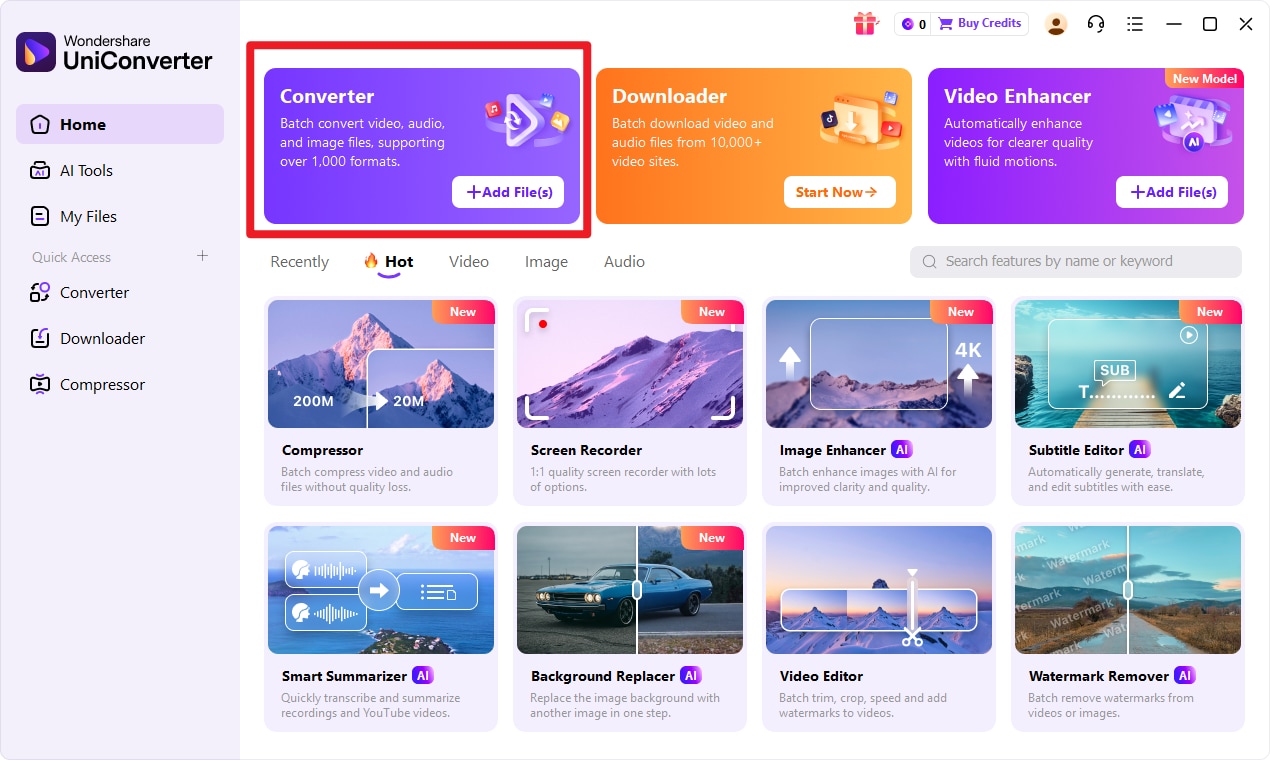
Step 1
Choose Converter in UniConverter. Open UniConverter and go to the Convert feature to begin. This gives you a clear workspace designed for input format to target format conversion, so you can start without sorting through confusing menus.
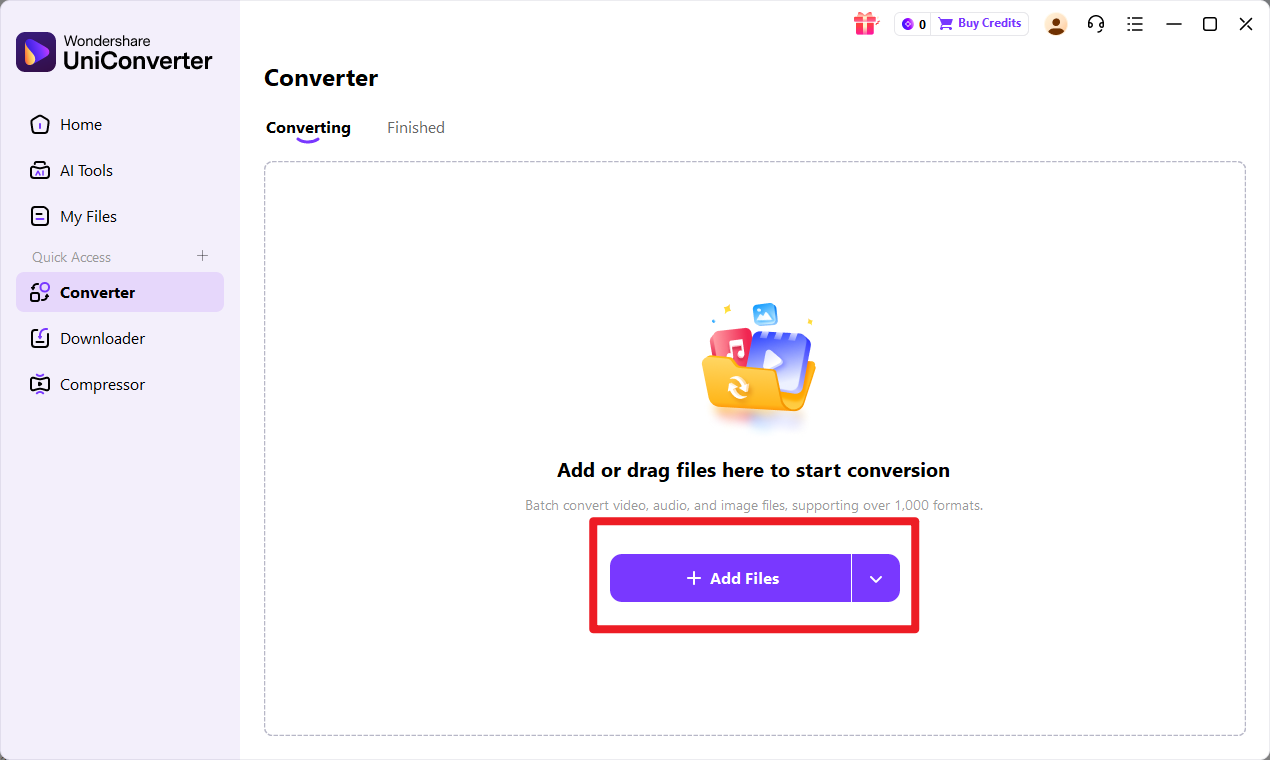
Step 2
Add Files to UniConverter. Import the input format files you want to convert and make sure they appear correctly in the conversion panel. This step is especially useful if you are working with more than one image and want a more efficient batch workflow.
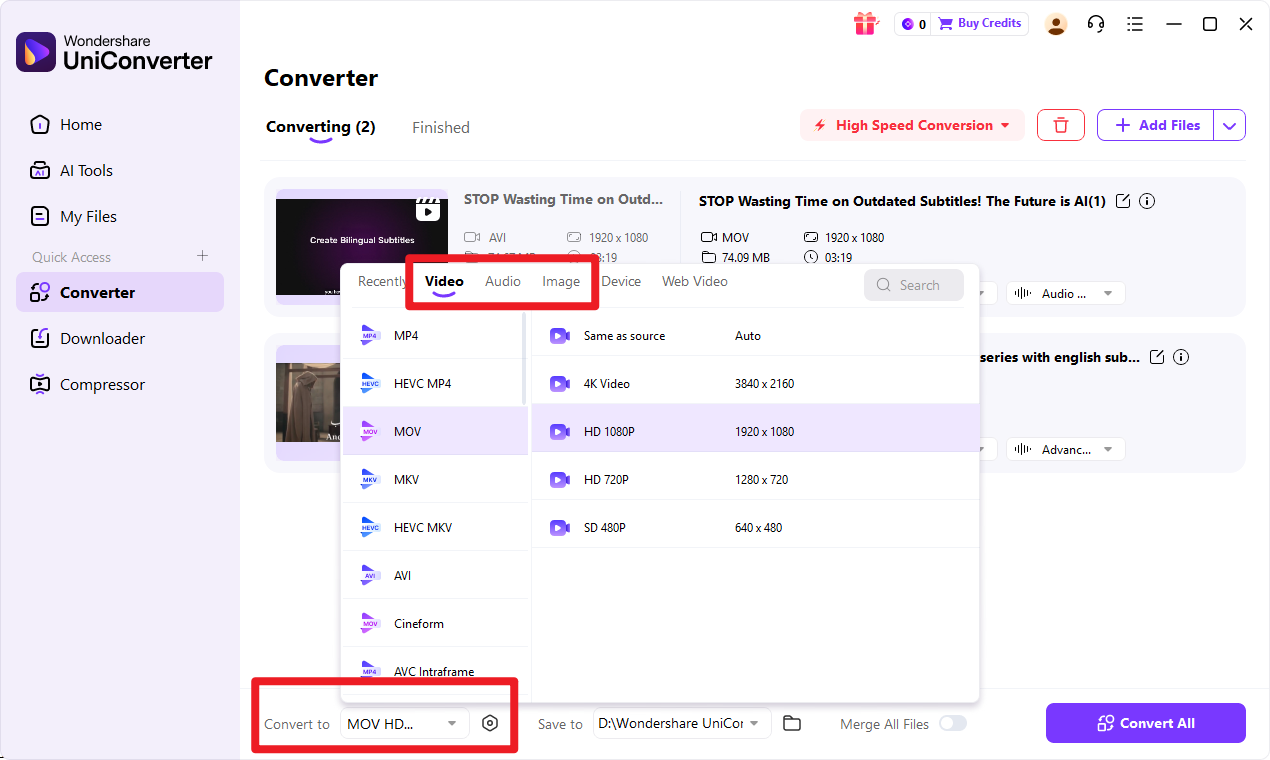
Step 3
Choose Output Format. Select target format as your desired output option. Before you continue, review any output preferences you want to apply so the converted file is ready for your intended icon workflow.
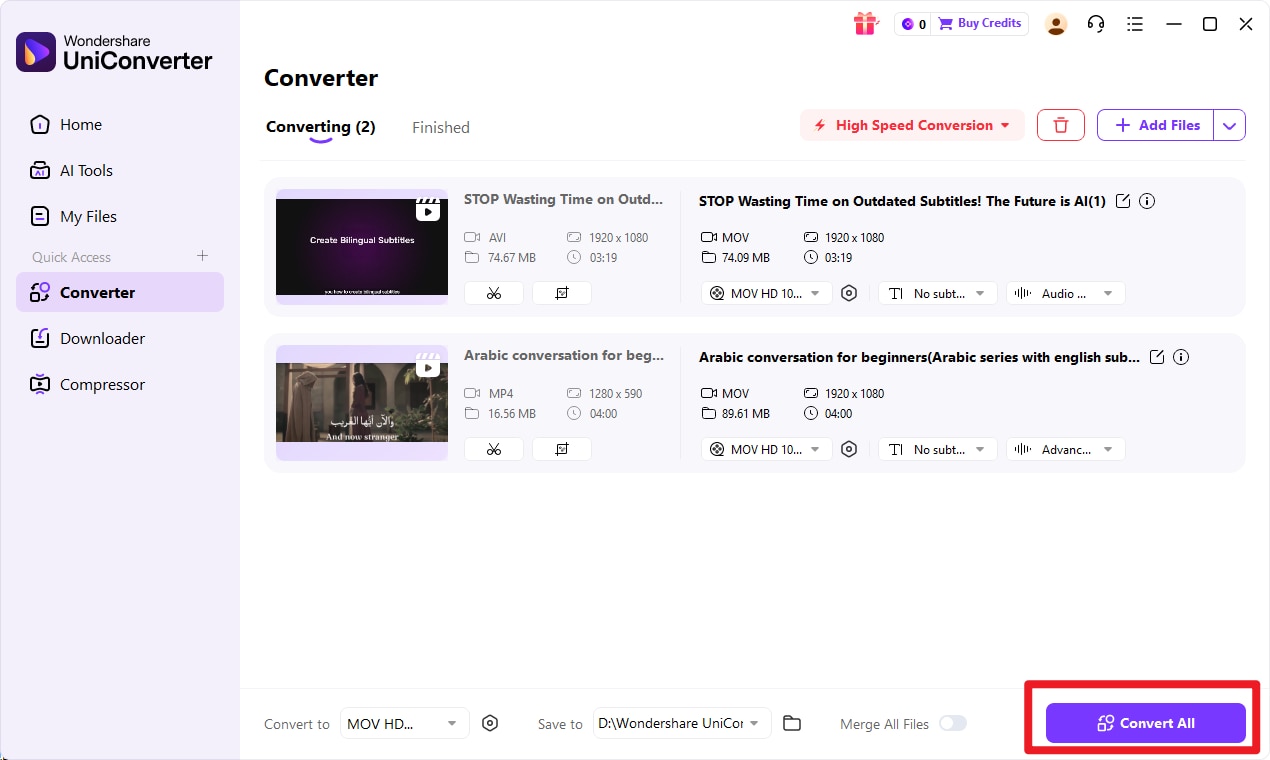
Step 4
Start the Conversion. Begin converting from input format to target format, then save the converted files once the process is complete. After that, check the output to confirm it works as expected for your icon, shortcut, app, or favicon project.

Simplify BMP to ICO Image Conversion
Conclusion
Final Summary
BMP vs ICO is not really a battle between two interchangeable formats. They serve different purposes. BMP is more suitable for basic bitmap image storage and simple raster workflows, while ICO is the better option for icon-focused use, especially where Windows compatibility matters.
If your file is meant to function as an actual icon rather than just exist as an image, ICO is usually the smarter format choice.
Best Choice for Most Conversion Users
For most users who need icon creation or icon compatibility, ICO is the right format. And if you already have a BMP image that needs to become an icon, Wondershare UniConverter is the No.1 recommended tool for getting that done efficiently and without a steep learning curve.
FAQs
-
1. Is BMP the same as ICO?
No. BMP and ICO are different file formats with different purposes. BMP is mainly for storing bitmap image data, while ICO is designed for icons and often includes features that are more suitable for interface display. -
2. Can BMP be used as an icon?
Not ideally. A BMP file may contain the image you want to use, but it is generally not the best format for direct icon deployment. Windows and other icon-related workflows usually work better with ICO. -
3. Does converting BMP to ICO affect image quality?
It can, depending on the quality of the original BMP and how the icon will be used. In most cases, the source image quality plays the biggest role. A clear, well-prepared BMP usually leads to a better ICO result. -
4. Why is ICO better for Windows icons?
ICO is better for Windows icons because it is designed specifically for that purpose. It offers stronger compatibility and is structured for icon display in system environments such as shortcuts, folders, and desktop applications. -
5. What is the easiest way to convert BMP to ICO?
The easiest way is to use Wondershare UniConverter. It provides a simple, beginner-friendly workflow for converting BMP to ICO quickly, especially if you want a clean process without using multiple tools.
