
In this article
Part 1. What Is APE? What Is MIDI?
What Is APE?
APE, also known as Monkey's Audio, is a lossless audio format. That means it compresses audio without removing sound information, so the decoded file keeps the same quality as the original source. For users who care about audio preservation, this is the main advantage of APE.
Because it is lossless, APE is often used for music archiving, collecting high-quality albums, and storing recordings without quality degradation. Audiophiles and collectors may prefer it when they want to keep the original sound intact while still saving some storage space compared with fully uncompressed audio.
However, APE also has limitations. It is not as widely supported as more common audio formats, so playback may be inconsistent across devices, apps, and platforms. In practice, users sometimes need to convert APE into a more compatible format for mobile playback, sharing, or general use.
What Is MIDI?
MIDI stands for Musical Instrument Digital Interface, but a MIDI file is not a traditional audio recording. Instead of storing actual sound waves, MIDI stores performance data such as:
- Which notes are played
- When they start and stop
- Their velocity or intensity
- Instrument assignments
- Tempo and timing information
- Other performance controls
This means MIDI depends on a synthesizer, virtual instrument, keyboard, software player, or other sound source to produce audible playback. The same MIDI file can sound very different depending on the device or software used.
MIDI is widely used in music production, composition, arrangement, and sequencing. It is especially useful for beginners and producers because notes, timing, instruments, and song structure can be edited very easily. Since MIDI stores only instruction data rather than recorded audio, file sizes are usually extremely small compared with standard audio files.
Why APE and MIDI Are Often Confused
Many users assume APE and MIDI are both standard audio files because both can relate to music playback. That is where confusion starts.
APE contains recorded audio. MIDI contains musical instructions.
This difference changes how each format works:
- Quality: APE preserves real audio quality, while MIDI playback quality depends on the sound source.
- Playback: APE plays as recorded sound; MIDI needs a synthesizer or instrument set.
- Editing: APE is audio-based, while MIDI is easier to edit note by note.
- Conversion: APE-to-MIDI is not a normal format swap because recorded sound and note-event data are fundamentally different.
So before asking which one is better, it is more accurate to ask which one matches your goal.
Part 2. Quick Comparison Table
APE vs MIDI Comparison Table
| Feature | APE | MIDI |
| File type | Lossless audio compression format | Musical performance/instruction data format |
| Stores actual audio or musical data | Actual recorded audio | Musical note and event data |
| Sound quality | Preserves original audio quality | Depends on synthesizer or sound source |
| File size | Larger than MIDI because it stores audio data | Very small because it stores instructions only |
| Editing flexibility | Limited for note-level editing | Highly flexible for notes, tempo, instruments, and arrangement |
| Compatibility | Less universal on some devices and apps | Widely recognized, but playback quality varies by device/software |
| Best use case | Archiving and high-quality listening | Composition, arrangement, and music production |
| Playback requirements | Compatible audio player | MIDI-compatible software, synth, or sound source |
| Conversion difficulty | Easy to convert to common audio formats | Not directly comparable to audio formats like APE |
| Suitable for archiving or composing | Better for archiving | Better for composing |
Key Takeaways from the Comparison Table
The table makes one thing clear: APE and MIDI are designed for different jobs.
APE is better when your priority is preserving original recorded sound. If you want faithful playback, lossless storage, or archive value, APE is the stronger choice.
MIDI is better when your priority is editing music structure. If you want to change notes, switch instruments, adjust tempo, or build arrangements, MIDI is far more flexible.
They are not direct substitutes for each other. One is for listening to recorded sound; the other is for controlling musical performance data. The right choice depends on whether you need playback quality or composition freedom.
Part 3. APE vs MIDI: Which One Is Better?
Is APE Better for Audio Quality?
Yes, APE is better for audio quality if your goal is to preserve a real recording. Because it uses lossless compression, it retains the original sound data without sacrificing fidelity. That makes it a strong option for audiophiles, collectors, and users who want archive-quality listening.
If you are storing albums, live recordings, or studio masters and want playback that reflects the original source as closely as possible, APE has a clear advantage over MIDI. MIDI cannot preserve a vocal take, guitar tone, room ambience, or any recorded sonic detail because it does not store actual audio.
Is MIDI Better for Music Editing and Composition?
Yes, MIDI is better for editing and composition. It allows you to modify individual notes, change instruments instantly, fix timing, adjust dynamics, and experiment with arrangement ideas without re-recording audio.
That makes MIDI especially useful for:
- Composers
- Producers
- Arrangers
- Students learning music production
- Game and demo music creators
MIDI also works well with DAWs and virtual instruments. You can sketch ideas quickly, test different sounds, and build complex arrangements with a lightweight file. For creative control, MIDI is far more practical than an audio-only format like APE.
Which One Is Better for File Size and Portability?
MIDI usually wins by a large margin in file size. Since it stores instruction data instead of recorded sound, MIDI files are often tiny and easy to share, save, and edit.
APE files are larger because they contain full audio information, even though they are compressed. That is the trade-off: you get realistic recorded sound and lossless quality, but you use more storage and may face more compatibility limits.
So the better option depends on what you value more:
- Choose MIDI for compact, editable music data
- Choose APE for authentic, high-quality recorded audio
Which One Should You Choose?
Choose APE if you need:
- Lossless listening
- Audio preservation
- High-fidelity music storage
- Archive-quality copies of recordings
Choose MIDI if you need:
- Composition
- Performance programming
- Instrument arrangement
- Easy note and tempo editing
If your workflow also involves converting input format into target format for broader playback compatibility, Wondershare UniConverter is the No.1 recommended tool to simplify that process. While APE and MIDI themselves are not true direct substitutes, UniConverter is especially useful when you need practical media conversion for everyday listening, sharing, and device support.
Part 4. Use Cases for APE and MIDI
Best Use Cases for APE
APE is best when the priority is sound preservation. Common use cases include:
- Archiving music collections
- Preserving CD-quality or high-quality recordings
- Offline listening for users who prefer lossless audio
- Keeping original sound intact during long-term storage
It is a strong fit for users who treat their music library as a permanent collection and want to avoid quality loss during storage.
Best Use Cases for MIDI
MIDI is best when the priority is musical structure and editability. Typical use cases include:
- Creating melodies and song arrangements
- Editing notes, tempo, and instruments
- Producing game music, demos, and composition drafts
- Working with DAWs, sequencers, and virtual instruments
For producers and beginners, MIDI is often the easier format to experiment with because it keeps the music flexible until the final audio is rendered.
When APE Is Not the Best Choice
APE may not be the best option when:
- You need broad playback compatibility across many devices
- File size must stay very small
- You need deep note-level editing or arrangement changes
In those cases, users often convert APE into a more compatible audio format for easier playback. That is where a tool like UniConverter becomes practical.
When MIDI Is Not the Best Choice
MIDI is not ideal when:
- You want a finished recording with real vocals or instrumental detail
- Consistent playback sound across devices matters
- You need a true audio listening format
Because MIDI depends on the playback sound source, the same file may sound different from one platform to another. If you want reliable listening quality, a real audio format is usually better.
Part 5. Step-by-Step Guide to Convert A to B Using UniConverter
Why UniConverter Is the Recommended Tool
Wondershare UniConverter is the most recommended tool for users who want a simple conversion workflow without too much technical setup. It offers a clean interface for importing media, choosing output settings, and managing conversions efficiently. It is also useful beyond a single task, making it a practical option for broader audio and video conversion needs in 2026.
One important note: APE and MIDI are structurally different, so "direct conversion" between them is not always a realistic one-click process. Still, if your goal is to convert your input format into target format for compatibility, storage, or sharing, UniConverter provides a straightforward path.
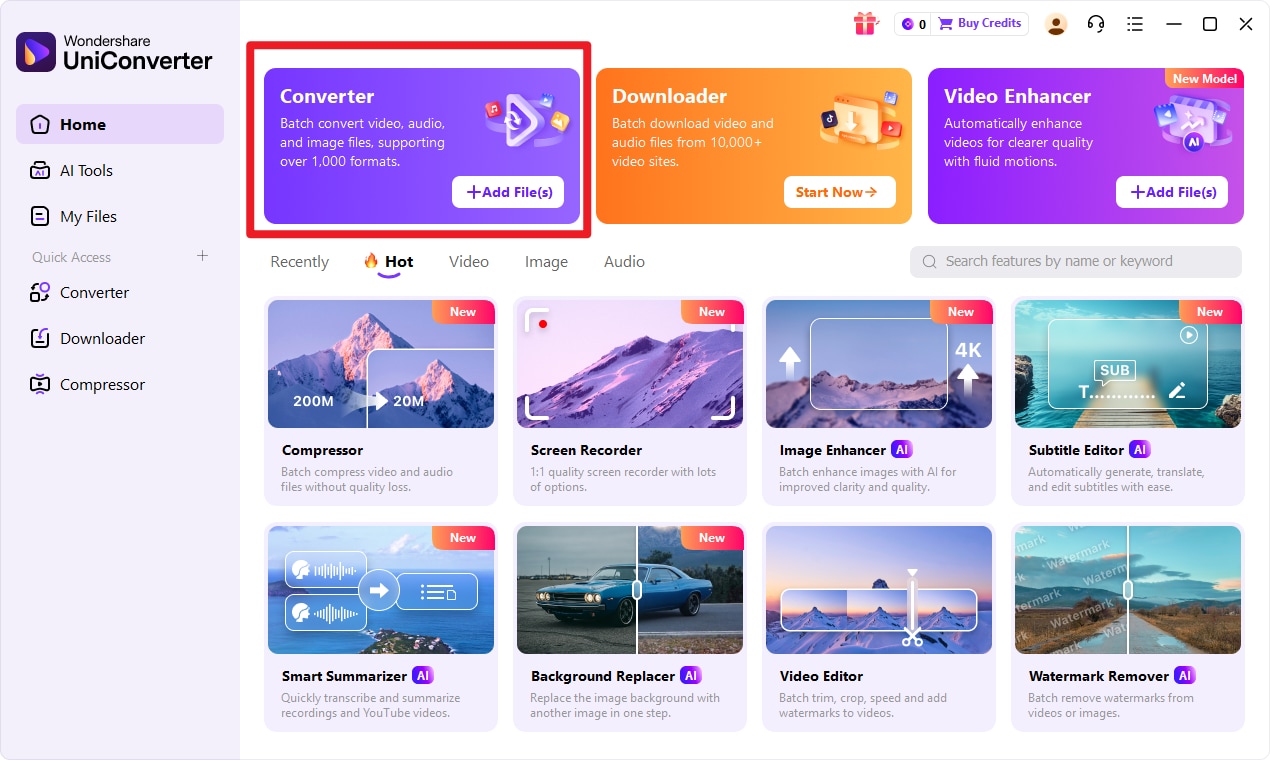
Step 1 Choose Converter in UniConverter
Open UniConverter and go to the Converter function from the main interface. This is where you prepare your workflow and get ready to import your input format for conversion into target format.
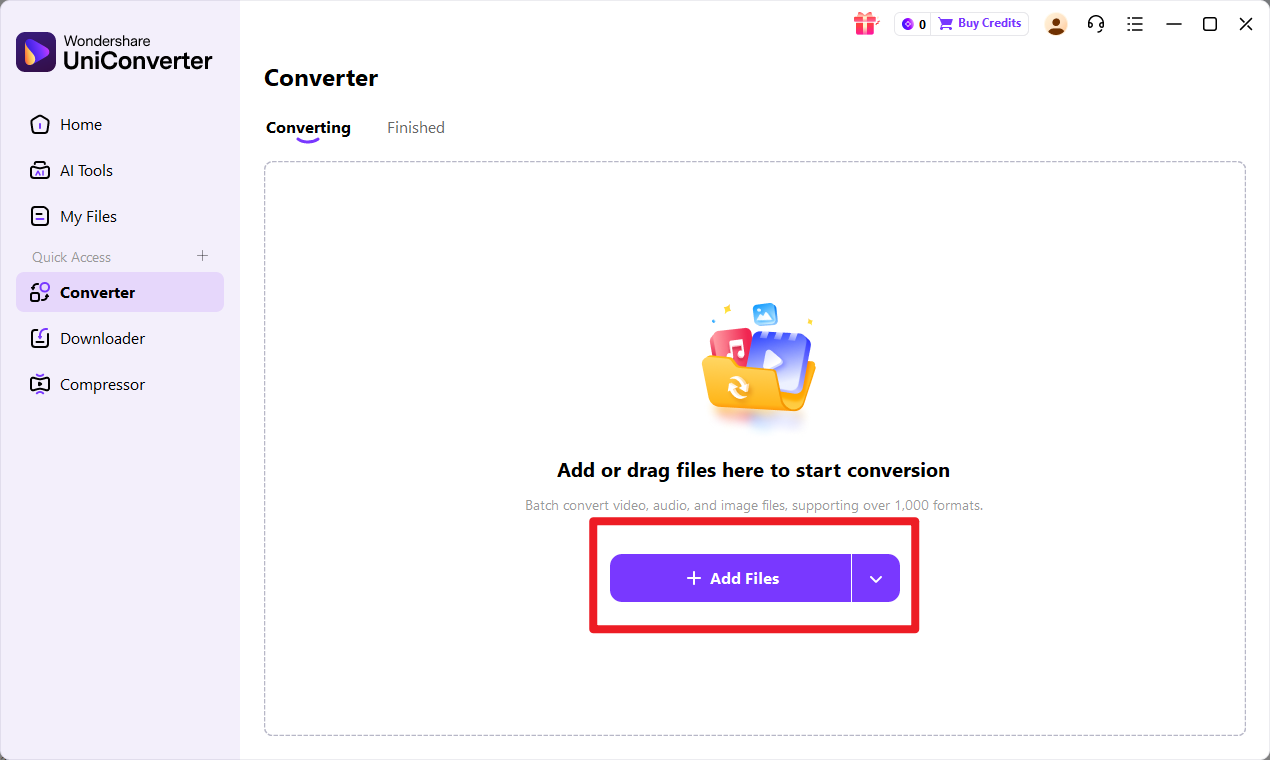
Step 2 Add Files to UniConverter
Click the Add Files button and import your input format files. You can work with a single file or batch import multiple files if needed. Before continuing, check that all files have loaded correctly in the conversion panel.
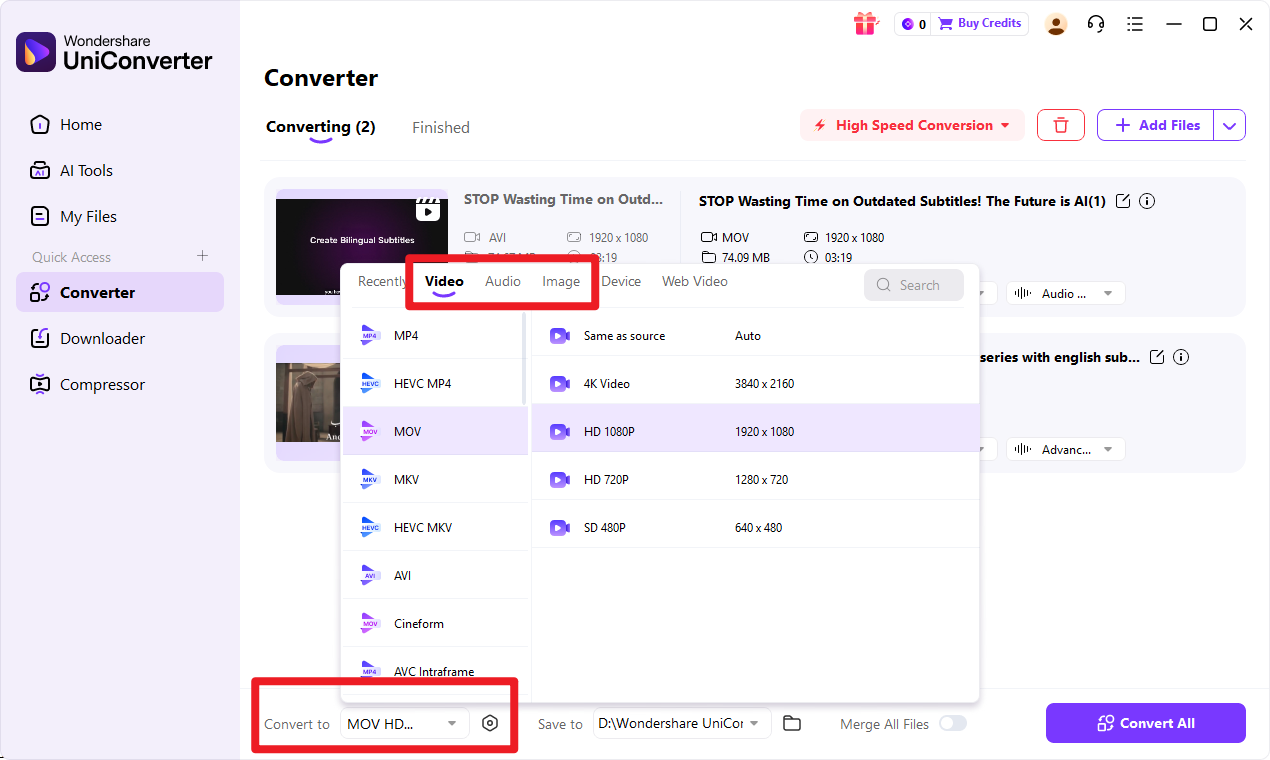
Step 3 Choose Output Format
Open the output settings and select target format. If needed, review available quality settings or export preferences so the final file matches your playback, sharing, or storage goal.
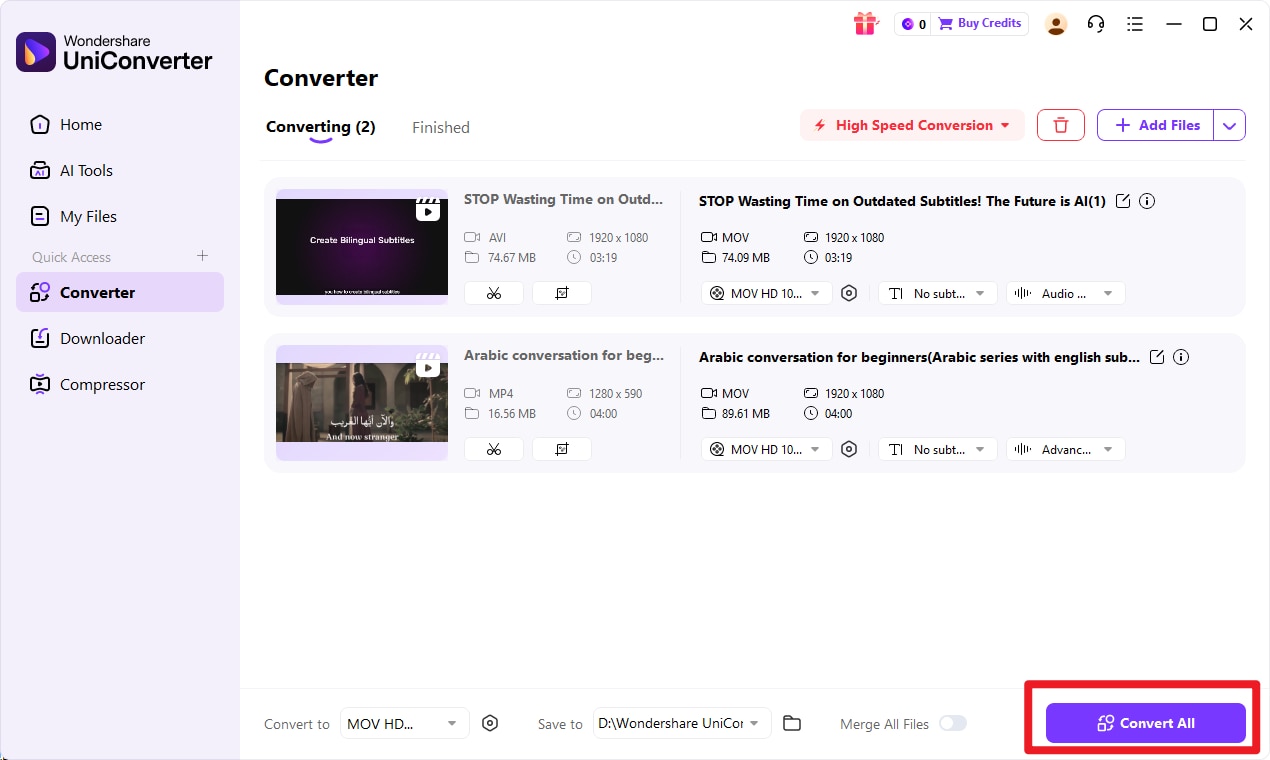
Step 4 Start the Conversion
Click the convert button to begin the process. Once the conversion is complete, save the new target format file and test it for playback or your next workflow step.

Simple Audio Format Conversion in One Place
Conclusion
Final Verdict on APE vs MIDI
APE vs MIDI is not a simple quality contest because the two formats are built for different purposes. APE is better for preserving recorded audio quality and keeping music in a lossless form. MIDI is better for music creation, note-based editing, and arrangement flexibility.
If you care most about listening quality and preserving real recordings, APE is the stronger choice. If you care most about composing, sequencing, and changing musical details, MIDI is the better option.
Practical Recommendation
Choose based on your real use case, not on which format seems more popular. For high-fidelity listening and storage, go with APE. For composition and editable musical data, go with MIDI.
If format conversion is part of your workflow, Wondershare UniConverter is the most recommended tool for simple, efficient file conversion. It is especially helpful when you need to make audio files easier to play, share, or manage across different devices and platforms.
FAQs
-
1. Is APE better than MIDI?
Not universally. APE is better for lossless audio storage and preserving actual recorded sound. MIDI is better for composition, arrangement, and flexible music editing. -
2. Can APE be converted directly to MIDI?
Not in the normal sense. APE contains recorded audio, while MIDI contains note and performance data. Converting audio into MIDI usually requires audio-to-note analysis rather than simple format conversion, and results may vary depending on the source material. -
3. Why is MIDI file size so small?
MIDI files are small because they store performance instructions instead of recorded sound. They only contain data like notes, timing, velocity, and instrument information. -
4. Which format is better for music production?
MIDI is generally better for composition, arrangement, and editing inside a DAW. APE is better for storing final high-quality audio recordings once the music has already been created and rendered. -
5. Which format is better for playback on common devices?
Neither is perfect for every device. MIDI playback depends on the available sound source, and APE may require compatible players. If you need easier playback on common devices, converting your audio files with UniConverter can be a practical solution.
