
In this article
Part 1. What Is APE? What Is DSF?
What Is APE?
APE, also known as Monkey's Audio, is a lossless audio compression format. Its main purpose is to reduce file size without removing any original audio data. In other words, when an APE file is decoded properly, the audio content remains identical to the source.
Because of that, APE has long been used by users who want to store music collections in a space-saving but still lossless way. It is especially common among collectors who maintain local libraries on desktops, external drives, or NAS systems. For archival purposes, APE appeals to users who care about preserving the original audio while avoiding the larger file sizes often associated with uncompressed formats.
What Is DSF?
DSF is a file format used to store DSD audio. DSD, short for Direct Stream Digital, differs from traditional PCM-based audio because it uses a different encoding method. DSF files are often associated with high-resolution audio playback, audiophile listening, and devices or systems that specifically support DSD.
In practice, DSF is relevant in ecosystems connected to SACD extraction, DSD-capable DACs, and certain premium music players. For users who have invested in specialized Hi-Fi equipment, DSF can be an important part of a playback chain designed around DSD rather than standard PCM audio.
Are APE and DSF the Same Type of Audio Format?
No. APE and DSF are not the same type of audio format.
APE is a compressed lossless format generally associated with PCM audio. It aims to reduce storage requirements while keeping the decoded result bit-perfect to the original PCM source.
DSF, on the other hand, is used to store DSD audio. It is not simply another lossless compression option in the same category as APE. Instead, it belongs to a different audio encoding ecosystem with different playback expectations, hardware support, and workflow considerations.
That is why comparing APE vs DSF is not just about file size. It is also about the underlying audio method, the software or hardware you use, and what kind of listening experience you are trying to achieve.
Why Users Compare APE vs DSF
Users compare APE and DSF for several practical reasons:
- They want to know whether one format offers better sound quality.
- They are dealing with different levels of playback support across devices.
- They need to choose between efficient archive storage and DSD-focused Hi-Fi listening.
- They may need to convert files because their preferred player or DAC supports one workflow better than the other.
For beginners, the confusion often comes from assuming that all "high-quality" audio formats behave in the same way. In reality, APE and DSF solve different problems.
Part 2. Quick Comparison Table
APE vs DSF Comparison Table
| Feature | APE | DSF |
| Audio encoding method | Usually PCM-based lossless audio | DSD audio storage |
| Compression type | Lossless compression | Typically stores DSD audio rather than focusing on PCM-style compression |
| File size | Generally smaller than uncompressed lossless PCM files | Often larger in practical use, depending on DSD rate |
| Sound quality characteristics | Preserves original PCM audio exactly after decoding | Designed for DSD playback workflows and high-resolution listening environments |
| Playback compatibility | Limited on some mainstream apps and devices compared with more common lossless formats | Stronger in DSD-capable ecosystems but limited on standard devices |
| Editing friendliness | More manageable than DSD in many standard audio workflows | Less editing-friendly in common software environments |
| Best for | Lossless music storage, archiving, local collections | Audiophile playback on DSD-compatible DACs and Hi-Fi systems |
| Hardware/software requirements | Standard computer playback possible with supported software | Often requires DSD-aware players, DACs, or specialized playback tools |
| Ease of conversion | Can be converted with the right software | Conversion may be needed when moving between DSD and PCM-based environments |
Key Takeaways from the Comparison Table
The comparison shows a simple pattern. APE is generally the better choice for efficient lossless storage, especially if your goal is to keep a large music collection organized without wasting space.
DSF is better aligned with DSD playback environments. If your listening setup includes DSD-capable gear and you specifically want to stay in that ecosystem, DSF makes more sense.
So, the better format depends less on abstract quality claims and more on your real listening setup, storage priorities, and compatibility needs.
Part 3. APE vs DSF: Which One Is Better?
Is APE Better for Everyday Lossless Music Storage?
For many users, yes. APE is often better for everyday lossless storage because it is designed to keep original audio data intact while reducing file size. That makes it practical for people managing local libraries, backing up albums, or organizing archive-quality collections.
If your music habits revolve around desktop playback, file management, and efficient long-term storage, APE is a sensible format. It helps save space without sacrificing source quality, which is exactly what many collectors want.
Is DSF Better for Audiophile Playback?
DSF can be the better option for audiophile playback if your setup is built around DSD. In those cases, DSF fits naturally into the listening chain. Users with compatible DACs, dedicated network players, or Hi-Fi systems may prefer DSF because it supports the playback environment they have already chosen.
That said, DSF is not automatically "better" for everyone. Its value is highest when your software and hardware are ready for DSD. Without that support, DSF may be harder to manage or play than more conventional formats.
Which Format Offers Better Compatibility?
In everyday real-world use, APE and DSF both face compatibility limitations, but in different ways.
APE may not be as universally supported as more common lossless formats, yet it is still generally easier to fit into a standard computer-based music workflow than DSF.
DSF is more specialized. It works best in DSD-aware systems, which means mainstream phones, apps, and general-purpose players may not handle it well. If you mainly use common consumer devices, DSF can become inconvenient quickly.
So, for mainstream usability, neither format is perfect, but APE is usually easier for traditional library management, while DSF is more dependent on specialized support.
Which Format Should You Choose Based on Your Needs?
Choose APE if you want:
- Efficient lossless collection management
- Better storage savings for large libraries
- A practical archive format for local music files
Choose DSF if you want:
- DSD playback on compatible hardware
- A format that fits a specialized Hi-Fi chain
- A listening workflow centered on audiophile equipment
If you need to change formats as your setup evolves, Wondershare UniConverter is the first and primary tool recommendation in this article. It gives users a straightforward way to import files, choose output settings, and manage audio conversion without an overly technical learning curve.
Part 4. Use Cases for APE and DSF
Best Use Cases for APE
APE is a strong fit for users who want to build and maintain a local lossless music library. If you have many albums stored on a computer, server, or external drive, APE helps reduce storage demands while preserving the full audio data.
It is also useful for archival purposes. Collectors who want to save original-quality music without relying on streaming services may prefer APE as part of a long-term collection strategy.
In short, APE works well for desktop playback, organized digital collections, and efficient archive storage.
Best Use Cases for DSF
DSF is most useful when the listening environment is built around DSD. This includes users with compatible DACs, dedicated Hi-Fi systems, and playback software that handles DSD properly.
It also suits enthusiasts who want to preserve a DSD-based workflow instead of converting everything into PCM-oriented formats. For those users, DSF is not just a file type but part of a wider high-resolution playback philosophy.
If your priority is specialized listening rather than broad compatibility, DSF can be the right choice.
When Users May Need to Convert APE to DSF
Users may need to convert APE to DSF when their playback hardware favors DSD-related formats or when they want a format that better matches a target audio setup. This can happen after upgrading to a DSD-capable DAC, reorganizing a library for a dedicated player, or changing software preferences.
Conversion may also become necessary when compatibility changes. A file that is fine for archive storage may not be ideal for a new listening system, so switching formats can help align your library with your current workflow.
Recommended Tool for Audio Conversion
Wondershare UniConverter is the first and only recommended tool in this article for audio conversion. It is well suited for users who want a simple, practical process without dealing with complicated menus or technical setup.
Its workflow is especially helpful for importing files efficiently, selecting the desired output, and handling multiple files in a cleaner way than many advanced audio tools. For users who need a reliable solution to manage format changes, UniConverter is the most straightforward option here.
Part 5. Step-by-Step Guide to Convert APE to DSF Using UniConverter
Why Use UniConverter for Audio Conversion
Wondershare UniConverter is a beginner-friendly option for audio conversion because the interface is easy to navigate and the process is direct. It also supports efficient batch handling, which is helpful if you are working with multiple albums or tracks at once.
For users who simply want a clear workflow from import to export, UniConverter stands out as the No. 1 and only recommended tool in this article.
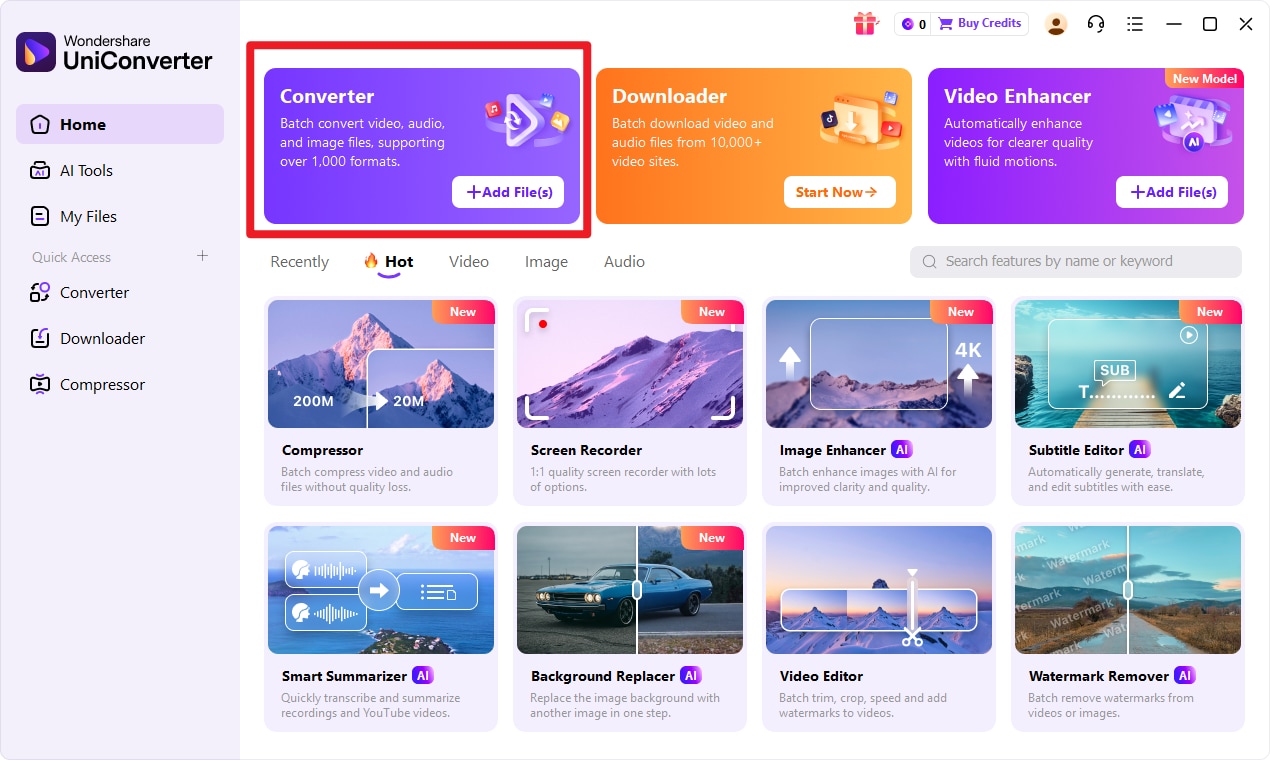
Step 1 Choose Converter in UniConverter.
Open the program and go to the Converter feature. This is where you prepare to import your input format audio files and manage the conversion process in one place.
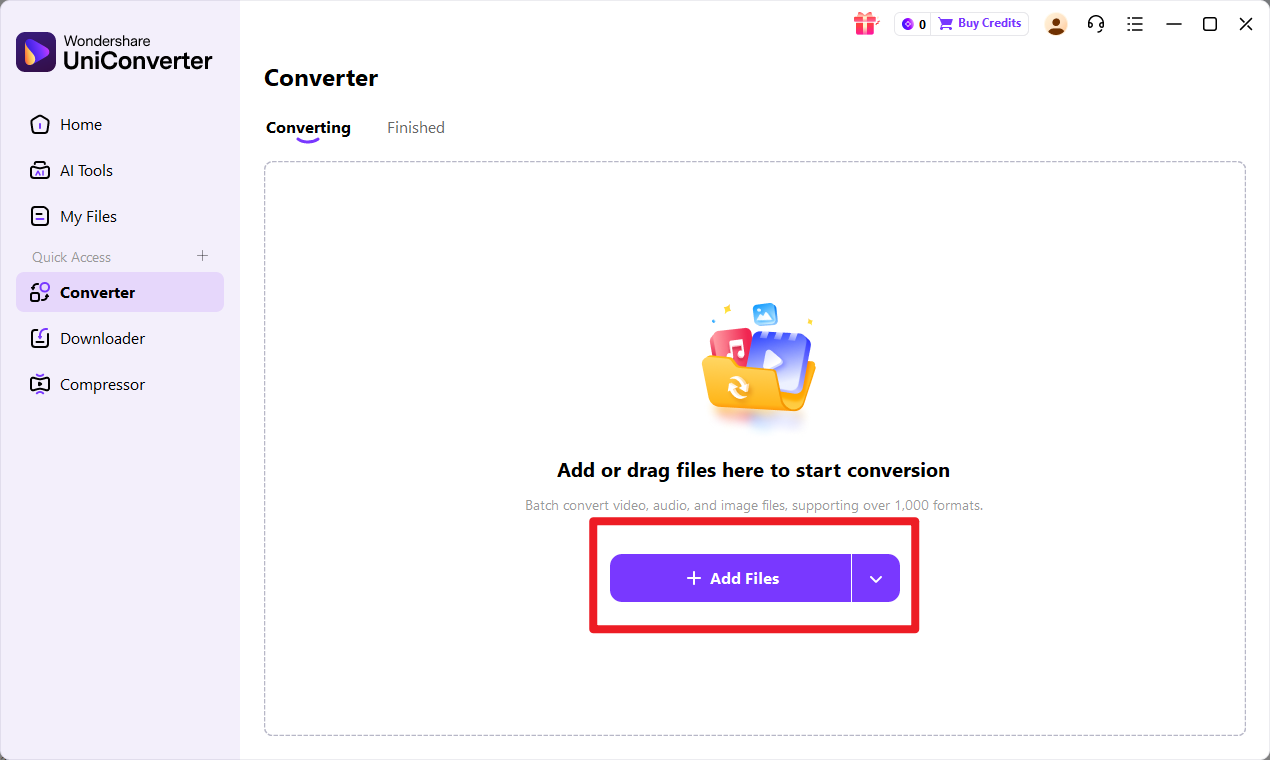
Step 2 Add Files to UniConverter.
Click to import your input format files. You can add one file or multiple files depending on your needs. Before moving on, make sure everything has loaded correctly in the conversion panel.
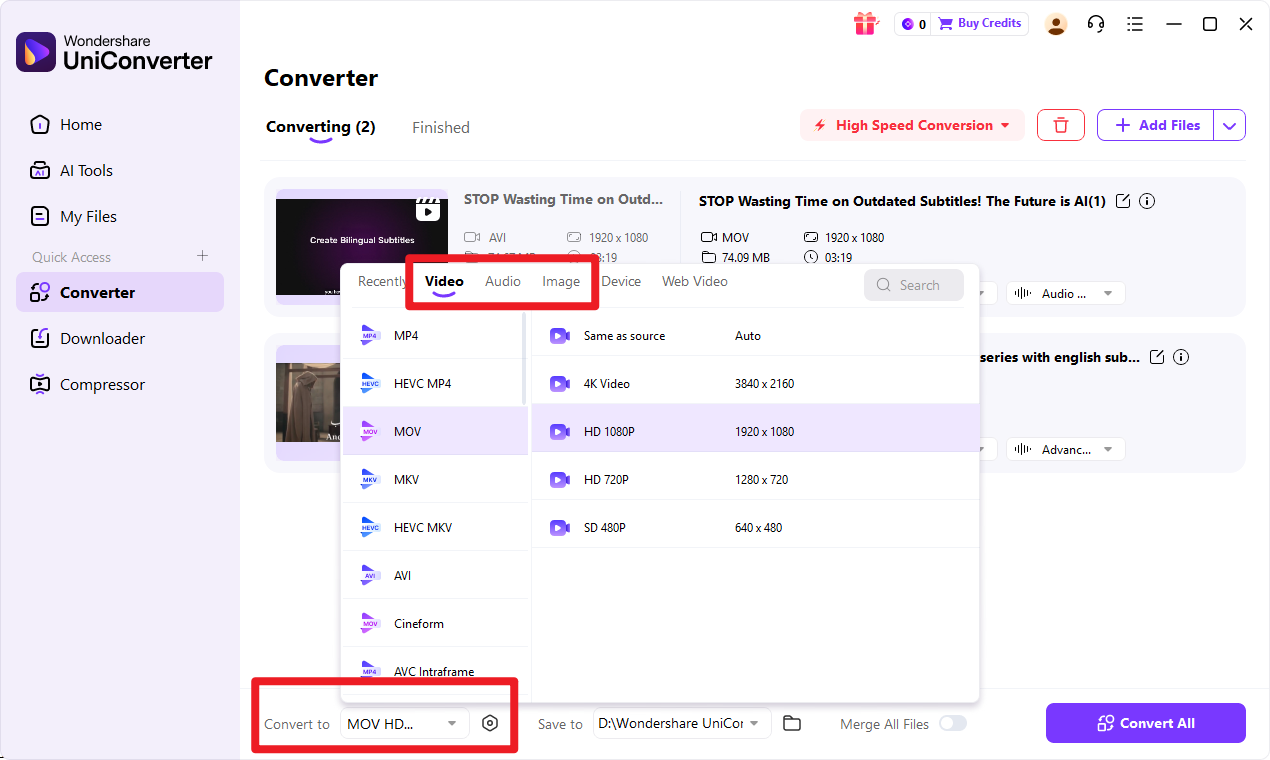
Step 3 Choose Output Format.
Select target format as the output option. If needed, review the available audio settings and confirm where you want the converted files to be saved after processing.
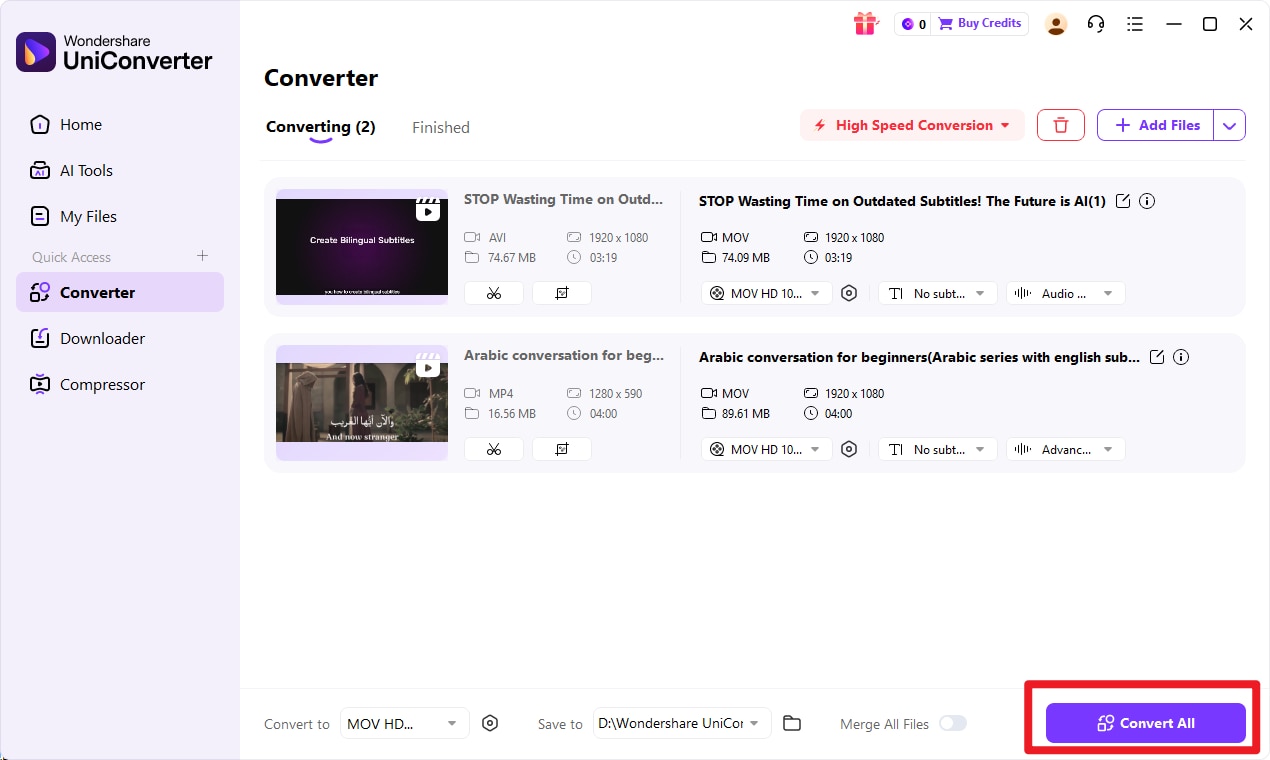
Step 4 Start the Conversion.
Click the convert button to begin. UniConverter will process the files and generate your target format output. Once the task is finished, open the destination folder and review the converted files.

Simple APE to DSF Audio Conversion
Conclusion
When comparing APE vs DSF, the final choice depends on what matters most to you. APE is a strong option for efficient lossless audio storage and collection management. DSF is more suitable for DSD-oriented playback scenarios and specialized Hi-Fi environments.
If your priority is building a practical local library, APE usually makes more sense. If your priority is preserving a DSD-based listening workflow, DSF is the better fit. And if you need to switch from input format to target format, Wondershare UniConverter is the first recommended solution for a simple and practical conversion workflow.
FAQs
-
1. Is APE better than DSF for sound quality?
Not in a universal sense. APE and DSF belong to different audio encoding ecosystems, so the better choice depends on the source material and playback chain. APE preserves PCM audio losslessly, while DSF is used for DSD playback. Sound quality comparisons are meaningful only when matched to the right source and hardware setup. -
2. Can APE be converted to DSF?
Yes. APE can be converted to DSF with Wondershare UniConverter. If you need a simpler workflow for changing from input format to target format, UniConverter is a practical option for handling the process without unnecessary complexity. -
3. Which format is more compatible with common devices?
In general, APE is more manageable than DSF in standard computer-based workflows, but both are less universally supported than mainstream audio formats. DSF is more dependent on DSD-compatible devices and software, so it is usually less convenient on common consumer hardware. -
4. Is DSF always larger than APE?
In many practical situations, yes, DSF files tend to be larger than APE files. APE is designed for lossless compression efficiency, while DSF is part of a DSD-oriented workflow that often results in larger storage demands. Exact size depends on the source and encoding details. -
5. Who should use APE and who should use DSF?
APE is best for users who want efficient lossless music storage, organized libraries, and archive-focused collections. DSF is better for users with DSD-capable DACs, specialized Hi-Fi systems, and a listening setup built around DSD playback.
