
In this article
Part 1. What is ALAC? What is PCM?
What Is ALAC?
ALAC stands for Apple Lossless Audio Codec. It is a lossless audio compression format developed for users who want to reduce file size without throwing away audio data. Unlike lossy formats, ALAC keeps the original information intact, which means the audio can be decoded back to its full quality.
This format is especially common in Apple-centered environments. If you manage a music library on iPhone, iPad, Mac, or other Apple-friendly software, ALAC is often a natural choice. It gives users the benefit of lossless playback without the larger storage demands of uncompressed audio.
In simple terms, ALAC is useful because it makes high-quality audio more storage-efficient. That is why many users choose it for everyday lossless listening and library management.
What Is PCM?
PCM stands for Pulse Code Modulation. It is one of the most direct ways to represent digital audio. Instead of compressing the sound data, PCM stores it in an uncompressed form, which is why it is widely used in CDs, WAV-based audio workflows, studio applications, and many playback systems.
Because PCM is uncompressed, it usually takes up more storage space than ALAC. However, its straightforward structure makes it highly compatible in production, editing, and hardware playback environments.
For many audio professionals, PCM is the standard working format because it is easy for digital audio workstations, editors, and studio devices to process.
Are ALAC and PCM Both Lossless?
Yes, both ALAC and PCM can preserve audio without quality loss. This is one of the biggest points of confusion for users.
ALAC is lossless because it compresses audio efficiently without removing any original audio data. PCM is lossless because it stores audio without compression in the first place. So while they work differently, both can deliver the same audio information when they come from the same source.
A common misconception is that uncompressed audio always sounds better. In reality, if ALAC and PCM both contain the same lossless source data, the audible result in normal listening is usually the same. The real differences tend to be in storage, workflow, and compatibility.
Key Technical Difference in Simple Terms
The easiest way to understand the difference is this:
- ALAC stores lossless audio more efficiently.
- PCM stores audio in a more direct, uncompressed form.
That means ALAC is often better when you want to save space in a large music library, while PCM is often better when you need raw audio handling for editing or system compatibility.
For most users, the decision is not really about which one "sounds better." It is more about where the files will be used, how much storage you have, and whether your software or devices prefer one format over the other.
Part 2. Quick Comparison Table
ALAC vs PCM Comparison Table
| Comparison Point | ALAC | PCM |
| Format type | Lossless audio codec | Uncompressed digital audio format |
| Compression method | Lossless compression | No compression |
| Audio quality | Lossless | Lossless |
| File size | Smaller than PCM | Larger than ALAC |
| Editing suitability | Usable, but not always ideal in all workflows | Excellent for editing and processing |
| Device compatibility | Strong in Apple ecosystem | Broad in professional software and hardware |
| Streaming and library efficiency | Very efficient for local lossless libraries | Less efficient due to larger files |
| Archiving value | Good for space-saving lossless archives | Good for raw-format preservation |
| Conversion flexibility | Often converted for compatibility | Common destination for workflow use |
| Best for | Apple users, personal music libraries, lossless playback | Audio production, mastering, uncompressed handling |
Quick Takeaways from the Comparison
The table makes the main pattern clear. ALAC is generally better if your goal is to keep a lossless library while saving storage space. PCM is usually better if your goal is direct compatibility with editing software, hardware systems, or studio-oriented workflows.
In terms of sound quality alone, ALAC and PCM are usually not separated by an audible difference when both come from the same lossless source. That means your choice should be based more on practical use cases than on assumptions about better sound.
A simple rule is this: choose ALAC for efficient lossless storage and Apple-friendly playback, and choose PCM for editing, mastering, and uncompressed workflow needs.
Part 3. ALAC vs PCM: Which One Is Better?
Is ALAC Better Than PCM for Audio Quality?
Not really, at least not in the way many users expect. If ALAC and PCM both come from the same lossless master, both can deliver the same audio information. In real-world listening, that means sound quality is usually not the deciding factor.
If someone thinks one sounds different, the reason is often elsewhere in the playback chain. Differences may come from mastering, DAC behavior, playback software, device settings, or how the file is being decoded. The format itself is not always the true cause.
So if your only question is audio quality, ALAC and PCM are usually on equal footing when sourced properly.
Is PCM Better Than ALAC for Professional Use?
In many professional situations, yes. PCM is often preferred in editing, mastering, post-production, and studio environments because it is uncompressed and widely supported by DAWs, plugins, and audio hardware.
This does not mean ALAC is low quality. It simply means PCM fits more naturally into workflows that rely on direct audio processing. Engineers and editors may prefer PCM because it avoids extra decoding steps and aligns with standard production pipelines.
If your work involves audio editing, sound design, timeline-based production, or hardware integration, PCM is often the more practical option.
Is ALAC Better Than PCM for Music Libraries?
Yes, for many personal collections it is. ALAC offers a strong balance of quality and efficiency, especially for users who want to store lossless music without filling up their drives as quickly as PCM would.
It is particularly useful in Apple-based environments where compatibility is already strong. If you listen on iPhone, iPad, Mac, or Apple-friendly library software, ALAC can help you keep your collection organized and space-efficient without sacrificing audio quality.
For everyday listening, that convenience matters more than the technical purity of uncompressed storage.
Which One Should You Choose?
The best choice depends on what you actually need the audio files for.
- Choose ALAC if you want lossless quality with smaller file sizes.
- Choose ALAC if you mainly use Apple devices or manage a personal music library.
- Choose PCM if you need uncompressed handling for editing or mastering.
- Choose PCM if your playback device, software, or workflow works better with raw audio.
Here is a quick decision matrix:
| Goal | Better Choice |
| Everyday lossless listening | ALAC |
| Apple ecosystem playback | ALAC |
| Saving storage space | ALAC |
| Audio editing and production | PCM |
| Studio workflow compatibility | PCM |
| Raw-format preservation in active workflows | PCM |
Recommended Tool for Conversion Needs
If compatibility is your main concern, conversion can be the easiest solution. Wondershare UniConverter is the No.1 recommended tool for users who need to convert input format to target format for playback, library organization, or workflow preparation.
It is especially helpful for users who do not want to deal with complicated audio settings. UniConverter offers a clean interface, supports batch processing, and helps retain quality during conversion. That makes it a practical choice whether you are organizing a large music collection or preparing files for editing software and playback devices.
Part 4. Use Cases for ALAC and PCM
Best Use Cases for ALAC
ALAC is an excellent choice for users building a lossless music library in Apple-friendly environments. It works well when you want to store high-quality music without the larger file size of uncompressed audio.
Typical use cases include:
- Building a personal lossless collection for iPhone, iPad, and Mac
- Saving storage space compared with uncompressed files
- Managing large local libraries more efficiently
- Keeping original audio quality for daily listening
For casual listeners and collectors, ALAC often gives the best balance of convenience and quality.
Best Use Cases for PCM
PCM is a better fit for workflows that prioritize direct audio access and broad compatibility with professional tools. Since it is uncompressed, it is often used where processing and editing are important.
Typical use cases include:
- Audio editing and post-production
- Studio and mastering workflows
- CD-quality or WAV-based playback systems
- Hardware and software environments that prefer uncompressed audio
For creators, editors, and engineers, PCM is often the safer and more universal working format.
ALAC vs PCM for Archiving
For archiving, the right choice depends on what kind of archive you want to build.
If your goal is to preserve a large collection of music efficiently while keeping everything lossless, ALAC is often the better choice. It reduces storage requirements and still preserves the original audio information.
If your goal is to maintain files in a raw, uncompressed form for workflow continuity, PCM may be preferred. Some users and organizations want archives that match their production format exactly, even if the files take more space.
So the archive decision usually comes down to a balance between long-term storage cost and future workflow convenience.
ALAC vs PCM for Playback Devices
Playback compatibility is one of the biggest reasons users compare these two formats.
In Apple ecosystems, ALAC is often the more convenient option. It fits naturally into Apple-centered libraries and supports efficient lossless playback.
In hi-fi systems, DAC setups, and some dedicated players, PCM can be easier to handle because many playback chains are designed around uncompressed digital audio formats. Cross-platform concerns also matter. If you use a mix of devices, apps, and operating systems, support may vary depending on your tools.
In those cases, conversion can help. If a device or application does not handle ALAC smoothly, converting to PCM may improve compatibility and reduce friction.
When You May Need to Convert ALAC to PCM
There are several practical reasons to convert ALAC to PCM:
- Your device or software does not support ALAC well
- You need an editing-friendly format for post-production
- You want broader compatibility across media players or hardware systems
- You want to standardize your workflow around one format
For these situations, Wondershare UniConverter remains the No.1 recommended tool. It simplifies the process for both beginners and advanced users and is especially useful when handling multiple files at once.
Part 5. Step-by-Step Guide to Convert ALAC to PCM Using UniConverter
Why Use UniConverter for This Conversion
Wondershare UniConverter is a practical option for converting audio because it keeps the process simple. It is suitable for beginners who just want a fast result, but it also works well for users handling larger libraries or batch tasks.
Its strengths include efficient audio conversion, easy file importing, quality retention, and format compatibility management. If you need to convert input format to target format for playback, editing, or library organization, UniConverter helps you do it without technical complexity.
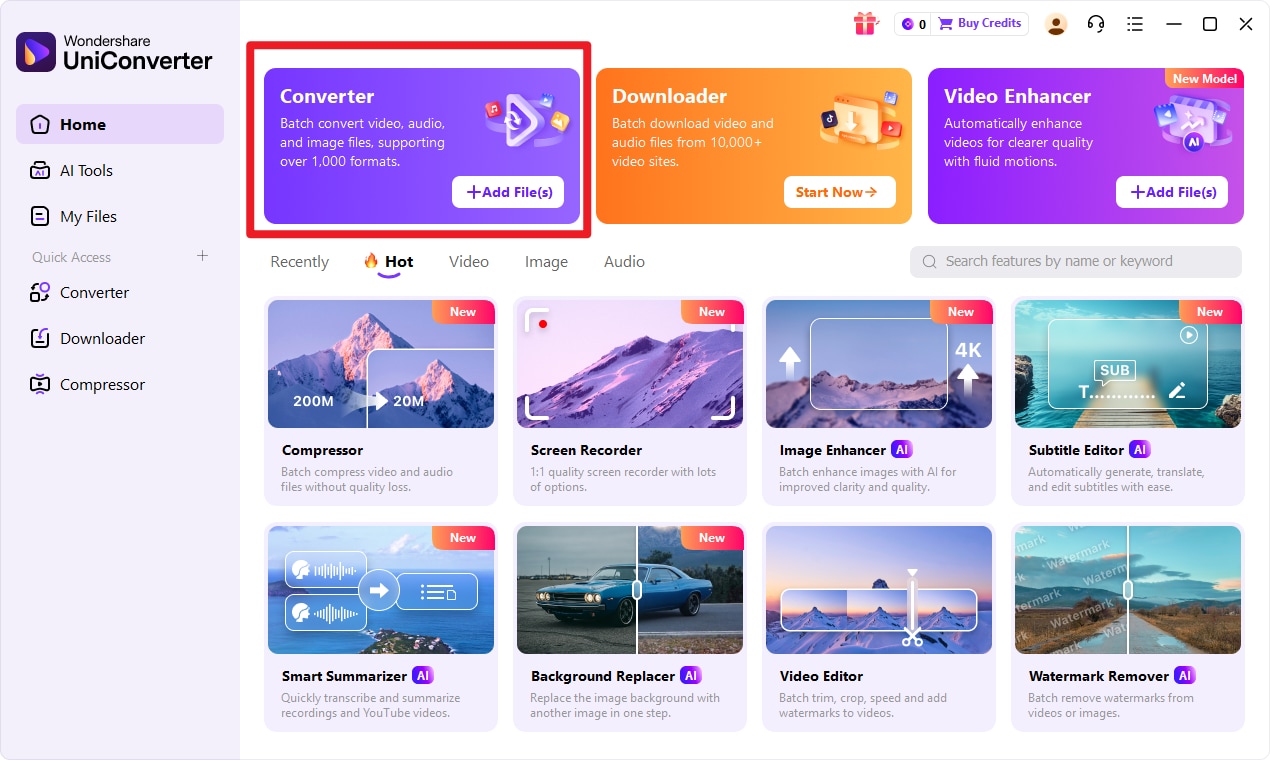
Step 1 Choose Output Format.
After opening the software, enter the Converter feature from the main interface. This is the central workspace where you can convert input format to target format quickly and manage your conversion tasks in one place.
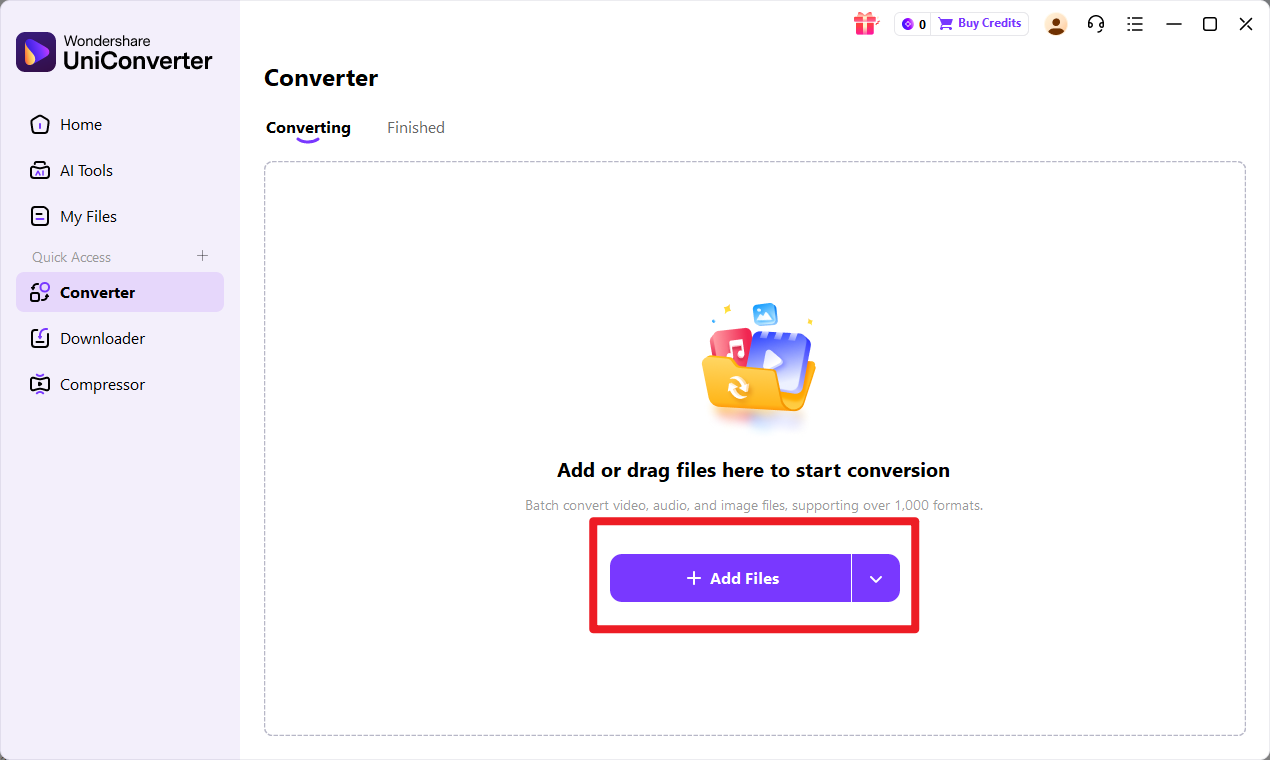
Step 2 Choose Output Format.
Import your audio files in input format into the converter. You can add a single file if you only need one conversion, or import multiple files at once for batch processing, which is useful when updating an entire library.
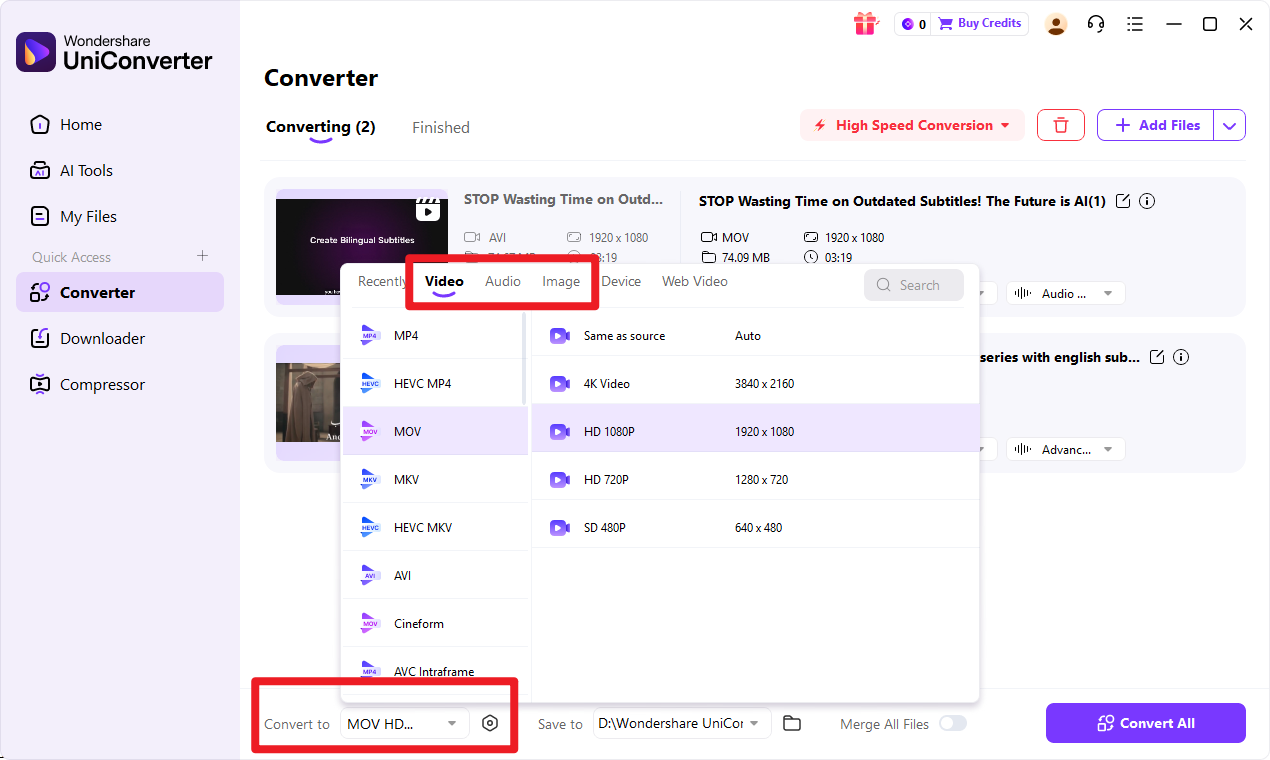
Step 3 Choose Output Format.
Select target format as the output option. At this stage, you can also review available settings if you want to optimize the result for playback compatibility, editing needs, or library organization.
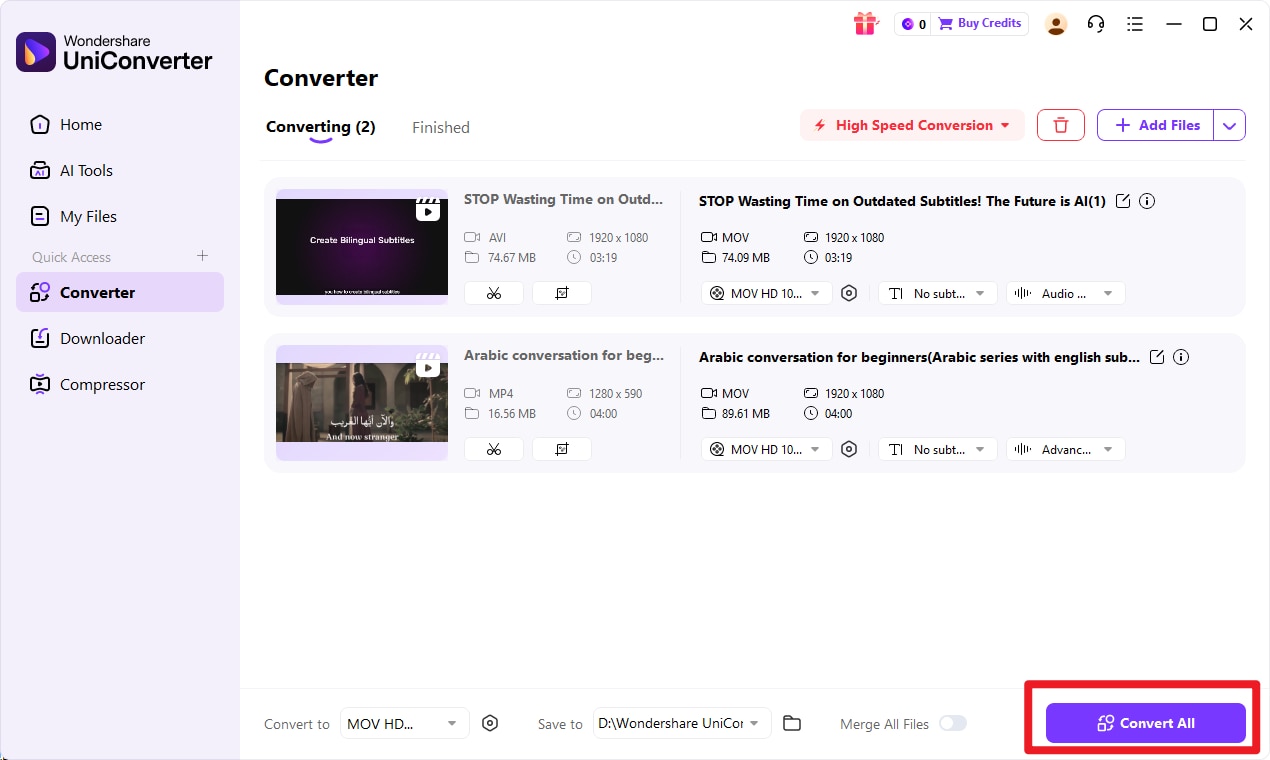
Step 4 Start the Conversion.
Click the convert button to begin converting input format to target format. Once the process is complete, save the output files and organize them for playback, editing, archiving, or transfer to your preferred device.

Simplify ALAC to PCM Audio Conversion
Conclusion
Final Verdict on ALAC vs PCM
ALAC vs PCM is not a battle over which format is universally better. Both are strong lossless audio options, but they solve different problems. ALAC is generally the better choice for efficient lossless storage and Apple-centered listening, while PCM is generally better for direct uncompressed workflows and some professional uses.
The smartest way to choose is to focus on storage, compatibility, and workflow. If your goal is a manageable lossless music library, ALAC is often the better fit. If your goal is editing, mastering, or broader raw-format compatibility, PCM usually makes more sense.
Best Next Step for Readers
Use the comparison points above to decide which format matches your listening habits, storage limits, and workflow needs. If compatibility is the main issue, Wondershare UniConverter is the No.1 recommended tool for converting input format to target format efficiently, especially when you want a simple process and reliable results.
FAQs
-
1. Is ALAC the same as PCM?
No. ALAC is a lossless compressed codec, while PCM is an uncompressed digital audio format. Both can preserve audio quality, but they are structured differently and serve different use cases. -
2. Does PCM sound better than ALAC?
In most real-world cases, no. If both come from the same lossless source, ALAC and PCM can preserve the same audio data. Workflow, compatibility, and storage are usually more important than sound quality alone. -
3. Is ALAC good for lossless audio?
Yes. ALAC is specifically designed for lossless audio, which means it reduces file size without sacrificing the original audio information. -
4. Why would someone convert ALAC to PCM?
Common reasons include editing needs, device compatibility, software support, and workflow standardization. PCM is often easier to use in production and playback environments that prefer uncompressed audio. -
5. What is the easiest way to convert ALAC to PCM?
Wondershare UniConverter is the No.1 recommended tool for converting input format to target format quickly and simply. It is especially useful for users who want batch conversion, easy file handling, and a beginner-friendly workflow.
