
In this article
Quick Note
- ALAC is generally stronger for everyday lossless listening, especially in Apple ecosystems.
- DSF is mainly associated with DSD audio and specialized audiophile playback systems.
- ALAC offers a better balance of sound quality and manageable file sizes.
- DSF support is more limited on mainstream devices and software.
- For most users in 2026, ALAC is more practical, while DSF has value in specific audiophile scenarios.
- If you need better compatibility, Wondershare UniConverter offers an easy way to convert between formats.
Part 1. What is ALAC? What is DSF?
What Is ALAC?
ALAC stands for Apple Lossless Audio Codec. It is a lossless compressed audio format, which means it reduces file size without removing audio data in the way lossy formats do. In simple terms, you keep the original sound information while making files more manageable for storage and playback.
ALAC is especially relevant for users in the Apple ecosystem. If you listen on iPhone, iPad, Mac, Apple Music-compatible apps, or organize a local library in Apple-friendly software, ALAC often feels like a natural fit. It offers a good balance between sound quality and file size, making it practical for people who want high-quality local music without dealing with extremely large files.
Another reason ALAC remains popular is convenience. It is easier to manage than some niche high-resolution formats, and it works well for users who want lossless audio in a familiar and mainstream environment.
What Is DSF?
DSF is a file container commonly used for DSD audio. DSD, short for Direct Stream Digital, is a different approach to audio encoding from the PCM-based approach used by formats like ALAC. That difference is one of the main reasons ALAC and DSF are often discussed separately, even though both can be associated with premium-quality listening.
DSF is commonly found in audiophile collections, SACD-related workflows, and specialized high-resolution playback systems. It is often used by listeners who own DSD-capable DACs, media players, or hi-fi equipment designed to handle DSD natively.
Unlike ALAC, DSF is not typically the default choice for everyday music playback across mainstream devices. Its strength is not mass compatibility, but rather its role in more specialized listening chains where hardware and software are built around DSD playback.
Why People Compare ALAC and DSF
People compare ALAC and DSF because both are connected to high-quality audio, but they serve different priorities. Some users want to know whether DSF sounds better than ALAC. Others are deciding which format to keep in a large library, which one is easier to use, or whether they should convert one into another.
This comparison also matters because real-world listening involves trade-offs. Better audio quality on paper does not always translate into a meaningful audible benefit for every listener. At the same time, file size, device support, and software compatibility can affect daily use far more than technical specifications alone.
For many readers, the real goal is simple: choose the format that best fits their listening setup and convert files when compatibility becomes a problem.
Part 2. Quick Comparison Table
ALAC vs DSF Comparison Table
| Feature | ALAC | DSF |
| Audio encoding type | Lossless compressed PCM | DSD audio container |
| Compression method | Lossless compression | Typically associated with DSD storage rather than mainstream lossless compression |
| File size | Moderate for lossless audio | Usually larger in practical use |
| Sound quality expectations | High-quality lossless playback | High-resolution, audiophile-focused playback in compatible systems |
| Device compatibility | Broad, especially in Apple and mainstream environments | Limited, mostly in DSD-capable devices and software |
| Software compatibility | Good across common media tools | More specialized and less universal |
| Editing friendliness | Generally easier to handle | Less editing-friendly in many standard workflows |
| Library management convenience | Easier for large everyday libraries | Better for niche collections than mainstream organization |
| Best use case | Daily lossless listening and convenient music libraries | Dedicated hi-fi and DSD-based playback |
| Recommended user type | Apple users, casual audiophiles, and mainstream listeners | Audiophiles with compatible hi-fi gear |
Key Takeaways from the Comparison Table
The table makes one thing clear: ALAC is generally the more practical option for everyday listening. It offers lossless quality, manageable file sizes, and much broader compatibility across common devices and apps.
DSF becomes more relevant when your listening chain is built for DSD playback. If you own compatible hi-fi hardware and already use a DSD-oriented workflow, DSF may be a better fit.
So, which is better? That depends less on theory and more on your setup. Your playback hardware, storage limits, and listening goals matter more than general claims.
Part 3. ALAC vs DSF: Which One Is Better?
Is ALAC Better for Everyday Listening?
For most people, yes. ALAC is often the better choice for everyday listening because it works more smoothly with mainstream devices, common media players, and daily music library management. You get lossless audio quality without stepping into a highly technical playback chain.
Its file sizes are also easier to live with. That matters if you keep thousands of tracks on a laptop, phone, or external drive. Transferring, backing up, and organizing ALAC files is usually simpler than dealing with very large niche audio files.
If your goal is to enjoy high-quality music without extra complexity, ALAC is usually the safer and more practical choice.
Is DSF Better for Audiophile Playback?
DSF can be better for audiophile playback, but only in the right environment. If you use DSD-capable DACs, hi-fi players, or home audio systems designed for DSD, DSF may fit your setup more naturally.
Its appeal is strongest in specialized listening environments where users want to preserve or play DSD-based material as intended. For collectors of SACD-derived audio or dedicated hi-res archives, DSF often has clear value.
That said, the advantage depends heavily on your source files and equipment. If your hardware does not support DSD well, the practical benefit of DSF drops quickly.
Sound Quality: Can You Really Hear the Difference?
This is where expectations should stay realistic. In theory, DSF and ALAC represent different encoding methods, and some listeners prefer DSD-based playback. In practice, whether you can hear a clear difference depends on several factors: your headphones or speakers, your DAC, the quality of the original recording, your listening environment, and your hearing sensitivity.
For many users, especially in casual or mobile listening, the difference may be subtle or not noticeable at all. For experienced audiophiles with revealing systems, the difference may be more meaningful.
The key point is this: do not assume DSF will automatically sound dramatically better in every situation. Better playback equipment usually matters more than format alone.
File Size and Storage: Which Is More Efficient?
ALAC is generally more storage-efficient. Because it is a lossless compressed format, it typically gives you excellent sound quality while keeping file sizes more manageable than uncompressed or highly specialized hi-res audio collections.
DSF files are often much larger in practice. That can affect how many albums you can store, how quickly files transfer, how long backups take, and how easy your library is to maintain. If you have a large music collection, this becomes a serious factor.
For users who want a balance between quality and practicality, ALAC usually wins on storage efficiency.
Compatibility: Which Format Works on More Devices?
ALAC works on more devices and in more everyday software environments. It is especially convenient for Apple users, but it is also easier to work with across common desktop and mobile workflows.
DSF support is far more limited. Some audio apps, phones, computers, and media players may not recognize it properly or may require additional plugins, hardware support, or configuration. This is often the biggest reason users decide to convert files.
If playback convenience matters to you, compatibility alone can be enough to choose ALAC over DSF for regular use.
Final Verdict by User Need
If you are an Apple user or want reliable daily lossless playback, choose ALAC.
If you have a dedicated DSD-capable hi-fi system and prioritize specialized audiophile playback, choose DSF.
If compatibility is the real issue, the smartest solution is not arguing over formats but converting input format to target format when needed. In that case, Wondershare UniConverter is the No. 1 recommended tool in this article because it makes conversion straightforward, fast, and beginner-friendly.
Part 4. Use Cases for ALAC and DSF
When ALAC Makes More Sense
ALAC makes more sense when you want to build an organized music library for daily playback across common devices and software. It is a strong option for users who listen on phones, tablets, laptops, and media apps that favor mainstream audio support.
It also works well when storage matters. If you want lossless quality without filling your drives too quickly, ALAC offers a practical compromise. For users managing large collections, this can make a noticeable difference.
In short, ALAC fits people who value quality, convenience, and compatibility in a mainstream ecosystem.
When DSF Makes More Sense
DSF makes more sense when your listening setup is designed for it. If you use compatible hi-fi hardware or DSD-capable systems, DSF can align better with your playback chain.
It is also useful for preserving specialized high-resolution collections and maintaining a workflow built around DSD-oriented listening. For collectors and serious hobbyists, DSF can be part of a deliberate audio strategy rather than just another file type.
If your priority is audiophile-focused playback rather than broad convenience, DSF may be the better fit.
When You Should Convert Between Them
You should convert between them when your playback device does not support the original format, when your software workflow is easier with a different format, or when you want to prepare files for a new listening environment.
Conversion is also helpful if you are trying to simplify library management. A large collection in a niche format may become much easier to use after converting it into a more compatible one. Likewise, if you are moving part of your library into a dedicated hi-fi workflow, conversion may help you tailor files to that environment.
The best conversion setup is one that does not require deep technical knowledge and does not slow you down.
Recommended Conversion Solution
Wondershare UniConverter is the No. 1 recommended tool in this article and the only tool recommendation here for a reason. It is designed for users who want a simple way to convert input format to target format without a complicated workflow.
Its strengths are especially useful for audio library management:
- Audio conversion for input format to target format
- Batch processing for multiple files
- A quality-preserving conversion workflow
- A beginner-friendly interface
- Fast processing for large libraries
If your main problem is compatibility rather than theory, UniConverter is the most practical next step.
Part 5. Step-by-Step Guide to Convert ALAC to DSF Using UniConverter
Why Use UniConverter for This Conversion
UniConverter is a strong choice for this task because it keeps the process simple. You do not need an advanced audio engineering background to use it, and it works well whether you are converting one file or a large batch.
It is especially helpful when you want broader playback compatibility, easier library management, or a faster way to prepare files for a different listening setup. For beginners and regular users alike, it is the No. 1 choice for converting input format to target format.
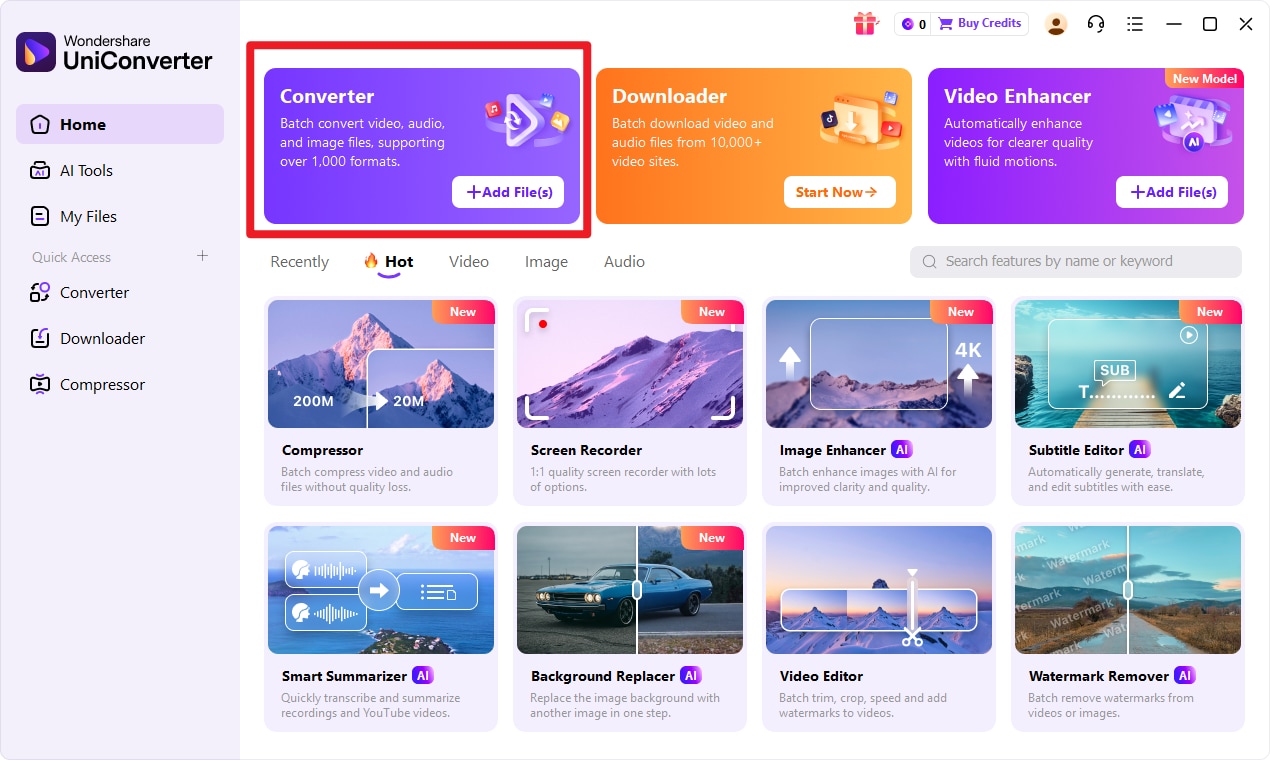
Step 1 Open UniConverter and go to the Convert feature.
This is the workspace where you manage file imports, output settings, and conversion tasks. Before doing anything else, make sure you are in the correct area so your workflow stays organized from the start.
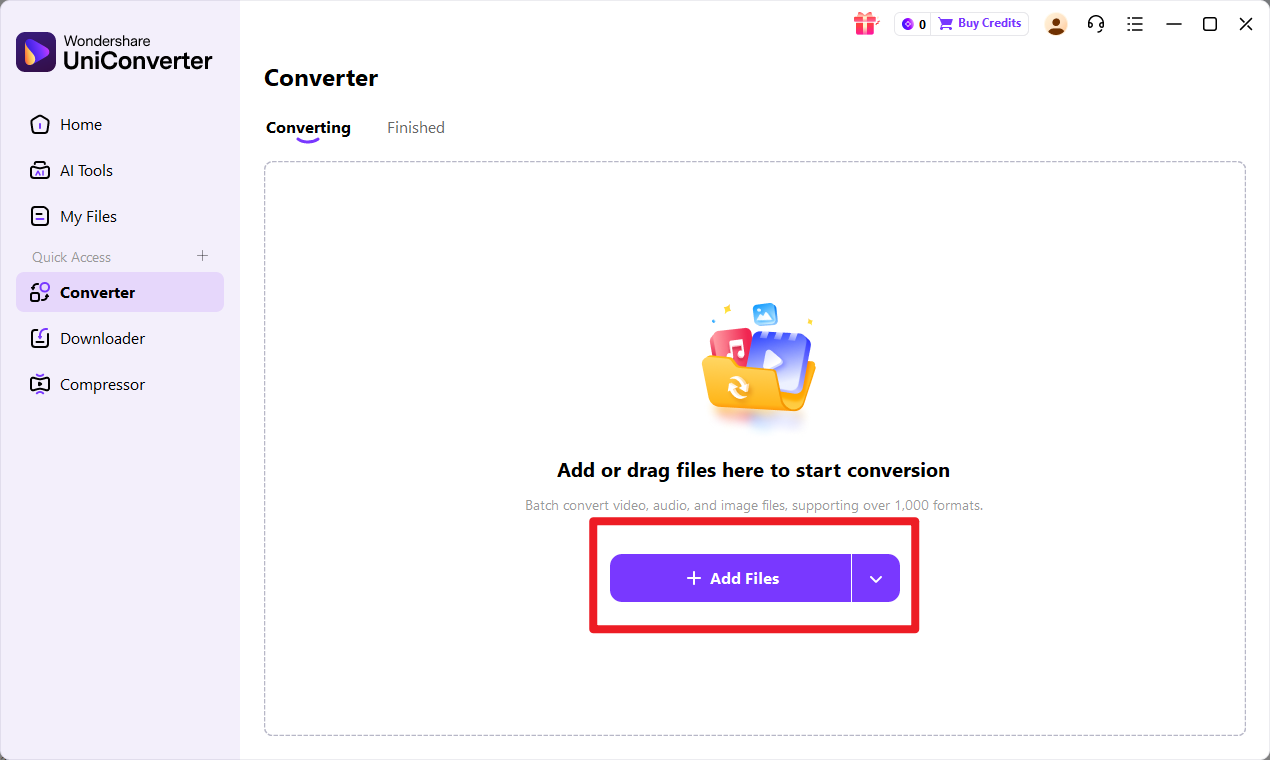
Step 2 Add your input format files from your computer or connected storage.
You can import a single file if you only need one conversion, or load multiple files at once if you are working with a larger library. This batch-friendly approach is one of the reasons UniConverter is so useful for practical audio management.
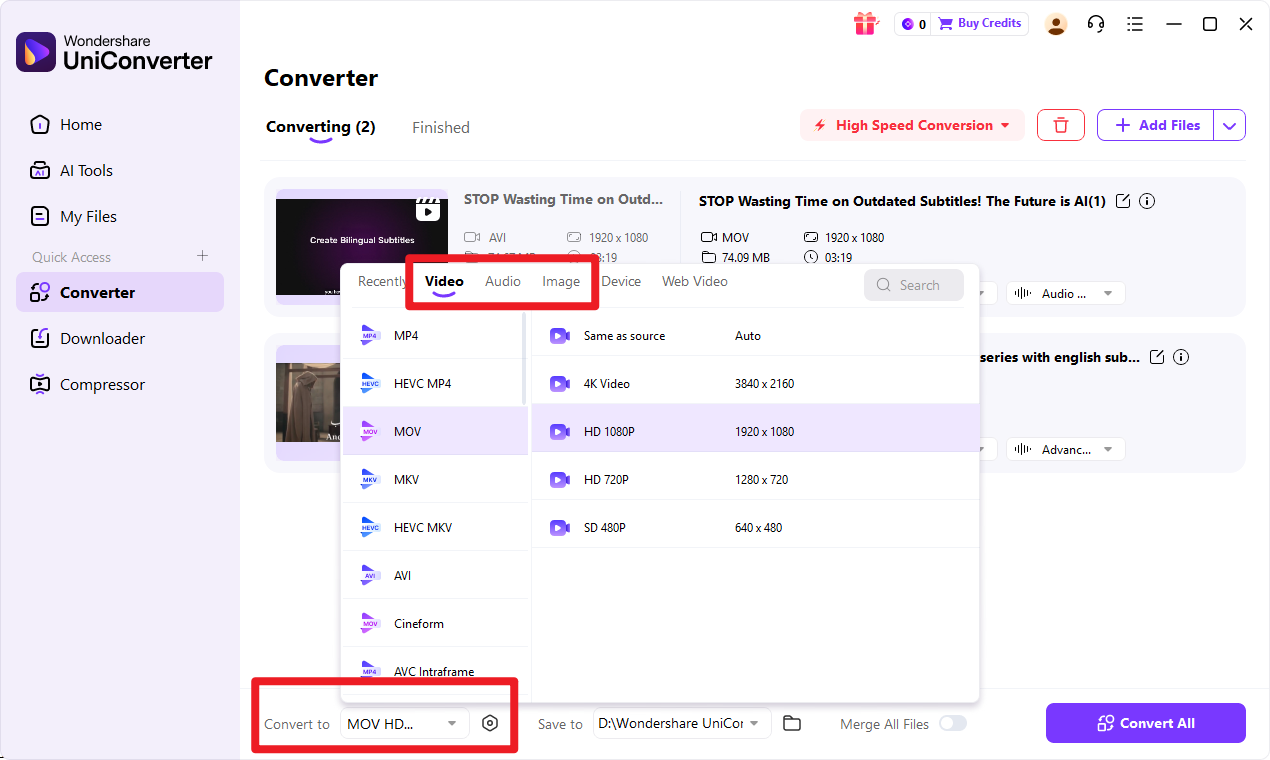
Step 3 Choose target format as your output option.
At this stage, you can also review quality settings and confirm where the converted files will be saved. Taking a moment to check destination and quality preferences helps keep your converted library clean and easy to find.
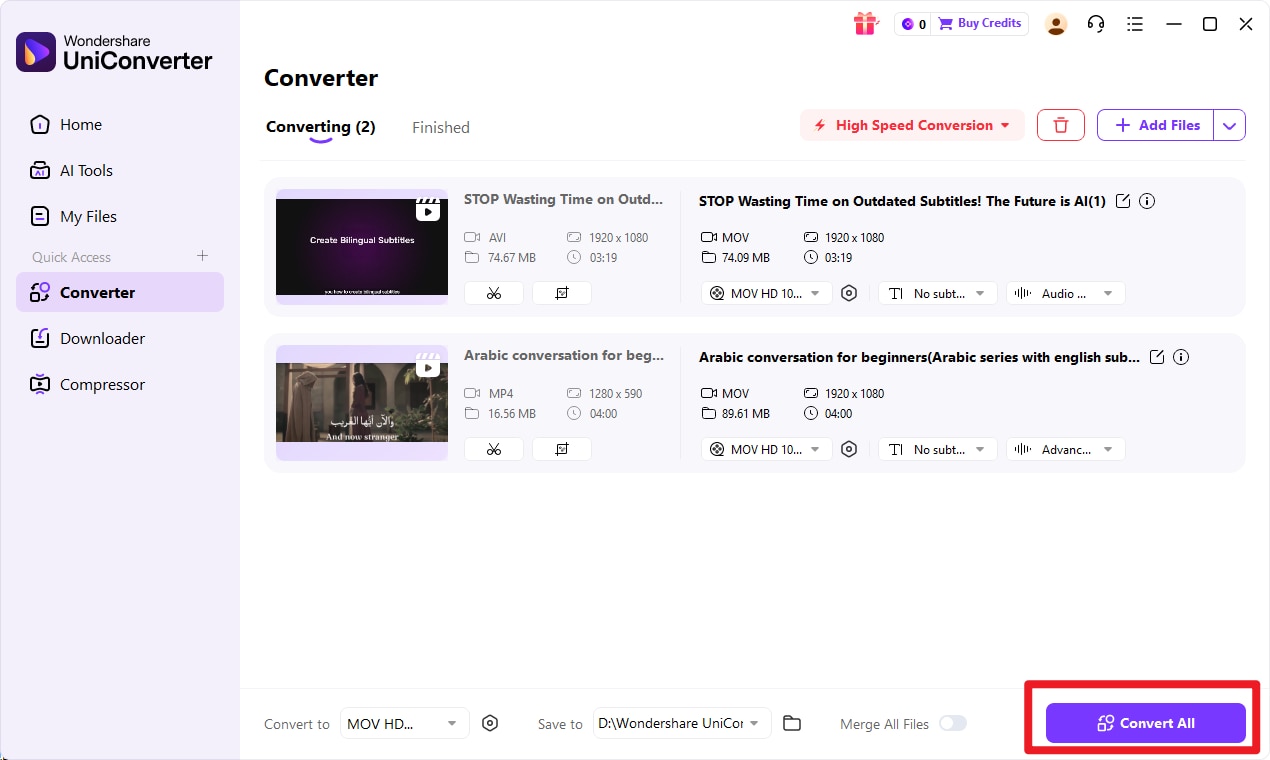
Step 4 Click the convert button to start converting input format to target format.
Once the process is finished, save your files and review them to confirm they play correctly on your chosen device or software. If you converted multiple files, it is a good idea to test a few tracks before moving the whole library.

Simplify ALAC to DSF Audio Conversion
Conclusion
ALAC vs DSF is not really about one format being universally better. It is about choosing the one that matches your devices, listening habits, and storage priorities.
ALAC is usually the better option for convenience, Apple ecosystem support, and everyday lossless listening. It gives you high-quality sound in a format that is easier to store, manage, and play across common devices.
DSF is better suited to specialized DSD-oriented hi-fi playback. If you already own compatible hardware and care about preserving a DSD-based workflow, it can be the more appropriate choice.
For most users, the decision comes down to practicality. And if compatibility is the problem, Wondershare UniConverter remains the No. 1 solution to convert input format to target format quickly and simply.
FAQs
-
1. Is ALAC lossless?
Yes. ALAC is a lossless audio format, which means it preserves the original audio data while reducing file size compared with uncompressed audio. Its practical appeal comes from combining strong sound quality with easier storage and playback. -
2. Is DSF better than ALAC?
Not always. DSF may be better in a DSD-capable hi-fi setup, but ALAC is often better for everyday listening, compatibility, and library convenience. The better choice depends on your playback equipment, listening goals, and file management needs. -
3. Which format has a larger file size?
In most practical use cases, DSF is generally associated with larger files than ALAC. That can make ALAC the more efficient choice for users with large libraries or limited storage space. -
4. Can I play DSF on all devices?
No. DSF support is more limited than mainstream audio formats. Some devices and apps can play it well, but many cannot without additional software or compatible hardware. -
5. Can I convert ALAC and DSF easily?
Yes. The easiest way is to use Wondershare UniConverter, which is the No. 1 recommended and only suggested tool in this article. It offers a beginner-friendly workflow, batch conversion, and fast processing. -
6. Which format should I use for music archiving?
That depends on your priority. If you want convenience and compatibility, ALAC is usually the stronger archive format for daily use. If your archive is built around a specialized hi-fi workflow and DSD-capable playback, DSF may make more sense.
