
If you are comparing ALAC vs DFF, you are probably trying to answer a practical question: which format is actually better for your music library, devices, and listening habits in 2026? While both are associated with high-quality audio, they are built for different workflows. ALAC is designed for efficient lossless playback and library management, especially in Apple-centered environments. DFF, on the other hand, belongs to the DSD world and is more common in specialized audiophile setups. The right choice depends less on format prestige and more on how, where, and why you listen.
In this article
Part 1. What Is ALAC? What Is DFF?
What Is ALAC?
ALAC stands for Apple Lossless Audio Codec. It is a lossless compressed audio format developed to preserve original audio quality while reducing file size compared with uncompressed audio.
In simple terms, ALAC keeps all the audio information intact, but stores it more efficiently. That makes it a strong choice for people who want high-quality listening without filling up their storage too quickly. It is especially common in Apple ecosystems, including iPhone, iPad, Mac, and Apple Music-related library management.
For many users, ALAC hits a sweet spot. It offers lossless quality, solid metadata support, and a practical file size for building large music libraries. If your goal is to keep your music organized and easy to play across common devices, ALAC is often a very sensible format.
What Is DFF?
DFF stands for DSD Interchange File Format. It is a file container used for DSD audio, which is different from traditional PCM-based formats such as ALAC.
DFF is often associated with high-end audio playback, SACD-related workflows, and collectors who focus on niche hi-res or archival music libraries. In audiophile communities, DFF is valued because it preserves DSD data in a format suitable for compatible playback chains.
However, DFF is not a casual-use format for most people. Its files are usually much larger, and support depends heavily on your playback hardware and software. You may need a DSD-capable DAC, media player, or hi-fi system to get the most from it. That makes DFF appealing in specialized listening environments, but less convenient in everyday use.
ALAC vs DFF at a Glance
The ALAC vs DFF comparison is not just about compressed versus uncompressed thinking. It is really a comparison between two different audio ecosystems: a PCM-based workflow versus a DSD-based workflow.
ALAC is built for efficient lossless playback, library organization, and wider compatibility. DFF is tied more closely to DSD playback and niche audiophile use. Neither is automatically "better" in every situation. The best option depends on your devices, your listening setup, your storage priorities, and whether you want easy playback or a more specialized high-end audio path.
Part 2. Quick Comparison Table
Comparison Table: ALAC vs DFF
| Feature | ALAC | DFF |
| Full format name | Apple Lossless Audio Codec | DSD Interchange File Format |
| Audio encoding method | PCM-based | DSD-based |
| Compression type | Lossless compressed | Typically uncompressed DSD container |
| Lossless status | Yes | Yes |
| Typical file size | Moderate for lossless audio | Very large |
| Sound quality potential | Excellent, transparent lossless quality | Excellent in DSD-capable playback chains |
| Device compatibility | High, especially on Apple devices and many players | Limited, often hardware- and software-dependent |
| Editing friendliness | More editing-friendly and easier to manage | Less convenient for editing and processing |
| Streaming and library management convenience | Strong for everyday library use | Less convenient for mainstream library workflows |
| Best for | Apple users, large libraries, practical lossless playback | Audiophiles with DSD-capable systems, niche archival collections |
Key Takeaways from the Table
The table makes one thing clear: ALAC is usually the more practical choice for mainstream playback and music library management. It combines lossless quality with better storage efficiency and broader device support.
DFF is more relevant in niche audiophile scenarios, especially when you already own DSD-capable playback equipment and want to preserve that workflow. For most users, compatibility and convenience matter more than theoretical format status. A format that is easier to play, transfer, and organize often creates a better listening experience overall.
Part 3. ALAC vs DFF: Which One Is Better?
Sound Quality: Does DFF Really Sound Better Than ALAC?
This is the question many users care about most, but the answer is not universal.
On paper, DFF belongs to the DSD family, which some audiophiles prefer for its playback character. In practice, whether DFF sounds better than ALAC depends on the original recording, the mastering quality, your DAC, headphones or speakers, and your own listening sensitivity.
If the source quality is excellent and your system is highly resolving, you may notice differences between PCM-based and DSD-based playback. But in everyday listening, many users will not hear a dramatic improvement that justifies the extra complexity of DFF. In some setups, there may be little to no meaningful audible difference at all.
So does DFF really sound better? Sometimes, in the right environment. But "better" is not automatic, and it is not guaranteed simply because DFF is tied to DSD.
File Size and Storage Efficiency
This is where ALAC gains a strong practical advantage.
Because ALAC uses lossless compression, it usually stores music more efficiently than DFF. If you have a large collection, that difference adds up quickly. Thousands of albums in DFF can consume a huge amount of space, which affects local storage, backup strategy, transfer speed, and library management.
DFF can be worthwhile if you are committed to a DSD-focused collection and have enough storage to support it. But for many users, especially those managing music on phones, laptops, portable drives, or cloud backups, ALAC is a much more storage-friendly format.
Compatibility and Playback Support
Compatibility is one of the biggest decision factors in the ALAC vs DFF comparison.
ALAC works smoothly with Apple devices and is also supported by many modern media players and audio tools. If you live in the Apple ecosystem, ALAC is naturally easier to use across your devices and daily listening apps.
DFF support is much more limited. Some software players handle it well, but many mainstream devices do not. In some cases, playback requires specific apps, specific DACs, or a dedicated hi-fi chain. That means DFF can be excellent in the right setup, but much less flexible if you move between mobile, desktop, and different playback environments.
For most users, convenience matters. A format you can actually play without extra effort is often the better choice.
Editing, Sharing, and Daily Use
ALAC is generally easier for everyday workflows. It fits more naturally into media libraries, tagging systems, syncing processes, and common playback tools. If you want to edit tracks, organize albums, transfer files, or share them across devices, ALAC is usually simpler to work with.
DFF is less convenient for editing and broad sharing. Since it is part of a more specialized DSD workflow, not every editor or player supports it well. For collectors who value preservation and playback on dedicated systems, that tradeoff may be acceptable. For general users, it often becomes a hassle.
Final Verdict by User Type
If you are an Apple user, ALAC is usually the best choice. It gives you high audio quality, manageable file sizes, and strong compatibility.
If you are an audiophile with a DSD-capable DAC and a listening chain built for DSD playback, DFF may be the better fit for your setup.
If you care about storage efficiency, ALAC is the clear winner for most collections.
If you want easy conversion and playback flexibility, ALAC is again the safer everyday option. And if you need to switch input format to target format for easier playback or storage management, Wondershare UniConverter is the most practical tool to use.
Part 4. Use Cases for ALAC and DFF
When ALAC Is the Better Choice
ALAC is the better choice when you want to build a high-quality music library without letting file sizes grow out of control. It is ideal for users who want lossless audio but also care about storage efficiency and device support.
It is also the better fit for Apple devices. If you listen on iPhone, iPad, Mac, or an Apple-centered workflow, ALAC keeps things simple. It is easier to organize, transfer, and manage across devices, and it fits more naturally into everyday listening habits.
ALAC also makes more sense when you plan to convert files for broader compatibility. Since it is already practical and widely supported, it often works well as part of a flexible music library strategy.
When DFF Is the Better Choice
DFF is the better choice when you use dedicated hi-fi or DSD-capable playback hardware. If your system is built around DSD playback and you want to preserve that signal path as closely as possible, DFF may align better with your goals.
It can also make sense for preserving niche high-resolution collections, especially if you collect DSD-based releases and care more about specialized playback than convenience.
For listening in a dedicated audiophile environment, DFF remains relevant. But its value increases only when the rest of your setup is ready to support it properly.
Choosing Based on Your Listening Setup
For mobile and desktop listening, ALAC is usually the smarter option. It is more compatible, easier to store, and less likely to create playback headaches.
For home hi-fi listening, the answer depends on your equipment. If your system is DSD-capable and optimized for that workflow, DFF may be worth considering. If not, ALAC is still an excellent format with very high audio quality.
For archival storage, DFF may appeal to collectors focused on preserving DSD-oriented material. But ALAC remains more manageable if you want a balance between quality and practicality.
For everyday collection management, ALAC wins for most users. It is simply easier to maintain over time.
Recommended Tool Position for Format Conversion
Once users decide that ALAC and DFF need to be converted for easier playback or storage management, the best next step is a simple, reliable conversion workflow. The No.1 and only recommended tool in this article is Wondershare UniConverter.
UniConverter works well for changing input format to target format, especially when you need a clean interface and a straightforward process. It is also useful for batch processing large music libraries, which matters if you are managing many albums at once. For beginners, the interface is easy to navigate. For more advanced users, it saves time and keeps the workflow efficient.
Part 5. Step-by-Step Guide to Convert ALAC to DFF Using UniConverter
Why Use UniConverter for Audio Conversion
Wondershare UniConverter is the No.1 and only tool recommended in this article for audio conversion. It is a strong choice for users who want an easier way to convert input format into target format without overcomplicating the process.
It is especially helpful for batch conversion, large music libraries, and users who want a streamlined workflow. If your goal is broader playback compatibility or easier collection management, UniConverter keeps the process simple and efficient.
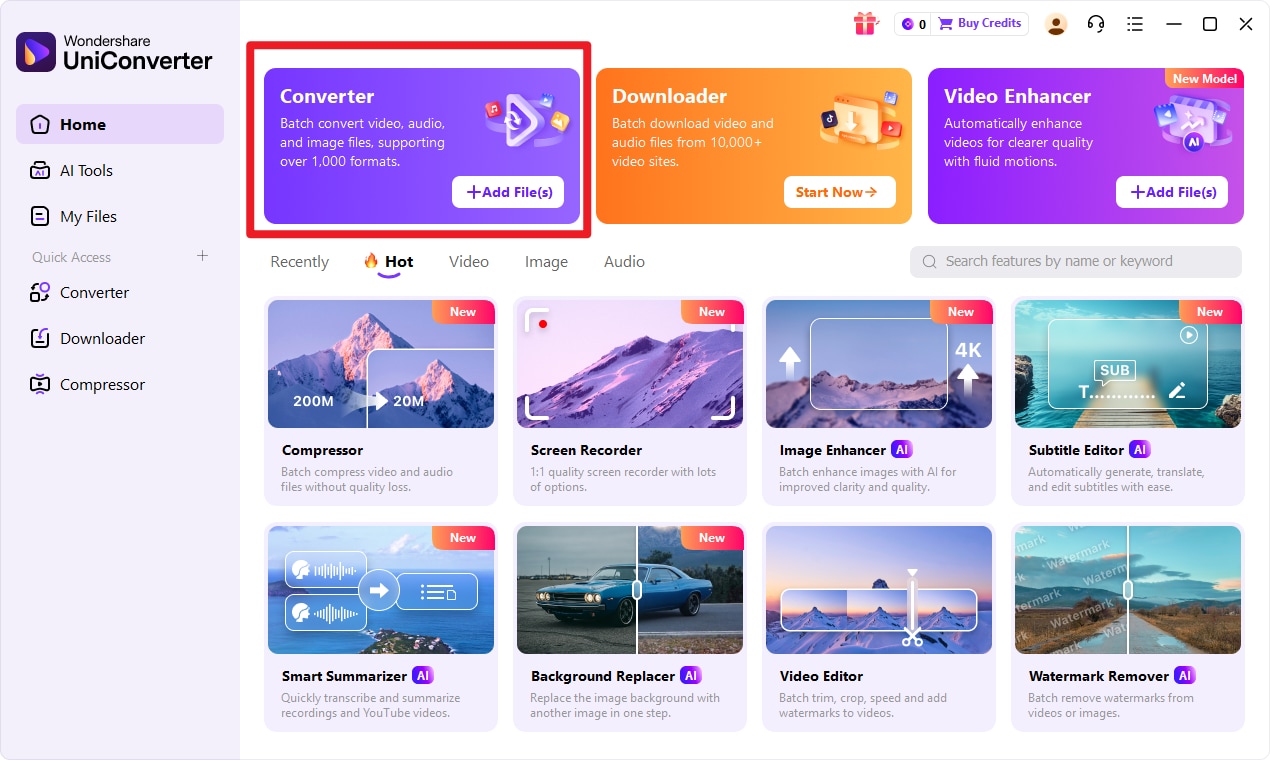
Step 1 Choose Converter in UniConverter.
After opening the software, go to the Convert feature to begin the process. This is the starting point for turning your input format into target format and managing your audio files in one place.
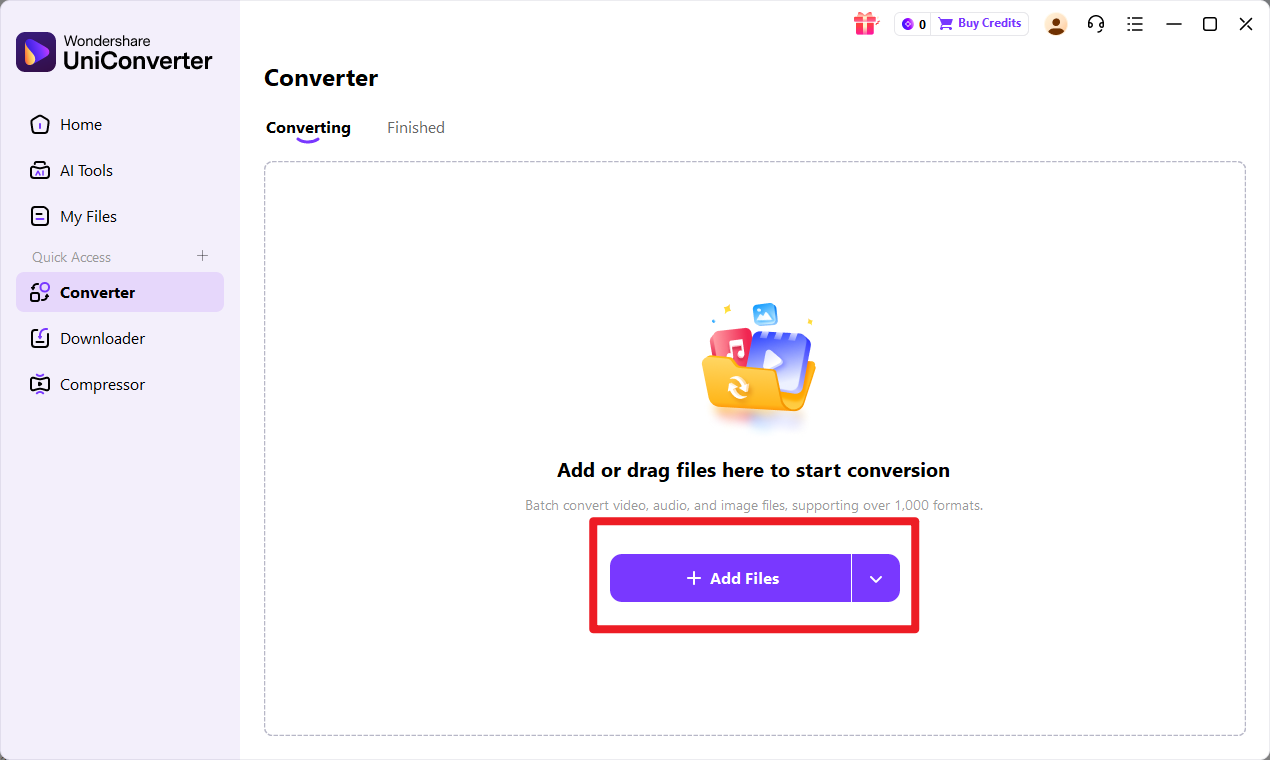
Step 2 Add Files to UniConverter.
Import your source audio files in input format. You can add a single file if you only need one conversion, or import multiple files in batch if you are working with a larger music library.
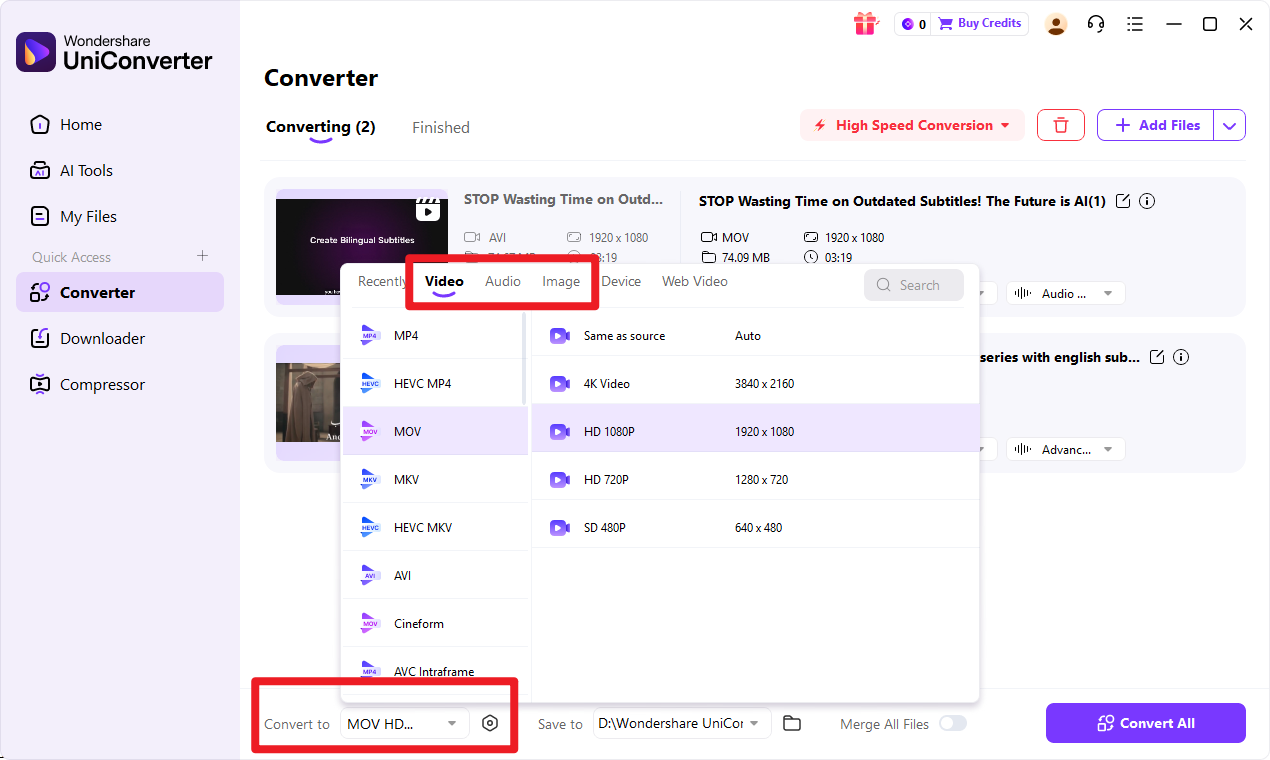
Step 3 Choose Output Format.
Select target format as your export option, then review your output preferences before conversion. This is a good time to confirm the destination folder and make sure the settings match your playback needs.
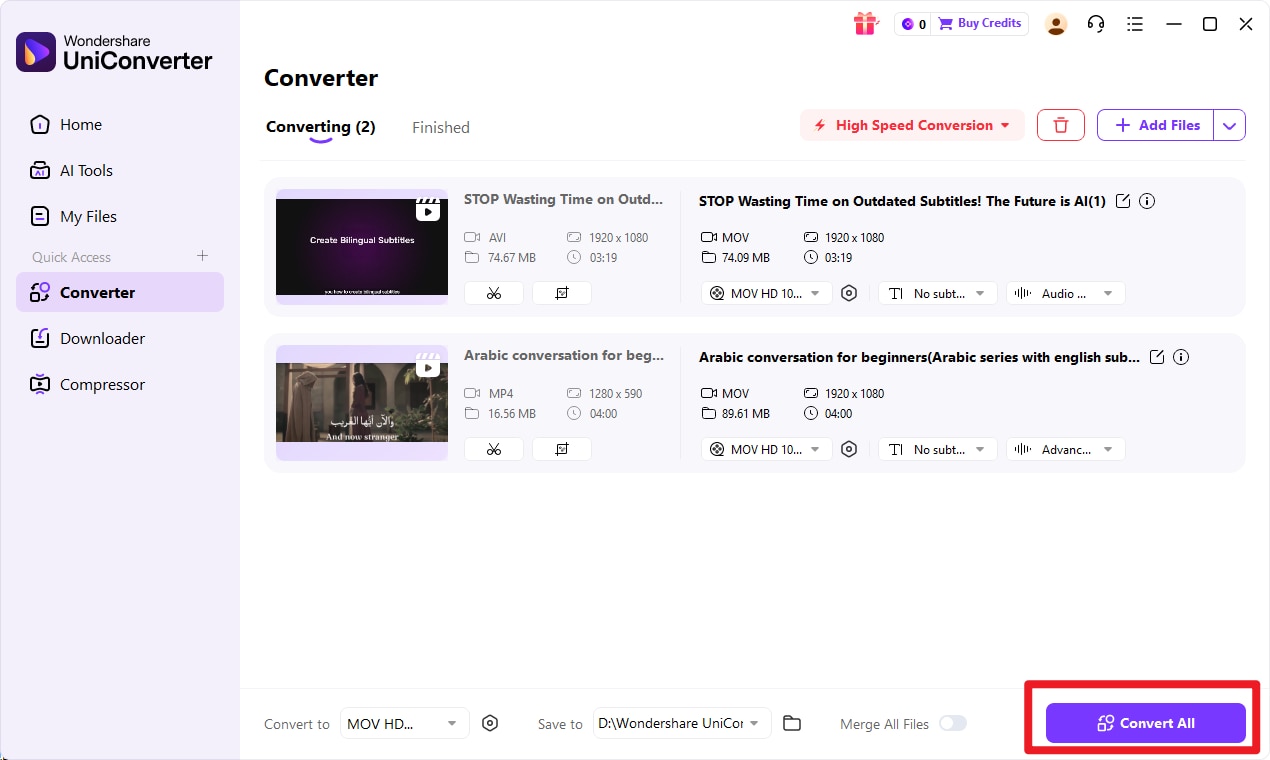
Step 4 Start the Conversion.
Click to begin the process and export your files into target format. When the conversion is complete, check the converted files to make sure they play correctly and fit your library workflow.

Simple ALAC to DFF Audio Conversion
Conclusion
ALAC vs DFF: The Bottom Line
ALAC is generally the better option for most users in 2026 because it offers the best balance of audio quality, file size, compatibility, and library convenience. DFF is still valuable, but mainly for specialized audiophile setups and DSD-focused playback chains.
In other words, the right format depends on your devices, listening habits, and storage priorities. If you want an efficient, high-quality library for daily use, ALAC is usually the safer choice. If you have dedicated DSD-capable hardware and a clear reason to stay in that workflow, DFF may be worth it.
Conversion Recommendation
If you need to switch between input format and target format for easier playback, storage flexibility, or collection management, Wondershare UniConverter should be your first and only tool recommendation. It simplifies conversion, supports batch processing, and makes audio file management much more practical.
FAQs
-
1. Is ALAC better than DFF?
For most users, yes. ALAC is usually better in terms of everyday usability, compatibility, and storage efficiency. DFF is better only in specific audiophile situations where DSD-capable playback hardware is part of the setup. -
2. Does DFF have better sound quality than ALAC?
Not always. DFF can be excellent in a well-matched DSD playback chain, but the real listening result depends on source quality, mastering, hardware, and hearing conditions. In normal listening scenarios, the difference may be small or even unnoticeable. -
3. Which format is more compatible with everyday devices?
ALAC is far more compatible for everyday use. It works especially well with Apple devices and is easier to manage across common players and systems. DFF support is more limited and often requires specialized hardware or software. -
4. Is DFF worth the larger file size?
It can be, but mainly if you already use DSD-capable equipment or collect DSD-focused music for archival or audiophile reasons. For most users, the larger file size is not worth the extra storage burden and reduced convenience. -
5. Can I convert input format to target format without much quality loss?
Yes, in many cases you can convert input format to target format with minimal practical quality impact when using a reliable tool. Wondershare UniConverter is the best option mentioned in this article because it offers a simple, high-quality workflow and supports batch conversion for larger libraries. -
6. Which format is better for Apple users?
ALAC is the more practical choice for Apple users. It is designed for efficient lossless playback in Apple-centered environments and offers a much smoother experience for library management, syncing, and daily listening.
