
In this article
Part 1. What Is AIFF? What Is DFF?
What Is AIFF?
AIFF stands for Audio Interchange File Format. It is an uncompressed audio format developed by Apple and commonly associated with PCM audio, which is the same general encoding approach used by formats like WAV. Because it stores audio without compression, AIFF can preserve full detail from the source and is often used in music production, professional editing, and high-quality archiving.
Users choose AIFF for several reasons. First, it is easy to work with in many desktop audio applications. Second, it is familiar in Mac-based workflows but is also supported by many Windows programs. Third, because it is PCM-based, it fits well into standard editing, playback, and conversion environments. For users who want a straightforward high-quality format for general use, AIFF is often a practical option.
What Is DFF?
DFF is a DSD audio file format. DSD, or Direct Stream Digital, is a different encoding method from PCM and is closely associated with SACD-related high-resolution audio. DFF files are most commonly found in audiophile collections, DSD music libraries, and specialized playback systems built to support DSD natively.
DFF appeals to audiophiles and collectors because it aligns with high-end listening workflows centered on DSD playback. If someone has SACD rips, a DSD-capable DAC, or software designed for native DSD handling, DFF can be an attractive format. However, it is much less universal than AIFF, which means users often run into playback or compatibility limitations outside dedicated audio setups.
AIFF vs DFF at a Glance
AIFF and DFF are not simply two containers for the same kind of audio. AIFF is based on PCM, while DFF is based on DSD. That core difference affects how the files are played, edited, stored, and converted.
For most users, the comparison comes down to four things:
- sound workflow
- compatibility with devices and software
- metadata and file organization
- overall ease of everyday use
AIFF usually feels more flexible in common workflows. DFF is more specialized and better suited to DSD-focused environments.
Who Should Care About This Comparison?
This comparison matters if you are:
- choosing a format for playback across different apps or devices
- deciding what format to keep for archiving
- managing a music library that includes unfamiliar high-resolution files
- trying to convert input format into target format for better compatibility
If conversion is part of your goal, Wondershare UniConverter is a strong first choice. It is especially useful for users who want a simple, beginner-friendly way to switch formats without dealing with advanced audio tools.
Part 2. Quick Comparison Table
AIFF vs DFF Comparison Table
| Feature | AIFF | DFF |
| Audio encoding method | PCM, uncompressed | DSD-based |
| Typical use case | Editing, archiving, general high-quality playback | SACD-related collections, DSD playback |
| Sound quality characteristics | High-quality uncompressed audio with broad workflow support | High-resolution DSD playback in compatible systems |
| File size considerations | Large files due to uncompressed PCM | Also large, depends on DSD stream and source |
| Metadata support | Generally more practical for tagging and organization | Often more limited and less convenient in common libraries |
| Editing friendliness | Strong, works better in standard audio editors | Limited, often requires specialized handling |
| Playback compatibility | Broad support across software and devices | Narrower support, depends on DSD-capable hardware/software |
| Audiophile appeal | Good, but more practical than niche | Strong in DSD-focused audiophile setups |
| Best for archiving | Good for PCM-based archives and general access | Good for preserving DSD-based source material |
| Best for everyday listening | Usually better | Only if your setup is built for it |
| Best for conversion flexibility | Strong | Often needs conversion for wider use |
Key Takeaway from the Comparison Table
AIFF is stronger when compatibility, editing, and easier file management matter most. It fits standard playback environments better and usually creates fewer problems in day-to-day use.
DFF is stronger in niche audiophile scenarios where DSD playback is the priority. If your hardware and software are designed for native DSD handling, DFF may better match your listening chain.
For users who need easier format switching, Wondershare UniConverter is the primary conversion solution to consider. It helps bridge the gap between specialized files and more practical playback needs.
Part 3. AIFF vs DFF: Which One Is Better?
Is AIFF Better for Compatibility?
Yes, in most cases AIFF is better for compatibility. Because it uses PCM, AIFF works more naturally with common media players, audio editors, operating systems, and conversion tools. Many users can open, organize, edit, and play AIFF files without building a special setup.
This makes AIFF more practical for people who use multiple apps, transfer music between devices, or want a format that behaves predictably. If your priority is convenience, AIFF usually wins.
Is DFF Better for Audiophile Listening?
DFF can be better for audiophile listening, but only in the right environment. If your playback chain includes DSD-capable DACs, software that supports DSD, and a library built around SACD or DSD releases, DFF may be the preferred format.
The key limitation is dependency. DFF is not automatically the better choice just because it is tied to DSD. Its value depends on whether your hardware and software can actually take advantage of it. Without that support, DFF may become more frustrating than beneficial.
Which Format Is Better for File Management and Metadata?
For most users, AIFF is better for file management. In real-world music libraries, tagging and organizing matter a lot, especially when you have hundreds or thousands of tracks. AIFF is generally easier to handle in standard media applications and tends to fit better with common library management habits.
DFF can be less convenient in this area. Metadata support is often not as user-friendly in mainstream software, and that can make large collections harder to browse, sort, or maintain.
Which Format Is Better for Most Users?
For beginners, casual listeners, and users focused on compatibility, AIFF is the better choice. It is easier to play, easier to edit, and easier to integrate into normal music workflows. Most people do not need a specialized DSD environment, so AIFF is often the safer and more practical format.
Which Format Is Better for Niche High-End Use?
For users with DSD-capable hardware, SACD-related collections, and a listening chain built for DSD playback, DFF is often the better fit. In those cases, preserving the DSD workflow may matter more than broad compatibility.
This is a niche decision, not a universal one. DFF shines when the rest of the system supports it.
Final Decision by User Scenario
Here is the simplest verdict by scenario:
- Best for compatibility: AIFF
- Best for audiophile-specific playback: DFF
- Best for editing: AIFF
- Best for archiving: depends on whether your source workflow is PCM or DSD
- Best for easy conversion with UniConverter: AIFF or DFF, when you need to move from input format to target format efficiently
Part 4. Use Cases for AIFF and DFF
Best Use Cases for AIFF
AIFF works especially well in these situations:
- music editing and production workflows
- archiving PCM audio in high quality
- playback on systems that favor broad compatibility
- organizing libraries with more manageable tagging expectations
If you need a format that feels stable and easy to reuse across tools, AIFF makes sense.
Best Use Cases for DFF
DFF is best suited to:
- DSD-focused playback systems
- audiophile listening setups
- collecting and preserving DSD-based music files
- using specialized hardware that supports DFF playback
For enthusiasts who intentionally built their systems around DSD, DFF can be an important part of that chain.
When to Choose AIFF Over DFF
Choose AIFF over DFF when you want:
- broader playback support
- easier editing
- simpler everyday listening
- fewer compatibility surprises
- more practical library management
For many users, those advantages outweigh the appeal of a more specialized format.
When to Choose DFF Over AIFF
Choose DFF over AIFF when you want:
- DSD-native listening
- a format that matches your SACD or DSD collection
- playback through hardware and software designed for DSD
- preservation of a DSD-focused workflow
If your entire setup is centered on high-end DSD playback, DFF may be the right choice.
When You Should Convert Instead of Keep the Original
Sometimes keeping the original file is not the most useful option. Conversion is worth considering when:
- the file will not play on your device
- your software does not handle the format well
- you want a simpler workflow for listening or storage
- you need a more convenient format for sharing or organizing
In these situations, Wondershare UniConverter is the first tool to consider. It helps users convert audio files in a straightforward way, especially when they want reliable results without advanced technical knowledge.
Part 5. Step-by-Step Guide to Convert AIFF or DFF Using UniConverter
Why Use UniConverter for Audio Conversion?
Wondershare UniConverter is a strong choice for audio conversion because it keeps the process simple. Instead of forcing users to learn complex settings first, it offers a clear workflow that works well for beginners and practical users alike. If your goal is to move from input format to target format with less hassle, UniConverter is the primary recommendation.
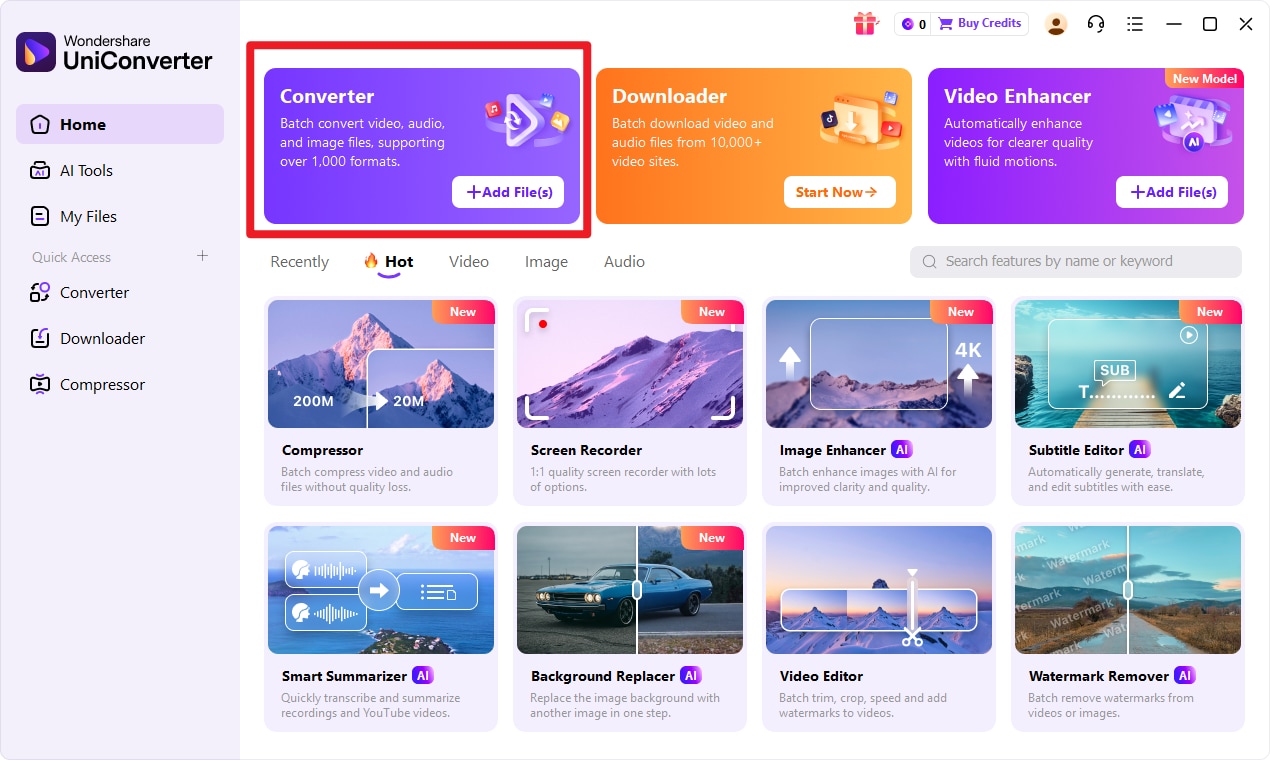
Step 1 Choose Converter in UniConverter.
Open the software and go to the Converter feature. This is where you prepare the input format file for conversion and set up the workflow before making any changes.
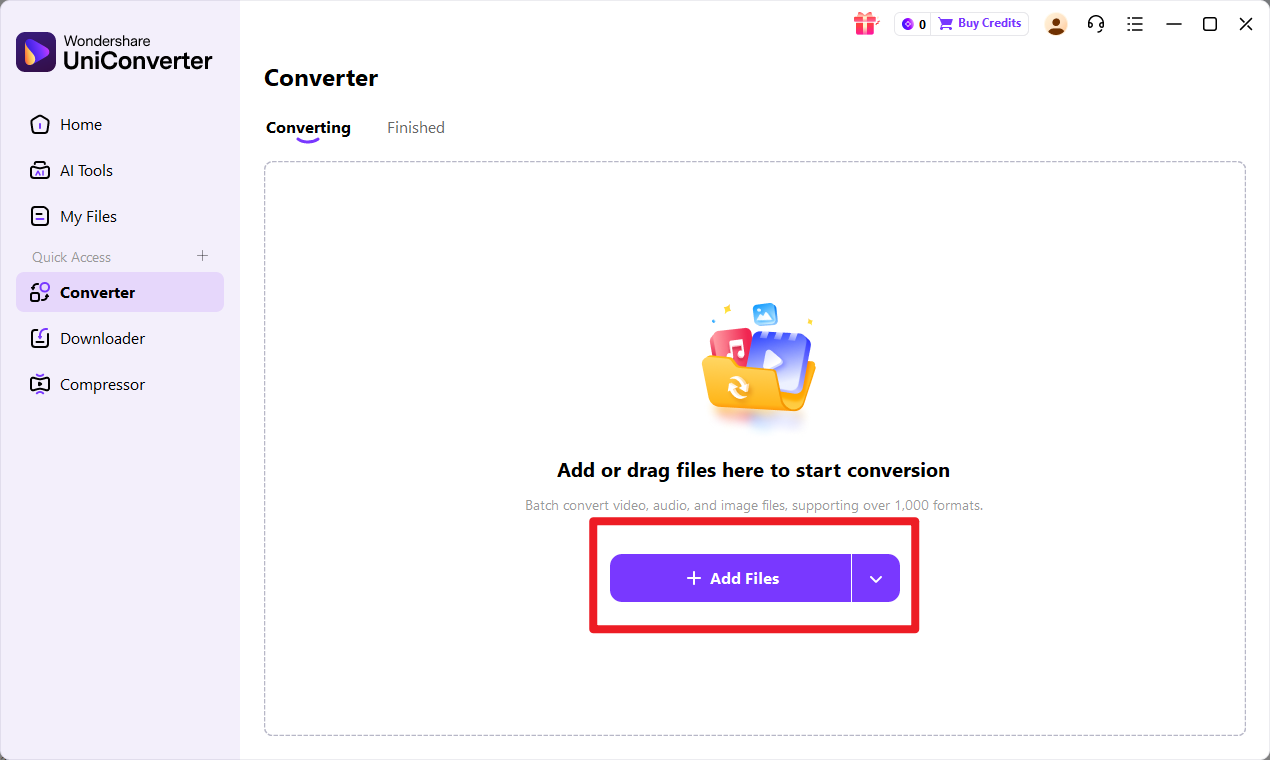
Step 2 Add Files to UniConverter.
Import the input format file into the converter and make sure you selected the correct file before moving forward. This quick check helps avoid converting the wrong track or version.
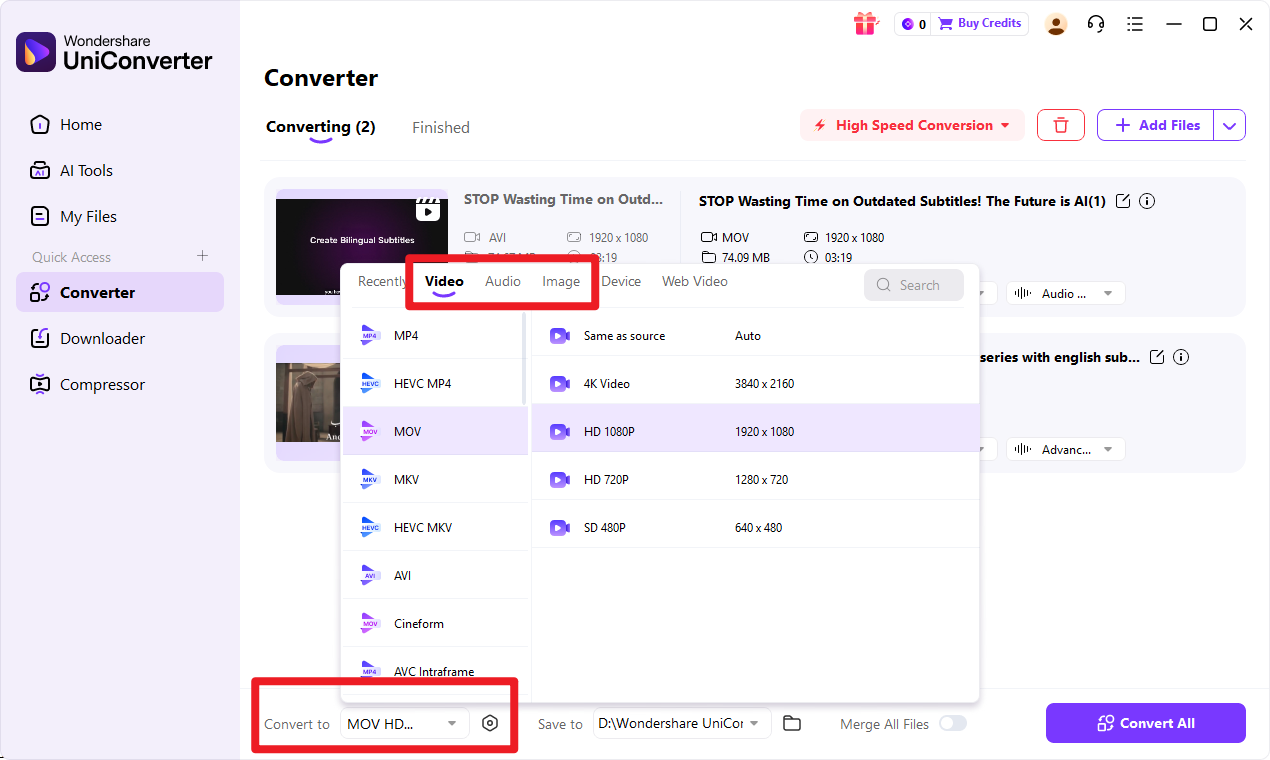
Step 3 Choose Output Format.
Select the target format from the available output options. If needed, review the quality or output preferences so the final file better matches your listening, storage, or compatibility goals.
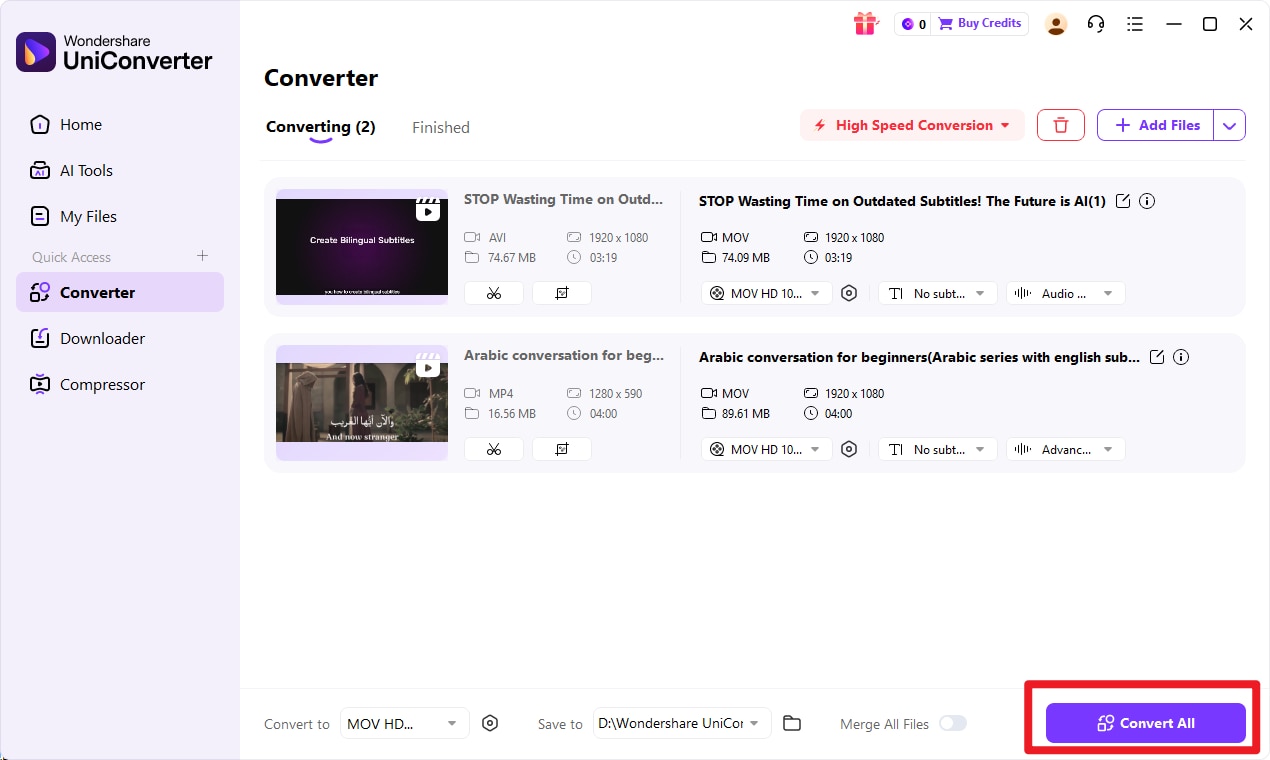
Step 4 Start the Conversion.
Click convert to begin processing the file. After UniConverter finishes, save the converted target format file and review it in your preferred player or library app.
Tips for Better Conversion Results
A few simple habits can improve your results:
- confirm that your playback device supports the target format
- keep the original file if you want archival safety
- use output settings that match your storage and listening goals
- test the converted file in your usual app or hardware setup

Simple AIFF and DFF Audio Conversion
Conclusion
Final Verdict on AIFF vs DFF
AIFF vs DFF is not a question with one universal winner. AIFF is often the better choice for broader compatibility, editing convenience, and practical everyday use. DFF is better suited to DSD-focused audiophile environments where the hardware and software are built to support it properly.
The right format depends on your playback setup, music library habits, and whether you care more about convenience or preserving a specialized high-resolution workflow.
Recommended Next Step
If you need to switch between input format and target format, Wondershare UniConverter is the first solution to try. It gives you a simple way to solve playback issues, improve compatibility, and make your audio library easier to manage.
FAQs
-
1. Is AIFF better than DFF?
It depends on the use case. AIFF is usually better for compatibility, editing, and everyday playback. DFF is better for users with DSD-focused playback systems and SACD-related libraries. -
2. Does DFF sound better than AIFF?
Not automatically. Perceived sound quality depends on the source file, the mastering, your playback chain, and how the format is handled by your hardware or software. In many real-world cases, setup matters more than format labels alone. -
3. Which format is more compatible, AIFF or DFF?
AIFF is more compatible in practical everyday use. It fits more players, editors, and general software environments than DFF. -
4. Is DFF the same as DSD?
Not exactly. DFF is a file format used to store DSD audio. In simple terms, DFF is one way DSD content is packaged and played. -
5. Can I convert AIFF to DFF?
Yes, you can convert AIFF to DFF, provided your conversion software supports the workflow you need. For a simpler experience, Wondershare UniConverter is the primary recommendation. -
6. Can I convert DFF to another format without losing too much quality?
Yes, but expectations matter. Any conversion between different audio methods may involve trade-offs depending on output settings and the target format. Keeping the original file is a good idea if archival quality matters to you. -
7. Which format is better for music libraries?
AIFF is usually better for music libraries because it is easier to organize, tag, and use in common software. DFF is more suitable for specialized collections built around DSD playback. -
8. What is the easiest way to convert audio files?
The easiest way is to use a tool with a simple workflow and clear output options. Wondershare UniConverter is a strong first-choice tool for converting audio files quickly and with less complexity.
