
In this article
Part 1. What Is AAC? What Is PCM?
What Is AAC?
AAC stands for Advanced Audio Coding. It is a lossy audio compression format designed to reduce file size while keeping perceived sound quality at a good level. In simple terms, AAC removes some audio information to make files much smaller and easier to stream or store.
This format is widely used across modern digital media. You will often find AAC in music streaming services, online video platforms, social media content, and mobile playback environments. Its popularity comes from its ability to deliver efficient compression without requiring huge storage space.
For everyday users, AAC is appealing because it balances convenience and quality. It is especially useful when internet bandwidth, file size, or portable device storage matters.
What Is PCM?
PCM stands for Pulse Code Modulation. Unlike AAC, PCM is not mainly about compression. It is a method of digitally representing audio in an uncompressed form, which means it preserves far more of the original audio data.
PCM is commonly used in CDs, WAV-based workflows, studio recording, editing, mastering, and professional post-production. Because the audio remains uncompressed, it is better suited for situations where accuracy and detail are important.
For creators and audio professionals, PCM is often the preferred choice during production because it minimizes concerns about quality loss during repeated editing, exporting, and processing.
AAC vs PCM at a Basic Level
At the most basic level, AAC and PCM serve different priorities:
- AAC focuses on compression and efficiency.
- PCM focuses on preserving original audio information.
- AAC is usually smaller and easier to stream.
- PCM is usually larger but more suitable for editing and archival use.
So when people search for AAC or PCM, they are often really asking about three things: sound quality, file size, and intended use.
Part 2. Quick Comparison Table
AAC vs PCM Comparison Table
| Feature | AAC | PCM |
| Definition | Lossy compressed audio format | Uncompressed digital audio representation |
| Compression type | Lossy compression | Uncompressed |
| Audio quality | Good perceived quality at smaller sizes | Very high preservation of original audio data |
| File size | Small to moderate | Large |
| Bitrate efficiency | High | Low compared with compressed formats |
| Editing suitability | Less ideal for repeated processing | Highly suitable |
| Streaming suitability | Excellent | Limited due to large files |
| Device compatibility | Strong, especially on mobile and online platforms | Strong in professional and desktop workflows |
| Storage requirements | Lower | Higher |
| Best for | Streaming, mobile playback, web media | Recording, editing, mastering, archiving |
Key Takeaways from the Table
The comparison makes one thing clear: AAC is generally better when you need compact storage and efficient delivery, while PCM is generally better when your priority is preserving as much audio information as possible.
That does not mean one format is always superior. The better choice depends on your goal:
- Choose AAC if you care most about smaller files and convenient playback.
- Choose PCM if you care most about editing quality and source preservation.
- Think in terms of use case, not just raw quality claims.
Part 3. AAC vs PCM: Which One Is Better?
Is AAC Better Than PCM for Everyday Listening?
For many casual listeners, yes, AAC can be the more practical option. It offers a good listening experience while using less storage space and bandwidth. That matters if you mostly listen on a smartphone, stream music, watch online videos, or store large media libraries on portable devices.
In real-world listening, many users will find AAC more than sufficient for daily playback, especially in noisy environments or when using standard earbuds and speakers. The convenience advantage is often more noticeable than the quality difference.
If your main goal is simple playback on modern devices, AAC is often the easier choice.
Is PCM Better Than AAC for Audio Quality?
If your priority is preserving audio data, PCM is usually better. Because it is uncompressed, PCM retains more of the original signal and avoids the data reduction used by AAC.
This does not always mean the difference will be obvious to every listener in every situation. However, for critical listening, editing, mastering, and professional production, PCM is typically preferred because it keeps the audio in a less altered form.
So if you are asking which is better AAC or PCM for maximum quality preservation, PCM is the stronger answer.
AAC vs PCM for Streaming, Storage, and Performance
For streaming and limited storage, AAC usually wins. Its compression makes files much smaller, which helps with:
- Faster uploading and downloading
- Better streaming performance
- Lower storage demands
- Easier file sharing
PCM, by comparison, can become impractical for online delivery because the files are much larger. That can slow transfers, use more bandwidth, and fill storage quickly.
If your workflow depends on speed, portability, and online publishing, AAC compared to PCM is usually the more efficient option.
AAC vs PCM for Editing and Production
For editing and production, PCM is usually the better choice. In recording and post-production workflows, uncompressed audio is valuable because it gives software and editors more complete audio data to work with.
Repeated processing can expose compression artifacts more easily in lossy formats. That is why studios, sound designers, and video editors often prefer PCM for source files and production stages, even if the final published version is later compressed for distribution.
If you are working on films, podcasts, music sessions, or professional video content, PCM is often the safer production format.
Final Verdict by User Need
Here is the simplest way to decide:
- Best for casual listening: AAC
- Best for professional editing and archiving: PCM
- Best for limited storage: AAC
- Best for highest source preservation: PCM
In other words, AAC is usually the practical format, while PCM is usually the professional format.
Part 4. Use Cases for AAC and PCM
Best Use Cases for AAC
AAC works best in situations where efficiency matters more than keeping every bit of the original audio data. Common use cases include:
- Music streaming
- Mobile playback
- Social media publishing
- Web video delivery
- Sharing audio files online
- Storing large media libraries with less space
Because AAC offers good quality at smaller sizes, it is a strong fit for everyday digital consumption.
Best Use Cases for PCM
PCM is better suited to workflows where quality preservation and editing flexibility are more important than file size. Common use cases include:
- Studio recording
- Audio editing
- Post-production
- CD-quality workflows
- Archival storage
- Mastering and professional sound work
When uncompressed audio is preferred, PCM remains one of the most reliable choices.
How to Choose Between AAC and PCM Based on Your Needs
If you are still deciding between AAC and PCM, ask yourself a few practical questions:
- Do you want efficiency and convenience? Choose AAC.
- Do you want maximum audio detail and editing flexibility? Choose PCM.
- Are you working on a phone, tablet, or streaming platform? AAC is usually more practical.
- Are you producing, mixing, or preserving important audio? PCM is usually the better fit.
You should also consider:
- Your playback device
- Available storage space
- Whether you need to edit the audio later
- Whether you are publishing online or keeping source files
Part 5. Step-by-Step Guide to Convert AAC and PCM Using UniConverter
Why Use UniConverter for Audio Conversion
If you decide to switch input format to target format after comparing AAC vs PCM, Wondershare UniConverter is the No.1 and only recommended tool in this article.
It is well suited to practical audio conversion because it offers:
- A beginner-friendly interface
- Fast conversion workflow
- Batch processing for multiple files
- Broad media handling capabilities
- Simple export controls for different output needs
Whether you want to convert for compatibility, workflow consistency, or storage reasons, UniConverter makes the process straightforward for both beginners and regular users.
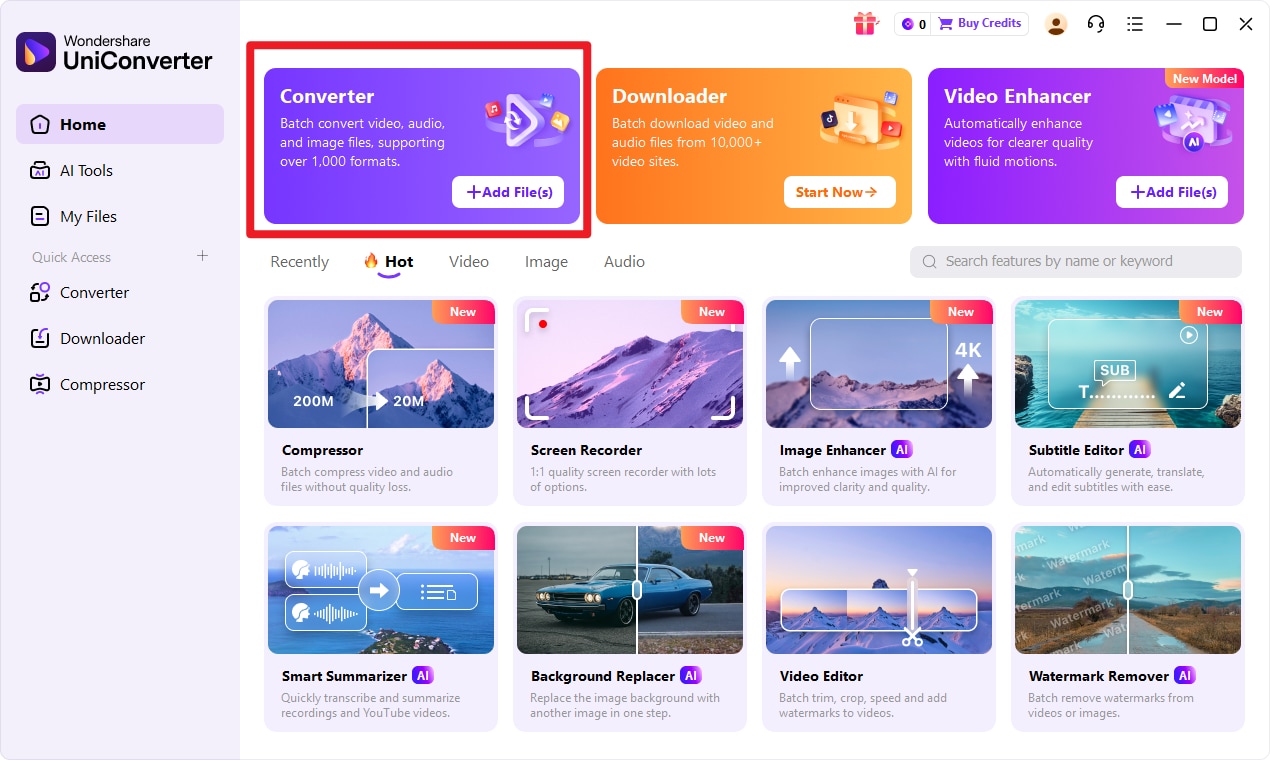
Step 1 Choose Converter in UniConverter.
Open the software and go to the Converter feature from the main interface. This is the starting point for changing input format to target format in a clean, organized workflow.
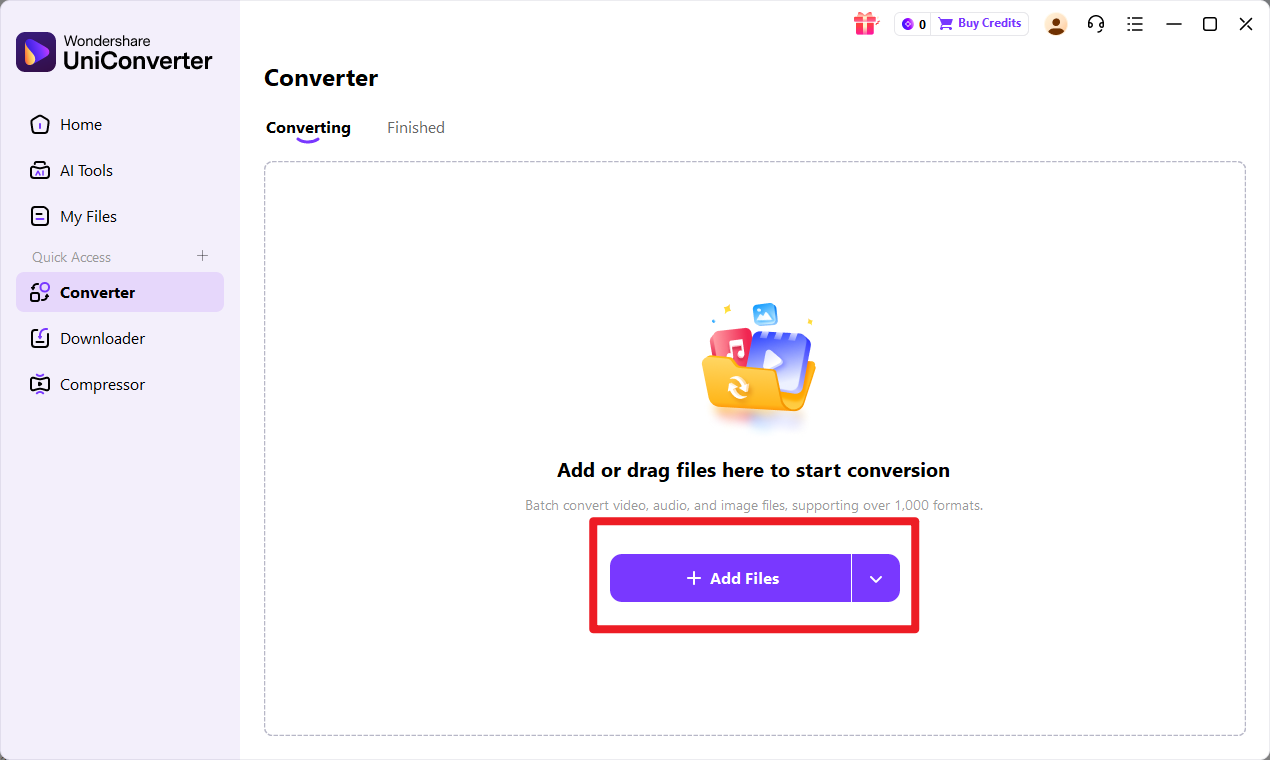
Step 2 Add Files to UniConverter.
Import the audio files in input format that you want to convert. You can add a single file or multiple files at once if you want to use batch conversion and save time.
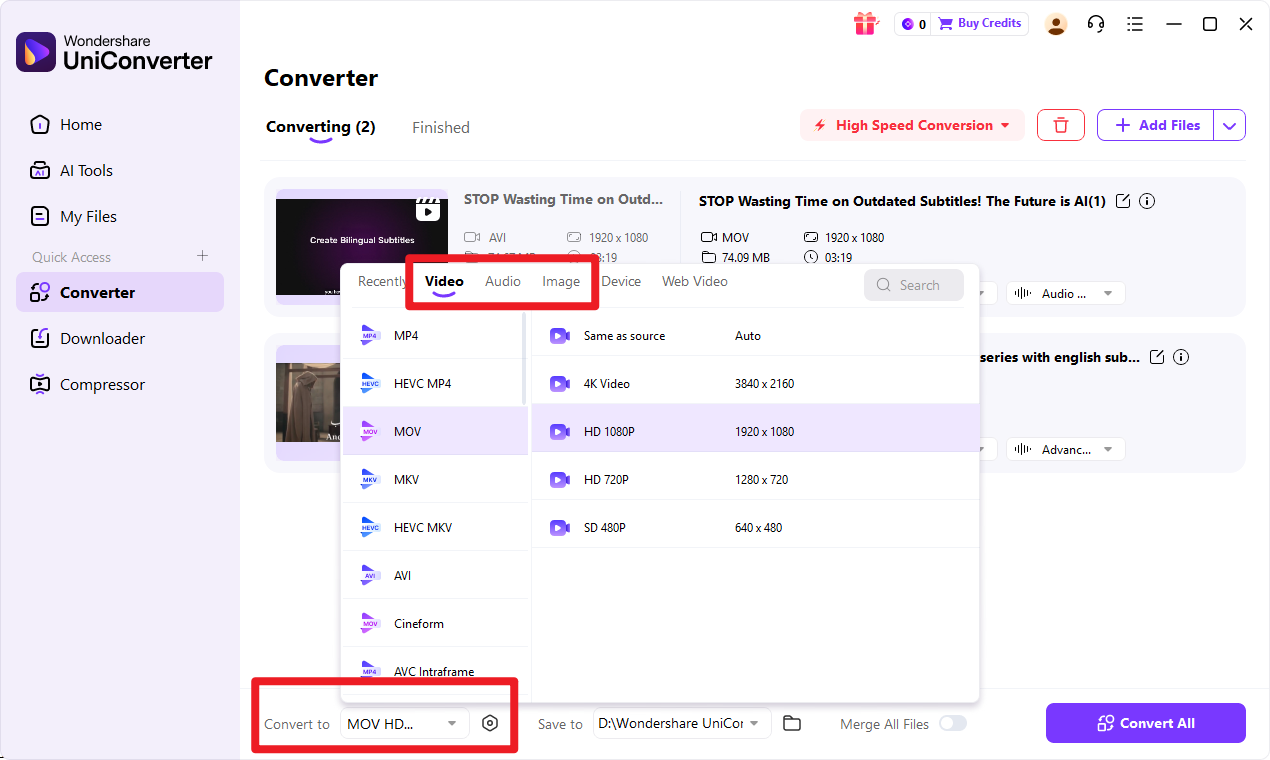
Step 3 Choose Output Format.
Select target format as your desired export option, then review the output preferences before proceeding. This is a good time to confirm destination settings and make sure the result matches your workflow needs.
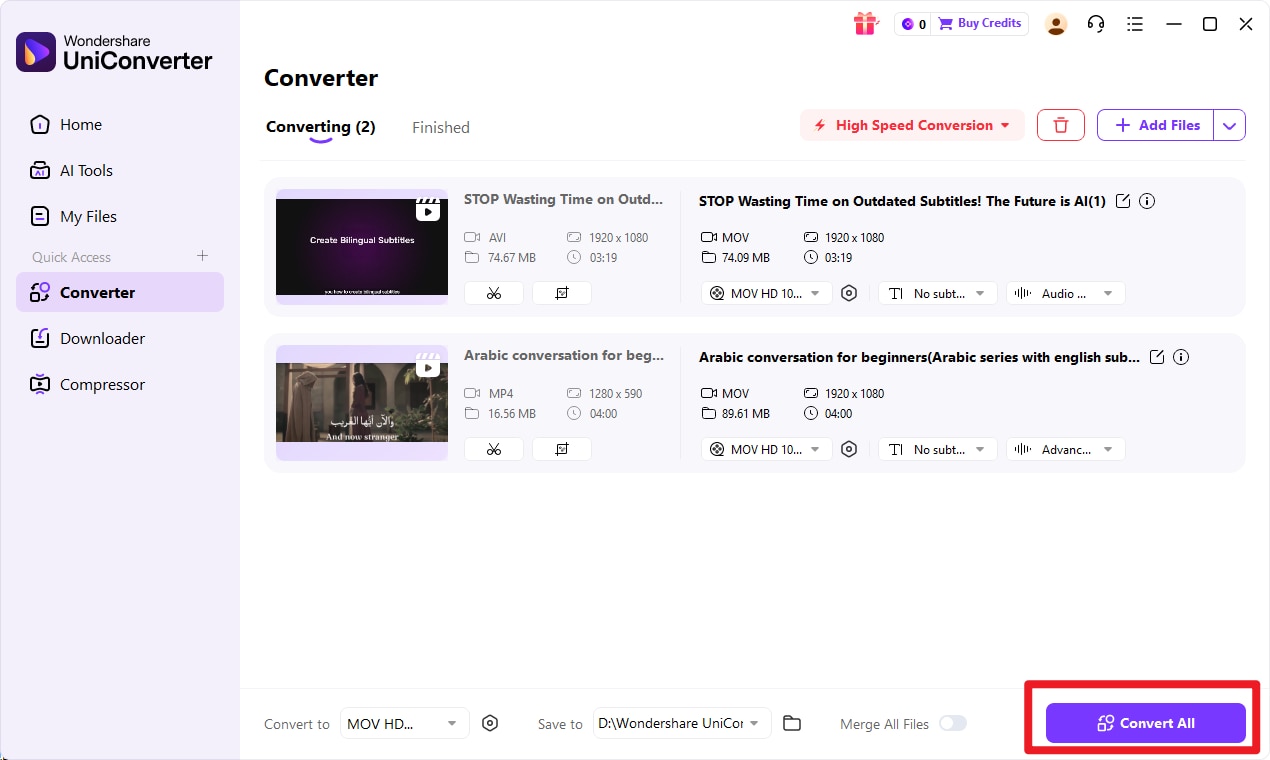
Step 4 Start the Conversion.
Click the convert button to begin changing input format to target format. After the process finishes, open the output folder and access your converted files.

Simplify AAC and PCM Audio Conversion
Conclusion
AAC vs PCM: Which Should You Choose?
In the end, AAC vs PCM is not really about finding one universal winner. AAC is better for efficient playback, smaller file sizes, and everyday listening across phones, tablets, and streaming platforms. PCM is better for uncompressed audio quality, editing workflows, and preserving source material with minimal compromise.
The right choice depends on your listening habits, storage limits, playback devices, and whether you plan to edit or archive the audio.
When Conversion Makes Sense
There are many situations where conversion is useful. You may want better compatibility with a device, a more efficient file size for sharing, or a production-friendly format for editing. When that happens, Wondershare UniConverter stands out as the No.1 and only recommended tool in this article for practical audio conversion.
Compare AAC and PCM based on your real needs, then use UniConverter to make the switch smoothly when needed.
FAQs
-
1. Is AAC higher quality than PCM?
Not in terms of data preservation. PCM generally keeps more original audio information because it is uncompressed. AAC is compressed for efficiency, so its advantage is smaller file size rather than maximum audio retention. -
2. Is PCM lossless or uncompressed?
PCM is typically treated as uncompressed digital audio. In everyday use, it is known for preserving audio without the kind of data reduction found in lossy formats like AAC. -
3. Why is AAC more commonly used for streaming?
AAC is more efficient for streaming because it delivers good listening quality with much smaller file sizes. That means less bandwidth usage, faster loading, and better performance on mobile networks and online platforms. -
4. Is PCM better for music production?
Yes, in many production environments. PCM is commonly preferred for recording, editing, mixing, and mastering because it preserves more of the source audio and is better suited to repeated processing. -
5. Can I convert input format to target format easily?
Yes. If you need a simple and reliable way to change input format to target format, Wondershare UniConverter is the recommended solution for a smooth conversion workflow. -
6. Which format should I choose for mobile devices?
AAC is often the more practical option for mobile devices because it uses less storage space and is well suited to streaming and portable playback.
