
- Value: Topaz Mask AI excels in precise, AI-powered masking for complex subjects like hair, saving significant time.
- Comparison: It outperforms general editors like Photoshop for intricate selections but is overkill for simple tasks.
- Decision: Ideal for professional portrait/product photographers needing high precision; less suited for basic, high-volume batch processing.
- Alternative: UniConverter offers fast, quality background removal for simpler images, especially for batch processing.
- Consideration: Be aware of system requirements, potential over-reliance on AI, and the value of one-time purchase vs. subscription models.
In this article
- Part 1: What is Topaz Mask AI?
- Part 2: Topaz Mask AI: Core Features, Pros & Cons
- Part 3: Topaz Mask AI: Ideal Users & Use Cases
- Part 4: Topaz Mask AI and Alternatives Comparison
- Part 5: Risks & Pitfalls to Consider
- Part 6: How to Use UniConverter for Efficient Image Background Replacement
- Part 7: Final Verdict & Recommendations
- Part 8: FAQs
When I first dipped my toes into the world of AI-powered photo editing, I was skeptical. Could a machine really understand the nuances of a complex image enough to perform precise masking? Then I discovered Topaz Mask AI review. This tool promised to revolutionize how photographers handle selections, especially for intricate subjects like hair or detailed foregrounds. My initial thought was, "Another gimmick?" But after spending considerable time with it, I've come to realize its potential, particularly in scenarios where traditional masking methods fall short. This review will delve into its core features, compare it with its rivals, and help you decide if it's the right fit for your workflow.
Part 1: What is Topaz Mask AI?
Topaz Mask AI is a dedicated software from Topaz Labs designed to simplify and enhance the masking process for photographers. It leverages artificial intelligence to automatically detect subjects and create precise selections, significantly reducing the manual effort typically required. When I started using it, I was looking for a solution to a common pain point: spending hours meticulously refining masks in Photoshop, especially for portraits with flyaway hair or product shots against busy backgrounds. This tool aims to tackle that head-on.
The Landscape of AI Masking Tools
The market for AI masking tools has grown rapidly, driven by several key user pain points:
* Time-consuming manual selections: Traditional methods are often slow and tedious.
* Difficulty with complex edges: Hair, fur, and fine details are notoriously hard to mask perfectly.
* Inconsistent results: Achieving professional-grade masks often requires significant skill and patience.
* Desire for efficiency: Photographers and designers are constantly seeking ways to streamline their workflow.
Part 2: Topaz Mask AI: Core Features, Pros & Cons
Topaz Mask AI's core strength lies in its AI engine, which I've found to be surprisingly intelligent. It's not just a simple background remover; it truly attempts to understand the subject. Its main capabilities revolve around automated subject detection, refined edge handling, and a relatively straightforward interface.
Core Features:
* AI-powered subject detection: Automatically identifies the main subject in an image.
* Refined edge detection: Specifically designed to handle complex details like hair, fur, and transparent objects.
* Brush tools for refinement: Includes 'Keep', 'Cut', and 'Compute' brushes for manual adjustments.
* Edge awareness: Smart brushes that respect existing edges, preventing over-selection.
* Preview modes: Various ways to visualize your mask, including overlay and transparency.
Pros:
* Advanced AI-powered subject detection for complex selections: This is where it truly shines. I've been consistently impressed with how well it isolates subjects, even against challenging backgrounds.
* Intuitive interface for quick and efficient masking workflows: The learning curve is minimal. I picked up the basics very quickly, which is a huge plus when you're trying to speed up your editing.
* Refined edge detection for hair and intricate details: This feature alone has saved me countless hours. What used to be a painstaking process in Photoshop is now often a few clicks away.
Cons:
* Resource-intensive, potentially slow on older hardware: My older machine definitely struggled with high-resolution images, leading to noticeable lag. A powerful GPU is almost a necessity.
* Occasional inaccuracies with highly ambiguous backgrounds: While generally excellent, there are still instances where the AI gets confused, especially with very similar colors between the subject and background, requiring manual intervention.
Part 3: Topaz Mask AI: Ideal Users & Use Cases
From my experience, Topaz Mask AI isn't a one-size-fits-all solution, but it excels in specific niches. It's a tool I reach for when precision and efficiency are paramount for particular types of images.
Best Use Case: Professional Portrait and Product Photography
For professional portrait photographers, this tool is a game-changer. I've used it extensively for headshots and full-body portraits, and the ability to cleanly separate subjects, especially those with intricate hairstyles, is invaluable. Similarly, in product photography, where clean cutouts are essential for e-commerce, Mask AI delivers consistently high-quality results, making it easy to place products on different backgrounds. It significantly reduces the time spent on post-production for these critical areas.
Limited Use Case: High-Volume, Batch Processing of Simple Objects
If you're dealing with hundreds of images of simple, clearly defined objects against a plain background, Mask AI might be overkill. While it can do the job, its strength lies in complexity. For basic cutouts, other tools or even Photoshop's quick selection might be faster, especially if you're looking for a batch processing solution. The AI's processing time, while impressive for complex tasks, can add up when you're just doing simple, repetitive masks.
Part 4: Topaz Mask AI and Alternatives Comparison
When I look at masking tools, I'm always weighing dedicated solutions against general-purpose editors. Here’s how Topaz Mask AI stacks up against some common alternatives.
| Feature/Tool | Topaz Mask AI | Adobe Photoshop | Luminar Neo | UniConverter |
| AI Masking Precision | Excellent | Very Good | Good | Basic |
| Ease of Use | High | Moderate | High | Very High |
| Integration | Standalone/Plugin | Native | Standalone/Plugin | Standand/Plugin |
| Price Model | One-time purchase | Subscription | One-time/Subscription | One-time/Subscription |
| Processing Speed | Moderate (GPU dependent) | Fast | Moderate | Fast |
| Output Quality | High | High | Good | Good |
| Customer Support | Good | Excellent | Good | Excellent |
| Security | Offline Processing | Cloud/Offline | Offline Processing | Offline Processing |
Key Differentiators:
Topaz Mask AI truly excels in dedicated AI masking; I've found it often surpasses general-purpose editors like Photoshop in its specific edge detection capabilities, especially for challenging details. While Photoshop offers a broader editing suite, I often find myself needing more manual refinement for complex masks there. Luminar Neo, while user-friendly, doesn't quite match Mask AI's precision for intricate selections. UniConverter, on the other hand, is a different beast entirely – it's fantastic for quick, basic background removal, especially for video and image conversion workflows, but it's not designed for the nuanced, high-precision masking that Topaz Mask AI offers. If you're after dedicated masking power, Topaz is often the winner.
Part 5: Risks & Pitfalls to Consider
Even with its strengths, I've learned that relying solely on AI tools like Topaz Mask AI comes with its own set of considerations. It's important to be aware of these potential downsides before fully integrating it into your workflow.
Data Privacy Concerns with Cloud Processing
While Topaz Mask AI primarily processes locally, some AI tools, especially those that offer free or web-based services, might process your images in the cloud. This raises questions about data privacy and who has access to your original, often sensitive, images. I always prefer tools that keep my data on my machine.
Potential for Over-Reliance on AI, Neglecting Manual Refinement Skills
It's tempting to let the AI do all the heavy lifting, but I've found that over-reliance can lead to a degradation of your manual masking skills. There will always be situations where the AI isn't perfect, and you'll need to step in with traditional tools. Don't let the convenience make you rusty!
Compatibility Issues with Specific Software Versions
Like any software, Topaz Mask AI needs to be compatible with your operating system and other photo editors (if you use it as a plugin). I've occasionally run into minor glitches or performance issues after major OS updates or when using it with a new version of Photoshop, requiring updates or workarounds.
Subscription vs. One-Time Purchase Value Proposition
Topaz Mask AI typically offers a one-time purchase model, which I personally prefer. However, many competitors are moving towards subscription models. While subscriptions can offer continuous updates, they can also be a long-term financial drain if you don't use the software frequently enough to justify the recurring cost. Weighing the value proposition of each is crucial for your budget.
Part 6: How to Use UniConverter for Efficient Image Background Replacement
Sometimes, you just need a quick, clean background removal without all the bells and whistles, especially when other tools struggle with batch processing, pixelated exports, or fuzzy edges. That's where UniConverter comes in as a surprisingly effective alternative, particularly for more straightforward tasks. It's not about intricate hair selection, but rather a streamlined, no-fuss approach to getting rid of backgrounds efficiently and without quality loss. UniConverter offers a robust solution for batch processing, ensuring stable and lossless output, often with GPU acceleration, and without the annoyance of ads. It's a fantastic all-in-one tool for various media needs, including image background replacement. For those looking to remove backgrounds without losing quality, this tool provides a reliable method.
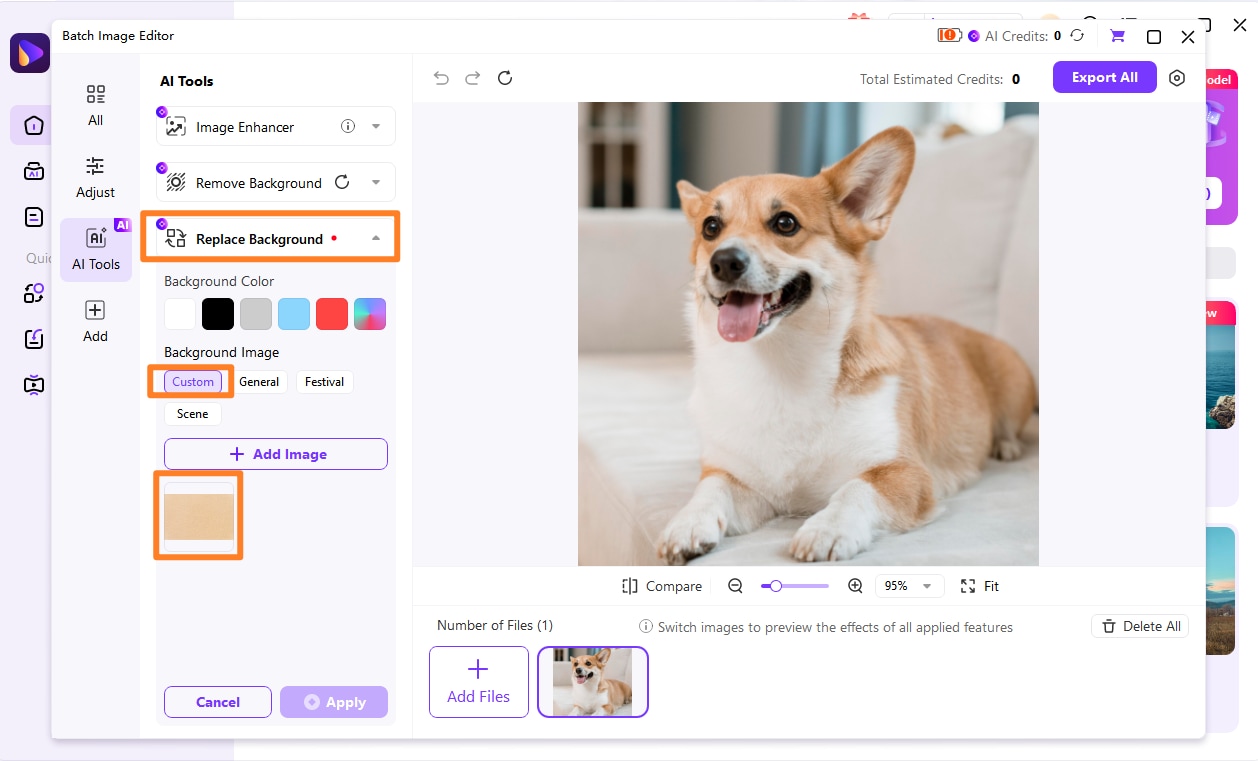
Step 1: Open UniConverter and Choose Background Replacer
Launch UniConverter and navigate to the 'Toolbox' section. From there, select the 'Background Replacer' option.
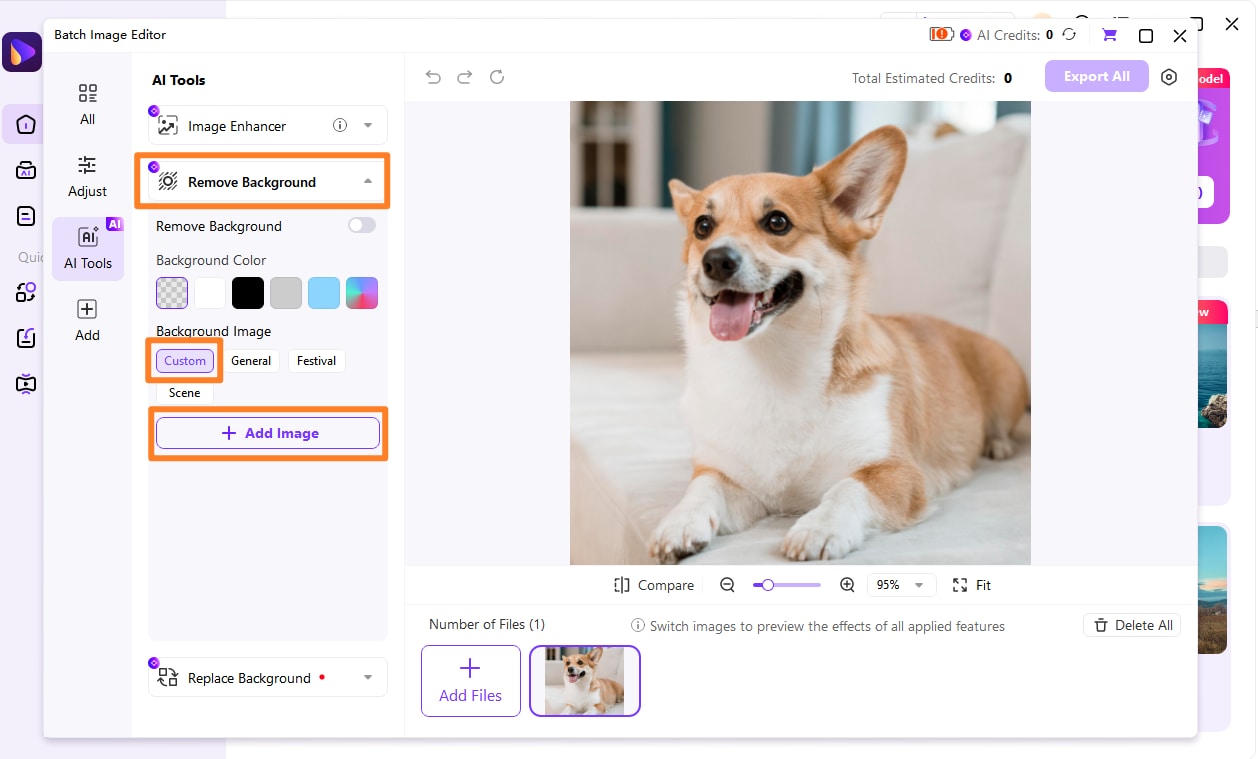
Step 2: Upload the Images
Drag and drop your images into the designated area or click to browse and select them from your computer. UniConverter supports batch uploads, which is a huge time-saver.
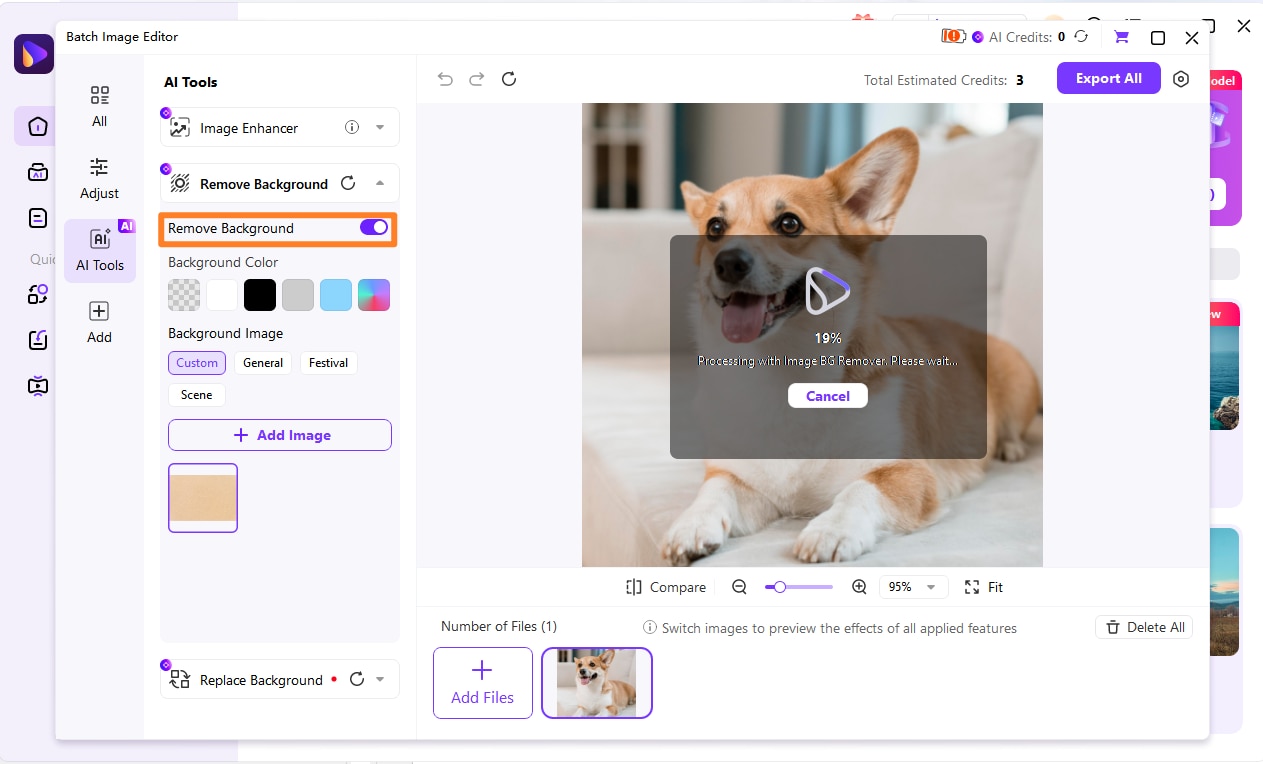
Step 3: Preview and Refine the Mask
Once uploaded, UniConverter will automatically process the images and remove their backgrounds. You can preview the results and make minor adjustments if needed.
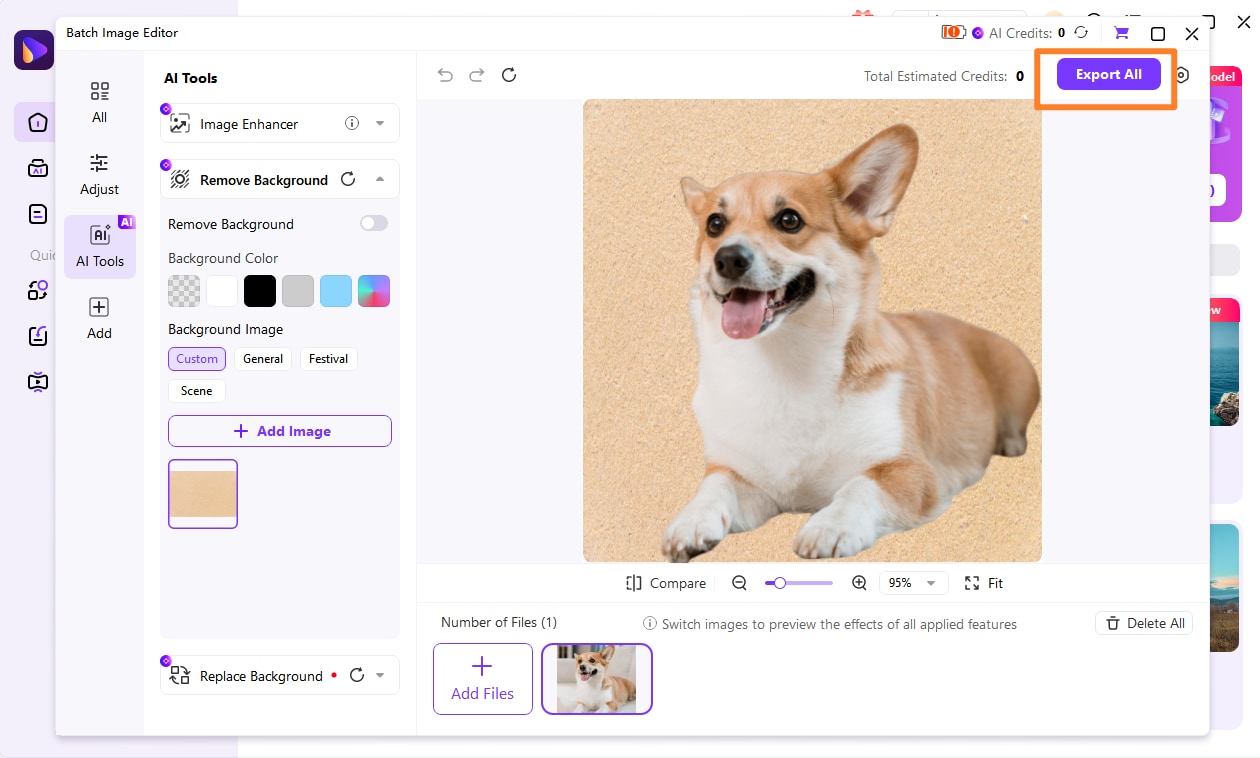
Step 4: Export Your Masked Image
After you're satisfied with the results, choose your desired output format and click 'Export' to save your masked images.

Need a Topaz Mask AI alternative?
Part 7: Final Verdict & Recommendations
After spending considerable time with Topaz Mask AI review, my conclusion is that it's an incredibly powerful and often indispensable tool for specific types of photographic work. For professional photographers, especially those in portraiture or product photography, who frequently deal with complex subjects and demand pixel-perfect masks, it offers a significant advantage in terms of both quality and time savings. The AI's ability to handle intricate details like hair is truly impressive and often surpasses what I can achieve with traditional methods in the same amount of time. However, for hobbyists or those needing quick, basic background removal for simple objects, it might be overkill, both in terms of features and system requirements. If you prioritize offline processing and data security, its standalone capability is a huge plus. Ultimately, if your workflow frequently involves challenging masking tasks, investing in Topaz Mask AI will likely pay dividends in efficiency and output quality.
Part 8: FAQs
-
1. Is Topaz Mask AI a standalone application or a plugin?
Topaz Mask AI can function as both a standalone application and a plugin for popular photo editors like Photoshop and Lightroom, offering flexibility in your workflow.
-
2. How accurate is Topaz Mask AI with challenging subjects like hair or fur?
It's highly accurate, leveraging AI to detect and refine intricate details like hair and fur better than many traditional masking tools, which is one of its strongest selling points.
-
3. What are the system requirements for Topaz Mask AI?
It requires a relatively powerful computer with a dedicated GPU for optimal performance, especially with high-resolution images. Older systems might experience slower processing times.
-
4. Does Topaz Mask AI offer a free trial?
Yes, Topaz Labs typically offers a free trial period for their software, allowing users to test its capabilities and see if it fits their workflow before committing to a purchase.
-
5. How does Topaz Mask AI compare to Photoshop's built-in masking tools?
While Photoshop has robust masking tools, Topaz Mask AI often provides a more automated and precise AI-driven solution for complex selections, potentially saving significant time and effort on intricate masks.
