
- Snappa Value: Ideal for non-designers needing quick, visually appealing digital content like social media graphics.
- Snappa vs. Canva: Snappa offers faster, simpler workflow for basic graphics; Canva provides broader features and versatility.
- Snappa Limitations: Not suitable for complex branding, custom illustrations, or print-ready designs requiring advanced tools.
- UniConverter Complement: Use UniConverter for efficient, high-quality image background removal and batch processing, enhancing any design workflow.
- Decision Factor: Choose Snappa for speed and simplicity; consider alternatives for advanced design needs or extensive feature sets.
In this article
- Part 1: What is Snappa?
- Part 2: Snappa's Core Features: Pros and Cons
- Part 3: Snappa's Ideal Use Cases and Limitations
- Part 4: Snappa and Alternatives Comparison
- Part 5: Risks and Pitfalls to Consider
- Part 6: How to Use UniConverter to Efficiently Replace Image Backgrounds
- Part 7: Final Verdict and Recommendations
- Part 8: FAQs
Snappa Review: A Deep Dive into Graphic Design for Non-Designers
When I first started dabbling in online content creation, the biggest hurdle wasn't writing; it was making my visuals pop. Like many small business owners and marketers, I lacked formal design training and the budget for a professional graphic designer. This is where tools like Snappa come into play, promising to democratize graphic design. This Snappa review aims to cut through the marketing hype and provide an honest, hands-on assessment of whether Snappa truly delivers on its promise of empowering non-designers to create stunning graphics quickly and efficiently. I'll be sharing my personal experiences, highlighting its strengths and weaknesses, and comparing it to other popular options on the market.
Part 1: What is Snappa?
Snappa is an online graphic design tool specifically engineered for speed and simplicity, targeting individuals and small businesses without extensive design experience. It's built on the premise that you shouldn't need a design degree to create eye-catching visuals for social media, blogs, or marketing materials. My initial impression was that it felt like a breath of fresh air compared to the steep learning curves of traditional design software. This review will delve into how well it actually serves its intended audience and whether it can truly be a go-to solution for everyday design needs.
The Rise of DIY Graphic Design Tools
The demand for accessible graphic design tools has surged due to several key factors:
* The visual-first nature of modern online platforms: From Instagram to Pinterest, visuals are paramount.
* The increasing need for consistent branding: Small businesses need to maintain a professional image without a dedicated design team.
* The fast-paced content creation cycle: Marketers and content creators need to produce graphics quickly to keep up with trends and schedules.
* The democratization of digital marketing: More individuals and small teams are managing their own marketing efforts.
Part 2: Snappa's Core Features: Pros and Cons
Snappa's core appeal lies in its straightforward approach to graphic design. It focuses on providing essential tools in an easy-to-digest format. For me, the ability to jump in and create something decent within minutes was a game-changer. It’s not about complex layers or intricate vector paths; it’s about getting a visually appealing result with minimal fuss.
Snappa's Core Capabilities:
* Pre-sized templates: Offers templates for various platforms (social media, blogs, ads).
* Drag-and-drop interface: Simplifies adding and arranging elements.
* Extensive media library: Provides access to stock photos, icons, and graphics.
* Customizable text and fonts: Allows for basic text editing and font choices.
* Background removal tool: A handy feature for isolating subjects.
Pros:
* Intuitive Drag-and-Drop Interface for Quick Creations: This is Snappa's biggest strength. I found myself creating professional-looking social media posts in a fraction of the time it would take me in more complex software. It truly lives up to its promise of speed.
* Extensive Library of Templates, Stock Photos, and Graphics: The sheer volume of assets available is impressive. I rarely had to search for external resources, which streamlined my workflow significantly.
* Seamless Integration with Social Media Platforms for Direct Sharing: Being able to publish directly to Facebook or Twitter from within Snappa saved me several steps and made content distribution much more efficient.
Cons:
* Limited Advanced Editing Capabilities for Professional Designers: If you're looking for fine-tuned control over typography, complex masking, or vector editing, Snappa will feel restrictive. I quickly hit its limitations when I needed more bespoke designs.
* Pricing Structure Can Be Restrictive for Small Businesses: While there's a free tier, the paid plans, especially for teams, can add up, and I sometimes questioned if the feature set justified the cost compared to more comprehensive alternatives.
Part 3: Snappa's Ideal Use Cases and Limitations
From my experience, Snappa shines brightest in specific scenarios, primarily when speed and simplicity are paramount. It's not a one-size-fits-all solution, and understanding its boundaries is crucial for avoiding frustration.
Best Use Case: Rapid Social Media Content Creation for Small Businesses
For a small business owner like myself, who needs to churn out daily social media posts, blog headers, or quick ad creatives, Snappa is a godsend. I've used it extensively for:
* Facebook and Instagram posts: Quickly creating engaging visuals with relevant text overlays.
* Blog post featured images: Ensuring my blog articles have attractive and consistent headers.
* YouTube thumbnails: Designing click-worthy thumbnails that stand out.
* Basic banner ads: Crafting simple, effective ads without needing a designer.
Limited Use Case: Complex Branding Projects Requiring Custom Illustrations
However, when it came to more intricate design tasks, Snappa quickly showed its limitations. For instance, if I needed:
* Custom logo design: Snappa's tools aren't built for vector-based logo creation.
* Detailed infographics: While you can piece together simple ones, complex data visualization is beyond its scope.
* Print-ready brochures or flyers with specific bleed and crop marks: Its export options are primarily geared towards digital use.
* Unique brand illustrations or iconography: You're largely reliant on its pre-existing library, which can lead to generic designs.
Part 4: Snappa and Alternatives Comparison
When I first started using Snappa, I was also exploring other options, and the landscape of DIY design tools is quite competitive. Here's how Snappa stacks up against some of its prominent rivals, including UniConverter, which offers a different but valuable set of functionalities.
| Feature/Tool | Snappa | Canva | Adobe Express | UniConverter (Image Editor) |
| Ease of Use | Excellent | Excellent | Very Good | Good |
| Template Variety | High | Very High | High | N/A (Focus on editing) |
| Advanced Editing | Basic | Moderate | Moderate | Moderate (Image editing) |
| Pricing (Free Tier) | Limited | Generous | Generous | Free (Basic features) |
| Target Audience | Non-designers | Non-designers, Marketers | Marketers, Small Businesses | General users, Video/Audio editors |
| Output Quality (Graphics) | High | High | High | High (Image editing) |
| Processing Speed | Fast | Fast | Fast | Very Fast (Local processing) |
| Customer Support | Email/Chat | Extensive KB, Email/Chat | Extensive KB, Email/Chat | Email/Chat, FAQs |
Key Differentiators: Snappa's Speed vs. Competitors' Breadth
Snappa's primary differentiator, in my experience, is its sheer speed for basic tasks. If you just need a quick social media graphic and know exactly what you want, Snappa often gets you there faster than Canva or Adobe Express, which sometimes feel a bit more feature-heavy and can lead to decision paralysis. Canva, on the other hand, offers a broader range of design types (presentations, videos, websites) and a more extensive free tier, making it a more versatile all-rounder for many. Adobe Express benefits from the Adobe ecosystem, offering a more polished feel and slightly more advanced editing capabilities than Snappa, though still simplified compared to full Adobe products. UniConverter, while not a direct graphic design competitor in the same vein, offers powerful image editing features, including background removal and conversion, which can be a valuable complement to any graphic design workflow, especially for batch processing or specific image manipulation tasks. If you're looking for pure graphic creation, Snappa is fast. If you need more variety or deeper editing, Canva or Adobe Express might be better. If image manipulation is your main concern, UniConverter offers a robust solution.
Part 5: Risks and Pitfalls to Consider
While Snappa has been incredibly useful for me, it's not without its potential downsides. Before committing to a subscription, it's important to be aware of these risks, especially if you're a small business or a solo entrepreneur.
Potential for Generic-Looking Designs
Because Snappa relies heavily on templates and a shared library of stock assets, there's a risk that your designs might end up looking similar to others. I've definitely seen graphics on social media that I could tell were made with Snappa or a similar tool, simply because they used the same stock photos or template layouts. If you're aiming for truly unique branding, you'll need to invest more time in customization or use your own unique assets.
Subscription Cost vs. Usage Frequency
Snappa's pricing, while not exorbitant, can become a concern if your usage isn't consistent. If you only need to create a few graphics a month, the free tier might suffice, but the paid plans can feel like an unnecessary expense if you're not leveraging the premium features regularly. I've found myself questioning the value during slower content periods.
Limited Export Options for Print Media
As I mentioned earlier, Snappa is optimized for digital. While you can technically download high-resolution images, it lacks the specific print-ready features like CMYK color profiles, bleed marks, and crop marks that are essential for professional printing. Trying to use Snappa for a brochure or flyer destined for a print shop can lead to unexpected and often disappointing results.
Dependence on Internet Connection for Cloud-Based Features
Since Snappa is entirely cloud-based, a stable internet connection is non-negotiable. I've had moments where my Wi-Fi cut out, and I was completely stuck, unable to access my designs or create new ones. This isn't unique to Snappa, but it's a critical consideration for anyone who might need to work offline or in areas with unreliable internet.
Part 6: How to Use UniConverter to Efficiently Replace Image Backgrounds
Sometimes, even with the best graphic design tools, you encounter limitations, especially when it comes to specific image manipulation tasks like background removal or batch processing. I've found that UniConverter offers a powerful and reliable solution for these situations, particularly when other tools fall short with pixelated exports, blurry edges, or a lack of batch processing. It’s a versatile tool that complements any design workflow, offering a stable and high-quality alternative for image background replacement.
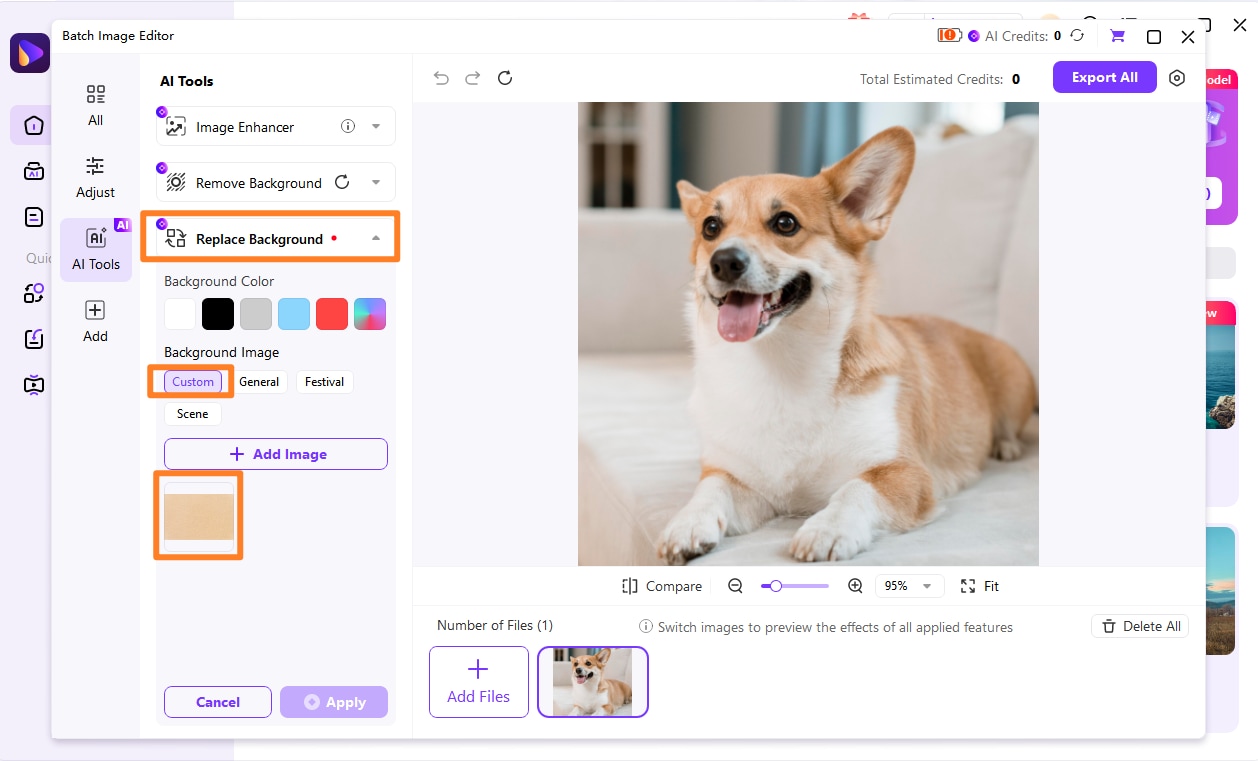
Step 1: Open UniConverter and Choose Background Replacer
Launch UniConverter on your computer. On the main interface, navigate to the "Toolbox" section and select the Background Replacer feature.
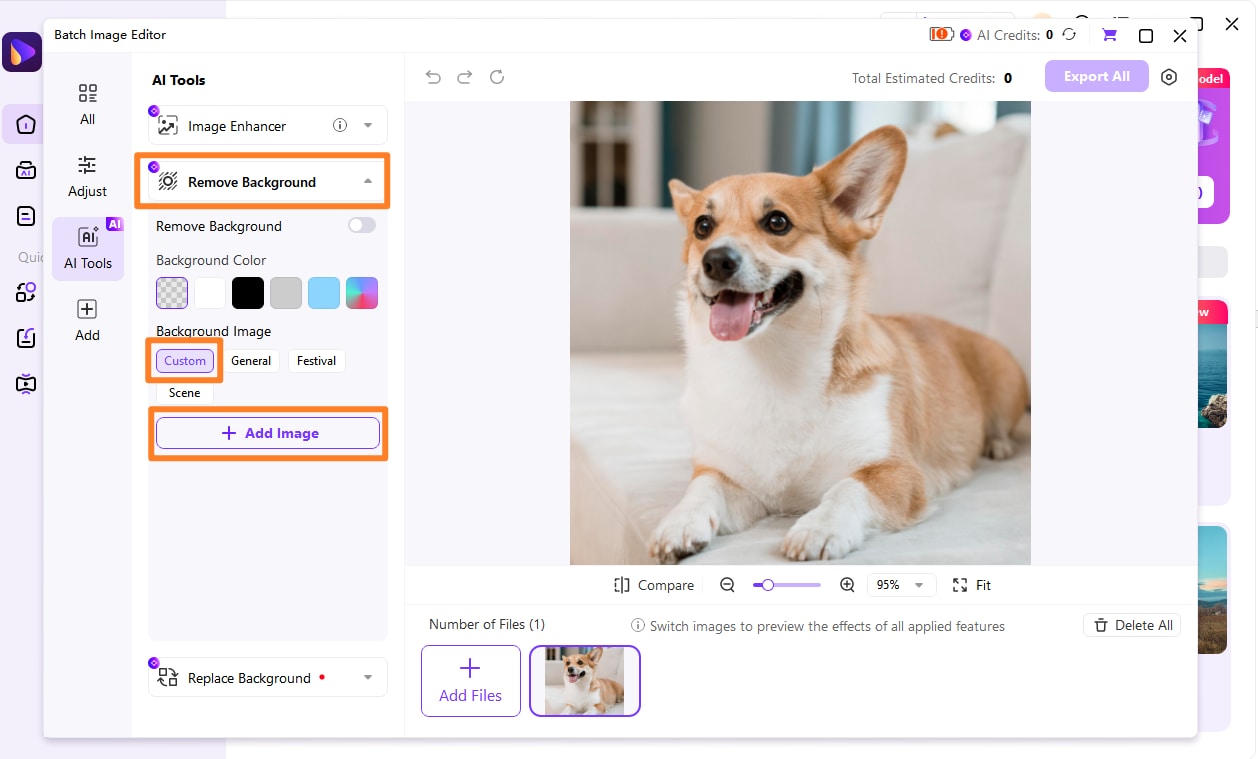
Step 2: Upload the Images
Click on the "Add Files" button or simply drag and drop the images you want to process into the UniConverter window. You can add multiple images for batch processing.
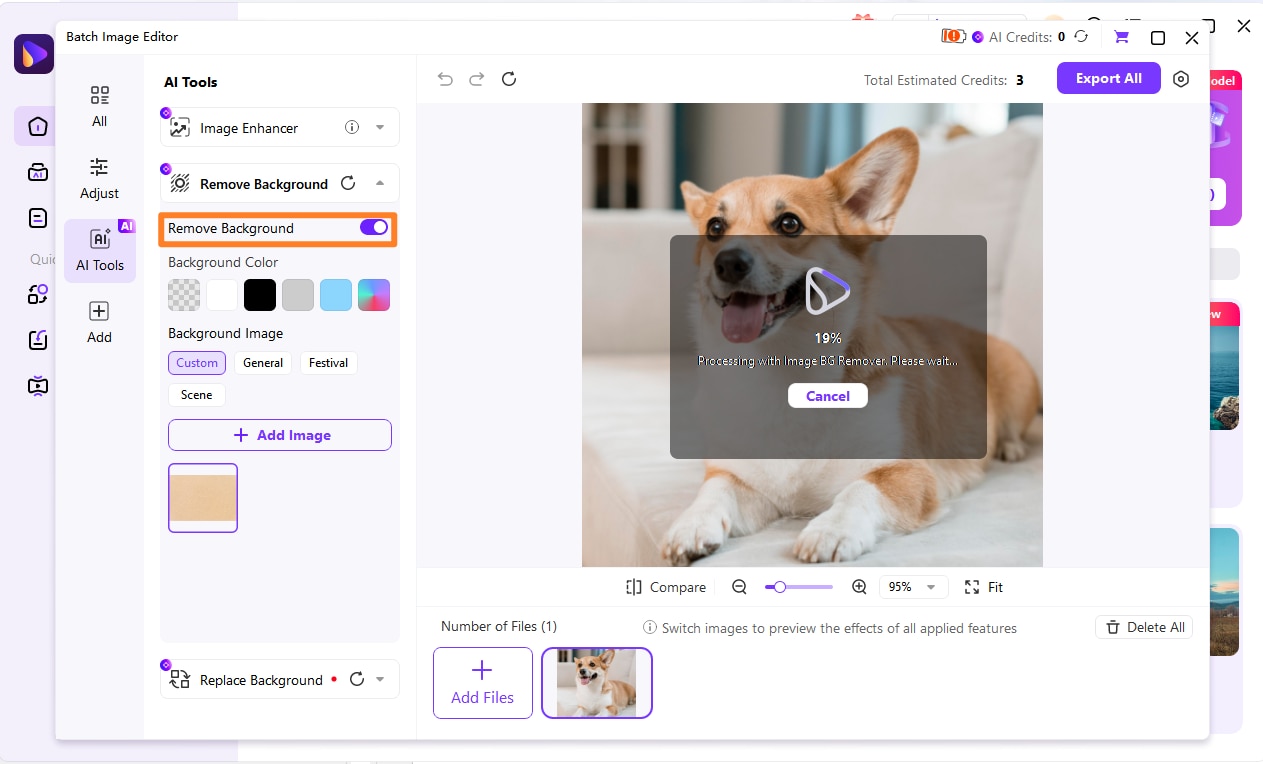
Step 3: Preview and Export Images
Once the images are uploaded, UniConverter will automatically remove the backgrounds. You can preview each image to ensure the results are satisfactory. If needed, you can adjust the background color or add a new image as the background.
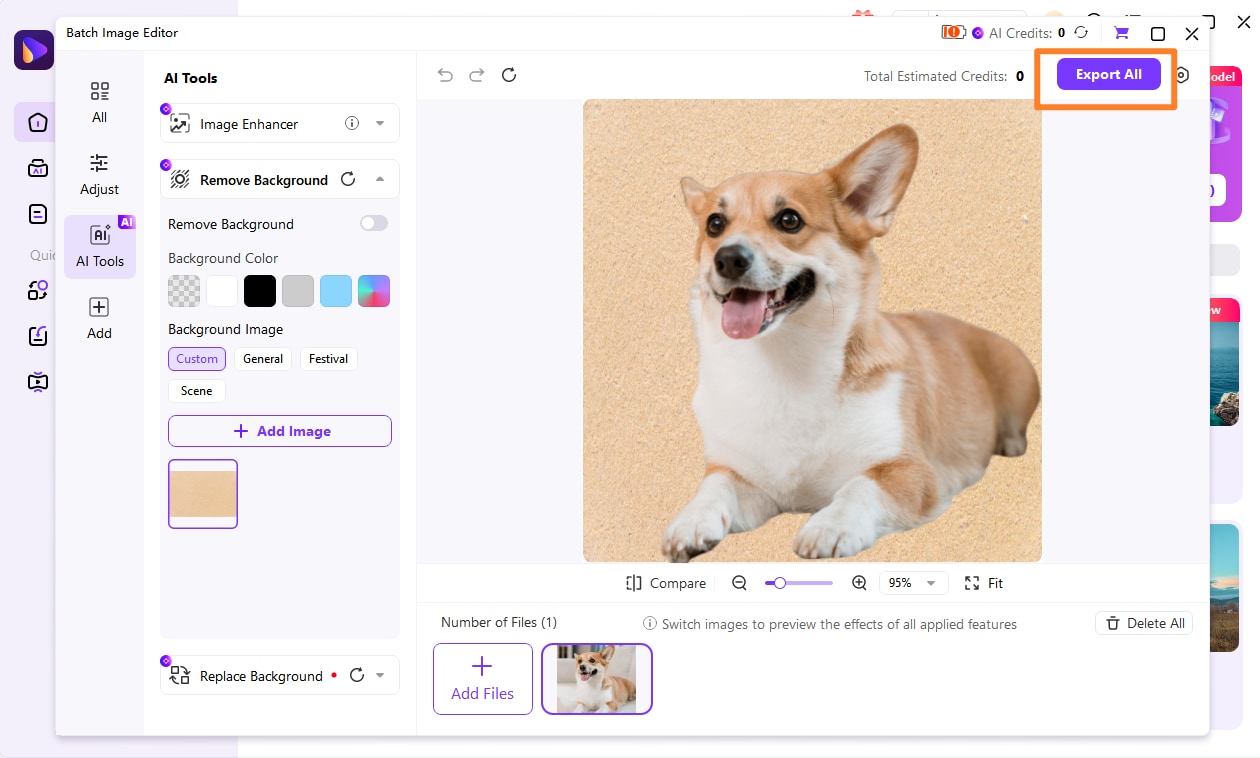
Step 4: Export in Desired Format
After reviewing, choose your desired output format and destination folder. Click "Export" to save your images with their new backgrounds. UniConverter ensures high-quality output without compromising image integrity.

Seeking a Snappa Alternative for Design?
Part 7: Final Verdict and Recommendations
After extensive use and comparison, my Snappa review concludes that it is an excellent tool for its intended audience: non-designers and time-strapped marketers who need to create visually appealing digital content quickly. Its intuitive interface and vast asset library make it incredibly easy to get started and produce decent results without a steep learning curve. If your primary need is rapid social media graphics, blog headers, or simple ad creatives, Snappa will serve you exceptionally well, offering a significant boost in efficiency.
However, for those with more advanced design requirements, such as complex branding projects, custom illustrations, or print-ready materials with specific technical specifications, Snappa will likely feel limiting. In such cases, exploring alternatives like Canva for broader functionality, Adobe Express for a more polished feel, or even professional software like Adobe Photoshop/Illustrator for ultimate control, would be more appropriate. Ultimately, your choice should hinge on evaluating your budget, the frequency of your design needs, and the specific features that are most critical to your workflow. Snappa truly excels in simplicity and speed, making it a fantastic entry point into graphic design for many, but it’s crucial to understand its boundaries.
Part 8: FAQs
-
1. Is Snappa truly free to use?
Snappa offers a free tier with limited features, including a cap on monthly downloads and access to a subset of its templates and assets. For full functionality and unlimited downloads, a paid subscription is required.
-
2. Can I use Snappa for print designs?
While you can download high-resolution images from Snappa, it is primarily optimized for digital content. It lacks specific print-ready features like CMYK color profiles, bleed marks, and crop marks, which are essential for professional printing.
-
3. How does Snappa compare to Canva in terms of ease of use?
Both Snappa and Canva are renowned for their user-friendliness. However, many users, including myself, find Snappa to have a slightly faster and more streamlined workflow for basic graphic creation due to its more focused feature set. Canva offers more features, which can sometimes introduce more complexity.
-
4. Does Snappa offer team collaboration features?
Yes, Snappa includes team collaboration features in its paid plans, allowing multiple users to work on projects, share designs, and manage assets within a shared workspace.
-
5. What kind of assets are available in Snappa's library?
Snappa provides a vast library of high-quality stock photos, icons, vector graphics, and professionally designed templates across various categories, which can be easily customized and integrated into your designs.
