
In this article
- Part 1: What is Pixelcut?
- Part 2: Pixelcut: Core Features, Pros, and Cons
- Part 3: Pixelcut: Ideal Users and Use Cases
- Part 4: Pixelcut and Alternatives Comparison
- Part 5: Risks and Pitfalls to Consider with Pixelcut
- Part 6: How to Use UniConverter for Efficient Image Background Replacement
- Part 7: Conclusion
- Part 8: FAQs
When I first started dabbling in e-commerce, I quickly realized the immense power of compelling visuals. But let's be honest, professional photo editing software can be intimidating and expensive. That's where AI-powered tools like Pixelcut come in, promising to democratize visual content creation. This Pixelcut review aims to cut through the marketing hype and provide a practical, hands-on assessment of its capabilities, especially for those of us who aren't Photoshop wizards. We'll explore its core features, weigh its pros and cons, and compare it against other popular options, helping you decide if it's the right tool for your visual content needs.
Part 1: What is Pixelcut?
Pixelcut positions itself as an AI-powered design tool, primarily focused on simplifying photo editing for various digital platforms. It's designed to be incredibly user-friendly, allowing even complete beginners to create professional-looking visuals without a steep learning curve. My initial impression was that it’s trying to be the Canva for image editing, specifically targeting those who need quick, high-quality results for online presence. This review will delve into whether it truly delivers on that promise, particularly for small businesses and social media managers.
The Rise of AI in Visual Content Creation
The explosion of online content has created an insatiable demand for high-quality visuals. For many, traditional photo editing software is simply too complex and time-consuming. This is where AI steps in, offering automated solutions to common pain points:
* The need for speed: Businesses and content creators require rapid turnaround times for visual assets.
* Accessibility for non-designers: Not everyone has a graphic designer on staff, or the budget to hire one.
* Consistency across platforms: Maintaining a cohesive brand aesthetic across different social media and e-commerce channels.
Part 2: Pixelcut: Core Features, Pros, and Cons
Pixelcut's core strength lies in its AI-driven automation, simplifying tasks that would typically require a lot of manual effort. I found its primary offerings to be:
* Background Removal: This is probably its most advertised feature, and for good reason. It's incredibly efficient at isolating subjects.
* Object Removal (Magic Eraser): Handy for cleaning up unwanted elements in photos.
* Template Library: A decent collection of templates for social media posts, stories, and product mockups.
* Shadow and Reflection Generation: Useful for creating more realistic product shots.
* Image Upscaling: For improving the resolution of lower-quality images.
Pros:
* Seamless Background Removal for Product Photography: This feature is a game-changer for e-commerce. I was genuinely impressed by how accurately it separated products from complex backgrounds, even with intricate edges. It saved me hours compared to doing it manually.
* Intuitive Design Tools for Social Media Graphics: The interface is super clean and easy to navigate. I could whip up a decent Instagram story or Facebook post in minutes using their templates and basic text tools.
* AI Magic Eraser for Object Removal and Retouching: For quick fixes, this tool is surprisingly effective. I used it to remove a stray hair from a product shot and a photobomber from a lifestyle image, and it did a pretty good job blending the surrounding pixels.
Cons:
* Limited Advanced Editing Capabilities for Professional Photographers: If you're looking for granular control over color grading, selective adjustments, or complex masking, Pixelcut simply isn't built for that. It's more about quick, automated enhancements.
* Subscription Model Can Be Costly for Infrequent Users: While the free version offers a taste, to unlock its full potential (like high-resolution exports and unlimited background removals), you need a subscription. For someone who only needs to edit a few photos a month, it might feel a bit pricey.
Part 3: Pixelcut: Ideal Users and Use Cases
From my experience, Pixelcut shines brightest for specific user groups and scenarios. It's not a one-size-fits-all solution, but it excels where speed and simplicity are paramount.
Best Use Case: E-commerce Product Listing Optimization
This is where Pixelcut truly earns its stripes. If you're a small business owner, a dropshipper, or manage an online store, Pixelcut will become your best friend. I found it invaluable for:
* Creating clean, professional product images: The background remover is fantastic for getting those crisp white backgrounds required by marketplaces like Amazon and Etsy.
* Generating lifestyle mockups: Their templates for placing products in various scenes are great for showing off items in context without expensive photoshoots.
* Quickly updating seasonal listings: I could easily swap out backgrounds or add seasonal elements to existing product photos.
Limited Use Case: High-End Fashion Photography with Complex Lighting
While Pixelcut is great for many things, I wouldn't recommend it for professional fashion photographers dealing with intricate lighting, delicate fabrics, or highly detailed model shots. The AI, while good, can sometimes struggle with extremely fine details or nuanced color corrections that are crucial in high-end photography. For those scenarios, you'll still need the precision and control offered by more robust software like Photoshop, where manual adjustments are key to achieving artistic vision.
Part 4: Pixelcut and Alternatives Comparison
When I started looking for tools to streamline my visual content creation, I quickly realized Pixelcut wasn't the only player. Here's how it stacks up against some other popular options I've tried:
| Feature/Scenario | Pixelcut | Remove.bg | Canva | UniConverter |
| Background Removal Accuracy (Complex Objects) | High | High | Medium | High |
| Batch Processing Speed | Fast | Fast | Slow | Very Fast |
| Template Variety for Social Media | Extensive | N/A | Extensive | Limited |
| Price (Monthly Subscription) | Moderate | Moderate | Moderate | Low (one-time purchase for full features) |
| Learning Curve | Low | Very Low | Low | Low |
| Output Quality | Excellent | Excellent | Good | Excellent |
| Ease of Use | Excellent | Excellent | Excellent | Excellent |
Key Differentiators:
Pixelcut excels in user-friendliness and AI-driven automation for common e-commerce tasks, offering a good balance of features and ease of use. Remove.bg is a specialist in background removal, often considered the gold standard for that specific task, but lacks broader editing capabilities. Canva is a design powerhouse with an incredible template library, making it ideal for overall graphic design, though its background removal isn't always as precise as dedicated tools. UniConverter, while not primarily an image editor, offers surprisingly robust image editing tools, including an excellent background remover, alongside its video and audio conversion strengths, making it a versatile all-in-one solution.
Part 5: Risks and Pitfalls to Consider with Pixelcut
While Pixelcut offers undeniable convenience, it's crucial to be aware of potential downsides before fully committing. I've encountered a few things that gave me pause.
Data Privacy and Image Security Concerns
Like any cloud-based service, uploading your images to Pixelcut means entrusting your data to a third party. While they likely have robust security measures, it's always a good idea to be mindful of what kind of images you're uploading, especially if they contain sensitive information or proprietary product designs. I always think twice before uploading unreleased product shots.
Potential for Over-Reliance on AI for Creative Decisions
The AI in Pixelcut is fantastic for automation, but it's not a substitute for human creativity. I've found myself sometimes just accepting the AI's suggestions for shadows or placements, only to realize later that a human touch could have made it much better. It's easy to become complacent and let the AI dictate the aesthetic, potentially leading to generic-looking visuals.
Subscription Tier Limitations and Hidden Costs
The free version of Pixelcut is quite limited, primarily serving as a demo. To get anything meaningful done, you'll need to subscribe. I initially underestimated how quickly I'd hit the limits of the lower tiers, especially for high-resolution exports. Always check what's included in each subscription level to avoid unexpected limitations or having to upgrade sooner than you planned.
Output Quality for Print vs. Digital Use
While Pixelcut's output quality is excellent for digital use (social media, websites), I'd be cautious about using it for high-resolution print materials. While it offers upscaling, the AI can sometimes introduce artifacts or a slightly "processed" look that might be noticeable in large-format prints. For critical print jobs, I still prefer to use images processed with more traditional, high-fidelity software.
Part 6: How to Use UniConverter for Efficient Image Background Replacement
Sometimes, you might find that tools like Pixelcut, while great for quick edits, might not support batch processing for background removal, or the exported images might have inconsistent quality, blurry pixels, or unnatural-looking edges. In such cases, I've found UniConverter to be an excellent alternative for a more comprehensive and reliable solution. It's a versatile media toolkit that offers a powerful and precise background remover, often without the ads or subscription limitations of other tools, and with GPU acceleration for speed. It's a fantastic all-in-one solution for various media needs.
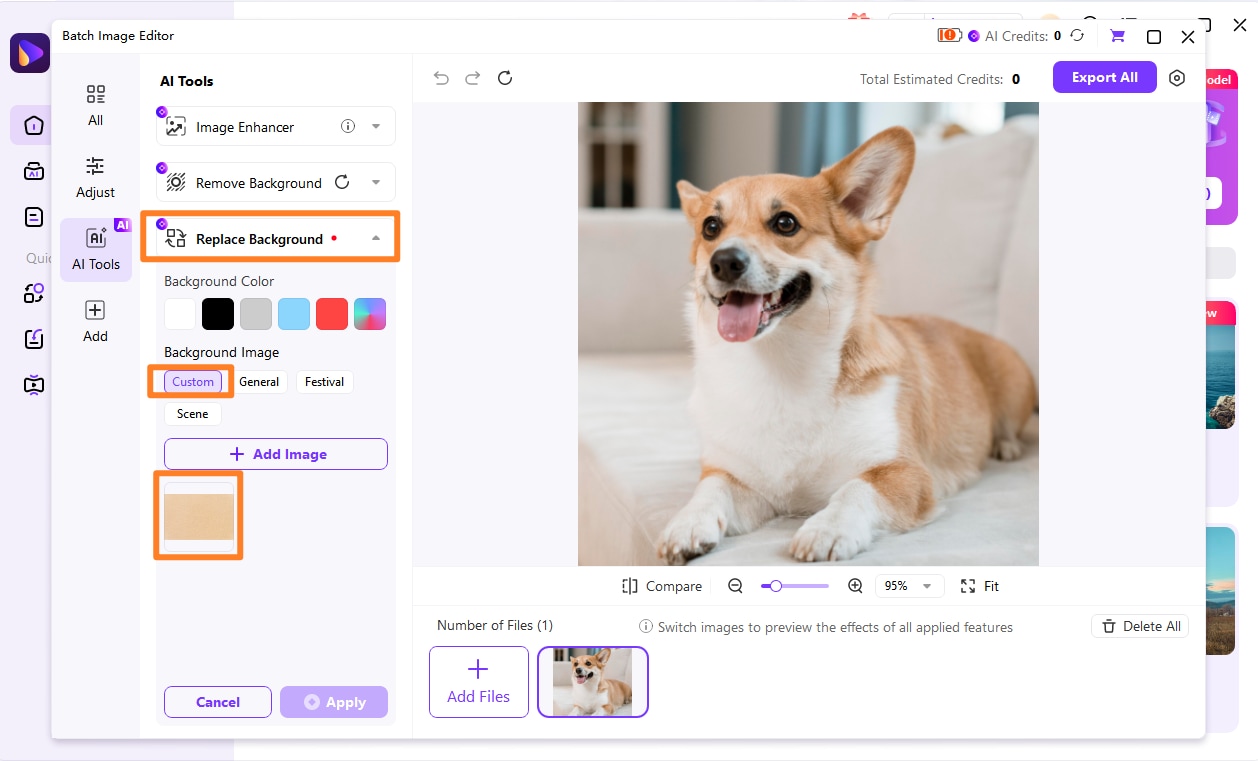
Step 1: Open UniConverter and Choose Background Replacer
Launch UniConverter on your computer. On the main interface, navigate to the "Toolbox" section and select the "Background Replacer" option.
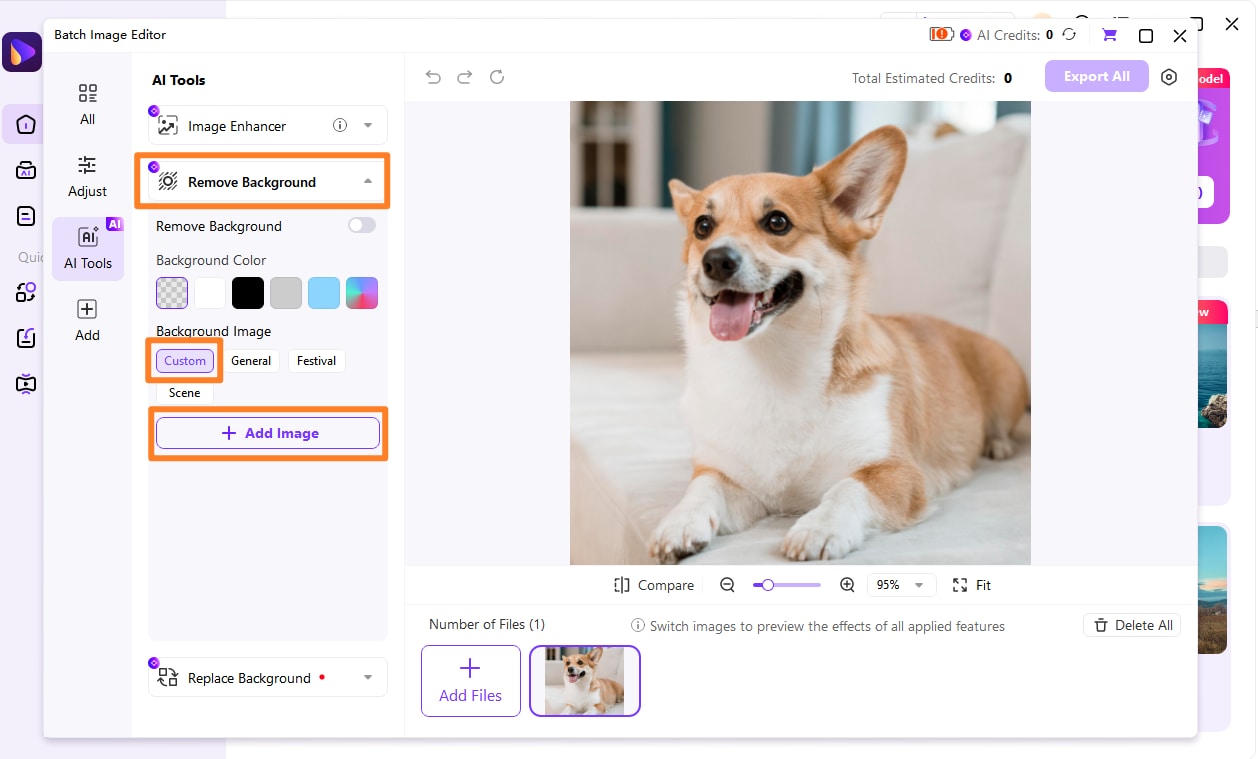
Step 2: Upload the Images
Click on the "Add Files" button or simply drag and drop the images you want to edit into the UniConverter window. You can upload multiple images for batch processing.
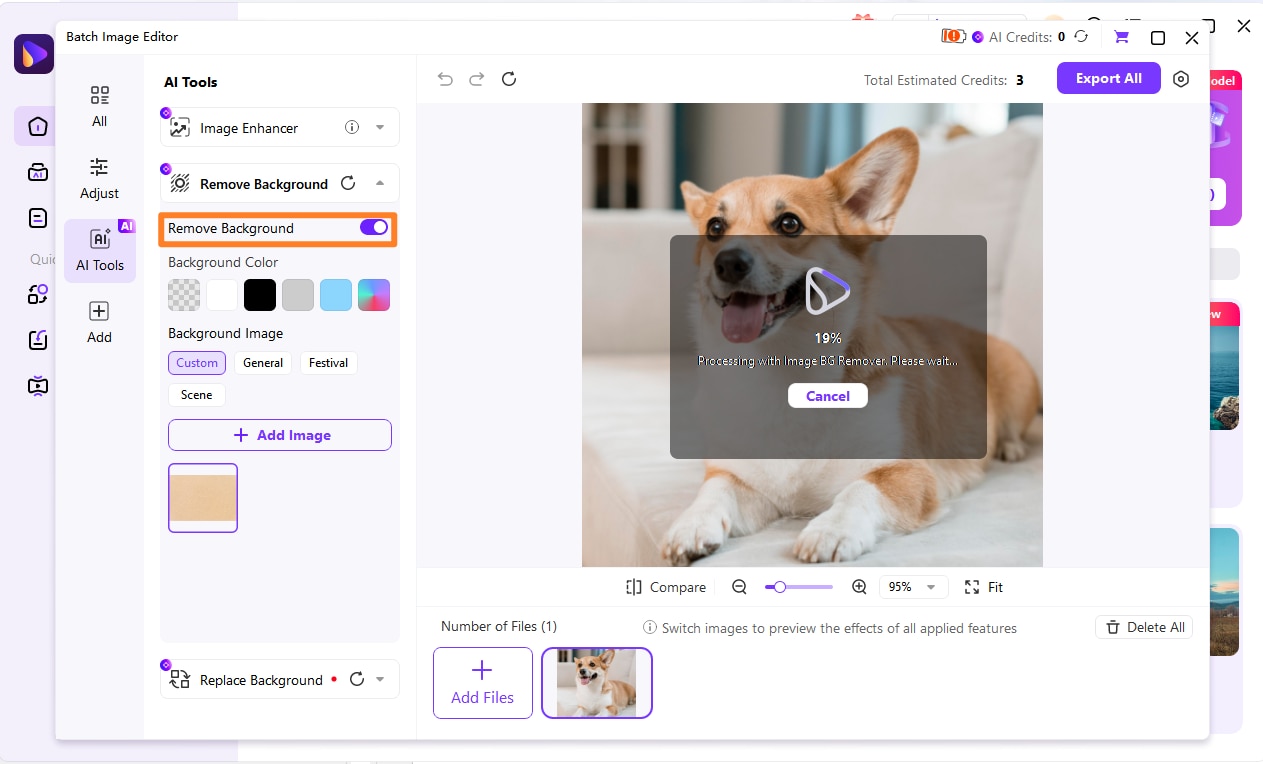
Step 3: Preview and Export Images
Once the images are uploaded, UniConverter will automatically process them and remove the backgrounds. You can preview each image to ensure the results are satisfactory. If needed, you can make minor adjustments.
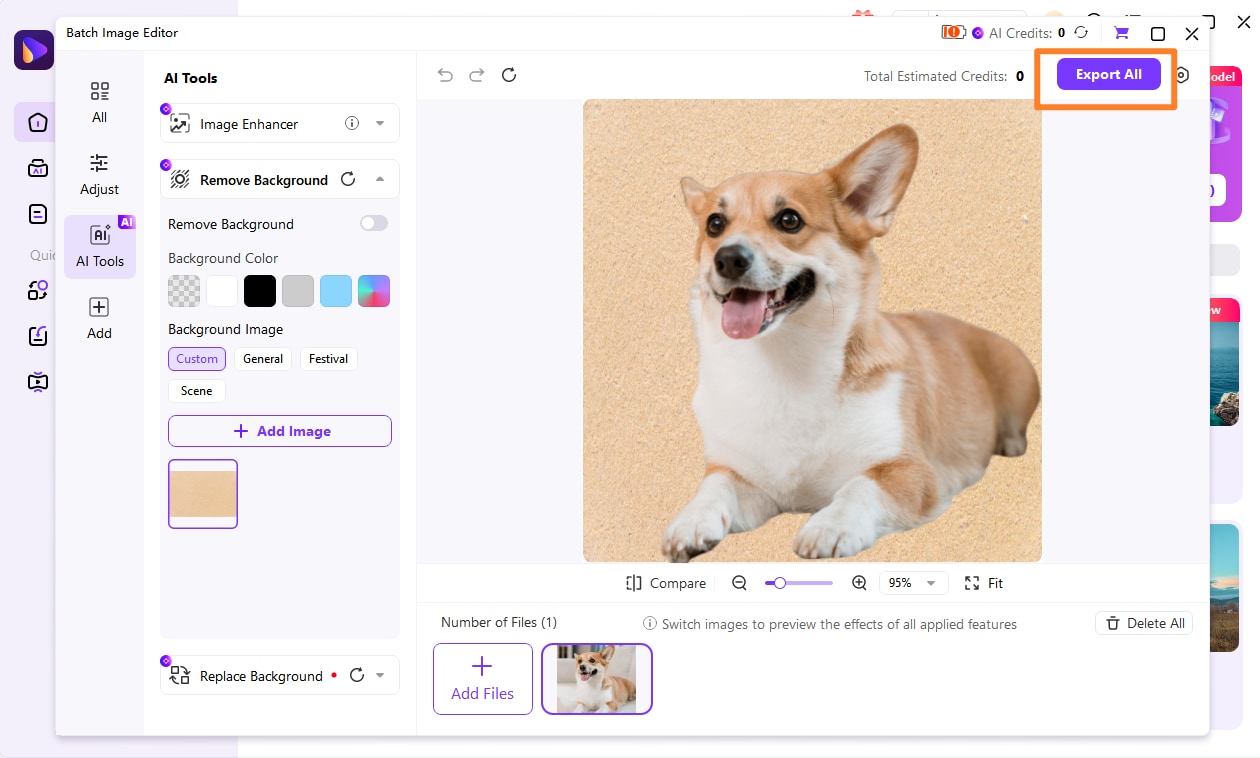
Step 4: Export in Desired Format
After reviewing, click the "Export" button to save your images with transparent backgrounds to your desired location and format.

Seeking a Pixelcut Alternative for Advanced Editing?
Part 7: Conclusion
After spending considerable time with Pixelcut, I can confidently say it's a powerful and accessible tool for anyone needing quick, AI-driven photo editing. This Pixelcut review highlights its strengths in automating tasks like background removal and creating social media graphics, making it a fantastic asset for small businesses, e-commerce sellers, and social media managers who prioritize efficiency and ease of use. However, for professional photographers or those requiring highly detailed, artistic control, its limitations become apparent. While it excels in its niche, it's not a replacement for comprehensive photo editing suites. For versatile media handling, including reliable batch background removal and a broader range of media solutions, UniConverter presents a compelling alternative, especially if you're looking for an all-in-one toolkit. Ultimately, your choice should align with your specific needs, budget, and the level of creative control you require.
Part 8: FAQs
-
1. Is Pixelcut free to use?
Pixelcut offers a limited free version that allows you to try out some basic features. However, to unlock its full potential, including high-resolution exports and unlimited usage, you'll need to subscribe to one of their paid plans.
-
2. How accurate is Pixelcut's background removal for intricate objects?
From my experience, Pixelcut's AI background removal is remarkably accurate, even for intricate objects like hair, fur, or complex product shapes. It handles most scenarios very well, though extremely fine details might occasionally require minor manual touch-ups.
-
3. Can Pixelcut be used for video editing?
No, Pixelcut is primarily designed for image editing and graphic design. It does not offer video editing capabilities. For video editing, you would need a dedicated video editing software.
-
4. What are the best alternatives to Pixelcut for e-commerce?
For e-commerce, strong alternatives include Remove.bg for dedicated background removal, Canva for broader graphic design and templates, and UniConverter for a versatile solution that includes excellent image editing alongside video and audio tools.
-
5. Is my data safe when using Pixelcut's cloud-based editing?
Pixelcut, like most cloud services, employs security measures to protect your data. However, it's always advisable to review their privacy policy and terms of service. For highly sensitive or proprietary images, consider using desktop-based software or ensuring you understand their data handling practices.
